







Semi Fowler Bed: Ideal for Patient Care
A Semi Fowler Bed is a practical patient-care bed designed to raise the patient's upper body while keeping the rest of the bed stable and supportive. Hospitals, clinics, nursing homes, and home-care providers use these beds when comfort, caregiver access, and safe positioning matter. This guide explains how a semi fowler hospital bed works. It compares this model with other patient beds. You will also learn which features matter and how to choose a suitable bed without overspending.
Table of Contents
- What Is a Semi Fowler Bed?
- The Purpose of a Fowler Bed in Patient Care
- Key Features That Matter Most
- How a Semi Fowler Bed Helps Patients and Caregivers
- Manual, 2-Crank, and Electric/Motorized Options
- Semi Fowler Bed Size and Mattress Selection
- Choosing the Right Bed for the Patient
- Bariatric, ICU, Surgery, and Adjustable Beds
- Price Range and Popular Options in India
- The Four Main Hospital Bed Categories
- Bed Positions and Nursing Terms
- Alternatives to a Hospital Bed
- Practical Comparison Before You Decide
- Final Buying Notes for Families and Facilities
What Is a Semi Fowler Bed?
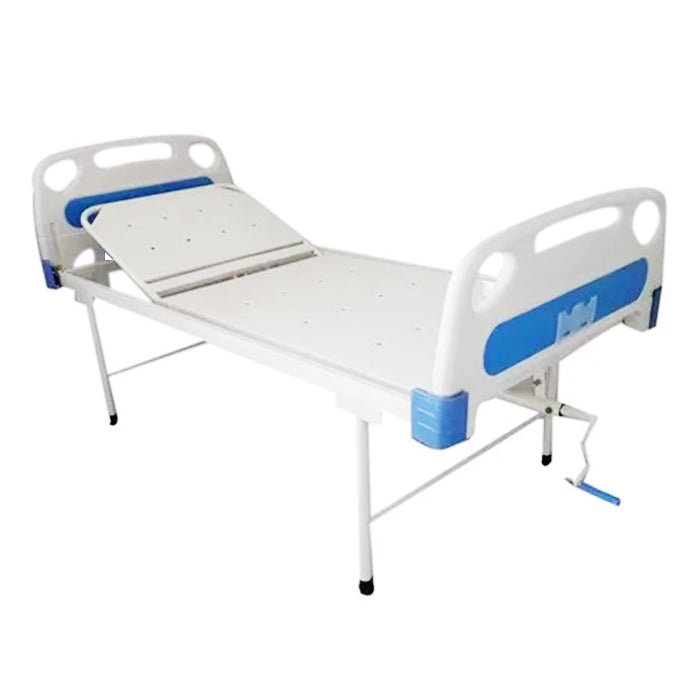
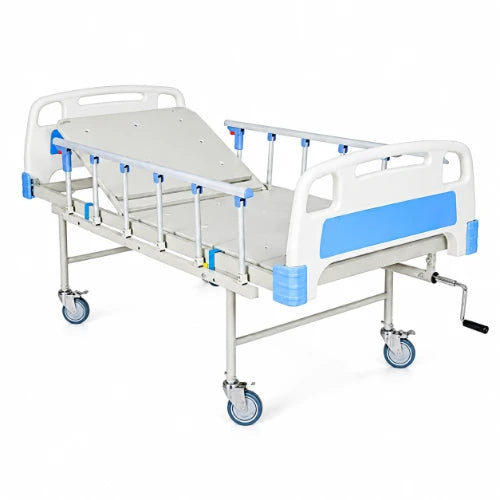
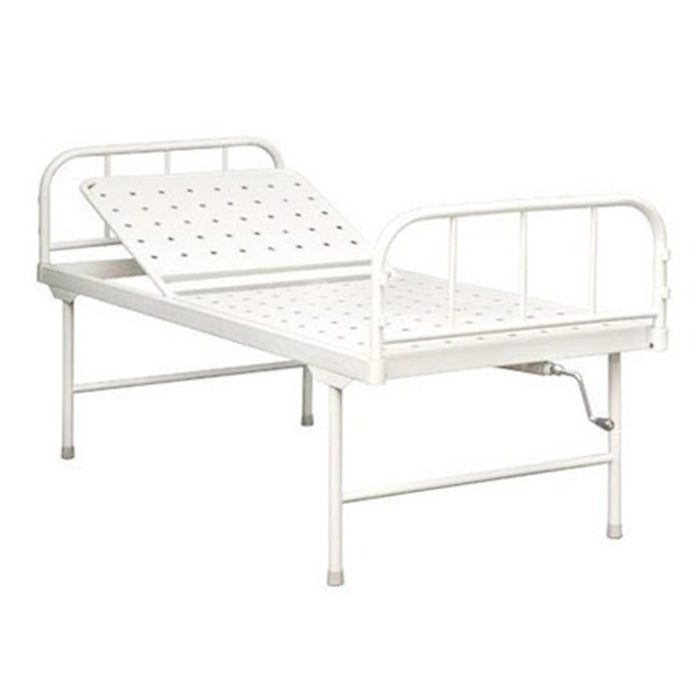
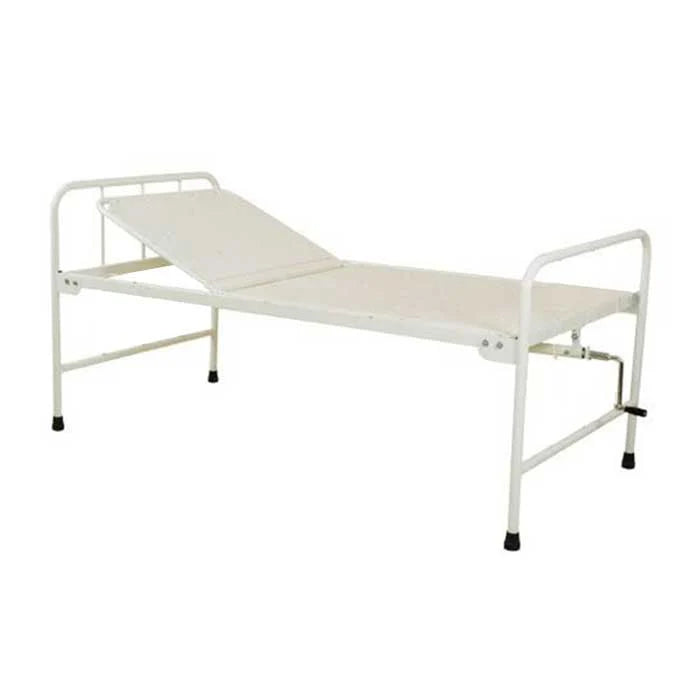
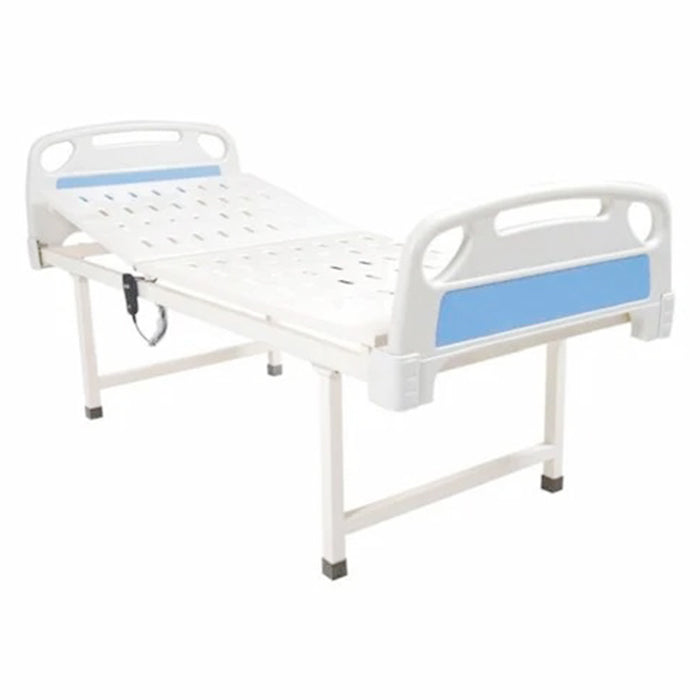
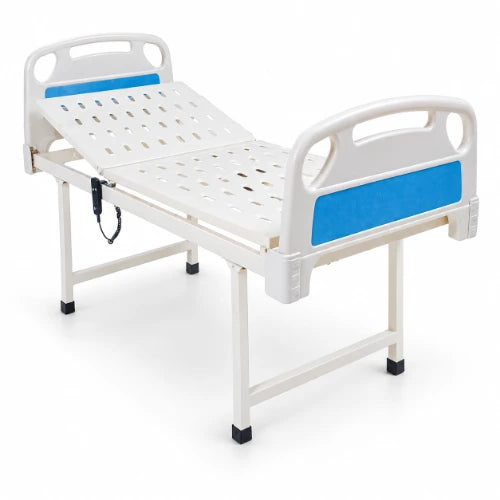
A Semi Fowler Bed is an adjustable hospital bed that raises the patient's backrest. This lets the patient rest in a semi-upright posture. The term also refers to a Patient Bed (Semi Fowler) with a two-section top. A crank or electric motor usually adjusts the backrest. Many manufacturers describe this category as a semi fowler hospital bed with backrest movement. More advanced Fowler beds may include additional knee-rest and height adjustments.
The semi fowler position is useful when a patient should not lie completely flat. Raising the headrest can support breathing comfort, feeding, reading, conversation, and rest after treatment. In some care routines, a semi-upright angle may support ventilation. Keeping the upper body raised after meals or medication may also help reduce acid reflux. The appropriate position depends on the patient's condition and clinical advice.
A typical Semi Fowler Bed is not an ICU bed, surgery bed, or full-featured electric nursing platform. Buyers often choose it for backrest elevation. It avoids the complexity and cost of a high-end critical-care bed.
The Purpose of a Fowler Bed in Patient Care
The question “What is the purpose of a Fowler bed?” is best answered through positioning. Fowler and semi fowler beds help caregivers raise a patient's upper body. This offers more controlled support than pillows alone. This controlled movement matters during meals, medication, dressing changes, respiratory care, cardiac recovery, and general bedside interaction.
The difference between fowler and semi fowler bed designs mainly involves the range and number of adjustments. A Semi Fowler Bed normally focuses on the backrest. A Fowler bed commonly adjusts the backrest and knee section. Some models also offer height adjustment or Trendelenburg-style functions.
Key Features That Matter Most
When comparing Semi Fowler Beds, look beyond the product photo. The right model should suit the patient, caregiver, room size, mattress, and expected duration of use.
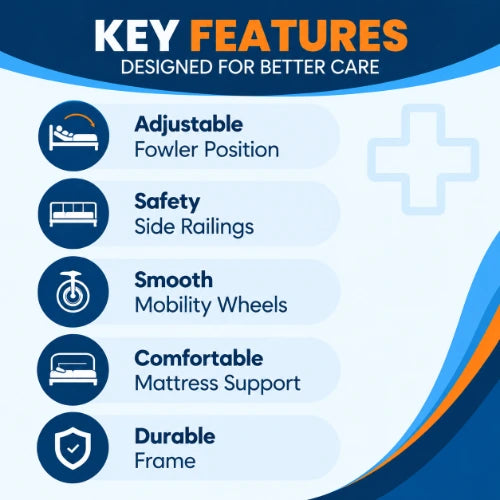
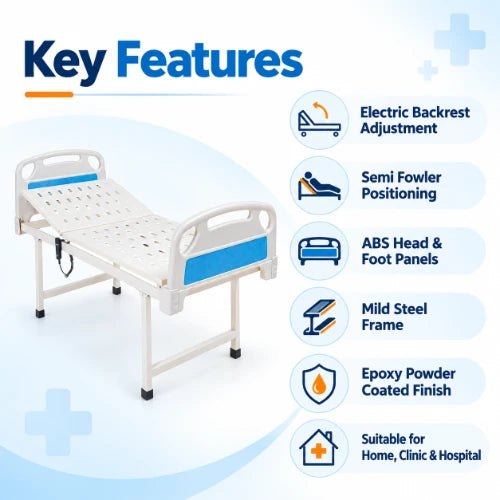
- Backrest adjustment: Smooth headrest elevation is the core function. It helps patients sit up for eating, resting, reading, and breathing support when clinically appropriate.
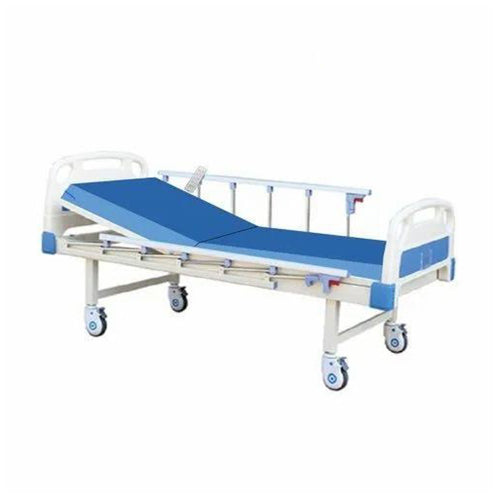
- Operation type: A manual crank-operated model is simple and economical, while motorized or electric/motorized designs reduce caregiver effort.
- Build and materials: Common frames use mild steel and machine-pressed sheet sections. Protective finishes, such as epoxy powder coating, help improve durability.
- Panels: A semi fowler with ABS panel or ABS Panel / Mid-Range Beds option is popular. ABS head and foot panels are easier to clean and offer a modern appearance.
- Side safety: A model described as semi fowler with railing usually means a Semi Fowler Bed with side rails. Check that the rails lock firmly and lower easily when needed.
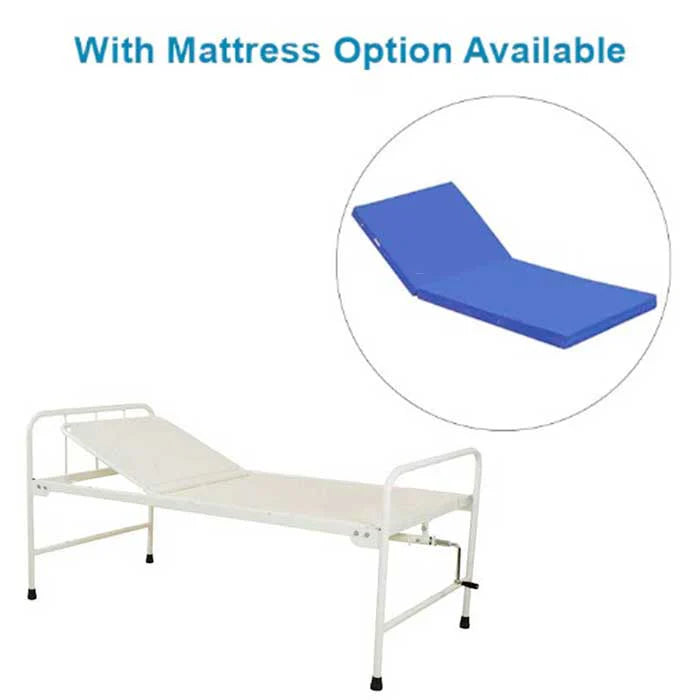
- Mattress fit: The semi fowler bed mattress should bend with the backrest and fit the platform without sliding.
- Accessories: IV rod provision, urine bag hooks, mattress guides, castors, brakes, and bumpers can improve daily usability.
Some Fowler beds sold in India feature strong metal frames and ABS safety panels. They may also include folding hand cranks, IV rod provisions, castors, and epoxy-coated metal parts. Verify these details in the quotation. View an example of a Fowler bed with ABS panels.
How Does a Semi Fowler Bed Help Patients and Caregivers?
A Semi Fowler Bed makes routine care less physically demanding and more comfortable. Instead of manually lifting a patient into a sitting angle, caregivers can raise the backrest using a crank or motor. This reduces awkward handling and helps patients maintain a stable posture during meals, conversations, breathing exercises, and medicine intake.
For bedridden patients, small improvements in positioning can make a big practical difference. A slightly upright posture can make the room feel more engaging, improve visibility, and help some patients swallow more comfortably. For older adults, a semi fowler bed for home can make family caregiving more manageable. It provides hospital-style support within a home-care routine.
A Semi Fowler Bed for patients is especially useful when someone can spend time awake in bed but needs help sitting up. However, the bed does not replace clinical judgement, physiotherapy, pressure-injury prevention, or caregiver training. It provides a more controlled way for families and facilities to support rest and daily care.
Manual, 2-Crank, and Electric/Motorized Options
The most common buying decision is whether to choose a manual semi fowler bed or an electric version. Basic manual beds use a hand crank to raise or lower the backrest. Their simple design suits wards, small clinics, and short-term home care.
A motorized Semi Fowler Bed uses an electric motor with a handset or control panel. Electric/motorized beds are convenient when caregivers adjust the patient's position often. They also help when a caregiver cannot comfortably operate a crank. They may also give patients more independence when they can safely use the controls.
What Is a 2-Crank Hospital Bed?
“What is a 2 crank hospital bed?” Usually, it has two separate crank handles. One commonly adjusts the backrest, while the other adjusts the knee-rest section. In many catalogues, this overlaps with “What is a 2 function hospital bed?” Two functions often mean two adjustable sections. A basic Semi Fowler Bed may offer one primary function, while a Fowler bed may use two cranks for back and knee movement.
The key differences between a 2-crank and a 3-crank hospital bed come down to the third movement. A 3-crank bed often adds height adjustment or another platform movement, depending on the manufacturer. When comparing a Semi Fowler Type Bed with a two-crank Fowler model, check which sections move. Ask how far each section moves and whether the crank folds away safely.
Electric Movement and Caregiver Effort
An electric/motorized bed is not automatically better for every situation. It needs a suitable power supply, periodic maintenance, and safe cable placement. A manual crank-operated bed may be sufficient for patients who change position only a few times per day.
Choose an electric motor model if the patient needs frequent adjustments. It may also help when the caregiver struggles with a crank or the patient needs independent control. Choose manual operation when the budget is tighter, power availability is uncertain, or the bed will serve in a basic ward environment.
Semi Fowler Bed Size and Mattress Selection
The phrase semi fowler bed size usually refers to the overall frame dimensions and mattress platform. Many hospital beds are narrower than domestic double beds. This helps caregivers reach patients from both sides and move beds through clinical spaces. Some Semi Fowler Beds in India list widths of around 900 mm. Their lengths may range from 1900 to 2060 mm. Exact dimensions vary by manufacturer and model. Check an example of a Fowler bed specification.
“What is the standard size of a hospital bed?” has no universal answer. Dimensions vary by country, use case, and supplier. In international home-care settings, “What size is a twin hospital bed?” often refers to a footprint close to a Twin XL bed. Always measure the actual platform before ordering sheets or a mattress.
“What is 6 × 6 bed size in cm?” A 6 ft by 6 ft bed measures approximately 183 cm by 183 cm. This is closer to a square domestic mattress size than the usual shape of a hospital Semi Fowler Bed.
“What size bed for a 6–7 man?” A very tall person may need an extended-length hospital bed. A standard Semi Fowler Bed may be too short. When asking “What are the best hospital beds for tall people?”, check the internal mattress length, safe working load, footboard clearance, and availability of extension kits.
What Type of Mattress Is Used in Hospital Beds?
A hospital bed mattress is usually flexible enough to bend with the platform. Common options include foam, high-density foam, pressure-redistribution foam, air mattresses, and alternating-pressure mattresses. Choose a mattress based on the patient's skin risk, body weight, mobility, and clinical needs. For a Semi Fowler Bed, it should fold smoothly at the backrest joint.
“Can I put my own mattress on a hospital bed?” Sometimes. The mattress must fit the platform and bend correctly. It must not interfere with side rails or reduce safe rail height. A domestic mattress may be too thick, wide, heavy, or stiff. If the patient is bedridden, has fragile skin, or has a high body weight, ask a clinician or supplier before using a different mattress.
“Sleepwell or Dr. Ortho?” is a common consumer-style comparison. However, brand alone should not determine the choice. Check the hospital-compatible size, firmness, cleanable cover, bendability, pressure management, and warranty. For “What type of hospital bed mattress is best for heavy people?”, a bariatric-rated foam or air mattress designed for a higher weight capacity is usually more appropriate than a regular home mattress.
Choosing the Right Bed for the Patient
The answer to “Which bed is best for bedridden patients?” depends on mobility, weight, caregiver availability, and medical condition. Time spent in bed also matters. A Semi Fowler Bed may be enough for someone who needs backrest elevation and basic bedside care. A full Fowler, 3-function, 5-function, or ICU bed may suit patients who need frequent repositioning. These beds can also offer knee elevation, height adjustment, or advanced monitoring support.
Use this simple decision checklist before you buy:
- Patient mobility: Can the person sit, turn, or transfer with help, or are they fully dependent?
- Duration of care: Will the bed serve for a few weeks, several months, or long-term daily use?
- Caregiver strength: Can the caregiver operate a crank safely, or is electric adjustment necessary?
- Room layout: Is there enough space on both sides for transfers, cleaning, and emergency access?
- Weight rating: Can hospital beds take your weight? Yes, provided the total load stays within the manufacturer's safe working load.
- Mattress needs: Does the patient require pressure relief, or will a standard semi fowler bed mattress be sufficient?
- Safety and accessories: Are side rails, brakes, IV rod provision, and mattress guides included or optional?
“Which bed is good for an older adult?” A Semi Fowler Bed may suit someone who benefits from raised back support. It can also help with feeding and caregiver assistance. If the person transfers in and out of bed often, also consider bed height, side rail design, wheel locks, and space for a commode chair or wheelchair nearby.
“What is the best type of bed for bedridden patients?” For long-term care, consider an adjustable hospital bed. Look for a pressure-care mattress, side safety, and enough functions for repositioning. A Semi Fowler Bed is a strong basic choice, but it may not provide enough support for high-risk skin care or patients who need a higher weight capacity.
Bariatric, ICU, Surgery, and Adjustable Beds Are Different Categories
“What is a bariatric hospital bed?” The answer starts with weight capacity and width. Manufacturers design bariatric beds for heavier patients and typically provide stronger frames, wider platforms, reinforced mechanisms, and compatible bariatric mattresses. “What's the difference between a bariatric bed and a regular hospital bed?” A regular bed supports standard patient weights and dimensions. A bariatric bed supports higher loads and provides more space.
“What is the maximum weight allowed on a hospital bed?” The answer depends entirely on the model. Never estimate the limit from appearance. Ask the supplier to confirm the safe working load in writing, including the combined weight of the patient, mattress, accessories, and attached equipment.
“How much does a bariatric bed cost?” and “How much ICU charges per day?” have no single answer. Prices vary by city, hospital, room category, bed features, supplier, and service package. The bed itself represents only one part of ICU charges. Monitoring, nursing, medicines, procedures, oxygen, ventilation, and doctor fees may all affect the total.
“What is a surgery bed?” A surgery bed, often called an operating table, supports procedures, clinical access, patient positioning, imaging compatibility, and surgical stability. It serves a different purpose from a Semi Fowler Bed.
Hospital Bed Brands and Suppliers
“What is a Stryker hospital bed?” Stryker is a global medical technology company associated with hospital beds and patient-support systems, with commercial operations in India. Buyers comparing institutional brands may also encounter Hillrom/Baxter, Paramount Bed, Midmark, Arjo, Godrej Interio, Medline, Geeta Surgicals, Gita Mediquip, and Invacare. These names appear in market reports and supplier listings. Read the India hospital beds market report.
Price Range and Popular Options in India
“How much does a hospital bed cost in India?” The price changes with manual versus electric operation, frame material, panels, castors, side rails, mattress type, brand, warranty, taxes, freight, installation, and after-sales service. A basic manual bed usually sits at the lower end of the price range, while Electric/Motorized Beds, ICU beds, and bariatric beds generally cost more.
“How much does a hospital bed cost in Bangalore?” The same factors apply. Local delivery, dealer networks, rental availability, installation, and service response can also affect the quote. In Bangalore or any other city, compare written quotations instead of relying on a single online listing. Ask whether the semi fowler bed price includes the mattress, railing, IV rod, GST, delivery, and installation.
“How much does a fowler bed cost?” A Fowler bed usually costs more than a Semi Fowler Bed because it often offers more movements. A semi fowler with ABS panel will generally cost more than a plain mild steel panel version, while ABS Panel / Mid-Range Beds may balance appearance, hygiene, and affordability for clinics and home care.
Buying Channels in India
If you are looking for Hospital Bed for Home - Buy Semi Fowler Bed Online, check the seller's service coverage, return rules, installation support, and spare-parts availability. Online listings are convenient. However, hospital beds are not ordinary furniture, so after-sales support matters.
Hospitals and government buyers may also use the Government e Marketplace (GeM) or tender-based procurement. These routes involve formal specifications, documentation, and compliance requirements. Public procurement documents and marketplace listings can help buyers identify useful technical details. The final choice must match the care setting and patient needs.
For buyers searching semi fowler bed manufacture in India or Semi Fowler Bed Manufacturer & Supplier in India, ask for a technical datasheet, warranty terms, production standards, service process, and client references. Do not select a supplier based only on the lowest quote if the bed will see daily use.
The Four Main Hospital Bed Categories
“What are the four main types of hospital beds?” A practical classification includes manual beds, semi-electric beds, full-electric beds, and specialty beds. Specialty beds include ICU, pediatric, bariatric, maternity, and surgical or procedure-specific platforms.
Within this wider group, common patient bed types include:
- Plain hospital bed: A fixed platform for basic rest when adjustability is not required.
- Semi Fowler Bed: A backrest-adjustable bed for basic patient care and semi-upright positioning.
- Fowler bed: A multi-section bed that usually adjusts the backrest and knee-rest.
- 3-function bed: A bed that may adjust the backrest, knee-rest, and height, depending on the design.
- ICU bed: A higher-feature critical-care bed with advanced positioning and accessory compatibility.
- Bariatric bed: A reinforced bed designed for heavier patients.
- Pediatric or specialty bed: A model designed for specific age groups or clinical needs.
“What is a 3 function hospital bed?” Usually, it is a bed with three adjustable functions, often the backrest, knee-rest, and height. Manufacturers may define these functions differently, so read the technical sheet before purchasing.
“What is another name for a hospital bed?” Depending on the context, people may call it a medical bed, patient bed, nursing bed, care bed, adjustable hospital bed, or cot. In India, “hospital cot” is also common in everyday conversation.
Bed Positions and Nursing Terms Buyers Often Hear
“What are the 7 basic bed positions?” Lists vary by training program, but common patient positions include supine, prone, lateral, Fowler's, semi-Fowler's, Trendelenburg, and reverse Trendelenburg. “What are the 7 types of beds in nursing?” and “What are the 7 types of bed making?” usually refer to nursing bed-making categories. Examples include open, closed, occupied, unoccupied, surgical, cardiac, and fracture beds. Terminology varies between training programs and institutions.
Why Bed Positioning Matters
These terms matter because the bed should support the care routine. A Semi Fowler Bed supports semi-upright positioning, but it does not automatically provide every advanced position. If the care plan requires Trendelenburg, reverse Trendelenburg, cardiac chair posture, or frequent lateral turning, consider more than a basic Semi Fowler Bed.
“How many beds are in a hospital?” That depends on the facility's size, licensing, department mix, and occupancy model. A small clinic may have only a few patient beds, while a large multi-specialty hospital may operate hundreds. For individual buyers, the more useful question is whether the selected hospital semi fowler bed suits the ward, room, or home-care workload.
Alternatives to a Hospital Bed
“What can I use instead of a hospital bed?” For short-term, low-risk situations, some families use a recliner or adjustable home bed. Other options include wedge pillows, a bed backrest, or a firm domestic bed with caregiver support. These alternatives may improve comfort. However, they lack some hospital-bed features. These include side safety, castors, brakes, medical mattress compatibility, and caregiver access.
Hospital Beds Compared with Adjustable Home Beds
“Which is better, a hospital bed or an adjustable bed?” An adjustable home bed may look better and feel more familiar. A hospital bed often suits care tasks better. Manufacturers design it for cleaning, patient access, accessories, and safer movement around the bed.
“Can I buy a hospital bed for home?” Yes. Many suppliers sell a semi fowler bed for home, a full Fowler bed, or an electric home-care bed. “Can I buy a hospital-style bed for home use?” Yes, but measure doorways, lifts, room space, and electrical points before placing an order.
Practical Comparison Before You Decide
Use this comparison as a quick Semi Fowler Bed Guide when shortlisting models.
| Option | Best For | Main Benefit | What to Check |
|---|---|---|---|
| Basic Manual Beds | Short-term care, wards, and budget-sensitive buyers | Simple backrest adjustment | The caregiver must operate the crank. |
| Manual Semi Fowler Bed | Home care and routine patient support | Affordable semi-upright positioning | It offers fewer functions than many Fowler beds. |
| ABS Panel / Mid-Range Beds | Clinics, nursing homes, and better-equipped home-care settings | Cleaner appearance, easier handling, and improved finish | Confirm whether the price includes rails and a mattress. |
| Electric/Motorized Beds | Frequent adjustments, caregivers who have difficulty using cranks, and patients who can safely adjust their own position | Less manual effort | They need power, service support, and a higher budget. |
| Bariatric Bed | Heavier patients | Higher weight capacity and a wider platform | Confirm the bariatric mattress rating and room space. |
| ICU Bed | Critical care | Advanced positioning and accessory support | It may offer more features than basic home care requires. |
“What is the best hospital bed?” There is no single best bed for every patient. The best hospital bed safely supports the patient's body, care plan, caregiver's ability, and budget.
“What are the best hospital beds in India?” Institutions may prioritize recognized suppliers, service networks, and procurement compliance. Home buyers should choose a model that fits their needs. They should also find a dependable supplier who can install, explain, and service the bed locally.
Final Buying Notes for Families and Facilities
Before ordering, ask the supplier to confirm the bed's exact dimensions and platform type. Check the backrest angle range, safe working load, warranty, railing design, mattress size, delivery time, and installation process. If the quotation says “semi fowler with railing,” confirm the rail type. Make sure it locks securely. For a “semi fowler with ABS panel,” check whether both head and foot panels use ABS. Also ask whether the panels are removable.
Hospitals often purchase Semi Fowler Beds for Hospitals in batches, so standardization matters. Matching bed sizes, rail types, mattress dimensions, and spare parts can simplify maintenance. For home buyers, comfort and service support matter just as much as price.
A Semi Fowler Bed is ideal when a patient needs reliable head-end elevation without the complexity of a full ICU setup. It supports basic care, comfort, feeding, communication, and rest in ways that ordinary furniture usually cannot. Compare the features carefully before buying. Check the size, mattress compatibility, and weight capacity. This helps buyers choose a practical, durable Semi Fowler Bed for clinical or home-care use.