


Featured ChoiceSave 31%

Save 29%

Sold out

What customers say
★★★★★ 5.0 · 6 reviews
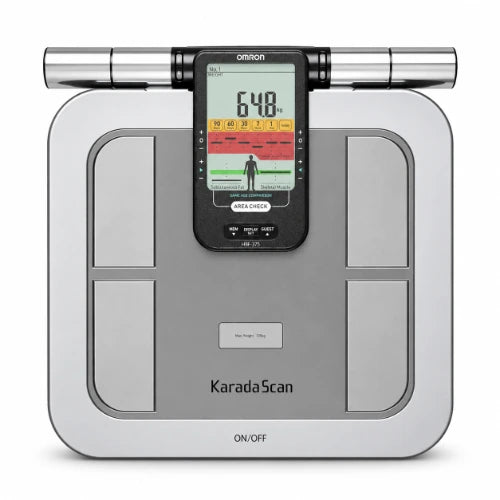
 Omron HBF-375 Karada Scan Body Composition Monitor
“Love this device! The readings are consistent and detailed. Great for tracking body fat, muscle mass, and m...”
“This is a great buy! It provides precise body composition data”
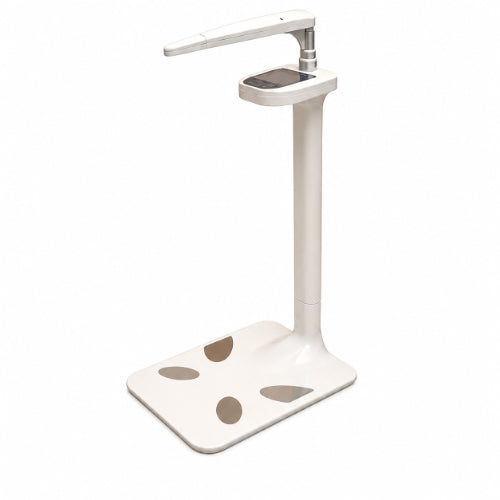
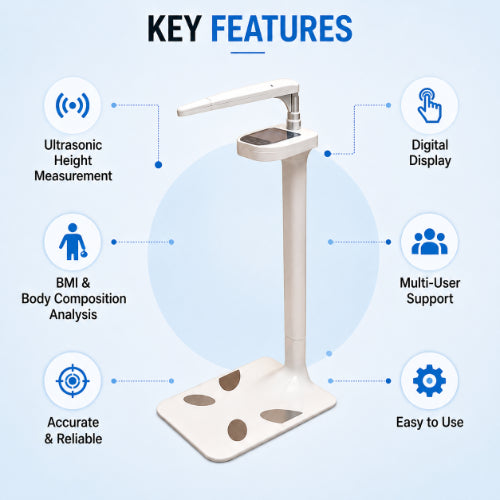
 Ultrasonic Digital BMI Body Fat Scale | Smart Body Composition Scale
“amazing!”
“I’m really impressed with the Ultrasonic Digital BMI Body Fat Scale! It provides precise measurements of bo...”
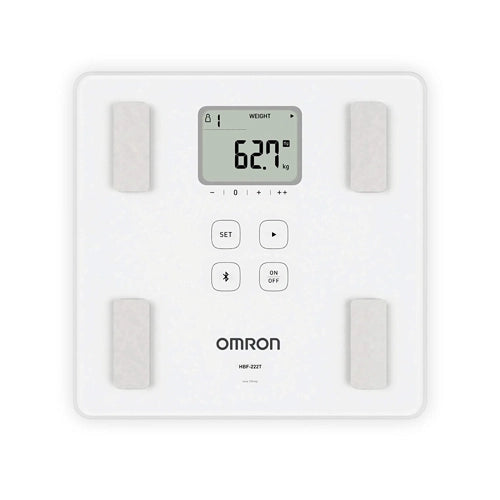
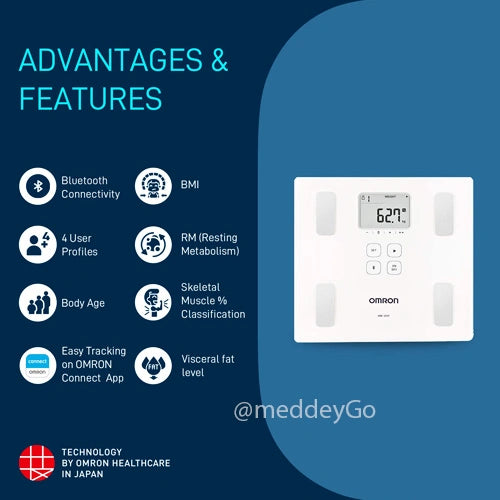
 Omron HBF 222T Complete Digital Body Composition Monitor With Bluetooth
“Syncs seamlessly with my phone. Tracks weight, BMI, and more!”
“This is fantastic! Accurate readings, Bluetooth connectivity is smooth”
Future of Tense Machines: Pain Relief Innovations
Exploring the Future of Tense Machine Innovations
Search note: "tense machine" is the common search wording used in this article. The accepted medical name is electrical stimulation, which stands for transcutaneous electrical nerve stimulation. Tense here describes the search wording only; tense is not a separate therapy, tense is not a different electrical mode, and tense does not replace the correct stimulation therapy label on medical equipment.
A tense machine is usually a search-friendly way people refer to a tense machine , a small electrical nerve stimulation device used for temporary pain relief. TENS stands for transcutaneous electrical nerve stimulation, and it works by sending mild electrical pulses through adhesive pads placed on the skin. As interest grows in noninvasive pain support, the future of TENS is moving toward smarter settings, better comfort, clearer guidance, and more personalized use.
Before exploring what comes next, it is important to be precise: a tense machine is not a cure for pain, and it is not right for everyone. It may help some people manage certain types of short-term or long-term pain, but anyone with unexplained pain, pregnancy, epilepsy, a pacemaker, heart concerns, or other medical conditions should check with a healthcare professional before use.
What is a tense machine used for?
People use a tense machine for temporary pain relief by sending low-voltage electrical current through the skin to nerves near the painful area. People may use TENS for therapy related to conditions such as muscle or joint discomfort, sports injuries, arthritis-related pain, period pain, labour comfort, or other pain concerns when a clinician says it is appropriate. It does not work for everyone, and the amount or duration of relief can vary from person to person.
The basic idea is simple: instead of relying only on medication or rest, a discomfort therapy unit gives the nervous system a controlled sensory input. Many users describe the feeling as tingling, tapping, buzzing, or pulsing. When users place the pads correctly and keep the sensation comfortable, the stimulation may reduce how strongly they perceive symptoms signals during the session.
For this reason, clinicians often discuss electrical stimulation soreness treatment in physiotherapy, sports recovery, maternity settings, and everyday home discomfort management. A clinician may recommend a unit as part of a broader plan that also includes exercise, posture changes, strengthening, stretching, manual therapy, pacing, heat or cold therapy, or medication when needed. In that context, the tense machine becomes a support tool rather than a standalone answer.

The name is changing, but the need is familiar
Many people type tense machine when they mean tense machine . Others search for “tense electric unit,” “symptoms therapy unit,” “electrical nerve stimulation equipment,” or even terms like “past tense machine” because the spelling sounds similar. In medical language, however, the accepted term is stimulation therapy: transcutaneous electrical nerve stimulation.
That distinction matters because search engines may understand the intent, but safety instructions, product labels, and clinical guidance usually use the correct abbreviation. If you are researching a tool for soreness support, look for electrical stimulation rather than a general “electric unit.” The label should explain intended use, contraindications, pad placement, cleaning, settings, and warnings.
The phrase past tense machine belongs more naturally to grammar than discomfort relief. For example, someone asking “cut down with a unit past tense” is asking about language, not healthcare: the past tense is “cut down,” because “cut” does not change form. A tense machine, on the other hand, is a physical unit used for electrical nerve stimulation.
That confusion is surprisingly useful because it shows how consumer language evolves. People do not always begin with the correct technical term. They begin with a problem: symptoms, stiffness, cramps, sore muscles, or curiosity about a small equipment they saw online. The future of tense machine innovation will depend partly on making these devices easier to understand for real people, not just easier to market.
How modern tense machine treatment works
A typical tense machine treatment uses a small control unit connected to adhesive electrode pads. The user places the pads on the skin near the painful area or along a related nerve pathway, then turns the unit on at a low setting and gradually increases intensity until the sensation is strong but comfortable. The goal is not to create soreness, shock, or muscle strain.
Healthcare sources often explain stimulation therapy in two related ways. First, the electrical pulses may interfere with discomfort messages traveling toward the brain. Second, the stimulation may encourage the body to release natural symptoms-relieving chemicals, often discussed as endorphins. These explanations are commonly used, though researchers continue to study why electrical stimulation helps some people more than others.
The core parts of a TENS setup
Most consumer and clinical devices share a few basic components:
-
Control unit: The small tool that creates and adjusts the electrical pulses.
-
Lead wires or wireless connectors: The link between the control unit and the pads, unless the unit is fully wireless.
-
Electrode pads: Adhesive pads that deliver stimulation through the skin.
-
Programs or modes: Pre-set pulse patterns designed for different sensations or treatment goals.
-
Intensity controls: Buttons or dials that let the user raise or lower the strength of stimulation.
-
Instructions and warnings: The most important “feature” for safe, realistic use.
The technology may look simple, but placement, timing, and comfort make a real difference. A tense machine used casually without reading instructions is more likely to disappoint or irritate the skin. A stimulation therapy unit used thoughtfully, with professional guidance when needed, is more likely to become a practical part of soreness management.
What the user actually feels
electrical stimulation should usually feel noticeable but manageable. Some people prefer a gentle tingling sensation, while others need a stronger pulse to feel benefit. The best setting is not automatically the highest setting; it is the setting that is tolerable, comfortable, and appropriate for the area being treated.
If the sensation feels sharp, burning, painful, or alarming, turn the unit down or stop the session. Check the skin after each session, especially when you reuse electrode pads. Adhesive irritation can happen, and clinicians have reported rare burns with electrode use, so always pay attention to comfort and skin response.
Why innovation in the tense machine category matters
discomfort is personal, inconsistent, and often difficult to describe. Two people can use the same symptoms therapy unit for the same body area and have different results. That variability is one reason innovation matters: future stimulation therapy devices need to become better at matching treatment to the person, the soreness pattern, and the moment.
The next generation of tense machine design is not just about adding more buttons. It is about reducing confusion. Better devices should help users understand where to place pads, when to adjust intensity, when to stop, and when to ask a professional for help.
There is also a usability challenge. Many people who might benefit from electrical stimulation are dealing with fatigue, limited mobility, chronic discomfort, or anxiety about discomfort. If a unit is hard to set up, difficult to read, or packed with unclear modes, it may stay in a drawer. Innovation should make the experience calmer, safer, and more intuitive.
The shift from gadget to guided therapy
Early consumer devices often felt like simple electronics: attach pads, choose a mode, raise the intensity, and hope it helps. Future tense machine products are likely to feel more like guided therapy companions. They may offer clearer setup prompts, body-area selection, session reminders, and better explanations of what each mode is meant to do.
This matters because many people misuse home wellness devices without meaning to. They may place pads too close together, reuse worn-out electrodes, choose uncomfortable settings, or expect immediate long-term results. Better guidance can help users avoid common mistakes without turning a simple equipment into a complicated medical system.
Comfort will become a stronger selling point
symptoms management tools succeed when people actually use them. A bulky tool, sticky pads that pull at the skin, stiff wires, or confusing controls can undermine the experience. The future tense machine will likely focus heavily on comfort: softer pads, better adhesion, flexible patches, quieter operation, more readable screens, and less intrusive designs.
Comfort is not superficial. If a person uses stimulation therapy for therapy during a flare-up, menstrual cramps, back discomfort, or after activity, the unit has to fit into real life. It should be easy to apply, easy to pause, and easy to remove.
What is the disadvantage of TENS?
The main disadvantage of electrical stimulation is that it does not work for everyone and often provides temporary relief rather than a permanent fix. Some people dislike the tingling sensation, some experience skin irritation from pads or adhesives, and certain people should avoid stimulation therapy unless a healthcare professional says it is safe. Do not use electrical stimulation to ignore unexplained, worsening, or serious soreness.
stimulation therapy can be very helpful for some users, but it has limits. It may reduce discomfort during a session, yet relief may fade soon after the user turns the unit off. Cleveland Clinic notes that some people feel better for hours after treatment, while others notice symptoms returning quickly.
There are also important safety boundaries. NHS guidance says not to use electrical stimulation if you have epilepsy, a pacemaker, or are pregnant unless a doctor or midwife advises it. Cleveland Clinic also lists additional situations where people should avoid TENS or seek professional guidance, including certain heart conditions, implantable devices, cancer, deep vein thrombosis, bleeding disorders, damaged skin, infected tissue, and use near sensitive areas such as the eyes, mouth, front or side of the neck, head, or genitals.
Practical limitations to consider
Before buying or using a tense machine, it helps to understand the everyday drawbacks:
-
Results vary: A equipment that helps one person may do little for another.
-
Relief may be short-lived: TENS often helps most during active stimulation.
-
Pad placement matters: Poor placement can reduce benefit or feel uncomfortable.
-
Skin can react: Adhesives may cause itching, redness, or irritation.
-
Settings can be confusing: Too many programs may overwhelm new users.
-
It is not diagnostic: TENS does not explain the cause of soreness.
-
It is not for every body area: Some areas are unsafe for electrode placement.
-
It may not suit implanted devices: Pacemakers and other medical implants require caution.
The disadvantage is not that TENS is “bad.” The disadvantage is that it is easy to treat it like a universal solution when it is really a targeted support tool.
The future is more personalized stimulation
Personalization is one of the most promising areas in tense machine innovation. Today, many devices offer a menu of modes with names such as massage, knead, acupuncture, tapping, or recovery. These labels are easy to understand, but they do not always explain what is happening electrically or why one mode might fit a specific discomfort pattern.
Future devices may become more adaptive. Instead of making users guess, a tool could ask simple questions: Where is the discomfort? Is it sharp, dull, cramp-like, or aching? Is the goal to stay active, relax, sleep, or recover after exercise? The unit could then suggest a starting program while reminding the user to stay within a comfortable range.
This type of personalization would not replace clinical judgment. It would simply make home use less random. For people using tens unit physiotherapy under professional direction, app-supported settings could also make it easier to repeat the same program consistently between appointments.
Smarter intensity without overcomplication
One common problem with electrical stimulation is intensity creep. A user starts low, gets used to the sensation, and keeps increasing the strength. Sometimes that is appropriate; sometimes it becomes uncomfortable or unnecessary.
A smarter tense electric unit could encourage gradual changes, prompt comfort checks, and remind the user that stronger is not always better. It might track session length, rest periods, and pad usage. It might also warn users if a session is running unusually long compared with the chosen plan.
The best innovation will not be technology for its own sake. It will be technology that teaches better habits.
TENS for therapy in physiotherapy and rehabilitation settings
tense machine physiotherapy use is often about helping a person tolerate movement, exercise, or daily activity more comfortably. A physiotherapist might use TENS before, during, or after therapeutic exercise depending on the person’s condition and goals. The unit is not doing the rehabilitation by itself; it may simply reduce symptoms enough for the person to participate more confidently.
For example, someone with knee discomfort may need strengthening exercises but avoid them because soreness makes movement intimidating. A clinician may explore TENS discomfort treatment as one part of a plan to manage symptoms while improving function. The long-term goal is usually better movement, strength, confidence, and self-management, not dependence on a unit.
Where TENS fits in a broader plan
A well-rounded therapy plan may include:
-
Assessment of the symptoms pattern so the person is not simply masking a problem that needs diagnosis.
-
Education about activity pacing to avoid cycles of overdoing and crashing.
-
Targeted exercises for strength, mobility, balance, or endurance.
-
Manual therapy or movement coaching when appropriate.
-
TENS for therapy as a temporary support for symptom control.
-
Home strategies such as heat, cold, stretching, sleep routines, and ergonomic changes.
-
Review and adjustment when soreness changes or goals evolve.
This is where future tense machine systems could improve continuity. If a physiotherapist sets up a program in clinic, the user could follow the same plan at home with fewer errors. Clearer instructions, saved settings, and treatment logs may help bridge the gap between professional care and everyday self-management.
Home use will become more user-friendly
Many people first encounter a tense machine online, in a pharmacy, from a friend, or during physiotherapy. Once they bring it home, the real test begins. Can they understand the instructions? Are the pad positions clear? Do they know the difference between normal tingling and irritation? Will they use it consistently without frustration?
Future home devices need to answer these questions before the user has to ask. That means packaging, onboarding, and product design matter almost as much as the electronics inside the equipment.
A better first-use experience
A more helpful tense machine treatment experience might include:
-
A plain-language quick-start guide.
-
Clear diagrams for common placement zones.
-
Warnings that are visible before first use, not buried in tiny print.
-
Simple “start low” prompts.
-
A reminder to check skin before and after use.
-
Guidance on cleaning and replacing pads.
-
A session timer that encourages sensible use.
-
A clear message to seek medical advice for unexplained or worsening discomfort.
This type of design respects the fact that people often buy symptoms products when they are already uncomfortable. An easier setup helps people use the unit more safely and realistically.
Wearable and wireless designs are changing expectations
Traditional TENS devices often have a control box, wires, and pads. That setup can work well, but it can also be awkward under clothing or during movement. Wireless and wearable tense machine designs are changing what users expect from soreness therapy technology.
Wearable devices can be useful for people who want discreet support at work, during light activity, or while traveling. A low-profile patch may feel less medical and more like a normal wellness tool. For some users, that may reduce embarrassment and make consistent use more likely.
However, smaller is not automatically better. A wearable electrical nerve stimulation tool still needs clear controls, safe output, reliable adhesion, and accessible shutoff. If a sleek design hides important information or makes it harder to adjust settings quickly, usability suffers.
The balance between convenience and control
The future tense machine will need to balance three priorities:
-
Convenience: Easy to wear, recharge, store, and apply.
-
Control: Simple ways to adjust intensity, pause, or stop stimulation.
-
Safety: Clear limits, warnings, and instructions that users actually notice.
Good design does not force users to choose between comfort and confidence. It gives them both.

App-connected TENS devices need trust, not just features
App-connected devices are an obvious next step. A smartphone can guide setup, save programs, track sessions, remind users to replace pads, and explain settings more clearly than a tiny screen. For people who like data, an app can also show patterns: when discomfort tends to flare, which settings feel helpful, and how often they use the unit.
Still, not every symptoms therapy unit needs an app. Some users prefer simple buttons. Others may not want to create an account, share information, or rely on a phone battery to manage discomfort. Innovation should offer choice rather than turning every unit into a subscription-style platform.
Helpful app features
App support is most valuable when it reduces friction. Useful features might include:
-
Body-map pad placement guidance.
-
Saved programs recommended by a clinician.
-
Session timers and comfort check-ins.
-
Notes about soreness before and after use.
-
Reminders to avoid unsafe placement zones.
-
Pad replacement alerts.
-
Simple exports for discussion with a healthcare professional.
Features users may not need
Some features sound impressive but add little practical value. Excessive charts, complicated scoring systems, vague “AI discomfort relief” claims, or aggressive notifications can make a equipment feel less trustworthy. symptoms management is already stressful. The best app-connected tense machine should make decisions easier, not create another dashboard to manage.
Safety will define the best innovations
The most important future trend in tense machine design is not power. It is safety. Any tool that sends electrical current through the skin needs careful instructions, appropriate testing, and responsible use.
In the United States, the FDA classifies transcutaneous nerve stimulators for pain relief as medical devices, and unit categories are subject to regulatory controls and performance expectations. The FDA also warns that unregulated electrical stimulation products may cause shocks, burns, bruising, skin irritation, pain, or interference with medical devices such as pacemakers.
For consumers, the takeaway is straightforward: buy from reputable sources, read the instructions, and avoid improvised or poorly labeled electrical devices. A tense electric unit should never feel like a mystery product.
A basic safety checklist
Before using a tense machine, review this checklist:
-
Know why you are using it. If pain is unexplained, severe, new, or worsening, seek medical advice.
-
Check contraindications. Be especially cautious with pregnancy, epilepsy, pacemakers, implanted devices, heart disease, cancer, blood clot concerns, or bleeding disorders.
-
Inspect the skin. Do not place pads on broken, infected, numb, or irritated skin.
-
Avoid unsafe areas. Do not place pads near the eyes, mouth, front or side of the neck, head, genitals, or other areas warned against in the instructions.
-
Start low. Increase intensity gradually until it is strong but comfortable.
-
Stop if something feels wrong. Burning, dizziness, headache, nausea, rash, or unusual symptoms deserve attention.
-
Follow pad care instructions. Worn-out or dry pads can affect comfort and performance.
-
Ask a professional. When in doubt, bring the equipment and manual to a clinician.
This checklist is not a substitute for medical advice, but it reflects the practical mindset every user should bring to tense machine treatment.
Labour, period pain, and everyday pain support
TENS is often discussed for labour pain, period pain, sports injuries, arthritis, and endometriosis-related pain. NHS information describes TENS as a treatment that may help relieve certain short-term and long-term pain types, including period pain, labour pain, pain from sports injury, and pain caused by conditions such as arthritis or endometriosis. Labour is a good example of why expectations matter. NICE guidance says that if a woman wants to use TENS to manage comfort during labour, the care team should support her choice, while noting that there is very little evidence of effectiveness in established labour and no evidence of harm in that guidance context.
That does not mean every person in labour should use a tense machine, or that it will provide enough relief. It means TENS can be part of a wider comfort plan when the person and care team agree it is appropriate. In pregnancy, medical or midwife guidance is especially important because general TENS warnings often advise against use unless a professional specifically recommends it.
Matching the device to the moment
Different pain situations call for different expectations:
-
Period pain: A user may want discreet, temporary relief during cramps.
-
Sports-related pain: TENS may be used alongside rest, rehabilitation, or return-to-activity planning.
-
Arthritis-related discomfort: The goal may be symptom support during daily routines.
-
Labour comfort: TENS may be one option among breathing, movement, massage, water, medication, or other forms of care.
-
Physiotherapy: The tool may help a person participate in movement-based treatment.
The future tense machine market will likely become more specialized, with devices designed around specific use cases rather than one generic unit for every situation.
The best future devices will avoid exaggerated claims
As tense machine technology becomes more popular, marketing claims may become louder. That creates a risk. A unit can be useful without being miraculous. In fact, trustworthy marketing should make the limits clear.
Good TENS messaging should avoid promises such as “instant cure,” “works for everyone,” or “replaces medical care.” It should explain that TENS pain treatment may help manage certain types of pain temporarily and that users should follow the instructions. It should also encourage professional advice when pain is unexplained or when the user has medical conditions.
What responsible product language looks like
A trustworthy tense machine product page or manual should answer:
-
What is the equipment intended to do? Pain relief, muscle stimulation, relaxation, or something else?
-
Who should not use it? Contraindications should be easy to find.
-
Where should pads be placed? Diagrams should be clear and body-area specific.
-
How should intensity feel? The user should know what is normal and what is not.
-
How long is a session? The instructions should give sensible timing guidance.
-
When should the user stop? Warning signs should be plain.
-
When should the user seek care? The tool should not encourage ignoring serious pain.
The more advanced a device becomes, the more important this clarity becomes. Smart features cannot compensate for vague safety information.
Available at Meddey
Compare active electrical stimulation options for home pain support and physiotherapy use.
| Product Image | Product | Current Price | View |
|---|---|---|---|
 |
TENS Machine for Home Use | 2-Channel Pain Relief | ₹1,333 | View product |
 |
Mini TENS 2 Channel and Muscle Stimulator Machine | ₹1,839 | View product |
 |
Medansh Portable TENS 2 Channel with Muscle Stimulator | ₹2,979 | View product |
 |
Medansh Ultrasonic with 2 Channel TENS Combo Machine | ₹5,519 | View product |
Prices shown are current listed prices from the connected Meddey catalog and may change.
What should buyers look for in a tense machine?
Buyers should look for a tense machine that clearly identifies itself as a TENS device, provides complete instructions, includes safety warnings, offers comfortable intensity control, and suits the body area and use case they have in mind. The best choice is not always the most complicated model; it is the device the user can apply correctly, adjust comfortably, and use safely.
A physiotherapy patient may need a different device from someone wanting occasional support for menstrual cramps. A person with hand stiffness may need large buttons. Someone using the device under clothing may prefer a wearable design. A clinician may prioritize saved settings and consistent output.
Buyer’s checklist
When comparing TENS devices, consider:
-
Intended use: Is it clearly described as TENS for pain relief?
-
Ease of use: Are buttons, screens, and modes understandable?
-
Pad quality: Are replacement pads easy to find?
-
Comfort: Can intensity be adjusted gradually?
-
Portability: Is the unit practical for home, work, or travel?
-
Power source: Does it use batteries or recharge by USB?
-
Instructions: Are pad placement and warnings clear?
-
Support: Is there customer service or clinician guidance available?
-
Regulatory clarity: Is the product sold through a reputable channel with appropriate labeling?
-
Return policy: Can the device be returned if it is not suitable?
This checklist helps cut through marketing noise. It also keeps attention on the practical details that determine whether a pain therapy unit becomes useful or forgotten.
Common mistakes that future design should solve
Many TENS frustrations come from predictable mistakes. Better device design can prevent some of them, but users still need a basic understanding of safe use.
Placing pads without a plan
Electrode placement is not random. Place pads near the painful area or along relevant nerve pathways according to the manual or professional guidance. Placing pads on unsafe areas, irritated skin, or numb regions can create unnecessary risk.
A future tense machine may use body-map guidance to reduce guesswork. Until then, users should rely on the manual, a physiotherapist, or another qualified professional.
Starting too high
A strong sensation can feel convincing, but more intensity does not always mean more benefit. Starting low protects comfort and gives the user time to understand the sensation. If a device feels painful, it is not being used well.
Future devices may include gradual ramp-up features or comfort check prompts. These small improvements could make home tense machine treatment feel less intimidating.
Expecting permanent relief
TENS may help during a session, and some people feel relief afterward, but it is not guaranteed to produce lasting change. When pain keeps returning, the question should not only be “Which mode is stronger?” It should also be “What is causing this pain, and what broader plan do I need?”
This is especially important for people using tens for therapy. The device may support movement, but movement, strengthening, recovery, and medical assessment may still be necessary.
The role of clinicians in the next phase of TENS
Even as home devices become more advanced, clinicians will remain important. A physiotherapist, GP, pain specialist, midwife, or other professional can help determine whether TENS is appropriate, where to place pads, and how to combine it with other strategies.
For people with complex pain, medical conditions, implanted devices, pregnancy, or uncertainty about symptoms, professional guidance is not optional. It is the difference between informed self-care and risky guesswork.
Better collaboration between device and care plan
Future tense machine innovation may make professional collaboration easier. A clinician could recommend a program, save settings, and review a simple log of use. The user could report whether the device helped during walking, sleep, exercise, cramps, or flare-ups.
This kind of collaboration would make TENS less isolated. Instead of “try this device and see what happens,” the experience could become “use this tool in this way, for this purpose, and review the results.” That is a more mature model of pain support.
Sustainability and accessibility will shape the market
Innovation is not only digital. The future of the tense machine category will also depend on sustainability and access. Electrode pads wear out. Batteries need replacing or recharging. Devices break, cables fray, and manuals get lost.
A better product ecosystem would make replacement pads affordable and easy to find. Rechargeable units could reduce battery waste. Durable lead wires, recyclable packaging, and repair-friendly design could reduce the environmental footprint.
Accessibility matters too. People with pain may also have limited vision, reduced grip strength, cognitive fatigue, or difficulty bending to place pads. Future devices should include larger text, tactile buttons, voice guidance, simplified modes, and clear diagrams. A truly modern pain therapy unit should work for more bodies, not just tech-confident users.
Key takeaways for the future of tense machine innovation
The future of the tense machine is not about making devices more intense. It is about making them smarter, safer, more comfortable, and easier to use correctly. The most valuable innovations will reduce confusion while respecting the limits of TENS pain treatment.
Key takeaways include:
-
A tense machine usually refers to a TENS unit, or transcutaneous electrical nerve stimulation device.
-
TENS may help with temporary pain relief, but it does not work for everyone.
-
The best results often come when TENS is part of a broader therapy or self-care plan.
-
Safety guidance matters, especially for pregnancy, epilepsy, pacemakers, implanted devices, heart conditions, unexplained pain, or sensitive body areas.
-
Future devices will likely focus on personalization, wearable design, app guidance, better pad placement support, and clearer instructions.
-
Buyers should prioritize reputable labeling, comfort, usability, and safety over flashy claims.
-
Responsible innovation should make TENS easier to understand, not easier to misuse.
A practical final thought
The tense machine has a promising future because it sits at the intersection of healthcare, wellness, and everyday self-management. It is small enough for home use, flexible enough for different pain situations, and familiar enough that many people are willing to try it. But realism should guide its future: TENS is a tool, not a cure.
For users, the smartest approach is to choose a well-labeled device, read the instructions, start gently, avoid unsafe use, and ask a healthcare professional when pain is unexplained or health conditions are involved. For innovators, the opportunity is clear: build TENS units that are not only more advanced, but also more understandable, comfortable, and trustworthy.
Explore Medical Collections
All Categories
Abdominal & Maternity Support

Accessories

Accu-Chek Instant Strips: Use, Compatibility, Price & Blood Sugar Testing Guide
Accu-Chek Instant Strips: Uses, Features & Complete Guide

accupuncture

Acupuncture Needles & Supplies

Advanced Physiotherapy Machines & Lumbar Physiotherapy

Airways

Ambulance

Anatomy Models
Anesthesia Machine

Anesthesia Products
Ankle Support for Home Use: Braces, Sleeves & Walker Boots
Ankle Weights & Exercise Weights for Home & Rehab

Anti-Bedsore Air Mattresses
You may also need
FOR YOURecommended for you
Save 31%
Save 29%