


Featured ChoiceSave 23%
Save 55%
Save 20%

Save 44%
crap machine: uses, safety, price and buying guide
CPAP Machine: Uses, Safety, Price and Buying Guide for Healthcare Professionals
This guide explains what a CPAP machine is used for and whether CPAP is safe for the lungs. It also answers whether CPAP gives 100% oxygen, how much it costs and what dangers to watch for, with the latest evidence.
Key Takeaways
- First, a CPAP machine blows steady, pressurised room air through a mask to keep the upper airway open during sleep, mainly in obstructive sleep apnea.
- CPAP does not give 100% oxygen, because it delivers room air, which is about 21% oxygen, unless a clinician adds oxygen on purpose.
- For most people, CPAP is safe for the lungs, but it is not suitable for some conditions, such as an untreated pneumothorax.
- According to a JAMA meta-analysis, using CPAP for at least 4 hours a night was linked to fewer repeat cardiovascular events in people with heart disease and sleep apnea.
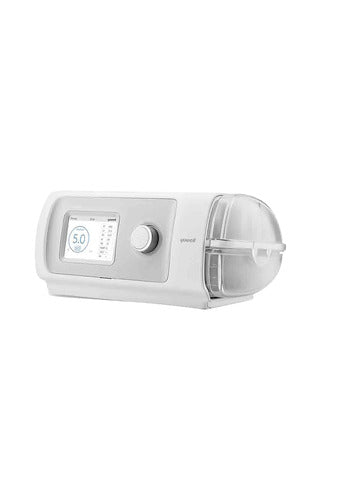
- Finally, Meddey lists the Yuwell YH-550 Auto CPAP Machine with Humidifier at ₹24,900, as of 1 October 2026.
Contents
- What is a CPAP machine used for?
- How a CPAP machine works
- CPAP, APAP and BiPAP: the differences
- What the latest evidence says
- Does CPAP give 100% oxygen?
- Is CPAP safe for the lungs?
- Are there any dangers to CPAP?
- Best CPAP machine: how to choose
- Portable CPAP machine
- How much does a CPAP machine cost?
- CPAP machine price: what affects it
- Starting CPAP: a simple plan
- Tips to keep using CPAP
- Meddey CPAP machines and price
- Masks, tubing and accessories
- Cleaning and care
- Buying checklist
- Frequently asked questions
Sleep apnea is common, and many people go years without a diagnosis. Therefore, doctors, sleep technicians and medical students need to understand how a CPAP machine works, who can use it and what the risks are. However, buyers also ask practical questions about price, comfort and safety.
This guide is for doctors, healthcare professionals, medical students and buyers of clinic and hospital supplies. In addition, it uses simple words and answers the questions people search for most. To see Meddey's range, you can visit the CPAP and BiPAP collection at Meddey.
Latest evidence note: A 2023 meta-analysis in JAMA pooled three randomised trials with 4,186 people who had sleep apnea and cardiovascular disease. Overall, CPAP did not lower the risk of repeat cardiovascular events. However, people who used CPAP for at least 4 hours a night had a lower risk. Therefore, regular use matters as much as the device.
What Is a CPAP Machine Used For?
CPAP stands for continuous positive airway pressure. A CPAP machine is a small device that sends a steady flow of pressurised air through a hose and a mask. The air pressure holds the upper airway open while the person sleeps.
Doctors mainly use CPAP to treat obstructive sleep apnea (OSA). In OSA, the throat repeatedly narrows or closes during sleep, so breathing pauses and the person wakes briefly. As a result, sleep is broken, and the person may feel very tired in the day.
Obstructive sleep apnea First, this is the main use, and it is confirmed by a sleep study.
Loud snoring Next, CPAP can reduce snoring that comes from airway narrowing.
Daytime sleepiness Also, better sleep can ease tiredness and poor focus.
Hospital and ward use In addition, teams use CPAP in some acute breathing problems, under supervision.
Premature babies Moreover, neonatal units use CPAP to support breathing in newborns.
Other conditions Finally, specialists may choose PAP in some heart or lung conditions.

CPAP needs a diagnosis first. A doctor or sleep specialist should confirm sleep apnea and set the pressure. Usually, a home sleep test or a full sleep study guides this decision.
How a CPAP Machine Works
A CPAP set has four main parts: the machine, a humidifier, a hose and a mask. The machine draws in room air, filters it and raises its pressure. Then the air travels through the hose to the mask, and the pressure acts like a splint for the airway.
- Machine: A small blower creates the pressure, measured in cmH2O.
- Humidifier: A heated water chamber adds moisture, which may ease a dry nose or throat.
- Hose: It carries the air from the machine to the mask.
- Mask: It may cover the nose, the nose and mouth, or sit at the nostrils.
- Ramp: This starts at a lower pressure and rises slowly so the person can fall asleep.
CPAP, APAP and BiPAP: The Differences
These terms sound alike, but each device works in a different way. Therefore, the doctor should match the device to the person's need.
| Device | How it works | Usual use |
|---|---|---|
| CPAP | One fixed pressure all night | Standard treatment for OSA |
| APAP (auto CPAP) | Adjusts pressure within a set range | People whose needs change through the night |
| BiPAP (bilevel PAP) | Higher pressure on breathing in, lower on breathing out | Higher pressure needs, some lung and neuromuscular conditions |
An APAP machine can lower the average pressure, and some people find it more comfortable. However, a specialist should choose the pressure range. In addition, some people with serious lung or breathing-muscle problems need BiPAP and not CPAP.
What the Latest Evidence Says
CPAP clearly reduces apnea events and sleepiness in many people. However, its effect on heart disease is more complex, so doctors should explain this to patients honestly.
- JAMA, 2023: A meta-analysis of three randomised trials in people with OSA and cardiovascular disease found no overall difference in repeat events. In the on-treatment analysis, using CPAP for 4 hours or more a night was linked to a lower risk (hazard ratio 0.69). You can read the abstract on PubMed.
- 2026 meta-analysis: A review of randomised trials in the Journal of the Saudi Heart Association found no overall drop in major cardiovascular events (relative risk 1.00). However, among people who used CPAP for 4 hours or more a night, the risk fell (relative risk 0.71). The full text is on the journal website.
- Adherence in the trials: In the JAMA pooled data, average use was only about 3 hours a night, and fewer than 4 in 10 people used it for 4 hours or more.
What this means in practice. CPAP only works when people wear it. Therefore, teach mask fitting, humidifier use and follow-up early, because poor comfort is the main reason people stop.
Does CPAP Give 100% Oxygen?
No. A CPAP machine does not give 100% oxygen. It takes in room air, which contains about 21% oxygen, and delivers it at a higher pressure. The pressure keeps the airway open, but it does not raise the oxygen content of the air.
| Question | CPAP machine | Oxygen concentrator |
|---|---|---|
| What it delivers | Pressurised room air | Air with a higher oxygen share |
| Main purpose | Keeps the airway open | Raises blood oxygen |
| Typical use | Sleep apnea | Low oxygen from lung or heart disease |
Some people with low oxygen levels may need extra oxygen with their PAP device. In that case, a clinician sets up the oxygen supply and the settings. In addition, oxygen raises fire risk, so never add it to a CPAP circuit without medical guidance.
Is CPAP Safe for the Lungs?
For most people with sleep apnea, CPAP is safe for the lungs when a doctor prescribes it and the equipment is clean and in good order. Moreover, it protects sleep and oxygen levels. However, some lung conditions need special care.
When CPAP may not be suitable
- Untreated pneumothorax: Positive pressure can worsen a collapsed lung.
- Severe bullous lung disease: Pressure may raise the risk of rupture of air sacs.
- Recent eye, sinus or skull base surgery: Air pressure may cause harm, so the surgeon should advise.
- Cerebrospinal fluid leak: Pressure can force air into the skull.
- Serious breathing failure with high carbon dioxide: BiPAP or other support may suit better than simple CPAP.
People with asthma, COPD or heart failure can often use PAP therapy, but the specialist should choose the device and the settings. As a result, anyone with a known lung condition should talk to their doctor before they start.
Are There Any Dangers to CPAP?
Most CPAP problems are minor and easy to fix. Even so, a few risks need attention.
| Issue | What happens | What helps |
|---|---|---|
| Dry nose or mouth | Dry, sore or blocked airways | Use a heated humidifier and check the leak |
| Mask leak or skin marks | Air leaks and pressure marks on the face | Refit the mask, and try another size or style |
| Swallowing air (aerophagia) | Bloating and gas | Ask the doctor about pressure settings or an auto mode |
| Claustrophobia | Anxiety when wearing the mask | Practise in the day, and try a smaller mask |
| Dirty equipment | Germs may grow in the water chamber or hose | Clean as the maker advises, and use the right water |
| Rare serious events | Pneumothorax or air in the skull in very rare cases | Screen for contraindications first |
Device recalls
In June 2021, Philips Respironics recalled certain CPAP, BiPAP and ventilator devices because the sound-abatement foam inside could break down. The FDA classed it as a Class I recall, and the recall affected about 15 million devices worldwide. A federal court entered a consent decree in April 2024. You can read the current advice on the FDA recall page.
Check the device. If a patient uses a recalled model, they should talk to their doctor and follow the maker's and regulator's advice. Do not stop therapy without medical advice.
Best CPAP Machine: How to Choose
There is no single best CPAP machine for everyone. Instead, the best choice depends on the diagnosis, the pressure need and the user's comfort. For a quick answer, use the checklist below.
| Feature | What to look for |
|---|---|
| Mode | CPAP only, or CPAP with APAP for more flexible pressure |
| Pressure range | Must cover the pressure the doctor prescribes |
| Humidifier | A built-in heated humidifier improves comfort for many users |
| Ramp | A ramp helps people fall asleep at a lower pressure |
| Data storage | A memory card lets the doctor review use and leaks |
| Noise | A quiet blower helps the user and the bed partner |
| Mask fit | A good mask matters as much as the machine |
| Warranty and support | Look for a clear warranty and local service |
Simple buying advice: a machine with more features is not always better. Correct medical advice, a suitable pressure, a comfortable mask and regular use matter much more.
Portable CPAP Machine
A portable CPAP machine is a small, light unit made for travel. Some run on a battery, and many fold or pack into a small bag. In addition, these units often have a simpler water system or none at all.
- Who needs one: People who travel often, camp or have unstable power may want a travel device.
- What to check: Weight, battery options, pressure range, humidifier and airline rules.
- Trade-off: Smaller units may have fewer comfort features than a full home machine.
Meddey lists the Yuwell YH-550 as a compact home unit, and it does not list a dedicated travel CPAP machine. Therefore, please contact Meddey if you need a portable or battery-ready model.
How Much Does a CPAP Machine Cost?
The cost of a CPAP machine depends on the type, features, brand and warranty. For example, a basic fixed-pressure unit costs less than an auto CPAP with a humidifier, and a BiPAP costs more than both. In addition, the mask, hose and filters add to the yearly cost.
| Cost item | What to include |
|---|---|
| Machine | The unit, humidifier and power supply |
| Mask and headgear | Replace as the maker advises, as cushions wear out |
| Hose and filters | Replace when worn or dirty |
| Sleep test | A diagnosis is needed before treatment |
| Follow-up | Doctor review of use and symptoms |
As of 1 October 2026, Meddey's Yuwell YH-550 Auto CPAP Machine with Humidifier is listed at ₹24,900, and its BreathCare II Bi-Level PAP machine is listed at ₹44,299. Please see the next section for details.
CPAP Machine Price: What Affects It?
The CPAP machine price depends on a few clear factors. Therefore, comparing only the headline number can mislead a buyer.
- Mode: First, a fixed CPAP usually costs less than an auto CPAP, and a BiPAP costs more than both.
- Humidifier: Next, a built-in heated humidifier adds to the price but improves comfort for many users.
- Data features: Also, memory cards, apps and data software raise the price.
- Warranty: In addition, a longer warranty and local service add value.
- What is in the box: Finally, check whether the price includes a mask, hose and power unit.
Meddey lists the Yuwell YH-550 Auto CPAP Machine with Humidifier at ₹24,900 and the BreathCare II Bi-Level PAP at ₹44,299, as of 1 October 2026. Please contact Meddey for bulk pricing for a clinic or hospital.
Starting CPAP: A Simple Plan for Clinics
A good start improves the chance that the person keeps using the device. Therefore, clinics can follow a simple plan.
- Confirm the diagnosis. First, review the sleep study and any heart or lung history.
- Set the pressure. Next, the doctor sets a fixed pressure or a pressure range.
- Fit the mask. Then, try more than one size or style, and check for leaks and skin marks.
- Teach the basics. Also, show how to fill the humidifier, use the ramp and clean the parts.
- Follow up early. In addition, review use and comfort in the first weeks, because most people stop early.
- Review the data. Finally, use the stored data to check hours of use and mask leaks.
Tips to Help People Keep Using CPAP
Many people stop CPAP within the first months. However, simple steps can help them continue.
Practise in the day First, wear the mask while reading or watching TV to get used to it.
Use the ramp Next, start at a lower pressure so falling asleep feels easier.
Fix leaks early Also, refit or change the mask when air leaks near the eyes.
Add humidity In addition, a heated humidifier may ease a dry nose or throat.
Keep it clean Moreover, clean parts feel better and smell fresher.
Ask for help Finally, tell the doctor about side effects and do not stop on your own.
Meddey CPAP Machines and Price
Meddey lists CPAP, BiPAP and accessories in its CPAP and BiPAP collection. The table below shows prices as listed on 1 October 2026. However, prices and stock can change, so please check the live product page before you order.
| Product | Key detail | Meddey price |
|---|---|---|
| Yuwell YH-550 Auto CPAP Machine with Humidifier | CPAP and APAP modes, 4 to 20 cmH2O, heated humidifier, ramp up to 45 minutes, Micro SD storage, 2-year warranty | ₹24,900 |
| BreathCare II Bi-Level PAP (YH-830) | S, T, ST, VPAP and CPAP modes, 4 to 30 cmH2O, heated humidifier, tubing and full face mask, 2-year warranty | ₹44,299 |
| Home Sleep Apnea Monitoring Device | SpO2, pulse rate and nasal airflow, up to 12 hours of recording | ₹20,699 |

The monitoring device records data, but it does not diagnose sleep apnea on its own. Therefore, a healthcare professional should review the results with symptoms and other tests.
Price note: Prices and offers change often. For bulk orders for a clinic or hospital, please contact Meddey for a quote.
Masks, Tubing and Accessories
A comfortable mask often decides whether a person keeps using CPAP. Therefore, clinics should stock several mask styles and sizes, and they should check that each item fits the device.

| Accessory | Details | Meddey price |
|---|---|---|
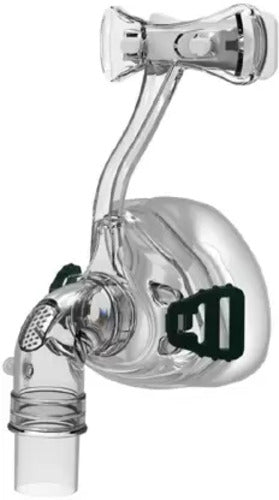
| Nasal CPAP Sleep Mask | Low-profile nasal mask with a soft cushion | ₹1,839 |
| Non Vented CPAP BIPAP Mask with Head Gear | Silicone and plastic mask, washable. Check the device needs an external exhalation port. | From ₹919 |
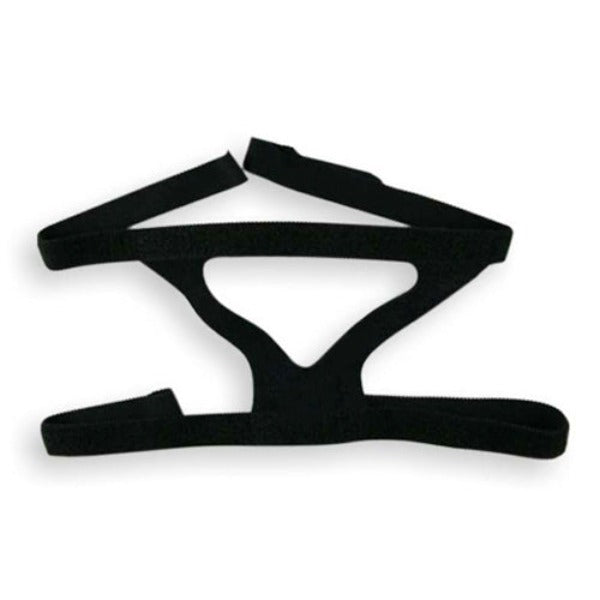
| CPAP BIPAP Head Strap | Replacement headgear strap | ₹635 |
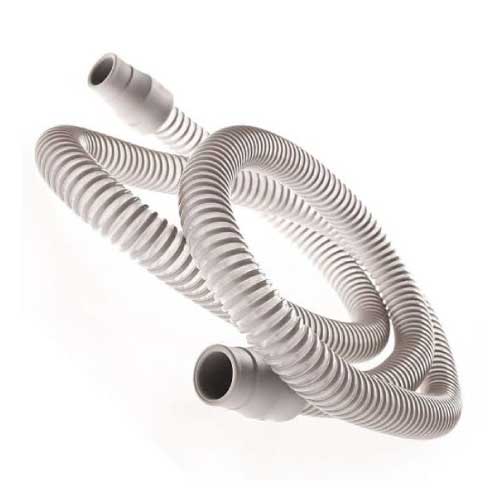
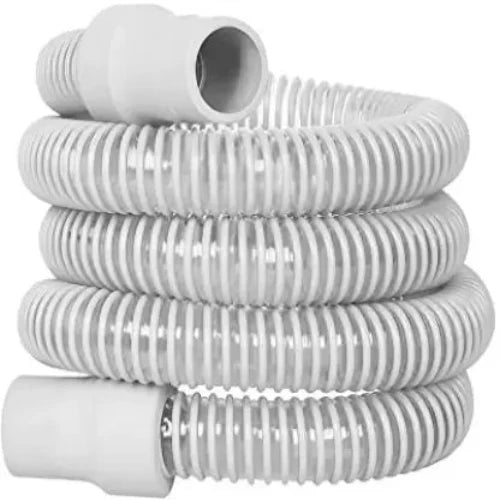
| Premium CPAP BPAP Tubing | Smooth-bore hose for standard CPAP and BiPAP machines | From ₹1,249 |
Cleaning and Care of a CPAP Machine
- Follow the manual: First, use the cleaning schedule in the maker's guide.
- Clean the mask: Next, wash it with mild soap and warm water, and let it dry in the air.
- Empty the humidifier: Also, empty and dry the chamber each morning, and fill it with the type of water the maker advises.
- Check the hose and filter: In addition, look for cracks, damp spots and dirt, and replace worn parts.
- Replace parts on time: Finally, change cushions and hoses as the maker advises, because worn parts leak.
Buying Checklist for a CPAP Machine
Prescription First, confirm the diagnosis and the pressure setting with a doctor.
Mode and range Next, pick CPAP, APAP or BiPAP and check the pressure range.
Comfort features Also, look for a humidifier, ramp and quiet running.
Mask options In addition, plan for a good mask fit and spare parts.
Data Since follow-up matters, choose a device that stores therapy data.
Supplier Finally, confirm warranty, service and return policy.
Frequently Asked Questions About CPAP Machines
What is a CPAP machine used for?
It treats obstructive sleep apnea by sending pressurised air through a mask to keep the airway open during sleep.
Is CPAP safe for the lungs?
For most people, yes. A doctor should check for conditions such as pneumothorax or severe bullous lung disease, and the equipment must be kept clean.
Does CPAP give 100% oxygen?
No. It delivers room air, which has about 21% oxygen, under pressure. Extra oxygen is added only when a clinician plans it.
How much does CPAP cost?
It depends on the model. As of 1 October 2026, Meddey lists the Yuwell YH-550 Auto CPAP at ₹24,900 and the BreathCare II BiPAP at ₹44,299. Masks and tubing cost extra.
Are there any dangers to CPAP?
Most issues are minor, such as dryness, mask leaks and swallowed air. Rare risks exist in some conditions, so screening matters. Check that the device is not a recalled model.
What is the best CPAP machine?
There is no single best one. Choose by the prescribed pressure, humidifier, comfort, data storage, mask fit and warranty.
Is there a portable CPAP machine at Meddey?
Meddey does not list a dedicated travel CPAP. Please contact Meddey to ask about portable or battery-ready models.
Where to Buy a CPAP Machine Online in India?
Clinics, hospitals and families can buy CPAP machines and accessories from medical equipment suppliers. Before you buy, compare the mode, pressure range, humidifier, warranty and mask options. Meddey lists CPAP, BiPAP, masks and tubing, and its support team can help you choose.
View CPAP and BiPAPContact MeddeyVisit MeddeyDisclaimer
This article is for general education. Therefore, it does not replace the advice of a doctor or sleep specialist. A healthcare professional should diagnose sleep apnea and set CPAP pressure. Also, prices and product details may change over time.
Explore Medical Collections
All Categories
Abdominal & Maternity Support

Accessories

Accu-Chek Instant Strips: Use, Compatibility, Price & Blood Sugar Testing Guide
Accu-Chek Instant Strips: Uses, Features & Complete Guide

accupuncture

Acupuncture Needles & Supplies

Advanced Physiotherapy Machines & Lumbar Physiotherapy

Airways

Ambulance

Anatomy Models
Anesthesia Machine

Anesthesia Products

Ankle Support for Home Use: Braces, Sleeves & Walker Boots

Ankle Weights & Exercise Weights for Home & Rehab

Anti-Bedsore Air Mattresses
You may also need
FOR YOURecommended for you
Save 23%
Save 55%
Save 20%
Save 44%