


Featured ChoiceSave 26%

Save 27%

Sold out

Sold out

Sold out

What customers say
★★★★★ 5.0 · 1 review
Optimize Recovery with CPM Machines: Key Benefits & Uses
Benefits of Using CPM Machines in Therapy
Also, a CPM machine is a rehabilitation device that gently moves a joint through a controlled range of motion while the patient stays relaxed. In therapy, it is most often discussed after knee surgery, especially when people search for cpm machines for knee replacements , but it may also be prescribed for select shoulder, elbow, hip, or other joint recovery plans. The key benefit is not that the device “does the rehab for you,” but that it may support early, low-effort movement when used correctly alongside professional physiotherapy.
However, because recommendations have changed over time, the best way to understand cpm machine benefits is to look at both sides: where a CPM motion machine can be useful, and where modern evidence suggests active rehabilitation may matter more. This guide explains what the device does, why it is still prescribed in some cases, why it is no longer routine after uncomplicated knee replacement, and what patients should ask before using one.
What is the CPM machine?
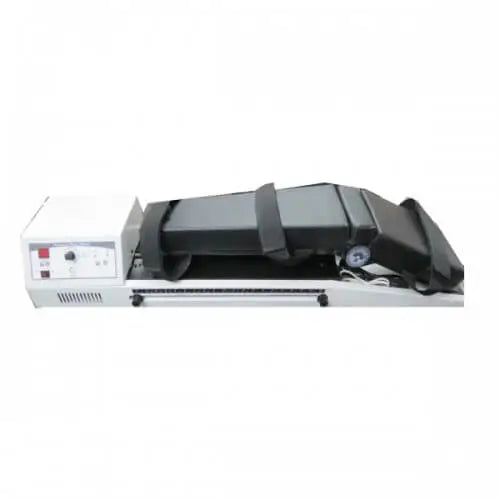
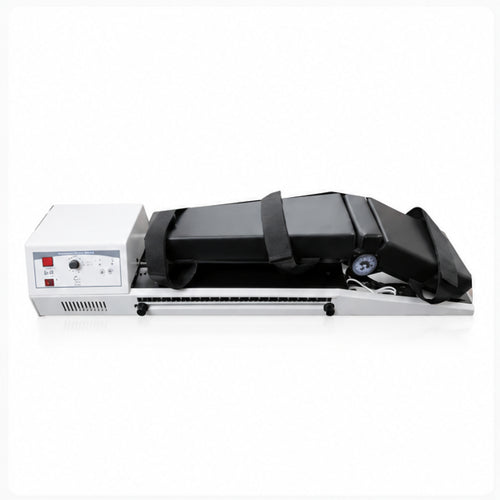
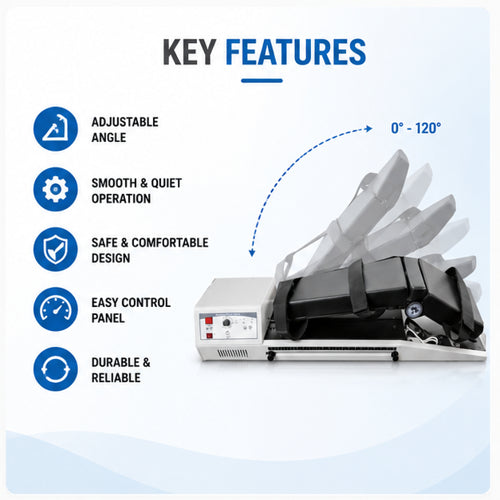
Therefore, a CPM machine , short for continuous passive motion machine, is a motorized device that slowly bends and straightens a joint without requiring the patient to actively contract the surrounding muscles. For a knee device, the leg rests in a padded frame, and the machine moves the knee through a preset arc at a controlled speed. In simple terms, the machine cpm users are often searching for is a guided movement tool, not a strengthening device.
For example, the word “passive” is important. A cpm machine in physiotherapy moves the joint for you, while active exercise requires you to move the joint using your own muscles. That difference shapes both the benefits and the limits of the device. Passive movement may help maintain gentle mobility during an early recovery window, but it does not replace walking practice, muscle activation, balance work, or progressive strengthening.
In addition, a knee CPM unit is the version most people recognize. When people search for cpm machines for knee , they are usually looking for information about recovery after total knee arthroplasty, knee stiffness, ligament procedures, cartilage repair, or a surgeon-prescribed home rental. Other models exist for different joints, but treatment instructions vary widely by surgery type and provider preference.

The main CPM machine benefits in therapy
In addition, the most practical cpm machine benefits involve controlled movement, comfort, and early mobility support. A CPM machine can be especially appealing when a patient is sore, anxious about movement, or limited by post-operative instructions. Instead of asking the patient to generate motion from the start, the device creates a predictable rhythm that may feel less intimidating.
That said, the benefits are highly context-dependent. A clinician may prescribe a CPM machine as an adjunct to a therapy plan, not as the entire plan. Current clinical guidance for uncomplicated total knee arthroplasty is cautious: the American Physical Therapy Association’s updated total knee arthroplasty guideline says physical therapists should not use CPM for patients after primary, uncomplicated TKA, and describes that recommendation as strong with high-quality evidence.
However, for the right patient, under the right instructions, a CPM machine may still offer several practical advantages:
-
Meanwhile, gentle, repeatable joint motion: The machine moves through a set range, which may help patients tolerate early motion without guessing how far to bend.
-
As a result, reduced fear of movement: Some people are nervous about bending a newly operated joint. Passive motion can make the first phase feel more manageable.
-
Instead, support during rest periods: CPM can provide movement while the patient is lying down, which may be useful when active exercise is temporarily difficult.
-
Also, a structured home routine: When prescribed for home use, the machine gives patients a clear protocol for duration, angle settings, and frequency.
-
However, early range-of-motion practice: In select cases, clinicians may use CPM as one tool to encourage motion while protecting healing tissues.
For example, the practical takeaway is simple: a CPM machine may support movement, but it does not build strength on its own. The best outcomes usually depend on following the full rehabilitation plan, including prescribed exercises, swelling control, safe walking, and regular communication with the care team.
How a CPM machine works during physiotherapy
Therefore, a cpm machine for physiotherapy works by placing the joint in a supportive cradle and moving it slowly through a programmed range. For the knee, the therapist or medical supplier typically adjusts the starting and ending angles, speed, session length, and comfort settings according to the prescription. The patient should feel a gentle stretch or motion, not sharp pain.
Therefore, during a therapy session, the clinician may use the device to supplement other interventions. For example, a patient may begin with swelling management, spend time in the CPM machine, then practice active range-of-motion exercises, walking mechanics, and strengthening. At home, patients may use the machine for scheduled sessions. They still need to complete the active parts of rehab when the care team prescribes them.
A typical CPM setup discussion may include:
- Positioning: Align the leg or joint properly so the machine’s hinge matches the body’s joint line.
-
Range settings: The starting angle should match the provider’s instructions and the patient’s tolerance.
- Speed: Clinicians often use slower settings early when sensitivity is higher.
-
For example, session length: The clinician or surgeon should define how long and how often to use the machine.
-
In addition, safety checks: The patient should know when to stop, who to call, and what symptoms are not expected.
Also, this structure matters because incorrect use can make the device less helpful or more uncomfortable. Patients should never treat a CPM machine like a generic exercise gadget. It is a medical rehabilitation tool that works best when clinicians match the settings, timing, and goals to the individual recovery plan.
Common CPM machine uses
Meanwhile, the phrase cpm machine uses can be broad, but most clinical conversations focus on post-operative joint care. Historically, clinicians used CPM after many knee replacements because they hoped early passive motion would reduce stiffness, improve range of motion, and support recovery. Research and guidelines have since narrowed that role, especially for uncomplicated total knee replacement.
Clinicians may still discuss CPM in situations such as:
-
Meanwhile, after selected knee surgeries: This may include some knee replacement, revision, cartilage, or ligament procedures when prescribed by the surgeon.
- After manipulation under anesthesia: After a clinician manually moves a stiff joint under anesthesia, some protocols may include CPM to help maintain motion.
- When active motion is temporarily limited: Some patients cannot comfortably perform enough active movement early on, so clinicians may use passive motion as a bridge.
-
As a result, for high-risk stiffness cases: A provider may consider CPM when a patient has a history of stiffness or specific surgical factors.
-
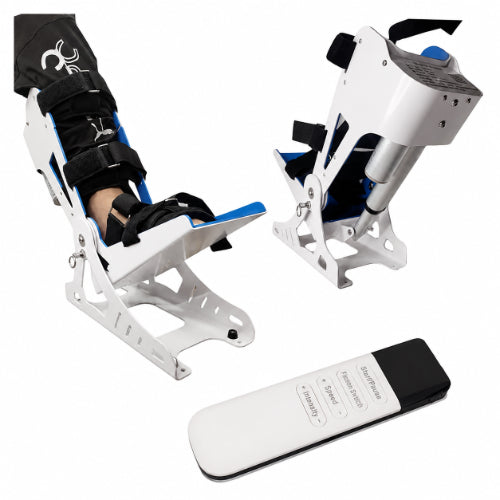
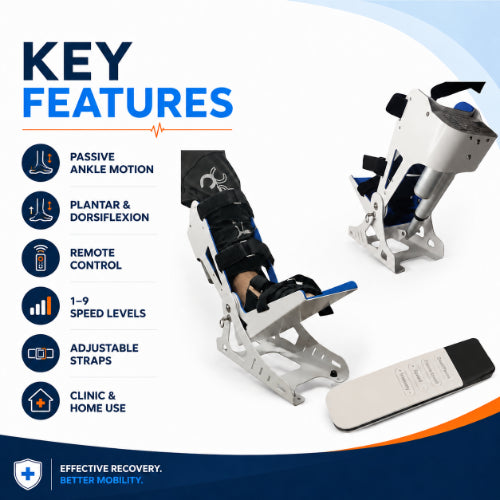
Instead, for non-knee joints in specialized cases: Shoulder, elbow, wrist, hip, and ankle CPM devices exist, but indications and coverage vary.
Also, the key phrase is “when prescribed.” A cpm machine in physiotherapy should support a defined clinical goal. If no one has explained the purpose, settings, schedule, and stop signs, the patient should ask before using it.
Do CPM machines really work?
However, do CPM machines really work? They can work for the narrow purpose of moving a joint passively through a controlled range, but the evidence does not support routine CPM use after uncomplicated knee replacement as a way to meaningfully improve long-term pain, function, or range of motion. A Cochrane review on continuous passive motion after knee replacement found that the effects on outcomes such as range of motion, pain, function, and quality of life were too small to justify routine use and costs in that setting.
As a result, this is where many patients get confused. A CPM machine visibly moves the knee, so it feels logical that it must produce better recovery. But rehabilitation is not only about motion. After knee replacement, patients also need quadriceps activation, walking confidence, swelling management, balance, stair practice, and progressive strengthening. Passive bending cannot replace those active recovery demands.
Instead, there may still be cases where a clinician believes CPM is useful for a specific patient. For instance, the provider may be trying to maintain motion after a complex procedure, support a patient who cannot tolerate early active movement, or follow a protocol for a high-risk stiffness case. That does not mean every patient needs the device; clinicians should individualize the decision.
A balanced way to think about effectiveness is this:
|
Question |
Practical answer |
|---|---|
|
Does a CPM machine move the joint? |
Yes, that is its core function. |
|
Does it strengthen muscles? |
No, not in the way active exercise does. |
|
Is it routine after uncomplicated knee replacement? |
Many modern guidelines advise against routine use. |
|
Can it be useful in selected cases? |
Yes, if prescribed for a specific reason. |
|
Should it replace physiotherapy? |
No, it should not replace an active rehab plan. |
In addition, so, the answer is not a simple yes or no. CPM machines can be useful tools, but they are not universal recovery solutions.
CPM machines for knee replacements need a realistic role
Therefore, many people first hear about cpm machines for knee replacements from a family member who used one years ago. Others see the device offered by a supplier or mentioned in an online recovery group. The history matters because CPM was once much more common after total knee replacement than it is today.
However, modern knee replacement care has changed. Many patients now begin walking sooner, receive structured physical therapy, and follow home exercise plans that emphasize active motion and function. Because of that, major evidence reviews and professional guidelines have questioned the added value of CPM after an uncomplicated primary knee replacement. The APTA guideline specifically advises against CPM for primary, uncomplicated total knee arthroplasty patients.
For example, still, not every knee replacement is uncomplicated. Some patients have revision surgery, severe preoperative stiffness, limited support at home, unusually high stiffness risk, or other factors that may lead a surgeon to prescribe CPM. In those cases, the machine may be part of a broader plan rather than a standard item everyone receives.
Therefore, if your provider recommends CPM after knee replacement, ask what problem it is meant to solve. The answer might be “to help maintain early flexion,” “to support motion after manipulation,” or “because your case has specific stiffness concerns.” A clear reason is more useful than a vague promise of faster recovery.
Why are CPM machines no longer used?
For example, why are CPM machines no longer used? More accurately, CPM machines are no longer used routinely in many uncomplicated knee replacement pathways because research has not shown enough meaningful long-term benefit to justify routine time, effort, cost, and equipment use. They are still used in selected cases, but many clinicians now prioritize early walking, active range-of-motion work, swelling control, and strengthening.
Also, this shift does not mean older clinicians were wrong to use CPM. Medical practice evolves when new evidence, surgical methods, pain control strategies, and rehab models change the risk-benefit picture. A device that once seemed essential may become optional when patients can safely mobilize earlier and therapy programs become more active.
Meanwhile, the Cochrane review found limited clinical importance for routine CPM after knee replacement, and the APTA guideline takes a strong position against CPM use for uncomplicated primary TKA. That combination helps explain why many hospitals and outpatient teams no longer send every knee replacement patient home with a CPM machine.
There are also practical reasons for reduced routine use:
-
Time burden: CPM sessions can take significant time each day.
-
In addition, cost questions: Rental and purchase costs may not be worthwhile if benefits are minimal for uncomplicated cases.
-
Logistics: Delivery, setup, cleaning, storage, and adjustment add complexity.
-
False confidence: Patients may think passive motion replaces active rehab, which can undermine recovery.
-
Variable tolerance: Some people find the machine soothing; others find it uncomfortable or inconvenient.
As a result, the modern question is not “Is CPM good or bad?” It is “Does this patient, with this surgery, need this device for this specific goal?”
The difference between passive motion and active rehabilitation
Instead, understanding passive versus active movement helps patients use a CPM machine wisely. Passive motion means an outside force moves the joint. Active rehabilitation means the patient’s own muscles move and control the joint. Both can have a place in therapy, but they do different jobs.
In addition, a CPM motion machine may help a joint move through a set arc while the patient is resting. That can be useful when pain, swelling, or surgical precautions make active motion difficult. However, active rehab trains the body to function again. It helps restore strength, coordination, balance, endurance, and confidence during real tasks.
For knee recovery, active rehabilitation may include:
-
ankle pumps and circulation exercises,
-
quad sets and straight-leg raises when appropriate,
-
heel slides and seated knee flexion,
-
walking with a walker, cane, or other assistive device,
-
sit-to-stand practice,
-
step training,
-
balance drills,
-
progressive resistance exercises.
However, a CPM machine does not teach the patient how to stand from a chair, climb stairs, or control the knee during walking. It can assist movement, but the nervous system and muscles need active practice. That is why clinicians often describe CPM as an adjunct rather than the center of the plan.
Who may benefit most from a CPM machine
Meanwhile, the patients most likely to benefit from CPM are usually those with a specific clinical reason for controlled passive motion. That may include people who have been told they are at higher risk for stiffness, patients following a specialized surgical protocol, or individuals recovering from procedures where early controlled movement is part of tissue-healing management.
As a result, in knee care, a provider may consider CPM for select cases such as revision surgery, manipulation under anesthesia, complex reconstruction, or unusual range-of-motion limitations. Coverage policies also reflect a narrower role. Medicare’s durable medical equipment reference list states that Medicare covers continuous passive motion devices for patients who have received a total knee replacement when use begins within two days after surgery. Medicare contractor guidance also notes coverage limits related to the early post-surgical home-use period.
Instead, that does not mean every insured patient should use CPM. Coverage is not the same as clinical necessity, and insurance rules do not replace surgeon or therapist judgment. Patients should ask their care team whether the machine is medically necessary, optional, or not recommended for their situation.
A CPM machine may be worth discussing if:
-
your surgeon specifically prescribed it,
-
your procedure has a written CPM protocol,
-
you had significant stiffness before surgery,
-
your provider is concerned about loss of motion,
-
active movement is temporarily limited for medical reasons,
-
your care team will monitor settings and progress.
Also, it may be less useful if your surgery was uncomplicated, you are progressing well with active therapy, or your provider has advised against it.
Safety, comfort, and proper setup matter
However, a CPM machine should feel controlled, not forceful. Patients may expect mild stretching or movement awareness. Sharp pain, increasing swelling, numbness, wound problems, or unusual symptoms should prompt them to stop and contact the care team. Patients should never use the device to “push through” pain without medical direction.
Therefore, proper alignment is one of the most important setup details. If the machine hinge does not match the joint line, the motion may feel awkward or create unnecessary strain. Support the limb comfortably, keep the straps secure but not overly tight, and place the machine on a stable surface.
Before using a CPM machine at home, patients should confirm:
-
the correct starting and ending range,
-
whether to increase the angle and how quickly, if at all,
-
the number of sessions to complete each day,
-
the recommended length of each session,
-
whether to use ice, elevation, or medication around sessions,
-
whether the machine should be used before or after exercises,
-
what symptoms mean they should stop.
For example, this is especially important for people using a cpm machine for physiotherapy outside the clinic. Home use can be convenient, but it also requires clear instructions. If the patient is unsure how to position the leg or adjust the settings, they should ask for a demonstration rather than experimenting.
How CPM fits into a complete recovery plan
In addition, a CPM machine is most useful when it has a defined place in the larger recovery schedule. For example, a patient may use CPM during a low-energy period of the day, then perform active exercises later when pain medication is working and swelling is controlled. Another patient may use CPM before therapy to warm up the joint and reduce fear of movement.
Meanwhile, the full recovery plan may also include wound care instructions, medication timing, compression, elevation, ice or cold therapy, walking goals, home exercises, and follow-up visits. The CPM machine should not interfere with these priorities. If using the device takes so much time that the patient skips walking or prescribed exercises, the plan may need adjustment.
As a result, a practical daily rhythm might look like this, if approved by the care team:
-
Morning check-in: Review pain, swelling, incision appearance, and overall energy.
-
Gentle movement: Complete prescribed circulation or range-of-motion exercises.
-
CPM session: Use the machine at the prescribed settings without forcing motion.
-
Rest and swelling control: Elevate or use cold therapy if recommended.
-
Active therapy: Practice walking, strengthening, or functional tasks as instructed.
-
Evening review: Note what improved, what worsened, and what to report.
Instead, this kind of structure helps the CPM machine support therapy rather than compete with it. The goal is not simply to log hours in the device. The goal is to make measurable progress toward safe motion, comfort, and function.
CPM Machines at Meddey
Explore selected CPM machines for knee, ankle, and elbow rehabilitation.
 Knee CPM Machine | Post-Surgery Rehabilitation Equipment in India₹28,000View product
 Ankle CPM Machine₹33,499View product
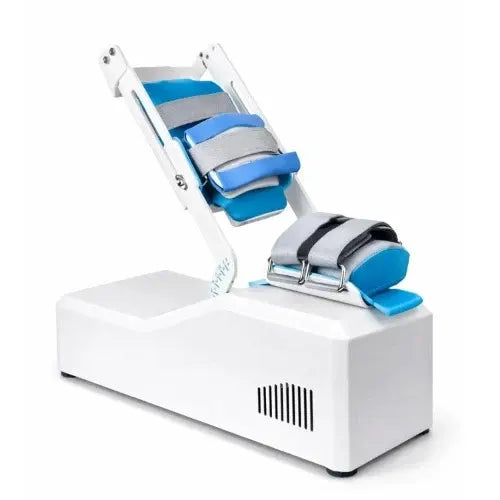
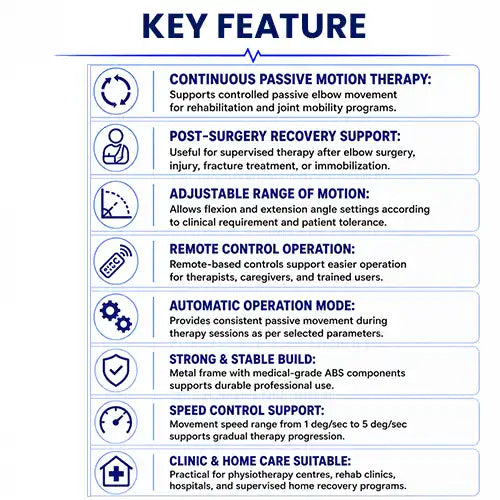
 Elbow CPM Machine – Continuous Passive Motion Therapy Equipment₹29,400View product
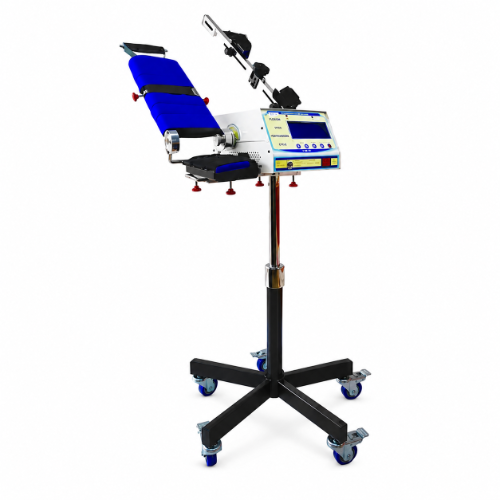
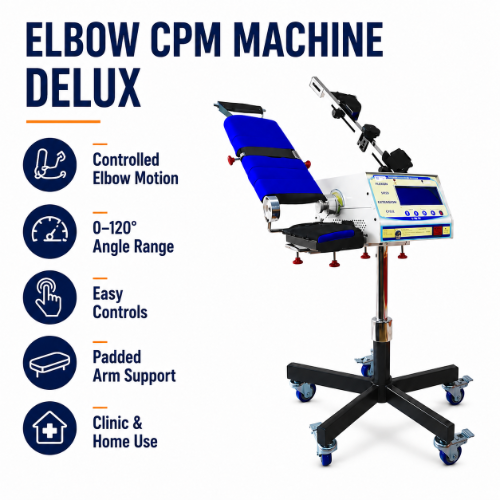
 Elbow CPM Machine Delux₹79,999View product
Also, prices shown are current listed prices at the time of preparation and may change on Meddey.
Understanding CPM machine price and rental questions
However, searches for cpm machine price , knee cpm machine price , and rental costs are common because many patients do not know whether the device will be covered, rented, purchased, or billed as durable medical equipment. Supplier, location, insurance plan, device type, rental length, delivery fees, accessories, and setup can all change the price. Because these details change often, patients should get a written estimate from the supplier and confirm coverage with their insurer before agreeing to delivery.
Therefore, for knee replacement patients in the United States, coverage rules may depend on timing and medical necessity. Medicare’s national coverage language identifies CPM devices as covered for total knee replacement patients when use begins within two days following surgery. Medicare administrative guidance further describes early post-surgical coverage limits for home use after total knee replacement or revision of a major component. Private insurers may apply different criteria, prior authorization rules, or rental limits.
When asking about a CPM machine price, consider these questions:
-
Is the device being rented or purchased?
-
What is the daily, weekly, or total rental charge?
-
Is delivery, pickup, setup, or cleaning included?
-
Will insurance cover it, and is prior authorization required?
-
What diagnosis or procedure code is being used?
-
What happens if the surgeon stops CPM earlier than expected?
-
Are there out-of-pocket costs if the claim is denied?
For example, the lowest advertised price is not always the best choice if the supplier does not provide reliable setup, patient education, or responsive service. A poorly adjusted CPM machine can become a frustrating piece of equipment rather than a useful part of therapy.
Questions to ask before using CPM at home
In addition, before you begin home CPM, ask your surgeon, physical therapist, or equipment provider to explain the clinical purpose. This is not about challenging the recommendation; it is about making sure patients use the machine correctly. A patient who understands the goal is more likely to follow the plan and recognize problems early.
Use this checklist before the device arrives or during setup:
- Why did my clinician prescribe a CPM machine? Ask what specific issue it is meant to address.
-
What range should I start with? Do not assume the highest comfortable setting is best.
-
How often should I use it? Get clear instructions for session length and daily frequency.
-
How should I progress? Ask whether to increase degrees, speed, or time, and how quickly.
-
What pain level is acceptable? Clarify the difference between stretch discomfort and warning pain.
-
Meanwhile, what symptoms require a call? Include swelling, drainage, numbness, calf pain, fever, or sudden loss of motion.
-
What exercises still matter? Confirm which active therapy tasks should continue.
-
When should I stop using it? Ask for an end date or criteria for discontinuing.
As a result, this checklist is especially helpful because CPM instructions can differ dramatically between procedures. A protocol after cartilage repair may not match a protocol after knee replacement. A patient should follow their own prescription, not a friend’s recovery story.
Myths about CPM machines
Instead, because clinicians have used CPM devices for decades, the devices come with a lot of assumptions. Some patients think the machine is outdated and useless. Others think it is essential for anyone who wants good range of motion. The truth is more nuanced.
Also, myth 1: A CPM machine replaces physical therapy. It does not. CPM is passive movement, while physiotherapy often includes active motion, strengthening, gait training, swelling management, education, and functional progression.
However, myth 2: More time in the machine always means better recovery. More is not automatically better. The correct dose depends on the procedure, tissue healing, pain response, and provider instructions.
Therefore, myth 3: Everyone after knee replacement needs CPM. Current guidelines do not support routine CPM after uncomplicated primary total knee arthroplasty.
For example, myth 4: CPM is never useful anymore. That is also too broad. Some clinicians still prescribe CPM for selected cases, particularly when there is a specific concern about stiffness or a protocol that calls for controlled passive motion.
In addition, myth 5: If the machine hurts, you should push harder. Pain is feedback. Discuss sharp or worsening pain with the care team, and do not advance the settings aggressively without instruction.
Meanwhile, a good therapy plan avoids extremes. It neither overpromises what CPM can do nor dismisses the device when a clinician has a clear reason for prescribing it.
Choosing the right CPM machine setup
As a result, if a clinician prescribes a CPM machine, the “right” device is the one that fits the joint, the body, the protocol, and the home environment. For knee use, the frame should accommodate the patient’s leg length, support the limb comfortably, and allow the prescribed range of motion. The controls should be easy to understand, especially if the patient will use the device without a clinician present.
Instead, patients and caregivers should also think practically. Is there enough space near the bed or couch? Can the patient get in and out safely? Is the power cord positioned to avoid tripping? Can a caregiver help with straps if needed? These simple details can determine whether patients use the machine consistently.
When comparing cpm machines, ask about:
-
joint-specific design,
-
size and weight limits,
-
available range-of-motion settings,
-
speed controls,
-
emergency stop or pause features,
-
padding and strap comfort,
-
cleaning procedures,
-
delivery and pickup timing,
-
technical support.
Avoid choosing a machine solely because it looks advanced. A simple, properly fitted device with clear instructions is more valuable than a complicated model the patient cannot use confidently.
Practical tips for getting the most from CPM therapy
If your provider recommends CPM, small habits can make the experience smoother. The first is consistency. Use the machine according to the prescribed schedule instead of saving all sessions for the end of the day when fatigue and swelling may be worse.
Second, track your response. Write down the settings, session length, comfort level, and any changes in swelling or stiffness. This information helps your therapist decide whether to maintain, reduce, or progress the plan. It also prevents guesswork when several caregivers are involved.
Third, coordinate CPM with active rehab. If the machine makes the joint feel looser, your therapist may want you to perform gentle active exercises afterward. If it increases soreness, they may adjust timing, range, or duration. Communication is the difference between using CPM mechanically and using it therapeutically.
Helpful habits include:
-
wear comfortable clothing that does not bunch behind the knee,
-
keep the remote or stop button within easy reach,
-
support the rest of the body with pillows as instructed,
-
avoid sleeping unattended in the machine unless your provider specifically allows it,
-
check skin for pressure areas after sessions,
-
keep pets and cords away from the device,
-
report any change in symptoms promptly.
These steps sound basic, but they protect comfort and safety. A CPM machine offers benefit only when the patient can tolerate and repeat the prescribed use.
When to talk to your clinician again
Even with a clear prescription, recovery can change. Pain, swelling, medication changes, wound healing, and activity level can all affect how CPM feels. If the machine becomes harder to tolerate, do not simply abandon it or force through it. Contact the clinician who prescribed it and ask whether the settings or schedule should change.
You should also ask for guidance if you are progressing quickly. Some patients continue using equipment because the supplier delivered it, even after it no longer adds value. If you are walking well, completing active exercises, and meeting range goals, your provider may decide the CPM machine is no longer necessary.
Call your care team urgently if you have symptoms your discharge instructions identify as serious, such as signs of infection, sudden severe pain, chest symptoms, concerning calf pain, or unexpected wound drainage. A CPM machine should never delay medical evaluation when something feels wrong.
The bottom-line takeaway
A CPM machine can be a useful therapy tool when a clinician prescribes it for a specific reason, sets it up correctly, and pairs it with active rehabilitation. Its biggest value is controlled passive motion, especially when early movement is difficult or when a clinician wants to support range of motion in a selected recovery plan. It is not a shortcut, a strengthening machine, or a replacement for physiotherapy.
For uncomplicated knee replacement, modern evidence and professional guidance do not support routine CPM use for every patient. For more complex cases, high stiffness risk, or specific surgical protocols, your provider may still recommend it. The smartest approach is to ask why your care team is using the machine, how it fits your therapy plan, what it will cost, and how the team will measure success.
If you are considering CPM machines for knee recovery or another joint procedure, start with your surgeon or physical therapist. A well-explained plan will help you use the device confidently, avoid unnecessary expense, and keep the focus where it belongs: safe movement, steady function, and a recovery plan built around your actual needs.
Explore Medical Collections
All Categories
Abdominal & Maternity Support

Accessories

Accu-Chek Instant Strips: Use, Compatibility, Price & Blood Sugar Testing Guide
Accu-Chek Instant Strips: Uses, Features & Complete Guide

accupuncture

Acupuncture Needles & Supplies

Advanced Physiotherapy Machines & Lumbar Physiotherapy

Airways

Ambulance

Anatomy Models
Anesthesia Machine

Anesthesia Products

Ankle Support for Home Use: Braces, Sleeves & Walker Boots

Ankle Weights & Exercise Weights for Home & Rehab

Anti-Bedsore Air Mattresses
You may also need
FOR YOURecommended for you
Save 26%
Save 27%