


Featured ChoiceSave 20%

Save 27%

What customers say
★★★★★ 5.0 · 5 reviews

CPR Training
CPR Training helps learners understand and practice the basic steps of cardiopulmonary resuscitation. It gives students and other learners a chance to study CPR through clear lessons, demonstrations, and hands-on practice. In addition, CPR Training can help learners become more familiar with the steps they may need to follow during an emergency.
Medical institutes, first-aid centers, healthcare organizations, workplaces, schools, and community groups can use suitable CPR training programs. Moreover, instructors can add CPR Training to a wider emergency-care course. The training can combine simple theory with practical exercises so learners can understand the process and practice it under proper guidance.

INTRODUCTION
CPR stands for cardiopulmonary resuscitation. It forms an important part of emergency care education. When a person faces a serious cardiac emergency, quick action can matter while professional medical help travels to the scene. Therefore, CPR education helps learners understand the steps that their course teaches for such situations.
CPR Training gives learners a practical way to study these steps. Instead of reading about CPR alone, learners can watch an instructor, ask questions, and practice the steps during a guided session. As a result, they can build greater familiarity with the process.
A good training session can follow a simple structure. First, the instructor explains the main ideas. Next, the instructor demonstrates the steps. After that, learners practice the process. Finally, the instructor reviews the work and gives feedback.
This approach can help many types of learners. For example, medical students, nursing students, healthcare workers, first-aid learners, caregivers, workplace staff, and community groups may take suitable CPR courses. However, each learner should choose a course that matches their role and training needs.
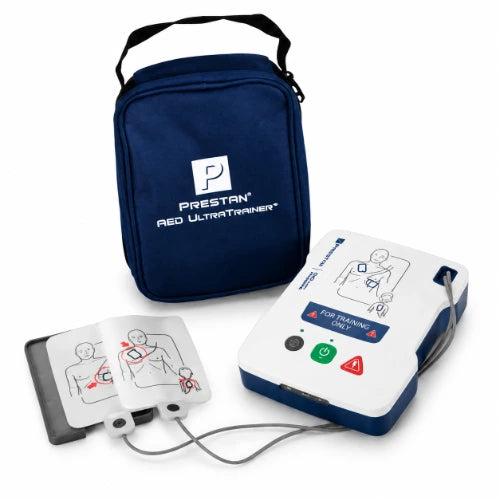
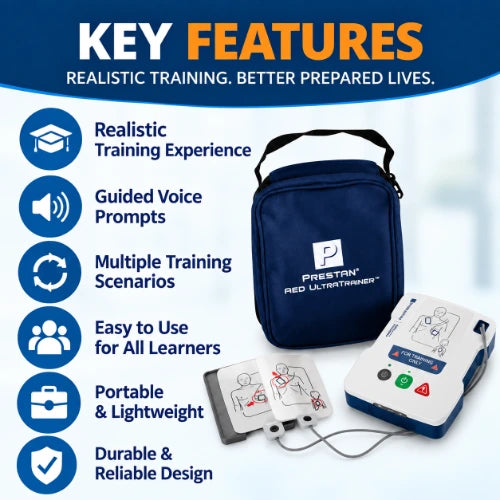
The training setup may include CPR manikins and AED simulators. Explore the Laerdal Little Anne CPR Training Manikins for group practice and the PRESTAN AED UltraTrainer for simulated AED education.

PRODUCT OVERVIEW
CPR Training supports learning through theory, demonstration, and practical work. First, learners can study the basic ideas behind CPR. Then, an instructor can show the correct steps. After that, learners can practice the process under supervision.
This method can make CPR lessons easier to understand because learners can see the steps and then try them. Moreover, an instructor can answer questions during practice. If a learner makes a mistake, the instructor can explain the issue and show the correct approach.
CPR involves a set order of actions. Therefore, learners need a clear learning process. Practical training gives them time to review the sequence and practice the methods taught in their course.
CPR Training can also form part of a larger first-aid program. For example, a training center can teach CPR along with other emergency skills. Similarly, a healthcare institute can add CPR education to student or staff training.
The exact course content depends on the training provider and current CPR guidance. Therefore, learners should follow the instructions of their qualified trainer and the rules of their selected course.
Training providers can also review the Adult Resuscitation Kit for Emergency Airway Care when preparing a wider professional emergency-care setup. This kit is intended for trained healthcare professionals and does not replace CPR training equipment.
KEY FEATURES
- Supports hands-on CPR learning and practice.
- Helps learners understand the basic CPR sequence.
- Works well with instructor-led demonstrations.
- Allows learners to repeat steps during practice.
- Can support first-aid and emergency training programs.
- Suitable for different learner groups and training settings.
- Can work alongside suitable CPR, AED, and resuscitation training resources.
- Provides a structured way to learn CPR through theory and practice.
Hands-On CPR Learning
CPR Training gives learners a chance to practice instead of relying only on written lessons. Therefore, students can take part in the learning process and review the steps with an instructor.
Simple Step-by-Step Training
The instructor can teach CPR in clear steps. First, the instructor explains the process. Next, the instructor demonstrates the method. Finally, learners practice while the instructor checks their work.
Instructor Guidance
A trained instructor can watch learners during practice and give useful feedback. In addition, the instructor can explain common errors and show learners how to improve their technique.
Repeated Practice
Learners can repeat the steps during a training session. As a result, they can become more familiar with the process taught in their course.
Flexible Learning Use
Training centers can use CPR education in medical, first-aid, workplace, and community programs. However, the course should match the needs of the learner group.
WHY CPR TRAINING IS IMPORTANT
CPR training matters because emergencies can happen without warning. In some situations, a person may need immediate help before medical professionals arrive. Therefore, CPR education helps learners understand the steps taught by their training provider.
Practical learning adds another benefit. Reading about CPR can explain the main ideas, but practice allows learners to perform the steps themselves. As a result, learners can gain more familiarity with the process.
Training also gives instructors a chance to find mistakes. For example, a learner may forget a step or use the wrong technique during practice. The instructor can point out the problem, explain the correct method, and allow the learner to try again.
Regular practice can also help learners review their skills. Over time, people may forget parts of a process if they do not use it. Therefore, learners should follow the refresher schedule recommended by their course or certification provider.
In addition, CPR training can make emergency education more active. Learners can listen to an explanation, watch a demonstration, practice the steps, and ask questions. Thus, CPR Training can connect classroom knowledge with practical learning.
CPR TRAINING FOR HEALTHCARE EDUCATION
Healthcare education often includes emergency skills. For this reason, CPR Training can help medical and allied-health students learn the basic CPR process. Nursing students, healthcare workers, and other suitable learners can also take CPR courses based on their role.
A healthcare training center can begin with a simple lesson. Next, the instructor can demonstrate the CPR steps. After that, students can practice the method under supervision.
This process gives students time to ask questions. Moreover, the instructor can explain why each step matters. During practice, the instructor can also identify areas where a learner needs more help.
Healthcare institutes can also include CPR education in staff training. However, each facility should select a course that fits its staff roles, policies, and training needs.
By using a clear training process, healthcare educators can give learners both knowledge and practical experience. Therefore, CPR Training can support wider emergency-care education.
CPR TRAINING FOR FIRST-AID COURSES
Many first-aid programs include CPR as one part of emergency care education. CPR Training gives learners a focused way to study the basic CPR process while the wider first-aid course covers other useful topics.
For example, an instructor can first explain how to respond to an emergency. Next, the instructor can introduce CPR and demonstrate the steps. After that, learners can practice while the instructor watches and gives feedback.
This approach can make first-aid education more practical. In addition, learners can ask questions during the session and review areas that need more practice.
First-aid centers can also use CPR Training for different groups. For example, they can provide courses for workplace teams, students, caregivers, or community groups. However, the course should match the learner's needs.
For formal certification, learners should complete the course and assessment required by the relevant training organization. CPR Training resources support education, but they do not replace formal certification requirements.
TECHNICAL SPECIFICATIONS
The supplied source does not provide model-specific technical details for a product named “CPR Training.” Therefore, this description does not add unverified measurements, weight, model numbers, materials, power details, or other fixed specifications.
| Specification | Details |
|---|---|
| Product Name | CPR Training |
| Category | CPR and Emergency Response Training |
| Main Purpose | CPR education and practical training |
| Learning Method | Theory, demonstration, and guided practice |
| Suitable Use | Educational and training settings |
| Dimensions | Not provided in the supplied source |
| Weight | Not provided in the supplied source |
HOW CPR TRAINING CAN BE CONDUCTED
CPR training should use a clear and simple learning process. First, the instructor can explain the purpose of CPR and the main emergency steps. Next, the instructor can show the practical method with suitable training equipment.
After the demonstration, learners can start practical work. During this stage, the instructor can watch each learner and provide feedback. If a learner makes a mistake, the instructor can explain the issue and allow the learner to repeat the step.
- Explain the purpose of the CPR session.
- Introduce the main CPR steps.
- Demonstrate the required technique.
- Allow learners to practice.
- Watch learner performance and give feedback.
- Repeat practice when needed.
- Review the key points at the end of the session.

This step-by-step method can make the class easier to follow. In addition, learners can ask questions during practice. Finally, the instructor can review the main points and explain any areas that need more attention.
APPLICATIONS AND USE CASES
Medical Training Centers
Medical training centers can use CPR education as part of suitable emergency-care courses. Students can learn the basic process and practice the steps with an instructor.
Nursing Institutes
Nursing institutes can add CPR training to suitable student programs. In addition, they can arrange refresher training when their course or institution requires it.
First-Aid Training Centers
First-aid centers can include CPR as one part of a wider emergency course. This approach lets learners study CPR along with other first-aid topics.
Healthcare Facilities
Hospitals and other healthcare facilities can arrange suitable CPR education for staff. The training can support staff education and emergency readiness.
Workplace Training
Workplaces can arrange CPR education for staff as part of an emergency plan. However, the workplace should choose a suitable training provider.
Community Programs
Community groups can provide suitable CPR education to participants. In this way, learners can study CPR through a structured training session.
Educational Demonstrations
Schools and other learning centers can use suitable CPR resources for educational demonstrations where their course rules allow such activities.
BENEFITS OF PRACTICAL CPR EDUCATION
Practical CPR education helps learners move from theory to practice. First, learners can understand the basic ideas. Then, they can watch a demonstration. Finally, they can practice the steps themselves.
Another benefit comes from direct feedback. A learner may understand the lesson but still make a mistake during practice. Therefore, instructor feedback can help the learner understand the problem and try again.
Practical training can also make lessons more active. Instead of only listening to a lecture, learners can take part in the session. As a result, the class can provide a more direct learning experience.
Repeated practice also gives learners more chances to review the process. In addition, instructors can use practice sessions to answer questions and explain difficult steps.
However, learners should always follow the method taught by their qualified instructor. CPR Training supports education, but learners should not use a product description as their only source of CPR instruction.
CPR TRAINING FOR DIFFERENT LEARNERS
Different learners have different training needs. For example, a healthcare student may need CPR training as part of an academic course. In contrast, a workplace employee may take CPR as part of a first-aid or safety program.
A community learner may need a basic introduction to CPR. Therefore, instructors should select a course that matches the learner's level and purpose.
Healthcare professionals may also need training that fits their job role. Meanwhile, first-time learners may need more basic instruction and extra time for practice.
- Healthcare students: CPR learning can support medical and nursing education.
- Healthcare staff: Training can support workplace emergency education.
- First-aid learners: CPR can form part of a wider first-aid course.
- Workplace teams: Staff can learn CPR through suitable workplace programs.
- Community groups: Participants can learn basic CPR through suitable courses.
In every case, the instructor should explain the course clearly and give learners enough time to understand the steps. This approach can make the training easier to follow.
TRAINING ENVIRONMENT AND PREPARATION
A good CPR training area should give the instructor enough space to demonstrate the steps. It should also give learners enough room to practice safely. Before the session begins, the instructor should explain the purpose of the course and the basic class rules.
Next, the instructor can check the training equipment and make sure everything works as expected. If the course uses CPR manikins, AED trainers, or other training tools, the instructor should follow the product instructions.
The supplied source includes related emergency products, such as an adult resuscitation kit and a PRESTAN AED UltraTrainer. These products may support a wider CPR and emergency training setup when they match the course requirements.
Explore the PRESTAN AED UltraTrainer for simulated AED practice, or review the Adult Resuscitation Kit for professional airway-care equipment.
CARE AND MAINTENANCE
Care needs can vary depending on the CPR training equipment used. Since the supplied source does not give model-specific care instructions for “CPR Training,” users should follow the instructions that come with the actual training equipment.
In general, training equipment should stay clean and dry. In addition, instructors should check the equipment before each session. If an item shows damage, the instructor should remove it from use until a suitable person checks it.
Reusable training equipment should follow the cleaning method listed by the manufacturer. Also, users should replace worn parts with suitable parts recommended for that product.
Proper storage can help keep training equipment ready for future sessions. Therefore, institutions should keep equipment in a clean and suitable storage area when they do not use it.
SAFETY AND TRAINING CONSIDERATIONS
CPR is an emergency medical skill. Therefore, a qualified instructor should guide practical CPR training and follow current training guidance.
Learners should understand that a product description cannot replace formal CPR education. Instead, learners should use the product information along with a proper course and qualified instruction.
Training equipment should serve its intended purpose. For example, a CPR training device should support education and practice. It should not replace clinical medical equipment unless the manufacturer specifically designs and approves it for clinical use.
In addition, instructors should explain safe equipment use before practical work begins. If a learner has a question about a technique, the learner should ask the instructor instead of guessing.
CHOOSING CPR TRAINING RESOURCES
When choosing CPR training resources, institutions should first decide who will use them. For example, a medical college may need resources for many students, while a small workplace may need resources for a smaller group.

Next, the training provider should check the course needs. Different courses may use different types of training equipment. Therefore, the selected equipment should match the course plan.
Institutions should also consider the training area, number of learners, cleaning needs, storage space, and replacement parts. In addition, instructors should read the product instructions before using the equipment.
For a wider emergency training setup, CPR resources can work with other suitable training tools. This can help create a complete learning environment for different emergency skills.
FREQUENTLY ASKED QUESTIONS ABOUT CPR TRAINING
What is CPR Training?
CPR Training teaches learners the main ideas and practical steps of cardiopulmonary resuscitation. A course can include theory, demonstrations, hands-on practice, feedback, and assessment.
Who can take CPR Training?
Healthcare students, healthcare workers, first-aid learners, workplace staff, caregivers, and community learners can take suitable CPR courses. However, each learner should select a course that matches their needs.
Why does practical CPR training help?
Practical training gives learners a chance to perform the steps. In addition, an instructor can watch the learner and give feedback. Therefore, learners can improve their technique during practice.
Can CPR Training support healthcare education?
Yes. Healthcare institutes can add CPR education to suitable student and staff programs. The course should follow the institute's needs and current training guidance.
Does CPR Training provide certification?
Certification depends on the organization that provides the course. Therefore, learners should complete the required lessons and assessment through the relevant training provider.
What equipment can support CPR practice?
The equipment depends on the selected course. Suitable CPR training devices, resuscitation tools, and AED trainers may support practical learning when the course requires them.
How often should learners practice CPR?
Learners should follow the refresher schedule recommended by their course, employer, institution, or certification body. Regular practice can help learners review the steps they learned.
Can CPR Training form part of a first-aid course?
Yes. CPR can form one part of many first-aid programs. In this way, learners can study CPR along with other emergency-response topics.
Is CPR Training suitable for beginners?
Suitable beginner CPR courses are available through training organizations. The instructor can teach the basic steps and guide learners through practical work.
Can workplaces arrange CPR training?
Yes. Workplaces can arrange suitable CPR and first-aid education for staff. However, the workplace should select a suitable course and training provider.
CPR TRAINING FOR INSTITUTIONAL PROGRAMS
Institutions can add CPR Training to a wider emergency education plan. First, they can decide which learners need training. Next, they can select a suitable course and instructor. After that, they can prepare the training area and required equipment.
During the session, the instructor can explain the main steps and show the practical method. Learners can then practice in small groups or as directed by the instructor. Meanwhile, the instructor can check learner performance and answer questions.
After practical work, the instructor can review the main points. If the course includes an assessment, learners can complete it according to the course rules.
This step-by-step approach can help institutions create a clear learning process. Moreover, it can make it easier for instructors to track learner progress and identify areas that need more practice.
WHY CHOOSE CPR TRAINING FOR PRACTICAL EDUCATION?
CPR Training gives learners a structured way to study CPR and practice the steps taught in their course. It can support classroom learning and hands-on sessions. Therefore, it can help institutions add practical emergency education to their programs.
For instructors, practical training provides a way to demonstrate the process and check learner performance. For students, it gives them a chance to practice and ask questions. As a result, both teaching and learning can become more active.
CPR Training can also fit into different programs. For example, it can support healthcare education, first-aid courses, workplace safety programs, or community education.
However, CPR procedures and course rules can change over time. Therefore, users should follow the latest guidance from the relevant training provider or professional organization.
CONCLUSION
CPR Training provides a practical way to learn the basic ideas and steps of cardiopulmonary resuscitation. It can help learners understand CPR through simple lessons, instructor demonstrations, and hands-on practice.
Moreover, CPR training can fit many learning settings. Medical colleges, nursing institutes, healthcare facilities, first-aid centers, workplaces, schools, and community groups can use suitable CPR education as part of their training plans.
Practical learning gives participants a chance to watch a demonstration, practice the steps, and receive feedback. As a result, learners can become more familiar with the process taught in their course.

The supplied source also lists related emergency and resuscitation resources, including an adult resuscitation kit and a PRESTAN AED UltraTrainer. These resources may complement a wider CPR and emergency training setup when they match the course needs.
Explore the Laerdal Little Anne CPR Training Manikins, the PRESTAN AED UltraTrainer, and the Adult Resuscitation Kit to review related equipment for suitable professional and educational settings.
Finally, learners should use CPR Training with proper instruction and current CPR guidance. They should follow the methods taught by their qualified instructor and complete formal certification through the appropriate training organization when the course requires certification.
Explore Medical Collections
All Categories
Abdominal & Maternity Support

Accessories

Accu-Chek Instant Strips: Use, Compatibility, Price & Blood Sugar Testing Guide
Accu-Chek Instant Strips: Uses, Features & Complete Guide

accupuncture

Acupuncture Needles & Supplies

Advanced Physiotherapy Machines & Lumbar Physiotherapy

Airways
Alcohol Swab: Uses, Safe Use and Disposal Guide
Ambu Bag Full Form: Is There an Official Meaning?
Ambu Bag: Parts, Uses and Safety Guide
Ambu Full Form: What the Name Means and BVM Basics

Ambulance

Anatomy Models
Anesthesia Machine
You may also need
FOR YOURecommended for you
Save 20%
Save 27%