


Empty collection
This collection does not contain any products.
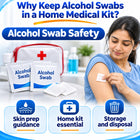
Alcohol Swab: Uses, Safe Use and Disposal Guide
Why Keep Alcohol Swabs in a Home Medical Kit?
Alcohol swabs are small pads containing alcohol for cleaning skin before certain medical tasks. For example, home users and caregivers may keep them for insulin injections, blood sugar checks, first-aid kits, and travel pouches. This guide explains their safe use, storage, and disposal. Medical use should follow instructions from a doctor or trained healthcare professional.
What Is an Alcohol Swab Used for in Medical Care?
An alcohol swab is used to clean skin before certain injections, finger-prick blood sugar checks, and some blood collection procedures. As a result, it helps reduce germs on the skin surface before a needle or lancet touches the skin. A lancet is a small, sharp tool used to prick the finger to obtain a blood drop.
In many homes, alcohol swabs are stored near a glucometer, insulin pen, injection supplies, or dressing box. A glucometer is a small device that measures blood glucose. In addition, caregivers may use alcohol pads to clean the rubber stopper of certain medicine vials when instructed by a healthcare professional.
Alcohol swabs are simple, but they are still medical-use items. However, they are not everyday cleansing wipes and should not be used on the eyes, mouth, genitals, deep wounds, or large body areas.

Common Uses of Alcohol Swabs at Home
Many households include children, older adults, and caregivers, so clear handling practices matter. For example, supplies may become mixed when one person uses insulin, another checks blood sugar, and someone else manages medicines.

Use alcohol swabs only for the task advised by the healthcare professional. In addition, keep injection items separate from general first-aid supplies. This reduces confusion during busy mornings, mealtimes, and travel. The following table describes common situations and important precautions.
| Home Situation | How It May Help | Important Caution |
|---|---|---|
| Blood Sugar Check | Cleans the finger before a lancet prick when advised | Let the alcohol dry first |
| Insulin Injection | Cleans the injection site if advised | Follow the doctor's instructions |
| Medicine Vial Use | Cleans the rubber stopper before piercing | Do not touch after cleaning |
| Travel Medical Kit | Keeps skin preparation supplies ready | Store away from heat |
| First-Aid Support | May clean nearby intact skin | Do not use inside deep wounds |
Key Terms for Alcohol Swab Use
Antiseptic and Alcohol Types
An antiseptic is a substance used on living skin to reduce germs. For example, isopropyl alcohol is a common antiseptic alcohol. Ethanol is another type used in some medical preparation pads.
Sterile Items
A sterile item is prepared and packaged to prevent contamination. However, sterile does not mean reusable. Once opened, touched, dried out, or used, an alcohol pad should not be saved for later.
Injection Site and Related Terms
An injection site is the exact area where a needle enters the skin. Meanwhile, a procedure means a planned medical step, such as an injection or blood draw. A mucous membrane is soft, moist tissue, such as the lining inside the mouth, nose, or eyes.
Alcohol Swab Basics: Pads, Strength and Packaging
An alcohol swab looks small, but its role is specific. It provides a measured amount of alcohol on a soft pad. Therefore, it can be more convenient than dipping loose cotton into a bottle.

For home users, individually packaged pads support controlled use. One packet is opened for one task. As a result, this routine can avoid shared cotton, open bottles, and containers that might collect germs.
How Is an Alcohol Swab Different from a Dry Cotton Pad?
A dry cotton pad does not contain antiseptic alcohol. Although it can be used to press or wipe, it does not provide the same antiseptic effect as an alcohol swab. For example, dry cotton may be used after a finger prick, while an alcohol swab is used before the prick when indicated.

This difference matters during blood sugar checks. If you clean the finger with alcohol, first let it dry before using the lancet. After collecting the blood sample, use clean, dry cotton or gauze if needed rather than the used alcohol swab.
Dry cotton also varies in cleanliness after storage. For example, loose cotton kept in an open box can collect dust. Individually packed pads remain protected until opened.
What Alcohol Percentage Is Usually Printed on an Alcohol Swab?
Alcohol preparation pads commonly list 70% isopropyl alcohol. Some guidance also refers to alcohol-based solutions in the 60% to 70% range for skin preparation. However, labels vary, so read the packet before use.
Do not assume every wipe is the same. For example, some wipes are for hands, others for surfaces, and others for medical skin preparation. Choose supplies based on their intended use and professional advice.
If the label is unclear, do not use the swab for injections. Instead, ask a pharmacist, nurse, or doctor. In particular, this is important for children, older adults, and people with sensitive skin.
Why Are Alcohol Swabs Often Individually Wrapped?
Alcohol swabs are individually wrapped to protect the pad until use. In addition, the wrapper helps reduce drying during storage. Therefore, open each packet only when needed.
Individual packets are useful at home because they fit inside medicine boxes, glucometer pouches, handbags, and travel kits. Furthermore, they help caregivers keep track of the remaining supply.
Do not open multiple packets in advance. After opening, the pad may dry or become contaminated. Therefore, discard any pad that is dry, dirty, damaged, or discoloured.
How to Use an Alcohol Swab Safely Before Injections
Safe alcohol swab use begins before opening the packet. Therefore, wash or clean your hands first. Then prepare the medical supplies and disposal items on a clean surface.

Use good lighting and sit comfortably. In addition, keep children and pets away from the preparation area. Avoid rushing, especially when helping an older adult.
Alcohol Swab Routine Step by Step
Follow the alcohol swab routine taught by your doctor or nurse. The following steps are general and may not apply to every medication or medical device.
- Wash hands with soap and water, then dry well.
- Place supplies on a clean surface.
- Check that the swab packet is sealed.
- Open one packet just before use.
- Wipe the selected skin area gently.
- Follow the advised cleaning direction for the procedure.
- Let the skin air-dry completely.
- Do not blow on or touch the cleaned area.
- Complete the injection or finger prick as instructed.
- Dispose of the used swab safely.

For a blood sugar check, make sure the finger is dry before testing. This is because wet alcohol can cause discomfort and interfere with handling. It may also affect the blood drop.
Should Skin Dry Before an Injection or Procedure?
Yes. When alcohol skin preparation is advised, the cleaned skin should air-dry completely before an injection or procedure. In addition, drying provides the recommended contact time and helps reduce stinging.
Allow the area to dry naturally. Do not blow on the skin because breath may reintroduce germs onto the cleaned site.
Avoid wiping the cleaned area again with clothing, fingers, or a towel. If the site is touched, clean it again with a fresh swab and let it air-dry before the procedure.
Using Alcohol Swabs for Insulin and Blood Sugar Checks
Where Swabs Fit in Diabetes Care
Alcohol swabs may be part of a diabetes care routine involving insulin injections and blood sugar testing when recommended. For convenience, keep them near the glucometer or insulin supplies, but out of children's reach.
Finger-Prick Testing
For finger-prick testing, washing hands with soap and water may be recommended instead of using alcohol. Therefore, follow the specific instructions of your diabetes educator. If an alcohol swab is used, wait until the skin is completely dry before testing.
Insulin Injections
For insulin injections, follow the technique taught by a healthcare professional. The dose, site, needle, and timing are important. Likewise, never copy another person's injection routine without medical guidance.
Cleaning a Medicine Vial Stopper with an Alcohol Swab
Some medicines come in small bottles with rubber stoppers. These containers are called vials. When instructed, clean the rubber stopper with a fresh alcohol swab before inserting a sterile needle.
After cleaning, allow the stopper to dry. Avoid touching it with your fingers before using a new sterile needle and syringe as directed.
Never use the same alcohol swab for an injection site and a vial stopper. Instead, use a fresh wipe for each separate task.
Frequently Asked Questions About Alcohol Swab Safety
The following table answers common questions about alcohol swabs. However, these answers are general, so follow the product instructions and professional guidance first.

| Common Question | Short Answer |
|---|---|
| When Should Someone Avoid Using Alcohol Swabs on Skin? | Avoid damaged, burnt, or severely irritated skin unless a healthcare professional advises otherwise. |
| Are Alcohol Swabs Designed for Reuse? | No. They are single-use items and should be discarded after each task. |
| Are Alcohol Swabs Safe Near Open Flames? | No. Alcohol is flammable, so keep swabs away from stoves, candles, diyas, and smoking. |
| Can Alcohol Swabs Be Used in the Eyes or Mouth? | No. They are not suitable for eyes, the inside of the mouth, or other mucous membranes. |
| How Should a Used Alcohol Swab Be Discarded? | Discard it after one use according to the applicable household or medical waste guidance. |
| What If an Alcohol Swab Causes Irritation? | Stop using it on the affected area and seek medical advice if symptoms continue or worsen. |
When Should Someone Avoid Using Alcohol Swabs on Skin?
Skin That Should Not Be Swabbed
Alcohol swabs should generally be avoided on broken, badly irritated, or burnt skin unless medically advised. For example, alcohol may sting and worsen discomfort. It is also unsuitable for eyes and mucous membranes.
Infants and Very Sensitive Skin
Use alcohol preparations on babies only as directed by a healthcare professional. In addition, children may rub treated areas and transfer alcohol near their eyes. Older adults with fragile skin may also need special precautions.
Packets That Should Be Discarded
Do not use a packet that is opened, leaking, dirty, or dry. Likewise, follow label warnings about irritated skin. If in doubt, seek medical advice rather than guessing.
What Should Be Done If an Alcohol Swab Causes Redness or Irritation?
Stopping Use and Resting the Skin
If an alcohol swab causes redness or irritation, stop using it on the affected area. Then allow the skin to recover. Avoid applying more alcohol in an attempt to clean it further.
Mild Stinging Versus Warning Signs
Mild stinging may happen when skin is scratched or irritated. However, spreading redness, swelling, rash, persistent burning, or pain needs attention. Seek medical advice if symptoms continue or worsen.
Contact with the Eye
If alcohol enters an eye, rinse promptly with clean running water. Seek medical help for persistent burning, watering, or blurred vision. Also, avoid using eye drops unless advised by a healthcare professional.
Are Alcohol Swabs Safe for Eyes, Mouth or Other Moist Areas?
No. Alcohol swabs intended for skin preparation should not be used in the eyes or on mucous membranes. These are delicate, moist tissues, such as the lining inside the mouth, nose, and genitals. As a result, alcohol may cause burning or irritation.
Keep alcohol pads away from children who may play with the packets. In particular, store them with medical supplies rather than snacks or school items because the small packets may appear harmless.
For cleaning eyes, the mouth, or wounds, use only appropriate products recommended by a healthcare professional. Deep wounds, bites, and burns require suitable medical care rather than alcohol swabs.
How to Store Alcohol Swabs Safely at Home
Good storage keeps alcohol swabs ready when needed. In addition, it helps protect children and prevents the packets from drying out. Heat, humidity, dust, and unsuitable storage areas can affect medical supplies.

Store medical items in one clean, organised place. For example, a labelled box can help when several household members require care. However, emergency supplies should remain accessible to adults while staying out of children's reach.
How Should Sealed Alcohol Swab Packets Be Stored?
Store sealed alcohol swab packets in a cool, dry place away from heat and flames. For example, avoid direct sunlight, bathrooms, kitchens, and damp shelves. Always follow the manufacturer's storage instructions.
Do not store alcohol swabs near a gas stove or puja diya. Likewise, never leave them in a hot parked car. Excessive heat may affect the packaging and increase fire risk.
Keep packets protected from sharp objects and crushing. Otherwise, a torn packet may dry out or become contaminated. Check individual packets before placing them in travel kits.
Alcohol Swab Storage Checklist for a Home Medical Box
Use this checklist when organising medical supplies:
- Keep alcohol swabs in their original sealed packets.
- Store them away from heat, flame, and sunlight.
- Keep them out of children's reach.
- Separate them from food, cosmetics, and cleaning liquids.
- Keep them near related supplies, such as lancets or syringes, in organised storage.
- Check packets for tears, leaks, or dryness.
- Follow the printed expiry date.
- Do not mix used and unused supplies.
- Keep an appropriate waste container nearby.
- Review the kit before travel or festivals.
This checklist is useful during family trips. In addition, it helps when caregiving responsibilities change. Clear labels can reduce mistakes during busy routines.
How to Store Alcohol Swabs During Travel
During travel, keep sealed alcohol swabs in a clean, protected pouch with related medical supplies. However, do not pack them loosely with keys, coins, or sharp objects.
For diabetes travel kits, keep testing supplies together. In addition, carry clean dry cotton or gauze if needed after finger-prick tests. Pack extra swabs when regular use has been advised.
Avoid placing packets near hot vehicle windows or dashboards. For summer travel, choose a shaded compartment. Always follow medication-specific storage instructions separately, especially for insulin.
Fire Safety Precautions for Alcohol Pads at Home
Alcohol is flammable. Therefore, storage and use require special care near kitchens, prayer areas, clinics, and open flames. A clean, flame-free medical preparation area is preferable.

In many households, injections and glucose tests happen around mealtimes. For example, a gas burner, hot tea, candle, or incense may be nearby. Move to a safer location before opening the packet.
Are Alcohol Swabs Safe to Use Near Open Flames?
Flame Sources to Avoid
No, alcohol swabs are not safe near open flames. Keep them away from gas burners, candles, diyas, incense, mosquito coils, matches, lighters, and smoking. In addition, allow the cleaned skin to dry completely before approaching any ignition source.

Wet Pads and Medical Heat
Never discard a wet alcohol pad near a flame or leave opened swabs beside a stove. During electrocautery or other heat-based procedures, alcohol-based skin preparations must be managed according to the trained clinical team's fire-safety protocol.
If a Swab Catches Fire
If a swab catches fire, move away from the flames and call for help. Avoid waving burning material, as this could spread the fire. Follow appropriate fire-safety procedures for the situation.
Practical Fire-Safe Habits for Using Alcohol Swabs
Choose a clean table away from cooking and puja areas for medical preparation. In addition, keep an appropriate closed waste container nearby.
Ask household members not to light incense or smoke during medical preparation. For example, these precautions matter when an older adult uses a swab near a balcony or window.
Allow the cleaned skin to dry completely. Afterwards, dispose of the used swab in the appropriate container and continue the procedure as instructed.
How to Dispose of Used Alcohol Pads Safely
Used alcohol swabs may contain alcohol, skin germs, or blood. Therefore, discard them promptly rather than leaving them on a table, bed, or medicine tray.

Safe disposal helps protect children, caregivers, cleaning staff, and pets. In addition, it keeps medical routines organised. Plan the disposal step before beginning any injection or glucose test.
How Should a Used Alcohol Swab Be Discarded?
A used alcohol swab should be discarded after one use according to applicable local waste guidance. In home-care settings, follow the healthcare professional's instructions, especially when the pad is contaminated with blood. Never flush used swabs down the toilet.
After use, discard the wrapper rather than reusing it for storage. Also, keep used pads out of clean medical boxes and glucometer pouches.
Used needles, lancets, and syringes require special disposal because they can injure others. Therefore, use an appropriate puncture-resistant sharps container and follow local biomedical waste instructions.
Are Alcohol Swabs Designed for Reuse?
No, alcohol swabs are not designed for reuse. Instead, they are intended for one use only. Once used, they may lose moisture and carry germs.
Reusing a pad may transfer contamination between areas. Furthermore, it can create a false sense of cleanliness. Use a fresh swab for each person, site, and separate task.
Never share used wipes between household members. This remains important even when people live together. Medical supplies should stay clean and appropriately separated.
Alcohol Swab Disposal Checklist for Home Caregivers
Plan where each item should go after use:
- Used alcohol pad: appropriate closed waste container.
- Used dry cotton: follow applicable waste guidance.
- Used lancet: approved sharps container.
- Used needle: approved sharps container.
- Empty wrapper: dispose of appropriately.
- Blood-stained materials: follow local medical waste guidance.
- Unused sealed pad: return to clean storage.
- Opened unused pad: discard if not used promptly.
Keep disposal containers beyond children's reach. In addition, avoid overfilling sharps containers. Ask a healthcare professional or local clinic about disposal arrangements in your area.
Choosing Alcohol Swabs for a Home Medical Box
Alcohol swab products may look similar, but labels still matter. Therefore, review the product information before adding them to a home medical kit.
In particular, look for the alcohol type, concentration, intended use, packaging condition, and storage requirements. Avoid choosing solely by pack size.
Alcohol Swab Label Details to Check
Use the product label as your first guide. If a packet does not indicate suitability for the intended medical skin preparation, do not assume it can be used for injections. The table below explains key label information.
| Label Detail | Why It Matters | Practical Tip |
|---|---|---|
| Intended Use | Confirms the purpose of the product | Avoid surface wipes for medical skin preparation |
| Alcohol Type | Identifies the active ingredient | Check whether isopropyl alcohol or another type is listed |
| Alcohol Percentage | Helps identify the formulation | 70% is commonly listed on preparation pads |
| Single-Use Instructions | Prevents accidental reuse | Teach caregivers to use a fresh pad each time |
| Storage Warning | Helps prevent unsafe storage | Keep away from heat and flames |
| External-Use Warning | Identifies application restrictions | Keep away from eyes and mouth |
| Packet Seal | Protects the contents | Reject torn or leaking packets |
Do not invent storage or usage rules from habit. Instead, follow the label instructions and seek professional advice if they appear to conflict with the treatment plan.
Matching Alcohol Swabs to Common Home Needs
Diabetes Care
For diabetes care, choose swabs intended for medical skin preparation when this is part of the recommended routine. In addition, keep clean dry cotton or gauze separately for use after finger pricks. Do not press a used alcohol pad onto a fresh puncture.
Injections and Vaccines
Follow the precise training provided for injections. Some vaccines and clinical procedures have different skin preparation requirements. Therefore, a trained healthcare professional should guide vaccine administration and injection care.
First-Aid Limits
Alcohol swabs do not replace appropriate wound care. For example, deep cuts, animal bites, burns, and infected wounds need medical attention.
Common Mistakes When Using Alcohol Pads
Small mistakes with alcohol swabs can become habits. However, clear routines can help caregivers avoid them. Keep supplies organised and ensure everyone understands the instructions.
Many errors happen when people are in a hurry. For example, morning insulin, school routines, office calls, and meal preparation can cause distractions. Therefore, allow adequate time for medical tasks.
Common Errors and Safer Options
The following table compares common alcohol swab mistakes with safer alternatives.
| Mistake | Why It Is a Problem | Safer Choice |
|---|---|---|
| Reusing One Pad | May spread germs | Use a fresh swab for each task |
| Blowing on Cleaned Skin | May reintroduce germs | Allow the skin to air-dry |
| Using Near Flames | Alcohol is flammable | Move to a flame-free area |
| Using on Eyes or Mouth | Alcohol may irritate delicate tissue | Use only appropriate recommended products |
| Leaving Used Pads on Tables | Children or pets may touch them | Discard immediately |
| Storing in Bathrooms | Moisture may affect packaging | Store in a cool, dry location |
| Using a Dry Pad | May not provide the intended antiseptic effect | Discard the pad |
| Touching Cleaned Skin | May recontaminate the site | Clean again when necessary |
Alcohol Pads Are Not General Wipes
Medical alcohol swabs should not be used to clean phones, tables, toys, or kitchen surfaces unless the product label specifically permits that use. Instead, choose products designed for the surface or cleaning task.
Avoid using alcohol swabs as makeup removers or perfume wipes. In addition, do not apply them to a baby's skin without medical advice.
Understanding their intended purpose helps prevent misuse. As a result, households can reserve medical supplies for the tasks that actually need them.
An Alcohol Swab Does Not Replace Handwashing
Cleaning an injection site with an alcohol swab does not replace hand hygiene. Therefore, wash your hands before handling injection or testing supplies. Afterwards, dry them thoroughly before opening packets.
If soap and water are unavailable, follow appropriate hand hygiene advice. However, alcohol-based hand rub and medical alcohol swabs are different products intended for different tasks.
Caregivers should keep their hands and nails clean. For example, rings and bangles may touch supplies during preparation. A clean working area also reduces the risk of mistakes.
Family Routines That Make Alcohol Pad Use Safer
Safe alcohol swab use at home works best when everyone knows their responsibilities. For example, one person may buy supplies, another may help with testing, and someone else may manage waste.
Write short instructions and keep them near the medical box. For older adults, use large, readable text. In addition, instructions in the household's preferred language may help prevent confusion.
Build a Small Home Care Station
Choose a clean, well-lit, comfortable place for medical preparation. For instance, a dining table corner may be suitable when food and kitchen activities are kept separate. A bedside area may help a person with limited mobility.
Keep supplies organised in separate sections. For example, store sealed swabs in one pouch and place lancets, test strips, and dry cotton in their own compartments. Meanwhile, used items must remain separate from clean supplies.
Avoid storing medical items alongside spices, oils, incense, or cleaning chemicals. Otherwise, spills and strong smells can create confusion or damage supplies.
Teach Every Caregiver the Same Alcohol Swab Routine
If several household members help with medical care, follow the same instructed routine each time. As a result, this can reduce confusion and unsafe shortcuts.
Explain three important rules: use one swab for one task, allow cleaned skin to dry before the procedure, and discard the used swab immediately.
Explain to children that the packets are not toys. For older adults, keep supplies easy to identify and handle but protected from heat. If household helpers manage medical waste, give them clear disposal instructions.
When to Call a Doctor or Nurse About Alcohol Swab Use
Uncertainty or Repeated Skin Reactions
Consult a doctor, nurse, or pharmacist if you are unsure about skin preparation. In addition, seek advice if someone develops repeated redness, swelling, pain, or rash after swab use. Avoid testing different products on already irritated skin without guidance.
Signs of Infection
Seek medical attention for fever, pus, spreading redness, severe pain, or increasing warmth around an injection site. Because these can indicate infection, do not attempt to treat the problem using additional alcohol swabs.
If a Child Swallows a Pad
If a child swallows or sucks an alcohol pad, seek urgent medical or poison-control advice. Also keep the packaging available so the healthcare team can identify its contents. Do not wait for symptoms before seeking advice.
Buying Tips for Alcohol Swabs
Do not choose alcohol swabs solely by quantity. For example, daily users may need a regular supply, whereas occasional users may need only a small first-aid pack.
Product listings should make important information easy to review. Therefore, look for clear images of the packaging, alcohol concentration, intended use, and warnings.
Checklist Before Buying Alcohol Swabs Online
Before adding swabs to your cart, check:
- Is the item intended for medical skin preparation?
- Does the label mention the alcohol type and percentage?
- Are the packets individually sealed?
- Are storage warnings clearly stated?
- Does the label specify external use?
- Are flammability warnings visible?
- Is the pack suitable for your home routine?
- Have you checked professional advice for the intended use?
- Do you also need dry cotton or gauze?
- Do you have a safe sharps disposal plan?
A well-organised medical kit contains more than alcohol swabs. In addition, clean hands, correct technique, appropriate sterile equipment, and safe disposal matter.
Useful Items to Keep with Alcohol Swabs
Home users performing glucose checks or prescribed injections may need additional supplies. Therefore, keep related items organised and easy to identify.
For example, a clean storage box, dry cotton, gauze, and appropriate waste containers may be useful. In diabetes care, test strips and lancets should be kept as instructed. For injections, use only medically appropriate supplies.
Do not attempt injections without proper training. This is because incorrect technique can cause injury or other complications. Ask a healthcare professional to demonstrate the correct procedure.
Extra Care with Alcohol Pads in Special Situations
Some people need additional precautions when alcohol swabs are used. For example, babies, older adults, people with allergies, and individuals with fragile skin may require special consideration. In addition, people receiving treatment that affects immunity may need specific instructions.
Immunity refers to the body's defence against infection. Therefore, if a clinician has identified someone as immunocompromised, follow their individual skin preparation guidance.
Babies and Children
Babies
Use alcohol swabs on babies only when instructed by a healthcare professional. Because infant skin can be sensitive, additional precautions may be necessary. Children can also move suddenly during procedures.
Packet Safety Around Children
Keep opened packets away from children. Do not allow children to suck, smell closely, or squeeze the used pads. Then dispose of them promptly in an appropriate container.
Vaccines
For vaccinations, follow the healthcare facility's procedure. Therefore, parents should not add preparation steps unless instructed by the vaccinator.
Older Adults
Delicate Skin
Older adults may have thin, dry, or delicate skin. In particular, alcohol can sting on cracked skin. Therefore, inspect the intended preparation area before use.
Damaged Skin
If the skin appears damaged, ask a healthcare professional before using an alcohol swab. In addition, avoid aggressive rubbing. When swabbing is advised, use the recommended gentle technique.
Reading Packets and Fire Safety
Ensure older adults can identify the correct packet. For example, large labels on storage boxes may help. Keep all alcohol preparations away from candles, incense, and cooking flames.
Skin Conditions and Allergies
Eczema and Rashes
People with eczema, rashes, cuts, or repeated irritation should seek professional advice before using alcohol swabs. Eczema can cause itching, dryness, and redness. As a result, alcohol may worsen discomfort on affected skin.
Repeated Reactions
If a skin reaction occurs, note the symptoms and stop using the product on that area. However, if reactions recur, seek medical advice rather than repeatedly trying the same preparation.
Creams, Oils and Home Remedies
Do not apply creams, oils, or home remedies before an injection unless instructed. These products may interfere with skin preparation. In addition, they can affect the adhesion of certain dressings.
Key Takeaways for Safe Alcohol Pad Use
Alcohol swabs are useful when used for appropriate medical tasks. For example, they can support skin preparation before certain injections, finger-prick tests, and vial access. However, they are not general-purpose wipes.
Safe routines should be simple and repeatable. Therefore, keep packets sealed until needed, let cleaned skin dry, use each swab once, and discard it promptly.
Five Rules for Safe Alcohol Swab Use
Use these five rules during home care:
- Check: Inspect the packet before opening.
- Clean: Wipe only the advised area.
- Dry: Allow the cleaned skin to air-dry fully.
- Use Once: Never reuse an alcohol swab.
- Discard: Dispose of the swab safely after use.
These rules can help prevent common mistakes. In addition, they are easy to explain to parents, older adults, and caregivers. Keep them near your home medical supplies for reference.
Final Reminder Before Medical Use
An alcohol swab is only one part of safe medical care. However, it does not replace proper training, clean hands, sterile equipment, or appropriate waste disposal. Use it according to medical instructions.
For people managing injections or blood glucose testing at home, consistent routines matter. Therefore, choose clearly labelled pads, store them away from heat, keep them beyond children's reach, allow cleaned skin to dry, and dispose of each used swab safely.
Explore More First-Aid and Injection Care Guides
First-Aid Boxes Blood Lancets Gauze Tape and Bandages
Explore Medical Collections
All Categories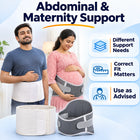
Abdominal Belt: Support After Surgery and in Pregnancy

Accessories
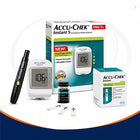
Accu-Chek Instant Strips: Use, Compatibility, Price & Blood Sugar Testing Guide
Accu-Chek Instant Strips: Uses, Features & Complete Guide

accupuncture

Acupuncture Needles & Supplies

Advanced Physiotherapy Machines & Lumbar Physiotherapy
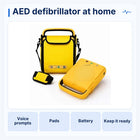
AED Defibrillator: How It Works, Use and Placement

Airways
alcohol swab benefits and guidance: uses, safety and storage
Alcohol Swab: Uses, Safe Use and Disposal Guide
Ambu Bag Full Form: Is There an Official Meaning?
Ambu Bag: Parts, Uses and Safety Guide
Ambu Full Form: What the Name Means and BVM Basics

Ambulance