


Featured ChoiceSave 6%

What customers say
★★★★★ 5.0 · 2 reviews
Digital thermometer: types, use and buying guide
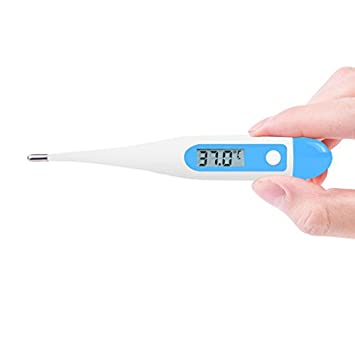
Digital thermometer use at home should be simple, hygienic, and guided by common sense. A fixed-tip digital thermometer helps family users check body heat when someone feels unwell. This guide explains safe use, reading, cleaning, sharing, and choosing points for Indian homes.
Digital thermometer use: what should a home user know first?
A digital thermometer gives a body heat reading on a small display. A fixed-tip unit suits routine home checks when used as directed. A doctor or trained professional should guide medical use, especially for children, older people, or people with health concerns.
Use one method at a time. Do not compare numbers from different body sites without guidance. Mouth, armpit, and other site results can differ, so record the site used. MedlinePlus notes that temperature can be measured at sites such as the mouth and armpit, and that the site should be noted with the reading.
A single result does not diagnose illness by itself. It only gives useful information. Consult a doctor for high fever, lasting fever, or worrying symptoms.
Digital thermometer fixed-tip type for home use
This guide focuses only on the fixed-tip digital thermometer type for home use.

A fixed tip keeps use straightforward. The user places the digital tip in the correct position and waits for the signal. The display then shows the result clearly.
For best results, follow the product instructions. Keep the same method for repeat checks. This helps you notice changes more easily.
Digital thermometer body sites for home use
A fixed-tip digital thermometer can support common home checks when used correctly. Many families use the armpit method because it feels simple. Some users may use the mouth method when the person can hold the device safely.
Always choose a body site that suits the user. A tired or restless person may not hold the device well. A caregiver should stay calm and avoid rushing.
Body site |
Simple use note |
Practical care point |
|---|---|---|
Armpit |
Place the digital tip high in the armpit |
Keep the arm pressed close |
Mouth |
Place the digital tip under the tongue |
Use only when the person can cooperate |
Assigned personal use |
Use one marked unit for one person if needed |
Helps reduce confusion |
Do not switch body sites during the same fever episode without noting it. An armpit result may not match a mouth result. Write the site with the number.

Armpit placement made simple
Armpit use needs steady placement. Place the digital tip inside the top of the armpit. Then keep the arm close against the body until the device signals.
The NHS advises placing the device inside the top of the armpit for an armpit measurement. It also advises following instructions carefully for accurate use.
Use dry skin when possible. Sweat can affect contact with the tip. Wipe the armpit dry before placing the device.
Steps for armpit use:
Wash or sanitise hands first.
Clean the tip before use.
Turn on the digital thermometer.
Place the tip high in the armpit.
Press the arm gently against the body.
Wait until the digital signal or beep.
Check the display at eye level.
Record the number, time, and armpit site.
Clean the digital thermometer after use.
Do not hold the device loosely. Loose placement can give a poor result. Keep the person still until the measurement is complete.

Caregiver safety when checking a result
A caregiver should read the result without panic. First check the display clearly. Then note the number, body site, time, and symptoms.
Repeat only when placement may have been wrong. Do not keep checking every few minutes without reason. Too many checks can create worry.
Use medical guidance for fever decisions. A doctor should guide medicine use and next steps. Seek medical advice for high fever, lasting fever, breathing trouble, severe weakness, confusion, or any symptom that worries you.
The result can support a doctor’s advice. It should not replace that advice. Share the number clearly when speaking with a doctor.
Digital thermometer readings and common mistakes
A reading can become inaccurate when the user rushes. Poor placement is a common reason. Low battery, unclean tip, and movement can also affect the result.
Avoid using the device just after hot or cold drinks when using the mouth. Wait for the mouth to settle. Also avoid talking during the measurement.
Common causes of poor results include:
Digital tip not touching the correct body area.
Arm not held close during armpit use.
Mouth not closed during mouth use.
Device removed before the signal.
Device not cleaned properly.
Battery weak or display unclear.
Reading taken after exercise or bathing.
Different body site used for repeat checks.
User moving, crying, or shivering.
If a result seems strange, check placement first. Clean the digital tip if needed. Then repeat once, using the same body site.

Digital thermometer cleaning between users
Clean it before and after use. This matters more when family members share one device. Cleaning reduces dirt and germs on the tip.
The NHS advises cleaning the tip with cold water and soap, then rinsing it. CDC material also refers to washing a thermometer with soap and water or an alcohol pad.
Simple cleaning steps:
Switch off the digital thermometer.
Wipe the tip with mild soap and plain water.
Rinse the tip carefully.
Dry it with a fresh cloth.
Use an alcohol wipe if the instructions allow it.
Let it dry fully.
Store it in a clean case.
Do not soak the whole digital device unless the manual allows it. Keep the display area dry. Water can damage some digital parts.

Sharing one device in a family
Family members can share a digital thermometer more safely with strict cleaning. Clean it before and after every use. Mark the unit if one person needs separate use.
Use extra care when someone has a contagious illness. Do not pass the device directly from one person to another. Clean, dry, and store it first.
If possible, keep use simple. Use the same body site for each person’s repeat results. Write names and times when caring for more than one person.
Digital thermometer buying guide for Indian homes
Choose a fixed-tip digital thermometer that feels easy to use. A clear display matters for night use and older caregivers. A quick signal can also reduce movement during the check.
Do not choose based on fancy claims. Choose based on safe handling, clear display, and easy cleaning. A simple model often suits daily family needs.
Compare these points before choosing:
Feature |
Why it matters at home |
What to check |
|---|---|---|
Fixed tip |
Keeps placement simple |
Smooth tip and firm build |
Display |
Helps easy reading |
Large digits and clear screen |
Signal |
Reduces guesswork |
Beep or clear completion cue |
Memory |
Helps recall the last result |
Last reading display if available |
Cleaning ease |
Supports family hygiene |
Smooth surface and simple tip care |
Battery access |
Helps long-term use |
Easy battery change if allowed |
Unit display |
Matches local use |
Celsius display for India |
Case |
Keeps the device hygienic |
Covered storage after drying |
Read the user manual before first use. Keep the manual with the device. This helps every caregiver follow the same digital steps.

Accuracy in daily home checks
A digital thermometer can give useful home results when placed correctly. Accuracy depends on correct site, steady contact, clean tip, and working battery. The user must follow instructions every time.
Do not treat one number as the whole health picture. Fever signs, comfort, fluid intake, and other symptoms also matter. A doctor can guide what the number means for that person.
For repeat checks, use the same device. Use the same body site and similar timing. This makes change easier to track.
Storage and battery care
Store the device in a clean, dry place. Use the case if one is supplied. Keep it away from heat, direct sunlight, and moisture.
Check the display before use. If digits look faint, the battery may need attention. Follow the manual for battery replacement and disposal.
Keep the device away from small children when not in use. It is a measuring device, not a toy. Store it with other home health items.
Can family members share a digital thermometer safely?
Yes, family members can share a digital thermometer more safely when they clean it before and after each use. Use soap and water or an allowed alcohol wipe, then dry it fully.
For better hygiene, do not share it during use without cleaning. Mark a separate unit for a person if a doctor advises separate use.
How can a caregiver read a digital thermometer result safely?
A caregiver should wait for the completion signal before looking at the display. They should record the number, time, body site, and symptoms.
If the result looks unusual, check placement and repeat once. Contact a doctor for high fever, lasting fever, or worrying signs.
Questions home users often ask
Where on the body can a digital thermometer be used? A fixed-tip unit may be used at suitable body sites listed in its manual. Common home sites include the armpit and mouth, when the user can cooperate safely.
How should a digital thermometer be placed for an armpit reading? Place the digital tip high inside the armpit. Keep the arm pressed close until the signal sounds.
Which features should be compared when choosing a digital thermometer? Compare display clarity, fixed-tip comfort, signal sound, cleaning ease, battery use, and storage case. Choose simple digital features that support safe home use.
How should a digital thermometer be cleaned between users? Wipe the tip before and after use. Use mild soap and water, or an alcohol wipe if the product instructions allow it.
What can make digital thermometer readings inaccurate? Wrong placement, movement, sweat, weak battery, and early removal can affect results. Using different body sites can also confuse repeat checks.
How can families keep temperature records clearly? Write the number, time, body site, and person’s name. This helps a doctor understand the pattern if advice is needed.
Digital thermometer safe-use checklist
Use this simple checklist before storing the device.
Read the digital thermometer manual before first use.
Use the fixed-tip digital thermometer only as directed.
Wipe the tip before and after each use.
Wash or sanitise hands before handling it.
Place the tip correctly at the chosen body site.
Wait for the signal before checking the display.
Record the result, time, and body site.
Use the same body site for repeat checks.
Keep the digital thermometer dry after cleaning.
Store it in a clean case.
Ask a doctor about high or lasting fever.
Use medical guidance for children, older people, and health concerns.
Final takeaway for home users
A fixed-tip digital thermometer is a useful home tool when used with care. It helps families record body heat clearly and share useful information with a doctor. Safe placement, careful handling, and steady checking habits matter most.
Follow the product manual and medical guidance. Consult a doctor for high fever, lasting fever, or any worrying symptom.
Sources:
MedlinePlus: Temperature measurement and fever information.
NHS: Guidance on using a digital thermometer and fever care.
CDC: Cleaning guidance for thermometers and alcohol-based disinfection information.
Explore more home health devices
Thermometers
Explore Medical Collections
All Categories
Abdominal & Maternity Support

Accessories

Accu-Chek Instant Strips: Use, Compatibility, Price & Blood Sugar Testing Guide
Accu-Chek Instant Strips: Uses, Features & Complete Guide

accupuncture

Acupuncture Needles & Supplies

Advanced Physiotherapy Machines & Lumbar Physiotherapy

Airways
Alcohol Swab: Uses, Safe Use and Disposal Guide

Ambu Bag Full Form: Is There an Official Meaning?
Ambu Bag: Parts, Uses and Safety Guide

Ambu Full Form: What the Name Means and BVM Basics

Ambulance

Anatomy Models
Anesthesia Machine
You may also need
FOR YOURecommended for you
Save 6%