


Featured ChoiceSave 50%
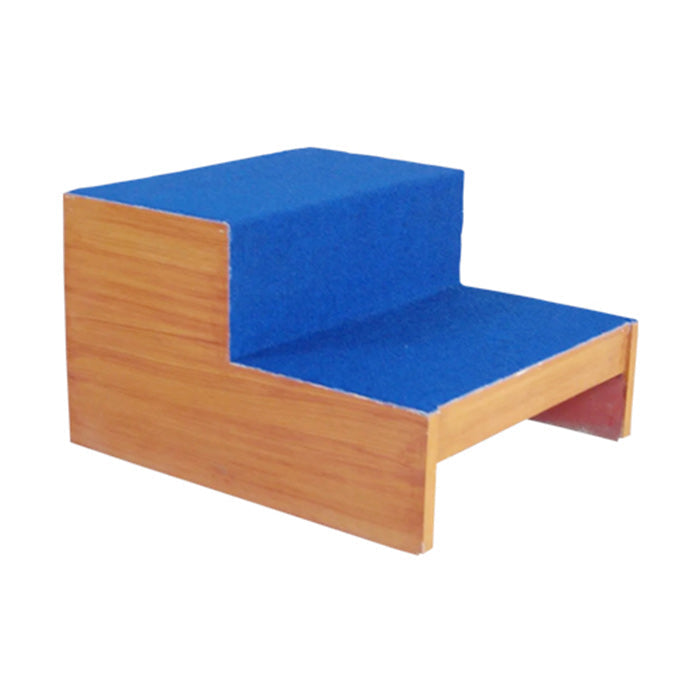

Save 50%
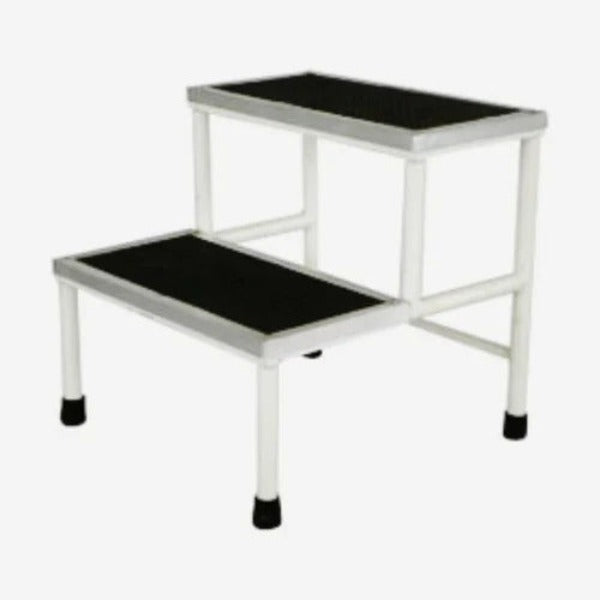
Save 50%
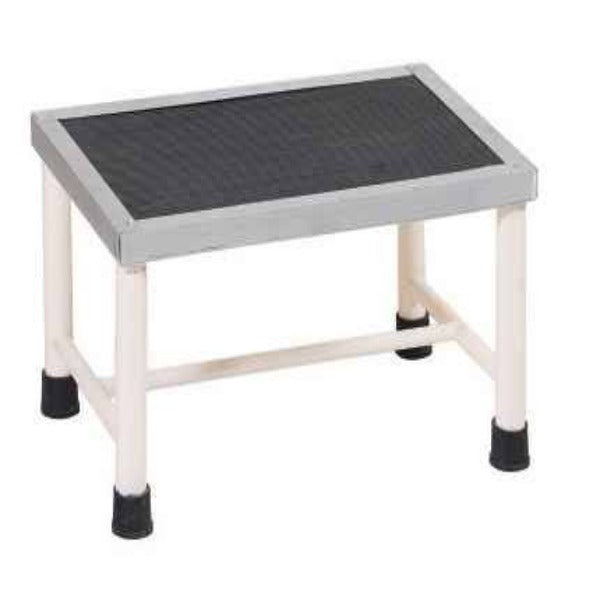
Save 27%
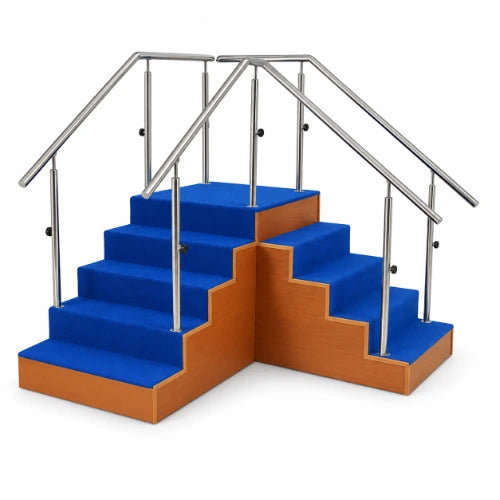


Save 50%
Save 25%

Save 15%
Save 50%
Save 34%


What customers say
★★★★★ 5.0 · 1 review

Foot Step
Footstep: Uses, Benefits, Features and Buying Guide
A Footstep is a simple yet useful support accessory designed to help people reach an appropriate height when stepping onto or off a raised surface. Depending on its design, a footstep can support everyday activities in homes, hospitals, clinics, rehabilitation centres, laboratories, and other professional environments. It may help patients, caregivers, healthcare professionals, and other users perform specific tasks with greater convenience. A suitable Footstep can provide a stable stepping surface when used according to its intended purpose. However, its size, construction, height, load capacity, and safety features should match the user's requirements. This guide explains what a Footstep is used for, its common applications, important features, benefits, selection factors, cleaning requirements, and safe-use considerations.
Insights: Footstep
-
What is a Footstep used for?
A Footstep is used to provide a raised stepping surface that helps users reach suitable heights when getting onto or off a platform, examination couch, bed, or other compatible raised surface. Its exact use depends on the product design and intended setting. -
What is a Footstep in medical equipment?
A medical Footstep is commonly a step stool or stepping platform used in healthcare environments to help patients or authorised staff access certain raised surfaces more conveniently. -
Where is a Footstep used?
A Footstep may be used in hospitals, clinics, examination rooms, rehabilitation facilities, homes, and other locations where a suitable raised step is needed. -
What are the benefits of a Footstep?
Depending on its design, a Footstep can improve access to raised surfaces, support everyday clinical tasks, and provide a dedicated stepping area. A stable, appropriately selected model may also help reduce awkward reaching. -
Which Footstep is best for hospital use?
The best Footstep for hospital use has a suitable height, stable construction, an appropriate load capacity, a slip-resistant stepping surface, and a design that meets the facility's cleaning and safety requirements. -
What features should I check before buying a Footstep?
Check the overall dimensions, step height, material, load capacity, surface grip, base stability, edge design, cleaning requirements, and manufacturer's instructions. -
Is a Footstep useful in rehabilitation?
A Footstep may support selected supervised activities when a therapist determines that the design and height are suitable. However, it is not a substitute for a prescribed rehabilitation step, balance aid, or therapy platform. -
How do you maintain a Footstep?
Inspect the frame, stepping surface, and base regularly. Clean the product according to its manufacturer's instructions, check for loose or damaged parts, and remove it from service if it becomes unstable or unsafe.
Introduction to Footstep
Access to raised surfaces is a common requirement in many healthcare and everyday environments. For example, a patient may need help reaching an examination couch, while a healthcare professional may need a suitable platform to perform a routine task. In these situations, a Footstep can provide a practical stepping surface when the product is designed for the intended application.
Footstep products are available in different materials, sizes, heights, and configurations. Some models feature a simple single-step design, while others may include a wider platform, a metal frame, or a textured upper surface. Consequently, the right option depends on the location, intended user, available floor space, and required level of support.
In a healthcare setting, the product should meet the facility's requirements for stability, cleaning, durability, and safe access. Moreover, staff should consider the patient's mobility and balance before asking them to use a step. A person who cannot safely step up or down may need assistance or a different access method.
This description explores the purpose of a Footstep, its common applications, design features, potential benefits, and practical buying considerations. It also explains how to inspect and maintain the product so that users can make an informed decision.
Footstep Product Overview
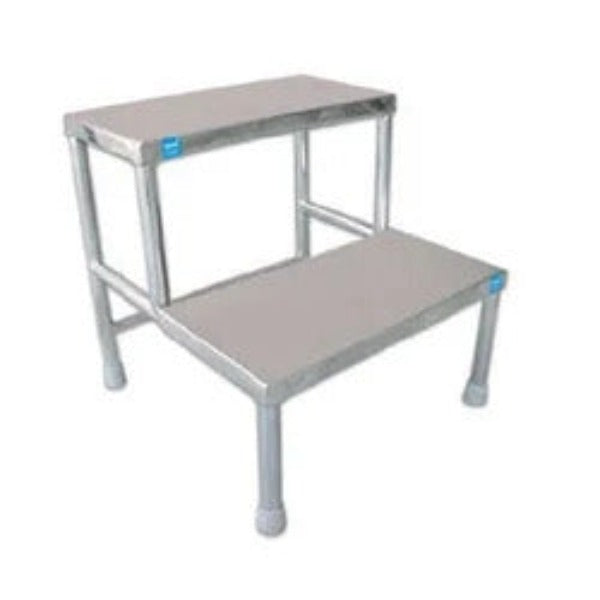
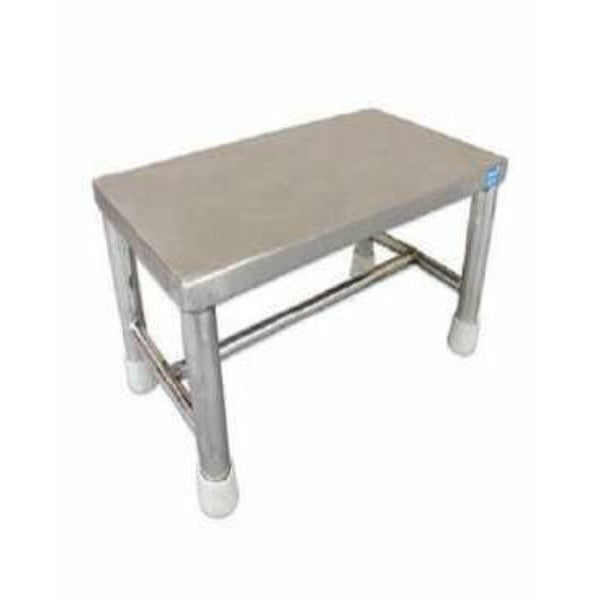
A Footstep is a raised platform designed to help a user reach a height that would otherwise be difficult to access from the floor. In medical environments, it is often associated with step stools used near examination couches, treatment beds, and other suitable equipment. The platform provides a defined area for placing the feet during the stepping movement.
Depending on the model, the frame may be made from metal or another suitable material. The stepping surface may include a textured finish or an additional grip feature to support traction. Some designs have a broad base to improve stability, while others prioritise compact storage and portability.
Although the product may appear simple, its dimensions and construction matter. A step that is too high, too narrow, or unstable may create unnecessary risk. Therefore, users should select a Footstep based on its documented specifications and the needs of the person using it.
How Does a Footstep Work?
A Footstep creates an intermediate height between the floor and a raised surface. When a person is physically able to use it, the step can help them move upward in a controlled manner. The user places a foot on the platform and follows an appropriate stepping movement while maintaining balance and using any recommended assistance.
However, a Footstep does not actively lift a person or provide the same support as a powered patient lift. It also does not automatically prevent slips or falls. Its effectiveness depends on the design, correct placement, the user's physical ability, and compliance with the manufacturer's safety instructions.
Key Features of a Footstep
The features of a Footstep vary by manufacturer and product category. Before selecting a model, review the available specifications and confirm that the design suits the intended environment.
- Stable construction: A properly designed frame and base can provide a dependable stepping platform within the product's rated capacity.
- Slip-resistant surface: A suitable textured or grip surface may improve traction when the product is used correctly.
- Appropriate step height: The height should suit the raised surface and the intended user's physical abilities.
- Durable material: The selected material should meet the expected usage, cleaning, and maintenance requirements.
- Practical platform size: A suitable stepping area allows the user to position their foot according to the product's instructions.
- Load capacity: The manufacturer should specify the maximum supported load. Users must remain within this limit.
- Easy cleaning: A suitable finish can make routine cleaning more manageable in clinical and professional settings.
- Compact design: Some models can be positioned or stored conveniently when they are not in use.
- Protective feet or base features: Depending on the design, these may help limit movement on suitable floor surfaces.
What Is a Footstep Used For?
A Footstep is used to provide a raised stepping surface for suitable access tasks. In healthcare settings, its purpose is generally to make it easier for an appropriately mobile person to reach a compatible raised surface. The following examples explain where the product may be useful.
1. Access to Examination Couches
In clinics and medical examination rooms, some examination couches sit above floor level. A suitable Footstep can provide an intermediate stepping surface for patients who can safely climb onto the couch. Staff should assess the patient's mobility before use and offer assistance when necessary.
The step should be positioned on a stable, level floor and placed according to the manufacturer's guidance. In addition, the patient should not use the product if it shifts, rocks, or appears damaged.
2. Access to Hospital Beds
Some healthcare environments use a Footstep to assist suitable patients when accessing a raised bed. However, bed access requires individual assessment. Patients with poor balance, weakness, dizziness, pain, or restricted movement may need a different approach, such as staff assistance or an appropriate patient transfer aid.
3. Use in Medical Examination Rooms
Medical examination rooms need practical equipment that supports routine patient care. A Footstep may help suitable patients access examination furniture while allowing staff to maintain an organised workspace. Its size should fit the room without obstructing movement or emergency access.
4. Use in Rehabilitation Facilities
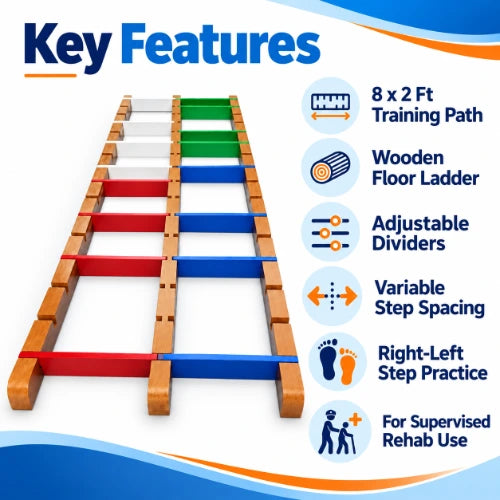
Rehabilitation centres may use various stepping platforms during selected functional activities. A conventional Footstep, however, is not automatically suitable for exercise or balance training. Therapists should select equipment designed for the intended activity and determine whether supervision or additional support is required.
For patients who need structured gait training, graded stepping exercises, or balance practice, a dedicated rehabilitation platform may be more appropriate. The choice should follow the treatment plan rather than relying on the appearance of the equipment alone.
5. Use in Diagnostic and Treatment Areas
Selected diagnostic and treatment rooms contain raised examination surfaces or work areas. A Footstep may support suitable access in these spaces. Nevertheless, the product should never obstruct medical equipment, electrical connections, walkways, or staff movement.
6. Use in Home Healthcare
In a home setting, a suitable step stool may help an individual reach an appropriate raised surface. However, a medical-style Footstep should only be used for tasks allowed by its design and rated capacity. Household use also requires attention to floor conditions, lighting, surrounding obstacles, and the user's mobility.
7. Use in Professional Facilities
Some laboratories, treatment areas, and professional workspaces may need a compact stepping platform for specific tasks. The selected product should meet the environment's hygiene, durability, and stability requirements. Staff should also follow workplace safety procedures and avoid using a Footstep as a substitute for a proper ladder when the task requires one.
Benefits of Using a Footstep
A suitable Footstep can support convenient access to compatible raised surfaces. Its practical value depends on selecting the right design and using it within the manufacturer's instructions.
- Convenient access: It provides an intermediate step for suitable users who need to reach a raised surface.
- Support for routine clinical tasks: A Footstep can help organise patient access in examination and treatment rooms.
- Practical design: Many models have a simple structure that can fit into different professional environments.
- Space efficiency: A compact product may be easy to position and store when it is not required.
- Durable construction options: Appropriate materials can support regular use when the product receives proper care.
- Cleaning convenience: Suitable surfaces can simplify routine cleaning and maintenance.
- Choice of designs: Different dimensions and configurations allow buyers to compare products for particular environments.
- Support for workflow: A correctly positioned step can help staff manage access to compatible examination furniture more efficiently.
These benefits do not mean that every Footstep is suitable for every person. Patients with balance difficulties or limited mobility may require staff support or alternative equipment. A step should never be presented as a guarantee against falls.
Different Types of Footstep
Footstep products may differ in their frame, platform height, surface finish, and intended use. The names used by manufacturers can also vary. Therefore, review the actual construction and specifications rather than relying on the product name alone.
1. Single-Step Footstep
A single-step Footstep provides one raised platform. It is commonly considered for suitable access to examination couches, beds, or other compatible surfaces. The height and platform size should match the task and the user's capabilities.
2. Metal Footstep
A metal Footstep uses a metal frame or platform construction. The particular material and finish determine its durability, weight, cleaning requirements, and resistance to corrosion. Buyers should check the manufacturer's care instructions and the stated load capacity.
3. Anti-Slip Footstep
An anti-slip Footstep includes a surface or base feature designed to improve grip under specified conditions. These features may help reduce unwanted movement, but they cannot eliminate all slipping risks. The step must still be placed on a suitable floor and inspected regularly.
4. Wide-Platform Footstep
A wide-platform design offers a larger stepping area than some compact alternatives. The actual usable surface and permitted loading should be confirmed from the product documentation. A wider platform does not automatically make a product appropriate for patients who need support while standing.
5. Height-Specific Footstep
Different products have different step heights. A suitable height depends on the surface being accessed and the user's ability to step safely. Healthcare staff should avoid selecting a model solely because it is taller or shorter than another option.
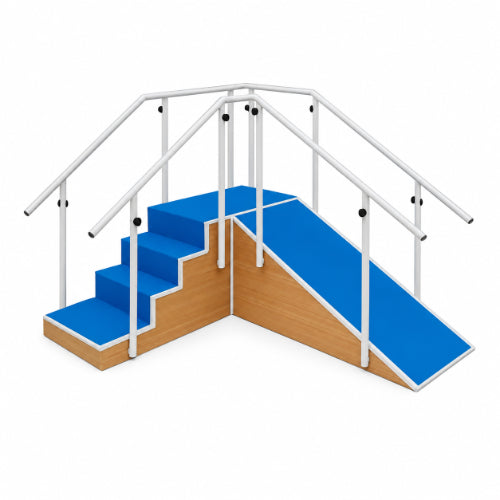
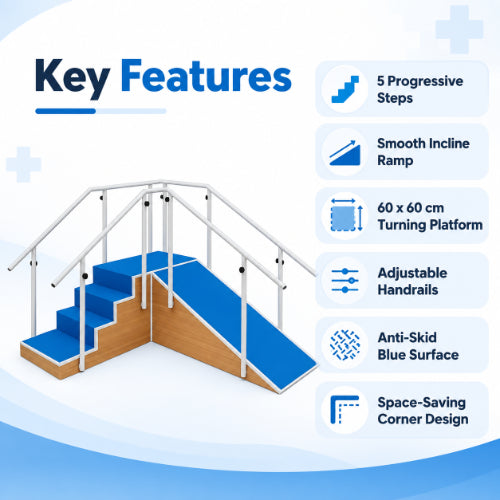
6. Specialised Rehabilitation Step
A rehabilitation step is designed for particular therapy or exercise activities. It may include features not found on a conventional Footstep. If the intended use involves balance work, repeated stepping, or supervised therapeutic exercise, consult a qualified therapist and choose equipment designed for that purpose.
Footstep Technical Specifications
Technical specifications help buyers determine whether a Footstep is appropriate for a particular task. Since dimensions and construction vary by model, use the manufacturer's official documentation to confirm the values for the product being considered.
| Specification | What to Check |
|---|---|
| Product type | Single-step, specialised rehabilitation step, or another defined design. |
| Overall dimensions | Length, width, and overall height. |
| Step height | The distance between the floor and the stepping platform. |
| Material | Frame and platform materials, finish, and corrosion resistance where applicable. |
| Load capacity | The maximum load stated by the manufacturer. |
| Surface grip | Surface texture and any approved anti-slip features. |
| Base design | Stability, floor contact, protective feet, and permitted floor types. |
| Cleaning requirements | Approved cleaning products, disinfection guidance, and maintenance instructions. |
Do not assume that every Footstep has the same dimensions, load capacity, or anti-slip properties. Confirm all important specifications before purchase and before placing the product into service.
Materials and Construction of a Footstep
The materials used in a Footstep affect its durability, weight, maintenance, and suitability for different environments. Healthcare buyers should compare construction quality and cleaning requirements alongside the price.
Metal Construction
Metal components may provide a sturdy frame when they are appropriately designed and manufactured. The type of metal, surface treatment, joints, and finishing quality all influence the product's performance. In addition, buyers should check whether the manufacturer permits the cleaning and disinfecting products used by their facility.
Stepping Surface
The upper platform should provide an appropriate surface for its intended use. A textured or grip-enhanced surface may help with traction under the conditions specified by the manufacturer. Nevertheless, water, cleaning residue, damaged surfaces, or unsuitable footwear can still create hazards.
Base and Floor Contact
The base plays an important role in stability. Protective feet or other base features should remain in good condition and contact the floor as designed. Replace or service damaged components according to the manufacturer's instructions rather than improvising repairs.
How to Choose the Right Footstep
Selecting the right Footstep starts with identifying the task and the intended user. A product suitable for a staff member reaching a work surface may not be suitable for a patient with limited mobility. Use the following points to compare available options.
1. Identify the Intended Use
Determine whether the Footstep is intended for patient access, routine workplace tasks, or a specific rehabilitation activity. For medical use, consult the relevant healthcare or facilities team before making a purchase.
2. Check the Height
Compare the step height with the raised surface. A step that is unsuitable for the user may make access difficult rather than convenient. When patients are involved, assess their physical ability and follow the care team's guidance.
3. Review the Platform Size
Check the platform's length and width to confirm that it suits the intended task. The user must be able to place their foot as directed without stepping onto an edge or an unstable area.
4. Verify the Load Capacity
Check the maximum load stated by the manufacturer. Do not use the product beyond its rated limit or assume that a similar-looking model has the same capacity.
5. Assess Stability and Grip
Review the base design, contact points, and stepping surface. Before use, place the Footstep on an appropriate level floor and check for visible movement or damage according to the product instructions.
6. Consider Cleaning and Hygiene
Hospitals and clinics need products that can be maintained under their cleaning procedures. Confirm that the material and finish are compatible with the approved cleaning agents used in the facility.
7. Compare Durability and Service
For frequent use, review the construction quality, available replacement parts, warranty terms, and supplier support. A practical purchasing decision considers the expected service life and maintenance requirements rather than the initial cost alone.
8. Consider Storage and Space
Check whether the product fits the available floor space and can be stored safely when not in use. It should not block walkways, exits, or access to medical equipment.
Footstep Safety Guidelines
Safe use requires a suitable product, correct positioning, and an assessment of the user's ability to step onto and off the platform. Follow the manufacturer's instructions and the workplace's safety procedures.
- Place the Footstep on a level, stable floor suitable for the product.
- Check the platform, frame, and base for damage before use.
- Confirm that the product's load capacity is appropriate for the intended user and task.
- Keep the stepping surface clean and free from moisture, loose objects, and residue.
- Do not use a product that rocks, slides, has loose parts, or shows structural damage.
- Avoid using a Footstep as a seat, ladder, or exercise platform unless the manufacturer specifically permits that use.
- Do not ask patients with significant balance or mobility difficulties to use a step without an appropriate assessment and assistance.
- Keep the surrounding area clear so the user can approach and leave the step without obstacles.
If a user cannot safely step up or down, choose an alternative access method with guidance from an appropriate professional. A conventional Footstep does not provide the support of a handrail, walking aid, patient lift, or supervised transfer system.
Footstep Care and Maintenance
Routine inspection and appropriate cleaning can help keep a Footstep in usable condition. The recommended procedure depends on the materials and the manufacturer's instructions.
Regular Cleaning
Clean the platform and frame with products approved by the manufacturer. Healthcare facilities should follow their infection-prevention procedures and the product's compatibility guidance. Avoid harsh chemicals or cleaning methods that may damage the surface, joints, or protective finish.
Inspection of the Frame
Check for cracks, bent components, loose joints, corrosion, or other signs of wear. If the product shows structural damage, remove it from service until a qualified person determines whether it can be safely repaired or must be replaced.
Checking the Base and Surface
Inspect the stepping surface and any protective feet or grip components. Damaged or missing parts may affect stability. Replace components only according to the manufacturer's recommendations.
Safe Storage
Store the Footstep in a clean, dry, designated location. Keep it away from conditions that may damage the material, and make sure it does not obstruct walkways or emergency exits.
Maintenance Records
Facilities with regular equipment inspection procedures should document relevant checks and repairs. This practice can help staff identify recurring issues and maintain an organised equipment management process.
Common Footstep Selection and Usage Mistakes
Although a Footstep has a simple design, unsuitable selection or incorrect use can create avoidable hazards. Keep these common mistakes in mind when purchasing or using the product.
- Choosing a product without checking its dimensions or height.
- Ignoring the manufacturer's stated load capacity.
- Using a damaged or unstable step.
- Placing the platform on an uneven, wet, or unsuitable floor.
- Assuming an anti-slip surface removes every risk of falling.
- Using an ordinary step stool for a specialised rehabilitation activity without checking its intended use.
- Failing to follow the cleaning instructions in a healthcare environment.
- Asking a patient with limited mobility to use the product without an appropriate assessment.
A careful assessment helps buyers choose a Footstep that matches the task and environment. When a product or user's suitability is uncertain, seek advice from the manufacturer or a qualified healthcare professional.
Buying Guide for Footstep in Hospitals and Clinics
Healthcare facilities should assess their practical requirements before purchasing a Footstep. A suitable product should fit the intended clinical environment, meet the required load capacity, and support routine cleaning and inspection.
First, identify where the step will be used. An examination room may need a compact platform, while a facility with different access requirements may need another design. Next, compare the product dimensions and check whether the step height suits the relevant examination couch or raised surface.
In addition, review the frame construction, platform finish, base design, and stated load capacity. Confirm the cleaning procedure and ask the supplier for technical documentation when necessary. These details help the purchasing team compare products using clear criteria.
Price is another consideration, but it should not be the only factor. A low-cost product may not meet the required specifications, while an expensive model may include features that the facility does not need. Compare equivalent models and evaluate their expected durability, maintenance requirements, and supplier support.
Finally, establish a routine for inspection and cleaning. Staff should know where the Footstep belongs, how to check it before use, and when to report damage. This process supports better equipment management and helps keep clinical areas organised.
Frequently Asked Questions About Footstep
1. What is a Footstep used for?
A Footstep provides a raised stepping surface that helps suitable users reach compatible raised surfaces, such as examination couches or beds. The intended use depends on the product's design and the user's ability to step safely.
2. What is a medical Footstep?
A medical Footstep is a step stool or platform used in certain healthcare environments to support access to compatible raised surfaces. Buyers should confirm the product's intended use, load capacity, and cleaning requirements.
3. Where is a Footstep commonly used?
A Footstep may be used in hospitals, clinics, examination rooms, rehabilitation facilities, homes, and other suitable environments where a raised stepping platform is required.
4. Which Footstep is best for hospital use?
The best product is one that meets the hospital's intended-use requirements. Check its dimensions, load capacity, construction, surface grip, stability, cleaning compatibility, and manufacturer documentation.
5. Is a Footstep suitable for every patient?
No. Patients with poor balance, significant weakness, dizziness, or limited mobility may not be able to use a conventional step safely. A healthcare professional should assess the patient and determine whether assistance or alternative equipment is required.
6. What materials are used to make a Footstep?
Materials vary by product. Some models use metal frames or platforms, while other designs use different materials. Check the manufacturer's specifications for construction, durability, and cleaning instructions.
7. Does a Footstep have a weight limit?
Products should have a specified load capacity in their documentation. Check the limit for the exact model and never exceed it. Do not assume that two similar-looking products have the same capacity.
8. How do I clean a Footstep?
Clean the product using the method and products approved by the manufacturer. Healthcare facilities should also follow their applicable cleaning and infection-prevention procedures.
9. Can a Footstep be used for rehabilitation exercises?
Only when the product is designed for the intended activity and a qualified therapist determines that it is appropriate. A conventional medical step stool should not automatically be treated as rehabilitation equipment.
10. What should I check before using a Footstep?
Check the surface, frame, base, floor condition, and load capacity. Make sure the product is correctly positioned and has no visible damage. Follow the manufacturer's instructions and seek assistance when needed.
11. Can a Footstep prevent falls?
No product can guarantee fall prevention. A suitable step may support access when used correctly, but safety also depends on the user's mobility, the environment, correct positioning, and any required assistance.
12. What should I do if a Footstep becomes unstable?
Stop using the product and remove it from service until it has been inspected. Do not attempt an improvised repair. Follow the manufacturer's instructions for servicing or replacement.
Conclusion: Choosing the Right Footstep
A Footstep is a practical accessory for suitable access to raised surfaces in healthcare, professional, and selected home environments. Depending on the design, it may provide a dedicated stepping area near examination couches, beds, and other compatible surfaces. Its value comes from matching the product to the task rather than assuming that every step is suitable for every user.
Before selecting a Footstep, compare its height, platform dimensions, material, load capacity, base stability, surface grip, and cleaning requirements. Also, consider the user's mobility and the surrounding environment. Patients who cannot step safely may need professional assistance or an alternative access method.
Routine inspection and correct maintenance help keep the product in suitable condition. Follow the manufacturer's instructions, remove damaged equipment from service, and ensure that staff understand the product's intended use. With appropriate selection and safe handling, a Footstep can support convenient access in suitable settings.
Important Safety Information
This description provides general information about Footstep products. Actual dimensions, materials, load capacity, and intended applications vary by model. Always follow the manufacturer's instructions and relevant workplace procedures. Healthcare professionals should assess patient mobility and determine whether a stepping platform is appropriate for an individual situation.
```
Explore Medical Collections
All Categories
Abdominal & Maternity Support

Accessories

Accu-Chek Instant Strips: Use, Compatibility, Price & Blood Sugar Testing Guide
Accu-Chek Instant Strips: Uses, Features & Complete Guide

accupuncture

Acupuncture Needles & Supplies

Advanced Physiotherapy Machines & Lumbar Physiotherapy

Airways

Ambulance

Anatomy Models
Anesthesia Machine

Anesthesia Products

Ankle Support for Home Use: Braces, Sleeves & Walker Boots

Ankle Weights & Exercise Weights for Home & Rehab

Anti-Bedsore Air Mattresses
You may also need
FOR YOURecommended for you
Save 50%
Save 50%
Save 50%
Save 27%
Save 50%
Save 25%
Save 15%
Save 50%
Save 34%