


Featured Choice
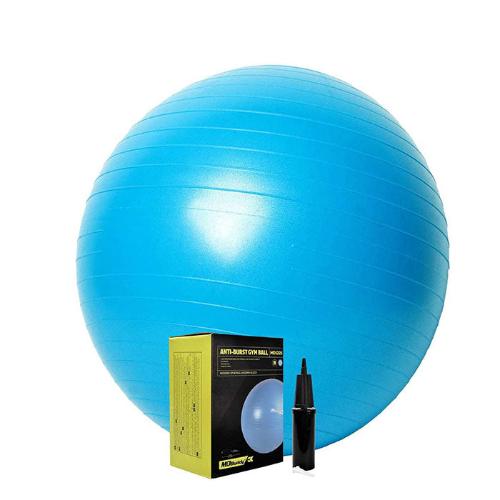

Save 50%
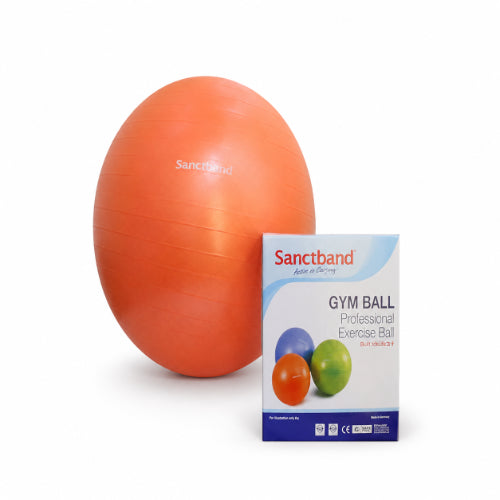
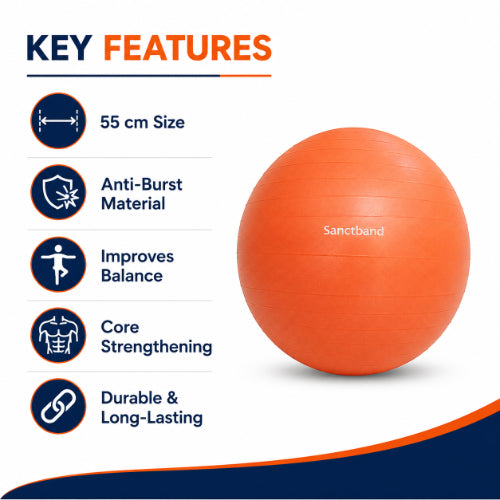

Save 50%
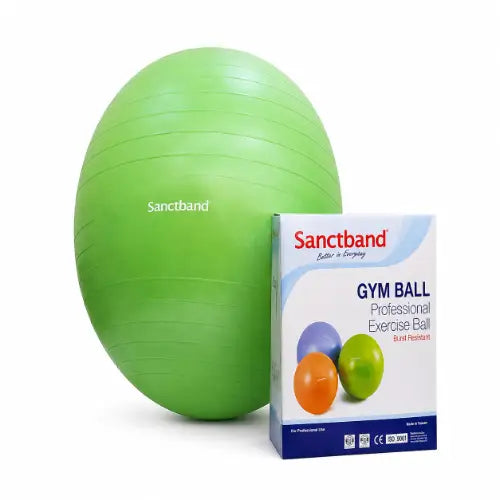

Save 50%
Save 23%

Save 17%

Save 50%
Sold out

What customers say
★★★★★ 5.0 · 3 reviews
Gym Ball – Exercise, Fitness, Balance & Rehabilitation Equipment
Gym Ball – Exercise, Fitness, Balance & Rehabilitation Equipment
Gym Ball is a useful exercise and therapy accessory for fitness, balance practice, stretching, mobility work, and supervised rehabilitation activities. It provides an unstable surface that can make simple exercises more active and engaging. As a result, users can include the ball in many workout and movement routines.
Moreover, a gym ball can support different types of exercises. These may include seated exercises, balance activities, stretching, core exercises, mobility movements, and light strengthening routines. The exact activity should match the user's ability and fitness level.
Furthermore, gym balls are useful in fitness centres, physiotherapy clinics, rehabilitation spaces, yoga studios, exercise rooms, and supervised home workout areas. Professionals can also include them in structured movement programs when the equipment suits the user's needs.
Because the ball supports a wide range of movements, it can become a practical addition to regular exercise equipment. Users can perform basic activities first and then add more challenging movements as their skills improve. Therefore, the Gym Ball can suit beginners, fitness users, and people following supervised exercise programs.

What Is a Gym Ball?
A Gym Ball is a large inflatable exercise ball used for movement, balance, stretching, fitness, and selected rehabilitation activities. The round shape allows the ball to move when a user applies body weight or pressure. Therefore, exercises often require controlled movement and body awareness.
For example, a user can sit on the ball during simple balance activities. Similarly, the ball can support certain stretching and mobility exercises. Fitness professionals may also use it for controlled core and body-strengthening routines.
In addition, the Gym Ball can provide an alternative to some traditional exercise movements. Its shape allows users to work from different positions. These positions can include sitting, lying, kneeling, or supporting selected body movements.
However, users should choose exercises carefully. Beginners should start with simple movements and use a stable surface. A qualified professional should guide rehabilitation exercises when the user has specific movement needs.
Key Features of Gym Ball
- Versatile Exercise Equipment: The Gym Ball can support fitness, stretching, balance, mobility, and selected rehabilitation activities.
- Balance Practice: The moving surface can encourage controlled body positioning during suitable exercises.
- Core Exercise Support: Fitness users can include the ball in selected exercises that involve the trunk and abdominal area.
- Stretching Support: The rounded surface can assist with certain stretching and mobility movements.
- Multiple Exercise Positions: Users can perform suitable activities while sitting, lying, kneeling, or supporting the body on the ball.
- Suitable for Different Settings: The ball can fit into gyms, therapy rooms, rehabilitation centres, yoga spaces, and home exercise areas.
- Simple Exercise Design: Many basic Gym Ball exercises require only the ball and enough open space for safe movement.
- Progressive Activities: Users can begin with basic movements and gradually add more challenging exercises when appropriate.
- Easy Activity Variety: A single ball can support several types of movement routines.
Benefits of Using a Gym Ball
A Gym Ball can add variety to regular exercise routines. In addition, its unstable surface can encourage users to maintain controlled body positioning during suitable movements. The benefits depend on the exercise, technique, and user's ability.
1. Supports Balance Activities
Balance exercises require controlled body movement. A Gym Ball can provide a moving surface for selected balance activities. Therefore, users may practise body control while following a suitable exercise routine.
2. Helps Add Variety to Workouts
Regular workouts can become repetitive over time. Adding a Gym Ball introduces different exercise positions and movements. As a result, users can create more varied fitness routines.
3. Supports Core-Focused Exercises
Many Gym Ball exercises involve the trunk area. For example, users can perform selected seated, supported, or floor-based movements. These exercises can form part of a broader fitness routine.
4. Useful for Stretching
The rounded shape can support certain stretching movements. Users can position the body around the ball while maintaining controlled movement. However, every stretch should remain comfortable and suitable for the user's ability.
5. Encourages Controlled Movement
The ball can move when the user shifts body weight. Consequently, many exercises require slow and controlled movements. This feature can make the equipment useful for balance and body-control activities.
6. Supports Home Exercise
A Gym Ball can be included in a home exercise area when enough space is available. Users can follow suitable exercises without needing a large collection of equipment. Nevertheless, beginners should learn correct technique before trying advanced movements.
Gym Ball for Fitness and Exercise
The Gym Ball can become a useful part of a general fitness routine. Users can combine it with bodyweight exercises, stretching, balance activities, and mobility work. Moreover, the ball allows several exercises to be performed from different positions.
For beginners, simple seated exercises can provide an easy starting point. Once the user becomes comfortable with the ball, a trainer can introduce additional movements. These may include controlled trunk exercises, supported stretches, or balance drills.
Furthermore, fitness professionals can use the ball to change the position or movement pattern of an exercise. This approach can make a familiar activity feel different. Therefore, the equipment can help add variety without requiring a complex setup.
Good technique remains important throughout the workout. Users should maintain control and avoid sudden movements. In addition, they should use enough open floor space to reduce the chance of contact with furniture or other equipment.
Gym Ball for Physiotherapy and Rehabilitation
Physiotherapists and rehabilitation professionals may include exercise balls in selected movement programs. The ball can provide support for controlled exercises, balance tasks, stretching, and mobility work. However, the correct exercise depends on the person's condition and treatment plan.


For example, a therapist may select a simple seated activity for one user and a supported movement for another. Similarly, the therapist can change the number of repetitions or movement range according to the person's progress.
In addition, the Gym Ball can help create a more varied exercise environment. Instead of repeating the same movement on a firm surface, the professional can select a suitable ball-based activity when appropriate.
Safety should remain the main priority during rehabilitation. Therefore, users should follow the instructions provided by their physiotherapist or healthcare professional. The Gym Ball should support the treatment plan rather than replace professional assessment.
Applications in Fitness and Therapy
The Gym Ball can support several exercise and movement settings. The selected activity should always match the user's ability, space, and training goals.
- Gyms and Fitness Centres: Trainers can include the ball in suitable strength, balance, mobility, and stretching routines.
- Physiotherapy Clinics: Professionals can use the ball for selected rehabilitation and movement activities.
- Rehabilitation Centres: The equipment can support supervised exercise programs when appropriate.
- Yoga and Fitness Studios: Trainers can include the ball in suitable stretching and mobility sessions.
- Home Workouts: Users can add the ball to home exercise routines when they have adequate space and proper guidance.
- Corporate Fitness Areas: Organisations can provide exercise equipment for supervised workplace fitness activities.
- Sports Training: Trainers may include suitable ball exercises in general conditioning programs.
- Mobility Programs: Professionals can select controlled movements that match the user's exercise plan.
Gym Ball Exercise Ideas
A Gym Ball can support many simple exercises. The exact movement should depend on the user's experience and fitness level. Beginners should start with basic activities and increase difficulty slowly.
Seated Balance
Sit on the ball with both feet placed firmly on the floor. Keep the back comfortable and maintain control. This simple position can introduce the user to the movement of the ball.
Supported Stretching
The ball can provide support during selected stretching movements. Move slowly and avoid excessive pressure. A trainer or therapist can recommend suitable stretches.
Core-Focused Movements
Users can perform selected floor-based or supported exercises with the ball. These movements can form part of a wider core-training routine.
Balance Drills
Controlled balance exercises can introduce additional movement challenges. Beginners should perform these activities with support nearby.
Mobility Exercises
The rounded surface can support selected mobility movements. These exercises should remain slow, comfortable, and controlled.
How to Use a Gym Ball Safely
- Choose a Clear Area: Place the ball in an open area without sharp objects or obstacles.
- Check the Ball: Inspect the surface before every session. Do not use a damaged ball.
- Use a Stable Floor: A clean, level floor can provide better control during exercise.
- Start Slowly: Begin with simple movements before trying advanced exercises.
- Maintain Control: Keep movements slow and avoid sudden shifts in body weight.
- Use Support When Needed: Beginners can exercise near a wall, sturdy support, or trained helper.
- Follow Correct Technique: A trainer or therapist can demonstrate the correct position for each activity.
- Stop When Necessary: Stop the activity if you experience pain, dizziness, or unusual discomfort.
- Store Properly: Keep the ball in a clean and suitable storage area after use.
For rehabilitation activities, follow the instructions given by a qualified healthcare professional. Additionally, users should not attempt advanced exercises without proper guidance.
Who Can Use This Exercise Ball?
Gym Balls can suit a wide range of exercise environments. Fitness trainers can use them for general workouts, while physiotherapists can select suitable movements for supervised rehabilitation. Similarly, yoga instructors can include the ball in appropriate stretching and mobility sessions.
Home users can also include a Gym Ball in their exercise routine. However, beginners should learn basic techniques before performing challenging movements. Children should use exercise balls only under suitable adult supervision.
For users with specific health or mobility needs, professional guidance is important. A physiotherapist, trainer, or healthcare professional can help select appropriate activities.
Gym Ball for Different Exercise Needs
For Beginners
Beginners can start with basic seated and supported movements. These exercises allow users to become familiar with the ball before progressing to more difficult activities.
For Fitness Users
Regular fitness users can add the ball to strength, balance, mobility, and core-focused workouts. Consequently, the equipment can add variety to a normal routine.
For Athletes
Sports trainers may include suitable balance and body-control exercises in general conditioning programs. The exact activity should depend on the sport and training plan.
For Rehabilitation Programs
Physiotherapists can select appropriate ball exercises based on an individual's movement goals. The professional can also adjust the activity as progress occurs.
How to Choose the Right Gym Ball
Choosing a Gym Ball requires attention to the intended activity and user requirements. First, consider where you will use the ball. A home workout area may require a different size or setup from a professional gym or therapy room.
Next, consider the type of exercise. For example, users who want the ball mainly for stretching may have different requirements from users who plan to perform balance or fitness exercises.
Furthermore, check the product specifications before purchase. Important details may include ball size, recommended user height, weight capacity, material, inflation requirements, and included accessories. Always follow the manufacturer's specifications.
Finally, choose a ball that provides suitable support for the intended activity. When the ball forms part of a rehabilitation program, consult the relevant professional before selecting advanced exercise equipment.
Gym Ball Sizes Available at Meddey
Meddey lists gym balls in 55 cm, 65 cm and 75 cm sizes. Check each product page for the manufacturer's size guide, weight capacity and included accessories before you buy.
55 cm Swiss ball: Swiss Ball Exercise Ball 55cm
55 cm Sanctband orange: Sanctband 55 cm Orange Exercise & Fitness Ball


65 cm Swiss ball: Swiss Ball Exercise Ball 65cm
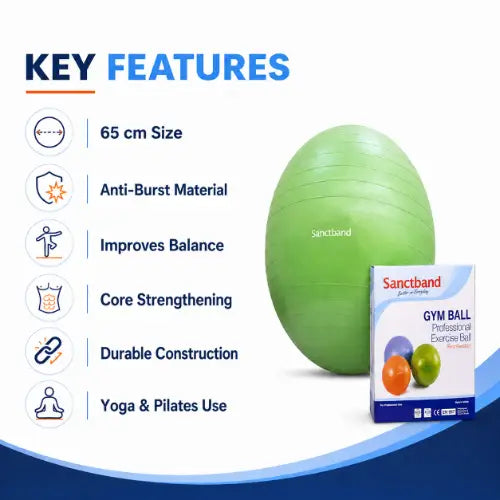
65 cm Sanctband green: Sanctband Green 65cm Exercise & Fitness Ball


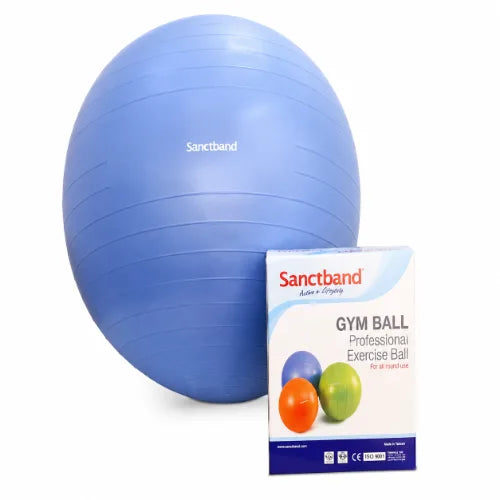
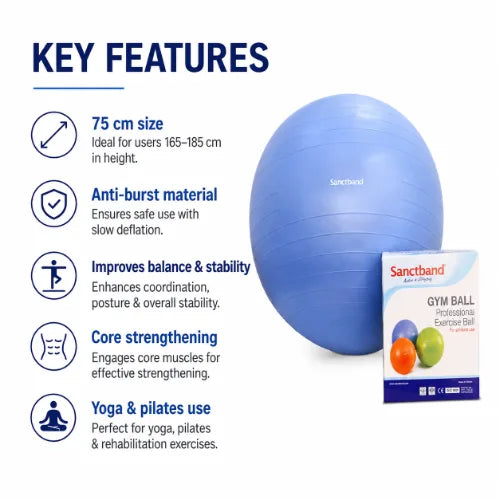
75 cm Sanctband blue: Sanctband 75 cm Blue Exercise & Fitness Ball
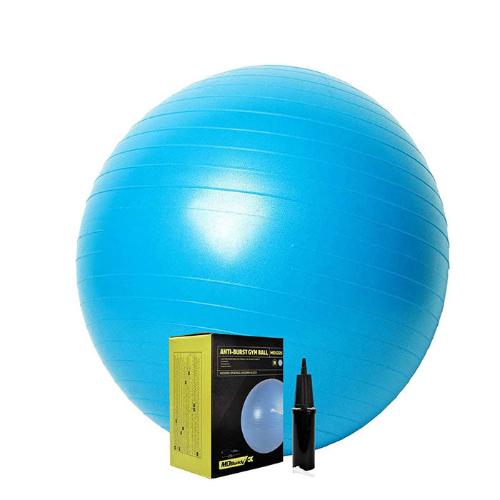
75 cm Generic with pump: Generic 75 cm Exercise Ball with Pump
75 cm Exercise ball with pump: Exercise Ball 75cm with Pump

For more movement and balance products, browse our Balance Training Equipment and Physiotherapy Exercise Equipment collections.
Care and Maintenance of Your Exercise Ball
Proper care can help keep the Gym Ball ready for regular use. After each session, inspect the surface for cuts, cracks, leaks, or other visible damage. In addition, keep the ball away from sharp objects and rough surfaces.
Clean the ball according to the manufacturer's instructions. Use a suitable cleaning method and avoid harsh chemicals unless the manufacturer recommends them. Furthermore, store the ball in a clean and dry location.
Check the inflation level before exercise. An incorrectly inflated ball may affect stability and exercise performance. Therefore, follow the recommended inflation instructions provided with the product.
Do not use a ball that shows significant damage. Replace damaged equipment before continuing exercise. Regular inspection can help maintain a safer workout environment.
Safety and Usage Guidance
- Use the Gym Ball on a clean and stable surface.
- Keep sharp objects away from the ball.
- Check the ball before every exercise session.
- Follow the manufacturer's weight and inflation guidelines.
- Start with simple exercises if you are a beginner.
- Use nearby support when learning balance exercises.
- Do not perform movements that cause pain or unusual discomfort.
- Supervise children while they use the ball.
- Stop exercising if you feel dizzy or unwell.
- Follow professional instructions during rehabilitation exercises.
Important: A Gym Ball is exercise equipment. It does not replace medical diagnosis, treatment, or professional rehabilitation advice. Users with specific medical or mobility concerns should seek suitable professional guidance before starting a new exercise program.
Gym Ball Activity Guide
| Activity Type | Possible Use | Suitable Setting |
|---|---|---|
| Balance | Controlled body-position activities | Gym, therapy room, supervised home |
| Stretching | Supported mobility and stretching | Fitness and therapy settings |
| Core Exercise | Selected trunk-focused movements | Gym and home workout areas |
| Mobility | Controlled movement activities | Physiotherapy and fitness settings |
| General Fitness | Workout variety and exercise support | Gyms and home workouts |
Why Choose This Exercise Ball?
A Gym Ball offers a simple way to add movement variety to fitness and exercise programs. Its rounded design supports many different positions and activities. Therefore, users can include the ball in balance, stretching, mobility, and selected strengthening exercises.
Moreover, the equipment can suit both professional and home environments. Fitness trainers can use it during workout sessions, while physiotherapists can select suitable movements for supervised rehabilitation programs.
The ball also allows users to progress gradually. A beginner can start with simple activities. Later, a trained professional can introduce more challenging movements when suitable.
In addition, the Gym Ball does not require a complicated setup. Users mainly need enough open space and a suitable exercise surface. This makes it a practical addition to many workout environments.
Frequently Asked Questions About Gym Ball
1. What is a Gym Ball used for?
A Gym Ball can support balance exercises, stretching, mobility activities, fitness workouts, core-focused exercises, and selected rehabilitation movements.
2. Can beginners use a Gym Ball?
Yes. Beginners can start with simple exercises. However, they should use controlled movements and nearby support when learning balance-based activities.
3. Can a Gym Ball be used at home?
Yes. A Gym Ball can be used in a home workout area when there is enough open space and a suitable floor surface.
4. Can physiotherapists use a Gym Ball?
Yes. Physiotherapists may include suitable ball exercises in supervised rehabilitation programs. The selected activity should match the user's needs and professional treatment plan.
5. Is a Gym Ball useful for balance exercises?
Yes. The moving surface can add a balance challenge during suitable exercises. Beginners should start with simple movements and use support when necessary.
6. Can a Gym Ball support stretching?
Yes. The rounded surface can support selected stretching and mobility exercises. Users should perform each movement slowly and comfortably.
7. How should I maintain a Gym Ball?
Inspect the ball regularly, keep it away from sharp objects, clean it according to the manufacturer's instructions, and store it in a suitable location. Also, check the inflation level before use.
8. What should I check before buying a Gym Ball?
Check the ball size, recommended user height, weight capacity, material, inflation requirements, and manufacturer instructions. Choose the specifications that match your intended activity.
9. Can children use a Gym Ball?
Children can use suitable exercise balls during supervised activities. Adult supervision is important, especially during balance exercises or activities that require the child to sit or climb onto the ball.
10. Can a Gym Ball replace professional therapy?
No. The ball can support selected exercises, but it does not replace medical assessment, physiotherapy, or professional rehabilitation guidance.
Conclusion
Gym Ball is a versatile exercise accessory for fitness, balance, stretching, mobility, and selected rehabilitation activities. Its simple round design allows users to perform different movements from several positions. As a result, it can add variety to both professional and home exercise routines.
Furthermore, fitness trainers, physiotherapists, rehabilitation professionals, yoga instructors, and home users can include the equipment in suitable activity programs. The ball can support beginner exercises as well as more advanced routines when the user has the required skill and guidance.
Most importantly, users should select activities according to their ability and follow safe exercise practices. Regular inspection, correct inflation, suitable floor space, and proper technique can help create a better exercise environment.
Overall, a Gym Ball can be a practical addition to gyms, therapy centres, rehabilitation rooms, fitness studios, and home workout spaces. With the right exercise plan and suitable guidance, it can support a wide range of movement and fitness activities.
Explore Medical Collections
All Categories
Abdominal & Maternity Support

Accessories

Accu-Chek Instant Strips: Use, Compatibility, Price & Blood Sugar Testing Guide
Accu-Chek Instant Strips: Uses, Features & Complete Guide

accupuncture

Acupuncture Needles & Supplies

Advanced Physiotherapy Machines & Lumbar Physiotherapy

Airways

Ambulance

Anatomy Models
Anesthesia Machine

Anesthesia Products
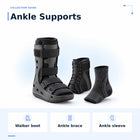
Ankle Support for Home Use: Braces, Sleeves & Walker Boots
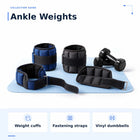
Ankle Weights & Exercise Weights for Home & Rehab

Anti-Bedsore Air Mattresses
You may also need
FOR YOURecommended for you
Save 50%
Save 50%
Save 50%
Save 23%
Save 17%
Save 50%