
Needle Cutters: Safety Tips, Types, Uses and Buying Guide
Needle Cutters are medical safety devices designed to cut, separate or destroy used needles, depending on the device type. They help control sharp medical waste and reduce unnecessary handling of contaminated needles. Choosing a suitable needle cutter, following the manufacturer's instructions and using an approved sharps disposal system are important parts of safe healthcare waste management.

Hospitals, clinics, laboratories and other healthcare facilities may use Manual Needle Cutters, Manual Needle Hub Cutters, Tip Cutters or Electric Needle Destroyers. Each design has a specific purpose. Therefore, users should check the device's intended function, compatible needle sizes, collection capacity and disposal requirements before use.
This guide explains needle cutter safety tips, different cutter types, safe handling practices, maintenance checks and important buying considerations. It also covers common mistakes, needle gauge compatibility and the precautions needed when a cutter becomes full, damaged or jammed.
Safe needle disposal involves more than cutting a sharp. Users must prevent accidental contact, contain fragments and manage the remaining syringe components according to applicable healthcare waste rules. A needle cutter should complement an established sharps safety procedure rather than replace it.
Table of Contents
- What Is a Needle Cutter?
- Why Needle Cutter Safety Matters
- Types of Needle Cutters and Needle Destroyers
- Safety Checks Before Using a Needle Cutter
- How to Use a Needle Cutter Safely
- Essential Needle Cutter Safety Guidelines
- Needle Fragments and Sharps Containment
- Needle Gauge and Cutter Compatibility
- Comparing Different Needle Cutter Types
- Key Features and Specifications
- Safe Placement and Workflow
- Staff Training and Infection Control
- Handling Jams, Full Chambers and Damaged Devices
- Needle Disposal and Medical Waste Management
- Needle Cutters in Home-Care Settings
- Maintenance and Inspection
- How to Choose the Right Needle Cutter
- Common Needle Cutter Safety Mistakes
- Needle Cutter Safety Checklist
- Frequently Asked Questions
- Conclusion
What Is a Needle Cutter?
A needle cutter is a medical safety device used to cut or separate a needle, remove its tip or destroy the sharp component, depending on the model. Some devices contain the separated needle in an internal collection chamber. Others use an electrical mechanism to destroy the metal needle. The intended function varies by product, so users should always confirm the manufacturer's specifications.
Needle cutters may be used in healthcare environments where staff handle syringes and other compatible needles. Their main purpose is to reduce direct handling of used sharps and support safer disposal practices. However, not every cutter accepts every needle, syringe or hub design.
How Does a Needle Cutter Work?
The operating method depends on the device. A manual model may use a lever or mechanical cutting mechanism. A hub cutter separates a compatible needle at the hub, while a tip cutter targets the sharp end. An electric needle destroyer uses its specified powered mechanism to destroy compatible needles.

Users must identify what happens to the needle after processing. Some devices retain the separated sharp in a chamber, while others may require additional approved containment steps. The remaining syringe barrel, hub and contaminated components also need appropriate disposal.
Needle Cutters and General-Purpose Cutting Tools
Medical needle cutters should not be confused with ordinary pliers, wire cutters, scissors or needle-nose cutting tools. General-purpose tools usually lack the enclosed containment system needed for used medical sharps. Cutting a contaminated needle with an unsuitable tool may release fragments, contaminate nearby surfaces or expose the user's hands to a sharp point.
For this reason, use only equipment specifically intended and approved for the medical needle or sharps application. If a needle cutter is unavailable or incompatible with the needle, follow the approved alternative disposal procedure rather than improvising.
Where Are Needle Cutters Used?
Depending on the device and local procedures, needle cutters may be considered for use in:
- Hospitals and healthcare facilities.
- Medical clinics and treatment rooms.
- Laboratories using compatible needles.
- Vaccination and other approved clinical settings.
- Community healthcare services.
- Home-care arrangements where a healthcare professional has approved the device.
The suitability of a needle cutter depends on the application, the needles being handled and the healthcare waste system available at the location. A product intended for one setting may not be suitable for another.
Why Needle Cutter Safety Matters
Used needles may carry blood or other potentially infectious material. Accidental punctures can expose healthcare workers, caregivers and waste-handling staff to infection risks. A safe disposal routine helps reduce unnecessary contact with sharp medical waste.
Needle cutters can support this routine when the selected device is appropriate and used according to instructions. However, the device does not eliminate every hazard. Incorrect insertion, overfilling, incompatible needle sizes and unsafe handling of fragments may still cause injuries.
Reduce Unnecessary Needle Handling
Every additional movement involving an exposed needle creates another opportunity for accidental contact. A clear disposal workflow helps users move from the procedure to the approved disposal method without placing the needle on a tray or carrying it unnecessarily through the work area.
Control Sharp Fragments
Small metal fragments can be difficult to see and may remain hazardous after a needle has been cut. A suitable containment system helps prevent fragments from escaping onto floors, counters or other surfaces. Users should never assume that the cutting action alone makes the waste safe.
Support Infection-Control Procedures
Needle cutter safety also depends on hand hygiene, appropriate personal protective equipment, safe placement and proper waste management. Follow the infection-control procedure established for your facility and the specific device instructions.
Protect Healthcare and Waste-Handling Staff
Safe sharps management protects not only the person performing the procedure but also cleaning teams, waste handlers and others who may encounter discarded materials. Clear responsibilities and consistent training can help prevent unsafe disposal practices.

Types of Needle Cutters and Needle Destroyers
Needle cutters differ in their operating method, intended cutting point and ability to contain or destroy a sharp. Understanding these differences helps buyers select a device that matches their application.
1. Manual Needle Cutters
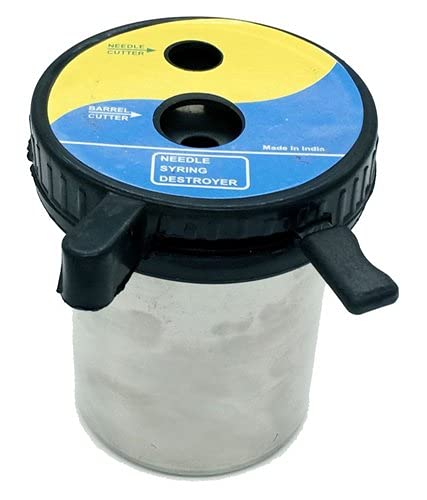
Manual Needle Cutters use a hand-operated mechanism to cut or separate compatible needles. They may be suitable for settings where a simple, portable device is preferred and electrical power is not required.
Before use, check the supported needle sizes, operating instructions and collection chamber design. The lever should operate as intended without excessive force. If the needle does not fit or the mechanism resists, stop and follow the manufacturer's guidance.
A manual cutter should not be considered suitable simply because it is inexpensive or easy to carry. Compatibility, containment and safe handling remain the most important selection factors.
2. Manual Needle Hub Cutters
A Manual Needle Hub Cutter is designed to separate a compatible needle at or near its hub. Some models include a collection chamber that retains the separated sharp. This design may reduce the need to handle the needle directly after cutting.
Check which syringe and hub styles the product accepts. Do not insert an incompatible needle or attempt to modify the opening. The remaining syringe components must still be managed according to the applicable disposal procedure.
3. Needle Tip Cutters
Tip Cutters are intended to remove or cut the sharp tip of a compatible needle. Their function differs from devices that separate the needle at the hub or destroy the entire metal component.
The remaining needle shaft may still present a puncture hazard. Therefore, users must understand exactly what the cutter removes and how every remaining component should be contained and discarded.
4. Electric Needle Destroyers
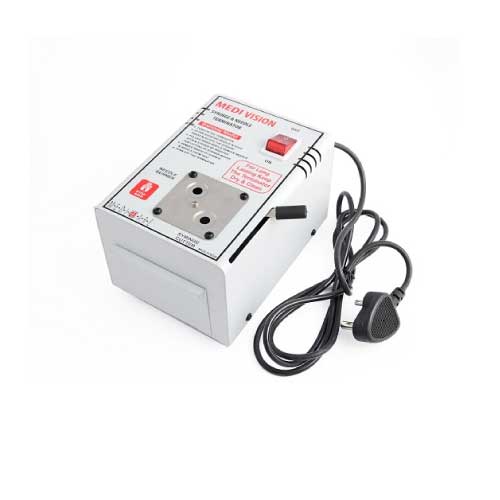
Electric Needle Destroyers use a powered mechanism to destroy compatible needles. Depending on the model, the mechanism may involve heat or another specified destruction process. Buyers should confirm the exact operating method instead of assuming that all electric devices work in the same way.
Important checks include power requirements, compatible needle sizes, operating controls, collection arrangements, cleaning instructions and any heat-related precautions. Use the unit only as directed, and never operate damaged electrical equipment.
5. Needle and Syringe Destroyers
Some products are described as needle and syringe destroyers. However, the term does not guarantee that a device processes every component of a syringe. One model may destroy the needle, while another may have additional functions or require separate handling of the syringe barrel.
Review the product specifications carefully and confirm the exact waste-disposal steps before introducing the device into a clinical workflow.
How to Identify the Right Device Type
- Confirm whether the device cuts the hub, removes the tip or destroys the needle.
- Check the needle gauge range and supported designs.
- Understand how separated sharps are contained.
- Review the instructions for remaining syringe components.
- Consider the expected workload and operating environment.
- Verify the cleaning, maintenance and replacement requirements.
Safety Checks Before Using a Needle Cutter
Before using Needle Cutters, confirm that the device is suitable for the task and ready for use. A short inspection can help identify damage, a full chamber or an incompatible needle before the user begins.
Check the Device Type
Read the product label and operating instructions. Make sure the cutter is designed for the medical needle being handled. Do not substitute ordinary cutting tools or use a device outside its approved purpose.
Inspect the Housing and Mechanism
Look for cracks, loose components, corrosion, damaged guards or a misaligned opening. For an electric model, check the power cord, plug and visible controls. Remove damaged equipment from service according to facility procedure.
Check Collection Capacity
If the device has an internal collection chamber, check its fill level or indicator according to the instructions. Never force additional sharps into a full chamber. Follow the approved replacement or disposal procedure before returning the device to service.
Prepare a Safe Work Area
Place the device on a stable, uncluttered surface. Ensure the opening is easy to see and the surrounding area provides enough space to work without striking nearby equipment. Keep approved sharps containers accessible for any components that the cutter does not process.
Follow Personal Protection Requirements
Use the personal protective equipment required by the facility's infection-control procedures. Gloves may help reduce contamination of the hands, but they do not prevent every needle-stick injury. Never rely on gloves as a reason to handle a sharp unnecessarily.
Confirm the Disposal Plan
Before using the cutter, understand where the separated needle, syringe barrel and other contaminated components must go. This step is particularly important when the device cuts only part of the needle or requires a separate sharps container.
How to Use a Needle Cutter Safely
The correct operating sequence varies by device. Always read the manufacturer's instructions and follow your facility's approved procedure. The following general principles help support safer handling without replacing device-specific training.

Step 1: Prepare the Disposal Area
Make sure the cutter is in its designated location and that the correct disposal containers are available. Keep the work area clear and ensure that other people will not accidentally contact the exposed needle.
Step 2: Confirm Compatibility
Check that the needle type and size fall within the cutter's supported range. Never assume that a needle will be safe to cut merely because it fits through the opening.
Step 3: Maintain Control of the Syringe
Keep your hands away from the needle point and cutting slot. Avoid passing the exposed needle to another person, placing it on a work surface or performing unnecessary movements before disposal.
Step 4: Follow the Device Instructions
Position the needle only as described in the manufacturer's instructions. Operate the lever or control using the specified method. Do not force the needle, repeat unsuccessful cuts or modify the opening to accommodate an incompatible design.
Step 5: Avoid Contact with Internal Components
After the cutting action, do not insert your fingers or improvised tools into the device to check whether the needle has separated. If the mechanism fails or the needle remains caught, stop and follow the approved jam procedure.
Step 6: Dispose of Remaining Components
Place the remaining syringe components into the correct approved waste stream. A needle cutter does not automatically make every part of a syringe safe for ordinary disposal. Follow applicable biomedical waste rules and facility instructions.
Step 7: Secure the Device
Leave the cutter in its designated safe location. Close or secure it as instructed, and restrict access where necessary. Report any malfunction, spill or suspected exposure through the established reporting process.
Additional Precautions for Electric Needle Destroyers
Operate electric models only under the conditions specified by the manufacturer. Keep the unit away from liquids where required, and check that the power supply and electrical components are intact.
Stop using the unit if you notice smoke, sparks, unusual smells, excessive heat or inconsistent operation. Do not open the housing, bypass safety features or attempt an unauthorised repair. Follow the equipment-specific shutdown and reporting procedure.
Essential Needle Cutter Safety Guidelines
Consistent Safety Guidelines help healthcare teams handle used needles more safely. The following practices should form part of device training and the facility's broader sharps management procedure.
- Dispose of needles promptly: Move the used needle to the approved disposal system without unnecessary handling.
- Avoid routine recapping: Do not recap used needles before cutting unless a specific approved procedure requires it.
- Use compatible needles only: Check the manufacturer's supported sizes and designs before use.
- Keep fingers away from the mechanism: Never place hands near exposed cutting components or inside the chamber.
- Monitor the fill level: Follow the specified capacity and replacement instructions.
- Keep the device stable: Place it on a suitable surface to reduce movement during operation.
- Do not force a jam: Stop if the mechanism does not work as expected.
- Avoid unauthorised cleaning: Clean only the parts and surfaces described in the manufacturer's instructions.
- Follow infection-control procedures: Use the required protective equipment and handling practices.
- Secure the device: Restrict access to children, patients and unauthorised individuals where appropriate.
- Report incidents: Follow the facility procedure for needle-stick injuries, escaped fragments and equipment failures.
- Follow local waste rules: Keep all resulting sharps and contaminated components in the approved disposal pathway.
These practices are particularly important in busy clinics and treatment rooms, where repetitive tasks can encourage shortcuts. Clear instructions, suitable equipment and accessible disposal facilities help make safe behaviour part of the normal workflow.
Needle Fragments and Sharps Containment
Needle fragments are an important safety consideration when choosing and using Needle Cutters. A small fragment may remain sharp, carry contamination and become difficult to see if it escapes onto a work surface or floor.
Why Fragment Containment Matters
A cutter that separates metal without containing the resulting sharp may transfer the hazard to another location. Therefore, buyers should review the collection chamber, retention system and instructions for handling the processed needle.
Do not assume that every device traps every fragment. Confirm how the specific model works and what additional disposal steps are required.
What to Do if a Fragment Escapes
If you find a needle fragment outside the device, do not pick it up with your fingers. Prevent other people from entering the affected area and follow your workplace's approved sharps recovery procedure. Use only authorised equipment and trained personnel for the recovery task.
If a person may have been punctured or exposed to contaminated material, follow the facility's exposure-response procedure and seek prompt medical assessment.
Check Chamber Security
Where a cutter uses a removable or closable chamber, confirm how it must be secured, replaced and disposed of. Do not open the chamber casually or transfer its contents by hand.
Choose a design that provides clear instructions for fill monitoring and safe handling. If the collection system is difficult to inspect or manage, obtain guidance from the supplier before placing it into service.
Needle Gauge and Cutter Compatibility
Needle gauge is an important consideration when selecting Needle Cutters. Gauge describes the approximate outer diameter of a needle, and the numbering system works in reverse for many conventional needle sizes: a lower gauge number generally indicates a larger diameter.
Which Is Bigger: a 14G or 16G Needle?
In the conventional gauge system, a 14G needle has a larger diameter than a 16G needle. However, diameter alone does not establish whether a particular cutter can safely process either size.
What About 20G and 22G Needles?
20G and 22G needles are common gauge designations in healthcare. Their suitability for a needle cutter depends on the device's specified compatibility, needle design and intended use. Colour coding may help identify certain products, but it can vary by product type and manufacturer. Check the printed gauge and product documentation rather than relying on colour alone.
Can a Cutter Handle Every Needle Size?
No. Some devices support only a defined range of needle sizes or particular hub designs. Larger-diameter needles may require equipment specifically rated for them. Other specialty needles may have shapes or materials that fall outside a standard cutter's intended use.
Never test compatibility by forcing an unfamiliar needle into the opening. If the product documentation does not clearly cover the needle, contact the manufacturer or use the approved alternative disposal route.
What Buyers Should Verify
- Supported gauge range and needle dimensions.
- Compatible hub and syringe designs.
- Any exclusions for specialty needles.
- Collection capacity and fragment containment.
- Instructions for incompatible or damaged needles.
Compatibility should always be established from the manufacturer's instructions. A wide opening or powerful mechanism does not prove that the device is suitable for every medical needle.
Comparing Different Needle Cutter Types
Each needle cutter design serves a different purpose. Use the comparison below as an initial guide, then confirm the specifications and disposal requirements of the actual product.
| Device Type | Potential Application | Main Consideration |
|---|---|---|
| Manual Needle Cutter | Settings requiring a hand-operated device | Check supported needles, operating force and containment. |
| Manual Needle Hub Cutter | Compatible syringe needles separated at the hub | Confirm hub compatibility and handling of the remaining syringe. |
| Needle Tip Cutter | Applications requiring removal of the sharp tip | The remaining needle shaft may still present a hazard. |
| Electric Needle Destroyer | Applications suited to a powered destruction mechanism | Check power requirements, operating precautions and maintenance. |
| Needle and Syringe Destroyer | Models with specified needle or syringe processing functions | Verify exactly which components the device processes. |
The most suitable device is not necessarily the fastest or least expensive. It should handle the intended needles, contain sharps appropriately and fit the facility's disposal workflow.
For a low-volume setting, a simple approved device may be sufficient. A busy clinical environment may need a different design based on workload, staff training and waste-handling arrangements. Always assess the actual application before deciding.
Key Features and Specifications of Needle Cutters
Review the Key Features and Specifications of a needle cutter before purchasing or introducing it into service. Product features should support practical safety needs, not simply make the listing appear more attractive.
Body Material and Build Quality
Body Material affects the housing's durability and suitability for the intended environment. Inspect the overall construction, base stability, operating mechanism, guards and chamber. The materials should suit the device's specified use and approved exterior cleaning method.
Do not use equipment with cracked housing, loose parts, unstable placement or a damaged mechanism. Ask the supplier for relevant product documentation when construction or cleaning requirements are unclear.
Collection Capacity
Collection Capacity describes the amount of material a collection chamber is designed to hold. The meaning and stated capacity can differ between products, so check the manufacturer's definition and replacement instructions.
A larger chamber does not remove the need for regular inspection. Establish a clear process for checking the fill level and replacing or disposing of the unit when required. Never exceed the specified capacity.
Needle Gauge Compatibility
The product should identify the supported needle sizes and any limitations involving hubs, syringe designs or specialty needles. Compatibility is essential because a needle that appears to fit may still be unsuitable for the cutting mechanism.
Manual or Electric Operation
Manual models may be convenient when a simple mechanical mechanism is appropriate. Electric models may suit applications that require powered needle destruction. Neither type is automatically safer in every setting.
Consider the user's training, expected workload, power availability, maintenance requirements and the device's exact function. Select a model that can be used correctly within the intended workflow.
Safety Features and Indicators
Depending on the design, useful features may include a guarded opening, a secure collection chamber, a fill indicator, clear operating controls or electrical protection. Confirm which features are actually present rather than assuming that every model includes them.
Cleaning and Maintenance Requirements
Review the approved cleaning method, inspection schedule, replacement parts and service arrangements. Avoid devices that require users to perform unsafe internal cleaning or unauthorised repairs.
Instructions and Supplier Support
Clear operating instructions help staff use a cutter correctly. Before purchasing, check whether documentation covers compatible needles, capacity, disposal, maintenance, troubleshooting and relevant safety requirements.
Safe Placement and Workflow Design
Correct placement helps make Needle Cutters accessible when needed. If a cutter is difficult to reach, staff may carry an exposed needle across a room or delay disposal. A predictable workflow can reduce these unnecessary movements.
Keep the Device Accessible
Place the cutter at the designated point of use, following infection-control and workspace requirements. It should be easy for authorised users to reach without crossing clean work areas or obstructing patient movement.
Use a Stable Surface
The device should sit securely and remain easy to operate as instructed. Keep the surrounding surface free of clutter, spills and unnecessary objects.
Maintain Clear Identification
Label the device or its storage area where necessary. Clear identification helps prevent confusion with ordinary tools, other waste containers or equipment intended for a different purpose.
Keep Approved Disposal Containers Nearby
Some cutters do not process every syringe component. Make sure the correct sharps and healthcare waste containers are available for the remaining material.
Review Placement Regularly
Changes to room layouts, equipment or patient volume may affect the disposal workflow. Review the arrangement whenever working conditions change, and correct obstacles that encourage unnecessary handling of used needles.
Staff Training and Infection-Control Practices
Training is essential for safe needle cutter use. Staff should understand the purpose of the device, its limitations and the approved response when cutting fails. Training should be specific to the model used in the facility.
What Training Should Cover
- The device's intended purpose and operating limits.
- Compatible needle sizes and syringe designs.
- Safe handling before and after cutting.
- Collection capacity and replacement requirements.
- Correct disposal of remaining syringe components.
- Cleaning and maintenance instructions.
- Steps to follow when the device jams or becomes damaged.
- Reporting procedures for injuries, spills and near misses.
Use Clear Operating Instructions
Keep the manufacturer's instructions accessible to authorised users. A concise instruction sheet may support training, but it should not replace practical familiarisation with the actual device.
When several cutter types are used in the same facility, identify them clearly. Staff should understand which procedure applies to each model.
Reinforce Safe Sharps Handling
Needle cutter training should form part of the wider sharps safety programme. Users must still avoid unnecessary handling, follow approved protective measures and understand the facility's response to a suspected needle-stick injury.
Review the training whenever a new device is introduced or an incident reveals a gap in the current process.
Handling Jams, Full Chambers and Damaged Needle Cutters
A jammed or damaged needle cutter may contain exposed sharps. Do not treat the problem as an ordinary mechanical fault. Stop using the device and follow the manufacturer's instructions and your facility's approved procedure.
What to Do if a Needle Cutter Jams
- Stop operating the mechanism and avoid applying additional force.
- Keep hands away from the opening and internal components.
- Prevent unauthorised people from handling the device.
- Follow the manufacturer's approved jam procedure.
- Request assistance from trained personnel when necessary.
- Record and report the fault according to facility policy.
Never insert fingers, improvised tools or unapproved equipment into the cutter. Do not shake the device over a waste bin or dismantle it casually.
What to Do if the Chamber Is Full
Stop using the cutter when its specified capacity has been reached. Do not push down the contents, force another needle into the opening or open the chamber unless the manufacturer provides an approved procedure for that task.
Follow the designated replacement, closure and disposal instructions. If the chamber cannot be managed safely, restrict access and seek assistance through the established process.
When to Remove a Cutter from Service
Remove the device from service when you identify cracks, loose parts, a damaged guard, a faulty lever, unreliable cutting performance or other defects that could compromise safe use.
For electric models, also watch for damaged cables, unstable plugs, smoke, unusual odours, sparks or signs of overheating. Follow the approved shutdown procedure when safe to do so. Do not attempt unauthorised repairs or bypass safety features.
Needle Disposal and Medical Waste Management
Cutting or destroying a needle is only one part of safe disposal. The resulting material, remaining syringe components and any contaminated items must still be managed under the applicable healthcare waste rules and facility procedures.
Follow Applicable Waste Requirements
Healthcare waste requirements can vary by location, facility and waste category. In India, healthcare facilities should follow applicable biomedical waste requirements and the procedures established by their authorised waste-management arrangements.
Do not assume that cutting, blunting or destroying a needle automatically makes every resulting component suitable for ordinary waste disposal. Confirm the approved pathway for the specific device and material.
Handle Remaining Syringe Components Correctly
A cutter may process only the needle or a specific part of the syringe. The remaining barrel, hub and other contaminated components may require separate handling. Follow the product instructions and your facility's waste segregation policy.
Clean the Exterior Safely
The outside of a needle cutter may become contaminated during normal use. Clean it only with the products and methods approved by the manufacturer and facility. Avoid pouring liquids into openings or exposing internal mechanisms unless the instructions specifically permit it.
Assign Clear Responsibilities
Designate who checks the collection chamber, reports faults, arranges replacement and manages maintenance. Clear responsibilities reduce the risk of an overfilled, damaged or neglected device remaining in service.
Needle Cutters in Home-Care Settings
Some people handle needles at home as part of a prescribed treatment or with help from a caregiver. In these settings, clear instructions and a safe disposal plan are especially important.
Choose an Appropriate Disposal Method
Use a needle cutter at home only when it is suitable for the intended needle and has been approved or recommended for the specific application. If a cutter is not provided or the needle is incompatible, follow the healthcare professional's advice and local sharps disposal guidance.
Keep the Device Secure
Store the device as instructed and prevent access by children, pets and other unauthorised people. Remember that a cutter or its collection chamber may contain hidden sharps even when no needle is visible.
Avoid Household Tools
Do not use household scissors, pliers, wire cutters or similar tools to cut used medical needles. These tools do not provide the containment required for contaminated sharps and may cause fragments to escape.
Ask for Clear Instructions
Before using a device at home, understand how to operate it, what it can process and how to dispose of its contents. Ask a healthcare professional or the device supplier for guidance if any part of the process is unclear.
Needle Cutter Maintenance and Inspection
Regular inspection helps identify damage, contamination and capacity issues before a device is needed. Follow the manufacturer's maintenance schedule and the facility's equipment management procedure.
Routine Visual Inspection
Check that the cutter remains in its assigned location and that the housing, opening and visible components appear intact. Look for cracks, corrosion, loose parts, an unstable base or signs of contamination.
Monitor Collection Capacity
Check the fill level according to the device instructions. Replace or manage the collection chamber when required. Never continue using a unit beyond its stated capacity.
Review Labels and Instructions
Make sure the product identification and safety instructions remain readable. Replace missing or damaged labels through the approved process so users can identify the correct device and procedure.
Check Electric Components
For electric needle destroyers, inspect the visible cable, plug, controls and indicators as instructed. Do not open the electrical housing or carry out internal repairs unless authorised and qualified to do so.
Keep Records When Required
Document inspections, replacements, maintenance and reported problems according to facility policy. Records can help identify recurring failures and show whether equipment checks are being completed consistently.
Inspection frequency should reflect the manufacturer's instructions, the setting's workload and applicable facility requirements. A fixed schedule should never replace an immediate check when a fault or capacity concern is noticed.
How to Choose the Right Needle Cutter
Choosing the right needle cutter starts with the actual use case. A small treatment room, a high-volume clinical area and a home-care setting may have different requirements. Compare function, compatibility, containment and disposal arrangements before considering price alone.
1. Identify the Intended Application
Determine which needles the facility uses and whether the required function is hub separation, tip cutting or needle destruction. This helps narrow the options to devices designed for the task.
2. Confirm Needle Compatibility
Review the manufacturer's supported gauge range, dimensions and hub compatibility. Ask for clarification if the product documentation does not cover a needle used in your facility.
3. Review Collection Capacity
Understand how much material the device can safely hold and how the chamber is monitored, secured and disposed of. A suitable capacity should match the expected workload without encouraging overfilling.
4. Evaluate Build Quality
Check the housing, base, cutting mechanism, guards and chamber. The device should remain stable and function as described. Review the approved cleaning method and any environmental restrictions.
5. Compare Manual and Electric Models
Consider whether a manual mechanism is appropriate for the intended workload or whether a powered device better fits the application. For electric models, check power requirements, operating precautions and service arrangements.
6. Check Documentation and Support
Ask the supplier for operating instructions, compatible needle specifications, maintenance guidance, warranty terms and applicable product documentation. For clinical use, verify any relevant regulatory or compliance requirements with the appropriate authority or procurement team.
7. Consider the Complete Disposal Workflow
Confirm how the cut needle, fragments and remaining syringe components will be handled. A cutter is not a complete waste-management solution if the facility lacks a safe way to manage the material it produces.
Needle Cutter Buying Checklist
- Is the product specifically designed for the intended medical application?
- Does it support the needle sizes and designs used in the facility?
- Does it cut the hub, remove the tip or destroy the needle?
- How are fragments contained?
- What is the specified collection capacity?
- How should the unit be inspected, cleaned and replaced?
- Does the product require electrical power or specialised maintenance?
- Are instructions and supplier support available?
- Is the complete waste-disposal process clearly defined?
A suitable product should support a safe, repeatable workflow. Avoid relying on broad advertising claims, an attractive price or a product name alone to determine whether a needle cutter is appropriate.
Common Needle Cutter Safety Mistakes
Many preventable sharps incidents occur when users take shortcuts or continue using equipment that is not working properly. Recognising these common mistakes helps facilities improve training and disposal procedures.
Using the Wrong Cutting Tool
Ordinary pliers, scissors and wire cutters do not automatically provide safe containment for contaminated needles. Use the device specified for the intended medical application.
Recapping or Handling Needles Unnecessarily
Unnecessary handling creates more opportunities for accidental contact. Follow the approved disposal procedure and avoid routine recapping before cutting.
Overfilling the Collection Chamber
A full chamber can interfere with operation and increase the chance of exposure to fragments. Monitor capacity and replace or dispose of the unit according to instructions.
Forcing Incompatible Needles
A needle that does not fit the specified range should not be forced into the mechanism. Use the approved alternative procedure and report recurring compatibility problems.
Opening a Jammed Device
Opening or dismantling a cutter without an approved procedure can expose users to blades and contaminated sharps. Stop operation and seek trained assistance when required.
Ignoring Damaged Equipment
Cracks, loose parts, faulty controls and inconsistent cutting action are reasons to stop using the device. Report the fault and prevent the equipment from returning to service until it has been assessed through the approved process.
Assuming Cutting Completes Disposal
The resulting fragments and remaining syringe components may still require specific handling. Always follow the complete disposal procedure rather than treating the cutting action as the final step.
Skipping Staff Training
Users should understand the model's purpose, limitations, capacity and jam procedure. Refresher training can help prevent repeated mistakes and improve consistency.
Needle Cutter Safety Checklist
Use this checklist as a practical reminder during staff training and routine equipment checks. Follow the specific manufacturer's instructions and your facility's approved procedures at all times.
- Confirm that the cutter is suitable for the intended needle.
- Inspect the device for visible damage before use.
- Check the collection chamber and capacity indicator, if provided.
- Place the device on a stable and suitable surface.
- Keep hands away from the needle point and cutting mechanism.
- Avoid unnecessary handling and routine recapping.
- Follow the device-specific operating instructions.
- Never force a needle that is incompatible or stuck.
- Ensure that fragments remain contained as designed.
- Dispose of the remaining syringe components correctly.
- Stop using a damaged, jammed or overfilled device.
- Follow the approved cleaning and maintenance procedure.
- Store the device securely and restrict unauthorised access.
- Report suspected exposure, escaped fragments and equipment faults.
What to Do After a Needle-Stick Injury
If a needle-stick injury or suspected exposure occurs, follow the facility's exposure-response protocol immediately and seek prompt medical assessment. Do not delay reporting while trying to determine whether the needle was contaminated.

For home-care users, contact an appropriate healthcare professional or local medical service promptly for advice. Timely assessment is important because recommended follow-up depends on the circumstances of the exposure.
Frequently Asked Questions About Needle Cutters
1. What is a needle cutter used for?
A needle cutter is used to cut, separate or destroy compatible medical needles, depending on its design. It helps control used sharps and supports safer disposal when used according to the manufacturer's instructions.
2. What are the main types of needle cutters?
Common types include Manual Needle Cutters, Manual Needle Hub Cutters, Tip Cutters and Electric Needle Destroyers. Their functions differ, so buyers should confirm the exact purpose and operating method of each model.
3. How do you use a needle cutter safely?
Check compatibility and device condition, follow the manufacturer's instructions, keep your hands away from the sharp and mechanism, and manage the resulting material through the approved disposal system. Never force a jammed or incompatible needle.
4. Are manual needle cutters safe?
A manual needle cutter can support safe handling when it is appropriate for the needle, maintained correctly and used according to instructions. Safety depends on compatibility, containment, training and the complete disposal process.
5. What is a manual needle hub cutter?
A Manual Needle Hub Cutter is designed to separate compatible needles at or near the hub. Check which syringe designs it accepts and how the remaining components must be discarded.
6. What is an electric needle destroyer?
An Electric Needle Destroyer uses a powered mechanism to destroy compatible needles. Its exact operating method, power requirements and safety precautions depend on the model.
7. Can needle cutters handle every needle gauge?
No. Each device has specific compatibility limits. Check the manufacturer's supported gauge range and needle designs before use. Never force an oversized or unsupported needle into the opening.
8. What does collection capacity mean?
Collection Capacity refers to the amount of material a device's collection chamber is designed to hold. Follow the specified fill limits and replacement instructions, and never overfill the unit.
9. What should I do if a needle cutter jams?
Stop operating the device, keep your hands away from the mechanism and follow the approved jam procedure. Do not insert fingers or improvised tools, dismantle the cutter or force the mechanism.
10. Can I use ordinary pliers or wire cutters on a used needle?
No. Ordinary cutting tools do not automatically provide safe containment for contaminated medical sharps. Use the approved device or disposal method intended for the specific needle.
11. Does cutting a needle make the remaining syringe safe for ordinary waste?
Not necessarily. The remaining syringe components may still be contaminated or fall under healthcare waste requirements. Follow the applicable waste rules and facility procedures.
12. How often should a needle cutter be inspected?
Inspection frequency depends on the manufacturer's instructions, usage level and facility policy. Check for visible damage and capacity concerns before use, and remove defective equipment from service immediately.
13. Can needle cutters be used at home?
Some devices may be suitable for an approved home-care application. Users should confirm suitability, receive clear operating instructions and follow the recommended sharps disposal process.
14. What should I consider before buying needle cutters?
Review needle compatibility, intended function, collection capacity, fragment containment, body construction, operating method, maintenance requirements and supplier documentation. Confirm that the product fits the complete disposal workflow.
15. What should I do if a needle fragment escapes?
Do not pick up the fragment by hand. Restrict access to the area and follow the approved sharps recovery procedure. Report any suspected puncture or exposure and seek prompt medical assessment.
Conclusion: Follow Safe Practices When Using Needle Cutters
Needle Cutters can play an important role in sharps safety when the device is suitable for the intended needle and forms part of a clear disposal process. Manual Needle Cutters, Hub Cutters, Tip Cutters and Electric Needle Destroyers have different functions, so checking compatibility and operating instructions is essential.
Before use, inspect the device, confirm its collection capacity and prepare the correct disposal route. During operation, avoid unnecessary handling, keep your hands away from the cutting mechanism and never force an incompatible or jammed needle. After cutting, manage every fragment and remaining syringe component according to the applicable healthcare waste requirements.
For healthcare facilities, safe needle disposal also requires staff training, routine inspections, clear responsibilities and prompt reporting of incidents. Home-care users should follow professional guidance and avoid improvising with ordinary household tools.
The best needle cutter is one that suits the actual application, supports reliable containment and fits the user's approved workflow. By choosing suitable equipment and following consistent safety procedures, healthcare teams can reduce avoidable handling risks and improve sharps management.