

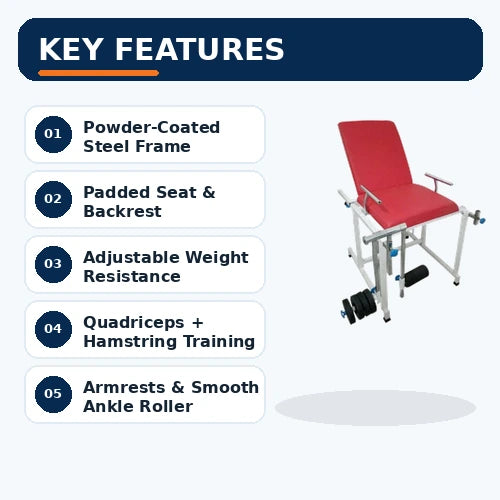





Physio Beds: Benefits, Types, Features & Buying Guide
Physio Beds are purpose-built treatment tables that help therapists position, examine, mobilize, and support patients safely during care. Unlike ordinary beds or household furniture, physiotherapy beds focus on clinical access, patient comfort, body mechanics, and different types of rehabilitation work.
This guide explains the practical benefits, common styles, useful features, and buying considerations for clinics, home-care providers, and anyone comparing physio beds for sale. It also covers adjustable, electric, hydraulic, portable, folding, massage, traction, and standing beds to help you choose the right option for your treatment setting.
What Is a Physiotherapy Bed Called?
A physiotherapy bed is commonly called a Physiotherapy Bed, physio bed, therapy bed, treatment table, rehab treatment table, examination couch, or physiotherapy treatment table. Product listings may also use terms such as Physio Tables, Physiotherapy Tables & Treatment Beds, massage therapy tables, Examination Beds, medical examination beds, Standard Flat Exercise & Examination Beds, and Offering Physio Treatment Bed.

The exact name often depends on the type of therapy the bed supports, such as massage, exercise, spinal traction, examination, standing rehabilitation, or mobility training.
However, the function matters more than the label alone. Physio Beds provide a stable, accessible, and comfortable surface where therapists can work without constantly compromising posture or patient positioning. For patients, the right bed can reduce strain during transfers, support targeted posture, and make each session feel more secure.
Why Physio Beds Matter in Therapy
Therapy is hands-on work. Whether the goal is rehabilitation after injury, pain management, mobility improvement, postural correction, strengthening, or assisted stretching, the treatment surface affects the quality of care. A bed that is too low can force the practitioner to bend awkwardly. Similarly, a bed that is too narrow may make the patient feel unstable, while poor cushioning can cause discomfort before the session even begins.
Physio Beds solve these everyday problems by giving therapists a dedicated clinical platform. A well-chosen Physiotherapy Bed supports examination, exercise, manual therapy, massage, traction, and recovery work in one controlled space. In a busy clinic, that can make sessions smoother and more professional. For home care, a Portable Physiotherapy Bed allows a practitioner to deliver treatment without relying on whatever furniture happens to be available.
The benefits are practical rather than decorative. Good treatment tables improve access around the body, help maintain consistent patient alignment, and allow the therapist to use better leverage with less physical strain. Over time, these features can improve therapist comfort, patient trust, and workflow efficiency.
Better Patient Positioning and Comfort
One of the biggest benefits of Physio Beds is controlled positioning. Therapy often requires a patient to lie face-up, face-down, side-lying, seated, partially elevated, or supported in a specific posture. Ordinary furniture cannot reliably provide that range. In contrast, a clinical bed with a cushioned mattress, adjustable sections, and a firm frame gives the practitioner more control.
Beds with Head Elevation are especially useful when a patient cannot lie fully flat, needs upper-body support, or requires a more relaxed position during assessment. This feature can also make breathing easier for some patients and help older adults feel less vulnerable on the table. In massage or manual therapy, a face cutout, headrest, or foldable head section can improve comfort during prone positioning.

The surface itself matters as well. A 2-inch cushion may be enough for some basic examination and portable use, while thicker or denser padding may feel better for longer sessions. Comfort should be balanced with firmness. If the mattress is too soft, the patient sinks and the therapist loses control; if it is too hard, the patient may tense up. The best Physio Beds provide support without turning the session into an endurance test.
Comfort Features to Look For
- Supportive cushioning: A cushioned mattress should feel comfortable while staying firm enough for assessment and exercise.
- Stable width and length: The table should suit the patient population, from athletes to older adults.
- Face support or breathing hole: This feature is useful for prone massage, mobilization, and physio massage beds.
- Head elevation: Adjustable head support can help during examinations, assisted sitting, and patient positioning.
- Easy-clean surface: A wipe-clean surface is important for hygiene in clinics and shared therapy spaces.
- Secure hinges and locks: These are essential features on Folding, Portable, and Multi-Fold Beds.
Improved Therapist Ergonomics
Physiotherapy is physically demanding. Repetitive bending, twisting, leaning, and lifting can strain the practitioner, especially during manual therapy or assisted movement. Physio Beds help reduce that strain by placing the patient at a workable height and angle.
Variable height (Hi-Low) tables are especially valuable. These may be hydraulic physio beds or electric physio beds, depending on the adjustment mechanism. A lower height can help patients transfer on and off the table more safely, while a higher working height can protect the therapist’s back during treatment. For clinics that see many body types and conditions, variable height is often more than a convenience; it is part of safe practice.
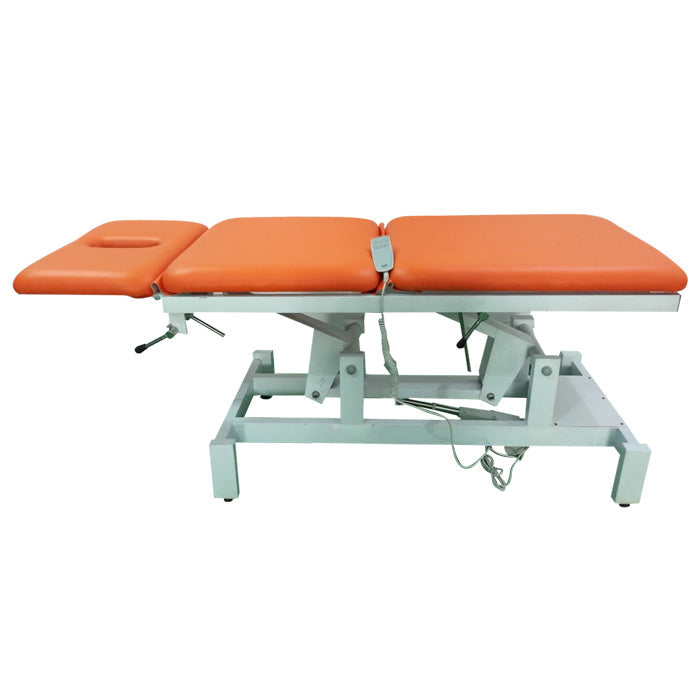
Electric therapy beds add another layer of convenience because the therapist can adjust table height using a foot switch, handset, or remote control. Some Electric Motorized models also adjust backrests, leg sections, or tilt positions. As a result, therapists can adapt the bed to the treatment rather than forcing the treatment to fit the bed.
More Versatile Treatment Options
Physio Beds come in different designs. Some are simple flat tables for examination and exercise. Others support traction, massage, standing rehabilitation, or foldable portability. Therefore, choosing the right model depends on the type of therapy offered and the patients being treated.
Standard Flat Exercise tables are often used for general rehabilitation, stretching, assessment, and exercise instruction. Standard Flat Exercise & Examination Beds suit clinics that need a durable and straightforward surface for daily use. Although these tables do not provide every adjustment, they can be dependable for basic care.
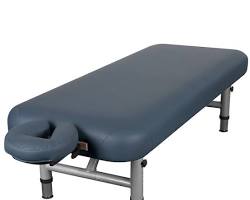
Physio massage beds and massage therapy tables are better suited for soft tissue work, relaxation therapy, sports recovery, and hands-on techniques that require patient comfort in prone or supine positions. Portable & Folding Massage options are useful for mobile therapists, events, home visits, and small treatment rooms where storage is limited.
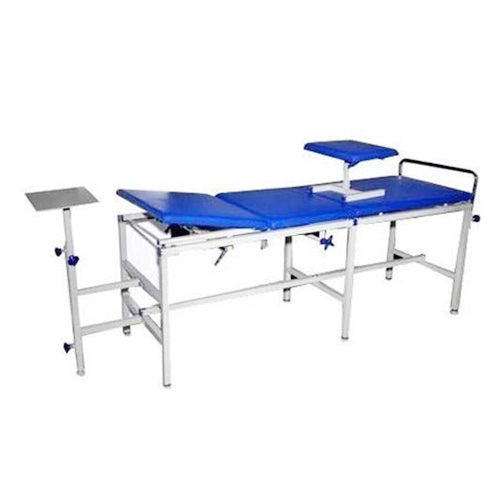
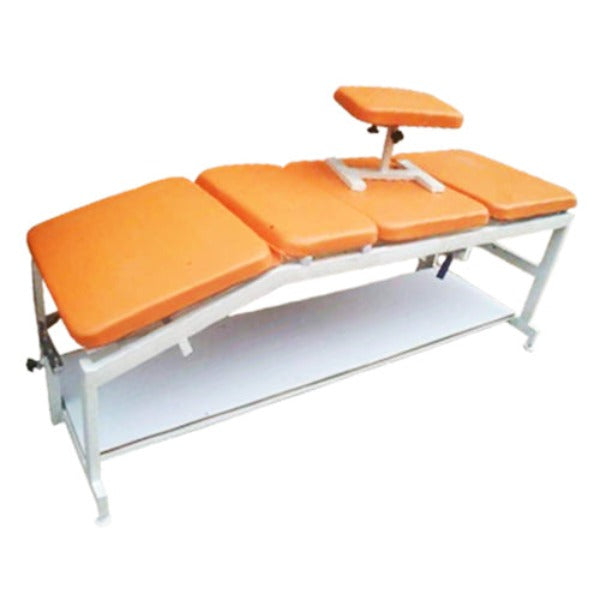
Traction & Multi-Fold Beds support more specialized therapy. A Physio Beds Three Fold Traction Bed or a DSB PHYSIO MART Physio Therapy 3 Fold Traction Bed may support cervical and lumbar spinal traction, depending on the model and accessories. Multi-Fold Beds can also provide different positions, giving therapists more flexibility during combined assessment and treatment sessions.
Standing Beds and Electric Motorized & Standing Beds include motor-driven tables with remote controls or standing and tilting functions, sometimes with angles ranging from 0° to 80°. These models support verticalization and assisted standing as part of treatment. They can help patients practise weight-bearing positions in a controlled way, especially when balance, weakness, or mobility limitations make independent standing difficult.
What Is the Best Adjustable Bed for Physiotherapy?
The best adjustable bed for physiotherapy matches the treatment style, patient needs, space, and budget without sacrificing stability or safety. For general clinics, electric physio beds with variable height (Hi-Low), a firm cushioned mattress, and adjustable head or back sections are often the most flexible choice. For home visits, a Portable Massage Bed 2 Fold or an aluminum-framed foldable model may be more practical. Meanwhile, traction-focused clinics may need dedicated traction equipment for cervical, lumbar, or combined cervical and lumbar spinal traction work.
Start with the purpose. If the table will mainly support assessment and exercise, a Standard Flat Exercise model may be enough. Clinics that offer manual therapy and massage may benefit from physio massage beds with comfortable padding and face support. For patients who have difficulty transferring, including older adults and neurological rehabilitation clients, electric therapy beds, hydraulic physio beds, or Standing Beds may offer better access and support.
Common Types of Physio Beds and Where They Fit
| Type of Bed | Best Suited For | Practical Benefit |
|---|---|---|
| Standard Flat Exercise & Examination Beds | Basic assessment, stretching, and rehabilitation exercise | Simple, stable, and easy to use |
| Beds with Head Elevation | Examination, breathing comfort, and seated support | Helps position patients who cannot lie flat |
| Physio massage beds | Massage, soft tissue therapy, and sports recovery | Improves comfort during longer hands-on sessions |
| Portable Massage Bed 2 Fold | Home visits, mobile therapy, and temporary setups | Easier transport and storage |
| Portable & Folding Massage Beds | Small rooms, mobile practice, and wellness work | Flexible option when space is limited |
| Multi-Fold Beds | Mixed therapy positions | Allows more adaptable patient positioning |
| Physio Beds Three Fold Traction Bed | Traction-based therapy | Supports cervical and lumbar traction setups |
| Electric Motorized Beds | Busy clinics and varied patient needs | Remote or powered adjustment improves workflow |
| Standing Beds | Mobility and rehabilitation for older adults | Supports standing or tilting practice |
| Fixed Iron Frame Tables | Clinics needing sturdy basic support | Durable construction for regular clinical use |
| Aluminum-Framed Foldable Beds | Portable practice | Lighter than many fixed-frame models |
| Adjustable Wooden Designs | Massage, wellness, or lighter-duty therapy settings | Warm appearance with adjustable function, where clinically suitable |
The right bed should support the work without creating new problems. A beautiful table that is difficult to clean, too heavy to move, or unstable under load is not a good investment. Likewise, the most advanced Motorized table may be unnecessary if the practice only needs occasional exercise demonstrations and assessments.
Safety, Stability, and Confidence
Patients need to feel secure before they can relax into treatment. Wobbling, creaking, slipping, or awkward transfers can make a session uncomfortable and reduce trust. Physio Beds with solid construction, reliable locking systems, stable legs, and appropriate weight capacity help create a calmer experience.
Frame material plays a role. A fixed iron frame can feel strong and durable in a clinic environment, while an aluminum-framed foldable bed can offer portability without excessive weight. Wooden frames may suit some massage or wellness settings, but the table must still support the intended therapy load. For powered models, check that the motor system, remote controls, and adjustment mechanisms work smoothly and predictably.
Safety also depends on access. Lowering a Hi-Low table for transfers can reduce the effort required from older adults or people with pain. Raising the table for treatment can protect the practitioner. Lockable wheels, non-slip feet, side supports where appropriate, and strong hinges on Folding models all contribute to a safer clinical setup.
Better Support for Rehabilitation Goals
Rehabilitation often depends on repetition, progression, and careful positioning. Physio Beds help therapists create a repeatable setup, making it easier to compare movement, guide exercise, and adapt treatment over time. This approach is especially useful when patients recover from orthopedic injuries, surgery, neurological conditions, sports strain, or age-related mobility decline.
For example, a therapist working on lumbar mobility may need to position a patient securely on their side with pillows or bolsters. A patient receiving cervical treatment may need precise head and neck support. Someone practising transfers after illness may benefit from a bed that changes height. These details matter because they affect whether the patient can participate confidently.
Targeted posture is another key benefit. A treatment table can support the body in positions that isolate a region, reduce unnecessary effort, or allow the practitioner to apply a technique more accurately. In rehabilitation, comfort and control often determine whether a patient can complete the session well.
Traction Beds for Cervical and Lumbar Care
Traction beds support therapies that involve controlled pulling forces, typically used in cervical and lumbar spinal traction under appropriate professional guidance. A traction table may include split sections, traction accessories, belts, or attachments that help the practitioner position the patient and apply force in a managed way.
Lumbar spinal traction focuses on the lower back, while cervical traction focuses on the neck. Some traction setups support both cervical and lumbar applications. The phrase cervical and lumbar spinal traction often appears in product descriptions for tables intended for clinics that provide this specialized therapy.

Not every clinic needs a Traction bed. If traction is not part of the service, a standard or electric treatment table may be more useful. However, practices that regularly provide traction may benefit from a dedicated table such as a Physio Beds Three Fold Traction Bed. A qualified professional should always assess the equipment and its suitability for the intended treatment.
Portable Beds Expand Treatment Beyond the Clinic
Portable Physio Beds are valuable for therapists who travel, serve home-care clients, work at sports events, or run flexible practice spaces. A Portable Massage Bed 2 Fold usually folds into a compact form and may include a carry case. Depending on the design, a three-fold model may pack into a smaller space or provide additional positioning options.
Portability should not come at the expense of stability. The best portable table is light enough to carry, quick to set up, and strong enough to support the intended work. Aluminum-framed foldable models are popular because aluminum can reduce weight while maintaining useful strength. Folding Massage tables are also common in wellness settings, but therapy use may require firmer padding and better stability than casual massage.
If you are asking, “Which is the best folding bed?” or “What is the most comfortable foldable bed?”, the answer depends on the intended use. For physiotherapy, look for stable legs, secure cables or braces, an easy-clean surface, suitable height adjustment, and enough cushioning for the session length. Choosing a bed for occasional guest sleeping involves different requirements.
Portable Bed Checklist
Before choosing a Portable or Folding model, check the following features:
- Weight and carrying method: Can the therapist carry it safely between appointments?
- Setup time: Does it open, lock, and pack away quickly?
- Frame stability: Does it feel secure during movement-based treatment?
- Surface firmness: Is it firm enough for assessment and therapeutic pressure?
- Height range: Can it support good therapist posture?
- Fold quality: Are hinges, locks, and cables robust?
- Cleaning needs: Can the upholstery be wiped down between patients?
- Patient comfort: Is the cushioned mattress appropriate for the type of therapy?

Electric, Hydraulic, and Manual Adjustment Options
Adjustment style affects daily workflow. Manual beds are usually simpler, with fewer powered parts. They may suit basic examination, exercise, and treatment rooms where staff use the same height most of the time. Hydraulic physio beds use a hydraulic mechanism, often foot-operated, to raise or lower the table without electric power.
Electric physio beds and electric therapy beds use motors to adjust height or sections. Clinics often prefer Electric Motorized models when multiple practitioners share a room or patients vary widely in mobility and body size. Remote controls or foot switches can make transitions smoother and reduce interruptions during treatment.
Standing models are more specialized. Electric Motorized & Standing Beds may include motor-driven tables with remote controls or standing and tilting functions, sometimes with angles ranging from 0° to 80°. These models can support patients who need a gradual transition from lying to standing. They may help in certain rehabilitation environments, but the clinic must select the table with professional needs and patient safety in mind.
Home Use and Care for Older Adults
Some people compare Physio Beds for home rehabilitation, support for older adults, or caregiver assistance. The question “What is the best exercise bed for home use?” usually comes down to safety, available space, and who will use the bed. A home exercise bed should be stable, easy to clean, comfortable, and appropriate for the exercises recommended by a qualified professional.

“What is the best bed for older people?” is a broader question. For sleeping, an older adult may need a medical-style bed, adjustable home bed, or other support depending on their needs. For therapy sessions, a Physiotherapy Bed with easy transfer height, head elevation, firm cushioning, and secure access may be useful. These are different purposes, so do not treat a therapy table as a full-time sleeping bed unless a qualified provider confirms that it is suitable.
People also ask, “Can I sleep on a massage bed?” A massage or physiotherapy table is generally designed for short treatment sessions, not overnight sleep. It may feel comfortable during therapy, but it usually lacks the width, long-term pressure distribution, bedding support, and safety features expected from a regular bed.
Where Can I Find Physio Beds for Sale?
You can find physio beds for sale through medical equipment suppliers, physiotherapy equipment dealers, rehabilitation product companies, marketplace listings, and local distributors. Search terms such as Physio Beds, physiotherapy beds, Physiotherapy Treatment Tables, treatment tables, rehab treatment tables, massage therapy tables, medical examination beds, and physio beds for sale can help you compare options.
Buyers in specific regions may also search phrases like physio beds Ireland, “Where can I buy foldable beds in India?”, Hyderabad, Mumbai, or Medansh Physio Beds, depending on their location and supplier preferences.
When comparing listings, read the details carefully. A product titled “Physio Treatment Bed at ₹ 5500” may sound attractive, but price alone does not tell you about frame strength, mattress quality, height, warranty, delivery, customization, or intended clinical use. Similarly, phrases such as “Customization Available by ...” from a seller or manufacturer should prompt you to ask what the supplier can customize: size, upholstery, foam thickness, frame type, head elevation, traction attachments, or motorization.
Regional searches can also be useful. A clinic in Hyderabad may prioritize local service and delivery. A buyer comparing physio beds Ireland may care about regional compliance, shipping, and after-sales support. In India, clinics might compare Portable, Electric, fixed iron frame, and aluminum-framed foldable options across suppliers. The goal is to confirm that the bed fits your therapy needs, not just that the listing uses the right keywords.
Understanding Types and Pricing Without Getting Distracted
Types and Pricing can vary widely because Physio Beds range from simple examination couches to advanced electric and standing systems. A basic flat table generally costs less than an Electric Motorized model. A Portable & Folding Massage table may have a different price from a heavy fixed clinic couch. Similarly, a traction table with cervical and lumbar accessories usually belongs to a different price category from a standard massage table.
Many searchers also ask, “How much does a physiotherapy bed cost?” or “How much does a massage bed cost?” The answer depends on materials, frame design, adjustability, motorization, upholstery, padding, accessories, delivery, and brand or supplier. Instead of choosing only by the lowest price, compare what the bed is built to do and how often you will use it.
Some related cost questions are not actually about Physio Beds. “How expensive is a Murphy bed?”, “How much does a Murphy bed cost in Mumbai?”, and “Are Murphy beds available in India?” refer to fold-down wall beds used in homes, not clinical physiotherapy treatment tables. A Murphy bed may save space in an apartment, but it is not a substitute for a clinical Physiotherapy Bed. If you need therapy equipment, compare therapy beds; if you need space-saving furniture, compare Murphy beds separately.
“How much for 1 hour of physio?” and “How much does a physiotherapy setup cost?” are also separate questions. Session fees depend on the clinic, practitioner, region, and treatment type. A full setup may include Physio Beds, exercise tools, electrotherapy equipment, storage, hygiene supplies, software, and room preparation. The bed is only one part of the investment.
Cost Factors to Compare
- Frame material: Fixed iron frame, aluminum, wood, or mixed construction.
- Adjustment type: Manual, hydraulic, Electric, or Electric Motorized.
- Portability: Folding tables may cost less or more depending on build quality.
- Clinical purpose: Examination, massage, traction, standing, or multi-position therapy.
- Cushioning: Foam thickness, density, upholstery, and comfort level.
- Accessories: Traction components, headrests, arm supports, paper roll holders, or side rails.
- Service support: Warranty, replacement parts, local repair, and delivery.
- Customization: Size, color, sections, head elevation, and add-on features.
How Physio Beds Improve the Patient Experience
A professional treatment bed communicates care before the session begins. When patients see a stable, clean, purpose-built table, they know the space is designed for therapy. That confidence can make it easier for them to relax, ask questions, and participate in treatment.
Comfort also affects clinical work. A patient who feels unsupported may tense their muscles, guard painful areas, or struggle to hold a position. In contrast, someone who feels secure is more likely to cooperate during assessment, stretching, mobilization, or exercise instruction. Physio Beds make that cooperation easier by reducing avoidable discomfort.
Accessibility matters too. A person with knee pain, back pain, dizziness, weakness, or fear of falling may find it difficult to climb onto a high fixed surface. A Hi-Low bed can be lowered for entry and raised for treatment. For older adults in rehabilitation, this simple change can make the session feel less intimidating.
How Physio Beds Support Therapists and Clinics
For clinics, the right bed is part of workflow design. It affects room layout, session timing, cleaning routines, and practitioner comfort. A table that adjusts smoothly can help a therapist move from examination to treatment to exercise instruction without rearranging the entire room.
Durability is another practical benefit. Treatment tables see repeated use throughout the day, so weak hinges, poor padding, or unstable frames can quickly become problems. Investing in the correct type of Physio Beds can reduce frustration and create a more consistent treatment experience.
Professional appearance also matters. A clinic using appropriate Physiotherapy Tables & Treatment Beds looks more prepared than one relying on unsuitable furniture. However, not every clinic needs the most expensive model. The equipment should match the services offered and the patients served.
Choosing the Right Physio Beds for Your Setting
A smart choice begins with your real treatment routine. List the therapies you provide most often, the patients you see, and the space available. Then match the bed to those needs instead of buying based on a single feature or price tag.
For a general physiotherapy clinic, electric physio beds with variable height (Hi-Low), head elevation, and durable upholstery are often versatile. A massage-focused practice may prioritize physio massage beds with comfortable face support and a stable frame. For mobile practice, a Portable Massage Bed 2 Fold or another Folding model may be the practical answer. Clinics offering traction services should look for dedicated Traction & Multi-Fold Beds built for that purpose.
A Simple Buying Framework
Use this framework when comparing Physio Beds:
- Define the main use. Is it examination, rehabilitation, massage, traction, exercise, or mobility support for older adults?
- Identify patient needs. Consider age, mobility level, transfer ability, comfort, and body size.
- Choose the adjustment level. Decide between manual, hydraulic, Electric, and Motorized options.
- Check room constraints. Measure space for access around the bed, not just the bed footprint.
- Review cleaning and hygiene. Upholstery should support routine cleaning between patients.
- Test stability if possible. The table should not wobble during movement, pressure, or transfers.
- Compare service support. Ask about warranty, spare parts, and local repair options.
- Avoid feature overload. Buy what supports your actual type of therapy.
Common Mistakes to Avoid
One common mistake is buying a massage table for physiotherapy without checking whether it is stable enough for clinical handling. Massage tables can be comfortable, but some models focus on relaxation rather than rehabilitation movement, assisted transfers, or stronger manual techniques. Always match the table to the load and treatment style.
Another mistake is choosing only by price. A low-cost table may be reasonable for light use, but it can become expensive if it wears quickly, feels unstable, or fails to support the practitioner’s posture. On the other hand, an advanced Motorized model may be unnecessary for a small practice with simple treatment needs.
A third mistake is ignoring storage and transport. Portable beds are useful only if therapists can carry, open, clean, and store them without hassle. Before buying a Portable model, think through a real workday: stairs, parking, travel distance, patient homes, cleaning time, and setup space.
Finally, avoid confusing categories. Murphy beds, household adjustable beds, massage couches, examination beds, and physiotherapy beds may overlap in appearance, but they are not all built for the same purpose. Use the product’s intended function as your guide.
The Practical Value of Customization
Customization can help when a standard model does not fit the space or treatment style. Some suppliers offer different upholstery colors, foam thicknesses, section layouts, frame materials, or headrest options. In clinical settings, customization should improve use, safety, cleaning, or patient comfort rather than simply change the appearance.
For example, a clinic focused on manual therapy may prioritize firmer foam and a stable fixed frame. A mobile therapist may choose an aluminum-framed foldable table with a carry case. A rehabilitation center may need electric therapy beds with Hi-Low adjustment and head elevation. Meanwhile, a traction-focused practice may require specialized attachments for lumbar and cervical work.
When you see phrases like Adjustable Wooden designs, Portable Physiotherapy Bed, or “Customization Available by ...” in listings, treat them as prompts to ask better questions. What exactly adjusts? What is the frame made of? How thick is the mattress? Is the table designed for clinical physiotherapy, massage, examination, or home use? Clear answers matter more than attractive product wording.
Physio Beds as Part of Better Rehabilitation Spaces
A treatment bed is not the whole therapy experience, but it anchors the room. Around it, a clinic may organize exercise bands, pillows, bolsters, stools, traction units, mobility aids, and cleaning supplies. When the bed has the right height, shape, and style, the rest of the session flows more naturally.
In rehabilitation, small details add up. Patients can transfer more easily, and therapists can work with better posture. The table can shift from assessment to treatment without delay. Therapists can also demonstrate exercises in a safe position. Over many sessions, those details can improve comfort, consistency, and confidence.
Physio Beds also support a more respectful patient experience. A stable table with proper cushioning and positioning options helps people feel cared for rather than accommodated with improvised furniture. That matters whether the patient is an athlete, an office worker with back pain, an older adult rebuilding mobility, or someone receiving post-injury rehabilitation.
Frequently Asked Questions About Physio Beds
What is a physiotherapy bed called?
A physiotherapy bed may also be called a physio bed, therapy bed, treatment table, rehabilitation table, examination couch, or physiotherapy treatment table. The name usually depends on its design and intended clinical use.
What is the best adjustable bed for physiotherapy?
The best adjustable bed depends on the treatments offered and the needs of the patients. Electric physio beds with variable height and adjustable sections may suit busy clinics, while portable folding beds may be more practical for home visits. Clinics that provide traction may need a dedicated traction table.
What is the best exercise bed for home use?
A suitable home exercise bed should be stable, easy to clean, comfortable, and appropriate for the exercises recommended by a qualified professional. Consider the available space, patient mobility, bed height, and ease of access before buying.
Can I sleep on a massage bed?
A massage bed is generally designed for short treatment sessions rather than overnight sleep. It may not provide the width, pressure distribution, bedding support, or safety features expected from a regular sleeping bed.
How much does a physiotherapy bed cost?
The cost depends on frame material, size, cushioning, adjustment system, motorization, accessories, brand, delivery, and after-sales support. Compare these features and the intended clinical use instead of choosing only by the lowest price.
Which is the best folding bed for physiotherapy?
The right folding bed should be stable, easy to carry and set up, simple to clean, and suitable for the intended treatment. Check its frame, locking system, weight capacity, mattress firmness, and height before making a decision.
Are physiotherapy beds and Murphy beds the same?
No. Physiotherapy beds are treatment tables designed for examination and rehabilitation work. Murphy beds are fold-down wall beds designed to save space in homes. They serve different purposes and should not be used interchangeably.
Are electric physio beds better than manual beds?
Electric physio beds can make height and section adjustments easier, especially in busy clinics or when patients have limited mobility. Manual beds may be sufficient for simpler treatment settings. The best option depends on workflow, patient needs, budget, and maintenance requirements.
Final Takeaway
Physio Beds are more than treatment furniture. They help therapists position patients safely, work with better ergonomics, deliver different types of therapy, and create a more professional rehabilitation environment. From Standard Flat Exercise tables to electric therapy beds, hydraulic physio beds, Portable & Folding Massage options, Traction beds, and Standing Beds, the best choice depends on how the bed will actually be used.
If you are comparing physio beds for sale, focus on purpose first: examination, massage, rehabilitation, traction, portability, or mobility support for older adults. Then compare frame stability, cushioning, height adjustment, hygiene, accessories, service support, and long-term usability. The right Physiotherapy Bed can make therapy feel more controlled and comfortable for both the patient and the practitioner.