


Featured ChoiceSave 25%
Save 20%

Save 15%
Save 14%

Save 29%
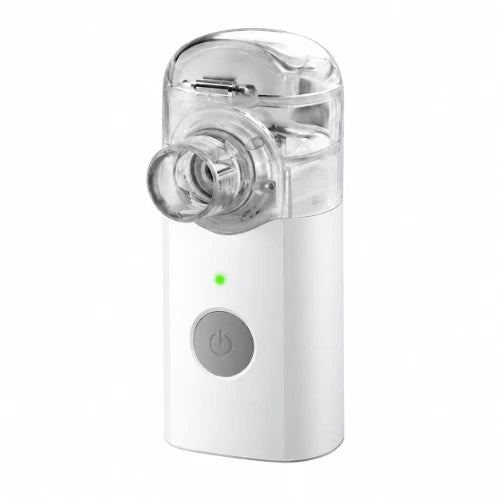
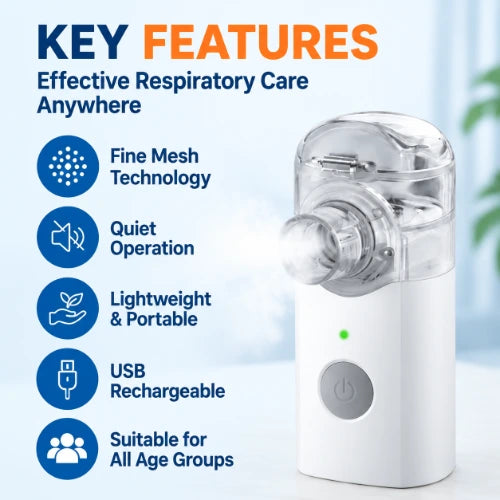

Save 39%
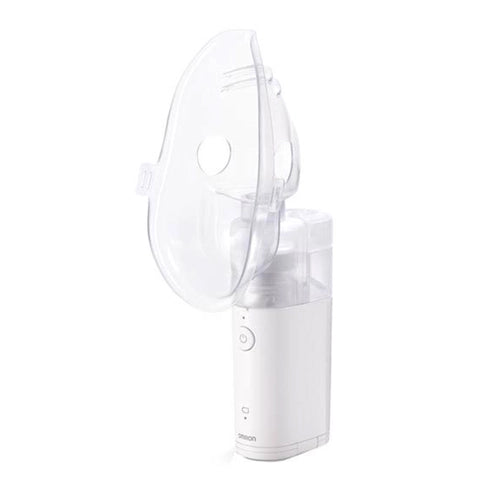
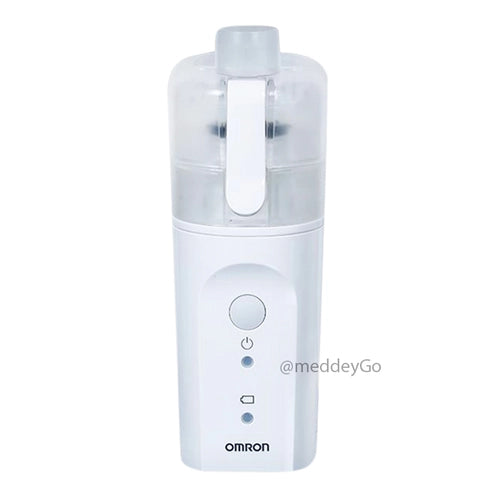

What customers say
★★★★★ 5.0 · 7 reviews
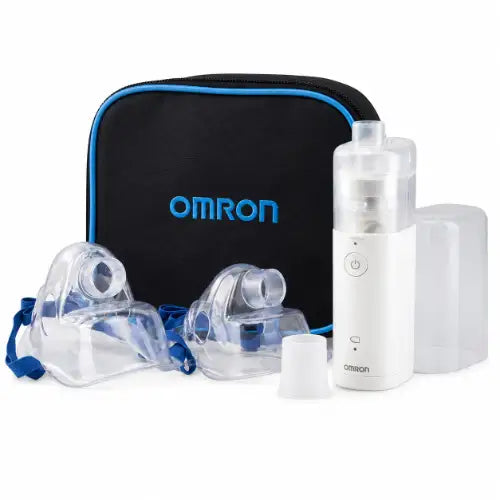
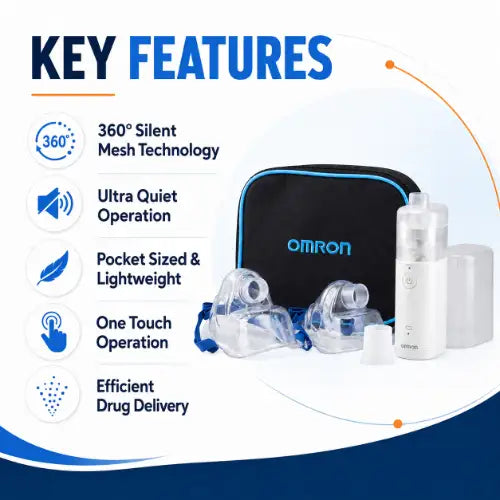
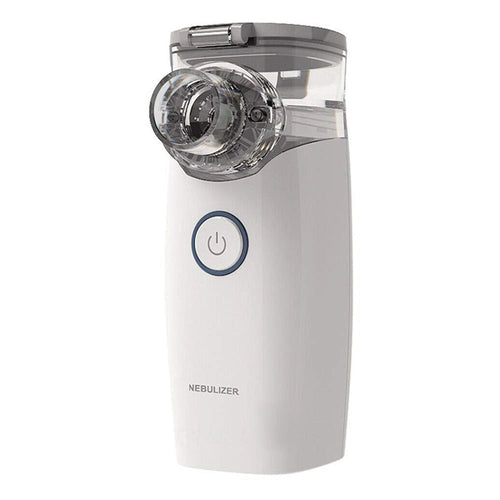
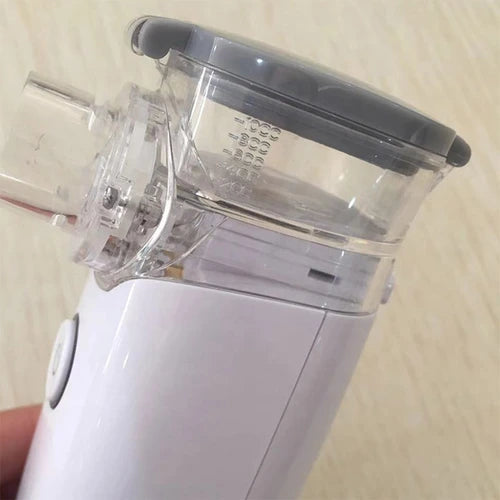
 Omron Portable Pocket Sized 360° Silent Mesh Nebulizer NE-U100
“Portable, silent, perfect for travel!”
“This is incredibly compact, silent, and provides fast, efficient nebulization on the go!”
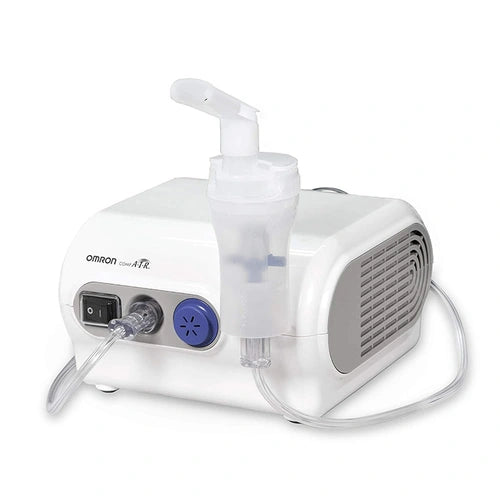
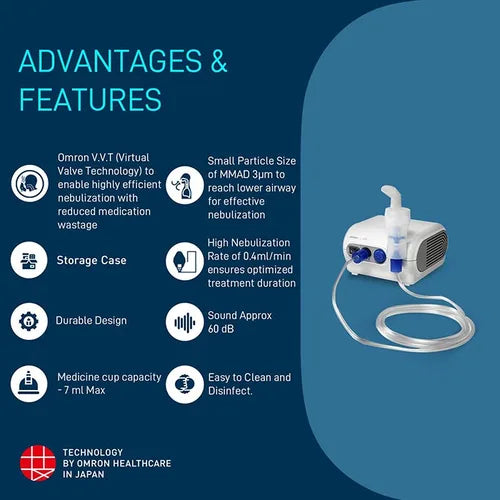
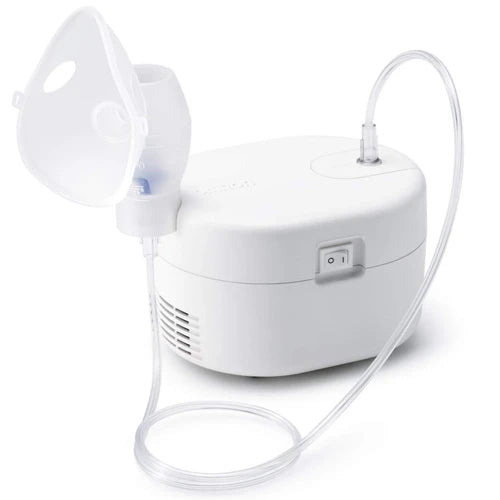
 Omron NE C28 Compressor Nebulizer With Virtual Valve Technology
“Powerful, quiet, great for treatment!”
“The Omron NE C28 Compressor Nebulizer with Virtual Valve Technology delivers fast and efficient nebulizatio...”
 Cool Mist Ultrasonic Mesh Nebulizer Nebulizer with Rechargeable Batteries
“Compact, quiet, great battery life!”
“The Cool Mist Ultrasonic Mesh Nebulizer with rechargeable batteries is compact, efficient, and perfect for ...”
 OMRON NE-U200 Durable and Reliable Portable Nebulizer
“The OMRON NE-U200 Portable Nebulizer is compact, durable, and reliable, offering efficient nebulization wit...”
Portable nebulizer: types, safe use and buying guide
Portable nebulizers are small breathing devices that turn prescribed liquid medicine into a fine mist for inhaling. They help home users take nebulization as advised by a doctor or trained professional, especially when a handheld option is not suitable.
For many Indian homes, portability matters because daily routines are busy. A compact portable unit can support use during travel, power cuts, or shared family schedules. Still, it must be used, cleaned, and stored with care.
What is a portable nebulizer and how does it work?
A portable nebulizer is a compact device used for prescribed nebulization at home or while travelling. It changes prescribed liquid medicine into mist, which the user breathes through a mouthpiece or mask.

A doctor or trained professional should decide if nebulization is needed. They should also guide the correct device type and prescribed use.
The basic idea is simple. The portable nebulizer creates mist from the liquid placed in its medicine cup. The user breathes normally through the attached part.
Portable models are made for easier carrying and storage. Some use battery power. Some need mains power but remain small enough for home use.
Medical guidance is important because portable nebulizers are not general wellness gadgets. They are part of a treatment plan. Use medicines only as prescribed.
Portable nebulizer basics for Indian home users
A portable nebulizer can be useful when a family needs a device that is easy to keep, move, and clean. It should fit the user’s breathing plan, not replace medical advice.

In Indian homes, practical needs often shape the choice. People may look for less noise, simple cleaning, compact storage, and reliable power options.
The portable unit should be easy for the user to handle. It should also be simple enough for a caregiver to assemble without confusion.
Here is a quick view of what matters:
Home need |
Why it matters |
What to check |
|---|---|---|
Easy handling |
Reduces mistakes during setup |
Clear parts and simple assembly |
Portability |
Helps during travel or room-to-room use |
Compact body and safe storage case |
Power option |
Supports use in different settings |
Rechargeable or mains-powered design |
Cleaning |
Keeps parts ready for safe use |
Maker’s cleaning manual and removable parts |
Noise |
Helps children and adults feel calmer |
Operating sound and vibration level |
Always read the maker’s manual before first use. Product designs differ, even within the same type.
Portable nebulizer types used at home
This article focuses only on two relevant types. They are the portable mesh nebulizer and the compressor (piston) nebulizer.

Both types create mist for prescribed nebulization. They do it in different ways, so the experience feels different.
A portable mesh nebulizer usually feels compact and quiet. It uses a fine mesh system to create mist from the prescribed liquid.
A compressor (piston) nebulizer uses compressed air to form mist. It may be larger than a mesh model, but many homes still choose it for regular use.
The right type depends on the user’s health plan, handling comfort, and cleaning ability. A doctor or trained professional can guide the choice.
How do mesh and compressor nebulizers differ?
A portable mesh nebulizer uses a mesh system to create mist, while a compressor (piston) nebulizer uses compressed air. This difference affects size, sound, handling, and cleaning needs.

A portable mesh model often suits users who want a smaller device. It may also feel easier to carry in a bag.
A compressor (piston) nebulizer may have more parts to place and connect. It also depends on airflow from the compressor unit.
The table below explains the practical differences:
Feature |
Portable mesh nebulizer |
Compressor (piston) nebulizer |
|---|---|---|
Mist method |
Uses a fine mesh system |
Uses compressed air |
Portability |
Usually very compact |
Portable, but often bulkier |
Sound |
Often quieter |
Usually more noticeable |
Handling |
Fewer external parts |
May include tubing |
Cleaning focus |
Mesh care needs attention |
Cup, mask, mouthpiece, and tubing care matter |
Power style |
Often rechargeable or battery-based |
Often mains-powered, with some portable options |
Do not choose by looks alone. Choose a portable model that the user can operate safely and clean correctly.

Portable nebulizer advantages and limitations
A portable nebulizer can make prescribed nebulization easier to manage at home. It can support travel, storage, and simple daily handling when chosen carefully.
The biggest advantage is flexibility. The user does not need to sit near a fixed setup every time.
Portability also helps families with limited space. A compact portable nebulizer can fit into a drawer, shelf, or travel pouch.
Noise can be lower in some portable designs. This may help users who feel uneasy around loud devices.
There are also limitations. Smaller portable models still need correct cleaning. They also need careful storage and suitable power management.
Some portable models may have delicate parts. A mesh system, for example, needs gentle handling. Rough scrubbing can damage the part.
Do not treat portability as the only deciding factor. A device must match the prescription, user comfort, and care routine.
What advantages and limitations do portable nebulizers have?
Portable nebulizers offer convenience, mobility, and easier storage. Their limits include cleaning responsibility, power dependence, part care, and the need for medical guidance.
They can help when the user travels within India. They also help when family members need a portable nebulizer that moves easily between rooms.
However, convenience does not remove responsibility. Every part that touches mist or the user needs correct care.
A portable device may also need charging. If it uses mains power, it needs a safe plug point.
Before buying, think about daily habits. A portable unit that looks convenient may not suit a user who struggles with cleaning.
When might prescribed nebulization be used?
Prescribed nebulization may be used when a doctor or trained professional decides that mist delivery suits the user’s condition. It should not be started, changed, or stopped without medical guidance.
Some users cannot coordinate well with other breathing devices. In such cases, a professional may suggest nebulization.
Some users may need a portable home unit as part of a written care plan. The plan should explain what to use and when to seek help.
Never guess the need for nebulization from symptoms alone. Breathing issues can have different causes.
If symptoms feel severe or unusual, seek urgent medical help. A portable device is not a substitute for emergency care.
Portable nebulizer and prescribed liquids
A portable nebulizer should be used only with medicines prescribed for nebulization. Never add anything based on advice from friends, videos, or general household practice.
This point matters because the device sends mist into the airways. The liquid must be suitable for that route.
Use the exact medicine and amount advised by the doctor. If the prescription is unclear, ask before using the portable unit.
Do not mix liquids unless the prescription clearly says so. Different plans can apply to different users.
Store prescribed medicines as instructed by the pharmacist or doctor. Do not rely on guesses about storage.
Can any liquid medicine be placed in a portable nebulizer?
No. Only liquid medicine specifically prescribed for nebulization should be placed in a portable nebulizer. Do not use oils, home remedies, homemade solutions, or any liquid not prescribed for that device.
This is a safety rule, not a preference. A portable nebulizer makes mist that goes deep into the breathing system.
Even familiar household substances can be unsafe when inhaled as mist. Avoid experiments completely.
If a prescribed liquid looks changed, damaged, or unclear, do not use it. Contact a doctor, pharmacist, or trained professional.
Also check whether the device type suits the prescription. Some medicines may need specific device guidance.
Portable nebulizer use at home
A portable nebulizer works well only when the setup is correct. Follow the doctor’s advice and the maker’s instruction manual every time.
Start with clean hands. Place the portable unit on a clean, dry surface before assembly.
Check that all parts are dry and correctly fitted. A loose part can affect mist flow.
Use the mouthpiece or mask as directed. The user should sit comfortably and breathe calmly.
Do not force the device if mist seems weak. Stop and check the manual for basic troubleshooting.
If the device still seems wrong, ask a trained professional or the seller’s support channel. Do not open sealed parts.
Portable nebulizer setup checklist
Use this simple checklist before each prescribed use:
Wash and dry your hands.
Use only the prescribed liquid medicine.
Check that the portable unit is clean and dry.
Fit the cup, mouthpiece, or mask correctly.
Keep the portable nebulizer on a stable surface.
Confirm the battery or power connection.
Sit in a comfortable upright position.
Keep the device away from dust and spills.
Stop if the device behaves unusually.
Clean parts as the maker’s manual advises.
A checklist helps reduce missed steps. It is especially useful when more than one caregiver helps at home.

Keep the checklist near the portable unit if needed. Simple reminders can prevent careless use.
How should portable nebulizer parts be cleaned and maintained?
Nebulizer parts should be cleaned exactly as the maker’s manual says. General respiratory device guidance also stresses cleaning, drying, and following manufacturer instructions for safe maintenance.
Cleaning matters because moisture can remain inside parts. Moist parts can become unsafe if stored carelessly.
After prescribed use, separate the washable parts as allowed by the manual. Do not wash parts that the manual says to keep dry.
Let cleaned parts dry fully in a clean place. Store them only after they are dry.

Do not wipe delicate mesh parts roughly. Do not poke the mesh with pins, cloth, or sharp objects.
Replace parts only as the maker advises. Do not invent schedules or use damaged accessories.
If tubing is present, follow the manual carefully. Some tubing may not be washable.
Portable nebulizer hygiene mistakes to avoid
Such mistakes often happen when users rush. A portable device still needs careful hygiene.
Avoid these common problems:
Leaving damp parts in a closed box.
Sharing masks without proper cleaning.
Touching the inside of the medicine cup.
Scrubbing a mesh part with force.
Washing electrical parts directly.
Using care steps not listed in the manual.
Reassembling parts before they are fully dry.
Using cracked, loose, or stained parts.
The safest habit is simple. Clean only as the maker says, then dry and store properly.
Do not copy care tips from random videos. Your device manual is the first source.
If your doctor gives extra cleaning advice, follow that advice. It should match your health needs.
Portable nebulizer storage for Indian homes
Storage affects hygiene and device life. Keep the portable nebulizer in a clean, dry place away from dust.
Indian homes can face heat, humidity, dust, and frequent travel. These conditions make storage more important.
Use the provided case if the device includes one. If not, use a clean pouch that protects the parts.
Keep the device away from kitchen fumes and bathroom moisture. Also keep it away from children’s play areas.
Do not leave the portable unit inside a parked vehicle for long periods. Heat can affect many household devices.
Store masks and mouthpieces separately when possible. This reduces contact with dust and other items.
How does a rechargeable nebulizer differ from a mains-powered one?
A rechargeable nebulizer uses an internal battery, while a mains-powered one works through an electrical socket. The choice affects travel use, charging habits, and home placement.

A rechargeable model may suit users who need mobility. It can help during short travel or when plug points are inconvenient.
However, it needs regular charging. A forgotten charge can interrupt planned use.
A mains-powered device needs a safe electrical point. It may suit homes where use happens in one fixed place.
Power cuts can affect mains-powered use. In such homes, discuss a practical backup plan with a trained professional.
Do not use unsafe adapters or damaged wires. Electrical safety is part of device safety.
Portable nebulizer travel planning
Travel within India can include dust, crowds, and long journeys. A portable nebulizer needs careful packing.
Carry the portable unit in a clean protective pouch. Keep parts separate from food, toiletries, and loose items.
Pack prescribed medicine as advised by the pharmacist or doctor. Keep prescription details with you if needed.
Before leaving home, check that the device works. Also check that required parts are packed.
For train or flight travel, keep the portable unit accessible. Do not pack it deep inside heavy luggage.

If you travel often, choose a design that feels easy to clean outside home. Portability should not make cleaning harder.
Which travel and noise features matter for portable nebulizers?
Useful travel and noise features include compact size, secure storage, easy assembly, stable power, and comfortable sound levels. These features make home and travel use less stressful.
Noise matters because some users feel anxious around loud devices. A quieter model may help them sit calmly.
Travel features should serve real needs. A small body helps only if the parts remain protected.
Look for simple assembly. Complicated parts can be harder to manage during travel.
Also consider charging. A rechargeable model should fit your travel routine.
Do not choose only by noise claims. Ask to understand the device type and maintenance needs.
Portable nebulizer noise and comfort at home
Sound levels affect user comfort. This is especially true in small rooms or shared homes.
A portable mesh nebulizer is often chosen for quieter operation. A compressor (piston) nebulizer may sound more noticeable.
Place the portable unit on a stable surface. This can reduce vibration and make use more comfortable.
Avoid using the device near loud television sound. A calm setting helps the user follow breathing instructions.
Comfort also includes mask fit and mouthpiece handling. The user should not feel rushed or forced.
If a child feels nervous, let them see the portable unit first. Explain it in simple words.
What should caregivers consider for pediatric portable nebulizers?
Caregivers should focus on doctor guidance, child comfort, correct fit, cleaning, and calm supervision. A portable nebulizer for a child should be simple, safe to handle, and easy to clean.
This section is for children at home, not for very young infants. Always follow the child’s doctor’s plan.
A child may feel scared by sound or mist. Caregivers can help by staying calm and explaining each step.
Choose parts that fit as advised. A poor fit can make the process uncomfortable.
Never turn prescribed use into a game that makes the child move too much. The child should sit safely and breathe calmly.
Clean the child’s mask or mouthpiece carefully after use. Store it separately when possible.
Portable nebulizer caregiver checklist for children
A caregiver can use this checklist for a child’s prescribed nebulization:
Confirm the doctor’s instructions first.
Use only the prescribed liquid medicine.
Check that the child is seated safely.
Use the advised mask or mouthpiece.
Keep the child calm and supervised.
Avoid distractions that cause movement.
Stop if the child seems distressed.
Clean parts as the maker’s manual says.
Store child-use parts in a clean place.
Ask a trained professional if problems repeat.
Caregivers should not change the plan alone. Children need extra care because they may not describe discomfort clearly.
Keep the device out of reach after use. Store accessories safely to avoid damage or contamination.
How do portable nebulizers compare with inhalers?
Portable nebulizers create mist for normal breathing, while inhalers deliver medicine in a handheld form. A doctor should decide which option suits the user’s condition and ability.
Some users manage well with inhalers. Others may need nebulization because coordination is difficult.
Asthma + Lung UK notes that inhalers with spacers can be easier and effective for many people, while nebulizers are used when clinically suitable.
A portable nebulizer may feel easier for users who struggle with timing. It allows normal breathing during mist delivery.
An inhaler is usually smaller and quicker to carry. But it needs correct technique.
Do not switch between devices without medical advice. The prescription and device plan should match.
Portable nebulizer buying guide for home users
Buying a portable nebulizer needs practical thinking. Avoid focusing only on size or appearance.
Start with the doctor’s advice. Ask whether a portable mesh nebulizer or compressor (piston) nebulizer suits the prescription.

Next, think about who will use it. An older adult may need larger buttons and simple handling.
A frequent traveller may prefer compact storage. A child may need calmer sound and a comfortable fit.
Cleaning should be a major decision point. If cleaning looks difficult, daily use may become careless.
Avoid brand rankings and “best” claims. The right portable model depends on the user and care plan.
Portable nebulizer buying checklist
Use this buying checklist before deciding:
Confirm the device type with a doctor.
Check if it is a portable mesh nebulizer or compressor (piston) nebulizer.
Read the cleaning instructions before buying.
See if parts are easy to assemble.
Check if the mouthpiece or mask feels suitable.
Consider sound comfort for home use.
Check power needs for your home routine.
Consider safe storage during travel.
Avoid devices with unclear instructions.
Avoid choices based only on online ratings.
This checklist keeps the decision practical. It also helps families avoid buying for the wrong reason.
If possible, ask the seller to explain basic handling. Still, use the manual as the main reference.
Portable nebulizer features that matter most
The most useful features are the ones you can manage daily. A compact body is helpful, but only when cleaning is simple.
Clear assembly matters. Parts should fit without force and come apart as the manual explains.
Stable power is also important. Choose rechargeable or mains-powered based on real home use.
Storage design matters for hygiene. A protective case or clean pouch can help keep dust away.
Noise comfort matters too. It can affect how relaxed the user feels during prescribed use.
Do not chase advanced features you do not understand. Simple, correct use is more important.
Portable nebulizer mistakes during purchase
Many people buy too quickly. They may choose the smallest device or the most attractive design.
Avoid these mistakes:
Buying without medical advice.
Ignoring cleaning steps.
Choosing only by size.
Ignoring power needs.
Buying because someone else uses it.
Trusting “one device suits all” claims.
Overlooking comfort for children or elders.
Not checking if parts are easy to handle.
A portable nebulizer should fit the user’s life. It should also fit the treatment plan.
A portable unit that is hard to clean may become unsafe. A device that is hard to assemble may be used wrongly.
Portable nebulizer safety rules at home
Safety starts before the device is switched on. Keep the portable unit clean, dry, and correctly assembled.
Use medicines only as prescribed. Do not add unprescribed liquids to the medicine cup.
Follow the maker’s cleaning manual after use. Do not invent cleaning methods.
Do not share mouthpieces or masks casually. If sharing is unavoidable, follow professional cleaning advice.
Keep electrical parts away from water. Unplug mains-powered devices before cleaning external surfaces.
Stop using damaged parts. Cracks, loose fittings, or weak connections can affect use.
Seek medical help if breathing symptoms worsen. Do not rely on the portable unit alone in urgent situations.
Portable nebulizer maintenance routine
Maintenance is not only cleaning. It also includes checking parts, storing safely, and noticing changes.
Look at the cup, mask, mouthpiece, and tubing if present. Check for cracks, stickiness, stains, or loose fits.
For portable mesh models, handle the mesh area gently. It is a key part of mist formation.
For compressor (piston) devices, keep the compressor unit dry. Do not wash the main electrical body.
If mist output seems different, check assembly first. Then check cleaning and power.
If the problem continues, ask a trained professional or service support. Do not repair internal parts yourself.
Portable nebulizer hygiene in humid weather
Humidity can slow drying. This is common in many Indian cities during monsoon.
Drying matters because stored moisture can create hygiene problems. Place cleaned parts in a clean airy spot.
Do not pack damp parts in a closed pouch. Wait until parts are fully dry.
Keep the device away from windows during rain. Dust and moisture can enter storage spaces.
In humid weather, check storage more often. A clean-looking pouch can still trap moisture.
If parts smell unusual, do not use them. Clean as per the manual and seek advice if needed.
Portable nebulizer use for elders at home
Elders may need extra support with setup. Small parts can be hard to see or hold.
Choose a portable model that the user or caregiver can assemble confidently. Avoid complicated designs if hands are weak.
A stable sitting position helps. Keep the device close enough without bending or stretching.
Large, clear controls may be easier. A simple design can reduce confusion.
Caregivers should avoid rushing elders. Calm guidance supports safer use.
If the elder feels breathless or uncomfortable, follow the doctor’s emergency advice. Do not delay help.
Portable nebulizer mouthpiece and mask comfort
Comfort affects cooperation. A poorly fitting mask can irritate the user and cause movement.
A mouthpiece may suit some adults. A mask may suit others if advised.
The choice should follow medical guidance and user ability. Do not change parts randomly.
Wash and dry reusable parts as directed. Store them in a clean container or pouch.
If a part causes discomfort, ask for guidance. Do not cut, bend, or modify it at home.
Replace damaged parts only through suitable channels. Use parts meant for the device.
Portable nebulizer and power safety
Power safety matters in Indian homes. Many homes use extension boards and adapters.
Use the charging cable or power unit meant for the portable nebulizer. Avoid damaged plugs or loose sockets.
Keep wires away from water and walking paths. This lowers the risk of spills or trips.
For rechargeable devices, charge as the manual says. Do not leave charging habits to guesswork.
For mains-powered devices, place the unit on a dry surface. Keep it away from wet hands.
If the device heats unusually, stop using it. Ask for professional support.
Portable nebulizer support during travel in India
Travel can disrupt routines. Plan ahead so the portable unit remains clean and usable.
Carry a copy of the prescription if possible. It can help during checks or medical visits.
Pack only clean and dry parts. Use separate pouches for the portable unit and accessories.
Avoid placing the device with snacks, liquids, or toiletries. Spills can damage parts.
Keep the portable unit within reach on long trips. Do not place it under heavy luggage.
After travel, inspect all parts. Clean and dry as needed before next use.
Portable nebulizer decision table
This simple table can help you think clearly before buying:
Question |
Why it matters |
Better decision |
|---|---|---|
Did a doctor advise nebulization? |
Prevents unsafe self-use |
Buy only after guidance |
Which type was suggested? |
Matches device to treatment plan |
Choose mesh or compressor type |
Who will handle cleaning? |
Hygiene affects safe use |
Pick simple, washable parts |
Will you travel often? |
Travel affects power and storage |
Prefer compact, protected design |
Is noise a concern? |
Comfort affects cooperation |
Compare sound before choosing |
Is power reliable at home? |
Power affects readiness |
Choose suitable power style |
Can the user sit safely? |
Comfort supports correct use |
Plan a stable place |
This table does not replace medical advice. It helps you prepare better questions.
Take the table to your doctor if needed. It can make the discussion more practical.
Portable nebulizer red flags during use
Stop and check if something feels wrong. A device should not be forced.
Watch for these red flags:
No mist appears after correct setup.
Mist seems suddenly weak.
Parts do not fit as usual.
The device makes unusual sounds.
The power connection feels unsafe.
The medicine cup leaks.
The user feels more uncomfortable.
Clean parts look damaged or dirty.
If symptoms are severe, seek medical help. Do not spend time troubleshooting during urgent breathing trouble.

If the device problem is repeated, ask for trained support. Do not attempt internal repairs.
Portable nebulizer myths to ignore
Myths can lead to unsafe use. A portable nebulizer is a medical device, not a household shortcut.
One myth says any liquid can be nebulized. This is wrong and unsafe.
Another myth says smaller devices need less cleaning. Every device needs care as per its manual.
Some people think quiet devices are always better. Quiet operation helps comfort, but suitability matters more.
Another myth says one family device suits everyone. Each user may need a separate plan and accessories.
Ignore claims that promise guaranteed results. No device should be sold or used with such promises.
Portable nebulizer questions to ask a doctor
A short question list can make your visit more useful. It also helps you avoid guesswork later.
Ask these questions:
Do I need nebulization at home?
Which device type suits my prescription?
Should I use a mouthpiece or mask?
What should I do if symptoms worsen?
How should I handle missed or unclear instructions?
Can I travel with my device?
When should I seek urgent medical help?
What cleaning advice should I follow with the manual?
Write the answers down. Keep them near the device if several family members help.
If advice changes later, update the note. Old instructions can cause confusion.
Portable nebulizer care summary
A portable nebulizer can support prescribed breathing care at home when used correctly. It is most useful when the device type, power option, and cleaning routine match the user’s needs.
Choose between a portable mesh nebulizer and a compressor (piston) nebulizer with medical guidance. Consider sound, travel, storage, and daily cleaning before buying.
Always use medicines only as prescribed. Follow the maker’s cleaning instructions and seek help when unsure.
A good choice is not the loudest, smallest, or most promoted device. It is the one you can use safely, clean properly, and manage confidently.
Sources used or recommended for further reading:
American Lung Association nebulizer guidance
Asthma + Lung UK nebuliser information
CDC cleaning and disinfection guidance
Explore more breathing-care products
Nebulizers
Explore Medical Collections
All Categories
Abdominal & Maternity Support

Accessories

Accu-Chek Instant Strips: Use, Compatibility, Price & Blood Sugar Testing Guide
Accu-Chek Instant Strips: Uses, Features & Complete Guide

accupuncture

Acupuncture Needles & Supplies

Advanced Physiotherapy Machines & Lumbar Physiotherapy

Airways
Alcohol Swab: Uses, Safe Use and Disposal Guide
Ambu Bag Full Form: Is There an Official Meaning?
Ambu Bag: Parts, Uses and Safety Guide
Ambu Full Form: What the Name Means and BVM Basics

Ambulance

Anatomy Models
Anesthesia Machine
You may also need
FOR YOURecommended for you
Save 25%
Save 20%
Save 15%
Save 14%
Save 29%
Save 39%