


Featured Choice
Save 10%


Save 6%



Save 29%

Save 21%

Save 12%
Save 16%

Save 6%


Save 11%


Save 21%


Save 17%


Save 17%

Save 24%

Save 5%

Save 15%


Save 33%
What customers say
★★★★★ 5.0 · 11 reviews
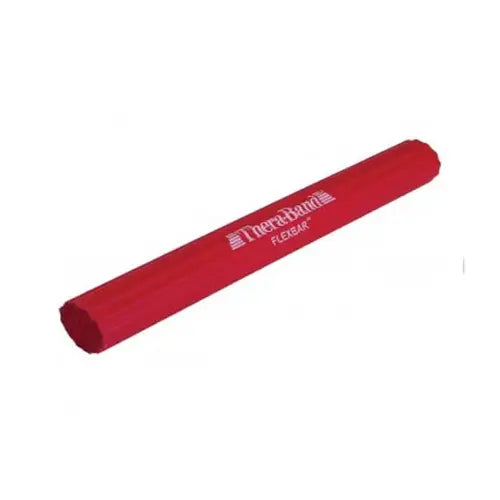
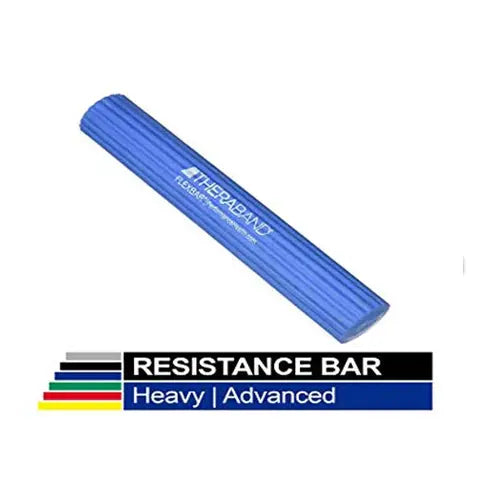
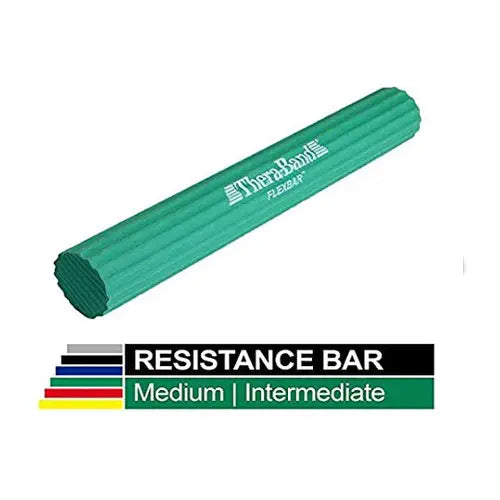
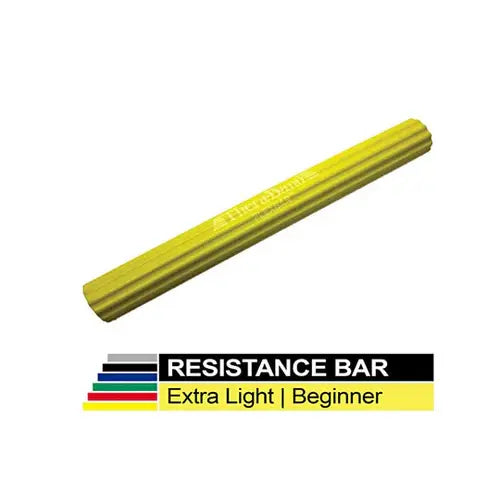
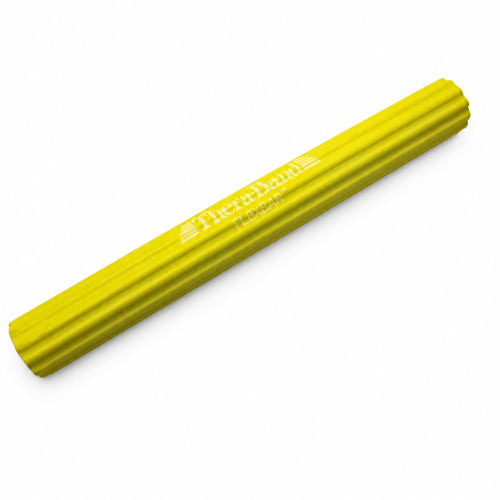
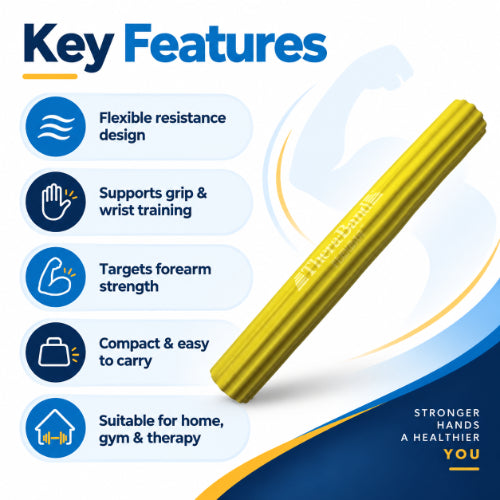
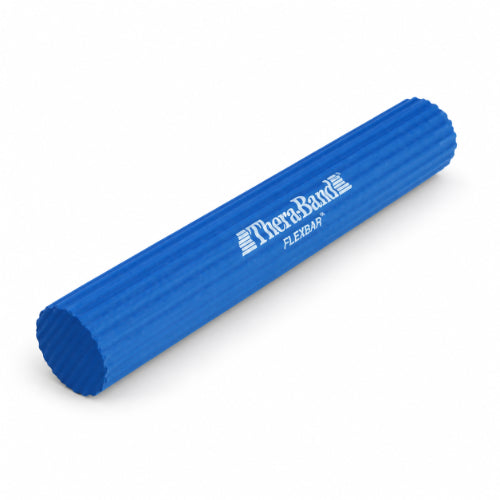
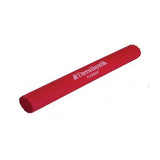 Theraband FlexBar
“Great for building strength and aiding in rehab exercises!”
“This is fantastic for improving strength and rehabilitation. It’s durable, easy to use,”
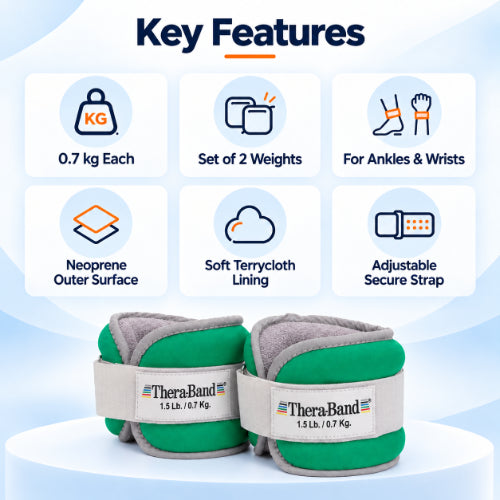
 Original Theraband Comfiort Ankle Weight 0.7Kg Green
“I have tried dozens of ankle weights, but nothing compares to these TheraBand Comfort Fit Ankle Weights! Th...”
“The Original Theraband Comfort Ankle Weight 0.7Kg Green is very comfortable to wear and perfect for light w...”
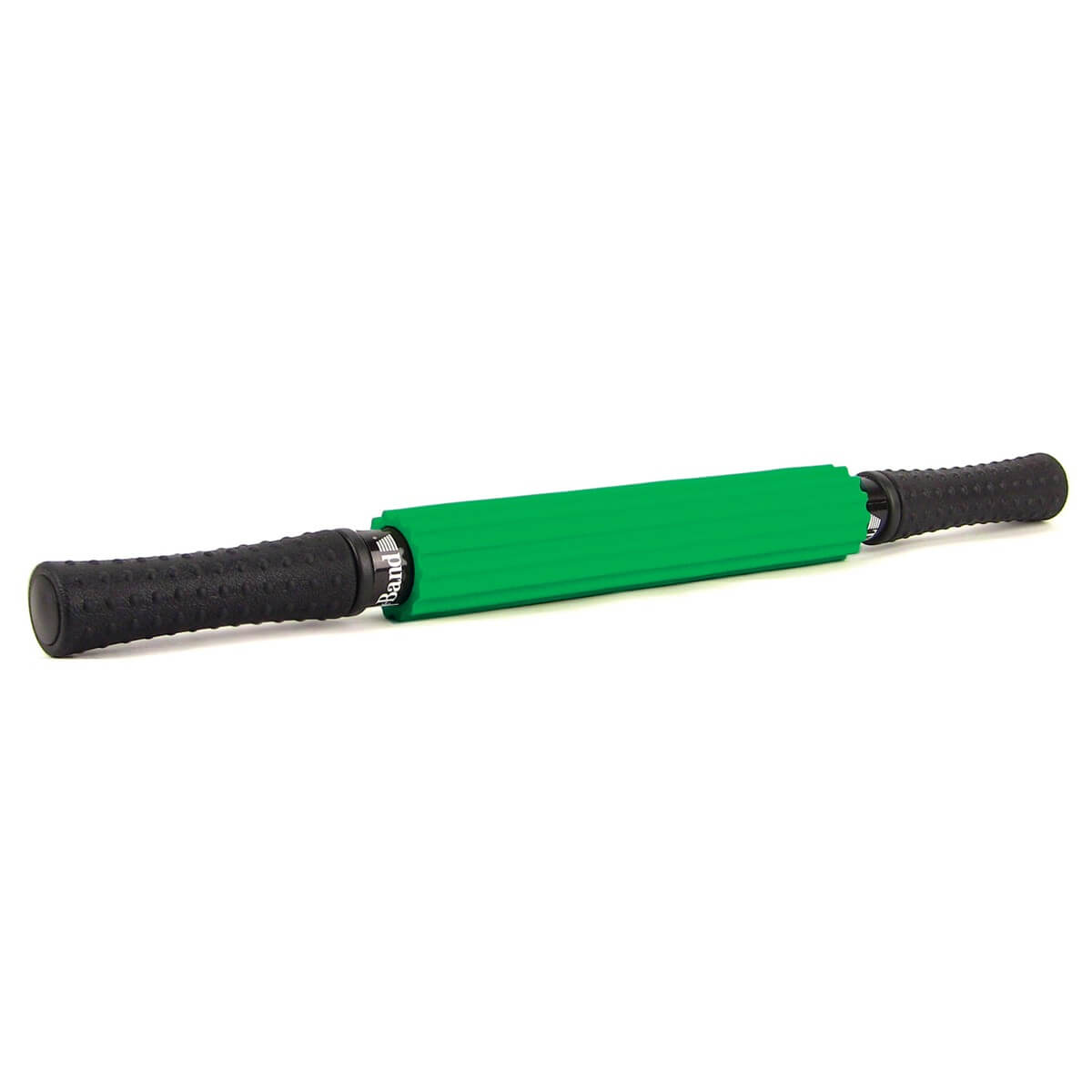
 Theraband Roller Massager
“Provides great pressure relief, easy to use for muscle relaxation!”
“This is fantastic for relieving muscle tension and improving blood circulation. It’s easy to use,”
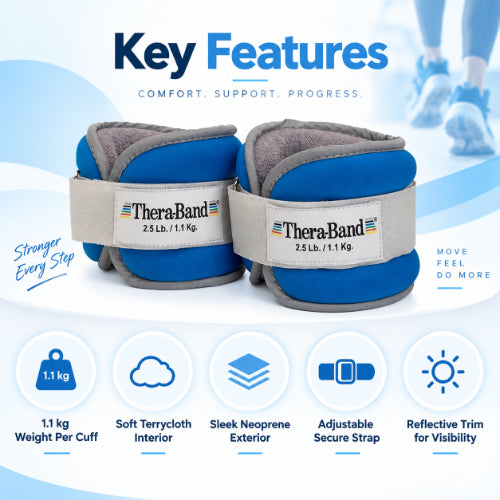
 Original Theraband Comfort Ankle Weight 1.1Kg Blue – Home Exercise Equipment
“The Original Theraband Comfort Ankle Weight 1.1Kg Blue is durable, comfortable, and provides excellent resi...”
“I’m really happy with the Original Theraband Comfort Ankle Weight (1.1Kg Blue). They’re just the right weig...”
Benefits of Using Resistance Bands for Fitness
Resistance bands are portable, affordable fitness tools that can support strength training, mobility work, stretching, warm-ups, and full-body workouts at home. They create resistance without heavy weights, which makes them useful for beginners, experienced lifters, travelers, older adults, and anyone who wants a flexible way to train. In this guide, you’ll learn how resistance bands work, why they can be effective, what types to choose, and how to build safer, more useful resistance band workouts.
How do resistance bands work?
Resistance bands work by creating elastic tension: the farther you stretch the band, the more resistance you feel. Unlike a dumbbell, which usually feels heaviest at certain points because of gravity, resistance bands challenge your muscles through tension that changes as the band lengthens. This makes them especially useful for exercises where you want control, steady movement, and a strong mind-muscle connection.
That simple tension is the reason resistance bands can fit so many goals. You can use them to make a bodyweight move harder, support an exercise that is currently too difficult, add resistance to a movement pattern, or help guide your joints through a controlled range of motion. A workout using resistance bands can be gentle and mobility-focused, or it can be challenging enough to leave your muscles seriously fatigued.
The key is choosing the right band and setting it up well. A lighter band may be ideal for shoulder warm-ups, stretching with bands, or therapy-style movements. A heavier loop band or resistance tube may be better for squats, rows, presses, and lower-body work.

Why resistance bands deserve a place in your routine
Resistance bands are popular because they remove many of the barriers that keep people from training consistently. You do not need a large home gym, a rack of weights, or a long commute to start. A few exercise bands can fit in a drawer, suitcase, desk bag, or gym backpack, which makes them easy to use during busy weeks.
They also allow you to train in multiple directions. Free weights are excellent, but gravity pulls them downward. Resistance bands can pull from the side, from behind, from above, or from below depending on where you anchor them. That creates more options for rotational work, posture-focused movements, and exercises that mimic real-life movement patterns.
Another major benefit is scalability. If you are new to exercise, a light band can help you practice form without feeling overwhelmed. If you are already strong, heavier strength bands workout routines can add serious challenge through slower tempo, longer sets, pauses, and increased band tension.
Resistance bands are also joint-friendly when used appropriately. Because they encourage controlled motion and do not require heavy external loads, many people find them comfortable for warm-ups, accessory work, and gradual strengthening. That does not mean they are risk-free, but it does mean they can be adapted to many fitness levels.
The main benefits at a glance
- Convenience: Resistance bands are lightweight, compact, and easy to store.
- Versatility: You can train legs, back, chest, shoulders, arms, core, and mobility.
- Progression: You can increase difficulty by using thicker bands, stepping farther away, slowing the movement, or combining bands.
- Accessibility: Fitness bands are useful for home resistance training, travel workouts, and gym accessory work.
- Control: Bands encourage smooth movement and constant tension when used correctly.
- Support: They can assist with movements such as pull-ups, mobility drills, and stretching positions.
Are resistance bands actually effective?
Yes, resistance bands can be effective when you use enough tension, choose the right exercises, and train consistently. Like any training tool, they work best when the muscles are challenged close enough to fatigue, the movement is controlled, and your routine progresses over time. Resistance band workouts are not automatically easy; a well-designed exercise bands workout can build strength, improve muscular endurance, support mobility, and complement other forms of training.
The mistake many people make is treating resistance bands as a casual warm-up tool only. They rush through reps, use bands that are too light, or stop long before the target muscles are working hard. If you want results, approach resistance band exercises with the same attention you would bring to dumbbells, machines, or bodyweight training.
A strong training bands workout should include major movement patterns: squat or hinge, push, pull, core stabilization, and optional isolation exercises. It should also include progression. That may mean moving from a light tube to a heavier tube, shortening your grip, increasing the stretch at the start of the movement, adding a second set, slowing down the lowering phase, or adding a pause at peak tension.
Signs your band workout is challenging enough
Use these checkpoints during a workout using resistance bands:
- The final reps feel demanding. You should be able to maintain form, but the last few reps should require focus.
- The target muscle is doing the work. If a band row mostly strains your neck, change your setup and reduce tension.
- You can control both directions. Do not let the band snap you back to the start.
- The band stays secure. Anchors, handles, and foot placement should feel stable.
- You can repeat the workout and progress it. If it is impossible to track, it is harder to improve.
What is the use of a resistance band?
The use of a resistance band depends on the goal: strength training, muscle activation, mobility, stretching, rehabilitation-style movement, warm-ups, or assistance with bodyweight exercises. Some people use resistance bands as their main training tool, while others use them to support lifting, running, sports, yoga, Pilates, or general fitness. Their biggest value is that they make resistance training more accessible almost anywhere.
For strength, you can anchor the band and perform rows, presses, squats, deadlifts, curls, extensions, and anti-rotation core exercises. Mini bands around the thighs can wake up the glutes before lower-body training. For mobility, stretching with bands can help you ease into positions with more control, especially when you need light assistance rather than force.
Resistance bands can also make hard exercises easier. A loop band attached to a pull-up bar can support part of your body weight during assisted pull-ups. Around the hips, a band can help teach a hip hinge. A band behind the back can add resistance to push-ups without requiring a weighted vest.
The best ways to use resistance bands at home
Learning how to use resistance bands at home begins with matching the band to the exercise. A small loop band is excellent for glute bridges and lateral walks, but it is not the best choice for standing rows. Resistance tubes with handles can feel comfortable for presses and curls, while long loop bands are useful for squats, deadlifts, pull-aparts, and assisted bodyweight movements.
Home resistance training also requires a safe setup. You can stand on a band for lower-body and arm exercises, loop it around a sturdy post for rows, or use a door anchor designed for resistance tubes. Avoid attaching bands to unstable furniture, sharp edges, thin handles, or anything that could move unexpectedly.
If you are new, start with simple movement patterns. Choose one lower-body exercise, one pull, one push, one core move, and one mobility drill. That gives you a balanced foundation without turning your living room into a complicated gym.
A simple home setup checklist
Before you begin any exercise using resistance bands, check the following:
- Inspect the band. Look for cracks, thinning, tears, or sticky spots.
- Clear the area. Make sure you have space to step, hinge, press, and pull.
- Test the anchor. Pull gently before performing full reps.
- Control the start position. Begin with light tension, not a loose band.
- Protect your face and eyes. Do not stretch a damaged band toward your face.
- Wear stable footwear if standing on bands. This helps prevent slipping.
- Stop if pain feels sharp or unusual. Muscle effort is expected; joint pain is not.
What are some exercises I can do at home using a resistance band?
You can do rows, squats, glute bridges, chest presses, shoulder presses, biceps curls, triceps extensions, deadlifts, lateral walks, Pallof presses, pull-aparts, and stretching drills at home using a resistance band. The best exercise to do with resistance bands is the one that matches your goal and allows you to keep steady control. Below are practical options for a full-body resistance bands routine.
Lower-body resistance band exercises
Lower-body band work can train the glutes, hamstrings, quads, hips, and calves. Mini bands are especially useful for hip and glute activation, while long loop bands and resistance tubes can create more tension for strength movements.
- Banded squat: Stand on a long band with feet about shoulder-width apart and hold the other end at your shoulders. Squat down with control, then drive through your feet to stand. Keep your chest lifted and knees tracking in line with your toes.
- Banded Romanian deadlift: Stand on the band and hold it with both hands. Hinge at the hips while keeping your back neutral, then squeeze your glutes to return to standing. This is a useful exercise with resistance tube handles or a long loop band.
- Glute bridge with mini band: Place a mini band above your knees, lie on your back, and bend your knees. Press your knees slightly outward while lifting your hips. This teaches the glutes to work without letting the knees cave inward.
- Lateral band walk: Place a mini band above the knees or around the ankles. Step sideways slowly, keeping tension in the band and avoiding a bounce. This is common in Types of resistance bands exercises focused on hip stability.
Upper-body resistance band exercises
Upper-body training with bands works well because you can pull from different angles. This makes it easy to train the back and shoulders even if you do not have machines at home.
- Band row: Anchor the band at chest height or sit with the band around your feet. Pull your elbows back, squeeze your shoulder blades gently, and return with control. Avoid shrugging your shoulders toward your ears.
- Chest press: Anchor the band behind you or wrap it around your upper back. Press forward until your arms extend, then return slowly. This can be done with resistance tubes, long bands, or a loop band held securely.
- Band pull-apart: Hold a light band in front of your chest with arms straight. Pull your hands apart until the band reaches your chest, then return slowly. This is excellent for upper-back endurance and posture-focused training.
- Shoulder press: Stand on the band and hold the ends near your shoulders. Press upward while keeping your ribs down and core engaged. Use a lighter band if you cannot press smoothly.

Arm and core resistance band exercises
Bands make curls, triceps work, and anti-rotation core drills easy to set up. These are great additions after your bigger movements.
- Biceps curl: Stand on the band and hold the handles or ends. Curl up without swinging your torso, then lower slowly. Shorten your stance or grip to adjust difficulty.
- Triceps pressdown: Anchor the band above you and press the ends downward until your elbows extend. Keep your upper arms mostly still. This is one of the easiest ways to do arm isolation at home.
- Pallof press: Anchor a band at chest height and stand sideways to the anchor. Hold the band at your chest, press your hands forward, and resist rotation. This core exercise teaches stability rather than crunching.
- Dead bug with band: Anchor a light band behind you and hold it while lying on your back. Keep tension as you move opposite arm and leg. This can add feedback and challenge to a classic core drill.
Building a balanced resistance band workout
A balanced resistance band workout should not be random. It should include enough variety to train the full body, but not so much variety that you cannot track progress. Think in movement patterns rather than collecting endless exercises.
A practical full-body structure includes one squat pattern, one hinge pattern, one pushing exercise, one pulling exercise, one core move, and one optional finisher. This covers most major muscle groups and helps avoid overtraining one area while ignoring another.
Beginner full-body exercise bands workout
Try this routine two or three times per week, leaving a day of recovery between harder sessions:
- Banded squat: 2–3 sets of 8–12 reps
- Band row: 2–3 sets of 10–15 reps
- Glute bridge with mini band: 2–3 sets of 12–15 reps
- Chest press: 2–3 sets of 8–12 reps
- Pallof press: 2 sets of 8–12 reps per side
- Band pull-apart: 2 sets of 12–20 controlled reps
Rest long enough to keep your form clean. If the workout feels too easy, do not simply rush. Instead, increase tension, slow the lowering phase, or add another set.
Intermediate strength bands workout
If you already train regularly, this strength bands workout can be used as a home session, travel workout, or accessory day:
- Banded Romanian deadlift: 3–4 sets of 8–12 reps
- Banded split squat: 3 sets of 8–10 reps per leg
- Single-arm band row: 3 sets of 10–12 reps per side
- Banded push-up or chest press: 3 sets of 8–15 reps
- Shoulder press: 3 sets of 8–12 reps
- Triceps pressdown: 2–3 sets of 12–15 reps
- Pallof press hold: 2–3 holds of 15–30 seconds per side
This kind of training bands workout is effective because it includes compound movements, unilateral work, pushing, pulling, and core stability. You can make it harder by using a thicker band or moving farther from the anchor point.
Stretching with bands for mobility and recovery
Stretching with bands can help you ease into a position gradually instead of forcing a stretch. The band acts like an extension of your arms, gives you leverage, and lets you adjust intensity in small increments. This can be helpful after workouts, on active recovery days, or during a warm-up when you want to improve movement quality.
The goal is not to pull as hard as possible. Stretching should feel controlled and breathable. If you feel pinching, numbness, or sharp pain, reduce the tension or stop.
Useful band-assisted stretches
- Hamstring stretch: Lie on your back and loop a band around one foot. Raise the leg until you feel a stretch behind the thigh, keeping the knee slightly bent if needed.
- Chest opener: Hold a light band wide in front of you and slowly move your arms overhead if comfortable. Keep the movement smooth and avoid forcing the shoulders.
- Lat stretch: Anchor the band in front of you, hold one end, and sit your hips back while reaching through the arm.
- Hip flexor support: Use a band for balance during a kneeling hip flexor stretch rather than yanking into the position.
- Ankle mobility drill: Loop a band around the front of the ankle and step into a gentle lunge pattern, keeping the heel down.
Theraband bands, light therapy bands, and thin flat exercise bands are often comfortable for mobility because they provide manageable tension. Heavier power bands can work too, but they may be too aggressive for delicate stretches.
What type of resistance bands are best?
The best resistance bands depend on how you plan to train: mini loop bands are great for glute and hip work, long loop bands are versatile for strength training, resistance tubes with handles are comfortable for pressing and pulling, and flat therapy-style bands are useful for gentle mobility and rehabilitation-style exercises. No single band is best for every person, so the right choice is usually a small set that covers light, medium, and heavy tension.
When people search for the best resistance bands, they often expect one perfect product. In practice, your training style matters more than the label. A runner may get the most from mini bands and light mobility bands. Someone focused on home resistance training may prefer long loop bands and resistance tubes. A person rebuilding basic strength may start with theraband bands or soft therapy bands.
Common types of resistance bands
| Type | Best for | Notes |
|---|---|---|
| Mini loop bands | Glute activation, lateral walks, warm-ups | Small, simple, and easy to pack |
| Long loop bands | Squats, hinges, rows, pull-up assistance | Very versatile for full-body training |
| Resistance tubes with handles | Presses, curls, rows, travel workouts | Handles can feel comfortable for upper-body work |
| Flat therapy bands | Mobility, light strengthening, stretching | Easy to grip and adjust |
| Fabric bands | Lower-body work, especially glutes | Often less likely to roll, but less stretchy |
| Figure-8 bands | Upper-body accessory moves | Compact but less versatile than long bands |
If you want only one option to start, choose a medium long loop band or a set of resistance tubes with handles. If you want the most variety, combine mini bands, one or two long loop bands, and a light flat band.

Resistance band technique for safer, better workouts
Resistance bands look simple, but technique still matters. The band should create tension through the movement you want to train, not pull your body into a poor position. If you are fighting the setup more than working the target muscle, adjust the angle, reduce tension, or choose a different exercise.
Good technique starts with posture. Keep your ribs stacked over your pelvis, brace your core gently, and avoid letting the band yank your joints. Move slowly enough that the return phase is controlled. The eccentric portion, where the band pulls you back, is often where people lose control.
Technique tips for better band training
- Start with light tension. You can always step farther away or choose a thicker band.
- Keep wrists neutral. Do not let the band bend your wrists backward during presses or curls.
- Avoid snapping. Return slowly so your muscles control the band.
- Anchor at the right height. A row from chest height feels different from a low row or high row.
- Use full but comfortable range of motion. Do not chase extra range if it causes joint discomfort.
- Match the band to the muscle group. A band that works for rows may be too heavy for shoulder rotation.
- Breathe normally. Holding your breath can increase unnecessary tension.
These details make every exercise with resistance tube handles, loop bands, or flat bands more productive. They also help you feel the right muscles instead of compensating with your neck, lower back, or wrists.
Progression without heavier gym equipment
One concern with resistance bands is progression. With dumbbells, you can move from one weight to the next. With bands, progression is still possible, but you need to be intentional.
The easiest option is to use a heavier band. However, you can also increase the difficulty by changing your stance, increasing the band stretch at the start, adding reps, adding sets, slowing your tempo, pausing at the hardest point, or combining bands. These methods make resistance band workouts more adaptable than many people realize.
Ways to make a band exercise harder
- Use a thicker band. More elastic tension usually means more challenge.
- Step farther from the anchor. This increases the starting tension.
- Shorten your grip. Holding the band lower or closer can create more resistance.
- Slow the return. Take two to four seconds on the way back.
- Pause under tension. Hold the hardest point for one or two seconds.
- Add unilateral work. Single-leg or single-arm versions often feel harder.
- Pair movements. For example, combine a squat with a press if your form stays solid.
For best results, track your workouts. Write down the band used, the exercise, reps, sets, and how hard the set felt. This turns exercise using resistance bands from random activity into a clear training plan.
Are resistance bands good for everyday fitness?
Resistance bands are excellent for everyday fitness because they support strength, movement quality, and consistency. You can use them for a short morning mobility routine, a lunchtime strength circuit, a warm-up before running, or a full evening workout. Their convenience makes it easier to stay active even when your schedule is crowded.
For general fitness, focus on repeatable routines. You do not need a new workout every day. A consistent plan of squats, rows, presses, hinges, core drills, and stretching with bands will usually serve you better than constantly changing exercises.
Is it good to use resistance bands every day?
It can be good to use resistance bands every day if the intensity and purpose vary, but hard strength sessions should still include recovery. For example, you might do a challenging resistance bands workout on Monday, light stretching with bands on Tuesday, lower-body activation on Wednesday, and another full-body session on Thursday. Daily use is not the problem; doing the same hard workout for the same muscles every day can be.
Listen to your body and adjust. Muscle fatigue is normal after challenging training, but persistent joint pain, declining performance, or soreness that never improves are signs you may need rest. Lighter mobility work, walking, or gentle activation can still keep you moving on recovery days.
A simple weekly pattern might look like this:
- Day 1: Full-body strength bands workout
- Day 2: Light mobility and stretching with bands
- Day 3: Lower-body and core focus
- Day 4: Rest or easy walking
- Day 5: Upper-body resistance band exercises
- Day 6: Short full-body circuit
- Day 7: Recovery, mobility, or rest
This kind of structure helps you use resistance bands often without turning every session into a maximum-effort workout.
Understanding the disadvantages of resistance bands
Resistance bands have many benefits, but they are not perfect. Knowing the limitations helps you train more intelligently and avoid frustration.
One disadvantage is that resistance is not as easy to measure as a dumbbell or barbell. A band may feel different depending on how far it is stretched, how old it is, and where it is anchored. This makes exact load tracking harder, especially for people who like precise numbers.
Another limitation is durability. Bands can wear out, crack, or snap, particularly if they are exposed to heat, sharp edges, rough floors, or heavy use. Regular inspection is important. Replace any band that looks damaged.
Some exercises are also awkward with bands. Heavy lower-body moves can be difficult to load enough if you are advanced, and some setups require anchors or creativity. Bands can absolutely challenge you, but they may not replace every benefit of heavy barbells, dumbbells, or machines for every goal.
What are the disadvantages of resistance bands?
The disadvantages of resistance bands include less precise load measurement, possible wear and snapping, awkward setup for some exercises, and limited maximum resistance for very strong lifters. They can also feel unusual at first because the tension changes through the movement. These drawbacks do not make resistance bands ineffective; they simply mean you should use them thoughtfully.
To manage these disadvantages, choose quality bands, inspect them often, use safe anchors, and pair bands with other training tools if your goals require heavier loading. If you only train at home, you can still make excellent progress by using multiple bands, unilateral exercises, slower tempos, and well-planned progression.
Resistance bands compared with other fitness tools
Resistance bands do not need to compete with every other training tool. They can stand alone, but they also work beautifully with dumbbells, kettlebells, machines, bodyweight training, Pilates, yoga, and athletic warm-ups. The best choice depends on the movement, the goal, and what equipment you actually use consistently.
Compared with dumbbells, resistance bands are easier to store and carry. Dumbbells offer clearer loading, while bands offer more directional freedom. Compared with machines, bands require more setup and body control, but they are far more portable. Compared with bodyweight training, bands can add or reduce difficulty depending on how they are used.
Resistance bands vs dumbbells, machines and bodyweight
| Tool | Strengths | Limitations |
|---|---|---|
| Resistance bands | Portable, versatile, affordable, easy to scale | Load is harder to measure precisely |
| Dumbbells | Clear weight progression, excellent for strength | Take more space and cost more as you expand |
| Machines | Stable and guided movement | Less portable and usually gym-based |
| Bodyweight | No equipment required | Some movements are too easy or too hard without modifications |
| Kettlebells | Great for strength and power | Require technique and dedicated space |
For many people, the best plan is not “bands versus weights.” It is bands plus whatever else supports consistency. If resistance bands help you train more often, warm up better, or add useful accessory work, they have earned their place.
Sample routines for different goals
Different goals call for different routines. The same band set can support strength, mobility, muscle endurance, travel training, or a quick home workout. Choose a plan based on what you need most right now.
Quick 15-minute home resistance training circuit
Perform the following circuit for three rounds. Rest as needed between movements.
- Banded squat: 12 reps
- Band row: 12 reps
- Chest press: 10 reps
- Lateral band walk: 10 steps each direction
- Pallof press: 8 reps per side
This routine is simple, balanced, and realistic for busy days. It includes lower body, upper body, and core without requiring much space.
Mobility-focused exercise bands workout
Use light exercise bands and move slowly:
- Band pull-apart: 12 controlled reps
- Hamstring band stretch: 30 seconds per side
- Lat stretch with band: 30 seconds per side
- Glute bridge with mini band: 12 reps
- Chest opener: 8 slow reps
This is a good option after sitting for long periods, before a workout, or on a recovery day. Keep the intensity low to moderate and focus on breathing.
Resistance belt exercise for lower body
A resistance belt exercise usually involves attaching resistance around the hips or waist to train acceleration, glute drive, or controlled lower-body patterns. At home, you can mimic the idea with a secure hip band setup, but only if the anchor is stable and the band is designed for that use. If you are unsure, choose safer alternatives such as banded squats, lateral walks, and glute bridges.
How to choose bands that match your goals
Choosing bands is easier when you begin with your actual workouts. If your main goal is stretching and shoulder mobility, you do not need the thickest power band. If your goal is full-body strength, one thin therapy band will not be enough.
Look for a set that gives you room to grow. Light bands are useful for warm-ups and smaller muscles. Medium bands work well for many upper-body and mobility exercises. Heavy bands are better for lower-body strength, assisted pull-ups, and strong pulling movements.
Buying considerations
- Tension range: Choose a set with multiple resistance levels.
- Band style: Match loop bands, tubes, or flat bands to your workouts.
- Comfort: Handles, fabric, or latex-free options may matter depending on your preferences.
- Durability: Avoid bands that feel flimsy, sticky, or uneven.
- Anchor options: Resistance tubes often pair well with door anchors.
- Storage: A small bag helps keep bands away from heat and sharp objects.
If you are sensitive to latex, look for latex-free fitness bands. If you want to travel, resistance tubes and flat bands are easy to pack. For lower-body training, mini bands and long loop bands usually offer more options.
Shop resistance bands at Meddey
Compare current resistance band options by type and price. Click any product to open its Meddey product page.
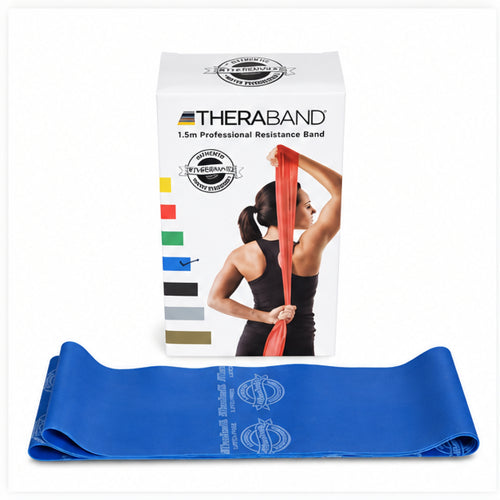
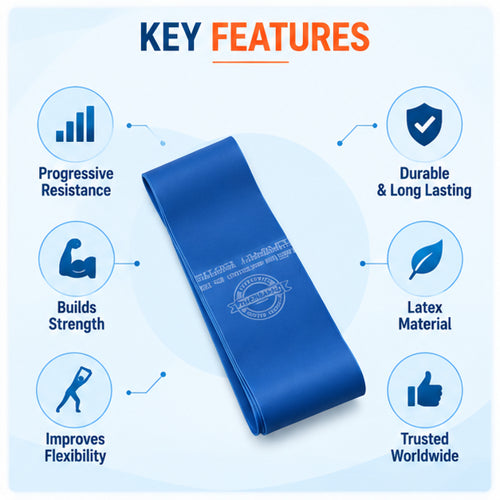
 Theraband Loop Band Set | Resistance Training Bands
₹4,249 ₹5,000
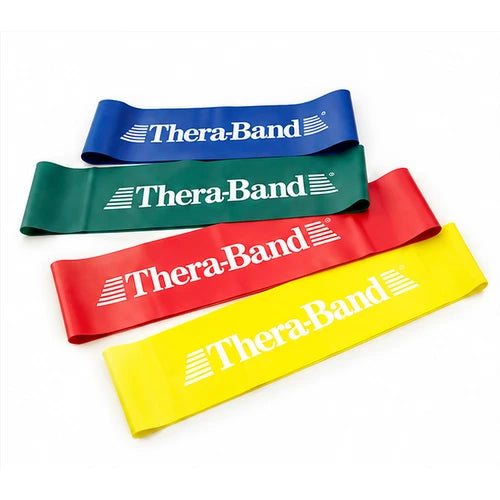
View product Theraband Loop Band Combo Yellow Red Green and Blue – Versatile Resistance Bands
₹3,949 ₹5,000
View product Theraband Set of 3 Resistance Bands | Red, Green & Blue
₹2,299 ₹2,400
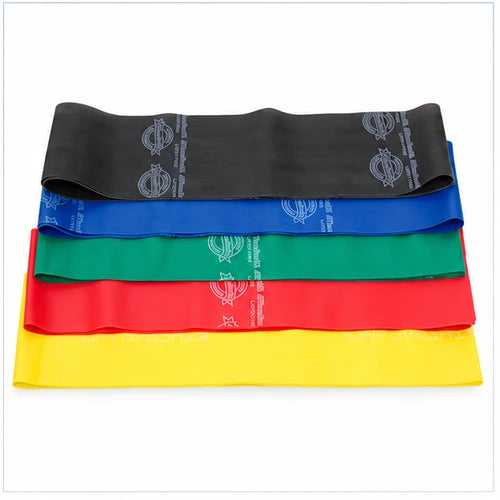
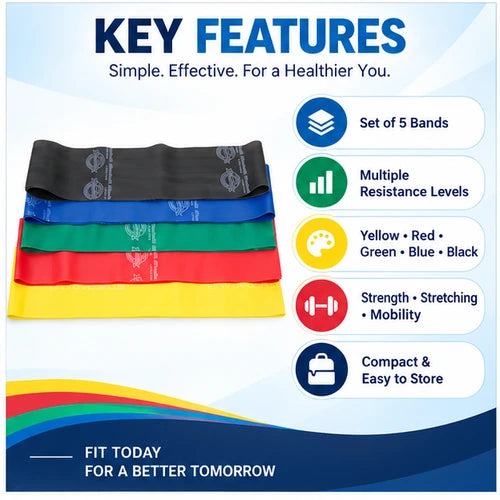
View product Theraband Set of 5 Resistance Bands | Multi-Colour Exercise Bands
₹3,999 ₹4,500
View product Theratube Medium Strength
₹1,140 ₹1,500
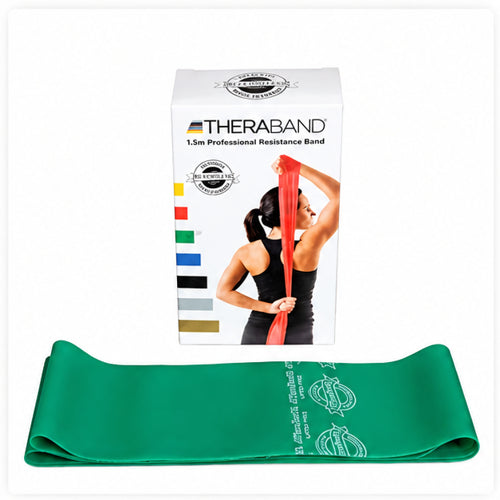
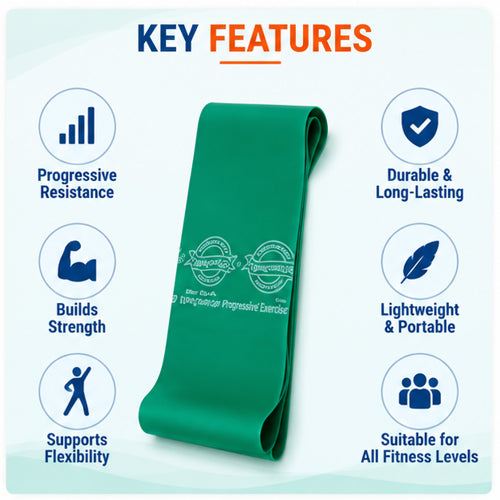
View product Original Theraband Resistive Band Latex free - Green - 1.5m from Theraband USA
₹839 ₹889
View product
Prices and offers can change. Check the live product page for the latest price and availability.
Common mistakes to avoid
Most resistance band mistakes are easy to fix. The biggest issue is poor setup: using an anchor that is not secure, choosing a band that is too heavy, or allowing the band to pull the body out of alignment. Another common mistake is moving too fast. Fast reps often reduce tension where you need it and increase the chance of losing control.
People also tend to ignore progression. They do the same routine with the same band for months and wonder why it stops feeling challenging. Your body adapts to repeated stress, so your workout needs to evolve.
Habits that hold back your resistance band results
- Using damaged bands because they “still work”
- Letting the band snap back after every rep
- Choosing heavy tension that ruins your form
- Anchoring bands to unstable objects
- Training only the exercises you like while neglecting balance
- Skipping warm-ups before intense sessions
- Forgetting to track sets, reps, and band difficulty
A good resistance band routine should feel controlled, challenging, and repeatable. If it feels chaotic, simplify your setup.
Explore the complete resistance band range
View all resistance bands
Final thoughts on using resistance bands for fitness
Resistance bands are not magic, and they are not only for beginners. They are practical tools that can support strength, mobility, endurance, warm-ups, and recovery. Whether you prefer resistance tubes, theraband bands, mini loops, long strength bands, or classic exercise bands, the real value comes from using them consistently and with purpose.
If you want to start small, choose three or four exercises: a squat, a row, a press, and a core movement. Add stretching with bands on recovery days and track your progress over time. With the right setup, resistance bands can turn almost any room into a simple, effective training space.
Frequently Asked Questions
1. How do resistance bands work?
Resistance bands work by creating elastic tension: the farther you stretch the band, the more resistance you feel. This makes them useful for exercises where you want control, steady movement and a strong mind-muscle connection.
2. Are resistance bands actually effective?
Yes, resistance bands can be effective when you use enough tension, choose the right exercises and train consistently. They work best when the muscles are challenged close to fatigue, the movement is controlled and your routine progresses over time.
3. What is the use of a resistance band?
The use of a resistance band depends on the goal: strength training, muscle activation, mobility, stretching, rehabilitation-style movement, warm-ups or assistance with bodyweight exercises such as pull-ups.
4. What are some exercises I can do at home using a resistance band?
You can do rows, squats, glute bridges, chest presses, shoulder presses, biceps curls, triceps extensions, deadlifts, lateral walks, Pallof presses, pull-aparts and stretching drills at home. Choose the exercise that matches your goal and lets you keep steady control.
5. What type of resistance bands are best?
The best type depends on how you train. Mini loop bands suit glute and hip work, long loop bands are versatile for strength training, resistance tubes with handles suit pressing and pulling, and flat therapy bands suit gentle mobility work. A small set covering light, medium and heavy tension is usually the best start.
6. Is it good to use resistance bands every day?
It can be good if the intensity and purpose vary, but hard strength sessions still need recovery. Mix challenging sessions with light mobility work, stretching and rest days instead of repeating the same hard workout for the same muscles.
7. What are the disadvantages of resistance bands?
The main disadvantages are less precise load measurement, possible wear or snapping, awkward setup for some exercises and limited maximum resistance for very strong lifters. Choosing quality bands, inspecting them often and using safe anchors manages most of these issues.
8. How can I make a resistance band exercise harder?
Use a thicker band, step farther from the anchor, shorten your grip, slow the return, pause under tension, add single-arm or single-leg work, or combine bands. Tracking your sets, reps and band colour helps you progress.
Explore Medical Collections
All Categories
Abdominal & Maternity Support

Accessories

Accu-Chek Instant Strips: Use, Compatibility, Price & Blood Sugar Testing Guide
Accu-Chek Instant Strips: Uses, Features & Complete Guide

accupuncture

Acupuncture Needles & Supplies

Advanced Physiotherapy Machines & Lumbar Physiotherapy

Airways

Ambulance

Anatomy Models
Anesthesia Machine

Anesthesia Products
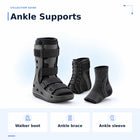
Ankle Support for Home Use: Braces, Sleeves & Walker Boots
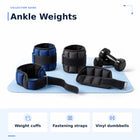
Ankle Weights & Exercise Weights for Home & Rehab

Anti-Bedsore Air Mattresses
You may also need
FOR YOURecommended for you
Save 10%
Save 6%
Save 29%
Save 21%
Save 12%
Save 16%
Save 6%
Save 11%
Save 21%
Save 17%
Save 17%
Save 24%
Save 5%
Save 15%
Save 33%