


Featured ChoiceSave 29%


Save 28%

Save 29%

Short wave diathermy: uses, machines and safety
Short wave diathermy is an electromagnetic therapy that creates controlled deep warmth in selected body tissues. It is not a home heat pad, so a doctor or trained professional should guide its medical use.
For home users in India, the main point is simple. A physiotherapist or doctor applies short wave diathermy after checking health history, safety risks, and the planned body area. The machine should not be used casually or without professional direction.
What is short wave diathermy and why does guidance matter?
Short wave diathermy uses electromagnetic energy to create controlled heating inside tissues. The warmth comes from the machine’s energy field, not from direct surface heat.
Guidance matters because the same energy can be unsafe for the wrong person. People with pacemakers, metal implants, pregnancy, or reduced heat feeling need careful screening. Safety guidance should come before any use.
Short wave diathermy works best as one part of a wider care plan. A doctor or trained professional decides whether it suits the person. A physiotherapist or doctor applies it and monitors comfort during use.
What this therapy means in simple words
Short wave diathermy is a professional physiotherapy method. It uses electromagnetic therapy to create a deep warming effect in a chosen area.
Home users should not see it as a normal household device. The machine needs safe placement, correct body positioning, and proper screening. The person applying it must know when to stop.
You may hear the words “continuous” and “pulsed.” These are general operating modes. The trained person chooses the mode, not the home user.
Short wave diathermy uses in everyday care plans
Short wave therapy may be included in care plans where controlled deep warmth is suitable. It may support comfort, movement preparation, and stiffness management.
It should not replace medical assessment. A painful area can have many causes. Some causes need testing, rest, medicines, or other advice.
The table below explains common home-user situations in plain language.
|
Home-user concern |
How short wave therapy may fit |
What you should do first |
|---|---|---|
|
Stiff muscles |
It may be used before guided movement work |
Ask a doctor or trained professional |
|
Joint stiffness |
It may support a wider mobility plan |
Share your diagnosis and health history |
|
Muscle tightness |
It may help prepare the area for supervised care |
Confirm the correct body area |
|
Ongoing discomfort |
It may be one part of a care plan |
Do not self-select settings |
|
Post-injury care |
It may be considered only when suitable |
Follow medical guidance first |
Short wave therapy does not suit every stiff or painful area. The person applying it must know the reason for use. They must also know when the machine should not be used.
Short wave diathermy machine basics at home
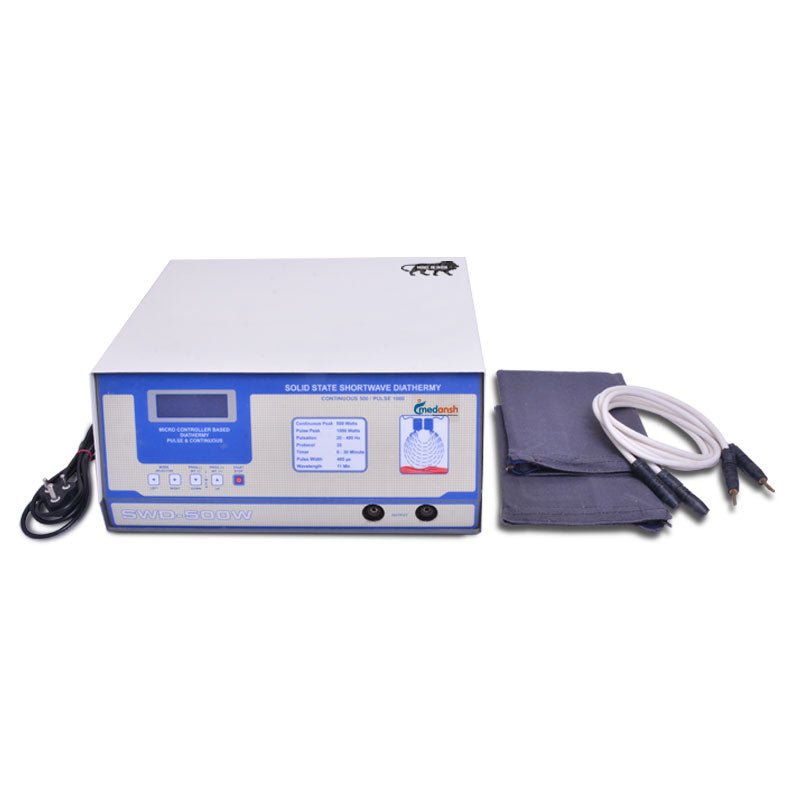
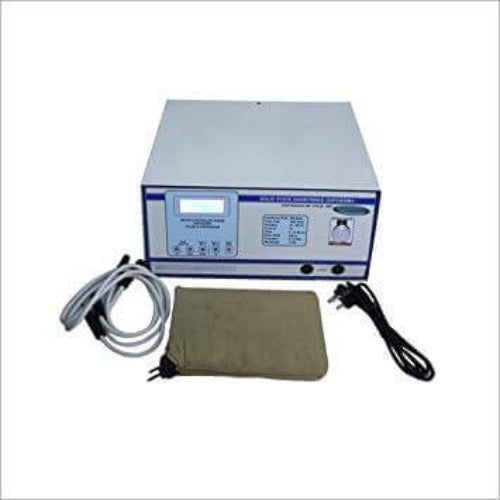
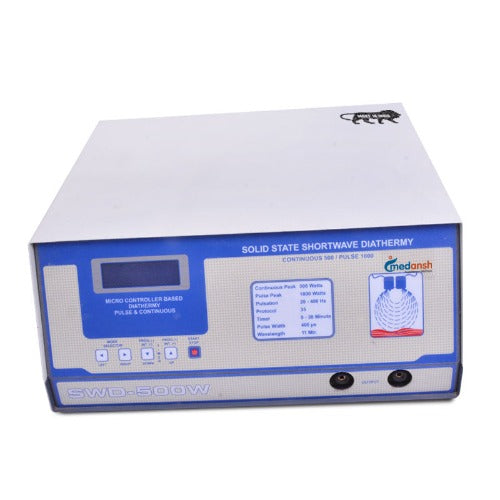
A short wave diathermy machine creates an electromagnetic field. This field can warm deeper tissues in a controlled way when applied correctly.

This machine is professional physiotherapy equipment. Speak with the treating physiotherapist before home use. Confirm the operator and the treatment plan first.
For home users, this means one clear rule. Do not buy or use a short wave diathermy machine without guidance. Ask who will apply it and where it can be placed safely.

Machine type and your advised care plan
Home users should focus only on whether this machine type is suitable for their advised care plan.
Do not compare unrelated devices when your doctor advised this therapy. The safety rules, energy type, and use method are specific. A trained professional should explain what applies to your case.
Machine descriptions can list modes and features. That information does not replace medical judgement. The safer question is not “Can I operate it?” but “Who will apply it safely?”
Electromagnetic therapy safety
Short wave diathermy is a form of electromagnetic therapy, so screening matters. The energy field can interact with metal, implanted electronic devices, and sensitive health conditions.
Safety checks should happen before use. You should share your medical history honestly. You should also mention any surgery, implant, pregnancy, unusual skin feeling, or current illness.
The trained person should check the body area before applying the therapy. Skin, sensation, comfort, and positioning all matter. Stop and ask for help if anything feels wrong.
Short wave diathermy contraindications in plain language
Short wave diathermy should not be used in some situations. These are called contraindications, but the idea is simple. If a risk is present, do not use the machine unless a doctor clearly guides you.

|
Safety concern |
Why it matters |
Simple home-user action |
|---|---|---|
|
Pacemaker |
The electromagnetic field may affect implanted electronics |
Do not use without medical clearance |
|
Metal implants |
Metal can create safety risks in the treated area |
Tell the clinician before any use |
|
Pregnancy |
Extra caution is needed due to safety concerns |
Avoid use unless a doctor advises |
|
Reduced heat feeling |
You may not sense unsafe warmth quickly |
Tell the trained professional first |
|
Open or irritated skin |
The area may need different care |
Do not apply over that area |
|
Poor circulation |
The body may not handle heat normally |
Seek medical advice before use |
|
Serious unexplained pain |
The cause must be checked first |
Get medical assessment |
Research and professional guidance commonly highlight pacemakers, pregnancy, and metal-related concerns for short wave therapy. These risks are serious enough for home users to treat them as stop signs.
Precautions before any use
Before short wave therapy, remove metal objects from the nearby area when instructed. Also share details about implants, devices, and past operations.
Do not wear wet clothing during application. Moisture and metal can increase safety risks. The person applying the machine should guide clothing, position, and comfort checks.
Keep children, pets, and uninvolved family members away from the machine during use. A home setting can feel casual. The equipment still needs professional care.

Use this checklist before you allow short wave therapy at home:
-
Confirm a doctor or trained professional has advised it.
-
Confirm a physiotherapist or doctor will apply it.
-
Tell them about pacemakers or implanted devices.
-
Tell them about metal implants or past surgery.
-
Tell them about pregnancy or possible pregnancy.
-
Tell them about numbness or poor heat feeling.
-
Remove metal items only as instructed.
-
Keep the area dry and clear.
-
Do not change any machine controls yourself.
-
Stop and speak up if you feel discomfort.
Who should apply it at home?
A physiotherapist or doctor should apply short wave diathermy, even when the machine is kept at home. Home users should not operate it by trial and error.

The trained person checks whether it suits the body area. They also choose the general mode and setup. They should monitor the person during application.
Family members should not take over. Only a physiotherapist or doctor should apply it, and medical guidance remains important. Safety depends on correct judgement, not only on pressing buttons.
Short wave diathermy modes explained without technical detail
Short wave machines may offer continuous and pulsed modes. Continuous mode gives energy in a steady way. Pulsed mode gives energy in repeated bursts.

Home users do not need to choose between these modes. A trained professional chooses the mode based on the person’s plan. Do not copy settings from another person.
The same mode may not suit every body area. Health conditions also change safety decisions. This is why professional assessment matters every time.
Machine placement at home
Short wave therapy needs a safe space. The machine should stand in a clean, dry, and stable area. The person receiving care should sit or lie as instructed.
Avoid clutter near the setup. Keep metal objects away when the trained person asks. Do not place the machine where people may trip over leads or accessories.
The person applying the therapy should check the surroundings first. They should make sure the user can speak clearly during application. They should also keep controls out of casual reach.
Comfort and communication
Short wave therapy should never feel like something you must tolerate silently. You should report unusual warmth, discomfort, dizziness, anxiety, or skin changes.
Simple communication helps the trained person act early. Say exactly where you feel the sensation. Do not wait for the session to end.
Home users should also avoid distractions. Do not sleep during application. Do not use the machine while cooking, bathing, or doing household work.
Short wave diathermy mistakes home users should avoid
The biggest mistake is self-use without guidance. This therapy is not a casual pain-relief gadget.
Another mistake is hiding medical history. A small implant, past surgery, or pregnancy detail can change safety decisions. Always share details before use.
Avoid these common mistakes:
-
Do not apply short wave therapy without medical advice.
-
Do not use it over metal implants without clearance.
-
Do not use it if you have a pacemaker unless cleared.
-
Do not use it during pregnancy unless medically advised.
-
Do not copy another person’s setup.
-
Do not change modes yourself.
-
Do not use it through wet clothing.
-
Do not ignore burning, sharp heat, or discomfort.
-
Do not treat unexplained pain without assessment.
-
Do not assume more use means better care.
Short wave diathermy buying questions for home users
Before considering a short wave diathermy machine, ask safety questions first. Product details matter less than suitability and supervision.

Buyers should speak with the treating physiotherapist and confirm who will operate the machine. That advice is important for home users.
Use these questions before making any decision:
|
Question |
Why it matters |
|---|---|
|
Has a doctor advised short wave diathermy? |
It confirms medical direction |
|
Who will apply the machine? |
It prevents unsafe self-use |
|
Is there any pacemaker or implant? |
It flags major safety risks |
|
Is pregnancy possible? |
It needs medical review |
|
Which body area is planned? |
Safety depends on the area |
|
Where will the machine be placed? |
A suitable space reduces mistakes |
|
What should make us stop? |
Clear warning signs improve safety |
A responsible purchase starts with guidance. It does not start with features, offers, or quick promises. Home care should remain careful and supervised.
Short wave diathermy for older family members
Older adults may have implants, circulation issues, medicines, or reduced skin feeling. These details make screening very important.
Do not assume this therapy is suitable because stiffness is common with age. The cause of stiffness should be checked. A doctor or trained professional should decide the plan.
Family members should help by sharing health records. Mention joint replacements, heart devices, diabetes, numbness, and past operations. Clear information supports safer decisions.
Short wave diathermy for people with implants
Implants need careful discussion before short wave therapy. Metal implants are an important safety concern. Pacemakers and other implanted electronic devices need even greater caution.
Do not guess whether an implant is safe. Do not rely on memory if you are unsure. Check medical documents and ask a doctor.
If a person has a pacemaker, short wave diathermy should be avoided unless proper medical clearance exists. Published safety discussions often treat pacemakers as a key contraindication.
Short wave diathermy during pregnancy
Pregnancy needs strict caution with short wave diathermy. Home users should not apply it during pregnancy unless a doctor gives clear advice.
If pregnancy is possible, say so before any use. Do not feel shy about mentioning it. This information protects the person receiving care.
Professional guidance and survey evidence both identify pregnancy as a major safety concern for short wave diathermy. Home users should treat it as a clear reason to pause and ask for medical advice.
Metal items near the machine
Short wave therapy requires careful handling around metal. Metal may include jewellery, watches, belts, hooks, coins, or implants.
The trained person should tell you what to remove. Do not keep metal items near the treatment area. Do not lie on metal furniture during application.
If you have metal inside the body, tell the doctor before use. This includes plates, screws, rods, joint parts, or metal-containing devices. Do not assume small metal is harmless.
Skin and sensation checks
The person applying short wave diathermy should check your skin and sensation. You should say if you have numbness, tingling, or poor heat feeling.
People who cannot feel heat well may not report unsafe warmth early. That can increase risk. This is why honest reporting matters before use.
After application, skin should be checked again if advised. Report redness, irritation, or unusual feelings. Do not apply creams or home remedies without medical advice.
Short wave diathermy expectations for home users
This therapy may support a care plan, but it should not carry unrealistic expectations. It is not a cure and should not be presented as one.
The treating clinician may combine it with advice, movement, rest, or other steps. Follow the whole plan, not only the machine part. Comfort-focused care needs consistency and sound judgement.
Avoid anyone who promises fixed outcomes from short wave therapy. Good medical care does not depend on guarantees. It depends on correct selection and monitoring.
Record keeping at home
Home users can keep a simple record without noting technical settings. Record who applied it, the body area, comfort level, and any warning signs.
This record helps during follow-up. It also helps family members notice repeated discomfort or safety concerns. Share the record with the doctor when needed.
Do not use the record to design your own plan. The record only supports communication. Medical decisions should stay with a doctor or trained professional.
Short wave diathermy warning signs to report
You should report any unusual feeling during or after application. Do not wait if something feels wrong.

Stop and ask for help if you notice:
-
Burning feeling
-
Sharp heat
-
Dizziness
-
Skin redness that concerns you
-
Numbness or tingling
-
Chest discomfort
-
Unusual anxiety
-
Pain that feels different
-
Any device-related concern
If symptoms feel serious, seek medical help. Do not restart the therapy until a doctor reviews the concern.
Short wave diathermy FAQ for home users
What is short wave diathermy?
Short wave diathermy is electromagnetic therapy used by trained professionals to create controlled deep warmth. A physiotherapist or doctor applies it after checking safety.
Can I use it by myself at home?
No, you should not use it casually by yourself. A doctor or trained professional should guide use, and a physiotherapist or doctor should apply it.
Is short wave diathermy safe with a pacemaker?
A pacemaker is a major safety concern. Do not use this therapy if you have one unless a doctor clearly approves it.
Is it safe with metal implants?
Metal implants need medical review before use. Tell the doctor about plates, screws, rods, joint parts, or any metal device.
Can short wave diathermy be used during pregnancy?
Pregnancy needs strict caution. Do not use it during pregnancy unless a doctor clearly advises it.
Does it replace medical treatment?
No, it does not replace medical assessment or advice. It may form one part of a wider plan when a doctor considers it suitable.
What should I ask before buying a short wave diathermy machine?
Ask whether a doctor advised it and who will apply it. Also ask whether pacemakers, metal implants, or pregnancy make it unsafe.
Key checklist
Use this plain checklist before you consider short wave diathermy at home:
-
Short wave diathermy uses electromagnetic therapy.
-
It should be guided by a doctor or trained professional.
-
A physiotherapist or doctor applies short wave diathermy.
-
Home users should not operate it casually.
-
Pacemakers need strict medical clearance.
-
Metal implants must be reported first.
-
Pregnancy must be reported first.
-
Do not change modes or controls yourself.
-
Keep the setup dry, clear, and supervised.
-
Report discomfort immediately.
-
Do not expect cures or guaranteed outcomes.
-
Use it only as part of a guided care plan.
Short wave diathermy final takeaway
Short wave diathermy can be useful in a professionally guided care plan, but it needs respect. Home users should focus on safety, screening, and correct application.
If a doctor has advised short wave diathermy, confirm who will apply it and where it will be used. Tell the trained professional about pacemakers, metal implants, pregnancy, and sensation problems before any use.
Sources:
-
NCBI/PMC: Shortwave diathermy contraindications survey.
-
Physiopedia: Electrotherapy contraindications.
Explore more physiotherapy machines
Physiotherapy machines
Explore Medical Collections
All Categories
Abdominal & Maternity Support

Accessories

Accu-Chek Instant Strips: Use, Compatibility, Price & Blood Sugar Testing Guide
Accu-Chek Instant Strips: Uses, Features & Complete Guide

accupuncture

Acupuncture Needles & Supplies

Advanced Physiotherapy Machines & Lumbar Physiotherapy

Airways
Alcohol Swab: Uses, Safe Use and Disposal Guide
Ambu Bag Full Form: Is There an Official Meaning?
Ambu Bag: Parts, Uses and Safety Guide
Ambu Full Form: What the Name Means and BVM Basics

Ambulance

Anatomy Models
Anesthesia Machine
You may also need
FOR YOURecommended for you
Save 29%
Save 28%
Save 29%