


Featured ChoiceSave 31%
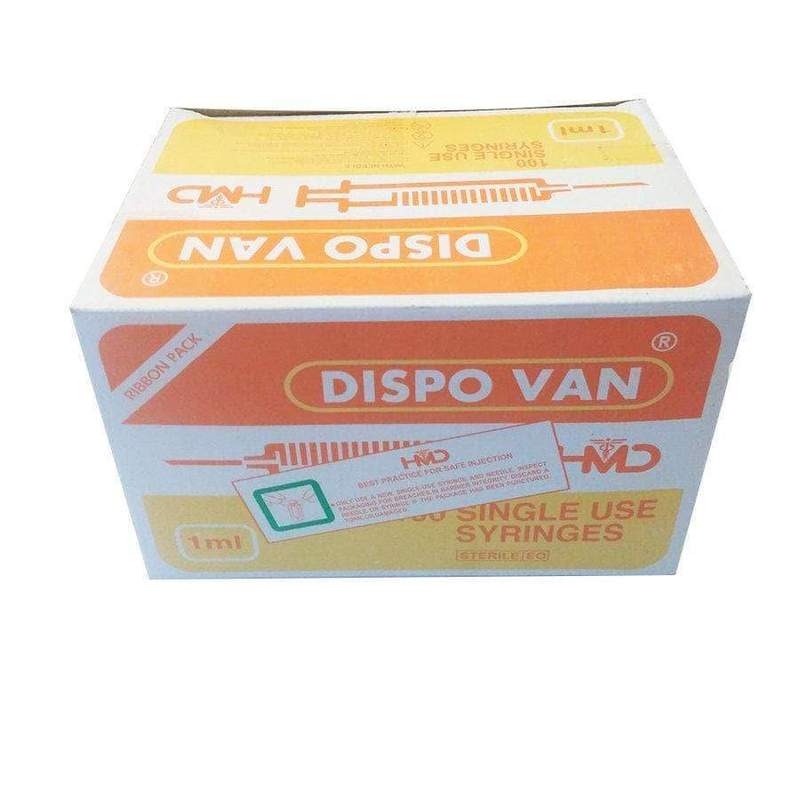
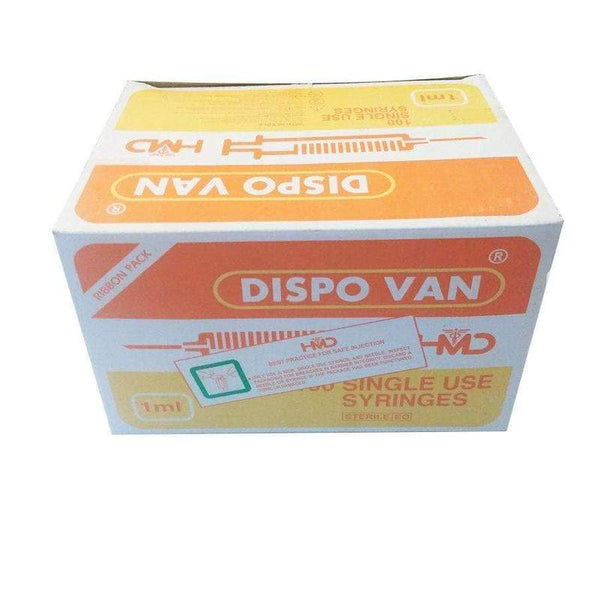
Save 37%
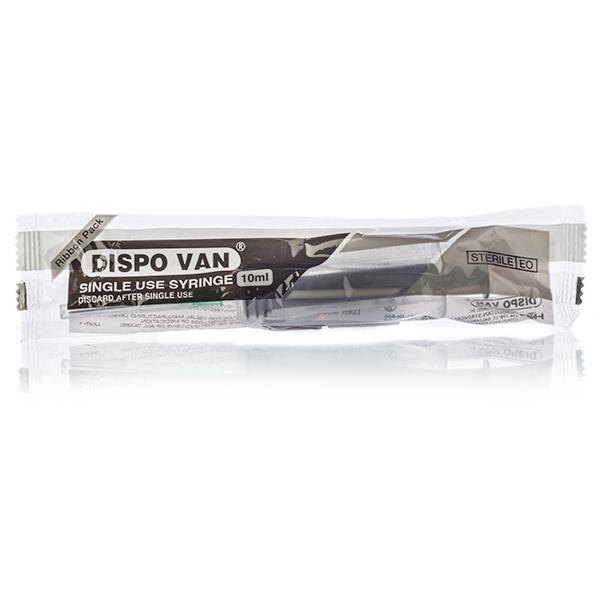
Save 26%

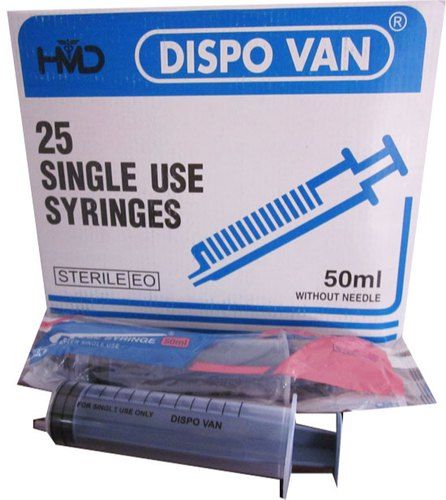
Save 26%
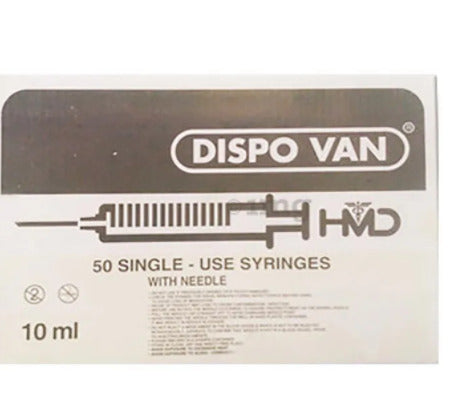
Syringes for Home Care: Sizes & Pack Options
Syringes and Needle Cutter for Home Use: 1ml, 10ml & 50ml Sizes Guide
Syringes and needle cutters for home use can be helpful for patients, caregivers, and families in India when a doctor has advised medicine that involves injections. This guide explains sizes, needle gauge, safe disposal, and cutter use in simple language, without giving dosage or injection technique advice. Always use these medical products only as advised by a doctor, and follow the medicine amount and method taught by a doctor or nurse.
Consult your doctor or pharmacist before using syringes and needles at home.
Syringes and needles are single-use only. Never share them, never reuse them, and never keep a used needle loose in a drawer, bag, dustbin, or bathroom. Unsafe reuse can spread infection, and official injection safety guidance supports using a new sterile set each time.
What is a syringe and what are its parts?
A syringe is a simple medical tool used to measure, draw, and push out a liquid. Most people use a hypodermic type with a needle, but some work without needles for oral liquids, flushing as a professional advises, or measuring non-injectable liquids at home. For home users, the most important point is that it is not a general household tool; use it only for the purpose your doctor has advised.

It may look small, but each part has a purpose:
- Barrel: This is the clear tube that holds the liquid. It usually has printed lines and numbers on the side.
- Plunger: This is the part you pull back or push forward. It moves inside the barrel and helps draw liquid in or push liquid out.
- Tip or hub: This is the front end where a needle may attach. Some people call it the tip, while the connecting part of the needle is also the hub.
- Needle: This is the thin metal part for use only when a doctor or nurse has prescribed and taught an injection. They must be sterile and single-use, and you must dispose of them safely.
- Markings: These are the lines and numbers on the barrel. They help measure the amount of liquid in millilitres, often written as mL or ml.
The barrel, plunger, tip, needle, and markings work together. The barrel holds the liquid, the markings show the amount, the plunger moves the liquid, and the tip or hub connects to the needle when needed.
Syringes with needles and syringes without needles
Not every disposable syringe comes with a needle. Some come as a complete set with a needle attached or packed separately. Others come without one, so you match them with a suitable needle or use them to measure liquids.

You may use a syringe with needle when a doctor has advised an injectable medicine and a trained person has explained the correct technique. You may use one without a needle for measuring oral liquid medicine when it suits the purpose, for feeding small measured liquids in some care situations, or for other doctor-advised home care tasks. Do not attach a needle or use it for an injection unless your doctor has clearly advised it and a trained person has taught you the method.
For families buying these products, the description may say “syringes and needles,” “disposable syringe,” or “sterile syringe.” Read the label carefully, because the same size can come with different needle options, tip types, and pack sizes.
Common syringe sizes for home users
Syringe sizes usually appear in millilitres. One millilitre is 1 mL or 1 ml. The right size depends on the amount of liquid you need to measure and the use your doctor advises.

Here are the common sizes explained in simple terms:
| Syringe size | Simple description | Common home-use purpose |
|---|---|---|
| 1 ml syringe / 1 mL | Very small, with fine markings | Often used when a very small amount must be measured accurately, only as prescribed |
| 5 ml syringe | Small to medium | Often used for small measured liquids or medicines where this size is suitable |
| 10ml syringe / 10 milliliter | Medium | Often used when a larger measured amount is needed than 5 ml can comfortably hold |
| 20 ml syringe | Larger | Used when a bigger measured volume is required for a doctor-advised home care task |
| 50 ml syringe / 50 ml | Large | Used for larger liquid volumes where a doctor or care plan specifically asks for this size |
A bigger syringe is not always better. A 50 ml syringe may be too large for measuring a very small amount accurately, while a 1 ml one may be inconvenient for a larger amount. Choose the size based on the prescribed volume and the markings you can read clearly.
1 ml syringe
A 1 ml syringe suits very small measured amounts. It usually has many close markings, so it needs careful reading. Makers design some 1 ml syringes for specific medicines or uses, so do not assume all 1 ml syringes are the same.

For home users, the benefit of a 1 ml syringe is accuracy for small volumes. The challenge is that the markings are close together, so poor lighting or rushing can cause mistakes. If you cannot read the markings clearly, ask your doctor, nurse, or pharmacist for guidance before use.
5 ml syringe
A 5 ml syringe is useful when the amount is more than a tiny dose but still not very large. It is often easier to hold and read than a 1 ml one. Many home users find this size familiar because some oral medicine measuring tools also sit around this range.
Still, a syringe should match the medicine and the purpose. Do not use a 5 ml syringe for an injection unless it is the correct sterile product and your doctor has advised it. If it is for oral liquid, keep it separate from syringes used with needles.
10ml syringe
A 10ml syringe, also called a 10 milliliter model, is a medium-size option. People commonly choose it when 5 ml is too small and a larger barrel makes measuring easier. Many people search for “What is a 10ml syringe used for?” because it is a common size in home care kits.

In simple words, it measures or transfers up to 10 ml of liquid when that size is appropriate. It may come with or without a needle, and the tip type can differ. Always check whether it is sterile, single-use, and suitable for the purpose advised.
20 ml syringe
A 20 ml syringe is larger and holds more liquid. It is not usually chosen for very small measurements because the markings may not be ideal for tiny amounts. It is more suitable when the care instruction involves a bigger measured volume.
Choose this size only when you clearly need it. If a prescription, care note, or pharmacist instruction says a smaller size is better, use that one. Accuracy matters more than convenience.
50 ml syringe
A 50 ml syringe is a large option used for bigger liquid volumes. Because it is large, it may be harder to control for small amounts. It does not replace a smaller one when you need fine measurement.

If your home care plan mentions a 50 ml syringe, confirm whether it should have a luer slip tip, luer lock tip, or another suitable connector. Also check whether you need it with or without a needle. Do not guess based only on size.
Luer slip and luer lock tips explained
The syringe tip decides how the needle or connector fits onto the syringe. Two common tip types are luer slip and luer lock. These names may sound technical, but the difference is simple.

A luer slip syringe has a smooth push-on tip. You push the needle or connector onto the tip. It is quick and simple, but it depends on a firm push fit.
A luer lock syringe has a twist-lock style tip. You twist the needle or connector onto the tip so it holds more securely. This can reduce the chance of the needle or connector slipping off during use, when used correctly.
For home users, the purpose of both tip types is to connect to the correct needle or accessory. The difference is how the connection holds: luer slip pushes on, while luer lock twists on. Choose the tip type mentioned in your prescription, care instructions, or product guidance.
Needle gauge sizes and length in plain language
Needle gauge sizes describe how thick or thin the needle on your syringes is. The confusing part is that a higher gauge number means a thinner needle, while a lower gauge number means a thicker one. For example, a 30G needle is thinner than a 23G one.
Needle length means how long the metal part is. Labels usually give length in inches or millimetres. A longer needle reaches deeper than a shorter one, but home users should not choose syringes by guesswork on length.
The right gauge and length depend on the medicine, the person, and the injection type advised by the doctor. Do not change needle gauge sizes because you think a thinner or shorter one looks more comfortable. If the one supplied seems different from what you were told to use, check with a doctor, nurse, or pharmacist before using it.
How to read a syringe?
To read a syringe, hold the barrel at eye level, look at the printed markings, and read the line that matches the front edge of the plunger stopper. Use the unit shown on the syringe, usually mL, and do not estimate between lines unless your doctor or nurse has clearly explained how to do so. If the markings are unclear, use a new syringe with readable markings instead of guessing.
Here is a simple way to understand the markings:
- Check the total size first. It may be 1 ml, 5 ml, 10ml, 20 ml, or 50 ml. The spacing of the markings changes with size.
- Look for the numbered lines. Larger lines usually show main amounts, while smaller lines show smaller steps.
- Hold it straight. Reading from an angle can make the amount look wrong.
- Read at the plunger stopper. Check the liquid level and plunger position carefully, as a professional has taught you.
- Do not use damaged markings. If the print has rubbed off, discard the syringe safely and use a new sterile one.
On a 1 ml syringe, the small lines may be very close together. The numbers on a 10ml one are usually easier to see, but it is less suitable for tiny amounts. On a 50 ml one, the markings help with larger volumes, not fine measurement.
Choosing a syringe for home use
Choosing the right syringe is mainly about matching the doctor’s instruction, not picking the most common size. A syringe that is too large may be hard to read for small amounts. One that is too small may require repeated filling, which can increase handling and confusion.

Use this checklist before buying or using syringes and needles at home:
- Size: Match the required volume. Common sizes include 1 ml, 5 ml, 10 ml, 20 ml, and 50 ml.
- Tip type: Check whether you need luer slip or luer lock. If the instruction does not say, ask before buying.
- With or without needle: Buy a version with a needle only when you need one and the exact needle type is clear.
- Sterile single-use packaging: For injections, use only sterile, sealed, single-use products. Do not use a torn, wet, opened, or expired pack.
- Pack size: Choose a pack size based on expected use and storage space. Do not buy more than you can store cleanly and safely.
- Clear markings: Pick ones with readable markings, especially for small amounts.
- Safe disposal plan: Before the first use, keep a sharps container or a safe puncture-resistant container ready.
Prices vary depending on size, pack size, tip type, and whether it comes with a needle. Avoid choosing only by price. For home medical use, sterility, correct size, clear markings, and safe disposal matter more.
Safe injection practices for families in India
Safe injection practices begin before you open the pack. Use syringes only when a doctor has advised them, and use the medicine amount and injection method taught by a doctor or nurse. This article does not provide injection steps, injection sites, or dosage instructions.
For home users, basic safety includes:
- Use a new sterile disposable syringe every time.
- Use a new sterile needle every time you need one.
- Never share syringes and needles, even within the same family.
- Never reuse a needle or syringe, even if it looks clean.
- Do not touch the tip.
- Do not use any item from damaged packaging.
- Keep all unused and used items away from children and pets.
- Dispose of used sharps immediately after use.
WHO patient safety guidance says patients and communities can support safe injections by ensuring injections are necessary and that staff open these devices from new packets. CDC guidance also supports sterile, single-use needles and syringes for injection safety.
Syringe and needle disposal at home
Syringe disposal is not just a cleanliness issue. A used needle can injure a family member, waste worker, child, or pet. It may also carry blood or medicine residue, so treat it as sharps waste.
For home users in India, the safest approach is to plan disposal before the first use. Keep a puncture-resistant container ready, preferably a proper sharps container. If a proper sharps container is not available, ask your doctor, pharmacist, local health centre, or local waste authority which container and return method they accept in your area.
Do not put loose syringes or needles in normal household waste. Do not throw used ones in open bins. Never flush them. Do not burn them at home. Do not place used medical needles and syringes in regular plastic, paper, or metal recycling.
Indian biomedical waste guidance for formal waste systems uses puncture-proof, leak-proof, tamper-proof containers for sharps, and CPCB guidance for sharps handling refers to sturdy puncture-proof containers and safe handover for treatment. Home users should follow local collection or return advice rather than trying to process sharps themselves.
Simple home disposal steps
Use these steps as general safety guidance, and follow local rules where available:

- Prepare the container first. Keep a sharps container nearby before using the syringe.
- Do not recap by hand if you were told not to. Recapping can cause needle-stick injury if done carelessly.
- Place the used syringe and needle directly into the container. Do this immediately after use.
- Keep the container closed. Store it upright, away from children, pets, and visitors.
- Do not overfill it. Stop using the container when it is around three-fourths full or as marked on the container.
- Seal and hand over safely. Follow the return or disposal advice from your local authority, pharmacy, or healthcare contact.
Syringe disposal is part of medical waste management. Even a small one needs serious handling.
Syringe recycling and what home users should know
Syringe recycling does not mean putting used syringes into the household recycling bin. Used syringes and needles can carry contamination and may injure waste handlers. They need safe collection and treatment through proper channels.
Authorised systems may handle some parts of treated medical plastic after disinfection and processing, but that is not a home activity. Home users should focus on safe segregation, safe storage in a puncture-resistant container, and proper handover. Never try to wash, cut, melt, or reuse one for recycling at home.
If someone asks whether you can recycle a disposable syringe, the practical home answer is: not in regular recycling. Treat it as medical waste after use. If it has a needle, treat it as sharps waste.
What is a needle cutter?
A needle cutter is a device that cuts or separates the needle or hub after use, so nobody can reuse the sharp part and it stays safer inside the device. It is also called a needle hub cutter, needle destroyer, syringe cutter, or cutter device in some product descriptions. For home users, it is mainly a safety tool, not a replacement for careful disposal.

A syringe hub cutter usually has a small opening where you insert the needle end. When you press or operate the cutter as per the product instructions, it cuts the hub area or separates the sharp part into an internal container. The remaining syringe body still needs safe disposal. Never reuse it.
Syringe cutter use may be helpful when a person at home uses prescribed injections regularly and wants to reduce the risk of loose used needles and syringes. However, choose it carefully and use it exactly as the product instructions say. A syringe cutter does not make the waste harmless; it only helps contain or disable the sharp part.
How does a needle destroyer work?
A needle destroyer works by cutting, breaking, or disabling the needle area, so nobody can easily reuse it. Some devices collect the cut pieces inside a sealed or semi-sealed chamber, while makers design others for specific syringe types. The exact working method depends on the model, so always read the product instructions before use.

For home users, the main idea is simple: the device separates and traps the sharp part, so it is less likely to prick someone. After cutting, the remaining syringe body is still used medical waste. Place it in the correct container or handle it as local disposal guidance advises.
CPCB-linked immunisation waste guidance describes use of a suitable syringe cutter that cuts the plastic hub area and allows the removed needle and hub to fall into a sturdy puncture-proof container. This is formal programme guidance, but it explains the basic safety idea behind a needle hub cutter.
Uses and benefits of a syringe hub cutter at home
The uses of a syringe hub cutter are mainly about needle safety tips and safer temporary storage. A cutter helps reduce the chance that a used sharp stays exposed after use. It can also help prevent accidental reuse.
A syringe hub cutter may be useful for:
- Regular home injections prescribed by a doctor: For example, when a family has a clear care plan and uses them often.
- Caregiver safety: It reduces the time a used sharp remains exposed.
- Child and pet safety: The sharp part stays trapped away from curious hands or paws.
- Cleaner waste handling: It separates the sharp part from used syringes, if the local disposal process allows that.
- Reducing reuse risk: A cut needle cannot be used again in the normal way.
Still, a syringe cutter is not a toy, not a general cutter, and not a substitute for a sharps container. Keep it in a secure place. Do not let children handle it.
Choosing a syringe hub cutter
Choose a syringe hub cutter based on safety, compatibility, and ease of disposal. Do not buy one only because it looks cheap or compact. Also avoid brand-based assumptions; read the product details carefully.

Before buying, check:
- Compatibility: It should work with the type you use at home.
- Container capacity: The internal container should suit your expected use.
- Stable design: It should sit firmly or be easy to hold safely.
- Clear operating instructions: You should understand how to insert the needle and operate the cutter.
- Safe storage: It should close securely and reduce spill risk.
- Emptying method: You should know how the cut sharps are removed or handed over safely.
- Disposal guidance: Check whether your local pharmacy, health centre, or waste collection system accepts the filled container or contents.
Prices vary depending on type, size, capacity, and features. Do not compare only on cost. A safer design that you can use correctly is more valuable than a device that is confusing.
Emptying a syringe cutter safely
Emptying a syringe cutter needs care because the contents from used syringes are sharp. Follow the manufacturer’s instructions first. If the product says the container is not meant to be opened by the user, do not open it.
If your device is designed to be emptied, use these general safety points:
- Do not empty it near children, food, or open household surfaces. Choose a controlled area.
- Do not put your fingers inside the cutter or container. Cut pieces can still injure you.
- Tip the contents carefully into an approved sharps container if instructed. Avoid shaking or forcing stuck pieces.
- Close the receiving container immediately. Keep it upright and away from children and pets.
- Wash hands after handling the outer device. Do not wash or reuse the cut pieces.
- Follow local handover rules. Ask your local pharmacy, doctor’s contact point, or municipal authority about safe disposal options in your area.
If the cutter is full, damaged, jammed, or leaking contents, stop using it. Place it in a safe secondary container if needed and ask for disposal advice.
A simple buying guide for syringes and syringe cutters
Many home users search “Where can I buy a 10 mL syringe?” or similar questions because they want a quick answer. In India, syringes are commonly available through pharmacies, medical supply stores, and online medical supply sellers. Buy only from reliable sellers and check the packaging before use.


When buying, remember this simple list:
- For a 1 ml syringe: Choose clear markings and the exact type advised.
- With a 10ml syringe: Check whether it is a luer slip or luer lock type and whether a needle is included.
- When using a 50 ml syringe: Confirm the purpose, tip type, and whether it is meant to be used with or without a needle.
- For needles: Match the gauge and length advised by your doctor or nurse.
- For a syringe cutter: Check capacity, compatibility, and disposal method.
- To dispose safely: Buy or arrange a sharps container before use.
Do not buy loose, unpacked, unsealed, or visibly damaged syringes. For injections, both should be sterile and single-use. If you are unsure, ask a pharmacist or your doctor before using the product.
Key takeaways for safer home use
Syringe safety is not difficult, but it does require attention. The most common mistakes are using the wrong size, reading markings incorrectly, reusing a syringe, and delaying disposal. These mistakes are avoidable with a simple plan.
Keep these points in mind:
- Use syringes only as advised by a doctor.
- Medicine amount and injection technique must come from a doctor or nurse.
- Syringes and needles are single-use only.
- Never share or reuse syringes and needles.
- Choose the size based on the measured amount and the advised use.
- Understand luer slip and luer lock before matching needles or connectors.
- Needle gauge means thickness; a higher number is thinner.
- Do not guess needle length.
- Use a sharps container or approved puncture-resistant container for used sharps.
- A cutter can improve safety, but it does not remove the need for proper disposal.
Used syringes, needles, and cutter contents are part of home medical waste management. Treat them carefully from the moment they are used until final handover.
FAQ
What is a 1 mL syringe used for? It suits very small measured amounts when accurate measurement is important. Use it only for the medicine or purpose advised by your doctor.
What is a 10ml syringe used for? A 10ml syringe measures or transfers up to 10 ml of liquid when that size is suitable. It may come with or without a needle, so check the product before buying.
Where can I buy a 10 mL syringe? In India, you can usually buy one from a pharmacy, medical supply store, or reliable online medical seller. Choose sterile, sealed, single-use products and check the tip type before use.
Questions on syringe cutters
What is a needle cutter? It is a device that cuts or separates the used needle or hub area after use. It helps reduce exposed sharps and lowers the chance of accidental injury or reuse.
How does a needle destroyer work? It disables the needle by cutting, breaking, or trapping the sharp part inside a container. The remaining syringe and the collected sharps still need safe disposal.
What are the uses of a syringe hub cutter? It separates the used needle area and contains the sharp waste more safely. It is useful for home users who regularly use doctor-prescribed syringes and needles.
How to read a syringe? Hold it at eye level and read the marking that lines up with the plunger stopper. Use the mL markings and do not guess if the lines are unclear.
Questions on syringe safety and disposal
Are syringes and needles reusable? No. Syringes and needles are single-use only. Never reuse or share them.
Can I put used syringes in household waste? Do not put loose syringes or needles in household waste. Place them in a sharps container or approved puncture-resistant container and follow local disposal advice.
Can I do syringe recycling at home? No. Used syringes should not go into normal home recycling because they may injure waste handlers or carry contamination.
How do I choose between luer slip and luer lock? A luer slip tip uses a push-on connection, while a luer lock tip uses a twist-lock connection. Use the type advised in your prescription, care note, or product instructions.
What needle gauge size should I choose? Choose needle gauge as your doctor or nurse advises. Do not change gauge size on your own because thickness and length affect safe use.
Explore Medical Collections
All Categories
Abdominal & Maternity Support

Accessories

Accu-Chek Instant Strips: Use, Compatibility, Price & Blood Sugar Testing Guide
Accu-Chek Instant Strips: Uses, Features & Complete Guide

accupuncture

Acupuncture Needles & Supplies

Advanced Physiotherapy Machines & Lumbar Physiotherapy

Airways

Ambulance

Anatomy Models
Anesthesia Machine

Anesthesia Products
Ankle Support for Home Use: Braces, Sleeves & Walker Boots
Ankle Weights & Exercise Weights for Home & Rehab

Anti-Bedsore Air Mattresses
You may also need
FOR YOURecommended for you
Save 31%
Save 37%
Save 26%
Save 26%