


Featured ChoiceSave 43%
Save 8%

Save 25%
Save 15%
Save 9%
Save 21%

Save 47%

Save 7%
Save 50%
Save 63%
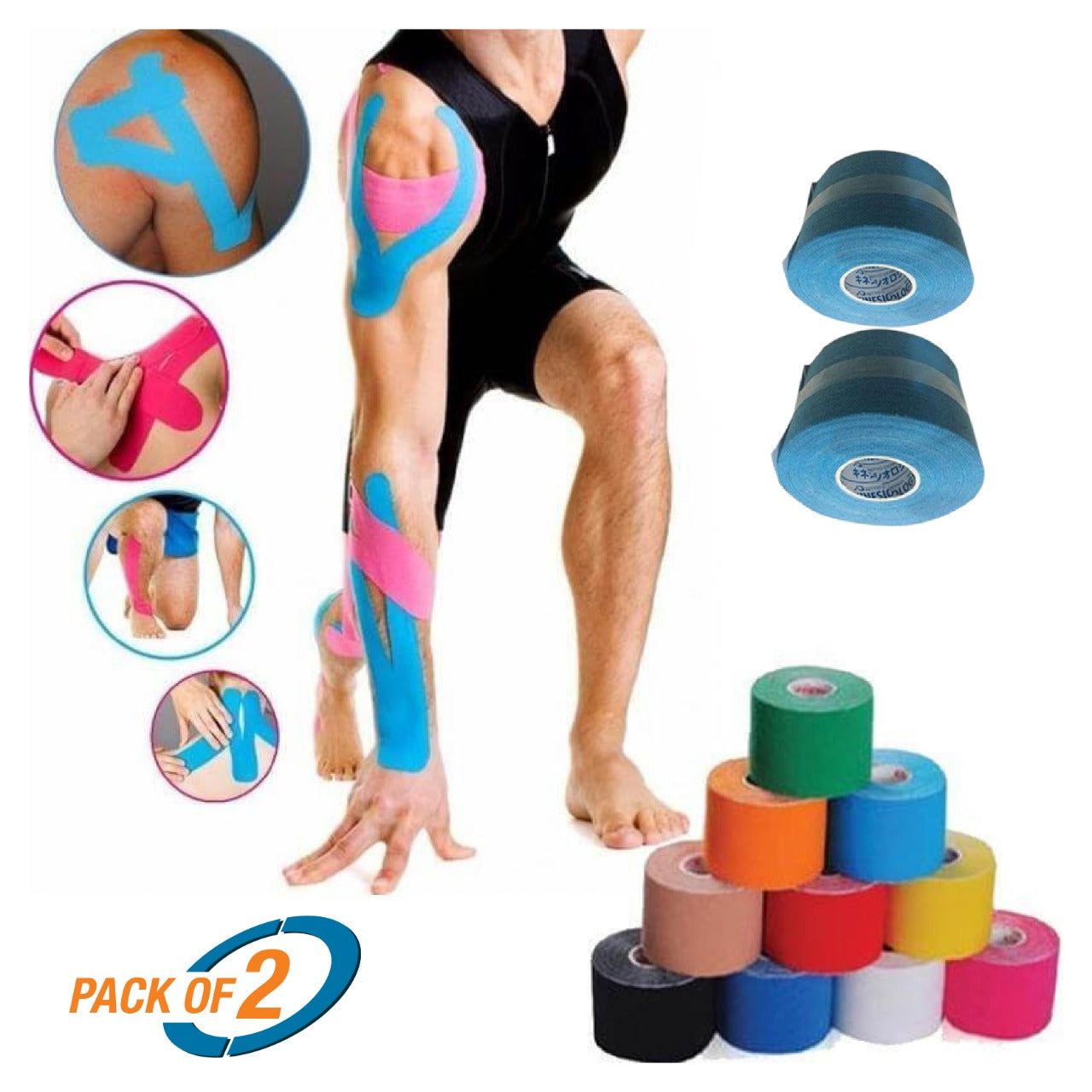
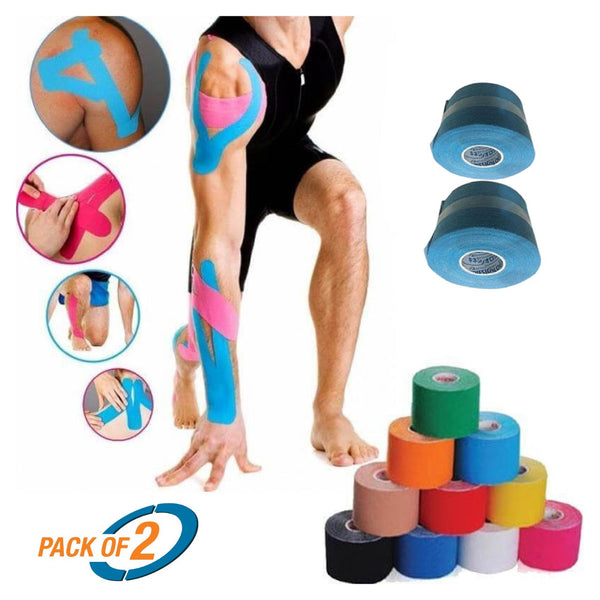
Save 23%
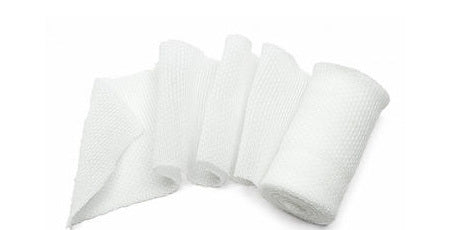
Medical Tape & Bandages for Wound Care & Support
Medical Tape & Crepe Bandage: Types, Uses & Guide
Medical tape and crepe bandages are common medical first-aid items in many Indian homes. They help families keep a dressing in place, add light support as advised, or manage basic home care after a doctor or nurse has shown what to do. This guide explains the main bandage types, medical tapes, padding, and buying points in simple words, so you can stock your home first-aid box with more confidence.
Consult your doctor or nurse before using medical tape or bandages on a wound or sensitive skin. Stop use and ask for advice if redness, itching, or rash appears.
This article is for family use at home. It does not replace medical advice. Bandage use, tightness, and duration should always follow doctor or nurse advice.
What should every Indian home know before buying medical tape and bandages?
Every home should know that medical tapes and wound dressings are not all the same. Some are sticky, some are stretchy, some are soft, and some are firm. The right choice depends on skin type, body part, breathability, stretch, and how strong the adhesive needs to be.

In a typical Indian home, the first-aid box may sit in a kitchen shelf, bedroom drawer, scooter box, or travel bag. Heat, dust, and humidity can affect medical tape and other adhesive items. So it is wise to keep them sealed, dry, and away from direct sunlight.
Medical tape is often used to hold gauze or a medical dressing in place. People may use rolled gauze or medical tape to hold a medical dressing, and wraps should not be too tight. Medical sources also warn that tight wraps can cause circulation problems, so families should watch for warning signs.
Keep this simple rule in mind: if the skin looks worse, the wrap feels too tight, or the person feels numbness, swelling, colour change, or increased pain, remove the bandage and seek medical advice. Do not use medical tape on broken, infected, or fragile skin without medical advice. NHS patient guidance for compression wraps also tells patients to check for tingling, numbness, colour change, coldness, and swelling.
The main home-use categories
Before choosing a product, understand the broad groups. This will help you avoid buying only one item and expecting it to do every job.

Common home bandage types include:
- Medical tape: Sticky strips used to secure medical gauze, dressing pads, tubing, or light coverings.
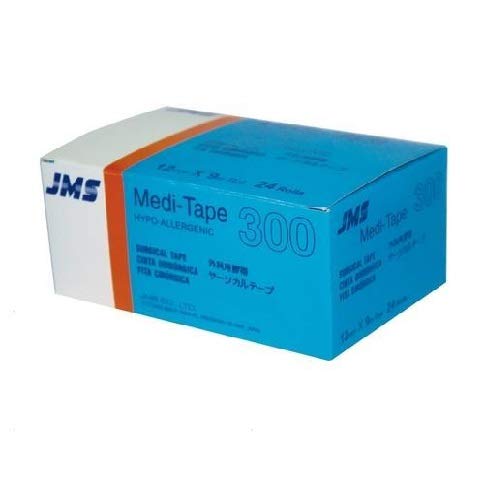
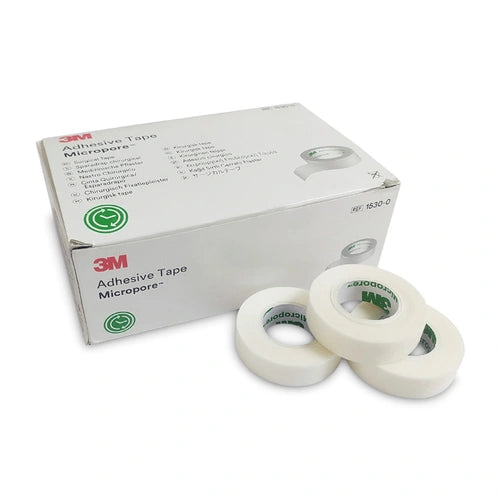
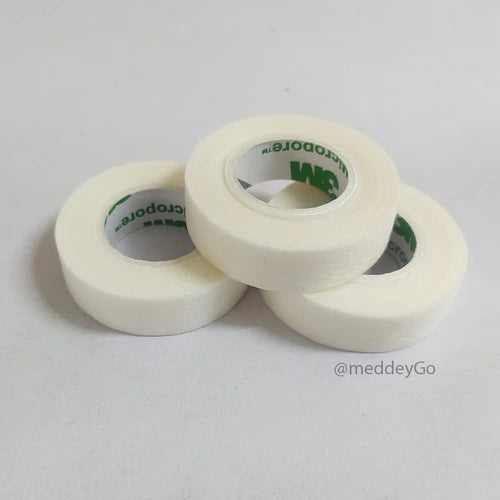
- Micropore medical tape: A paper-based medical tape that is light, breathable, and often chosen for delicate skin.
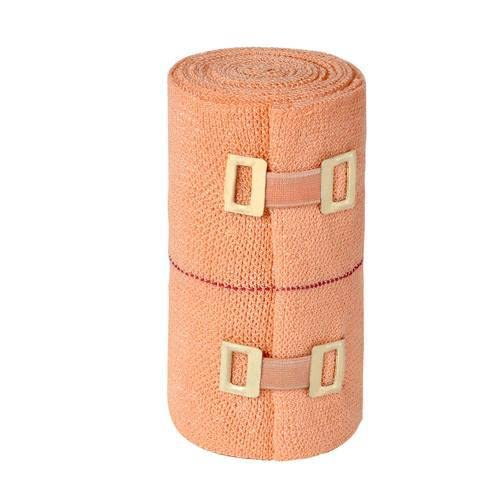
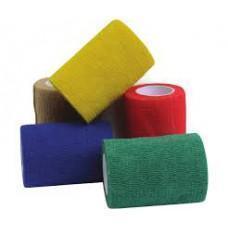
- Crepe bandage: A woven, stretchable bandage used for gentle compression or support when advised.
- Elastic bandage: A stretch bandage that usually gives more controlled compression than a basic cotton bandage.
- Cotton bandage: A soft cloth bandage used to hold dressings or cover an area without strong compression.
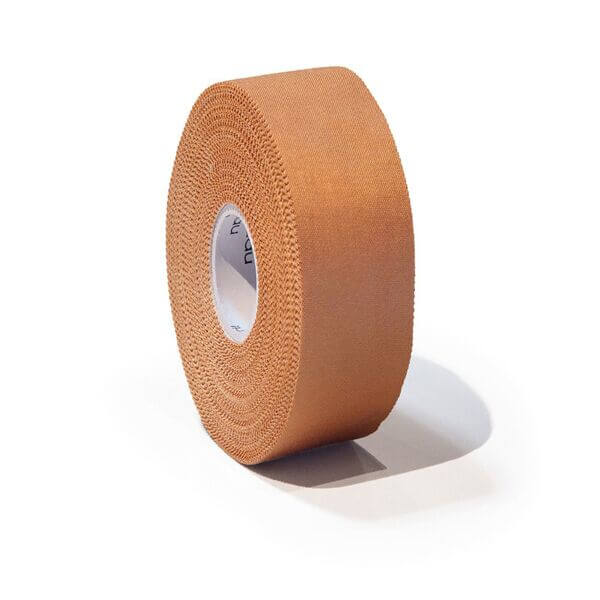
- Rigid tape: A firm medical tape with little or no stretch.
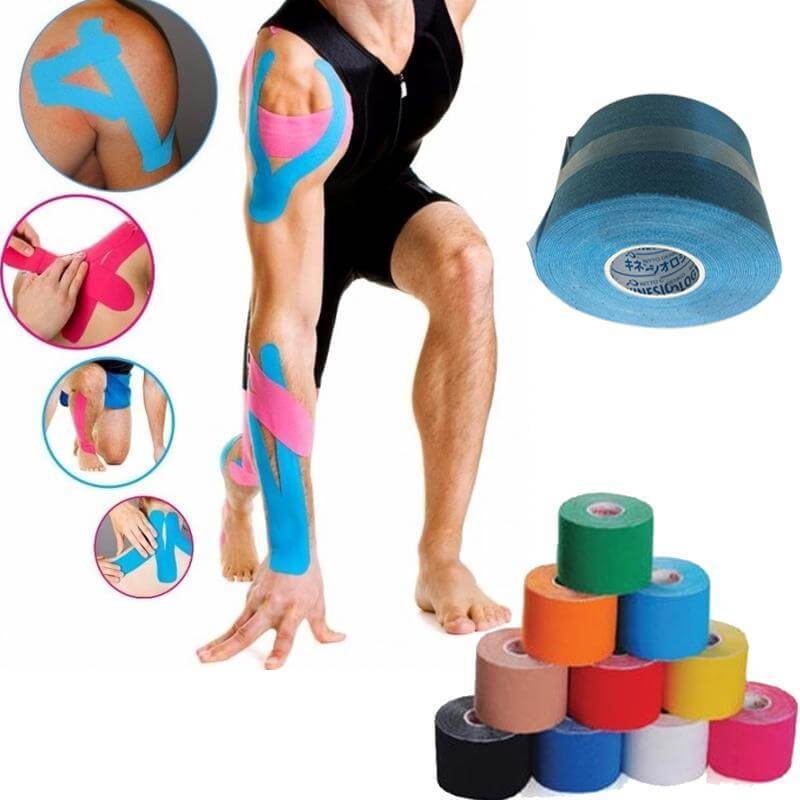
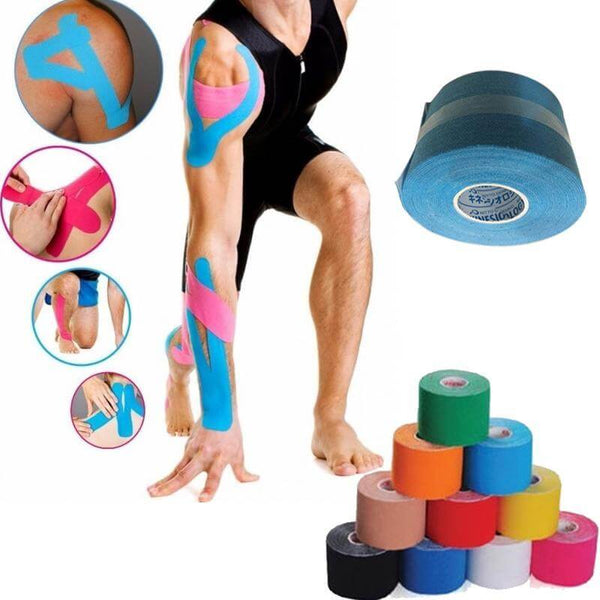
- Kinesiology tape: A stretchy medical tape used on skin when recommended for specific support needs.
- Adhesive bandage: A small ready-to-use pad with sticky sides, often used for minor household cuts after cleaning.
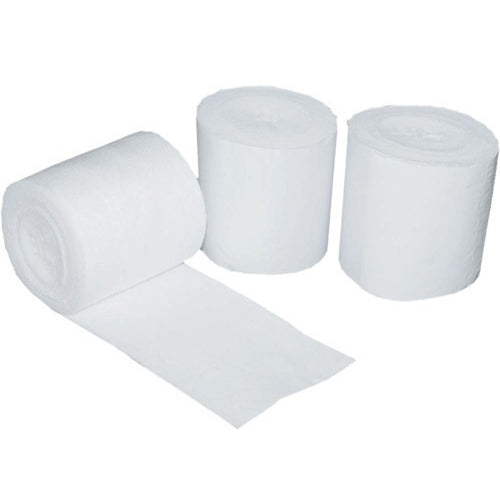
- Cast padding: Soft padding placed under a cast or splint by trained people.
- Tape removal spray: A spray that helps loosen medical adhesive from skin.
Do not wrap bandages too tightly. Remove the bandage if numbness, swelling, colour change, or increased pain occurs. Do not use medical tape on broken, infected, or fragile skin without medical advice.
Micropore paper tape is gentle, breathable medical tape
Micropore tape, also called micropore medical tape or paper tape, is a light medical adhesive tape. Makers usually use paper or non-woven paper-like material with a gentle adhesive. It is different from cloth medical tape because it tears easily by hand and feels lighter on the skin.


Many families choose it as medical tape for sensitive skin. It is useful when you need to hold a medical dressing in place without strong grip. It is also a common choice for children, older adults, and people who do not like thick medical tape.
Micropore medical tape is usually available in narrow, medium, and wide rolls. Common widths may include small rolls for fingers or face areas, medium rolls for arms, and wider rolls for larger dressings. Roll length can vary, so check the pack before buying.
Buying points for micropore medical tape
Choose micropore medical tape by looking at these points:
- Skin type: Pick a gentle, hypoallergenic medical tape if the person has sensitive skin. Still, test on a small area first.
- Stretch: Micropore medical tape has very little stretch. It is not meant to act like an elastic bandage.
- Breathability: Paper medical tape is usually breathable, which can feel more comfortable in warm Indian weather.
- Adhesive strength: It gives light to moderate hold. It may not stay well on oily, sweaty, or very hairy skin.
- Width: Narrow rolls suit small medical dressings. Wider rolls suit larger pads.
- Removal: Remove slowly. Hold the skin down while peeling the medical tape back.
Do not place micropore medical tape directly on broken, infected, or fragile skin unless a doctor or nurse has advised it. If redness, itching, burning, or rash appears, stop using it and ask for medical advice.
Crepe compression bandages are stretchable and reusable
A crepe bandage is a woven stretch bandage. Makers usually use cotton, cotton blend, or similar yarn with elastic threads. It is different from medical tape because it is not usually sticky across its full length. You wrap it around a body part and fix it with clips, medical tape, or a self-fixing end, depending on the type.

Many Indian families keep a crepe bandage at home for basic support when a doctor or nurse has already explained how to wrap it. A crepe bandage for ankle use is common in home first-aid boxes, but the tightness and duration should follow medical advice. A crepe bandage is not a cure, and it is no replacement for proper care.
Crepe bandages come in different widths. Narrow rolls may suit smaller areas, while wider rolls may suit larger areas such as the knee or thigh. Length also varies, and longer rolls give more coverage.
What is a crepe bandage used for?
People use a crepe bandage for light compression, support, or holding a medical dressing in place when a doctor or nurse advises it. It can help keep a covered area neat and secure during basic home care. Do not wrap it too tightly, and do not use it for longer than advised.
When wrapping, the pressure should feel firm but not harsh. Fingers or toes near the wrap should stay warm and normal in colour. If there is numbness, swelling, colour change, or increased pain, remove it and seek advice. Patient guidance from NHS services gives similar warnings for compression wraps and bandages.
Buying points for crepe bandage
Look for:
- Material: Cotton-rich crepe feels soft and breathable. Blended types may feel stronger or more elastic.
- Stretch: Check whether the stretch feels mild or firm. Too much stretch can make it easy to wrap too tightly.
- Breathability: A breathable weave is useful in hot and humid weather.
- Adhesive strength: Most crepe bandages are not adhesive. Check if the pack includes clips or a fixing method.
- Width and length: Choose width by body area. Choose length based on coverage needed.
- Wash care: Some crepe bandages are reusable. Wash only if the pack says it is washable.
Elastic compression bandages give firmer stretch
An elastic bandage is a stretch bandage made with elastic fibres. It is similar to a crepe bandage, but it may feel more springy and may give firmer compression. It is not the same as micropore medical tape because it wraps around the body part instead of sticking like tape.
Use elastic compression bandages at home only when a doctor or nurse has explained the method. They can be useful when a family needs a bandage that stretches evenly and stays in place better than a plain cotton bandage. Still, the main safety rule is the same: do not wrap too tightly.
Elastic bandages come in different widths and roll lengths. Smaller widths can suit wrists or children’s use when advised. Wider rolls can cover larger areas. Always choose based on the body part and the advice received, and keep medical tape for holding dressings.
Buying points for elastic bandage
- Skin type: If skin is delicate, place only as advised and check often for marks or redness.
- Stretch: Choose even stretch. Avoid products that feel too harsh or hard to control.
- Breathability: A breathable fabric is better for Indian summers and daily household movement.
- Adhesive strength: Some elastic bandages need clips. Some self-adhere to themselves. Check before buying.
- Grip: Self-adhering wraps should stick to themselves, not pull the skin.
- Width and length: Buy a size that covers the area without too many layers.
Do not use elastic compression bandages over open skin, infected skin, or fragile skin without medical advice. People with poor sensation or blood-flow concerns should be extra careful and follow professional advice.
Cotton bandages are soft and simple
A cotton bandage is a soft roll made mainly from cotton. It may be plain woven gauze or a thicker cotton roll. It is different from a crepe bandage because it usually has little stretch and does not give the same type of compression.

Cotton bandages are useful in a home first-aid box because they are simple and breathable. They can help hold a medical dressing in place or cover a clean dressing layer. Medical guidance often uses medical tape or rolled gauze to hold dressings in place, but families should follow the instructions given for their situation.
Cotton bandage rolls come in small and large widths. Narrow rolls are easier around fingers or hands. Wider rolls are better when covering larger areas. Length differs by pack.
Buying points for cotton bandage
- Skin type: Cotton is often comfortable, but rough edges can irritate delicate skin.
- Stretch: Most cotton bandages have low stretch. Do not expect compression like a crepe bandage.
- Breathability: Cotton is usually breathable, which is helpful in warm homes.
- Adhesive strength: Cotton bandage is not sticky. You may need medical tape or clips to secure it.
- Cleanliness: Choose sealed medical packs for the first-aid box.
- Width and length: Keep one small and one wider roll if possible.
Do not tie a cotton bandage tightly. If it slips, do not keep adding pressure. Rewrap gently or ask a nurse to show the correct method.
Rigid tape offers firm hold with little stretch
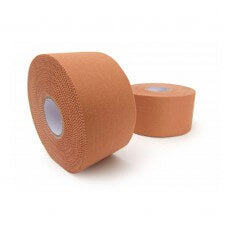
Rigid tape is a strong medical tape with little or no stretch. It usually has a cotton or rayon fabric base with a strong adhesive. It is different from micropore medical tape because it is firmer, thicker, and usually harder to tear.


At home, use rigid tape with care. It may hold strongly, but that also means it can pull hair or irritate skin during removal. It is not the best first choice for babies, older adults, or people with very sensitive skin.
Rigid tape rolls come in different widths and lengths. Narrow rolls are easier for small areas. Wider rolls give more coverage but also more adhesive contact with skin.
Buying points for rigid medical tape
- Skin type: Avoid on fragile or irritated skin unless advised. Sensitive skin may react to strong adhesive.
- Stretch: Rigid medical tape has almost no stretch. This makes it very different from an elastic wrap and kinesiology tape.
- Breathability: Cloth rigid tape may be less breathable than paper medical tape.
- Adhesive strength: It has strong grip. Buy only if strong hold is truly needed.
- Removal: Use slow removal. Tape removal spray may help if suitable.
- Width and length: Wider medical tape is not always better. Choose only what you need.
Do not pull rigid medical tape off quickly. This can damage the top layer of skin, especially in children and older adults.
Kinesiology tape is stretchy medical tape
Kinesiology tape is a stretchy medical tape. It usually has a cotton or synthetic fabric base with an acrylic-type adhesive. It is different from rigid medical tape because it stretches and moves more with the body.

This medical tape is often sold in long rolls or pre-cut strips. Widths are usually medium, but wider and narrower options may be available. At home, use it only when a trained person has shown where and how to apply it.
Keep this section simple: check skin type, stretch, breathability, and adhesive strength before buying. Do not use it on broken, infected, or fragile skin without medical advice. Remove it if irritation appears.
Hypoallergenic medical tape for sensitive skin
Hypoallergenic medical tape aims to reduce the chance of skin reaction, but it cannot promise zero reaction. Micropore is a common hypoallergenic choice because it is light and breathable. Still, any adhesive can cause redness or itching in some people.
For sensitive skin at home, choose gentle adhesive strength over extra-strong grip. Avoid placing medical tape over body lotion, oil, sweat, or dirt, as this may reduce hold and make removal messy. In Indian weather, clean and dry skin can make a big difference.
For children and older adults, use the least adhesive strength that can do the job. Remove slowly and support the skin while peeling. If the same area needs repeated taping, ask a nurse about safer placement options.
Tape removal spray helps loosen medical tape adhesive
Tape removal spray is a liquid product used to loosen medical adhesive tape from skin. It is not a bandage and it does not cover or support anything. Its role is to make medical tape removal easier, especially when adhesive is strong or skin is delicate.

It may come in a spray bottle or aerosol-style container. It does not have width or length like a roll of medical tape. Instead, compare pack size, spray control, ingredient suitability, and whether it is meant for skin use.
Buying points for tape removal spray
- Skin type: Check if it is suitable for sensitive skin. Stop if stinging or rash appears.
- Stretch: Not relevant, because it is a liquid spray.
- Breathability: Not relevant, but let the skin dry after use.
- Adhesive strength: It is more useful when the medical tape adhesive is strong.
- Use area: Avoid eyes, mouth, and broken or infected skin unless medically advised.
- Storage: Keep away from heat and out of children’s reach.
Use only as directed on the label. If you are unsure, ask a pharmacist or nurse.
Cast padding is not a normal home bandage
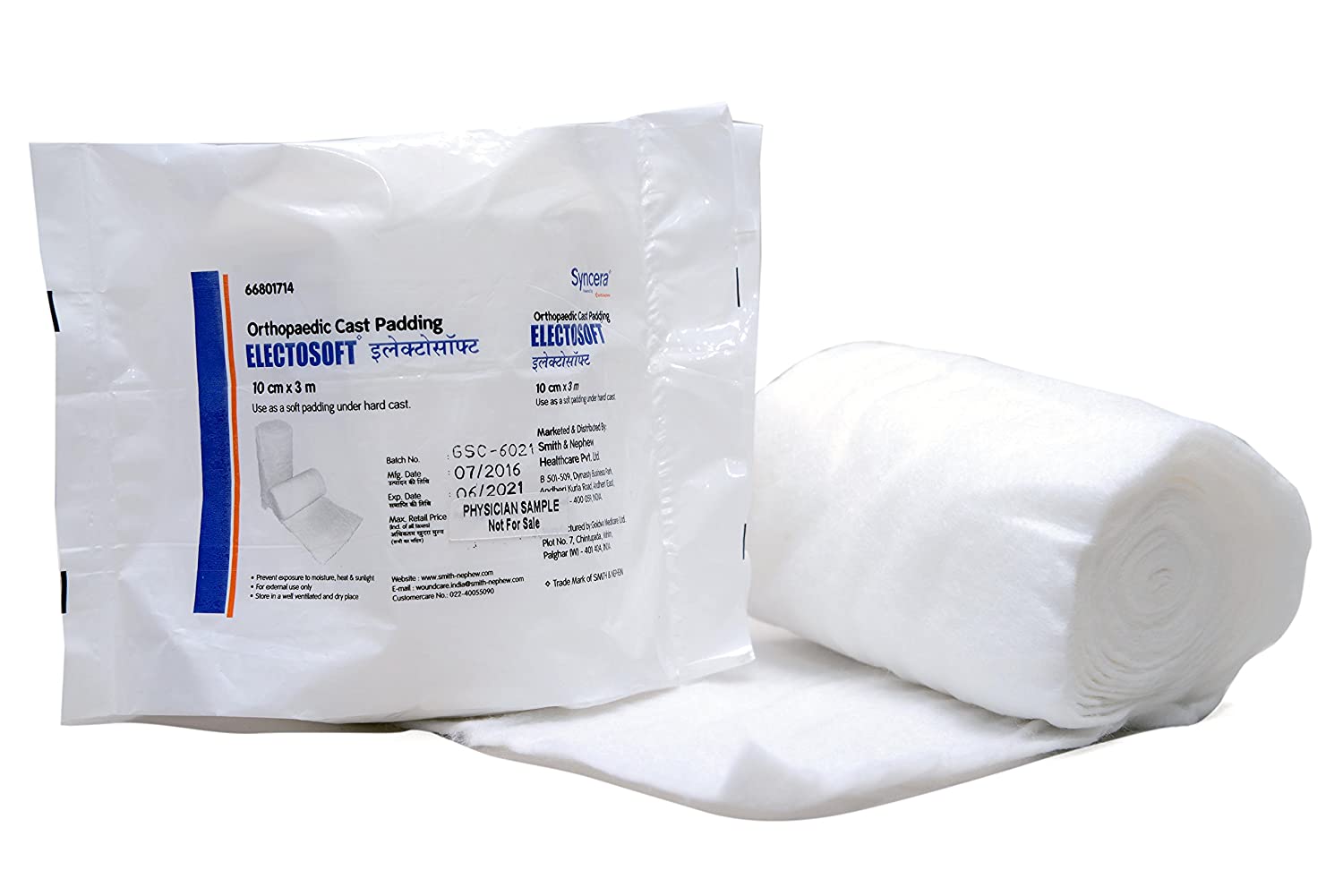
Cast padding is soft padding placed under a cast or splint. It usually uses cotton or synthetic material. It is different from cotton bandage because it sits under hard cast material and cushions the skin.


Families should not use cast padding to make a home cast. Trained people must fit a cast or splint correctly. Orthopaedic patient guidance explains that casts and splints use padding, often cotton, as a protective layer next to the skin. It also says general guidance is not a substitute for a doctor’s advice.
Cast padding rolls come in different widths and lengths. Narrow padding may suit smaller limbs, while wider padding may suit larger areas. The choice depends on the cast or splint plan, not on guesswork.
Buying points for cast padding
- Skin type: Soft padding matters, but poor fitting can still cause skin problems.
- Stretch: Some padding has light stretch, but never pull it tightly.
- Breathability: Cotton padding can feel breathable, but it may not be suitable if it gets wet.
- Adhesive strength: Cast padding is usually not adhesive.
- Width and length: Follow the size suggested by a medical professional.
- Home storage: Keep sealed and dry.
Do not put extra padding under an existing cast by yourself. Do not push cotton, cloth, or tissue under a cast. Cast care guidance warns against inserting objects or material under a cast.
Adhesive bandages and medical tape in the home kit
An adhesive bandage is the small ready-to-use strip many families keep for small kitchen or school-bag needs. It usually has a central pad and sticky sides. It is different from medical tape because the pad and adhesive are already joined.
Medical tape is a broad term, and some shops also call it surgical tape. It can include paper, cloth, and plastic types, and other medical adhesive tape used to hold dressings or devices in place. MedlinePlus patient guidance describes using medical tape or rolled gauze to hold a dressing in place.
Micropore is one kind of medical tape. So the difference is simple: medical tape is the larger category, while micropore is a paper-style option within that category.
A simple medical tape buying checklist for Indian homes
Use this checklist before you buy from a medical shop or online store.

Check the person’s skin
If the item is for a child, an older adult, or someone with sensitive skin, choose gentle adhesive and breathable material. Medical tape for sensitive skin should remove easily and should not need harsh pulling. Hypoallergenic medical tape may help, but always test first.
Match the product to the purpose
Do not use medical tape when you need a soft wrap. Never use a crepe bandage where only a small adhesive bandage is enough. Do not use rigid medical tape just because it feels strong.
Choose the right width
A narrow roll is good for small areas and small dressings. A medium roll suits many home needs. Use a wide roll only when a larger area needs coverage as advised.
Look at roll length
Longer rolls may last longer in a family medical first-aid box. But do not buy too much if you rarely use it. Adhesive can age in heat and humidity.
Compare stretch
Micropore medical tape has little stretch. A crepe wrap has moderate stretch. An elastic wrap stretches more. Rigid medical tape has almost no stretch. Kinesiology medical tape stretches and moves with the body.
Compare breathability
Paper-based medical tape and cotton wraps are usually more breathable. Thick cloth medical tape may feel warmer. Breathability matters in Indian summers, especially if you use the item on a larger skin area.
Compare adhesive strength
Light adhesive medical tape is better for sensitive skin. Strong adhesive is better only when you need firm hold and skin can tolerate it. If medical tape removal is a concern, keep tape removal spray in the kit.
Read the label
Check whether the item is sterile or non-sterile, washable or single-use, self-adhesive or clip-fixed, and suitable for skin. Do not use expired, dirty, wet, or damaged products.
Safe medical tape use rules for families
Safety matters more than a neat-looking wrap. A bandage that is too tight can cause trouble. Medical tape that is too strong can harm the skin.

Follow these home rules:
- Wash and dry hands first. Clean hands reduce dirt transfer.
- Use clean supplies. Do not use dusty or open rolls from an unknown place.
- Keep medical tape off broken, infected, or fragile skin unless advised. Ask a doctor or nurse first.
- Do not wrap too tightly. The person should not feel numbness or unusual pressure.
- Check nearby fingers or toes. Watch for swelling, coldness, or colour change.
- Remove if warning signs appear. Remove if numbness, swelling, colour change, or increased pain occurs.
- Do not guess duration. Bandage use, tightness, and duration should always follow doctor or nurse advice.
- Do not reuse dirty items. If a bandage has dirt or body fluid on it, do not keep it for later.
- Ask for help when unsure. A pharmacist, nurse, or doctor can give medical guidance on safer selection.
Do not use crepe bandage, elastic bandage, or strong medical tape as a substitute for medical advice. If swelling, bleeding, skin infection signs, severe pain, or unusual symptoms are present, get proper medical help.
When not to use crepe bandage?
Do not use a crepe bandage directly over broken, infected, or fragile skin without medical advice. Do not use it if it causes numbness, swelling, colour change, or increased pain. Also avoid using it when you do not know the correct tightness or wrapping method.
Do not use a crepe bandage to self-manage a serious fall, deep cut, suspected fracture, or severe swelling at home. It may look simple, but wrong pressure can create problems. If a doctor or nurse has given instructions, follow only those instructions.
Washing and storing reusable bandages
You can wash some crepe and elastic bandages after use. Some are single-use or lose stretch after washing. Always check the label.
If the label allows washing, use mild soap and clean water. Do not scrub harshly. Dry fully before storing, because damp cloth can smell bad and may not be safe to keep in a first-aid box.
Store medical tape and bandages in a clean pouch or box. Keep them away from bathroom dampness, kitchen steam, insects, and direct sunlight. In many Indian homes, a small labelled box in a cupboard works better than a loose plastic bag.
Building a balanced first-aid box
A home medical first-aid box does not need every size of every product. It should have a sensible mix. The goal is to handle simple dressing support and keep items ready until proper advice is available.

A balanced home medical kit may include:
- One roll of micropore medical tape for gentle dressing hold.
- A cotton bandage roll for soft covering.
- One crepe bandage in a common home-use width.
- One elastic bandage if advised for a family member.
- A few adhesive bandages in different sizes.
- Sterile medical gauze pads or dressing pads.
- Small scissors kept clean.
- Tape removal spray for sensitive skin needs.
- A note with doctor, nurse, and emergency contact numbers.
Keep rigid and kinesiology medical tape, plus cast padding, only if there is a clear reason and proper guidance. Do not buy strong or specialised items only because they look useful.
FAQ
What is medical tape used for? People use medical tape to hold gauze, dressing pads, or light medical coverings in place. Use it on suitable skin and remove it gently.
What is micropore used for? People use micropore medical tape when they need a light, breathable, paper-style option. Many people choose it for gentle hold on sensitive skin.
Is Micropore a bandage? Micropore is not a bandage in the usual sense. It is a type of paper medical tape used to secure dressings or small coverings.
Is micropore medical tape safe on skin? Micropore is generally gentle. People with sensitive skin or allergies should test on a small area first and stop if irritation appears.
What are three types of medical tape? Three common types are paper, cloth, and plastic or transparent medical tape. Rigid and kinesiology tape are other options for specific needs.
What is the difference between medical tape and micropore? Medical tape is a broad term, also called surgical tape. Micropore is a paper-style option within that broad group.
What is the sticky medical tape called? It is commonly called medical tape, surgical tape, or medical adhesive. If it has a pad in the centre, people may call it an adhesive bandage.
Bandage and cast padding questions
Can we wash crepe bandage after use? You can wash some crepe bandages if the label says they are reusable. Wash gently, dry fully, and do not reuse if the bandage is dirty, damaged, or stretched out.
What is a crepe bandage used for? People use a crepe bandage for light compression, support, or holding a dressing when advised. The tightness and duration should always follow doctor or nurse advice.
When not to use crepe bandage? Do not use it over broken, infected, or fragile skin without medical advice. Remove it if numbness, swelling, colour change, or increased pain occurs.
Is hypoallergenic medical tape completely allergy-proof? No. Hypoallergenic medical tape aims to reduce the chance of reaction, but some people may still react.
Is rigid medical tape good for sensitive skin? Rigid medical tape has strong adhesive and little stretch, so it may not suit sensitive or fragile skin. Use it only when appropriate and remove it slowly.
Is kinesiology tape the same as an elastic wrap? No. Kinesiology tape is a stretchy medical tape applied to skin, while an elastic bandage is a stretch wrap.
Is cast padding useful for a normal home first-aid box? Usually, no. Cast padding is mainly used under casts or splints by trained people, so families should keep it only if advised.
Final takeaway
Medical tape and crepe bandages are useful home first-aid items, but choose them with care. Micropore, rigid, and kinesiology medical tape, plus cotton bandages, crepe bandages, elastic bandages, tape removal spray, and cast padding, all have different roles.
For Indian families, the safest approach is simple. Keep a clean, balanced medical kit. Choose breathable and gentle products when skin is sensitive. Never wrap too tightly. Remove the item if numbness, swelling, colour change, or increased pain occurs. And always follow doctor or nurse advice for bandage use, tightness, and duration.
Explore Medical Collections
All Categories
Abdominal & Maternity Support

Accessories

Accu-Chek Instant Strips: Use, Compatibility, Price & Blood Sugar Testing Guide
Accu-Chek Instant Strips: Uses, Features & Complete Guide

accupuncture

Acupuncture Needles & Supplies

Advanced Physiotherapy Machines & Lumbar Physiotherapy

Airways
Alcohol Swab: Uses, Safe Use and Disposal Guide
Ambu Bag Full Form: Is There an Official Meaning?
Ambu Bag: Parts, Uses and Safety Guide
Ambu Full Form: What the Name Means and BVM Basics

Ambulance

Anatomy Models
Anesthesia Machine
You may also need
FOR YOURecommended for you
Save 43%
Save 8%
Save 25%
Save 15%
Save 9%
Save 21%
Save 47%
Save 7%
Save 50%
Save 63%
Save 23%