


Featured ChoiceSave 43%
Save 8%

Save 25%
Save 11%

Save 15%
Save 9%
Save 7%
Save 50%
Save 13%
Save 63%
Save 33%
Save 23%
About this collection
Medical Tape & Bandages for Everyday Care
Medical tape and bandages can help secure dressings, support suitable first-aid routines and provide practical compression or support when the selected product is appropriate. Meddey's range includes Micropore paper tape, rigid tape, kinesiology tape, crepe bandages, cotton bandages and orthopedic cast padding.
Household buyers should first identify what the product needs to do. A gentle paper tape may suit dressing fixation, while an elastic crepe bandage provides a different type of support around suitable joints or limbs.
Clinics, hospitals and sports users may require stronger or more specialised products. Therefore, buyers should compare material, width, stretch, adhesive type and intended use before selecting a tape or bandage.
Types of Medical Tape & Bandages
Different products perform different jobs. Choosing the correct type can make dressing, support and everyday care easier to manage.
Micropore Medical Tape
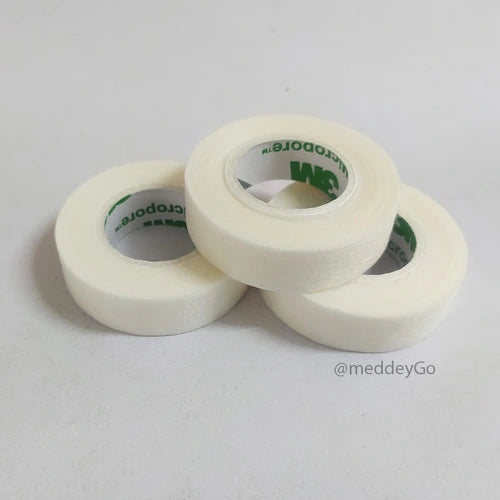
Micropore paper tape offers a light, breathable way to hold suitable dressings, gauze or light tubing in place. Its gentle adhesive can also make repeated dressing changes easier on sensitive skin.
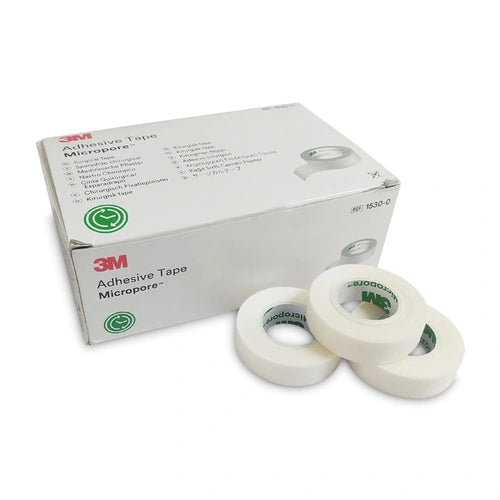
3M option: 3M Micropore Surgical Tape
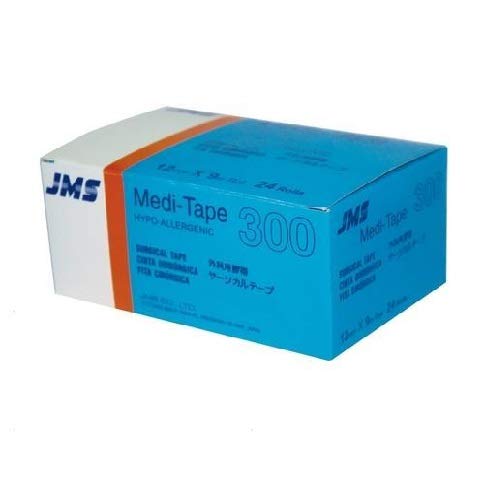
JMS option: JMS Medi Tape Micropore Dressing
These products come in different widths, so a narrow roll can suit a small dressing while a wider option may work better for larger gauze pads.
Crepe & Elastic Bandages
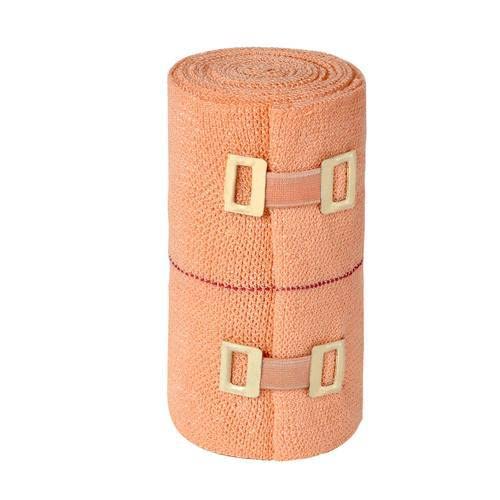
Elastic bandages stretch around suitable body areas and can provide compression or support. Users may choose them for selected sprains, strains or support needs when appropriate.
Reusable compression option: Elastic Compression Crepe Bandage
A crepe bandage should feel secure without causing excessive tightness. Follow appropriate wrapping guidance, especially when compression forms part of injury care.
Sports & Kinesiology Tape
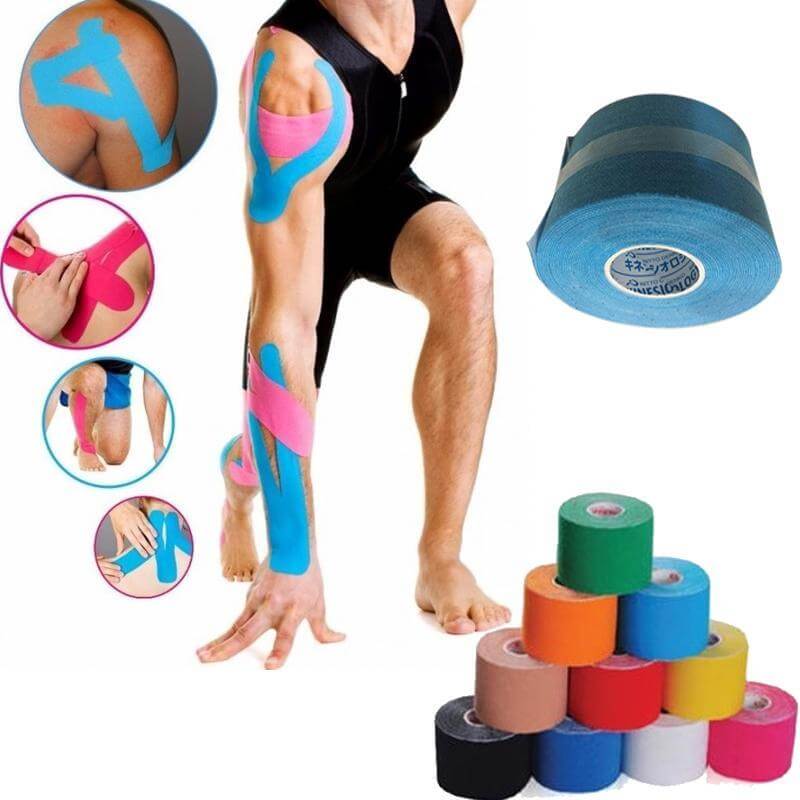
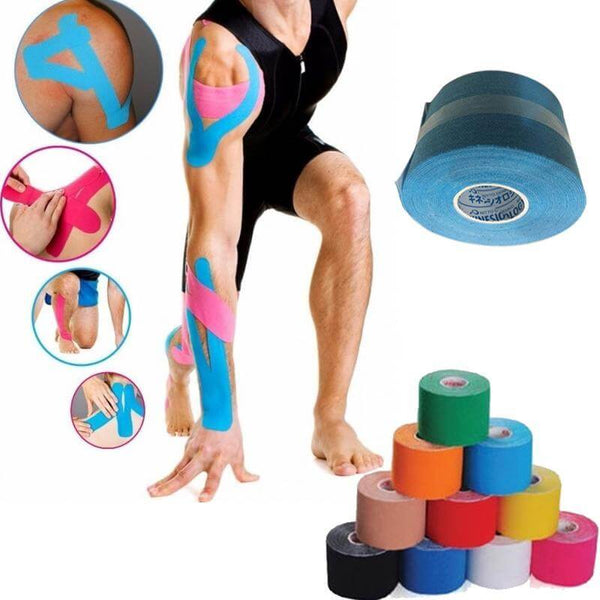
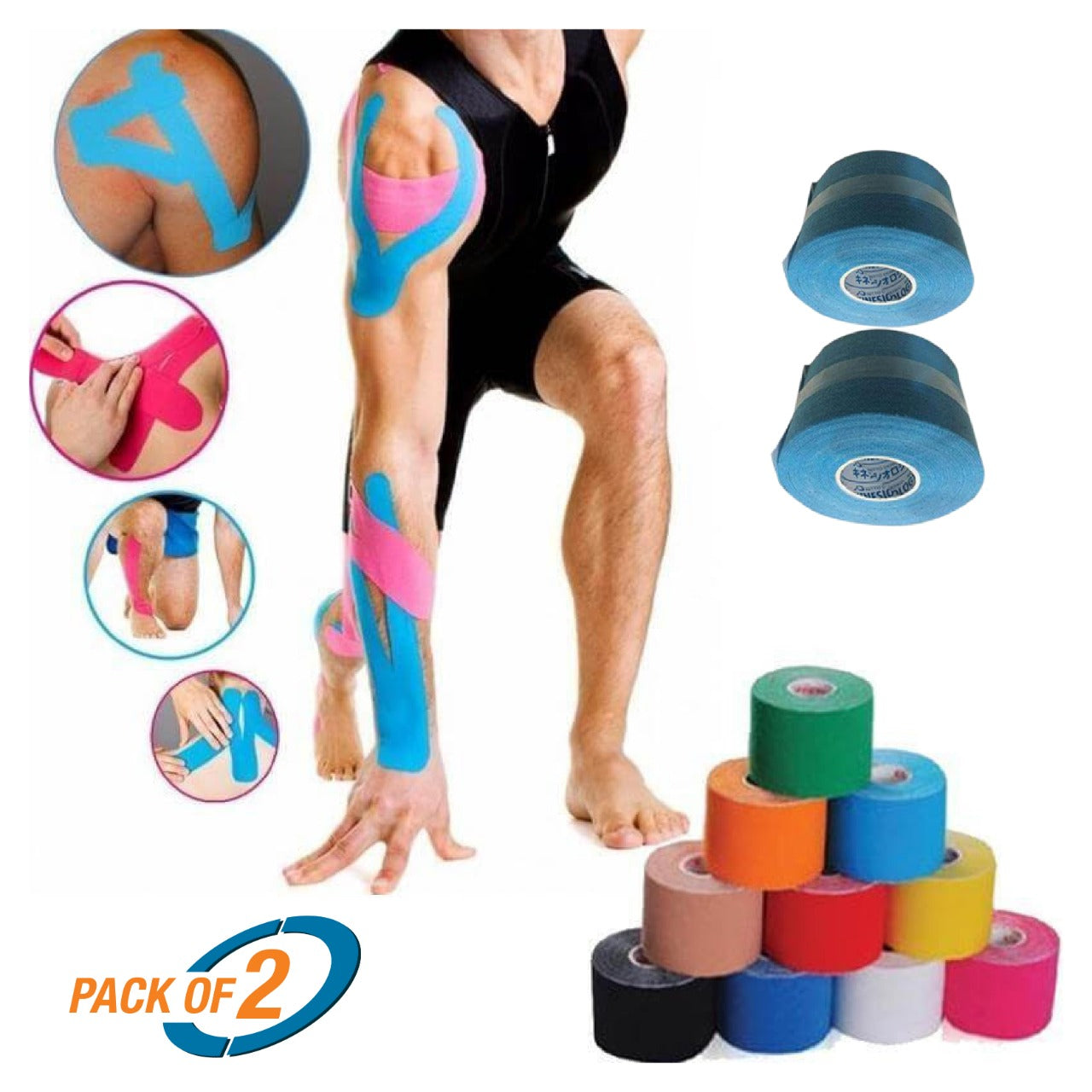
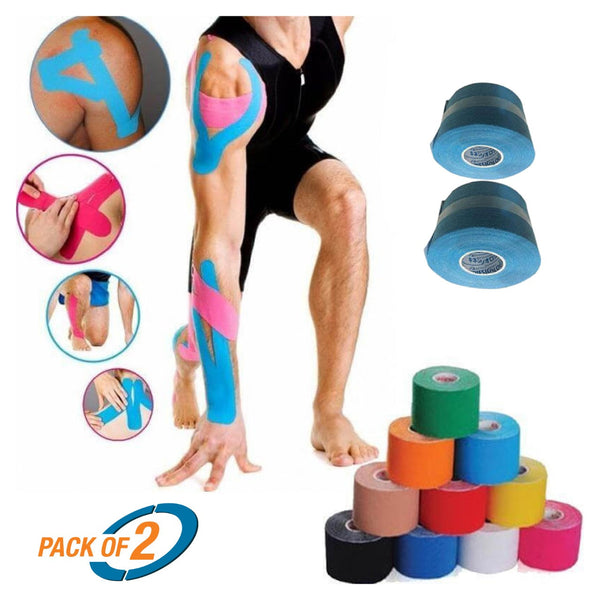
Sports tape and kinesiology tape serve a different purpose from ordinary dressing tape. These products can support selected muscles or joints during sports, fitness or rehabilitation routines.
Flexible sports option: Kinesiology Sports Tape 5m x 5cm – Pack of 2
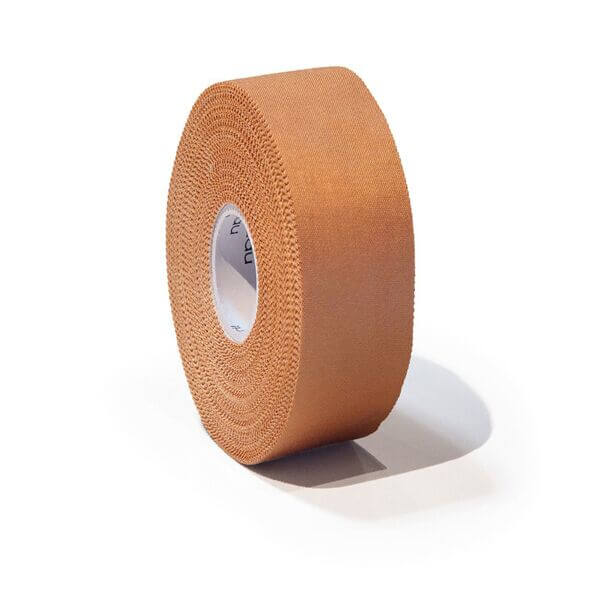
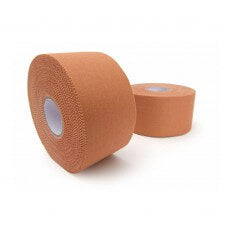
Rigid strapping option: Rigid Tape 2.5cm W x 13.7m
The correct taping method depends on the purpose and body area. Athletes recovering from an injury should follow suitable professional guidance rather than relying only on the tape itself.
Cotton Bandages & Cast Padding
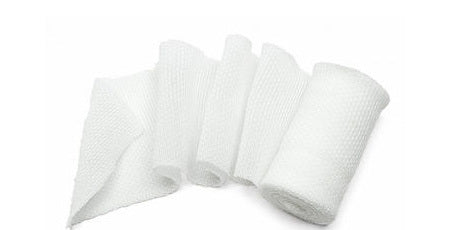
Cotton bandages can support general dressing and clinical supply needs. Cast padding has a different role because it provides a soft layer beneath suitable orthopedic casting material.
Bulk cotton option: Cotton Bandages Woven Fabricated – 120 Rolls
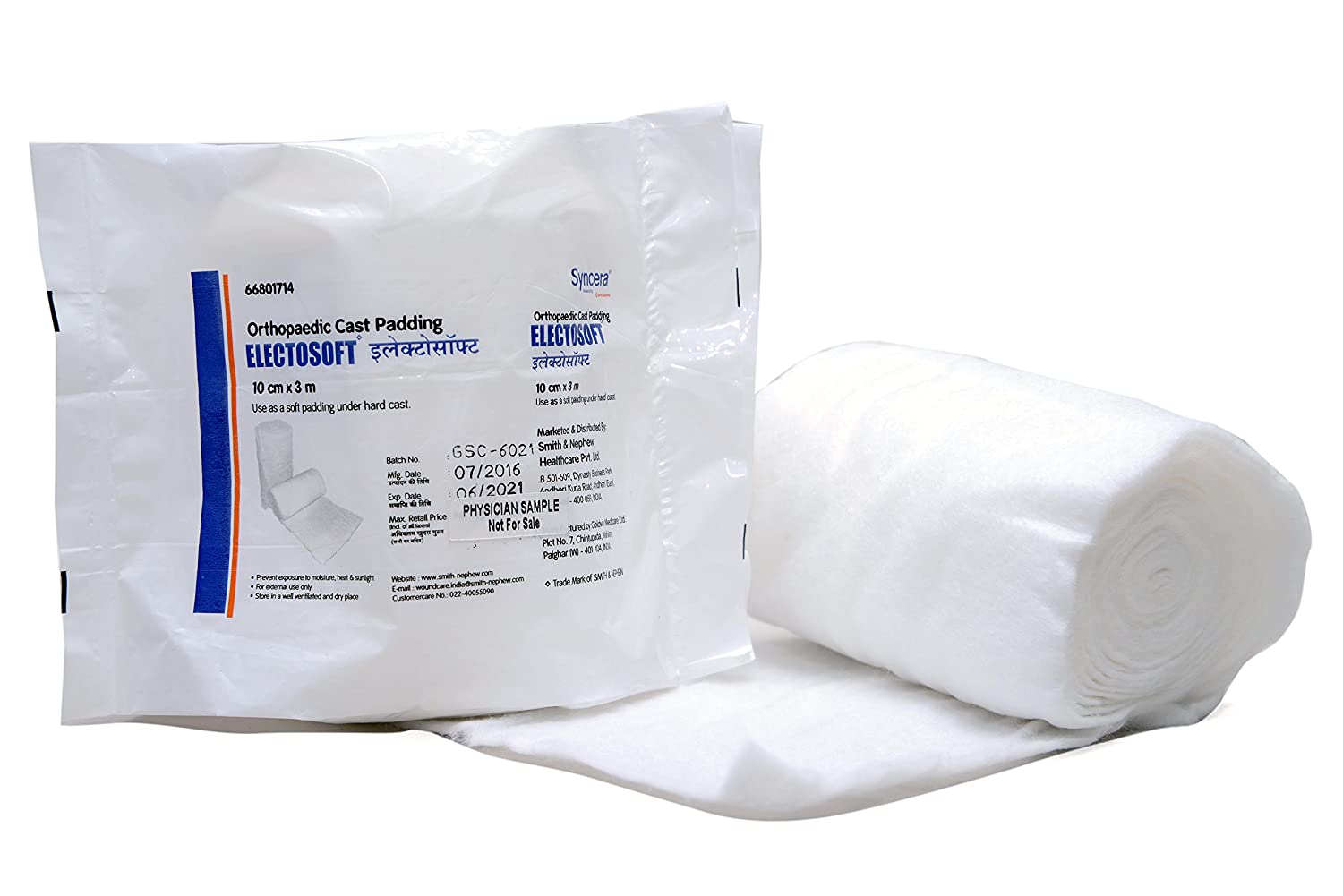
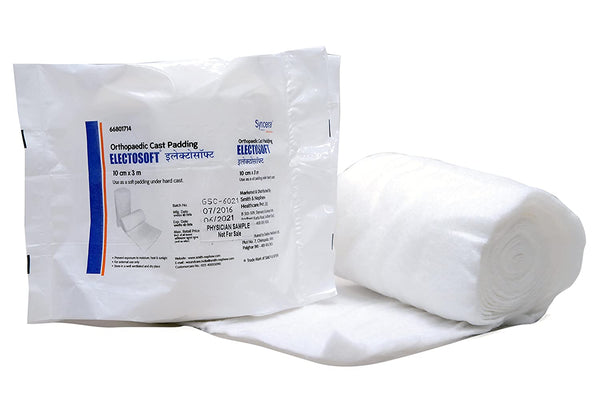
Orthopedic option: Electosoft Orthopedic Cast Padding – Pack of 5
How to Choose Medical Tape
Start with the job the tape needs to perform. Holding a light dressing requires a different level of adhesion from sports strapping or joint support.
Skin sensitivity matters as well. A breathable paper medical tape may suit repeated dressing changes, while stronger rigid tapes can provide a firmer hold for suitable sports applications.
Width also affects use. Narrow rolls work well around small dressings or lines, whereas wider tape covers more surface area with fewer strips.
Finally, check whether the tape needs to stretch. Micropore tape provides a different feel from elastic kinesiology products, so buyers should avoid treating all tape types as interchangeable.
Important Buying Checks
- Purpose: decide whether you need dressing fixation, compression, sports support or cast padding.
- Material: compare paper, cotton, elastic and rigid options.
- Width: choose a size that matches the dressing or body area.
- Adhesive strength: consider how firmly the tape needs to hold.
- Skin needs: gentler products may suit sensitive or frequently taped skin.
- Stretch: confirm whether you need elastic movement or rigid support.
- Pack quantity: clinics and institutions may need bulk packs.
- Care instructions: follow product guidance for removal, washing or disposal.
Medical Tape for Dressing Support
Paper surgical tape can help hold gauze and dressings in place during suitable home or clinic care. Products such as Micropore tape use a breathable backing and gentle adhesive.
Before applying tape, make sure the surrounding skin is clean and dry. Moisture, creams and oils can reduce how well many adhesives hold.
Apply only enough medical tape to keep the dressing secure. Pulling tape too tightly can place unnecessary tension on the surrounding skin.
When removing it, work slowly rather than pulling sharply. People with fragile or easily irritated skin may need additional care during repeated dressing changes.
Micropore Tape vs Rigid Tape
| Feature | Micropore Tape | Rigid Tape |
|---|---|---|
| Main purpose | Securing suitable dressings and light medical items | Firm support and strapping |
| Feel | Light and breathable | Firm with limited stretch |
| Common users | Home first aid, clinics and hospitals | Sports, fitness and selected therapy use |
| Skin contact | Designed for gentler adhesion | Stronger hold may suit different applications |
| Selection point | Choose width according to dressing size | Choose according to support and taping need |
Crepe Bandages for Home Support
A crepe bandage uses stretch to provide support around a suitable area. Common applications can include the wrist, ankle or knee when compression or support has been recommended.
Users should wrap the bandage smoothly and avoid creating folds. Excessive tightness can cause discomfort and may interfere with normal circulation.
If the area becomes unusually numb, cold, discoloured or increasingly painful after wrapping, remove the bandage and seek suitable medical advice.
Reusable crepe products also need proper care. Follow the washing and drying instructions so the material keeps its intended stretch for as long as possible.
Medical Tape for Home First Aid
A basic home first-aid setup often includes dressing material and a suitable tape. Paper tape can help keep gauze or a simple dressing in place when appropriate.
Households may benefit from keeping more than one width because small and large dressings need different amounts of coverage. Keep unused rolls clean and dry between uses.
Medical tape should not replace proper wound assessment. Deep wounds, heavy bleeding, signs of infection or injuries that need closure require suitable professional care.
First-aid note: Tapes and bandages can support basic wound and injury care, but they do not replace medical assessment when an injury is serious, infected, deeply cut or not improving as expected.
Sports Tape & Kinesiology Tape
Sports users often choose tape according to the type of movement and support they want. Rigid tape limits stretch, while kinesiology tape moves more with the body.
Kinesiology products may suit selected sports, fitness and rehabilitation routines because the elastic material can follow body movement. Rigid tape takes a firmer approach.
Correct application matters with either type. Poor placement or too much tension may make the tape uncomfortable and reduce its practical value.
A physiotherapist or sports professional can help with taping technique when a person uses tape after an injury or as part of a planned rehabilitation programme.
Cotton Bandages for Clinics & Home Care
Cotton bandages provide a simple dressing and wrapping material for suitable healthcare needs. Bulk packs can be useful for clinics, hospitals and other settings that use bandage rolls regularly.
Home buyers may need fewer rolls, so pack quantity should match expected use. Store unused bandages in a dry, clean place away from dirt and moisture.
Always check whether a product is sterile or non-sterile before using it for a specific wound-care task. The packaging and manufacturer instructions should guide the final choice.
Orthopedic Cast Padding
Cast padding sits beneath suitable rigid cast material and helps create a soft layer between the cast and skin. It belongs to orthopedic casting rather than general first aid.
Healthcare professionals should select the correct width and amount according to the casting procedure. Clean storage keeps unopened padding ready for use.
Patients should not try to create or alter a rigid orthopedic cast at home unless an appropriate healthcare professional directs the process.
Medical Tape for Clinics & Hospitals
Healthcare facilities often use medical tape for dressing fixation and other suitable care tasks. Different sizes allow staff to match the tape to small lines, larger dressings or other routine needs.
Clinics may keep several tape types because no single adhesive suits every task. Paper tape, rigid tape and elastic products each have different properties.
Bulk purchasing teams should compare roll size, pack quantity, material and intended use before ordering. This approach helps reduce the chance of buying a product that does not match the facility's normal workflow.
Care & Storage of Tapes and Bandages
Store unused products in a clean and dry area. Strong heat, moisture and dirt can affect some adhesives or fabrics.
Check packaging before use, particularly when a product needs to remain clean or sterile. Avoid using items from damaged packs when package integrity matters.
Reusable elastic bandages may have washing instructions, while single-use products need appropriate disposal after use. Follow the directions for the specific item instead of applying one rule to every bandage.
Adhesive tape should also stay protected from dust around the roll edges. Keeping first-aid supplies organised makes it easier to find the right size when needed.
Explore Related Meddey Collections
Households and clinics looking for a wider range of everyday medical supplies can explore General Medical Supplies .
Procedure rooms that need additional surgical products can browse Surgical Products .
Healthcare users looking for protective handwear can visit Medical Gloves .
Clinics sourcing other small support items may also explore Clinic Aids .
Frequently Asked Questions
What is medical tape used for?
Medical tape can help secure suitable wound dressings, gauze and light medical items. The exact use depends on the tape type and its instructions.
What is Micropore tape?
Micropore is a breathable paper-style surgical tape with gentle adhesion. It is commonly chosen when users want to secure suitable dressings while keeping removal relatively gentle on the skin.
What is the difference between medical tape and crepe bandage?
Medical tape usually uses adhesive to hold a dressing or other suitable item in place. A crepe bandage wraps around a body area and provides elastic support or compression.
Can I use medical tape at home?
Yes, suitable tape can form part of a basic first-aid or dressing setup. Follow the product instructions and seek medical advice for serious or complicated wounds.
Is Micropore tape suitable for sensitive skin?
Micropore products use a gentler paper-tape design, but individual skin reactions can still differ. Stop use if significant irritation develops.
What is kinesiology tape used for?
Kinesiology tape is an elastic sports and exercise tape used for selected muscle and joint support applications. Proper application depends on the intended body area and activity.
Can a crepe bandage be washed?
Some reusable crepe bandages can be washed according to their care instructions. Check the individual product guidance before cleaning.
How tightly should a crepe bandage be wrapped?
It should provide suitable support without causing numbness, unusual colour change, coldness or excessive discomfort. Seek professional advice when compression forms part of injury treatment.
Is sports tape the same as Micropore tape?
No. Sports and rigid tapes usually focus on stronger support or strapping, while Micropore paper tape mainly suits light dressing fixation and similar medical uses.
How should medical tape be stored?
Keep rolls clean and dry, away from strong heat and moisture. Store them with other first-aid supplies where the edges remain protected from dirt.
Need Help Choosing Medical Tape or Bandages?
For current product details, pack sizes or help comparing suitable tapes and bandages, contact Meddey Customer Care on WhatsApp at +91 85860 12345 .
Important: Match the product to its intended use and follow the manufacturer's instructions. Seek suitable healthcare advice for deep wounds, significant injuries, persistent swelling or other concerns that need professional assessment.
Explore Medical Collections
All Categories
Abdominal & Maternity Support

Accessories

Accu-Chek Instant Strips: Use, Compatibility, Price & Blood Sugar Testing Guide
Accu-Chek Instant Strips: Uses, Features & Complete Guide

Accupressure Products for Pressure Point Therapy, Pain Relief & Wellness

accupuncture

Acupuncture Needles & Supplies

Advanced Physiotherapy Machines & Lumbar Physiotherapy

Airways

Ambulance

Anatomy Models
Anesthesia Machine

Anesthesia Products
Ankle Support, Braces & Walker Boots for Recovery
Ankle Weights & Exercise Weights for Home & Rehab
You may also need
FOR YOURecommended for you
Save 43%
Save 8%
Save 25%
Save 11%
Save 15%
Save 9%
Save 7%
Save 50%
Save 13%
Save 63%
Save 33%
Save 23%