


Featured ChoiceSave 38%


Save 22%
Save 18%

Save 22%

Save 33%

Save 50%

Save 33%

Save 6%



Save 25%
Save 29%



Save 12%
Save 16%

Save 6%
Save 13%


Save 17%

Save 11%


Save 11%


Save 11%


Save 11%


Save 11%


Save 11%


Save 11%


Save 11%

Save 11%


Save 5%


Save 8%


Save 29%


Save 50%

Save 50%

Sold out
Sold out

Sold out


What customers say
★★★★★ 5.0 · 18 reviews
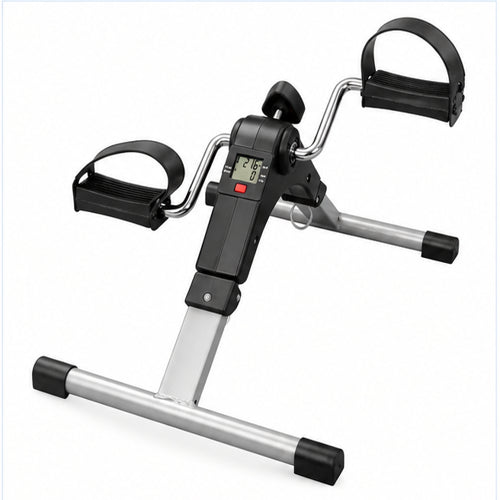
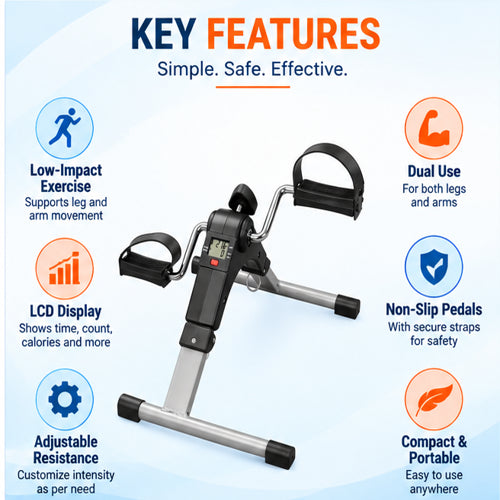
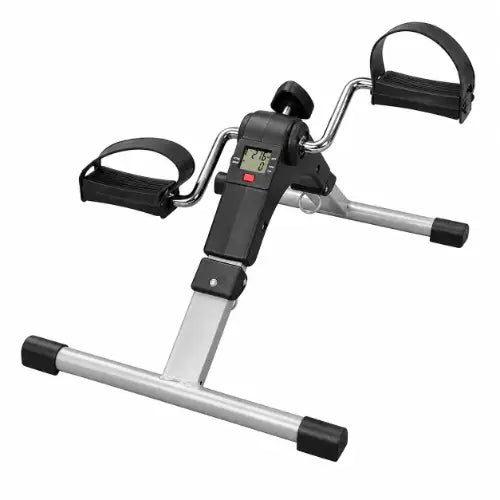
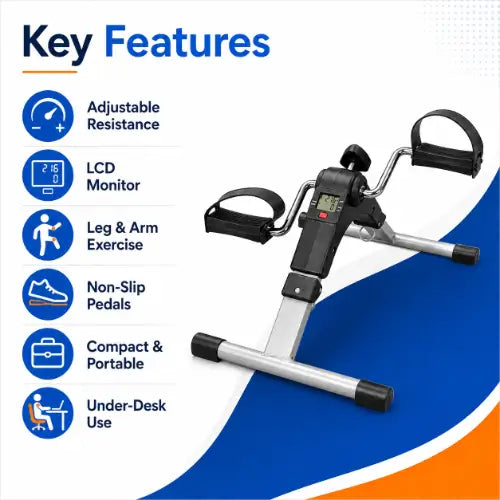
 Mini Pedo Pedal Exerciser Cycle
“LCD monitor is clear and easy to read. Great for tracking time, speed, and calories burned”
“Good product for light exercise at home or office. I use it daily under my desk – great for circulation, th...”
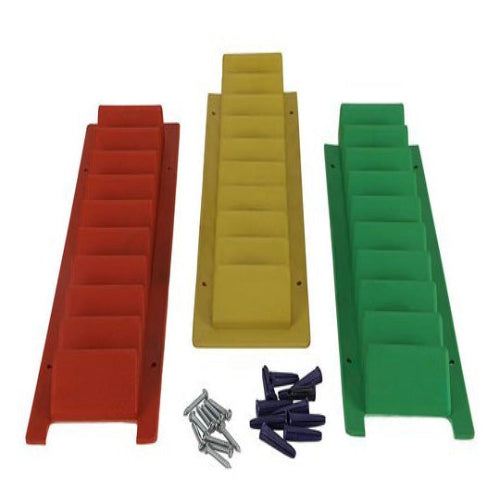
 Shoulder Finger Ladder
“Great for shoulder rehabilitation exercises!”
“This is a fantastic tool for shoulder rehab and improving mobility. It’s easy to use,”
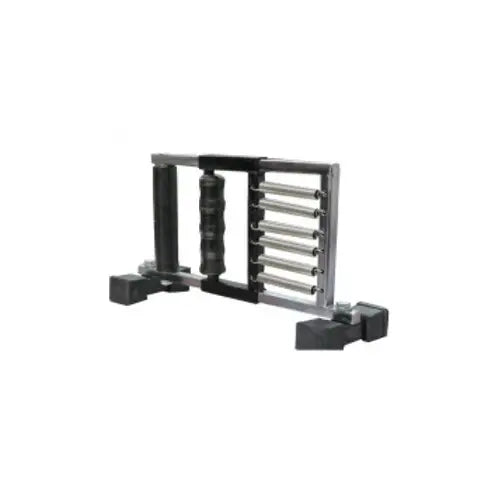
 Finger Exerciser With Metal Base
“Perfect for improving finger strength and mobility!”
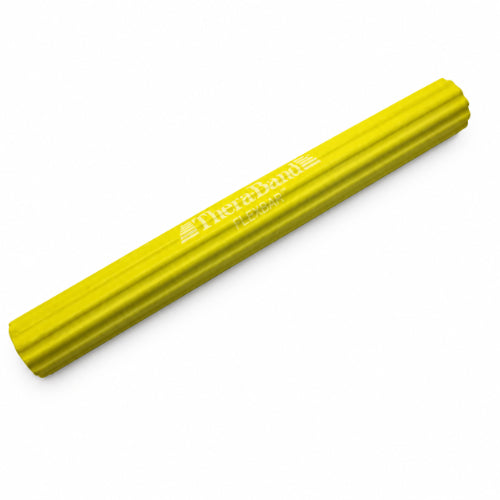
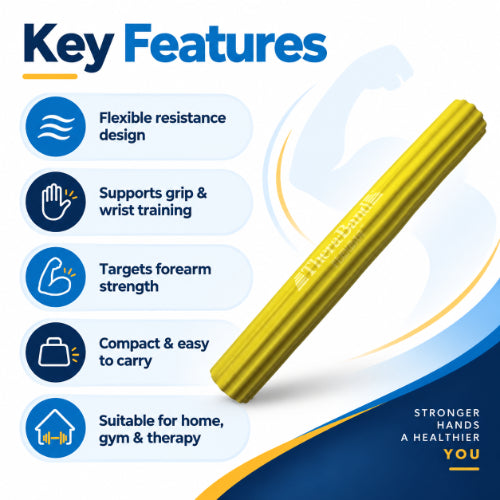
 Theraband FlexBar
“Great for building strength and aiding in rehab exercises!”
“This is fantastic for improving strength and rehabilitation. It’s durable, easy to use,”
 Motorized Pedo Cycle for Arm & Leg Exercise with Remote Control
“It’s easy to use, adjustable, and provides a smooth pedaling experience. The motor assistance makes it grea...”
 Wooden Wobble Board
“Great for improving balance and stability!”
“The Wooden Wobble Board is an excellent tool for improving balance and stability. It’s sturdy, easy to use,”
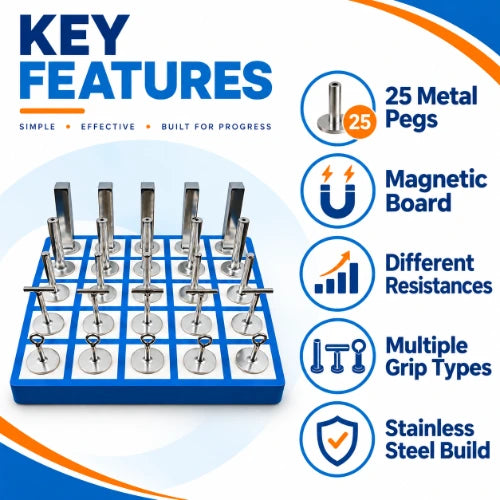
 Magnetic Peg Board for Hand Therapy with 25 Metal Pegs
“Durable, fun, and great for learning!”
“This is perfect for improving motor skills and creativity. The magnets are strong, making it easy to use fo...”
Exercise Machine for Home Use: Pedal, Cycle & Rehab Guide
Exercise machine for Home Use: Pedal, Cycle & Rehab Guide
Exercise machine options can help you move more at home without needing a large setup or a hard workout plan. For many older adults, home buyers, and people recovering at home, the right choice is a simple, low impact exercise machine that supports gentle exercise, balance, strength, and daily routine. This guide explains how pedal exercisers, exercise cycles, resistance tools, and other compact exercise tools can fit into a safe home exercise program.
Consult your doctor or physiotherapist.
The goal is not to push harder every day. It is to choose an exercise machine you can use with comfort, control, and confidence.
Which exercise machine is good for older adults?
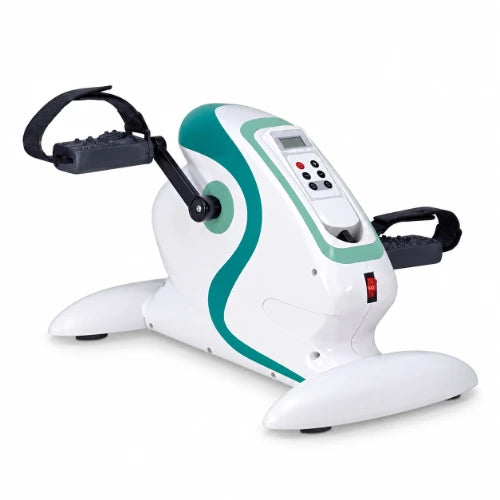
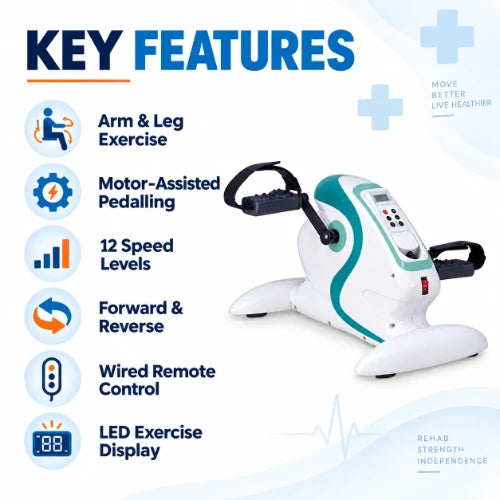
A good exercise machine for older adults is usually stable, easy to step onto or sit near, and simple to control. Many people start with a mini pedal exerciser or compact exercise cycle because the motion is smooth, seated, and easy to adjust. These machines can support gentle activity for the legs and, in some models, the arms.

The best exercise machine depends on balance, space, strength, and comfort. If standing is tiring, a seated mini exerciser may be easier. If grip strength or shoulder motion is the focus, smaller aids such as a finger exerciser, shoulder pulley, or resistance bands may be useful.


Start exercise slowly, and stop and consult a doctor if you have pain, dizziness, or are recovering after surgery.
Low impact exercise is easier to keep doing
Low impact exercise means your body moves without heavy pounding or sudden force. This can suit people who want gentle activity at home, especially when joints are stiff or energy changes from day to day.
A low impact exercise machine is often easier to use often because the machine does not demand a big setup. You can keep it near a chair, use it for short exercise sessions, and build an exercise routine over time. That makes it practical for daily exercise.
Low impact does not mean useless or too easy. It means the motion is controlled. You can still improve stamina, support strength, and stay more active when you choose a pace that suits your body.
What is the best exercise machine for home?
The best exercise machine for home is the one you will use safely and regularly. For many people, that means a compact, low impact machine such as a pedal exerciser, mini exerciser, or exercise cycle. These are simple, space-friendly machines for seated movement and light daily activity.


Look for a machine with easy controls, steady placement, and a motion pattern that seems natural. If you plan to use it while watching TV, reading, or sitting at a desk, a small pedal exerciser may fit well. If you want a more upright cycling feel, an exercise cycle may be better.
There is no single best home exercise machine for everyone. The right match is based on comfort, goals, and your current ability.
A pedal exerciser is a simple starting point
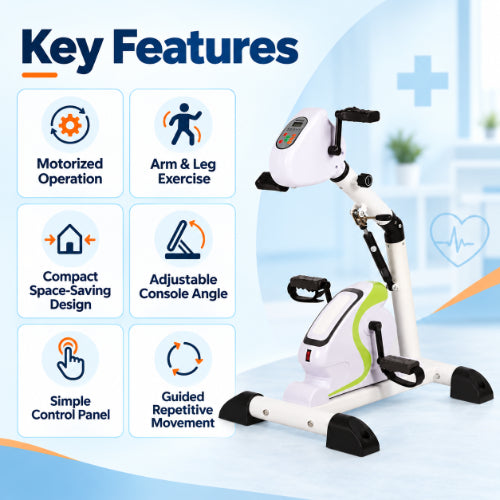
A pedal exerciser is a small machine with pedals that you can use from a chair. You place it on the floor, sit down, and pedal at a gentle pace. Some people also place the machine on a table for light arm motion, if the design allows it.

This type of exercise machine for home use (low impact) is popular because the machine is easy to understand. You do not need a complex workout. You can start with a few minutes and slowly add time as exercise gets easier.
A mini pedal exerciser is also useful when space is limited. The machine can often be moved from room to room. For home buyers who want something simple and quiet, it is a practical first machine.
Can I use a pedal exerciser while sitting?
Yes, you can use a pedal exerciser while sitting, and that is one of its main benefits. Sit in a sturdy chair with your feet placed evenly on the pedals. Keep your back supported, your shoulders relaxed, and your pace slow enough that you can breathe normally.

For better comfort, place the pedal exerciser where it does not slide. Your knees should move without bumping the chair or feeling cramped. If the pedals seem too far away, move the machine closer before you begin.
A seated machine setup can work well for older adults and people who prefer steady support. It also makes short movement breaks easier during the day.
Exercise cycles offer a familiar motion
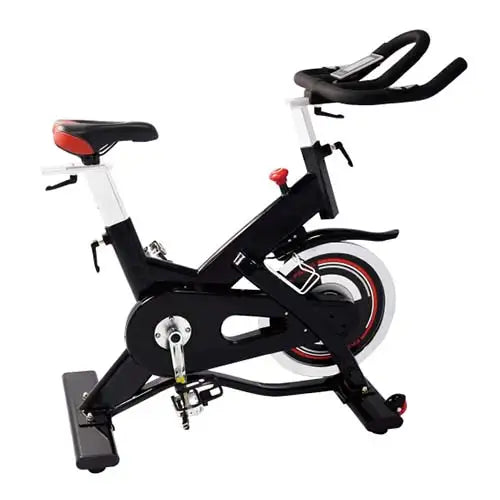
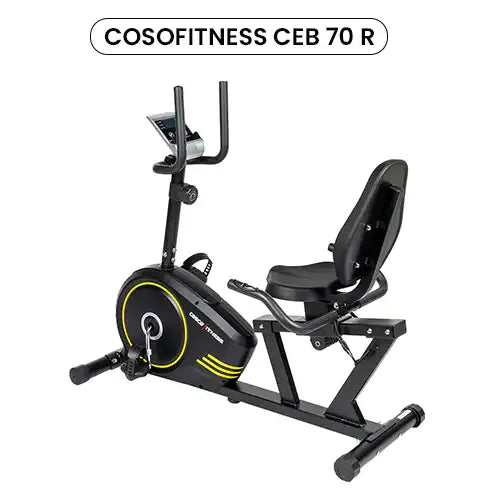
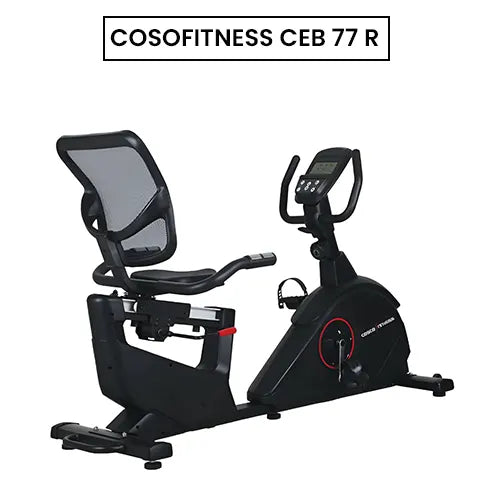
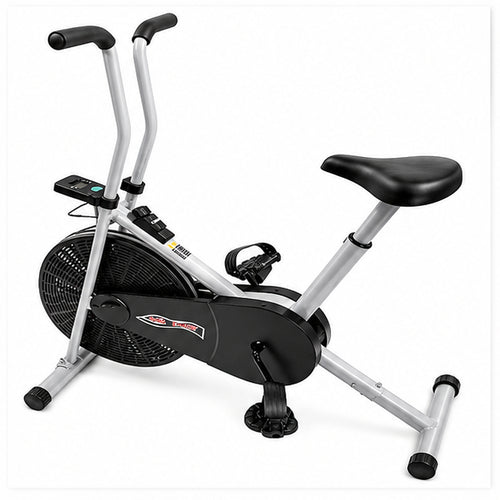
An exercise cycle gives a more traditional cycling feel while still keeping exercise low impact. This cycle may suit people who want a more structured routine at home but still prefer smooth, seated activity. The steady circular motion of the cycle can be easy to pace.

Some users like an exercise cycle because the seat and pedals are part of one machine. This may seem more stable than placing a separate pedal machine in front of a chair. Others prefer the smaller size of a mini exerciser instead.
If you choose an exercise cycle, check that the seat is comfortable and the controls are easy to reach. The best machine is the one that helps you move without strain.
Mini exercisers fit small routines
A mini exerciser is a compact exercise machine that can fit into short daily routines. Many people use the term for small pedal machines, but it can also describe other simple tools for gentle exercise at home. The main idea is convenience.

Short sessions are easier to repeat. You might use a mini exerciser for a few minutes in the morning, use resistance bands later, and do light stretching in the evening. These small actions can help make movement part of normal life.
A mini exerciser is not meant to replace every type of activity. It works best when paired with comfortable stretching, strength work, and balance practice that match your ability.
Exercise machine for rehab at home
An exercise machine for rehab should be simple, controlled, and easy to stop. At home, many people need machines that support gentle exercise without confusion. A mini pedal exerciser, exercise cycle, quadriceps board, or shoulder pulley can help create a clear routine.


The key is to follow the movement plan you were given and avoid rushing. More effort is not always better. Smooth movement, good position, and steady breathing matter.
If you are recovering at home, choose an exercise machine that is safe to use without awkward reaching or twisting. Keep a chair nearby if balance changes. Stop if a motion causes sharp pain, unusual shortness of breath, or dizziness.
Is an exercise machine good for knee pain?
An exercise machine may be helpful for gentle exercise when knees are stiff, but the machine should not be used to push through pain. A pedal exerciser or exercise cycle can allow smooth motion with less impact than many standing activities. The pace and resistance should stay light at first.
Knee comfort depends on seat position, pedal distance, and range of motion. If your knees bend too deeply or are strained, adjust your position or shorten the session. Gentle motion should feel controlled, not forced.
If knee pain is new, severe, or getting worse, ask a doctor what type of movement is safe for you. Do not treat any machine as a cure.
How often should I use an exercise machine?
How often you should use an exercise machine depends on your health, comfort, and goals. Many people do better with short, regular sessions instead of long sessions that leave them sore. A few gentle minutes can be a reasonable starting point if you are new to movement.
Pay attention to how you feel during and after each exercise session. Mild effort can be normal. Pain, dizziness, or unusual fatigue are signs to stop and get guidance.
A simple weekly rhythm may include movement on several days, with rest or lighter activity between harder days. Keep the plan flexible so it supports your life instead of becoming a burden.
A simple home routine you can adjust
A good home routine uses small steps. You do not need to use every machine every day. Pick two or three that match your needs and keep the exercise sessions calm.

Try this simple pattern:
- Warm up gently. Sit tall and take a few slow breaths. Move your ankles, shoulders, and hands.
- Use a mini pedal exerciser or exercise cycle. Start with an easy pace and low resistance.
- Add light strength work. Use resistance bands or tubes for gentle pulling motions.
- Practice balance only if safe. Use a balance board near a stable support if it suits your ability.
- Cool down. Stretch lightly or use a foam roller with care.
Keep each step comfortable. Skip anything that seems unsafe.


Resistance bands and tubes build gentle strength
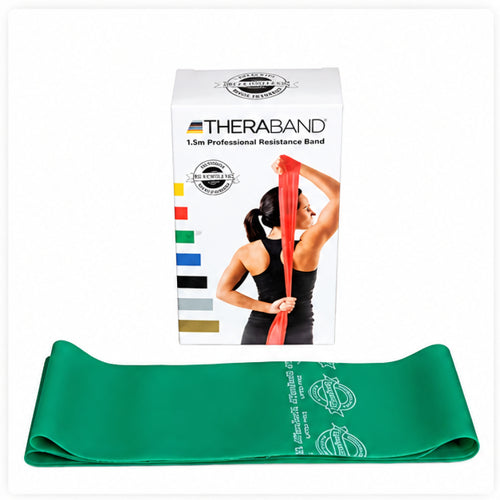
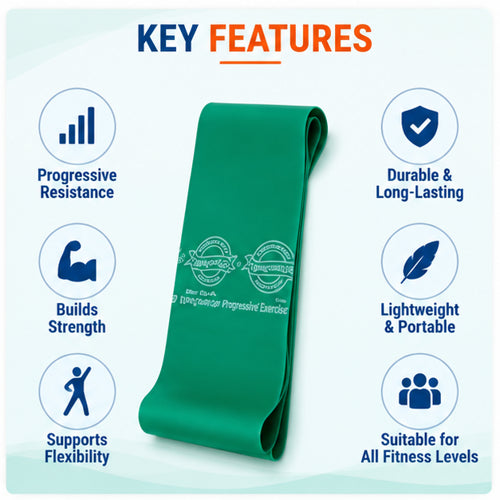
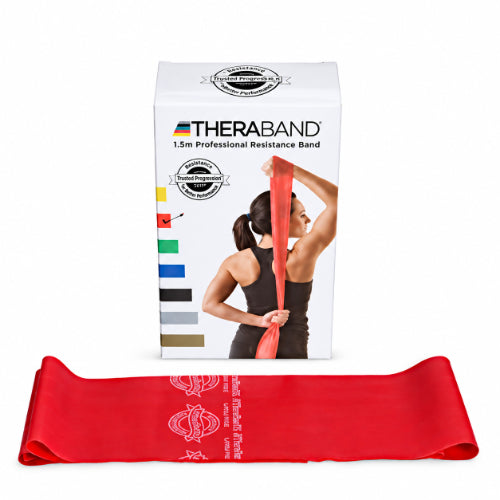
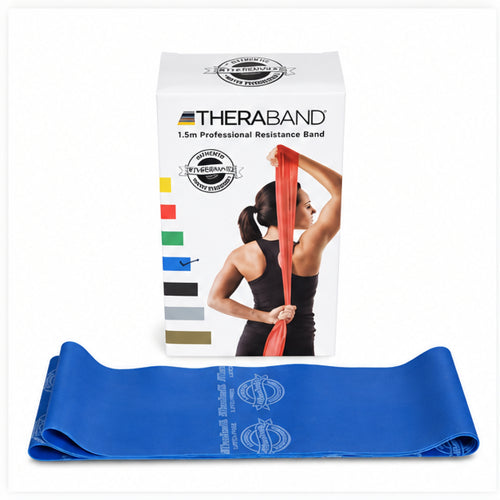
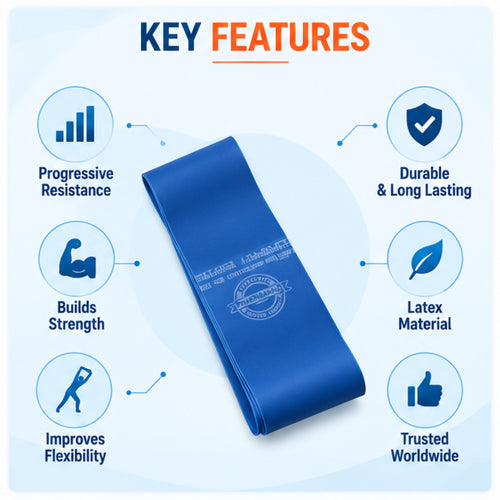
Resistance bands and tubes are flexible tools that add light challenge to simple motions. They can be used for arms, shoulders, back, hips, and legs, depending on your comfort and plan. The resistance comes from stretching the band or tube.

These tools are useful because they are light and easy to store. You can change the effort by holding the band differently or choosing a lighter option. Movement should stay slow and controlled.
Use resistance bands and tubes with care. Do not snap them quickly or hold your breath. Check for tears before use, and stop if the motion causes pain or seems unstable.
Shoulder pulleys support gentle upper body motion
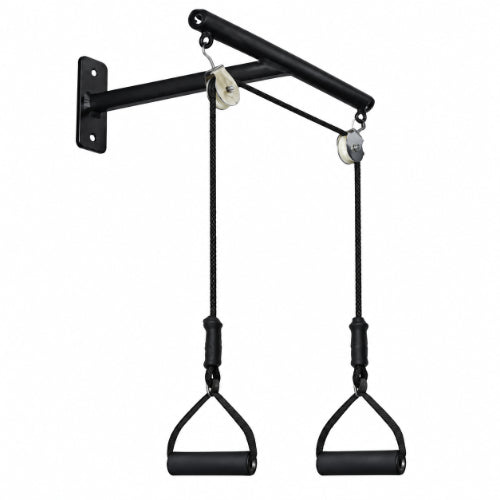
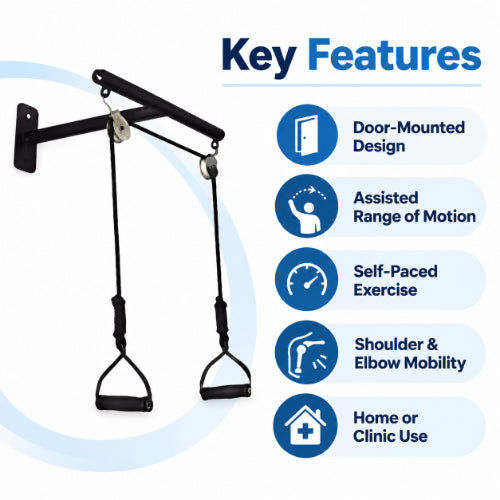
A shoulder pulley is a simple machine with a cord and handles. It is often used over a door or secure point, depending on the product design. One arm helps guide the other through a gentle range of motion.

This machine can be helpful when you want controlled shoulder movement at home. The goal is smooth motion, not force. Keep your shoulders relaxed and avoid shrugging.
Use small movements at first. If you feel pinching, sharp pain, or dizziness, stop. A shoulder pulley should feel calm and controlled, and you should always follow any personal movement limits you have been given.
Finger exercisers support small movements
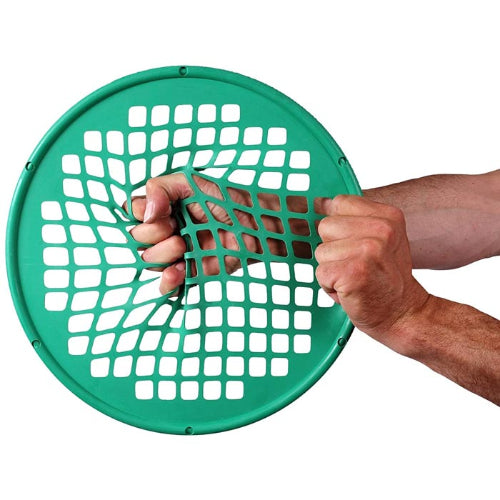
A finger exerciser is designed for small hand and finger movements. Some models use soft resistance for squeezing, pressing, or opening the fingers. These tools can support daily practice for grip and finger control.

They are best used in short sessions. The muscles in the hands can tire quickly, especially if you have not used this type of machine before. Keep your wrist in a comfortable position and avoid squeezing too hard.
A finger exerciser can be useful alongside larger exercise machines. For example, you might use a mini exerciser for seated activity and then spend a few minutes on finger motion.
Balance boards require extra care
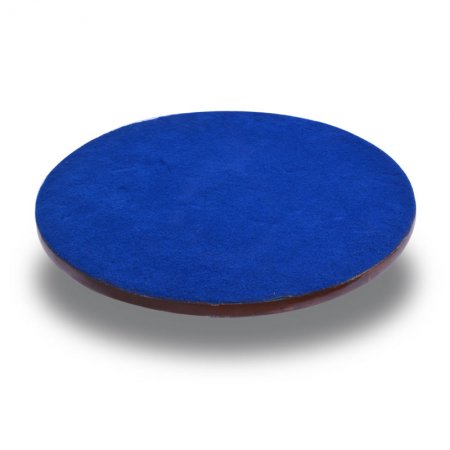
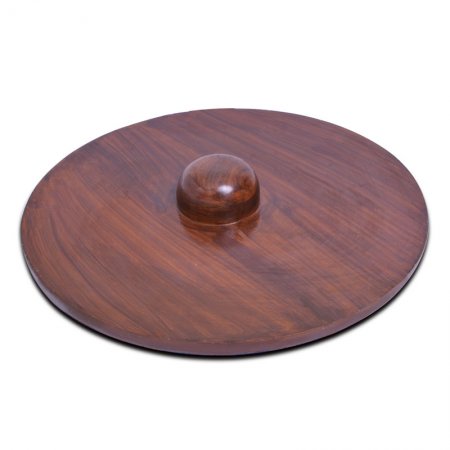
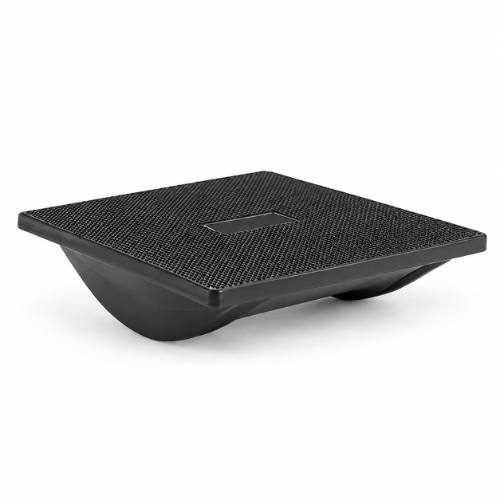
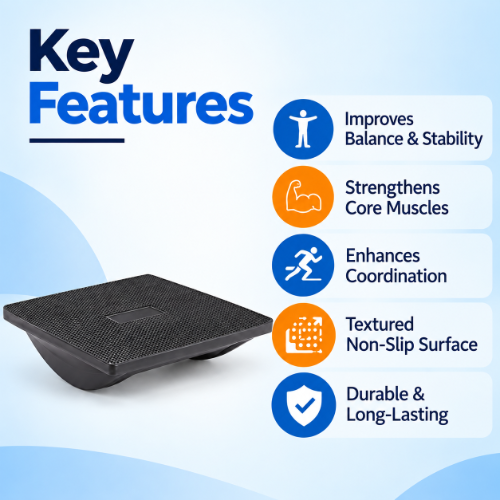
A balance board is a small platform that moves under your feet. It can help practice balance and body control, but it is not right for everyone. Older adults and people recovering at home should use it only if it is safe and approved for their situation.

Always place a balance board near a stable surface you can hold. Start with very small shifts. Do not try fast movements or difficult positions.
If standing balance is uncertain, choose seated movement first. A low impact exercise machine, resistance bands, or an exercise ball may be a better starting point. Safety matters more than challenge.
Foam rollers help with gentle body care
A foam roller is a firm cylinder used for light pressure and body awareness. Some people use it for gentle rolling on larger muscle areas. Others use it as a support during stretching or position work.

At home, the main rule is to stay comfortable. Do not roll directly on painful joints, sharp areas, or places that feel tender in a bad way. Slow, light pressure is better than forcing deep pressure.
A foam roller can fit well after a short exercise cycle or pedal exerciser session. It can also help you slow down at the end of a routine.
Exercise balls add support and variety
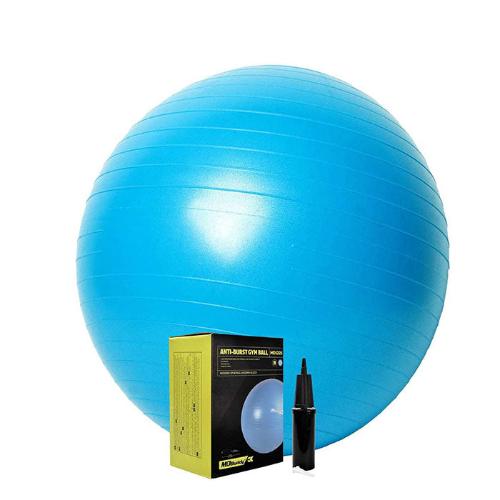
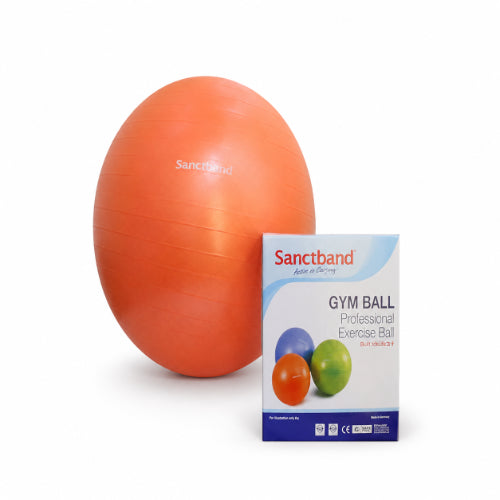
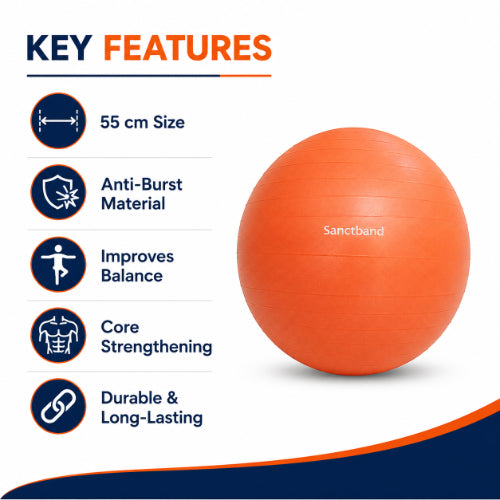
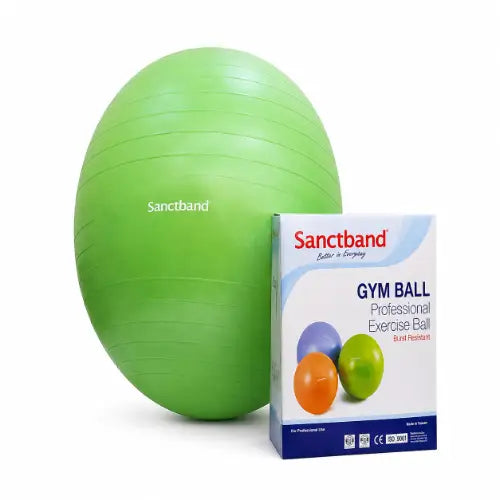
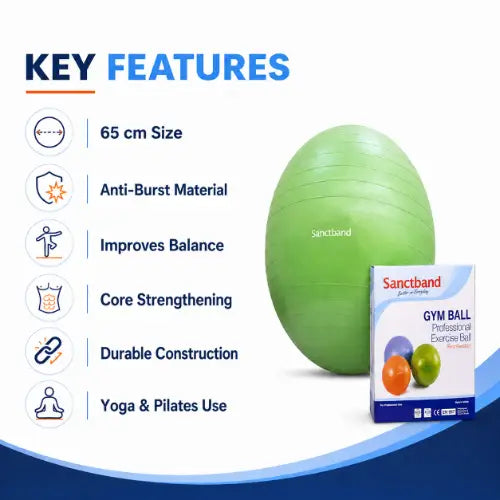
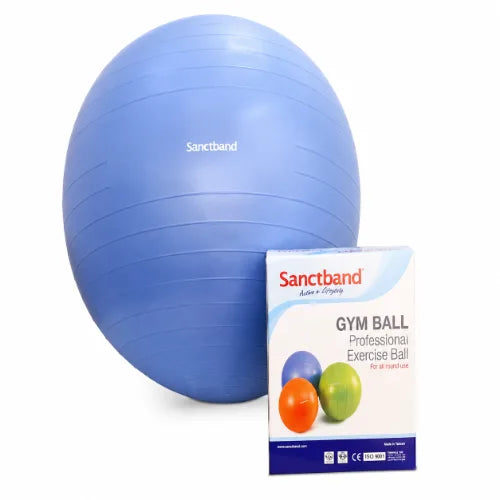
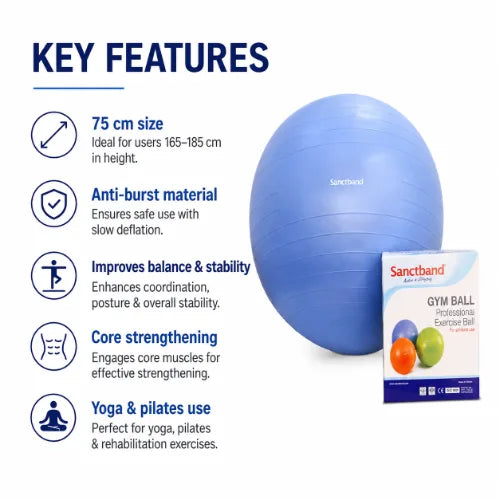
An exercise ball is a large, air-filled ball used for balance, posture, stretching, and gentle strength work. It can make simple motions seem different because the surface moves slightly. That means it should be used with care.

Choose motions that seem steady. Sitting on an exercise ball may not be safe for everyone, especially if balance is limited. In that case, it can be used against a wall or on the floor for supported exercises.
An exercise ball works best when the goal is controlled motion. It should not create fear or wobbling that seems unsafe. If it does, choose a more stable machine.
Medicine balls support controlled strength
A medicine ball is a weighted ball used for simple strength moves. At home, it should be used slowly and with good control. Light passing, holding, or small lifting moves may be enough.

This tool is not about throwing hard or moving fast. For older adults and people recovering at home, the focus should be posture, breathing, and safe range of motion. Keep the ball close to your body at first.
A medicine ball can add variety when a routine is too repetitive. It pairs well with seated exercise, standing support work, or gentle core practice if those moves are safe for you.
A quadriceps board helps guide knee movement
A quadriceps board is a simple aid used to support or guide leg position during certain knee and thigh exercises. It can help keep motion organized when you are practicing controlled tightening, lifting, or positioning. The exact use depends on the product and the routine you follow.

For home buyers, the main benefit is structure. The board gives a clear place to position the leg while working on gentle control. It should not cause strain.
Use a quadriceps board slowly. Keep movements small at first and stop if your knee, hip, or back feels painful. It is one part of a routine, not a complete program by itself.
How to choose a low impact exercise machine
Choosing a home exercise machine is easier when you focus on daily use. A machine can look useful, but it only helps if it fits your body, room, and routine. Think about comfort before features.
Use this checklist:
- Seated or standing use: Choose seated options if balance is a concern.
- Easy resistance control: Light settings are important for beginners.
- Stable base: The machine should not slide or wobble during use.
- Readable display: If the machine has a screen, it should be simple to see.
- Quiet motion: This helps if you use it in shared spaces.
- Easy storage: A small machine is easier to keep nearby.
- Simple setup: Fewer steps make regular machine use more likely.
A simple machine used often is usually better than a complex machine left unused.
Match the tool to your goal
Different machines and tools support different goals. A pedal exerciser is good for gentle seated motion. An exercise cycle may suit longer, steady sessions. Resistance bands and tubes help with light strength.

For upper body motion, a shoulder pulley or finger exerciser may be useful. For posture and balance variety, an exercise ball or balance board can help when used safely. A foam roller can support stretching and cool-down time.


If knee control is a focus, a quadriceps board may help organize certain moves. If general strength is the goal, a medicine ball can add simple resistance. The best plan is usually a mix of two or three tools, not a crowded room of machines.
Comfort matters more than intensity
A common mistake with any exercise machine is doing too much too soon. This can make movement feel unpleasant and harder to repeat. A better plan is to finish while you still feel in control.
Comfort does not mean you never feel effort. It means the effort is steady, safe, and manageable. You should be able to slow down, stop, or adjust without panic.
When using any exercise machine for older adults or recovery at home, keep the first sessions short. Notice how your body feels later that day and the next morning. If you feel more soreness than expected, reduce the time or resistance.
Good setup makes exercise safer
Where you place your exercise machine matters. A mini exerciser should sit on a flat surface. A chair should be sturdy, with a back that supports you well. Avoid chairs that roll or seem unsteady.

Keep the area clear. Remove loose items from the floor. Make sure cords, rugs, and small objects do not get in the way.
For bands, tubes, and pulleys, check that the setup is secure before each use. For balls and balance boards, keep a stable support within reach. A safer setup helps you focus on smooth movement instead of worrying about slipping.
Signs you should stop or change the plan
Exercise should never feel like a test you must pass. Your body gives signals, and it is smart to listen. Stopping early is better than pushing into a problem.

Stop or change the plan if you notice:
- Sharp or increasing pain
- Dizziness or feeling faint
- Chest pressure or unusual shortness of breath
- Sudden weakness
- Loss of balance
- Numbness that is new or spreading
- Pain that lasts after you stop
If any of these happen, pause the session and seek medical guidance when needed. If you are unsure whether a move is safe, choose the easier option until you have clear advice.
Make your routine easy to remember
A routine is easier to keep when it fits into something you already do. You might use the exercise cycle after breakfast, use resistance bands after lunch, or stretch in the evening. Linking movement to a daily habit removes guesswork.
Keep your exercise machine visible if it is safe to do so. A mini exerciser tucked too far away may be forgotten. Resistance bands stored in a simple basket may be easier to grab.
You can also write down a short plan. For example: mini exerciser, band pulls, shoulder pulley, stretch. A simple list can make the routine seem calm and repeatable.
A sample gentle weekly plan
A weekly plan should be flexible. You can repeat the same easy routine or rotate machines to avoid doing the same motion every day. Keep sessions short at first.
Here is a simple example:
- First day: Pedal exerciser, light stretching, finger exerciser
- Second day: Resistance bands or tubes, shoulder pulley
- Third day: Rest or gentle walking around the home
- Fourth day: Exercise cycle, foam roller with light pressure
- Fifth day: Exercise ball support work, easy band moves
- Sixth day: Medicine ball with simple seated holds
- Seventh day: Rest, review comfort, adjust the next week
This is only a sample. Change it to match your energy, balance, and guidance.
Small progress is still progress
Progress at home may look simple. You may pedal a little longer, sit with better posture, or use a lighter setting on the machine with more control. These small changes matter because they show your routine is becoming more familiar.
Do not compare your movement to someone else’s. A good session for one person may be too much or too little for another. Your goal is steady activity that suits your life.
If you miss a day, just restart gently. There is no need to make up for it with extra effort. Consistency grows from patience, not pressure.
Keep expectations realistic
Small exercise machines can support activity, comfort, strength practice, and confidence with movement. They are not magic products, and they do not cure medical conditions. Their value comes from safe, repeated use over time.
A home exercise machine works best when paired with common sense. Use the machine in a safe space, choose an easy setting, and stop when your body says stop. Add variety with bands, tubes, pulleys, balls, and stretching aids when they fit your needs.
The right approach is steady and realistic. Gentle movement done often is usually more useful than a hard session you do once and avoid later.
The best home setup is simple and safe
A helpful home setup does not need to be large. A mini pedal exerciser or exercise cycle can support low impact movement. Resistance bands, tubes, a shoulder pulley, finger exerciser, foam roller, exercise ball, medicine ball, balance board, and quadriceps board can add variety when chosen carefully.

Start with one main exercise machine, such as a mini exerciser or exercise cycle, and one or two small aids. Learn how they feel before adding more. Keep the routine short, clear, and easy to repeat.
If you are buying for yourself or a loved one, choose comfort over complexity. The best exercise machine is the one that supports safe movement at home and feels realistic enough to use again tomorrow.
Explore more home exercise tools
Home gym equipmentTheraband resistance bandsAnkle weightsHand exerciserLeg exerciser
Explore Medical Collections
All Categories
Abdominal & Maternity Support

Accessories

Accu-Chek Instant Strips: Use, Compatibility, Price & Blood Sugar Testing Guide
Accu-Chek Instant Strips: Uses, Features & Complete Guide

accupuncture

Acupuncture Needles & Supplies

Advanced Physiotherapy Machines & Lumbar Physiotherapy

Airways

Ambulance

Anatomy Models
Anesthesia Machine

Anesthesia Products
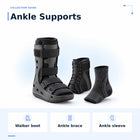
Ankle Support for Home Use: Braces, Sleeves & Walker Boots
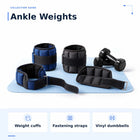
Ankle Weights & Exercise Weights for Home & Rehab

Anti-Bedsore Air Mattresses
You may also need
FOR YOURecommended for you
Save 38%
Save 22%
Save 18%
Save 22%
Save 33%
Save 33%
Save 50%
Save 6%
Save 25%
Save 29%
Save 12%
Save 16%
Save 6%
Save 13%
Save 17%
Save 11%