


Featured ChoiceSave 55%

Save 57%
Save 59%
Save 47%

Save 38%

Save 22%

Save 55%


Save 40%

Save 33%

Save 33%
Save 28%

Save 49%

Save 55%
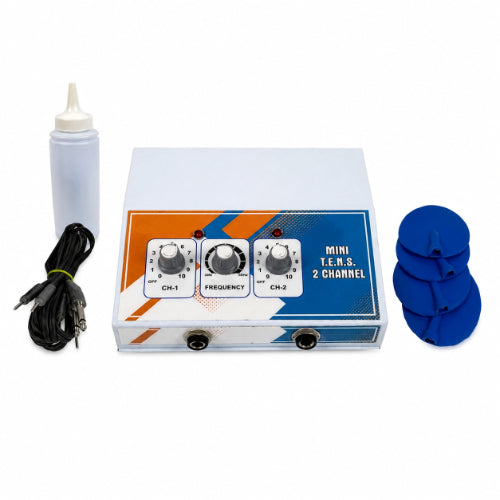
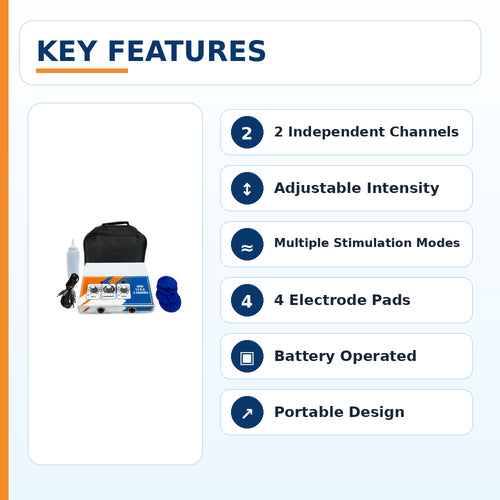

Save 33%
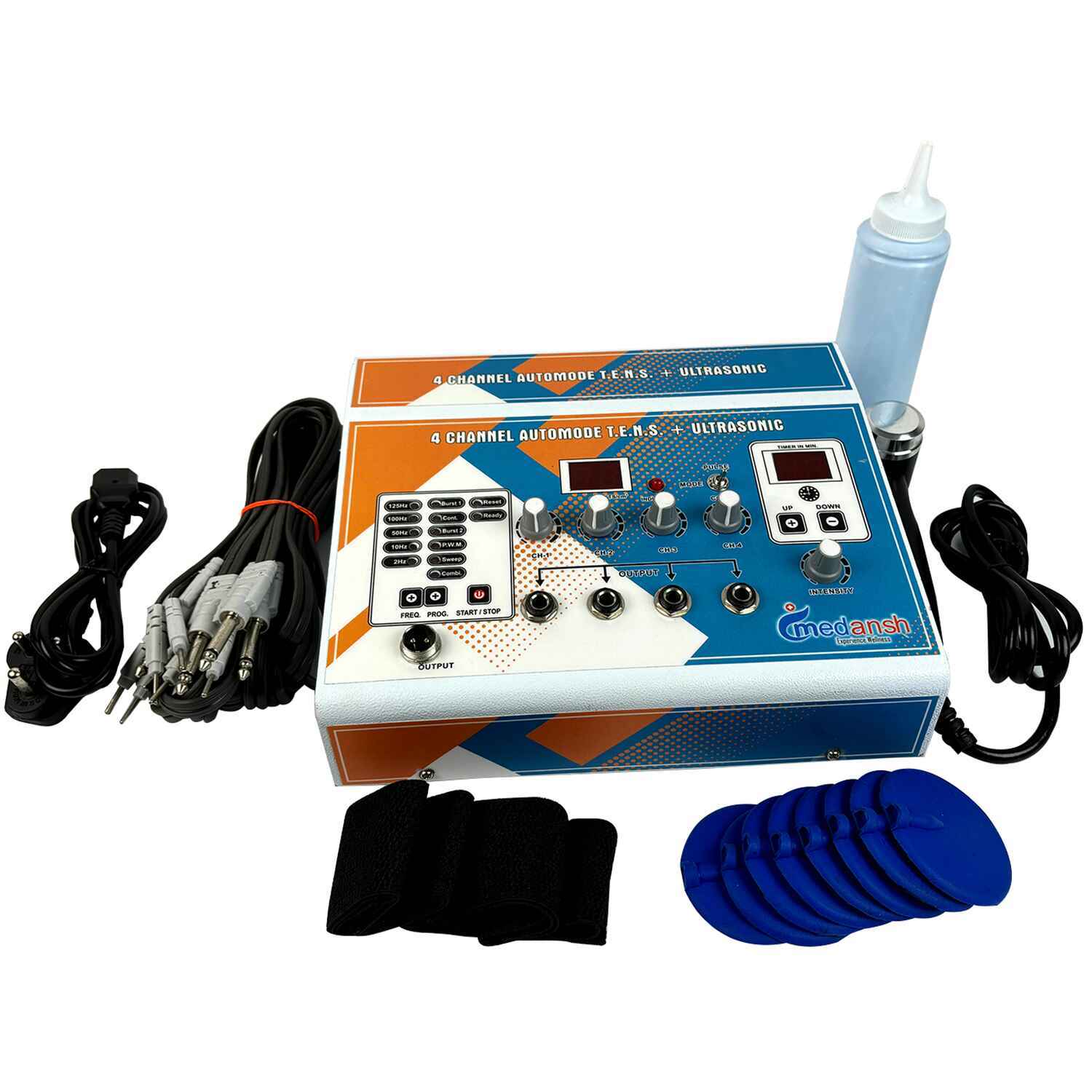
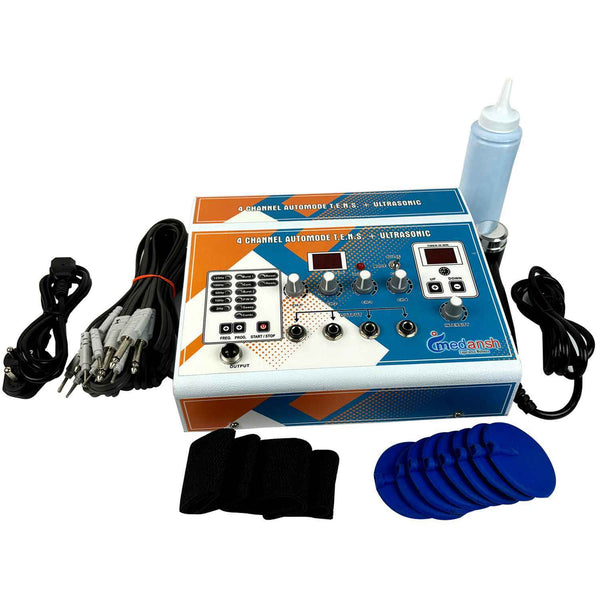
Save 44%

Save 33%

Save 30%

Save 30%

Save 40%


Save 44%

Save 56%

Save 47%
Save 10%
Save 30%
Save 48%

Save 50%


Save 36%


Save 50%

Sold out


Sold out


Save 36%

Sold out
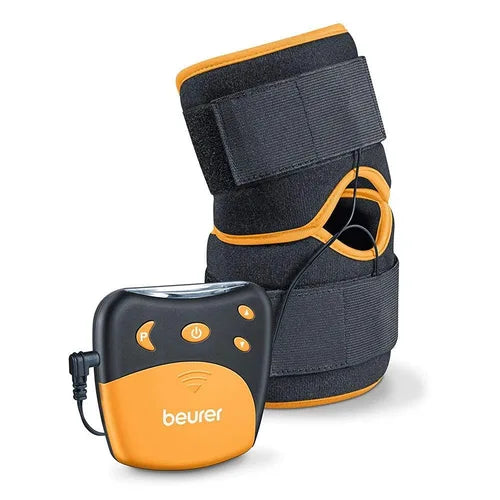
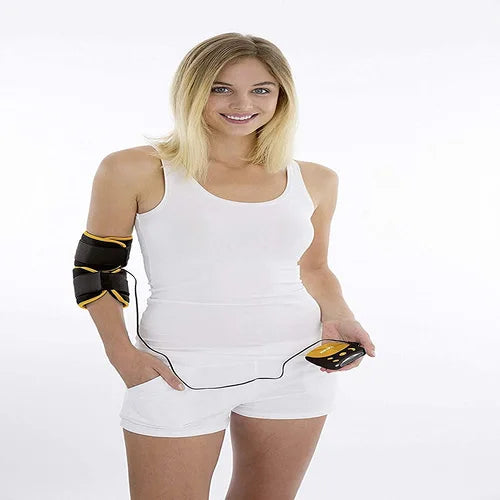

About this collection
TENS Machine Options for Home & Clinic Use
A TENS machine is a small electrotherapy device that sends mild electrical pulses through electrode pads placed on the skin. TENS stands for transcutaneous electrical nerve stimulation. In suitable cases, it may provide temporary pain relief as part of a broader pain-management or physiotherapy plan.
For home users, a compact two-channel unit may be easier to manage. Meanwhile, physiotherapy clinics may prefer multi-channel devices or combination machines that include additional therapy functions.
Therefore, this collection brings together portable, multi-channel and professional TENS options so households and healthcare professionals can compare them according to features, intended use and professional guidance.
What Does a TENS Machine Do?
A TENS machine sends a mild electrical current through electrode pads connected to the device. During use, the stimulation normally feels like tingling rather than pain.
Some people use TENS for short-term or long-term pain management. However, results vary, and the therapy does not work for everyone. For that reason, users who are unsure about the cause of their pain should seek healthcare advice before relying on TENS.
In addition, TENS manages symptoms rather than treating every underlying cause of pain. It should therefore be considered one possible part of a wider care or rehabilitation plan.
Explore TENS Machines by Type
Portable & Home-Use TENS
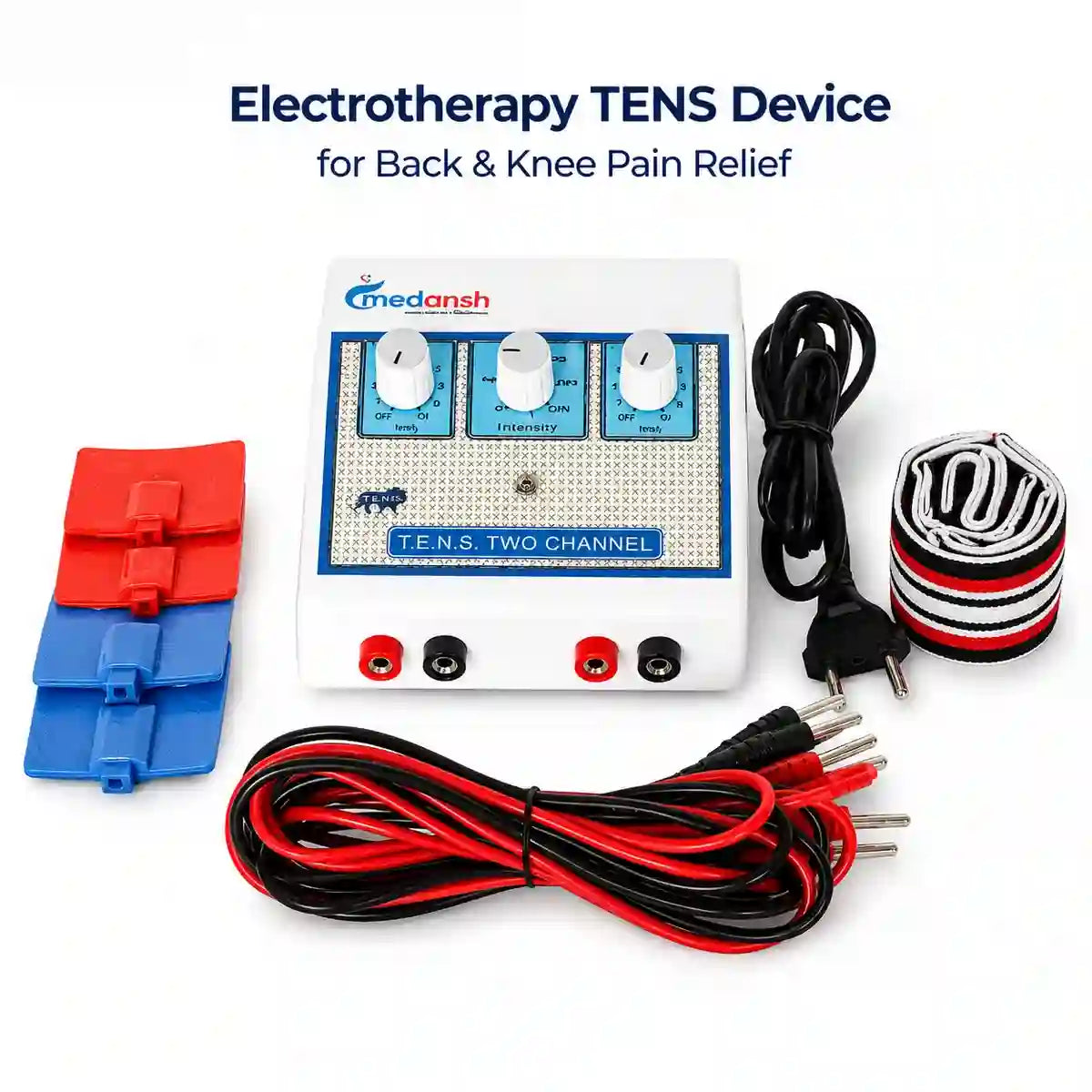
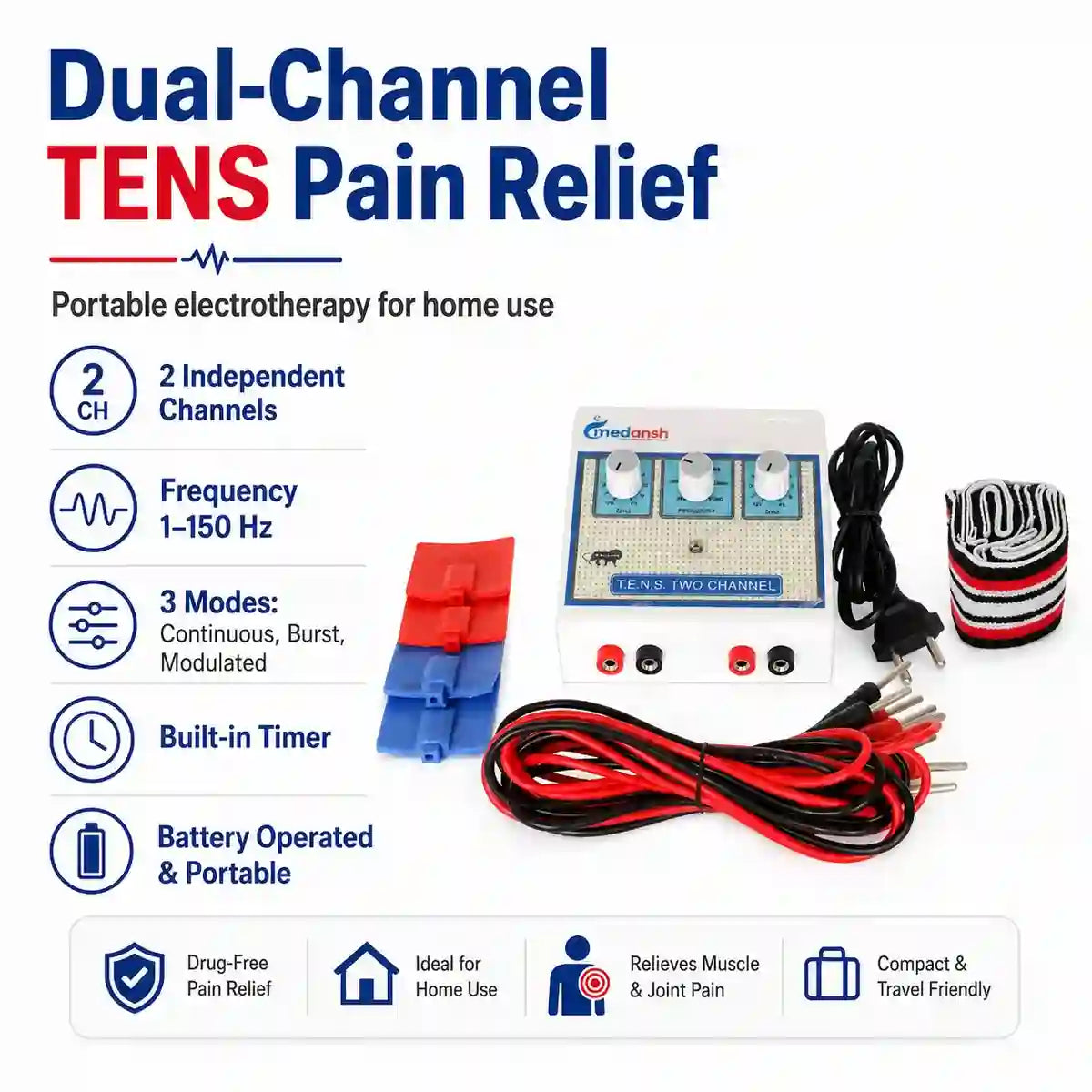
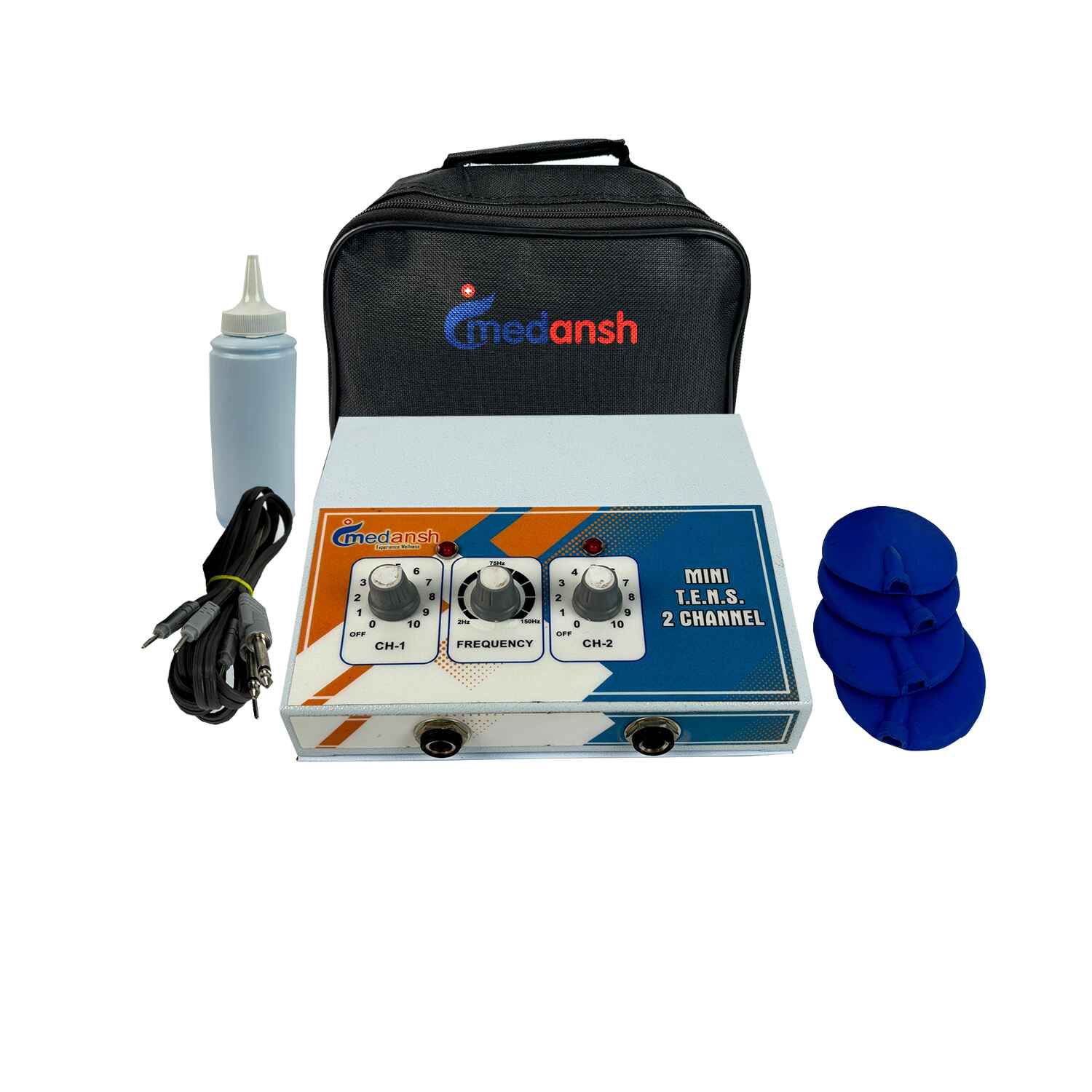
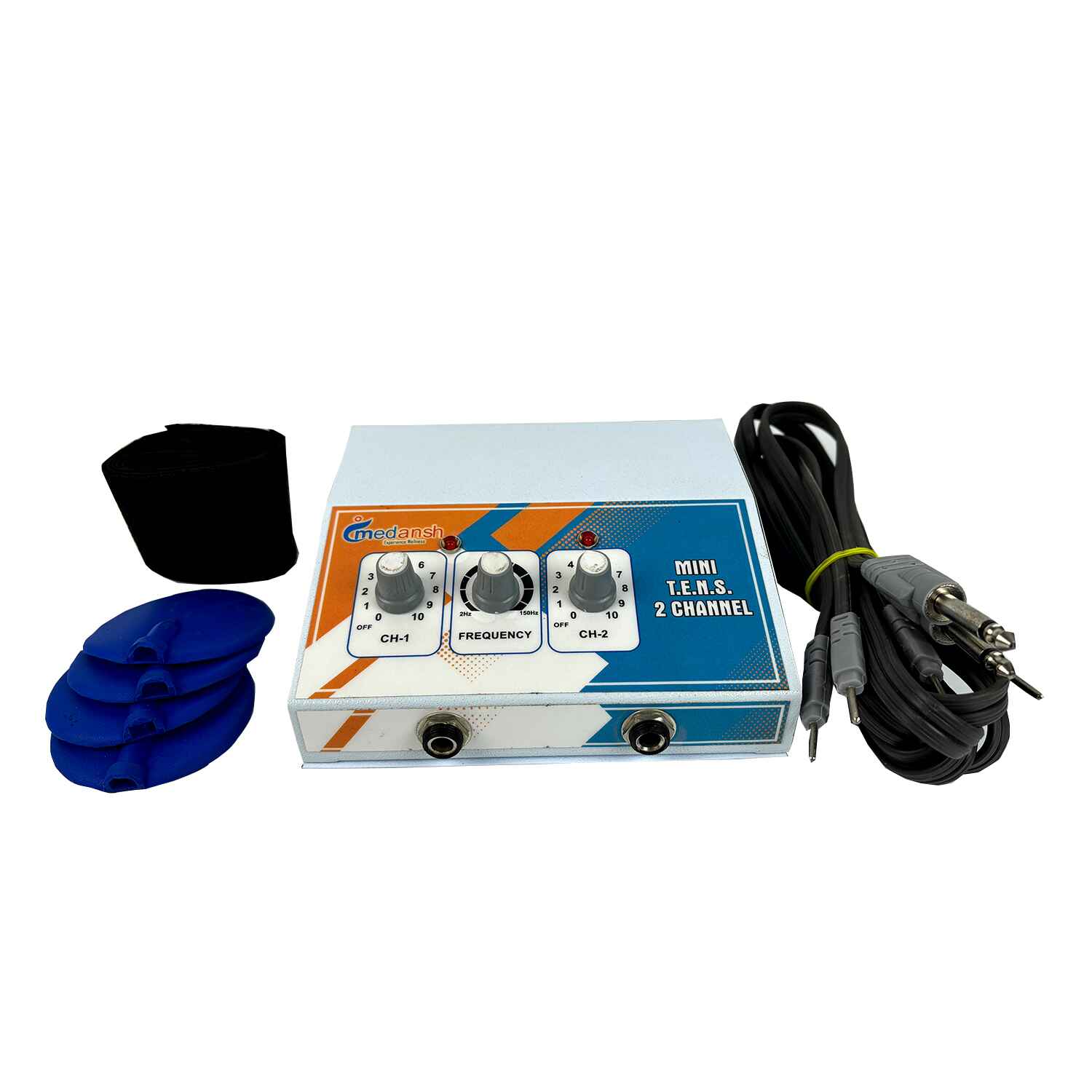
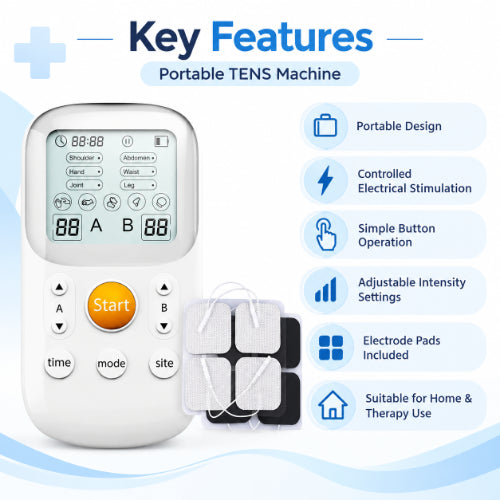
Compact devices are generally the easiest starting point for suitable home routines. In particular, two-channel models can provide a simpler format for users who do not need a larger professional system.
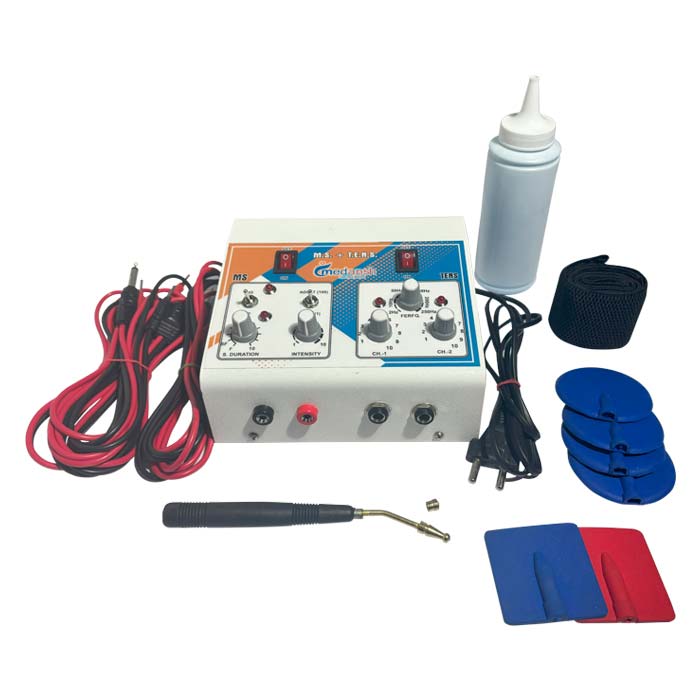
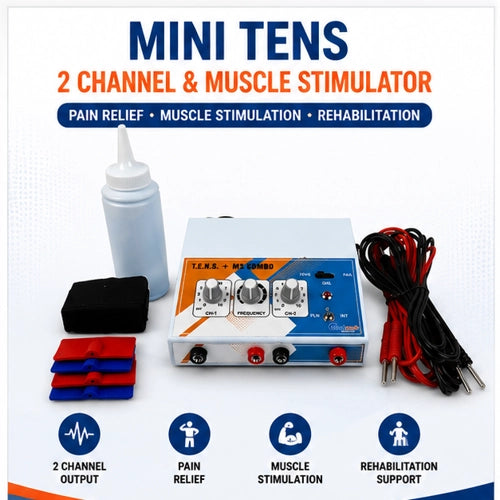
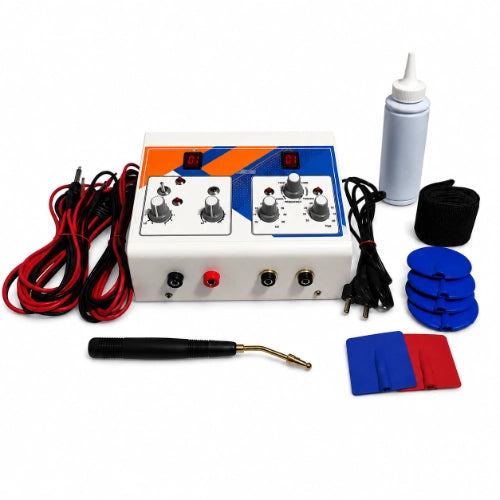
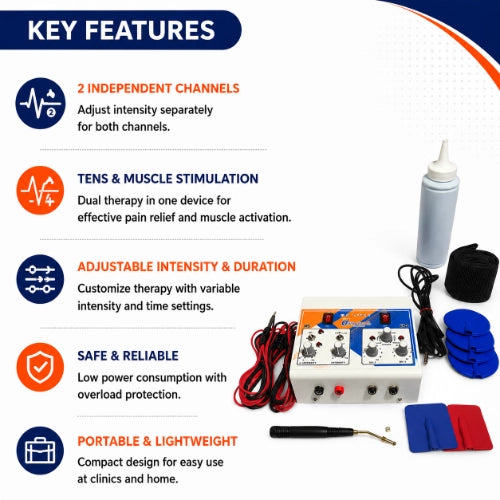
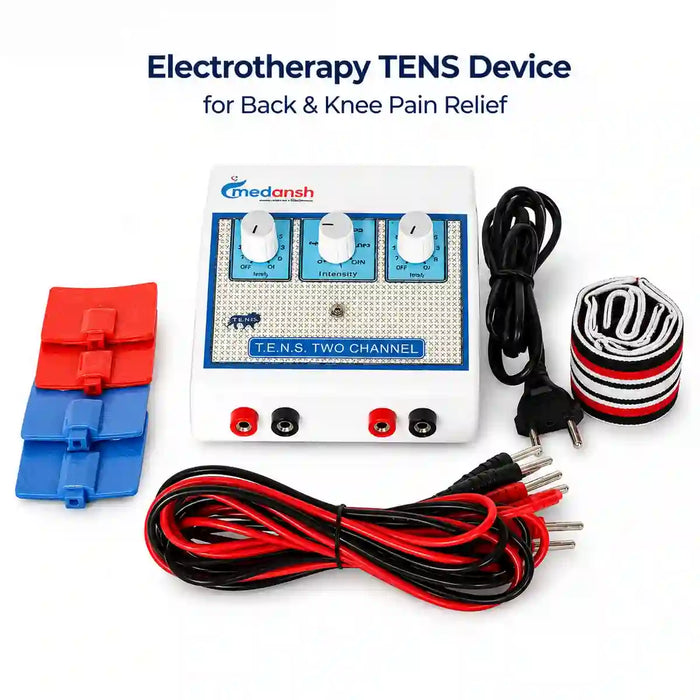
Electrotherapy TENS Device for Back & Knee Pain Relief TENS Machine for Home Use | 2-Channel Pain Relief Portable 2-Channel TENS With 2-Year Warranty
Before buying, compare the controls, supplied pads, lead wires, power source and warranty. Also, check the manufacturer's instructions to confirm whether the device suits the intended user.
TENS With Muscle Stimulation
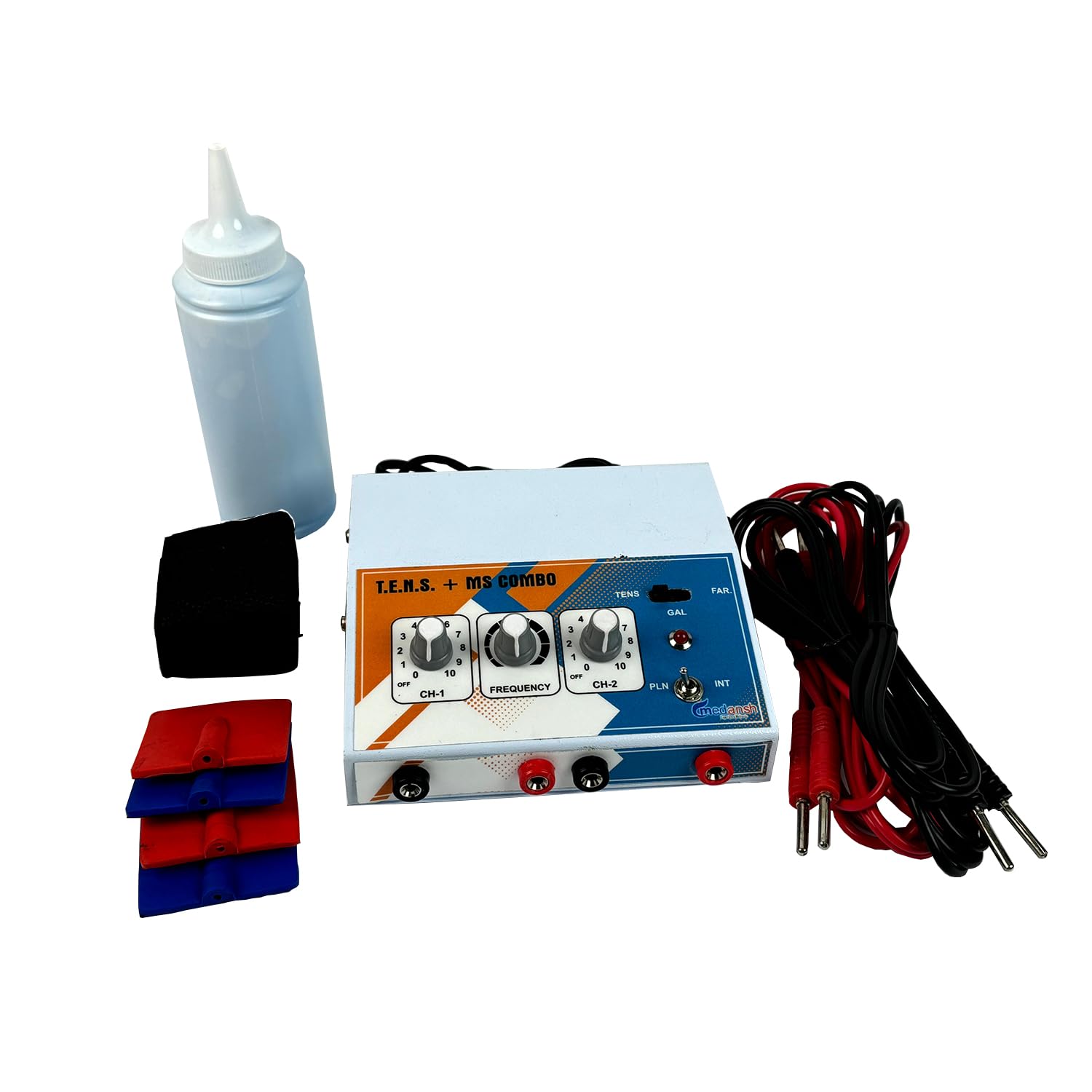
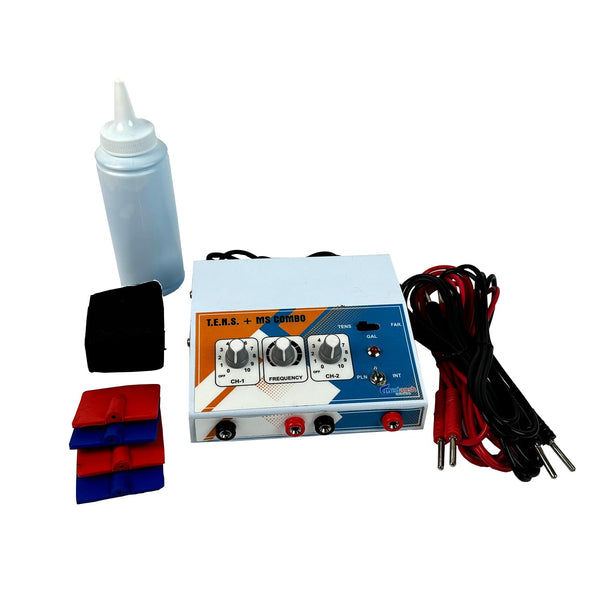
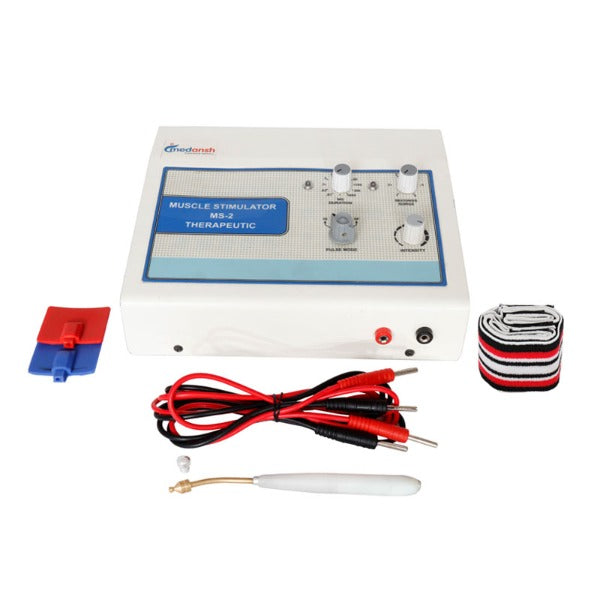
Some products combine TENS with muscle-stimulation functions. Although the technologies may appear similar, they are used for different purposes, so the selected mode should match the guidance provided with the device.
Consequently, buyers should not choose a combination unit simply because it offers more modes. Instead, consider which functions are actually required for the planned rehabilitation routine.
4-Channel & Multi-Channel TENS
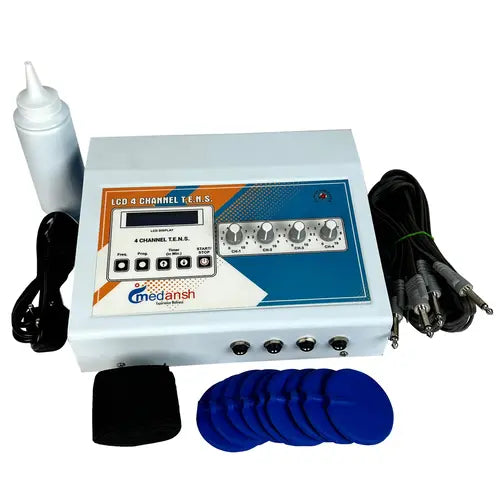
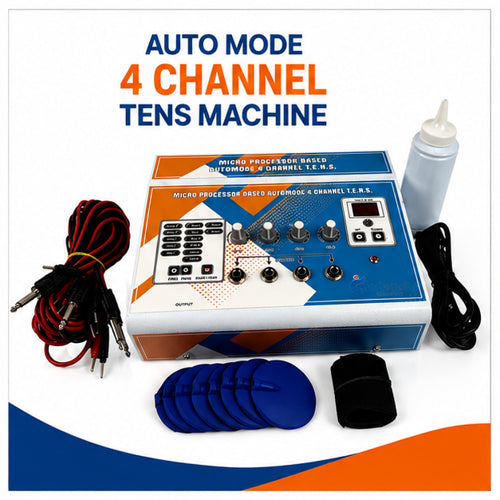
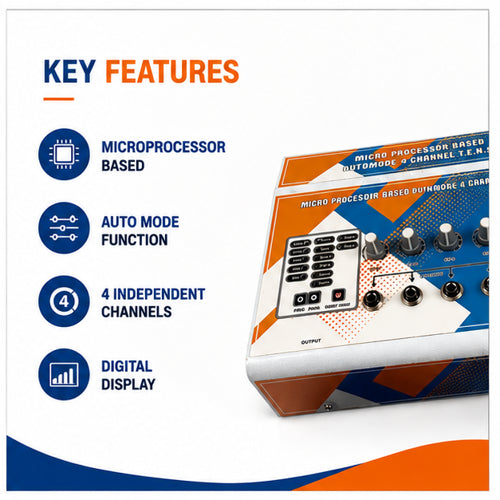
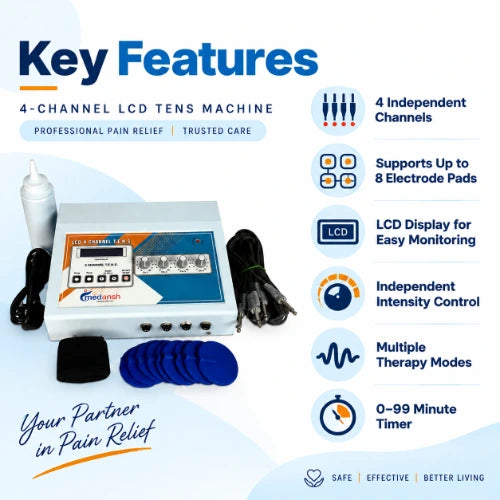
A larger TENS machine may provide additional channels and controls for professional therapy environments. For example, clinics may prefer equipment that gives trained users more flexibility when setting up treatment sessions.
For professional buyers, channel count is only one consideration. Furthermore, controls, accessories, workspace, warranty and intended applications should be reviewed before ordering.
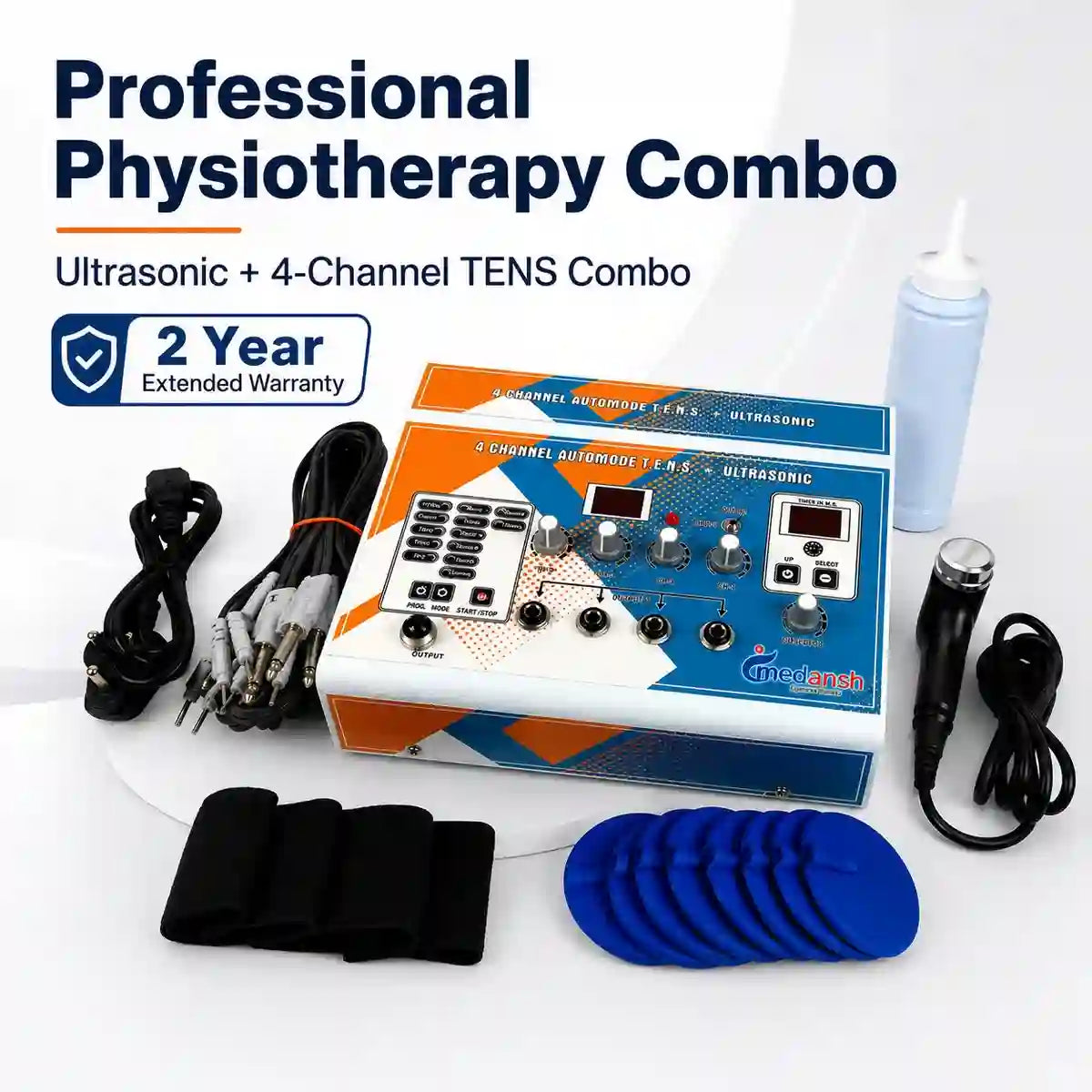
Ultrasonic + TENS Combination Units
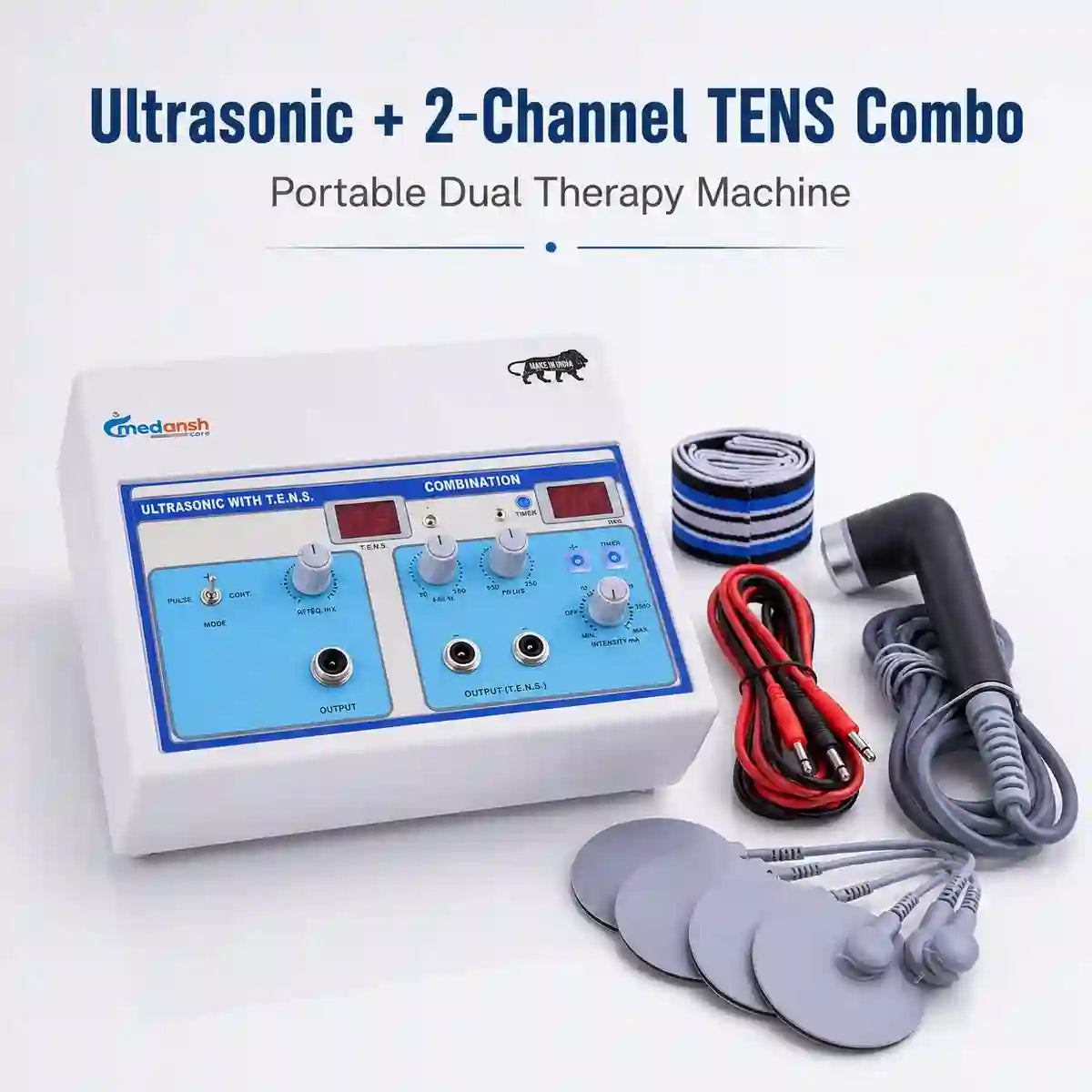
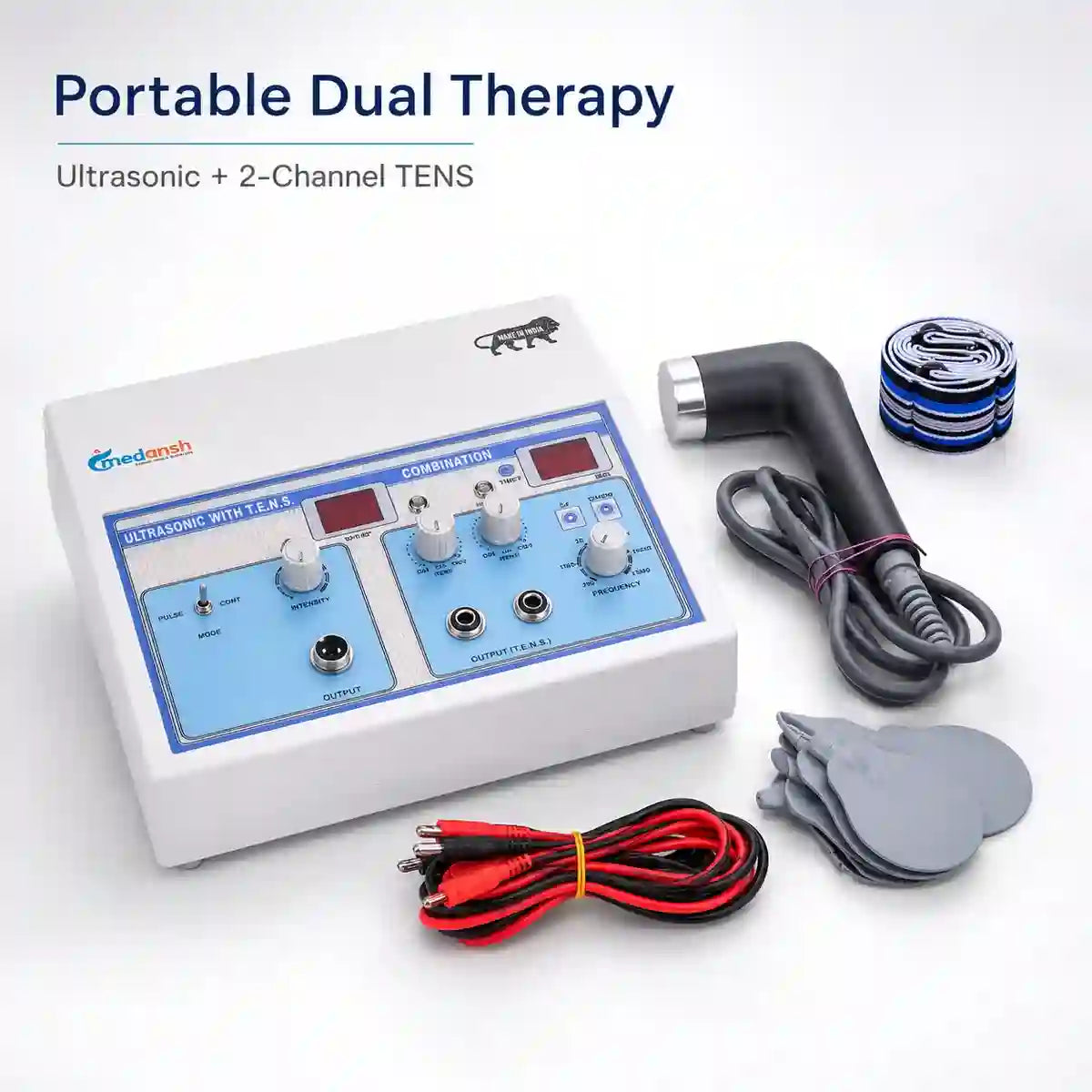
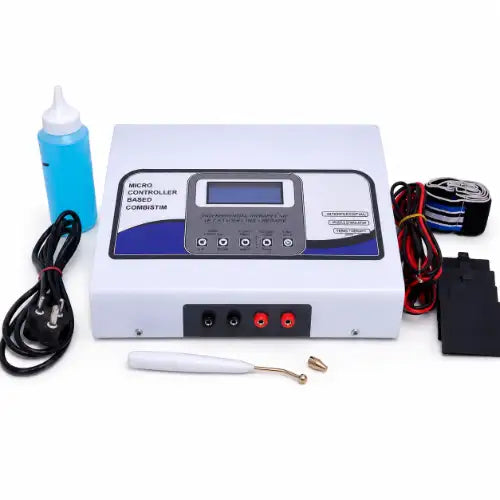
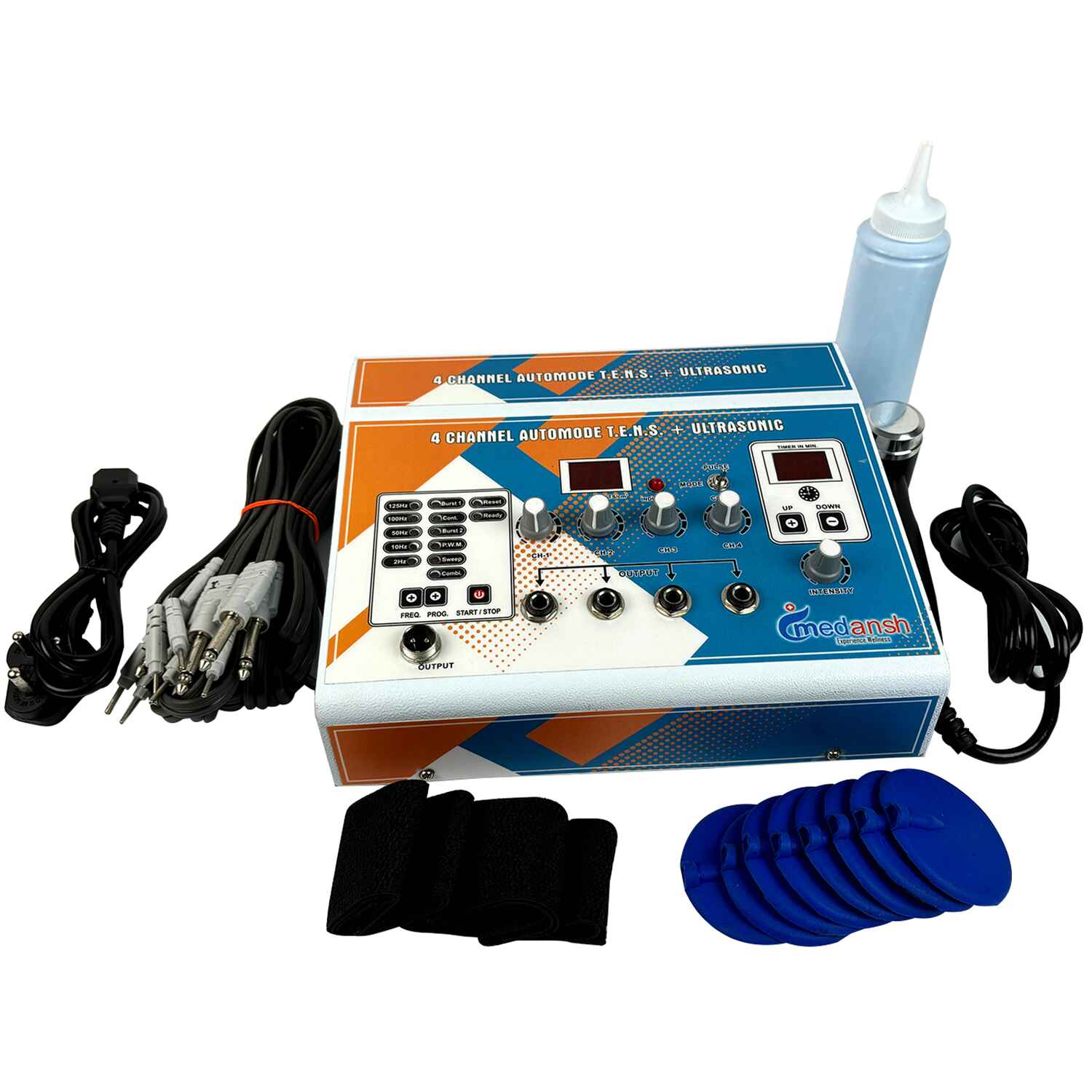
Combination systems bring more than one therapy modality into a single machine. As a result, they may help clinics reduce the number of separate devices needed in a treatment area.
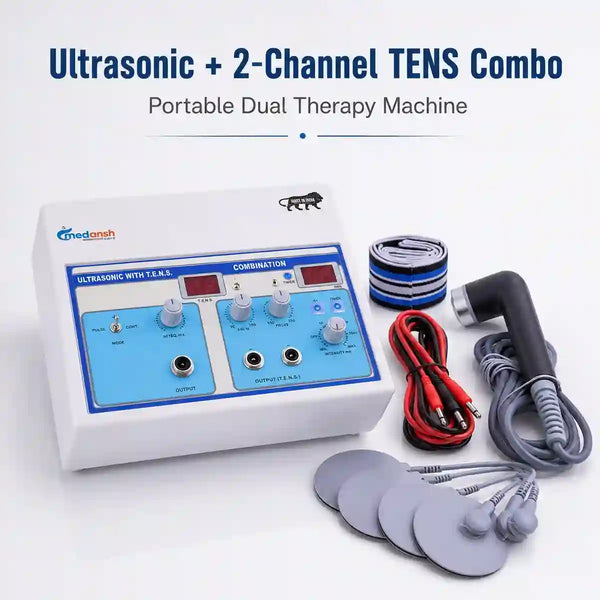
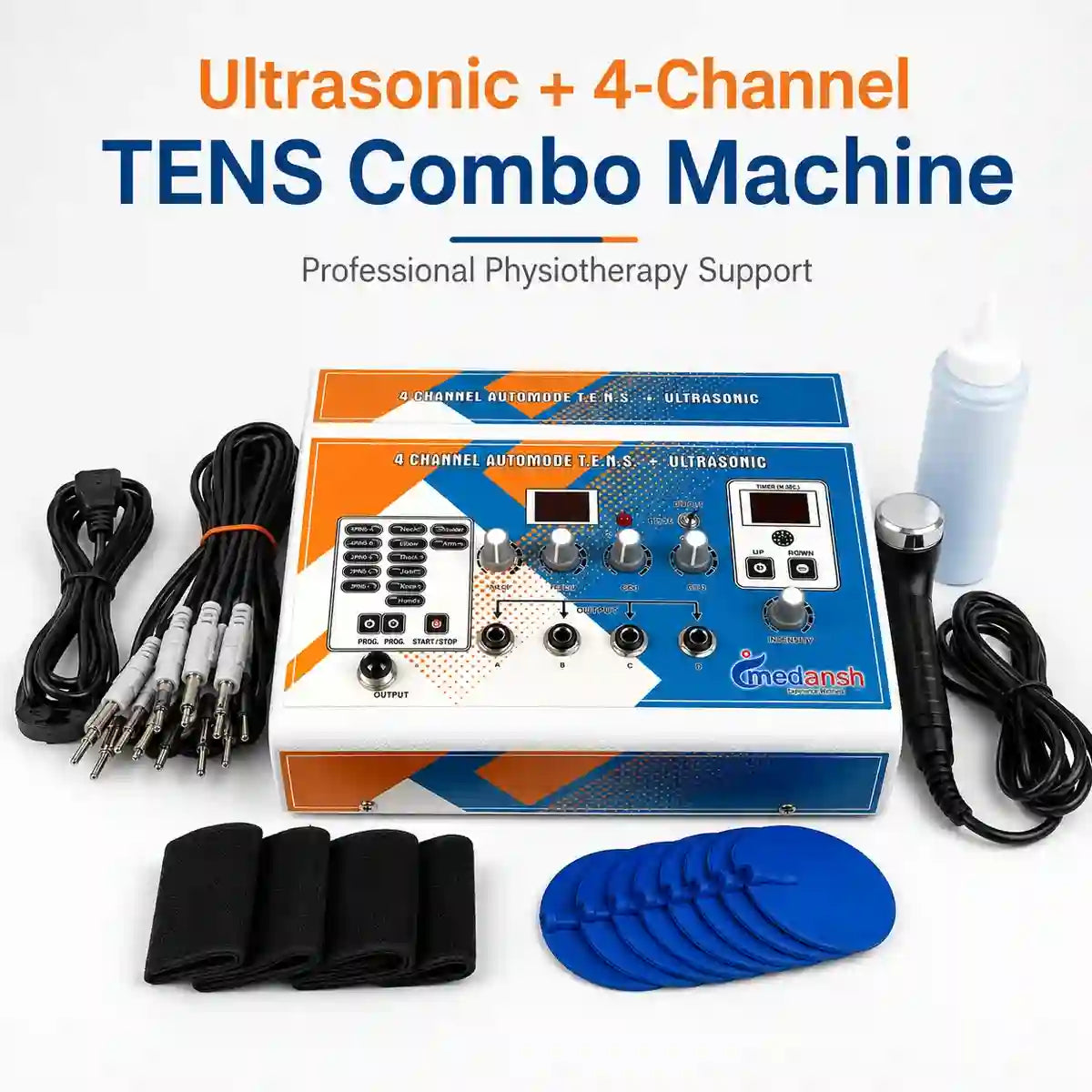
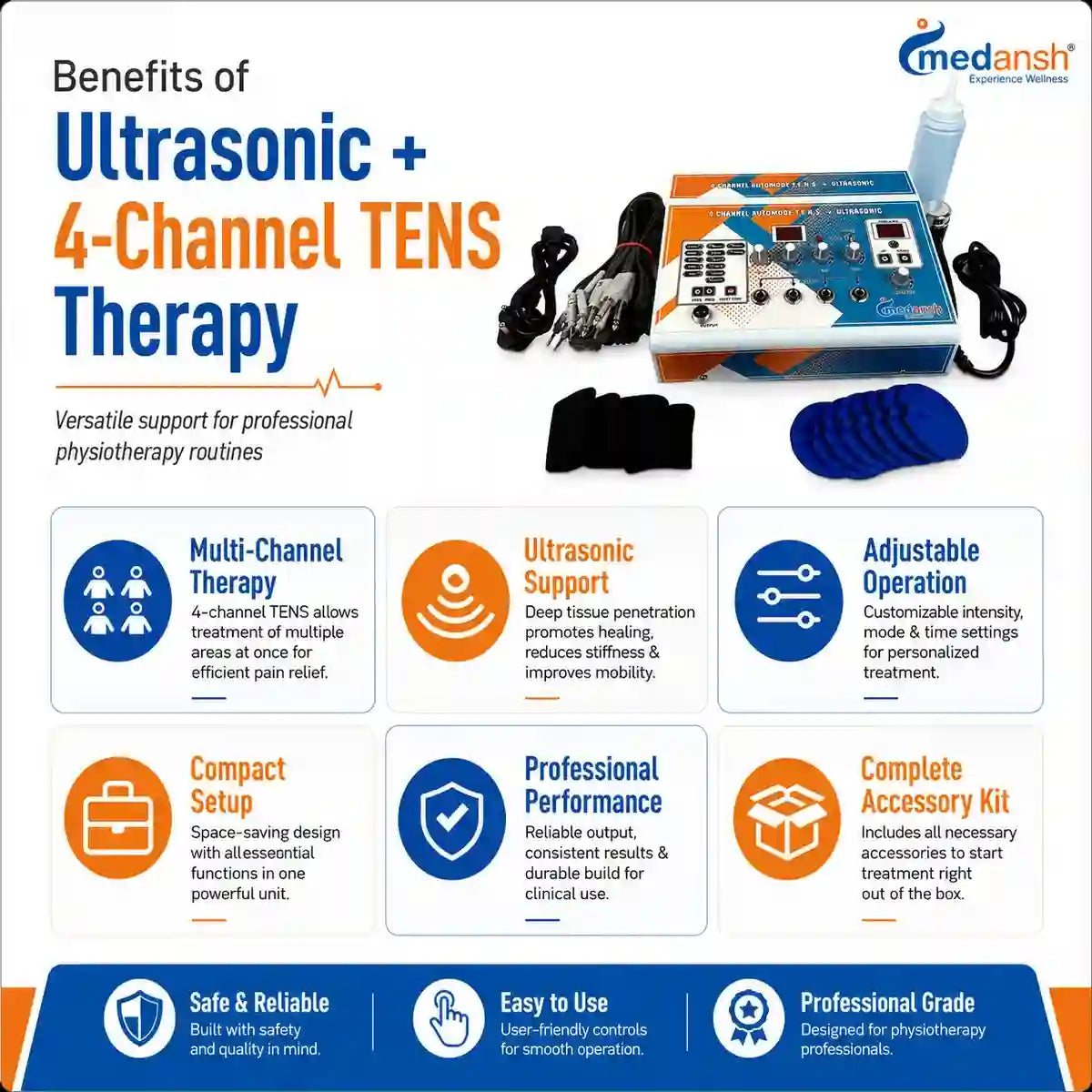
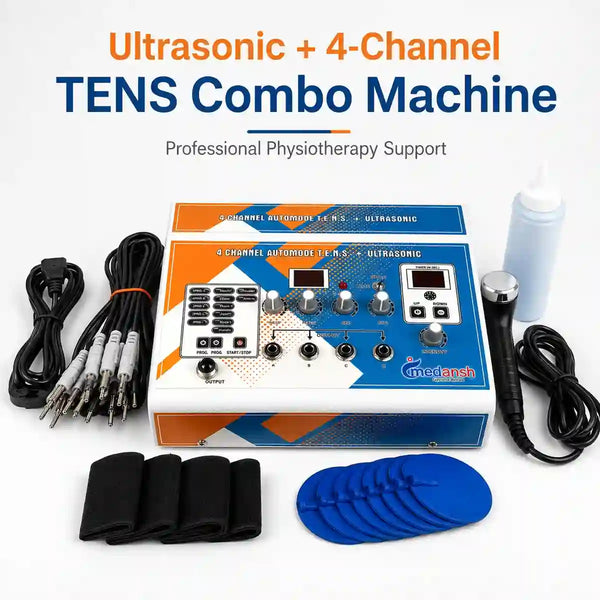
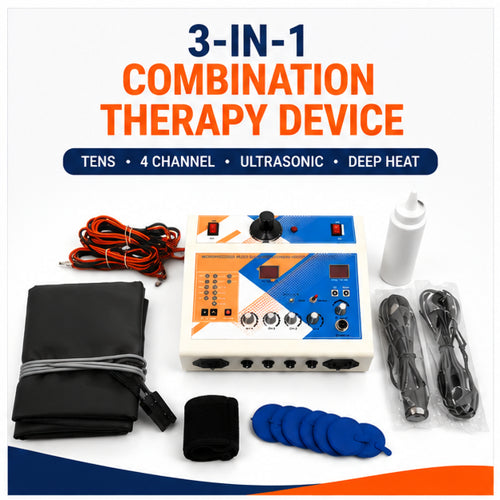
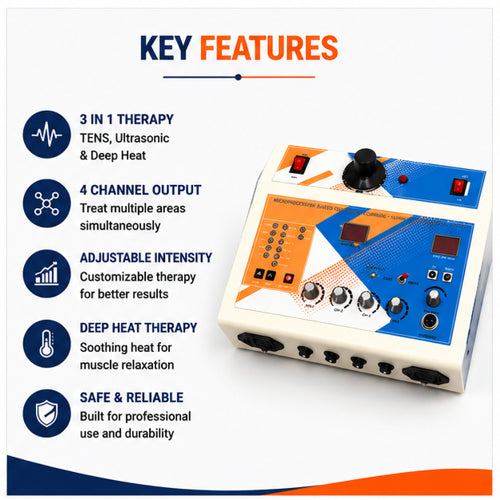
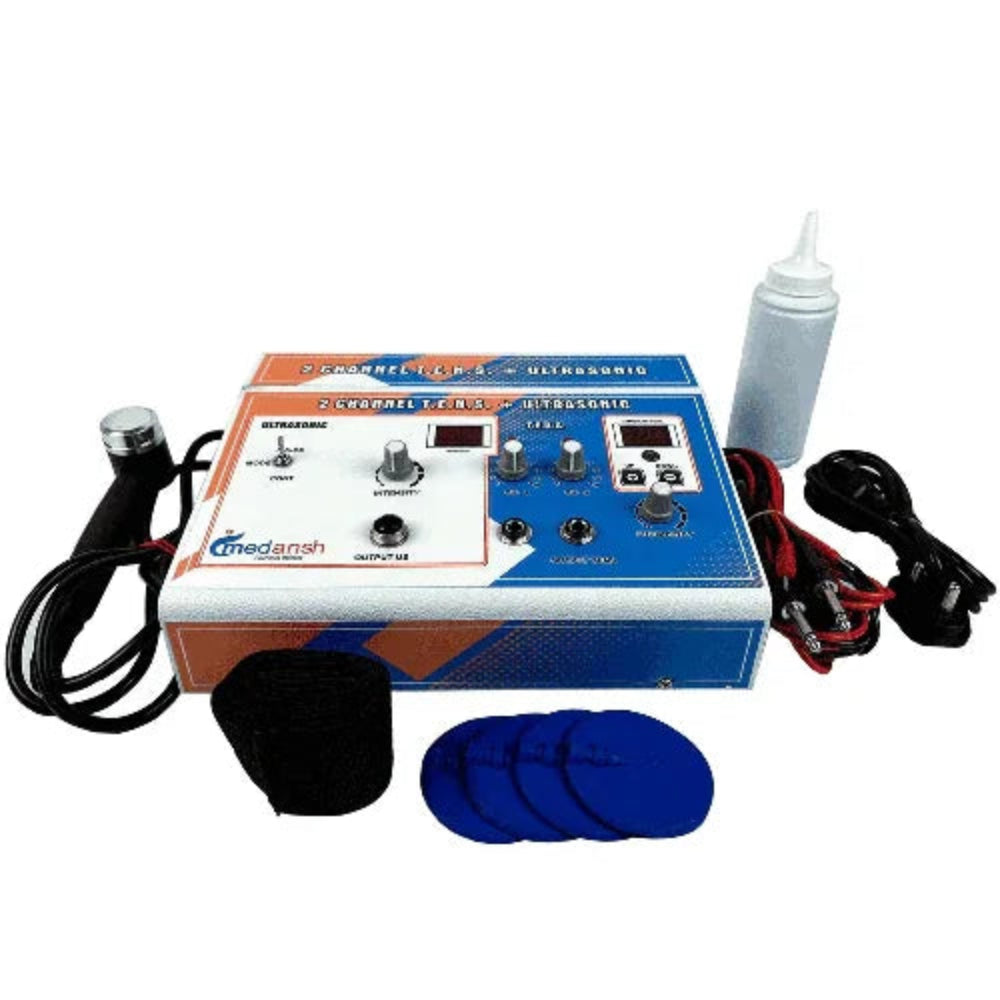
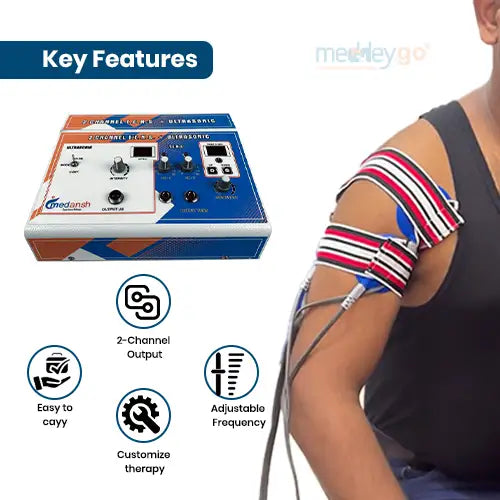
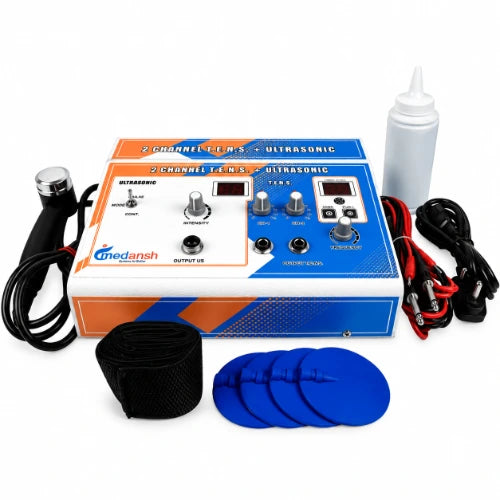
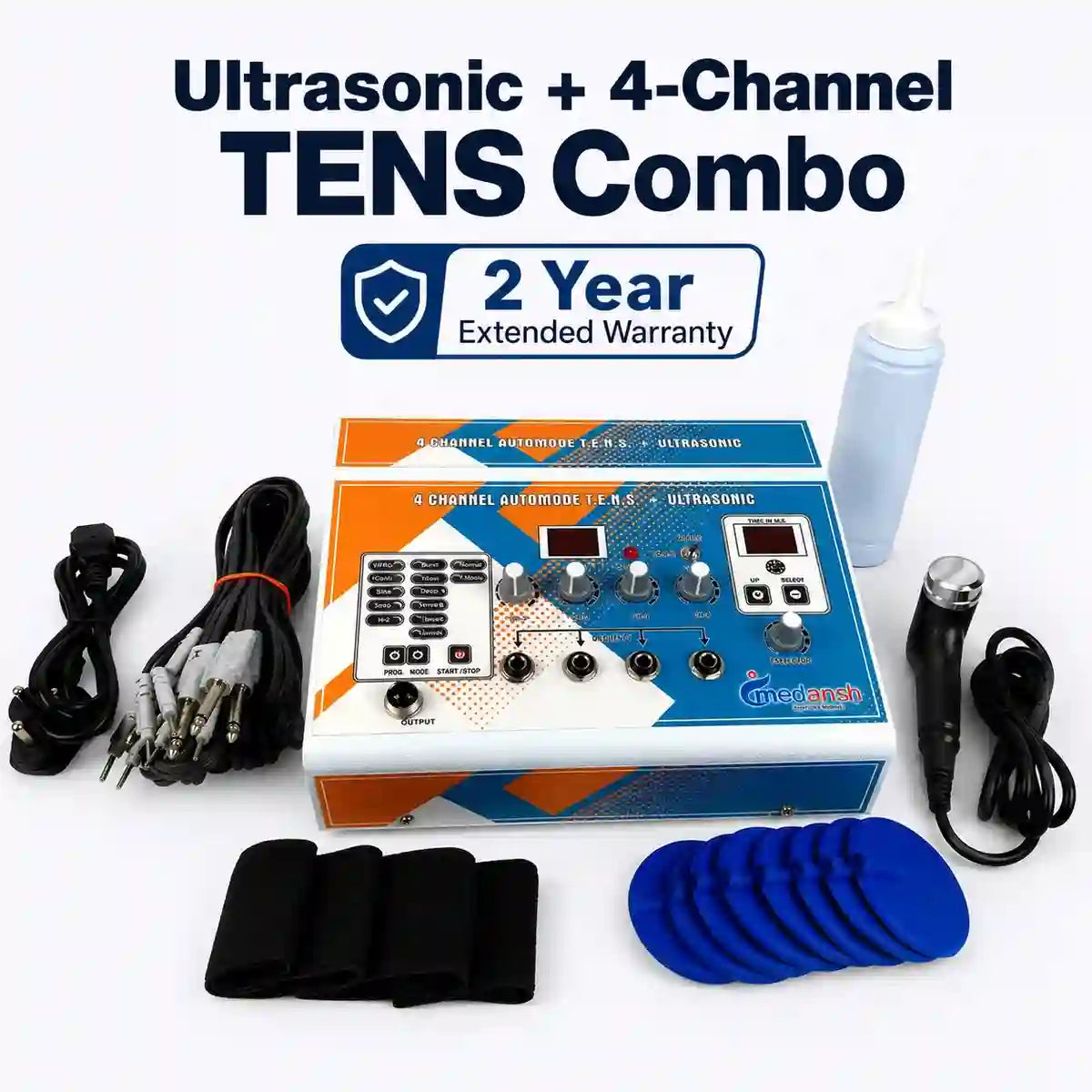
Ultrasonic + 2-Channel TENS Combo Ultrasonic + 4-Channel TENS Combo TENS + Ultrasonic Dual Therapy Machine 4-Channel Combo With 2-Year Warranty
However, ultrasound and electrical stimulation have different operating requirements. Therefore, professional guidance and the manufacturer's instructions remain important when using a combination system.
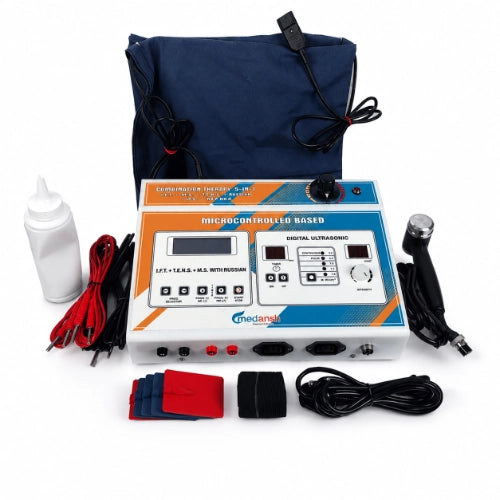
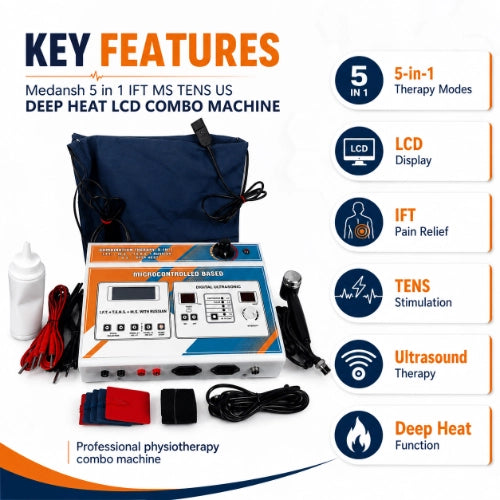
IFT, MS & TENS Combination Machines
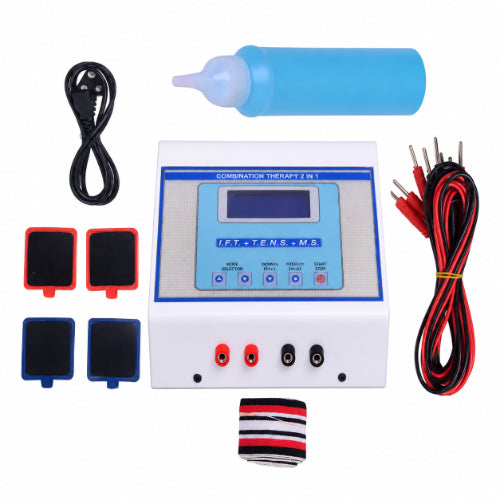
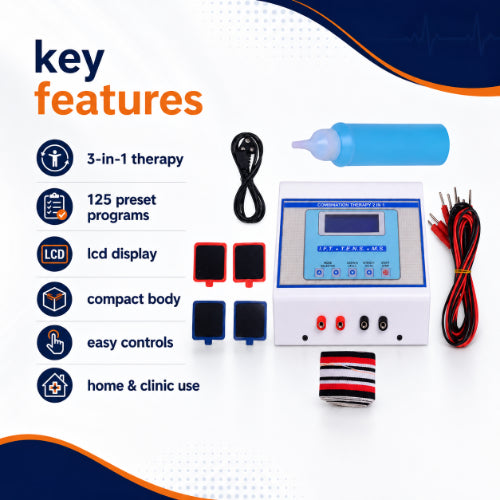
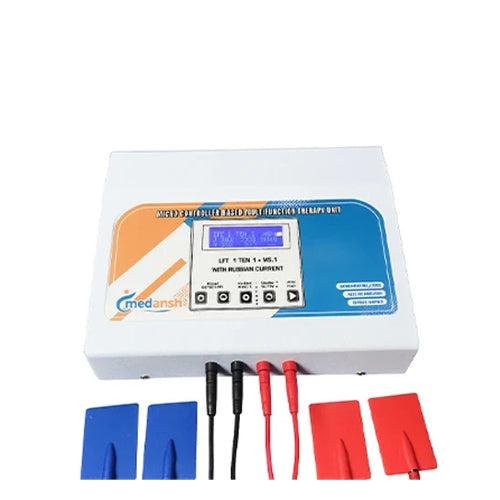
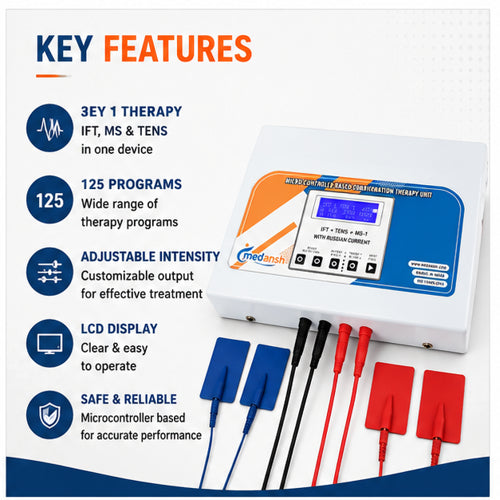
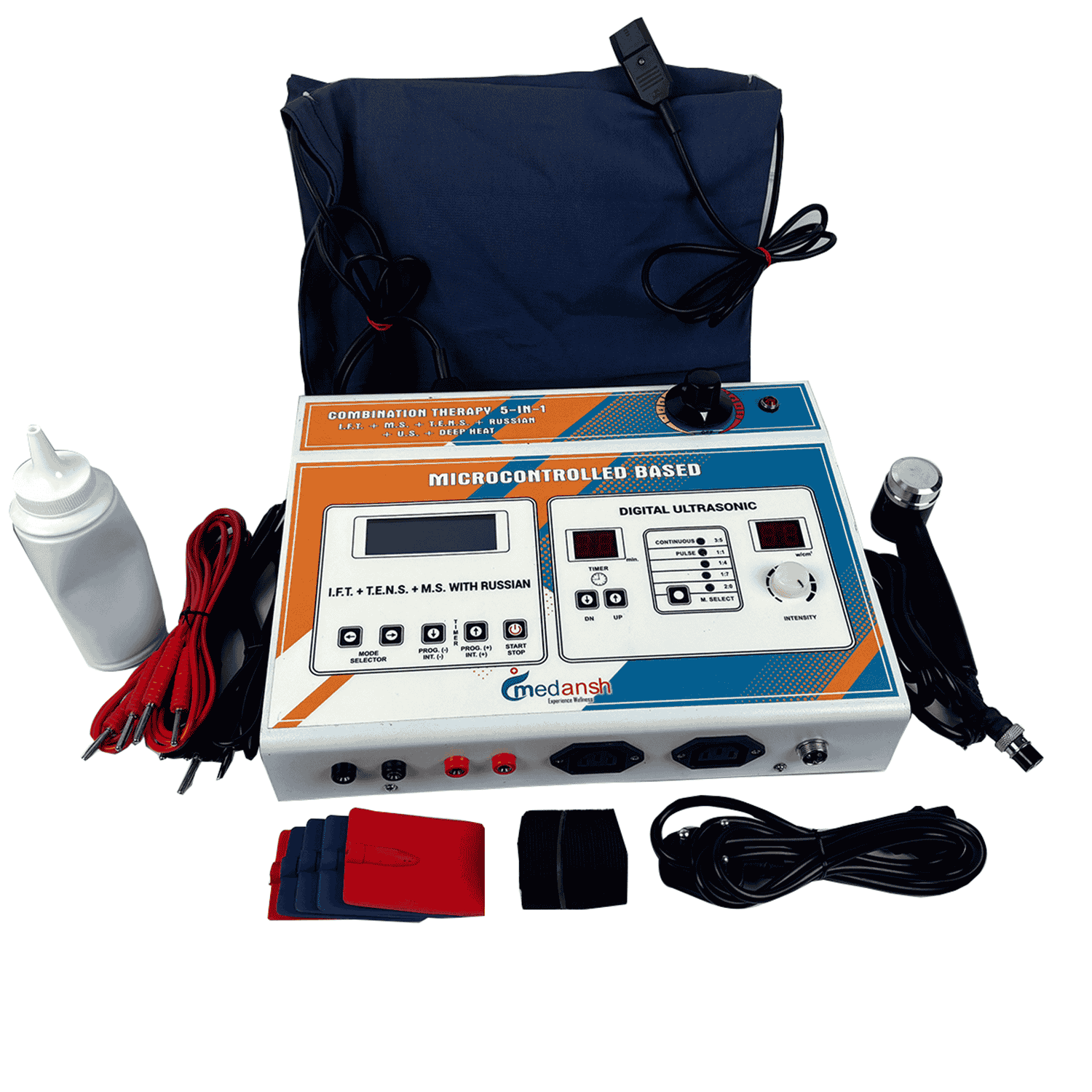
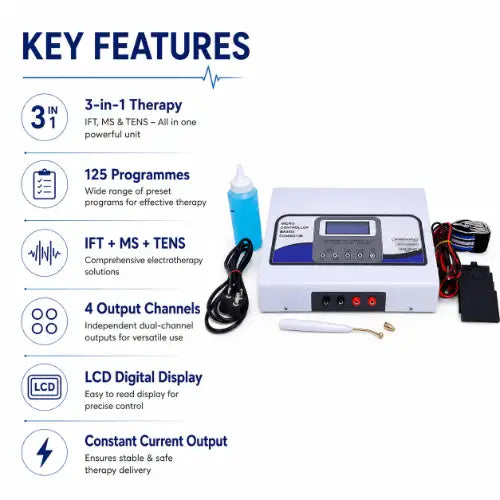
Multi-modality physiotherapy systems may combine TENS with IFT, muscle stimulation or other functions. These machines are generally more relevant to clinics and trained professionals than to someone seeking a simple home device.
When comparing these systems, focus on the therapy functions the clinic actually uses. Moreover, staff familiarity, controls and service support can matter as much as the total number of programmes.
Electrode Pads, Leads & Accessories
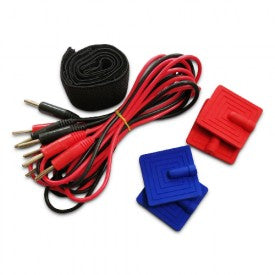
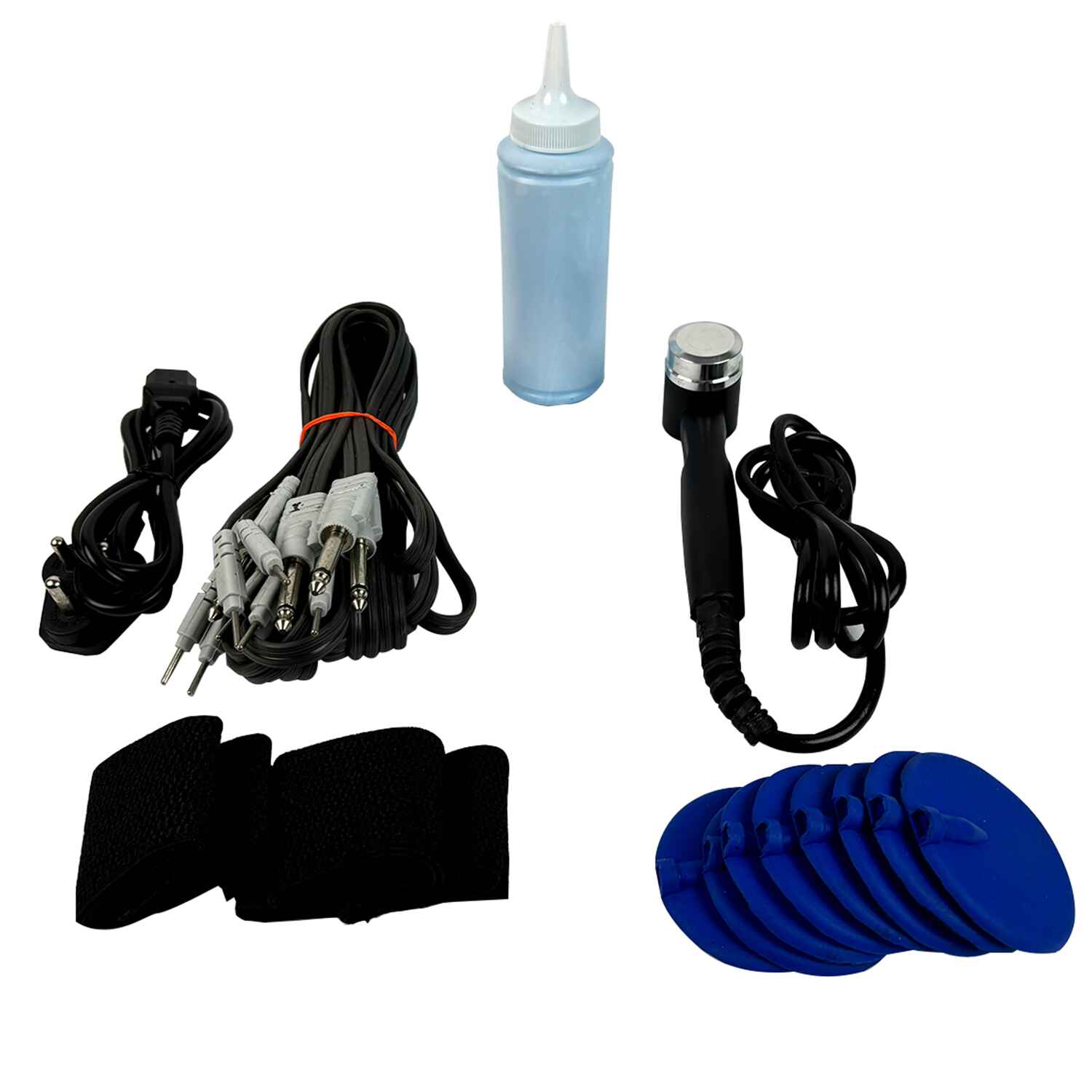
Accessories are an important part of ongoing electrotherapy use. Therefore, buyers should check compatibility rather than assuming that every pad, lead or gel works with every machine.
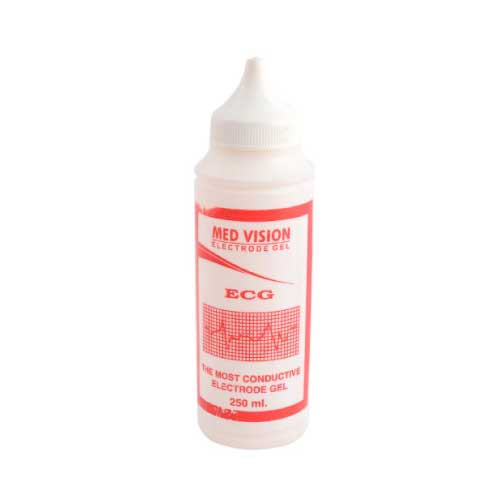
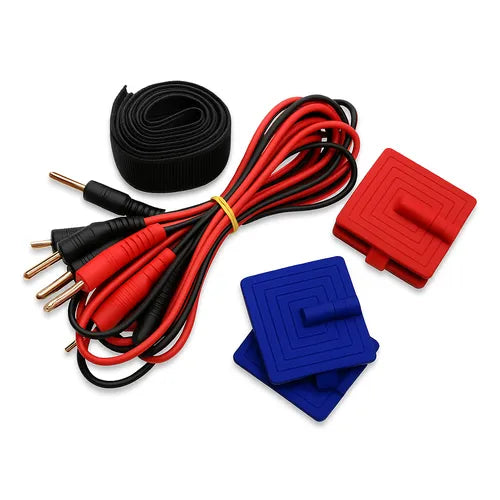
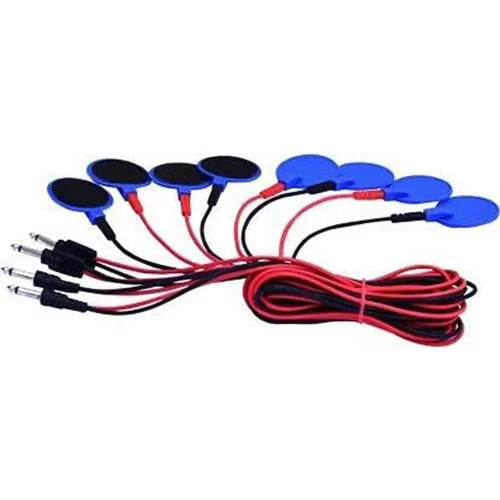
TENS Lead Wire & Electrode Pad Set 4-Channel Leads With Electrode Pads Electrode Gel for TENS & Ultrasound
Before replacing an accessory, compare the connector type and product compatibility. In addition, worn or damaged components should not be used simply to extend their service life.
How to Choose a TENS Machine for Home Use
First, consider why the device is being purchased and whether TENS is appropriate for the user. Next, compare simpler home units before moving toward larger combination systems.
- Check whether the product is intended for home, professional or mixed use.
- Compare the number of channels according to the intended setup.
- Review the included electrode pads, leads and other accessories.
- Look at the controls, display and available modes.
- Confirm whether the device is portable, battery-powered or mains-powered.
- Check warranty information and replacement-accessory availability.
- Finally, read the manufacturer's safety and operating instructions.
Although a more advanced TENS machine may offer additional features, those functions are not automatically necessary for every household. Instead, the most suitable option should balance simplicity, intended use and professional advice where needed.
TENS Machines for Physiotherapy Clinics
Clinics often have different requirements from households. For instance, a professional setting may need multi-channel equipment, broader adjustment options or combination therapy units.
Furthermore, physiotherapy centres should consider repeated use, accessory availability, cleaning requirements and service support. A compact two-channel device may suit mobile work, whereas a larger combination system may fit a dedicated treatment room.
For that reason, professional buyers should compare the complete system rather than focusing only on the number printed in the product title.
| Type | What to Compare | Typical Buyer |
|---|---|---|
| Portable 2-channel TENS | Simple controls, pads, portability and warranty | Suitable home users or mobile professionals |
| TENS + muscle stimulation | Available modes and intended therapy use | Home or professional use depending on model |
| 4-channel TENS | Channel controls, accessories and workspace | Physiotherapy clinic |
| Multi-channel TENS | Number of outputs and professional requirements | Clinic or rehabilitation centre |
| Ultrasound + TENS | Dual functions, accessories and operating guidance | Professional therapy setting |
| IFT/MS/TENS combination | Modalities, controls, programmes and service support | Physiotherapy clinic |
TENS Machine vs Other Electrotherapy Equipment
A TENS machine is only one type of electrotherapy product. Other physiotherapy devices may include muscle stimulators, IFT units, ultrasound machines and combination systems.
For a wider range of professional machines, visit the Physiotherapy Machines collection.
Alternatively, buyers comparing broader electrical therapy options can explore Electrotherapy & TENS Machines.
For products focused more broadly on comfort and pain-management support, browse Pain Management.
TENS Safety Before Use
TENS is not suitable for everyone. For example, people with a pacemaker or certain implanted electronic devices should seek appropriate medical advice before considering electrical stimulation.
Pregnancy, epilepsy, unexplained pain or other medical concerns can also require professional advice. In addition, electrode pads should not be placed on broken or irritated skin, near the eyes or across unsafe body areas.
While using the device, follow its instructions and avoid use during activities such as driving, bathing or showering. If stimulation becomes painful or causes skin irritation, stop using the machine and seek appropriate advice.
Frequently Asked Questions
What is a TENS machine?
It is an electrical stimulation device that sends mild pulses through electrode pads placed on the skin. Some people use TENS as part of a pain-management or physiotherapy routine.
Does TENS permanently cure pain?
No. TENS may provide temporary pain relief for some people, but it does not cure every underlying cause of pain and does not work for everyone.
Can a TENS machine be used at home?
Selected portable models are designed for suitable home use. However, users should read the manufacturer's instructions and seek professional advice when they are unsure whether TENS is appropriate.
What is the difference between 2-channel and 4-channel TENS?
The main difference is the number of available output channels. However, buyers should also compare controls, accessories, intended use and the individual product specifications.
Is TENS the same as a muscle stimulator?
No. Although both use electrical stimulation, they can have different intended applications. Combination machines may include both functions in one unit.
Who should check with a healthcare professional before using TENS?
People with a pacemaker or implanted electronic device, epilepsy, pregnancy or uncertainty about the cause of their pain should seek appropriate professional advice before use.
Need help comparing TENS machine options?
For current specifications, availability or help comparing home and clinic models, contact Meddey Customer Care.
WhatsApp +91 85860 12345Medical note: This content provides general product-selection information and does not replace medical advice. TENS may provide temporary pain relief for some people, but suitability varies according to individual health needs.
Explore Medical Collections
All Categories
Abdominal & Maternity Support

Accessories

Accu-Chek Instant Strips: Use, Compatibility, Price & Blood Sugar Testing Guide
Accu-Chek Instant Strips: Uses, Features & Complete Guide

Accupressure Products for Pressure Point Therapy, Pain Relief & Wellness

accupuncture

Acupuncture Needles & Supplies

Advanced Physiotherapy Machines & Lumbar Physiotherapy

Airways

Ambulance

Anatomy Models
Anesthesia Machine

Anesthesia Products
Ankle Support, Braces & Walker Boots for Recovery
Ankle Weights & Exercise Weights for Home & Rehab
You may also need
FOR YOURecommended for you
Save 55%
Save 57%
Save 59%
Save 55%
Save 55%
Save 47%
Save 38%
Save 22%
Save 40%
Save 33%
Save 33%
Save 28%
Save 49%
Save 33%
Save 44%
Save 33%
Save 30%
Save 30%
Save 40%