


Featured ChoiceSave 15%


Save 33%
Theraband: Uses, Resistance Levels, Benefits & Exercise Guide
Theraband: Uses, Resistance Levels, Benefits & Exercise Guide
Theraband is a lightweight resistance tool used for rehabilitation, physiotherapy and home exercise. It can help build strength, improve movement control and support gradual recovery.
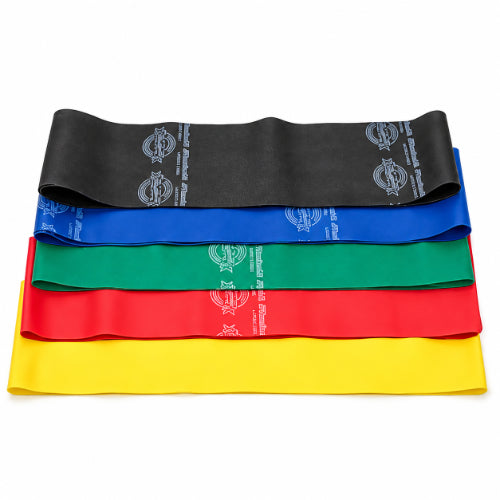
Theraband products include flat bands, loop bands, FlexBars, and resistance tubes. Each type feels different. Therefore, the best choice depends on the body part and the exercise goal.
For home rehab, Theraband is useful because it needs little space. In addition, it allows small changes in load. As a result, progress can be easier to manage.
Theraband rehabilitation insights
Theraband resistance
Start light. Increase the load only when the move stays smooth.
Theraband rehab use
Theraband work can support the shoulder, knee, ankle, hip, and elbow.
Resistance tubes
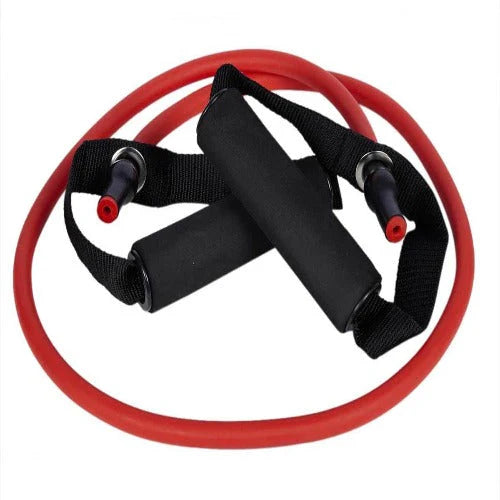
Resistance tubes can work well for rows, presses, curls, and arm work.
Technique first
Move slowly. Good form matters more than a hard pull.
What is Theraband used for in physiotherapy?
Theraband adds a steady pull during a move. Because of this, weak muscles can work without heavy weights.
For example, a physio may use Theraband for the shoulder, knee, ankle, hip, or elbow. It can also help with posture and home rehab.
However, Theraband is not a cure. If pain is severe or new, ask a doctor or physio first.

How Theraband helps rehabilitation
The goal of rehab is useful motion. Theraband can add a pull in many directions. Therefore, it can support simple joint and muscle work.
For example, shoulder work may use rows or rotation. Knee work may use leg straightening and hip work. Ankle work may use four basic foot moves.
- Strength: Light load helps weak muscles work.
- Joint control: Theraband can train small support muscles.
- Mobility: Some moves combine stretch and active motion.
- Balance: Lower-body work can support daily tasks.
- Home practice: Theraband is easy to use between clinic visits.
Why Theraband works well for recovery
The pull rises as Theraband stretches. As a result, the user gets clear feedback. It also lets you make small changes in difficulty.
A weight mainly pulls down. By contrast, the resistance band can pull from many directions. This helps with daily moves such as reaching and stepping.
Theraband resistance levels
Start with a light level if you are new to rehab. Next, move up only when form stays good.
Do not choose by colour alone. Instead, read the chart on the pack. Colour levels can change by product type.
Resistance tubes for exercise
Resistance tubes are a useful option for home exercise. Many resistance tubes have handles. Therefore, they can feel easier to hold than a flat band.
Resistance tubes work well for rows, chest press, curls, and arm work. However, the anchor must be secure. Also, check the tube for wear before use.
Theraband exercises for common body areas
The right the therapy band move depends on the body area and goal. First, start slowly. Then stop if pain, numbness, swelling, or dizziness appears.
Shoulder and upper back
Try light rows, pull-aparts, and rotation. Also, keep the shoulder relaxed. Move slowly.
Knee and hip
Try side steps, clamshells, hip moves, and sit-to-stand work. In addition, keep the knee in line with the foot.
Ankle and foot
Try pointing the foot down, pulling it up, and moving it in and out. For early work, use a light the exercise band first.
Elbow and forearm
A FlexBar can help with forearm work. Also, a flat the elastic band can help with wrist moves.
Are Theraband exercises effective?
the resistance band can be useful when the level and move fit the goal. In addition, good form and steady practice are key.
A strong athlete may need more load. However, a person in early rehab may need less. Therefore, the right level is the one you can control.
Theraband, resistance bands, and resistance tubes
the therapy band is a brand name. Resistance band is the general name for this type of tool. Therefore, not every resistance band is a the exercise band product.
Flat resistance strips are easy to wrap around a hand or foot. Loop bands work well around the legs. Meanwhile, resistance tubes often have handles.
Choose the type that fits the move. Also, check grip, length, build quality, and space.
How to choose the right Theraband
- Shoulder work: Start with a light flat the elastic band.
- Ankle work: A flat the resistance band is easy to loop around the foot.
- Hip work: A resistance loop can be simple to use.
- Home strength: Resistance tubes may feel better in the hands.
- Forearm work: A FlexBar may fit some plans.
Theraband price in India
Price depends on type, size, level, and pack. For example, a single flat band may cost less than a set.
Do not buy by price alone. Instead, check size, level, material, grip, and instructions.

Theraband products at Meddey
Compare the resistance band products by exercise type, level, and physio advice.


Benefits of Theraband
the exercise band is easy to carry. It also needs little space. Therefore, it can fit into home rehab and short workout plans.
In addition, the therapy band can support strength, motion, and body control. Resistance tubes can offer similar benefits when handles are preferred.
Simple Theraband routine for home
This sample is for general fitness and light activation. However, it is not a treatment plan for an injury.
- Pull-aparts: Hold the elastic band at chest height and pull out.
- Seated row: Loop the resistance band around the feet and pull back.
- Sit-to-stand: Use a loop above the knees if advised.
- Side steps: Take small steps with a loop around the legs.
- Ankle press-down: Point the foot down against a light the exercise band.
Theraband safety tips
- Check the therapy band and resistance tubes for cuts or worn spots.
- Use a strong anchor.
- Keep stretched material away from the face.
- Use a clear space.
- Stop if pain or swelling rises.
Care and storage
Keep the elastic band away from heat and direct sun. Also, wipe off sweat after use. Store it loose and dry.
Replace the resistance band or resistance tubes if the material is cracked, sticky, thin, or torn. Damaged elastic can snap during a workout.
When to ask for help
Ask a doctor or physio before you start after recent surgery or a recent fracture. Also ask for help with severe swelling, numbness, or unexplained pain.
Get medical help if a workout causes chest pain or faintness. In addition, get help if symptoms keep getting worse.
How Theraband progression works in rehabilitation
Theraband training works best when progress is gradual. The first goal is usually control. A person should be able to complete the movement without holding the breath, twisting the body, or using momentum. Once the movement feels steady, the therapist may increase the challenge.
Progress does not always mean choosing a harder Theraband. You can also add a few repetitions, move more slowly, increase the range, or hold the end position for a short time. These small changes can make the same Theraband more demanding without changing the product.
For rehabilitation, this step-by-step approach is useful because it gives the body time to adapt. It also makes it easier to notice when a movement becomes painful or poorly controlled. A physiotherapist may reduce the load again if swelling, soreness, or poor form appears.
Choosing a starting resistance
The starting Theraband level should feel manageable. The last few repetitions may feel like work, but the person should still be able to move smoothly. A level that causes shaking, breath holding, or sudden compensation is usually too difficult for that stage.
Small joints often need less load than large muscle groups. For example, early wrist or shoulder work may use a lighter Theraband. Hip and leg work may later use a stronger option. However, the exact choice depends on the person and the exercise.
Theraband exercises for shoulder rehabilitation
The shoulder depends on several muscles working together. A Theraband can help train the rotator cuff and shoulder-blade muscles in a controlled way. These muscles support reaching, lifting, dressing, and many work tasks.
External rotation is a common example. The elbow stays close to the side while the forearm moves outward. A light Theraband can provide enough load without forcing the shoulder. Rows are another useful option. They encourage the shoulder blades to move back while the chest stays relaxed.
Theraband pull-aparts may also support upper-back work. Still, the movement should stay comfortable. A person with a recent dislocation, acute inflammation, or severe pain should follow a clinician’s plan rather than copy a general routine.
Theraband exercises for knee and hip control
Knee comfort often depends on good hip and thigh control. Theraband work can target these areas with simple movements. Side steps, clamshells, hip abduction, and terminal knee extension are common examples.
During side steps, the knees should stay in line with the feet. The steps do not need to be large. Slow movement usually gives better control. If the Theraband is too strong, the knees may turn inward or the trunk may lean.
Theraband work can also be added to a sit-to-stand drill. A loop placed above the knees may give feedback about alignment. This can be useful when the exercise is already safe without the loop. A chair, wall, or rail can add support when balance is limited.
Theraband exercises for ankle and foot recovery
Ankle rehab often uses Theraband because the foot can move against load in several directions. Plantarflexion points the foot down. Dorsiflexion pulls the foot up. Inversion and eversion move the sole inward and outward.
These movements can help rebuild control after some ankle problems. They may also support balance training later in recovery. The foot should move slowly, and the knee should stay relaxed.
A light Theraband is often easier to control in the early stage. Stronger levels can be added later if the person can complete the movement without pain or compensation. If swelling increases after training, the plan may need to be reduced.
Theraband for elbow, wrist, and forearm work
Forearm problems can affect typing, lifting, sports, and household tasks. Theraband and FlexBar exercises give the therapist several ways to load the wrist and forearm gradually.
Wrist extension and wrist flexion can be trained with a flat Theraband. Forearm rotation can also be practised with light load. A FlexBar uses a different grip and can add twisting resistance.
The important point is dosage. Too much work can irritate a painful elbow. Therefore, the number of repetitions and the resistance level should match the stage of recovery. Pain that keeps increasing after exercise is a reason to review the plan.
Theraband for posture and desk-related stiffness
Long hours at a desk can leave the upper back and hips feeling stiff. Theraband exercises may help break up long periods of sitting. Rows, pull-aparts, hip abduction, and light side steps are simple examples.
A short routine does not need to feel intense. Five to ten minutes can be enough for a movement break. The goal is to restore motion and wake up muscles that have been inactive.
For office use, a light Theraband is easy to keep in a drawer or bag. However, exercise does not replace a suitable workstation. Screen height, chair support, keyboard position, and regular movement still matter.
Theraband for older adults and gentle home exercise
Older adults may prefer simple equipment that is easy to store and does not require heavy lifting. Theraband can fit this need when the exercise is chosen carefully. Seated rows, light leg work, and controlled arm exercises are common options.
Balance should always come first. Standing Theraband exercises may be done near a stable chair, counter, or wall if support is needed. A person with a high fall risk should have professional guidance before adding standing drills.
The resistance should also be comfortable. A lighter Theraband may allow better form and confidence. Progress can happen through more control, a few extra repetitions, or a slightly stronger level.
Theraband for sports warm-ups and return to activity
Athletes often use Theraband for warm-ups, activation, and rehab. Shoulder athletes may use rotation drills. Runners may use side steps and hip work. Court players may use ankle and lower-body drills.
A warm-up Theraband should not exhaust the muscles before training. The aim is usually to prepare movement and improve awareness. Stronger work can be saved for a planned strength session.
After an injury, the return to sport should be gradual. Theraband exercises can be one step in that process, but they are not the only test. Strength, balance, speed, confidence, and sport-specific movement may also need review.
Flat Theraband, loops, and resistance tubes
Flat Theraband is useful when you need to wrap the material around a hand, foot, or limb. It can also be tied to form a loop. This makes it flexible for many physiotherapy tasks.
Loop products are already closed. They are convenient for hip, glute, and lower-body work. They are also simple to place around the thighs or ankles.
Resistance tubes often include handles. This can make them more comfortable for rows, chest press, arm work, and general fitness. Resistance tubes may also be easier for people who dislike gripping flat material.
No single type is best for every person. The correct choice depends on the exercise, grip comfort, available space, and the resistance needed.
How often can Theraband exercises be done?
Exercise frequency depends on the goal and the body area. A light mobility routine may be done more often than a demanding strength session. Rehab plans can also change from week to week.
For general strength, many people need recovery time between harder sessions. However, a physiotherapist may prescribe a different schedule for a specific condition. The plan should be based on symptoms and progress.
More is not always better. If the same Theraband routine causes increasing pain, swelling, or fatigue, reduce the volume and ask for guidance. Consistent practice is usually more useful than one very hard session.
Repetitions, sets, and tempo
There is no single repetition number for every Theraband exercise. Some rehab plans use short sets with light load. Others use more repetitions to build endurance.
Tempo is also important. A slow pull and a slow return can make a light Theraband feel more challenging. This can improve control without adding more load.
Rest between sets can help maintain form. If the movement becomes jerky or the person starts holding the breath, a short break may be useful.
Setting up a safe Theraband exercise space at home
A safe setup starts with enough space. Move chairs, sharp objects, and loose items away from the exercise area. Make sure the floor is dry and stable.
If the Theraband needs an anchor, use a point that will not move. Door anchors should be used as intended. Do not tie Theraband to weak handles, glass fixtures, or unstable furniture.
Check the material before every session. Small cuts can grow when the Theraband stretches. Replace worn equipment before it snaps.
Common Theraband mistakes
The first common mistake is using too much load. A strong Theraband can make the body twist or shorten the range. If form changes, use an easier level.
Another mistake is moving too quickly. Fast pulling can hide poor control. Slow movement makes it easier to notice alignment.
A third mistake is copying exercises without checking the goal. A Theraband exercise that suits one shoulder problem may not suit another. Rehab should match the diagnosis and recovery stage.
Finally, some people ignore pain because the equipment looks simple. Theraband can still create meaningful load. Stop and review the exercise if symptoms keep increasing.
How to track progress with Theraband
Progress is easier to see when it is recorded. Write down the Theraband level, number of repetitions, sets, and any pain response. This can help a therapist adjust the plan.
Other signs of progress matter too. A person may move farther, use better posture, complete daily tasks more easily, or feel more confident.
Do not judge progress only by the strongest Theraband you can use. Rehab quality depends on control, comfort, movement, and function.
Theraband care in Indian weather
Heat, humidity, sweat, and dust can affect elastic products. Store Theraband away from direct sunlight and hot windows. Do not leave it inside a parked vehicle for long periods.
After exercise, wipe off sweat and let the material dry. Avoid sharp nails, rings, and rough surfaces because they can damage the Theraband.
If the surface becomes sticky, thin, cracked, or uneven, replace it. A damaged Theraband is not worth the risk of snapping during use.
Buying Theraband products in India
Start by deciding the purpose. A single Theraband may be enough for one rehab exercise. A set can be more useful when several resistance levels are needed.
Check the product length, material, resistance information, and whether the pack includes handles or anchors. Product photos alone do not show how strong the Theraband feels.
For physiotherapy, choose a product that matches the home programme. If the therapist has specified a level, follow that advice rather than choosing the hardest option.
Frequently asked questions about Theraband
Is Theraband suitable for beginners?
Yes, a light Theraband can suit beginners when the exercise is simple and the movement is controlled. Start with a low load and focus on form.
Can Theraband be used every day?
Some light mobility work may be done often. Harder strength sessions may need more recovery. Follow the schedule given for your goal.
Are resistance tubes the same as Theraband?
Resistance tubes are one type of elastic exercise tool. THERABAND is a brand name. Some Theraband products are tubes, while others are flat bands, loops, or FlexBars.
Which Theraband level should I choose?
Choose a level that allows smooth movement. If the body twists or the range becomes very short, the Theraband may be too strong.
Can Theraband help with knee exercises?
Theraband can be used for several knee and hip exercises. The correct exercise depends on the cause of the problem and the person’s current ability.
Can Theraband help shoulder exercises?
Theraband is commonly used for shoulder rotation, rows, and shoulder-blade work. A clinician should guide the plan after a serious injury or surgery.
When should Theraband be replaced?
Replace Theraband when it develops cuts, thin areas, cracks, stickiness, or major colour changes. Damaged elastic can fail when stretched.
Can Theraband replace gym weights?
Theraband can support many strength goals, but it does not replace every type of weight training. The best tool depends on the exercise and the goal.
How to know when Theraband resistance should increase
Theraband progression should feel controlled rather than rushed. One useful sign is that the current level feels easy across all planned repetitions. The person should also keep good posture from the first repetition to the last.
Another sign is recovery. If the same Theraband session no longer causes unusual soreness or fatigue, the programme may be ready for a small change. The next step can be a slightly stronger level, a longer hold, or a slower movement.
Progress should be small. A large jump in resistance can change technique quickly. Therefore, it is often better to make one change at a time. This makes it easier to see how the body responds.
Using Theraband during travel and busy workdays
One reason Theraband works well for home programmes is portability. A flat Theraband takes very little space in a work bag, suitcase, or backpack. This can help people continue simple exercises while travelling.
Short sessions can also fit into a busy day. For example, a person may complete shoulder rows, pull-aparts, or light hip work during a planned movement break. The session does not need to be long to be useful.
However, the environment still matters. Avoid crowded areas, slippery floors, and weak anchor points. If a hotel room or office does not have a safe setup, choose exercises that do not need an anchor.
Keeping a Theraband exercise diary
A simple exercise diary can make Theraband rehab easier to review. Write the date, resistance level, exercise name, sets, repetitions, and any symptoms. This creates a clear record for the next physiotherapy visit.
The diary can also include daily function. Note whether stairs, walking, reaching, or lifting feel easier. These changes may be more meaningful than simply using a stronger Theraband.
If pain changes, record that too. A short note can show whether symptoms appeared during the session, later the same day, or the next morning. This information can help the therapist adjust the plan.
Choosing anchors, handles, and accessories
Some Theraband exercises need an anchor. Door anchors can be useful when they are designed for that purpose. They should be placed on a stable door that closes securely.
Handles can also improve comfort. Resistance tubes often include handles already. Flat Theraband can sometimes be used with separate handles, depending on the product and exercise.
Accessories should never create a weak point. Avoid sharp hooks, damaged clips, or furniture that can move. A safe setup protects both the user and the Theraband.
Warm-up and cool-down with Theraband
A light Theraband can be used during a warm-up. The goal is to prepare the muscles, not to tire them. A few controlled repetitions can help the body get ready for the main session.
After training, some people use gentle Theraband mobility work as part of a cool-down. The movements should feel easy. Strong stretching is not necessary.
Breathing should stay relaxed during both phases. If the exercise feels difficult enough to change breathing or posture, the resistance may be too high for a warm-up or cool-down.
Theraband for clinic-to-home continuity
Theraband can help connect clinic treatment with home practice. The therapist can first demonstrate the exercise in the clinic. Then the person can repeat the same movement at home using the same level.
This consistency can make instructions easier to remember. It also reduces the need for large equipment at home. A simple Theraband and a written plan may be enough for many basic exercises.
Clear instructions are important. The home plan should state the Theraband level, repetitions, sets, frequency, and stopping rules. Photos or short videos can also help when the therapist provides them.
More practical Theraband questions
Can Theraband be used without an anchor?
Yes. Many Theraband exercises use the hands, feet, or legs as the contact point. Pull-aparts, clamshells, and some ankle movements do not need a fixed anchor.
Can resistance tubes be used for rehab?
Resistance tubes can be used in some rehab programmes. They are especially useful when handles improve grip comfort. The correct level and movement should still be selected carefully.
Should Theraband feel painful?
No. Muscle effort can be normal, but sharp pain is not the goal. Stop the exercise and seek advice if pain is strong, new, or keeps increasing.
Can Theraband improve flexibility?
Theraband can assist some mobility and stretching drills. It can provide support or direction during the movement. Flexibility work should remain comfortable and controlled.
A simple Theraband plan works best when it is easy to repeat. Keep the equipment in a visible, dry place and follow the same routine at the planned time. If a session feels harder than usual, reduce the load rather than forcing the movement. Small, steady sessions are easier to maintain than occasional intense sessions. This approach can support better technique, clearer progress tracking, and more consistent home practice. When symptoms change, review the Theraband level, exercise choice, and frequency with a qualified physiotherapist before making a large change.
Final takeaway
the exercise band is a simple tool for rehab and home exercise. It can help with strength, joint control, and motion.
Flat bands, loop bands, FlexBars, and resistance tubes serve different needs. Therefore, choose the type and level that fit your goal.
Explore Medical Collections
All Categories
Abdominal & Maternity Support

Accessories

Accu-Chek Instant Strips: Use, Compatibility, Price & Blood Sugar Testing Guide
Accu-Chek Instant Strips: Uses, Features & Complete Guide

accupuncture

Acupuncture Needles & Supplies

Advanced Physiotherapy Machines & Lumbar Physiotherapy

Airways

Ambulance

Anatomy Models
Anesthesia Machine

Anesthesia Products

Ankle Support for Home Use: Braces, Sleeves & Walker Boots

Ankle Weights & Exercise Weights for Home & Rehab

Anti-Bedsore Air Mattresses
You may also need
FOR YOURecommended for you
Save 15%
Save 33%