


Featured ChoiceSave 56%

Save 58%
Blood Lancet Needle: How to Pick One and Dispose of It Safely
Blood lancet needle: How to choose, handle and dispose of it safely

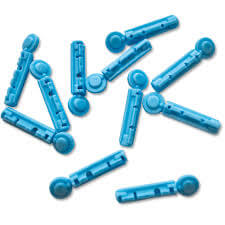
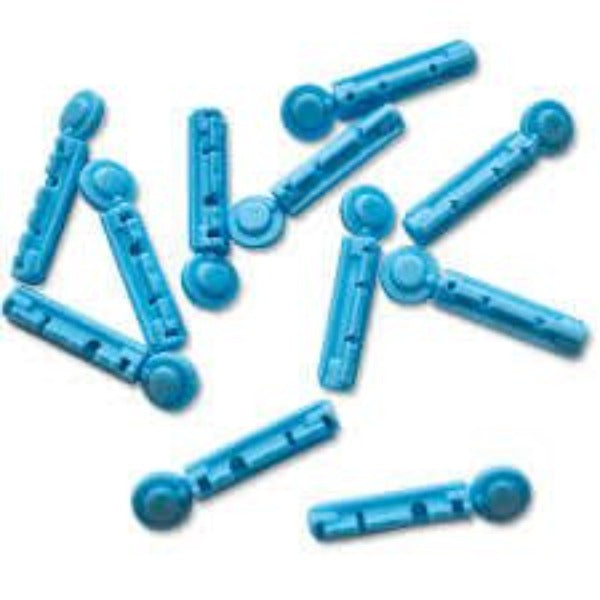
Blood lancet needle is a small, needle point that pricks skin to release a drop of blood. People commonly use it for blood glucose checks at home. This guide explains round blood lancet needle packs, label checks, everyday handling, and safe disposal planning for households in India.
What is a blood lancet needle used for?
A blood lancet needle makes a small skin puncture so you can collect blood for a blood test. During home blood glucose monitoring, a blood test strip receives that blood sample. The blood glucose meter reads the strip and displays the result.
The blood lancet needle itself does not measure blood sugar. It helps obtain the blood sample that the blood testing system needs. Understanding this difference makes shopping and conversations with your pharmacist easier.
You may see the terms “blood lancet needle” and “glucose lancets” on lancet packs or product listings. Start with the actual product label rather than relying on a search description. Ask the seller to explain unclear wording before you purchase.


For this article, the product discussion covers only round blood lancets sold in lancet packs. It does not rank brands, prescribe settings, or promise pain-free testing.
Think of your purchase as part of a complete home routine. You need understandable directions, organised supplies, and a safe route for used needles.
Before shopping, write down what you already have at home. Include your device details, any unclear directions, and your disposal questions. Take that note to your pharmacist or diabetes care team.
That small preparation gives the conversation a clear starting point. Instead of asking for “something similar,” you can show the exact information you need checked.
Lancet, lancing device and glucose meter: What each part does
What is the difference between a lancet and a lancing device? The blood lancet needle provides the needle point that punctures skin. The lancing device holds and operates that point during the finger-prick procedure.
The blood glucose meter and blood test strip perform separate jobs. Keeping these names clear helps you explain problems without confusing the sampling tool with the reader.
|
Item |
Main role |
Useful question before purchase |
|---|---|---|
|
Round blood lancet needle pack |
Supplies the points used for collecting blood |
Are the label and directions available? |
|
Lancing device |
Holds and operates the blood lancet needle |
Where is the model information? |
|
Test strip |
Receives the blood sample for testing |
Where are the strip directions? |
|
Glucose meter |
Displays the blood glucose result |
Where is the operating guide? |
|
Sharps container |
Contains used sharp items |
Who accepts it locally? |
The medical roles above follow standard blood glucose-monitoring and sharps-disposal guidance. Your own product directions provide the details for your equipment.
When speaking with a pharmacist, name the item you need. For example, say that you want information about a round blood lancet needle pack. Avoid describing every part as a “sugar machine needle.”
You can also photograph the labels before visiting the shop. Include the model name and any instruction page you cannot understand. Keep personal health details outside the photograph unless they are relevant.

What to check on a blood lancet needle pack before buying
Begin with information you can actually read and verify. Ask to see the lancet pack label, not just a catalogue picture. Make a note of anything the seller cannot explain.
Use this plain checklist during your purchase:
-
Read the complete product name on the lancet pack.
-
Check the stated lancet pack quantity.
-
Look for manufacturer or importer contact details.
-
Find the batch or lot information, where provided.
-
Read any stated expiry date.
-
Check the storage and handling directions.
-
Ask how the product maintains its protective packaging.
-
Request the directions if they are missing.
-
Keep the bill and relevant product details.
These checks organise your purchase; they do not independently prove product quality. Avoid treating one clear label detail as a guarantee about everything else.
If a date or symbol is unclear, ask the pharmacist to explain it. Do not guess whether a printed number represents manufacturing, expiry, or batch information. Write the explanation beside your purchase record if that helps.
Look carefully at the packaging before accepting the lancet pack. Raise concerns about visible damage, missing information, or signs of tampering with the seller. Ask for clarification rather than opening the product to investigate its needle point.
You can use a simple sentence at the counter: “Please show me the directions and explain these label details.” This keeps the discussion practical without requiring technical language.
For an older family member, ask whether the printed information is easy to read. Consider keeping a larger handwritten copy of essential contact details. Copy the wording accurately, and retain the original label for reference.

What to check in an online blood lancet listing
Online shopping can make comparison convenient, but a short listing may leave important questions unanswered. Build your decision around available product information rather than attractive wording.
For round blood lancet needle packs, separate three things: what the label states, what the seller claims, and what remains unknown. A simple note with these three columns can reveal gaps quickly.
For example, the listing may clearly state the lancet pack quantity. It may also describe the product as “comfortable,” without explaining that claim. Record the first detail as information and the second as a claim requiring clarification.
Keep a screenshot of the information that influenced your order. If the delivered lancet pack differs, you can explain the mismatch clearly. Ask the seller about their process before opening disputed goods.
Do not accept a vague answer simply because the listing looks professional. You can pause the purchase and ask your pharmacist for help. There is no need to resolve unfamiliar medical wording while rushing through checkout.
Lancet comfort claims, needle gauge and depth: What to ask
Comfort matters, especially when finger-prick blood testing feels stressful. However, a product description cannot predict exactly how a procedure will feel for you.
Do fine tri-bevel blood lancet needle tips hurt less? That phrase alone does not establish how painful a particular product will feel. Ask what evidence supports any comfort comparison, rather than treating the wording as a promise.
A useful seller response should identify the claim clearly. Ask whether it comes from the product directions, a specific study, or general promotional copy. If no explanation exists, leave the claim unconfirmed.
How do I choose the right blood lancet needle gauge? This guide does not recommend a gauge or compare gauge numbers. Take the lancet pack information to your diabetes care team for an individual explanation.
How do I set the depth on a lancing device? The device instructions explain its controls and their operation. Ask your care team for a demonstration using your own equipment, rather than copying an online setting.
These questions belong in a practical review, not a guessing exercise. Bring the device, its instructions, and the unopened lancet pack details where possible. Explain what part of the process worries you.
For example, distinguish between fear before the prick and soreness afterwards. Also mention difficulty handling the controls or understanding the sequence. Clear descriptions give your care team something specific to review.
Do not feel pressured to buy a product because someone promises that you will feel nothing. Ask for plain explanations and realistic information. Your goal is a routine you understand, not a marketing slogan.

Where to prick your finger and what to do about soreness
Which part of the finger is best for pricking? Guidance for people commonly describes the side of the fingertip rather than its central pad. MedlinePlus identifies that side area as less sensitive.
Should I rotate fingers to avoid sore spots? Guidance for people advises changing finger-prick sites rather than repeatedly using one spot. Ask your care team to demonstrate a suitable approach for your hands.
If you feel unsure about the location, ask someone qualified to show you directly. A short written description may not resolve confusion about the fingertip’s side. Point to the area during your appointment and confirm your understanding.
Keep your explanation of soreness simple and specific. Note which finger hurts, where it hurts, and whether the discomfort continues between checks. Avoid trying to diagnose the cause yourself.
You could bring a brief note such as:
-
The sore area is on this finger.
-
The discomfort starts during or after the prick.
-
The same spot feels tender between checks.
-
I find this part of the procedure difficult.
-
I would like someone to review my technique.
This note supports a useful conversation without changing your care plan independently. It also helps if you feel nervous and forget your questions during appointments.
Ask for the explanation in the language you understand most comfortably. If a family member translates, confirm the final instructions with the clinician. Keep the wording practical enough to follow later.
Can I test on my forearm or palm instead? Some blood glucose systems permit alternative sampling sites, but results can differ during rapid blood glucose changes. FDA guidance advises fingertip samples in situations including suspected low blood glucose or results that conflict with symptoms.
Do not switch to a different sampling site just because the fingertip feels inconvenient or sore. Ask your care team to explain your own system’s instructions beforehand.

How to prepare for a finger-prick blood glucose check
Wash your hands with soap and water, then dry them thoroughly before checking blood glucose. Follow the instructions for your blood glucose meter and sampling equipment. Food residue and other substances on hands can affect results.
Organise the space before beginning. Choose a place where you can read the instructions and recognise each item easily. Put unrelated objects aside so they do not distract you.
A preparation checklist can include:
-
Find the relevant product instructions.
-
Gather the supplies required by those instructions.
-
Check that you can read the blood glucose meter display.
-
Place the sharps container within easy reach.
-
Clear away food, toys, and unrelated household items.
-
Make sure you know what to do after the blood test.
Immediate sharps disposal is an important part of preparation, not an afterthought. FDA guidance advises placing used needles directly into a disposal container.
Do not begin with the intention of finding a disposal container afterwards. Plan the whole task before exposing a needle point. That means knowing where the bin is and how its opening works.
If you need help reading instructions, arrange that help beforehand. Ask the helper to read each step without adding remembered shortcuts. Use the original instructions to resolve disagreements.
After a teaching appointment, consider writing your own short reminder sheet. Show it to your care team so they can correct misunderstandings. Keep that sheet beside the full instructions, not instead of them.

How to store and organise unused blood lancet needles
Use the storage instructions printed on your round blood lancet needle pack. Do not invent a storage method based on advice for another product. Ask the pharmacist to explain wording you cannot follow.
Choose an arrangement that clearly separates unused supplies from used needles. FDA guidance calls for keeping sharps containers away from children and pets.
A labelled storage area can make household organisation easier. You might keep the unopened lancet packs, purchase record, and instruction booklet together. Keep the disposal container identifiable as waste, not as spare supplies.
Avoid loose items scattered across drawers, handbags, or bedside surfaces. Instead, decide where each category belongs before putting things away. Ask other household members not to rearrange the testing area without telling you.
Consider making a small inventory note:
-
Product name written exactly as labelled.
-
Pack quantity remaining, if you track it.
-
Relevant date information from the lancet pack.
-
Place where you keep the instructions.
-
Seller or pharmacist contact details.
-
Location of your disposal-service information.
This is an organisation tool, not a testing schedule. It should not tell you when to check blood glucose or alter your treatment plan.
If several people help you, explain the system to each person. Show them which items are unused and which container holds sharps waste. Ask them to repeat the distinction so you can check their understanding.
Review the arrangement whenever something becomes confusing. A useful system should be easy to explain without relying on memory alone.

Will the lancet fit your lancing device? Check before buying
Will any blood lancet needle fit my lancing device? This article makes no universal-fit or brand compatibility claim. Ask for written clarification about the exact product and device, rather than relying on appearance.
Take clear photographs of the device identification and the round blood lancet needle pack label. Ask the pharmacist to explain the relevant instructions using those exact details. Avoid presenting only a picture of the outer shape.
Record the answer in practical terms. Note which document contains the explanation and where you can find it later. If the answer remains unclear, leave the question open rather than guessing.
This approach also helps when replacing lost instructions. Start with the manufacturer contact details printed on your existing equipment. Ask for the correct guide rather than downloading an unrelated booklet.
Use a short message such as: “I need the instructions for this exact model. Please confirm where I can obtain them.” Attach only the information necessary to identify the equipment.
During a demonstration, ask the person teaching you to name each part. Then describe the sequence back in your own words. This can reveal misunderstandings before you attempt the task alone.
Avoid collecting conflicting tips from several unrelated product videos. Make a list of disagreements and take it to your care team. One clear explanation tied to your own equipment is more useful than unresolved advice.

How do I dispose of used blood lancet needles safely at home?
Put used blood lancet needles directly into a suitable sharps container after use. Keep that container secure, and arrange collection through an accepted local route. Do not put loose blood lancet needles into household rubbish or recycling.
For households in India, separate safe storage from final waste collection. A container addresses the immediate sharp-point hazard. You still need to confirm who will accept the closed container.
India’s national infection-control guidance describes separate collection of healthcare waste generated in households. It also describes links between local bodies and biomedical waste treatment facilities. Confirm the working arrangement with your local service.
Use this disposal checklist:
-
Arrange the bin before starting the procedure.
-
Follow the bin’s instructions for adding sharps.
-
Keep fingers outside its opening.
-
Stop at the stated fill limit.
-
Close it according to its instructions.
-
Keep it secure while awaiting collection.
-
Confirm the handover requirements with the receiving service.
Do not force extra sharps into a full container. Do not empty used blood lancet needles into another container to create space. FDA guidance warns against overfilling and removing sharps from disposal containers.
Make the collection arrangement before the bin reaches its limit. Write the contact name and instructions somewhere easy to find. Include the next action if the usual collection does not happen.
Safe disposal involves everyone who might encounter the waste. Think about family members, domestic helpers, collection workers, and people sorting discarded materials. Keep the needle point contained throughout the process.

How to choose a container for used blood lancet needles
Look for a container intended for sharps disposal, and confirm what your local collection service accepts. A suitable container needs more than a lid. Its construction must help contain sharp items during storage and handling.
FDA guidance describes puncture-resistant containers with leak-resistant sides and bases. It also describes secure, puncture-resistant lids and clear hazard labelling. These are useful safety features, but local acceptance still needs confirmation.
Ask your local service these questions before choosing a container:
-
What container do you accept for household blood lancet needles?
-
Must I obtain it from a named collection service?
-
What label should appear on it?
-
Where is the fill limit?
-
How should I close it for handover?
-
Should I arrange collection or bring it somewhere?
-
What should I do if collection gets delayed?
Do not confuse a temporary storage suggestion with permission for final disposal. Different services may have different acceptance requirements. Get the receiving service’s answer before relying on an alternative container.
FDA guidance discusses heavy-duty household containers when proper sharps containers are unavailable. That US guidance does not establish acceptance by an Indian collection service. Confirm local requirements rather than copying a foreign disposal arrangement.
Avoid thin drink bottles, glass containers, and containers that allow sharp points to escape. FDA guidance advises against these unsuitable choices.
Keep the bin instructions available for everyone who helps you. If its closure or fill marking confuses you, ask for a demonstration. Do not test its strength by pressing against sharp contents.
Where to ask about used blood lancet needle collection in India
Start by asking your municipal waste service about household healthcare sharps. You can also ask your treating clinic which local service to contact. Treat these enquiries as information gathering, not confirmation that every clinic accepts waste.
Explain the waste clearly: “I have used finger-prick blood lancet needles from home blood glucose testing.” Ask specifically about sharps rather than saying you have “medical rubbish.” This helps focus the conversation on the correct handling question.
India’s national guidance places household healthcare waste within a separate collection arrangement. However, that document does not identify your nearest collection point or its current operating details. Those practical details need local confirmation.
Use a short call checklist:
-
Confirm the service accepts household blood lancet needles.
-
Ask which container it accepts.
-
Ask how the bin must be labelled.
-
Confirm the collection or drop-off location.
-
Confirm the current opening hours, if relevant.
-
Ask whether you need an appointment.
-
Ask whether any charge applies.
-
Record the name of the person answering.
Do not assume a pharmacy offers take-back simply because it sells blood lancet needles. Ask before carrying a container there. Likewise, avoid leaving sharps outside a closed clinic or collection point.
If the first contact cannot help, ask which department handles household healthcare waste. Record that referral so you do not repeatedly restart the same conversation.
For an apartment household, you could ask the association to identify the authorised local contact. Keep your enquiry specific to safe collection arrangements. Avoid handing over a container until the receiving route is clear.
How to hand over a sealed lancet-disposal container safely
Once you identify a receiving service, ask for its exact handover instructions. Follow those instructions alongside the bin’s closure guidance. Do not improvise by opening the bin to show its contents.
Prepare a written handover note if several people share household tasks. Include the destination, contact details, and any confirmed appointment. Do not include unnecessary medical history.
A practical note might say: “This closed container holds used healthcare sharps. The receiving service has confirmed these handover arrangements.” Add the relevant details underneath.
Keep the distinction between ordinary waste and sharps waste clear. Never hide a sharps container inside an ordinary rubbish bag without an approved collection arrangement. Loose or improperly contained sharps can injure waste handlers.
Before leaving home, check the following:
-
The container has reached neither damage nor overfilling concerns.
-
You have followed its closure instructions.
-
The receiving service expects this type of waste.
-
You know where to go and whom to ask.
-
You understand any transport instructions they provided.
-
You have their contact details if plans change.
If collection fails, keep the bin secure and contact the service again. Do not respond by transferring the contents or placing them into general rubbish.
After successful handover, note the date and any changed instructions. This creates a useful record for your next enquiry. It can also help another household member manage the task without guessing.
Blood lancet needle disposal mistakes to avoid
Small sharps still require careful disposal. A used lancet’s size does not remove its ability to puncture skin. FDA guidance includes blood lancet needles among home-use sharps requiring safe containment.
The table below turns common shortcuts into practical planning questions.
|
Shortcut |
Why it creates a problem |
Better planning question |
|---|---|---|
|
Leaving a used lancet on a table |
Someone can touch the needle point |
Where will the bin sit before testing? |
|
Wrapping it in tissue |
Tissue does not provide puncture-resistant containment |
Is the sharps container ready? |
|
Putting it in recycling |
Someone may handle it during sorting |
Have I confirmed the separate collection route? |
|
Overfilling the bin |
Sharps can create hazards near its opening |
When should I arrange the next container? |
|
Emptying one container into another |
Handling exposes people to used sharps |
Who can advise on the closed container? |
|
Leaving waste at an unconfirmed location |
The receiving person may lack a safe process |
Has the service agreed to accept it? |
These hazards reflect established sharps-disposal guidance. The planning questions are prompts for organising your home routine.
Avoid trying to make disposal easier through extra handling. Your aim is containment followed by an accepted collection process. It is not to reduce the waste to an ordinary-looking household item.
If you discover an unsafe habit, change the arrangement without blaming the person involved. Ask what made the shortcut seem necessary. Then address that practical gap, such as a missing container or unclear collection contact.

Why you should not reuse a blood lancet
Can I reuse a blood lancet needle to save money? CDC guidance identifies blood lancet needle reuse as an unsafe practice. A lower cost does not establish that a used sharp is safe.
This article does not offer a reuse method or a reuse schedule. Instead, take affordability concerns to your care team or pharmacist. Ask them to explain available purchasing and disposal arrangements without changing your treatment plan yourself.
Help family members follow the blood lancet needle safety routine
Household support can include reading labels, organising documents, and contacting collection services. Decide which person will handle each administrative task. Avoid leaving everyone to assume that somebody else arranged disposal.
Is it safe to share a lancing device with family? CDC identifies shared fingerstick devices as a blood-borne infection risk, including within families. Changing the blood lancet needle does not establish that the device is safe for another person.
Keep each person’s equipment clearly identified in your household organisation plan. If the labelling system becomes confusing, ask your care team to review it. Do not rely only on who remembers using something last.
You can assign non-clinical responsibilities clearly:
-
One person keeps the product instructions together.
-
One person records the local disposal contact.
-
A helper checks appointment or collection details.
-
Everyone knows which container contains used sharps.
-
Everyone knows whom to contact after an accidental injury.
Explain the system to domestic helpers without expecting them to inspect medical waste. Show them where ordinary cleaning stops and where the sharps arrangement begins. Make clear that nobody needs to reach into the bin.
If children live at home, keep the disposal container outside their reach. FDA guidance also advises protecting pets from access to sharps waste.
Review responsibilities when a caregiver changes or a family member travels. Leave a written contact note rather than relying on a hurried verbal explanation. Keep the instructions respectful, direct, and easy to follow.
How to plan blood lancet needle storage and disposal away from home
Disposal planning matters outside your usual testing space too. FDA guidance applies safe sharps handling at home, work, school, and during travel. Used sharps need safe containment wherever the procedure happens.
Before visiting relatives, think through the practical arrangement. Decide where you will read instructions, organise supplies, and contain used sharps. Do not assume the household already has suitable disposal facilities.
For a longer trip, ask your destination contact about local collection arrangements. If travelling by air or train, check the operator’s current requirements directly. This article does not establish transport permissions for any carrier.
Keep a short travel planning list:
-
Carry the relevant product and device instructions.
-
Keep product identification details available.
-
Arrange a suitable sharps container.
-
Confirm how you will store it securely.
-
Ask about disposal at the destination.
-
Check applicable transport requirements before departure.
-
Keep your care team’s contact details accessible.
Use travel preparation to resolve practical gaps, not redesign your care routine. A written plan can keep the focus on supplies, containment, contacts, and clear instructions.
What should you do after an accidental blood lancet needle injury?
Wash an accidental sharps wound with soap and water, then seek prompt medical assessment. This is especially important when another person used the sharp or its history is unknown. Do not wait for symptoms before asking for help.
Do not scrub or suck the wound. Health and Safety Executive guidance advises against these actions after a puncture exposure.
Keep the response calm and organised. Contact a nearby medical service and explain that the injury involved a used or potentially used lancet. Let the clinician assess the exposure rather than judging it by the wound’s size.
Useful information to share includes:
-
When the injury happened.
-
Where it happened.
-
Whether the blood lancet needle had been used.
-
Whether you know who used it.
-
What first aid you have already performed.
-
Any details the clinician asks you to provide.
Clinicians may need to consider tests, vaccination, or medicines after blood exposure. The appropriate response depends on their assessment.
Do not retrieve a sharp from the bin to take it for testing. HSE guidance states that keeping the sharp for laboratory testing is unnecessary.
After arranging medical care, review how the accident happened. Look for a practical issue, such as a misplaced container or unclear household instructions. Improve that part of the routine without delaying the injured person’s assessment.
Questions to ask your diabetes care team about blood lancet needles
A focused appointment can resolve several uncertainties together. Bring the round blood lancet needle pack information, device details, and any instructions you find confusing. Explain which parts you understand and which remain unclear.
You do not need to remember every technical term. Describe the difficulty in everyday words, and ask the clinician to demonstrate where necessary. Request a written explanation if you find verbal instructions hard to retain.
Your appointment note could include:
-
Please explain the parts of my testing equipment.
-
Please review how I prepare the testing area.
-
Please explain the instructions I have marked.
-
Please review my concerns about finger soreness.
-
Please clarify which sampling sites my system permits.
-
Please help me identify the local sharps-disposal contact.
-
Please explain what to do after an accidental injury.
Keep personal testing schedules and treatment decisions within your individual care plan. This article does not set a testing frequency or change prescribed care.
Before leaving, explain the main points back in your own words. Ask the clinician to correct anything you misunderstood. Note who you should contact if another question arises at home.
Blood lancet checklist: Buying, handling and disposal
Choose a round blood lancet needle pack through readable information and clear answers, not promises alone. Keep the instructions, organise your supplies, and resolve device questions with the appropriate professional.
Plan disposal before the first needle point becomes exposed. Have suitable containment ready, then confirm an accepted local collection route. That complete routine protects the person testing and everyone who may handle the waste.

Explore Medical Collections
All Categories
Abdominal & Maternity Support

Accessories

Accu-Chek Instant Strips: Use, Compatibility, Price & Blood Sugar Testing Guide
Accu-Chek Instant Strips: Uses, Features & Complete Guide

accupuncture

Acupuncture Needles & Supplies

Advanced Physiotherapy Machines & Lumbar Physiotherapy

Airways
Alcohol Swab: Uses, Safe Use and Disposal Guide
Ambu Bag Full Form: Is There an Official Meaning?
Ambu Bag: Parts, Uses and Safety Guide
Ambu Full Form: What the Name Means and BVM Basics

Ambulance

Anatomy Models
Anesthesia Machine
You may also need
FOR YOURecommended for you
Save 56%
Save 58%