


Empty collection
This collection does not contain any products.
Diabetes: Symptoms, Home Sugar Checks and When to See a Doctor
diabetes is a long-term condition that affects how your body turns food into energy and causes blood glucose, also called blood sugar, to become too high. Recognizing symptoms, getting appropriate laboratory tests, and following an individualized monitoring plan help you understand what is happening and when to seek medical care. This guide explains the main types, common warning signs, home sugar checks, and the difference between routine follow-up and an emergency. (who.int)

diabetes basics: What is diabetes in simple words?
Diabetes means that glucose builds up in your bloodstream because your body cannot move or use it effectively enough. Glucose is an important source of energy for your cells, and much of it comes from the food your body breaks down. Diabetes disrupts the usual balance between glucose circulating in the blood and glucose being available for energy inside cells. (niddk.nih.gov)
The words “blood glucose” and “blood sugar” describe the same thing. You may hear one term in a clinic and see the other on a laboratory report. Neither term tells you which type of diabetes someone has; that requires a clinical assessment. (niddk.nih.gov)
Diabetes is not identified by how someone looks, whether they appear energetic, or whether a relative recognizes their symptoms. Some people develop obvious changes, while others feel well when an abnormal test first raises concern. That is why diabetes awareness needs to include testing, not just symptom recognition. (cdc.gov)
For readers wondering how to know whether they have diabetes, the dependable next step is a healthcare appointment and appropriate blood tests. A symptom list can help explain your concerns, but it cannot confirm or exclude the condition. Likewise, a home reading is useful information to report, not a diagnosis to make yourself. (niddk.nih.gov)
What are the main types of diabetes?
The main types are type 1 diabetes, type 2 diabetes, and gestational diabetes. They all involve raised blood glucose, but they develop for different reasons and can appear at different stages of life. Doctors may need additional tests to determine the type rather than relying on age or symptoms alone. (niddk.nih.gov)
|
Type |
Main distinguishing feature |
Typical pattern |
|---|---|---|
|
Type 1 diabetes |
An autoimmune condition in which the immune system attacks specific cells in the pancreas |
Often diagnosed in children and young adults, but possible at any age; symptoms may develop quickly |
|
Type 2 diabetes |
The body has difficulty using glucose effectively |
Usually develops over years and is commonly diagnosed in adults, although children and teenagers can develop it |
|
Gestational diabetes |
Diabetes that develops during pregnancy |
Often causes no noticeable symptoms and is identified through pregnancy screening |
These distinctions are supported by the World Health Organization, NIDDK, and Fortis Healthcare’s patient information. (who.int)
Type 1 diabetes is autoimmune: the body’s defenses mistakenly attack its own tissue. Although the underlying process can begin before symptoms, thirst, frequent urination, and weight loss may become noticeable over a short period. An adult can also develop type 1 diabetes, so “adult” does not automatically mean “type 2.” (niddk.nih.gov)
Type 2 diabetes accounts for most diabetes cases worldwide, according to WHO. Fortis also describes type 2 diabetes as commonly diagnosed in adults and distinguishes it from autoimmune type 1 diabetes. Its gradual development helps explain why someone may discover it during testing rather than after a dramatic illness. (who.int)
Other, less common forms exist, including some associated with inherited genetic changes or pancreatic disease. If your doctor recommends further classification tests, that does not necessarily mean the original blood test was wrong. Confirming diabetes and identifying its type are related but separate clinical questions. (niddk.nih.gov)
Prediabetes and future diabetes risk
What is prediabetes? Prediabetes means blood glucose is higher than it should be but has not reached the laboratory criteria for diabetes. It raises the likelihood of developing type 2 diabetes, although progression is not inevitable. Many people with prediabetes have no noticeable symptoms. (niddk.nih.gov)
The name can sound like a prediction, but it is better understood as a finding that deserves follow-up. It does not tell you exactly what will happen or when. Your doctor interprets the result alongside your medical history, previous tests, and other risk factors. (niddk.nih.gov)
Prediabetes also cannot be diagnosed reliably by comparing occasional readings on a family member’s meter. Laboratory testing is needed, just as it is for diabetes. If a report mentions prediabetes, ask which test established that finding and when you should have another assessment. (niddk.nih.gov)
A useful discussion about diabetes prevention starts with knowing whether you have an increased risk or an abnormal test result. Screening itself does not prevent diabetes, but it can identify people who need further assessment and a prevention discussion. Avoid treating the absence of symptoms as evidence that follow-up is unnecessary. (cdc.gov)
Before leaving an appointment, write down the name of the finding, the recommended next test, and who will arrange it. This makes a vague instruction such as “keep an eye on your sugar” more useful. Ask for clarification if you are unsure whether the doctor is discussing risk, prediabetes, or confirmed diabetes.
Common early diabetes symptoms
What are common early symptoms of diabetes? Common symptoms include increased thirst, frequent urination, tiredness, blurred vision, unintended weight loss, and cuts or sores that heal slowly. Some people also notice increased hunger or repeated infections. These symptoms warrant medical assessment, but none proves diabetes on its own. (cdc.gov)
Watch for changes from your usual pattern rather than waiting for an extreme symptom. For example, repeated nighttime bathroom trips may be easier to recognize than a general description such as “frequent urination.” Similarly, thirst that repeatedly interrupts your day is worth mentioning even if you cannot describe it precisely.
|
Symptom |
A useful detail to tell your doctor |
|---|---|
|
Increased thirst |
When it began and whether it is persistent or unusual for you |
|
Frequent urination |
Whether bathroom trips have increased during the day, at night, or both |
|
Tiredness |
Whether fatigue is new and how it affects normal activities |
|
Blurred vision |
Whether the change is new, persistent, or comes and goes |
|
Unintended weight loss |
Whether your weight or clothing fit has changed without trying |
|
Slow-healing cuts |
Where the wound is and how long it has remained open |
This table is a way to organize observations, not a self-diagnosis checklist. A person does not need every symptom before seeking help. Having one persistent unexplained change can be enough reason to contact a healthcare professional, especially alongside diabetes risk factors. (niddk.nih.gov)
Keep the description practical: “I am waking repeatedly to pass urine and feel unusually thirsty” gives your doctor more context than “I think my sugar is high.” If symptoms are getting worse, say so when arranging the appointment. Do not delay contacting the clinic simply because you have not kept a detailed record.
Diabetes signs in women and children
Many signs of diabetes in women are the same as those in men: thirst, frequent urination, fatigue, blurred vision, and unexplained weight loss. Women with diabetes also have a higher risk of vaginal yeast infections and urinary tract infections. Repeated infections are worth discussing, but an infection alone does not establish diabetes. (cdc.gov)
Symptoms such as vaginal itching, discomfort, or urinary burning can have several explanations. Tell the clinician if infections keep returning or occur alongside thirst and increased urination. A proper assessment is more useful than assuming either that diabetes is responsible or that diabetes has been ruled out. (womenshealth.gov)
In children, increased thirst, more frequent urination, weight loss, and new bed-wetting after previously staying dry can be important clues. Type 1 diabetes symptoms may develop quickly, so these changes should not be left until a distant routine visit. Contact a healthcare professional promptly for assessment. (cdc.gov)
When speaking about a child, describe what has changed: drinking much more, repeatedly leaving class for the bathroom, or losing weight despite seeming hungry. Information from a parent, caregiver, or teacher may help explain the pattern. It is not necessary to decide which diabetes type seems most likely before asking for help.
If a child or adult develops vomiting, abdominal pain, unusual breathing, marked sleepiness, or fruity-smelling breath alongside possible diabetes symptoms, seek urgent medical attention. These can be signs of a serious diabetes emergency, including before anyone has received a diagnosis. (cdc.gov)
Type 2 diabetes can remain silent for years
Can type 2 diabetes cause no symptoms for years? Yes. Type 2 diabetes can develop gradually, and symptoms may be mild, unnoticed, or absent for years. Feeling well therefore does not reliably exclude it, particularly when you have risk factors or an earlier abnormal blood test. (idf.org)
Gradual changes can be easy to normalize. Someone may regard persistent tiredness as part of a busy schedule or accept increasing bathroom trips as their new routine. These examples are not evidence of diabetes by themselves; they explain why waiting for unmistakable symptoms is an unreliable screening strategy. (cdc.gov)
The contrast with type 1 diabetes is important. Type 1 symptoms can become severe quickly, while type 2 diabetes commonly unfolds more slowly. Neither pattern is absolute, and the speed of symptoms cannot replace clinical testing or determine the diabetes type. (niddk.nih.gov)
Do not compare your situation only with a relative’s experience. One person may have been diagnosed after weight loss and intense thirst, while another learned about diabetes through screening. Your own assessment should be based on your symptoms, risk factors, and laboratory results. (cdc.gov)
A useful rule is to keep two questions separate: “Do I have symptoms that need assessment?” and “Am I due for screening even though I feel well?” Either question can lead to an appropriate doctor visit.
Diabetes testing for people with symptoms or increased risk
Who should get a blood sugar test? Anyone with possible diabetes symptoms should discuss testing with a healthcare professional. Testing is also important for some people without symptoms because their history or risk factors increase the likelihood of diabetes. This second situation is called screening. (cdc.gov)
Risk factors for type 2 diabetes include increasing age, having a parent or sibling with type 2 diabetes, overweight or obesity, lower physical activity, and a history of gestational diabetes. Certain population groups, including some Asian American groups, have a higher risk. These factors guide assessment; they do not diagnose diabetes. (cdc.gov)
Discuss screening if any of these apply:
-
You have new thirst, frequent urination, unexplained weight loss, or other possible diabetes symptoms.
-
A previous laboratory test showed prediabetes or raised glucose.
-
A close relative has type 2 diabetes.
-
You previously had gestational diabetes.
-
Your clinician has identified additional risk factors.
-
You are pregnant and need the recommended diabetes screening. (niddk.nih.gov)
A risk questionnaire can help start the conversation, but its result is not the same as a blood test. Likewise, a low-risk impression should not be used to dismiss new symptoms. Tell the clinician about symptoms even if you do not recognize yourself in a typical risk-factor list. (ihs.gov)
Ask when testing should happen and how you will receive the result. If the result does not show diabetes, ask when screening should be reconsidered. The answer depends on your situation rather than a single testing schedule that fits everyone. (cdc.gov)
Diabetes diagnosis comes from laboratory testing
A diabetes diagnosis requires appropriate blood tests interpreted and confirmed by a doctor. A home glucometer does not diagnose diabetes, and symptoms alone cannot establish it. Depending on the circumstances, confirmation may involve repeating a test or using another laboratory measurement. (niddk.nih.gov)
Different tests answer different questions. Some measure glucose at a particular moment, while another estimates average glucose exposure over a longer period. Your clinician chooses the test according to your symptoms, pregnancy status, medical history, and the reason for testing. (niddk.nih.gov)
|
Laboratory test |
What it helps assess |
Preparation to clarify |
|---|---|---|
|
Fasting plasma glucose |
Blood glucose after a specified fasting period |
Ask the clinic exactly how to prepare |
|
Random plasma glucose |
Blood glucose at the time the sample is taken |
It does not require waiting for a fasting appointment |
|
HbA1c |
Average glucose exposure over the preceding months |
Fasting is generally unnecessary for this test alone |
|
Oral glucose tolerance test |
The body’s response to a measured glucose drink |
Follow the clinic’s preparation and sampling instructions |
These tests are used in different diagnostic circumstances and are not automatically interchangeable. Pregnancy testing may follow a separate pathway, and some conditions affect which result is most reliable. (cdc.gov)
If different results seem inconsistent, do not choose the one you prefer or assume the laboratory made a mistake. Doctors may repeat testing and consider factors that affect interpretation. Ask which result needs confirmation and what the follow-up plan is. (niddk.nih.gov)
If a screening check at a pharmacy, workplace, or community event raises concern, arrange medical follow-up. Such a finding can be a reason for further assessment, but it should not become a self-assigned diagnosis. Bring the available information and explain when and how the check was performed. (cdc.gov)

Diabetes monitoring and what HbA1c shows over time
What does an HbA1c test show over time? HbA1c reflects average blood glucose exposure over approximately the previous three months. It measures glucose attached to hemoglobin, a protein in red blood cells. It is not simply another version of the reading displayed on a home meter. (cdc.gov)
Think of the distinction as a broad view compared with a snapshot. HbA1c helps a clinician assess a longer-term pattern, while home glucose monitoring shows what is happening at specific times. Neither automatically supplies every detail the other can provide. (cdc.gov)
An average does not describe every high or low reading. If your home record shows substantial changes, share those readings even if a recent HbA1c result seemed reassuring. Your doctor needs the overall picture, including symptoms, rather than one result considered in isolation. (cdc.gov)
HbA1c can also be affected by certain blood conditions, anemia, recent blood loss or transfusion, and pregnancy. Tell your clinician about relevant medical history if the result does not fit other glucose measurements. Further assessment may be needed to understand the difference. (niddk.nih.gov)
Useful questions include: “Does this result fit my other tests?” and “When should it be repeated?” Ask your clinician to explain what the result means for your own diabetes monitoring. Avoid comparing it casually with another person’s result, because individual monitoring goals can differ. (niddk.nih.gov)
Diabetes home checks and the role of a glucometer
What does a glucometer do in home monitoring? A glucometer uses a small blood sample placed on a compatible test strip to estimate blood glucose at that moment. A lancet makes the small puncture needed to obtain the sample. The reading can contribute to diabetes monitoring when used according to your healthcare team’s instructions. (fda.gov)
A meter does not explain why a reading occurred or determine whether a symptom has another cause. It also does not replace laboratory diagnosis. Its value lies in collecting information that can be interpreted alongside timing, symptoms, and the rest of your clinical assessment. (niddk.nih.gov)
Continuous glucose monitoring is different from a fingertip check. A wearable sensor estimates glucose in the fluid between cells and provides repeated information about glucose trends. Sensor readings and blood readings can differ, so the healthcare team should explain when a fingertip check is still needed. (cdc.gov)
For either method, learning what the result means is as important as obtaining it. Ask for a demonstration and explain any difficulty with the process. If you cannot clearly see the display, handle the equipment, or record the result, tell the team so they can help you use the monitoring plan safely.
Diabetes home-check schedules are individualized
Who decides how often I should check sugar at home? Your healthcare team sets the schedule according to your diabetes type, individual care plan, pregnancy status, and monitoring needs. Not everyone with diabetes needs the same frequency or timing. A schedule copied from a friend or social-media post may not suit your situation. (fda.gov)
Ask the team to make the plan specific enough to follow. “Check regularly” leaves too much uncertainty. You should know which times matter, what to record, and which findings require a call rather than waiting until the next appointment.
A useful written monitoring plan covers:
-
Whether home glucose checks are needed for you.
-
The usual checking times and frequency.
-
Situations when additional checks may be needed.
-
Your individualized targets.
-
When to contact the clinic about results.
-
What to do if symptoms do not match a reading.
-
How to obtain advice when the clinic is closed. (cdc.gov)
Ask for the plan in language you understand. If instructions use abbreviations, request an explanation before leaving. A family member or caregiver can join the teaching session if you want support, but the instructions should remain clear to you as well.
Monitoring schedules may be reviewed when circumstances change. Tell the team about pregnancy, illness, repeated unexpected readings, or difficulty completing checks. Do not assume that a schedule discussed previously must remain unchanged indefinitely. (diabetes.org)
Diabetes fingertip checks: a careful routine
Good technique helps make home glucose results more dependable. Follow the instructions supplied with your particular meter and strips, because the order of some steps can differ. Ask a healthcare professional to watch you complete a check if you are uncertain. (fda.gov)
A general fingertip-check routine is:
-
Prepare the equipment. Have your meter, compatible strip, new lancet, recording method, and appropriate sharps container ready.
-
Wash and dry your hands. Use soap and water, then dry thoroughly before testing.
-
Check the strip. Confirm that it is intended for your meter, is within its expiry date, and has been stored correctly.
-
Follow the meter’s sequence. Insert or prepare the strip as directed by the device instructions.
-
Use the side of the fingertip. Obtain the blood sample with your lancing device as you were taught.
-
Apply the sample correctly. Touch the appropriate part of the strip to the blood drop according to the instructions.
-
Read and record the result. Include the time and any relevant symptoms or circumstances.
-
Dispose of the lancet safely. Follow local sharps-disposal guidance and the instructions provided by your healthcare team. (diabetes.org)
Small technique problems can affect results. Sugar residue on fingers, incompatible strips, an inadequate sample, or damaged strips may cause misleading readings. If checks frequently fail, ask someone qualified to review the process rather than repeatedly guessing what went wrong. (fda.gov)
Protect strips from moisture and unsuitable temperatures, and close the container as directed. Keep the instructions available so you can check error messages. These practical habits support the reliability of monitoring without requiring you to become a device expert. (idf.org)
Diabetes monitoring equipment must not be shared
Never share lancets, lancing devices, or home glucose meters with anyone, including family members. Blood glucose monitoring equipment can become contaminated with blood, creating an infection risk. Changing the lancet does not make a shared lancing device safe. (cdc.gov)
This rule matters even when the other person is a partner, parent, or child. Familiarity does not remove the possibility of blood contamination. If another person needs assessment for possible diabetes, they should contact a healthcare professional rather than borrow your equipment. (cdc.gov)
Someone can still learn to help you use your own meter. For example, a caregiver may attend a demonstration so they understand your routine if you become unable to complete it independently. Helping one person use their own equipment is different from using the same equipment to test multiple people. (cdc.gov)
Ask how to clean and care for your meter, and follow its instructions. Keep used sharps separate from clean supplies and arrange safe disposal. If you are unsure what local disposal rules require, ask the clinic before accumulating used lancets at home. (nutrition.va.gov)
Diabetes readings need context, not judgment
A glucose reading is information, not a mark for effort or character. The American Diabetes Association notes that results can trigger frustration, worry, or self-criticism. Recording an unexpected result honestly is more useful than leaving it out because it feels discouraging. (diabetes.org)
Timing and circumstances help explain a pattern. Note when the check occurred, whether you felt unwell, and whether anything unusual happened around testing. Your team can then compare relevant observations rather than interpreting a list of disconnected values. (diabetes.org)
If readings are often outside your individualized targets, tell your doctor. Do not wait indefinitely for a routine appointment while a repeated pattern continues. Ask the clinic how urgently they want to hear about different results, because “outside target” and “medical emergency” are not interchangeable categories. (brighamandwomens.org)
If a result seems inconsistent with how you feel, follow the team’s instructions for checking technique and obtaining advice. Serious symptoms should not be dismissed because a display appears reassuring. Equipment troubleshooting must not delay emergency care when someone is confused, unconscious, struggling to breathe, or otherwise seriously unwell. (fda.gov)
Blood sugar control is assessed through patterns and clinical context, not by selecting a single reading. Be open about missed checks or recording difficulties, too. That gives the team a more accurate basis for reviewing your monitoring plan. (diabetes.org)
Diabetes records make appointments more useful
Bring your meter to appointments, along with your written record or available device report. This lets the healthcare team review stored information and, when needed, check how you use the equipment. A record that you can access easily is more useful than a complicated system you rarely complete. (nutrition.va.gov)
Useful entries include the checking time, the result, symptoms, and relevant circumstances. You do not need to write an essay beside each reading. Brief notes can help identify recurring patterns or show that an unexpected result happened during illness or a testing problem. (diabetes.org)
At the appointment, point out the main concern first: repeated results outside target, checks that keep failing, or symptoms that worry you. Ask the clinician to show you which patterns matter and explain the follow-up. If the discussion changes your monitoring instructions, request an updated written version.
Diabetes management involves understanding the information collected, not simply accumulating it. Before leaving, make sure you know whether the monitoring schedule stays the same and when the next review is due. If a question remains unanswered, say so rather than trying to reconstruct the plan later. (diabetes.org)
When should I see a doctor about diabetes symptoms?
See a doctor promptly if you develop increased thirst, frequent urination, unexplained weight loss, persistent tiredness, blurred vision, or slow-healing cuts. You should also discuss testing when you have diabetes risk factors, even without symptoms. New symptoms in a child, or symptoms worsening quickly in anyone, deserve especially prompt assessment. (niddk.nih.gov)
When arranging care, describe the symptoms rather than asking only for a routine diabetes check. Explain whether they began suddenly, are worsening, or are affecting normal activities. This helps the clinic understand why you are calling and decide how quickly you need assessment.
If you already have diabetes, contact your healthcare team about repeated readings outside your targets, new symptoms, or a monitoring plan you cannot follow. Bring the relevant record, but do not postpone the call while trying to collect a more complete set of readings. (cdc.gov)
Pregnancy adds another reason not to rely on symptoms. Gestational diabetes often causes none, so attend recommended prenatal screening even when you feel well. If you previously had gestational diabetes, tell your current clinician and ask about follow-up testing after birth and in later years. (niddk.nih.gov)
For “What is gestational diabetes?”, the concise answer is diabetes that develops during pregnancy. It needs pregnancy-specific assessment rather than assumptions based on another person’s home readings or experience. Your prenatal team should explain the screening process and how results will be communicated. (niddk.nih.gov)
Diabetes warning signs that need urgent medical care
Which warning signs need urgent medical care? Vomiting, abdominal pain, fruity-smelling breath, rapid or difficult breathing, confusion, fainting, or marked drowsiness can signal a diabetes emergency. In particular, vomiting, abdominal pain, and fruity breath may indicate diabetic ketoacidosis, especially in type 1 diabetes. Ketoacidosis is life-threatening and requires immediate medical attention. (cdc.gov)
Diabetic ketoacidosis involves a dangerous buildup of ketones, which are acids produced when the body breaks down fat for energy. It is most common in type 1 diabetes but can also occur in type 2 diabetes. Sometimes it is the first noticeable sign that someone has diabetes. (cdc.gov)
Do not wait for all the warning signs to appear. A person with breathing difficulty, confusion, collapse, or repeated vomiting needs urgent assessment regardless of whether they have a previous diabetes diagnosis. A home glucose check should never become a reason to delay getting help. (nhs.uk)
Seek emergency help when:
-
Breathing becomes difficult, unusually rapid, or deep.
-
Vomiting prevents someone from keeping fluids down.
-
Fruity-smelling breath occurs with illness or other possible diabetes symptoms.
-
The person becomes confused, very sleepy, faints, or loses consciousness.
-
Several ketoacidosis warning signs occur together. (cdc.gov)
Call local emergency services or go to an emergency department. Do not drive yourself if you are confused, faint, or seriously unwell. If you are helping someone else, explain their symptoms and mention any known diabetes diagnosis, but do not wait to gather every detail before calling. (nhs.uk)

Diabetes appointment checklist and next steps
Use this plain checklist to prepare for a non-emergency appointment. It can help keep the discussion focused, particularly if you feel anxious or have several concerns. For urgent warning signs, seek care immediately rather than completing the list first.
-
Write down your main symptoms and approximately when they started.
-
Note whether symptoms are stable, improving, or worsening.
-
Mention any close family history of diabetes.
-
Tell the clinician about previous prediabetes or gestational diabetes.
-
Bring earlier laboratory reports if available.
-
Bring your meter and glucose record if you already monitor at home.
-
Ask which tests are needed and whether any preparation is required.
-
Confirm how and when you will receive results.
-
Ask what follow-up is needed if results are abnormal or unclear.
-
Request written monitoring instructions if home checks are recommended.
-
Confirm which symptoms or readings require a call and which require emergency care.
The central distinction is simple: symptoms raise concern, laboratory tests establish the diagnosis, and home monitoring supplies information for ongoing review. You do not need to resolve all three questions yourself before asking for help. Prompt assessment is more useful than repeated self-checking without a clear plan. (niddk.nih.gov)
Diabetes can be obvious, subtle, or silent. Take persistent symptoms seriously, discuss testing when you have risk factors, and use home checks only within instructions you understand. If emergency warning signs appear, seek urgent medical care rather than waiting for another reading. (niddk.nih.gov)
Sources
-
World Health Organization — Diabetes fact sheet
-
National Institute of Diabetes and Digestive and Kidney Diseases — Diabetes Tests & Diagnosis
-
American Diabetes Association — Check Your Blood Glucose
Explore Medical Collections
All Categories
Abdominal Belt: Support After Surgery, in Pregnancy and After Delivery

Accessories
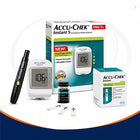
Accu-Chek Instant Strips: Use, Compatibility, Price & Blood Sugar Testing Guide
Accu-Chek Instant Strips: Uses, Features & Complete Guide

accupuncture

Acupuncture Needles & Supplies

Advanced Physiotherapy Machines & Lumbar Physiotherapy
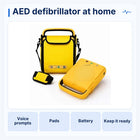
AED Defibrillator: How It Works, Who Can Use It and Where to Place It

Airways
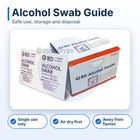
Alcohol Swab: Uses, Safe Use and Disposal Guide

Ambu Bag Full Form: Is There an Official Meaning?

Ambu Bag: Parts, Uses and Safety Guide

Ambu Full Form: What the Name Means and BVM Basics

Ambulance

Anatomy Models