


Featured ChoiceSave 50%
Save 47%


Save 34%

Save 38%
Save 50%
Save 42%

Save 50%
Drapes
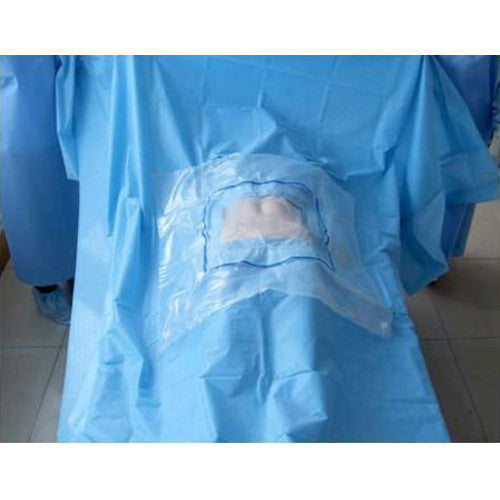
Drapes play an important role in maintaining a clean, organized, and controlled environment in healthcare facilities. Healthcare professionals use them to cover patients, equipment, treatment areas, operating surfaces, and other designated spaces that require separation and protection. Depending on the application, medical drapes help create a defined working area while supporting appropriate hygiene and infection-control practices.
Healthcare environments require careful attention to cleanliness and organization. For this reason, the right draping solution can support hospitals, clinics, operating rooms, diagnostic areas, treatment rooms, laboratories, and other healthcare settings. Explore the surgical products collection for related healthcare supplies and procedure essentials.
The Drapes collection offers practical solutions for different healthcare requirements. Depending on the individual product, healthcare professionals may use drapes for patient coverage, procedure preparation, equipment protection, surface coverage, or separation of designated areas. Users should select each drape according to its intended purpose, material, size, construction, and manufacturer instructions. You can also explore the Disposable HIV Drape Set for a product-specific example.
Introduction to Medical Drapes
Medical procedures often require a controlled and well-organized environment. During treatment, examination, surgery, dressing changes, or other healthcare procedures, healthcare professionals may need to cover specific parts of the patient or surrounding area. Medical drapes provide a practical way to create this separation while supporting the workflow of trained healthcare professionals.
A healthcare professional may place a drape over a patient, procedure surface, equipment, or designated working area depending on the product type. Therefore, different healthcare applications may require different sizes, shapes, materials, and designs. Some drapes target specific procedures, while others support broader clinical applications.
In addition, drapes help healthcare professionals maintain a more organized treatment area. By covering selected surfaces and separating the procedure area from surrounding areas, they support a systematic approach to patient care. However, drapes form only one part of an overall infection-control and hygiene protocol.
When choosing Drapes, healthcare facilities should consider the intended application, material requirements, dimensions, sterility requirements where applicable, durability, handling instructions, and disposal or cleaning procedures. For additional procedure essentials, browse medical and surgical instruments. Always follow the manufacturer's instructions and the healthcare facility's established protocols.
Key Features of Drapes
Practical Coverage
Drapes provide coverage for selected patients, surfaces, equipment, or procedure areas according to the intended application.
Drapes provide coverage for selected patients, surfaces, equipment, or procedure areas according to the intended application.
Healthcare Applications
The collection supports suitable applications in hospitals, clinics, treatment rooms, operating environments, and other healthcare settings.
The collection supports suitable applications in hospitals, clinics, treatment rooms, operating environments, and other healthcare settings.
Different Sizes and Designs
Different procedures may require different drape sizes, shapes, openings, coverage areas, or construction. Select the product according to the intended use.
Different procedures may require different drape sizes, shapes, openings, coverage areas, or construction. Select the product according to the intended use.
Easy Handling
A suitable drape should offer practical handling during positioning, arrangement, removal, and other steps according to the manufacturer's instructions.
A suitable drape should offer practical handling during positioning, arrangement, removal, and other steps according to the manufacturer's instructions.
Procedure Support
Drapes help define the working area and support an organized workflow during suitable medical and clinical procedures.
Drapes help define the working area and support an organized workflow during suitable medical and clinical procedures.
Suitable for Professional Settings
Drapes support appropriate professional healthcare environments when users select and handle them according to their intended purpose.
Drapes support appropriate professional healthcare environments when users select and handle them according to their intended purpose.
Why Are Medical Drapes Important?
A healthcare procedure often involves several people, instruments, surfaces, and materials. Consequently, healthcare staff need to keep the working area properly organized. Drapes help define the area that staff use for a procedure and provide coverage where necessary.
For example, a healthcare professional may need to expose only the specific area under examination or treatment while keeping other areas covered. In such situations, an appropriately designed drape provides practical coverage while allowing the professional to perform the required procedure.
Similarly, procedure areas may contain equipment or surfaces that require coverage according to facility protocols. A suitable drape helps create a more organized setup before the procedure begins. This approach can make preparation easier and may also help staff follow their established workflow.
However, drapes do not replace cleaning, disinfection, sterilization, hand hygiene, or other infection-control measures. Healthcare staff should use them as part of the overall procedure and hygiene practices established by the healthcare facility. Suitable medical gloves may also be required for appropriate tasks, depending on the procedure and workplace protocols.
Types of Drapes for Different Healthcare Applications
The term Drapes covers a broad range of healthcare products. Different clinical applications may require different designs. Therefore, healthcare professionals should select the appropriate type according to the procedure and manufacturer's specifications.
Patient Drapes
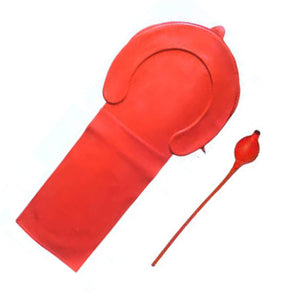
Patient drapes provide coverage during suitable examinations, treatments, or procedures. They help maintain patient privacy while exposing the area that requires clinical attention.
Patient drapes provide coverage during suitable examinations, treatments, or procedures. They help maintain patient privacy while exposing the area that requires clinical attention.
Surgical Drapes
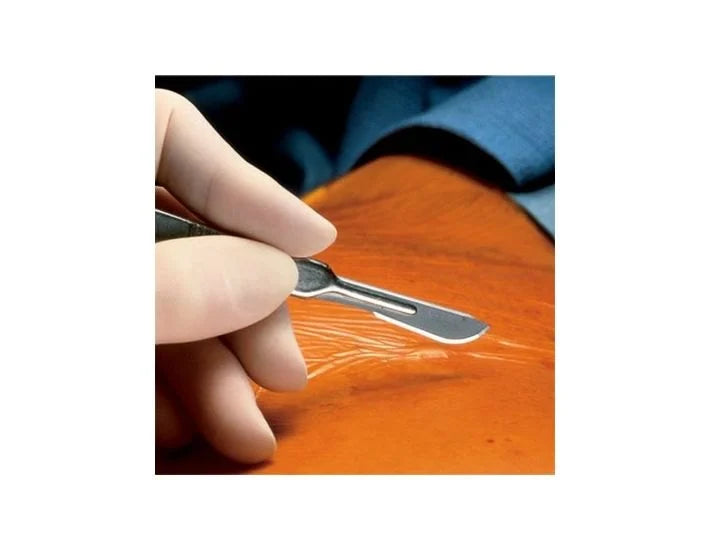
Surgical drapes support suitable surgical or procedural environments. Their construction and material should match the specific procedure and facility requirements. Explore 3M Ioban Antimicrobial Incise Drapes for a procedure-specific option.
Surgical drapes support suitable surgical or procedural environments. Their construction and material should match the specific procedure and facility requirements. Explore 3M Ioban Antimicrobial Incise Drapes for a procedure-specific option.
Procedure Drapes
Healthcare professionals can use procedure drapes during selected medical procedures that require controlled coverage and defined working areas.
Healthcare professionals can use procedure drapes during selected medical procedures that require controlled coverage and defined working areas.
Equipment Drapes
Certain drapes can cover appropriate equipment or parts of equipment during healthcare procedures, depending on their design and intended use.
Certain drapes can cover appropriate equipment or parts of equipment during healthcare procedures, depending on their design and intended use.
Table and Surface Drapes
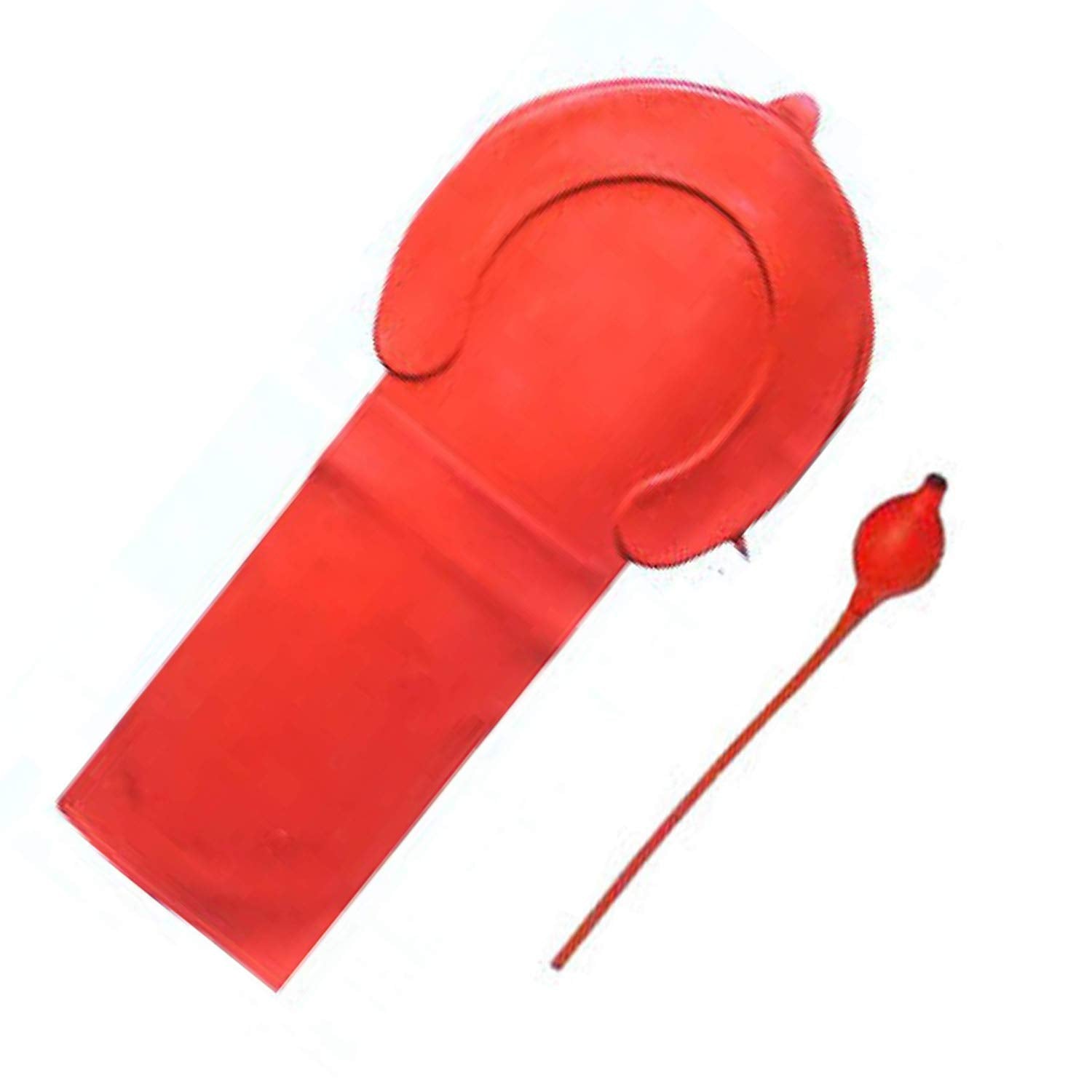
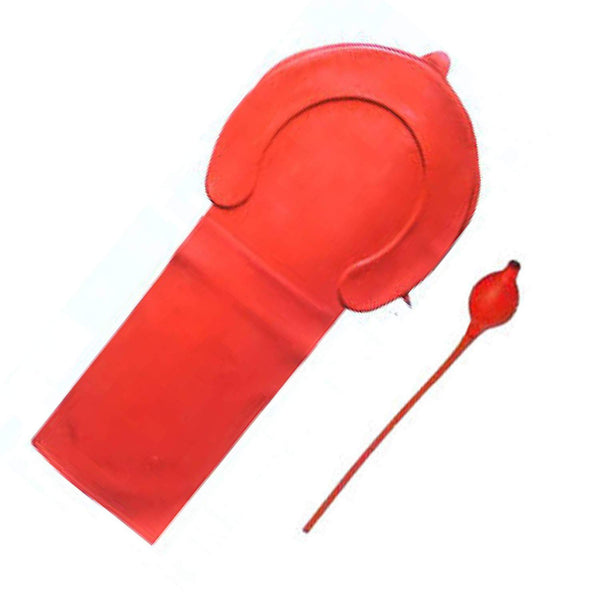
Suitable drapes can cover designated treatment or procedure surfaces when the healthcare facility's workflow and protocols require such coverage. A product such as the Kelly Pad Rubber may be relevant for specific clinical applications described in its product information.
Suitable drapes can cover designated treatment or procedure surfaces when the healthcare facility's workflow and protocols require such coverage. A product such as the Kelly Pad Rubber may be relevant for specific clinical applications described in its product information.
Benefits of Using Drapes
The correct Drapes can provide several practical benefits in healthcare environments. First, they help create a defined working area. This feature proves particularly useful when a procedure requires a specific part of the patient or surface to remain exposed while staff keep other areas covered.
Second, drapes support patient privacy. During examinations and procedures, appropriate coverage can help patients feel more comfortable while allowing healthcare professionals access to the area that requires attention.
Third, drapes contribute to an organized procedure setup. Staff can prepare the required coverage before beginning a procedure, which can help reduce unnecessary movement during the workflow.
Furthermore, appropriately selected drapes can support established infection-control practices. Depending on the product, a drape may provide a physical covering for selected areas. However, the specific protective performance of each drape depends on its construction, material, intended use, and manufacturer specifications.
Finally, the appropriate drape can make procedure preparation more systematic. Healthcare facilities can select products based on the procedure type, required coverage, material requirements, and handling instructions. Additional protective clothing, such as a disposable medical surgical gown, should be chosen separately according to the task and applicable protection requirements.
Applications of Drapes
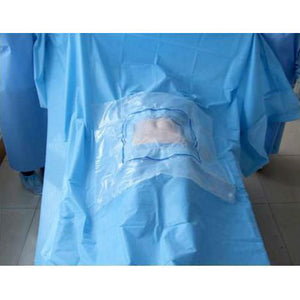
Drapes support a wide range of healthcare environments. The exact application depends on the individual product and its intended purpose. Common areas include:
- Hospitals and healthcare centres
- Operating rooms
- Surgical and procedure rooms
- ENT clinics
- General medical clinics
- Diagnostic and examination rooms
- Treatment rooms
- Day-care procedure areas
- Dental and specialty healthcare settings where suitable
- Laboratory and controlled healthcare work areas
- Patient preparation areas
- Other professional environments where appropriate draping supports the required workflow
Always confirm that the selected drape suits the specific procedure. Where sterility or barrier performance matters, healthcare professionals should verify the product's relevant specifications before use. For related procedure supplies, visit the surgical supplies collection.
Drapes for Hospitals and Clinics
Hospitals and clinics manage many different procedures every day. Therefore, healthcare staff require practical supplies that support consistent preparation and patient care. Medical Drapes can form part of this setup by providing coverage for patients, surfaces, equipment, or designated procedural areas.
In a hospital environment, different departments may have different draping requirements. An operating room may require procedure-specific surgical drapes, while an examination room may need a simpler patient-covering solution. Similarly, specialty departments may require products for particular procedures.
For this reason, healthcare facilities should not select drapes based only on size or appearance. Instead, staff should consider the intended application, material, construction, sterility requirements, coverage area, and handling instructions.
Proper storage also plays an important role. Staff should store drapes according to the manufacturer's recommendations so that each product remains in suitable condition for its intended application. Healthcare facilities can review related clinical and surgical instruments when preparing their supply lists.
Materials Used for Medical Drapes
Manufacturers can produce medical drapes from different materials depending on their intended application. Material selection can affect handling, durability, fluid resistance, breathability, comfort, cleaning requirements, and disposal procedures.
Some drapes use reusable textile materials, while others use disposable non-woven materials or other purpose-specific constructions. The correct material depends on whether the product supports repeated use, single use, sterile procedures, general coverage, or another application.
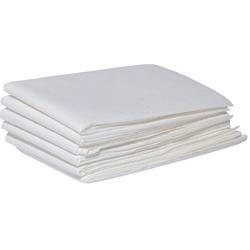
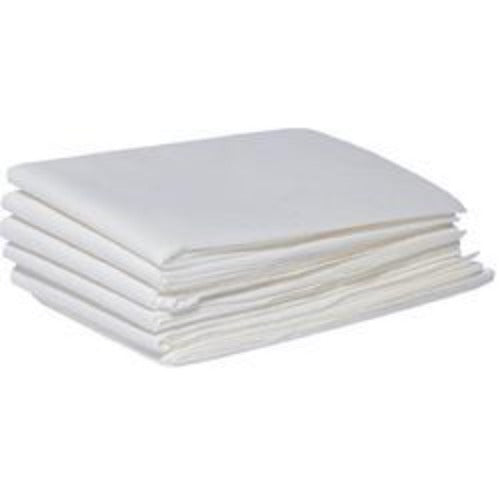
For example, the product information for a disposable drape set identifies its own material and included components. These details should not be assumed to apply to every drape in the collection.
Reusable drapes require appropriate washing, drying, inspection, and storage according to the manufacturer's instructions. Disposable drapes, on the other hand, require handling and disposal according to product instructions and healthcare facility waste-management procedures.
Because material specifications vary between products, users should always review the exact product information before making a selection. Do not assume that every medical drape provides the same level of fluid resistance, barrier protection, sterility, or durability.
Technical Specifications
| Specification | Details |
|---|---|
| Product Name | Drapes |
| Product Category | Medical Drapes |
| Primary Purpose | Patient, procedure, surface, or equipment coverage as applicable |
| Application | Hospitals, clinics, treatment areas, and suitable healthcare environments |
| Material | Varies according to the individual drape model |
| Design | Varies according to intended application |
| Size | Available dimensions depend on the selected product |
| Usage | Professional healthcare applications |
| Reusable / Disposable | Depends on the individual product specification |
| Sterility | Depends on the specific product and supplied configuration |
| Storage | Store according to manufacturer recommendations |
Product specifications can vary between different drape models. Always check the exact product page, packaging, manufacturer information, and applicable instructions for precise dimensions, material, sterility, usage, cleaning requirements, and other technical details.
How to Use Drapes
The method of using a drape depends on its specific design and intended application. Healthcare professionals should always follow the manufacturer's instructions and the protocol established by their facility.
- Select the correct drape for the intended procedure or application.
- Check the packaging and product condition before use.
- Verify sterility requirements where applicable.
- Prepare the patient and procedure area according to the relevant clinical protocol.
- Open and handle the drape according to the manufacturer's instructions.
- Position the drape carefully over the intended area.
- Make sure the drape provides the required coverage without interfering with the procedure.
- Avoid unnecessary contact with areas that need to remain clean or sterile.
- After the procedure, remove the drape according to the appropriate handling procedure.
- Dispose of or clean the drape according to its type and the applicable healthcare facility protocol.
The exact procedure may differ depending on whether the drape is disposable, reusable, sterile, non-sterile, patient-specific, or designed for a particular medical application. Always refer to the product's instructions rather than relying on the general description of another product.
Safety and Infection-Control Considerations
Correct handling of medical drapes matters because staff may use them around patients and procedure areas. Healthcare professionals should always follow their facility's infection-control procedures and the manufacturer's instructions.
- Use the correct drape for the intended clinical application.
- Do not use a damaged or contaminated drape when the product should provide controlled coverage.
- Check packaging and sterility information where applicable.
- Do not use a sterile drape if its sterile packaging has been compromised.
- Follow appropriate hand-hygiene practices before handling the product.
- Avoid unnecessary contact with sterile surfaces during placement.
- Use disposable drapes only as intended and dispose of them according to facility procedures.
- Clean and process reusable drapes according to the manufacturer's instructions.
- Do not reuse products that carry a single-use label.
- Follow all applicable infection-control, waste-management, and clinical procedures.
Important Note:
Drapes serve as healthcare support products. Use them according to their intended purpose. They do not replace professional clinical judgment, cleaning procedures, sterilization, disinfection, or other infection-control measures. Depending on the task, suitable medical protective gloves and appropriate protective clothing may also be required.
Drapes serve as healthcare support products. Use them according to their intended purpose. They do not replace professional clinical judgment, cleaning procedures, sterilization, disinfection, or other infection-control measures. Depending on the task, suitable medical protective gloves and appropriate protective clothing may also be required.
Cleaning and Maintenance of Reusable Drapes
If a drape supports repeated use, appropriate cleaning and maintenance remain essential. The exact process depends on the material and manufacturer recommendations. Therefore, healthcare facilities should follow the approved processing procedure for the specific product.
After use, inspect the drape for visible damage, stains, tears, loose stitching, or other problems. If the product does not meet the required condition for its intended use, do not return it to service without appropriate assessment.
Healthcare facilities should clean reusable drapes through the recommended process. This process may include washing, drying, inspection, and appropriate storage. Staff should ensure that the cleaning process suits the material and does not damage the drape.
Store cleaned drapes in a suitable environment that protects them from excessive moisture, dust, contamination, and physical damage. Proper organization can also help staff locate the required drape quickly when preparing for a procedure.
Disposable and Reusable Drapes
Both disposable and reusable drapes can play a role in healthcare environments. However, each type has different handling requirements. A disposable drape generally supports a single application, so staff should discard it after use according to applicable healthcare waste procedures.
Reusable drapes support repeated use when healthcare staff clean and process them correctly. They may suit facilities that have established systems for laundering, inspection, processing, and storage.
The choice between disposable and reusable products should depend on the clinical application, facility protocol, product specifications, workflow, processing capability, and applicable requirements. Always check the product label and manufacturer's instructions before use. For product-specific details, review the Disposable HIV Drape Set listing.
How to Choose the Right Drapes
Choosing the right Drapes requires careful consideration of the intended application. First, identify what needs coverage. A patient drape, surgical drape, equipment drape, and table drape may have different designs and requirements.
Next, consider the size and coverage area. The drape should provide sufficient coverage for the intended application. At the same time, excessive material should not interfere with the procedure or create unnecessary handling difficulties.
Material also requires attention. Healthcare facilities should check whether the product supports reusable or disposable use and whether its material meets the requirements of the intended procedure. Where fluid resistance or barrier properties matter, review the manufacturer's stated specifications rather than making assumptions.
Sterility also matters when applicable. If a procedure requires sterile supplies, verify the product's sterile status, packaging integrity, expiry information where relevant, and handling requirements before use.
Finally, consider storage, cleaning, disposal, and overall workflow requirements. When selecting associated supplies, review the available surgical products, medical gloves, and disposable surgical caps where appropriate. Select each item according to its own intended use and product specifications.
Drapes for Patient Comfort and Privacy
Patient comfort and privacy remain important aspects of professional healthcare. During an examination or procedure, the patient may need to expose a specific body area while keeping other areas appropriately covered. A suitable patient drape can help provide this coverage.
The design of a patient drape should allow healthcare professionals to perform the required procedure without unnecessary exposure. Therefore, selecting the correct size and style remains important. Staff should also explain the procedure to the patient and follow appropriate professional practices.
Staff should position drapes carefully so that they provide the intended coverage without interfering with medical equipment, monitoring, or healthcare professionals' access to the treatment area.
Storage and Handling of Drapes
Proper storage helps maintain the condition of healthcare drapes. Staff should keep products in an environment that suits their material and packaging. Avoid excessive moisture, dust, direct contamination, and physical damage.
Keep sterile products in their original packaging until staff need them. Staff should inspect the packaging before opening and should not use products if the packaging shows damage or the sterile barrier has lost its integrity.
Staff should separate reusable drapes appropriately after use and process them according to facility procedures. Good storage and handling practices make it easier for healthcare staff to identify clean, processed, and ready-to-use products.
Frequently Asked Questions About Drapes
What are medical drapes?
Medical drapes are healthcare products that provide coverage for patients, procedure areas, surfaces, equipment, or other designated areas according to their specific design and intended application.
Where are Drapes used?
Drapes can support hospitals, clinics, operating rooms, treatment rooms, examination areas, diagnostic settings, and other suitable healthcare environments.
Are all medical drapes sterile?
No. Sterility depends on the specific product. Always check the product packaging and manufacturer's specifications to determine whether a particular drape has a sterile or non-sterile configuration.
Can Drapes be reused?
Some drapes support reuse, while others support single use. Always check the product instructions before cleaning or reusing a drape.
How should reusable drapes be cleaned?
Healthcare facilities should clean and process reusable drapes according to the manufacturer's instructions and their established cleaning and infection-control procedures.
Can Drapes be used during surgery?
Procedure-specific or surgical drapes may support appropriate surgical procedures when their design and intended purpose match that use. Healthcare professionals should verify the product specifications and follow the relevant clinical protocol.
What should I consider when buying Drapes?
Consider the intended application, size, material, design, sterility, disposable or reusable construction, handling requirements, cleaning process, and manufacturer's specifications before purchase.
Are Drapes a replacement for infection-control procedures?
No. Drapes represent only one component of an overall healthcare workflow. Use them together with appropriate hand hygiene, cleaning, disinfection, sterilization, waste management, and other applicable infection-control practices.
Professional Use of Drapes
Healthcare professionals should select and use drapes according to the procedure they perform. The product should match the required level of coverage and the environment where staff will use it.
Before use, staff should verify the product condition and confirm that the drape suits the intended application. During use, staff should position it carefully to provide the required coverage without obstructing essential equipment or healthcare professionals' access.
After use, staff should handle the drape according to its disposable or reusable classification. Following the correct process helps maintain an organized workflow and supports the healthcare facility's hygiene and infection-control practices. Related products, including disposable surgical gowns, should be used according to their own product instructions.
Why Choose the Right Drapes?
The correct drape can make procedure preparation more practical and organized. When the product matches the intended application, healthcare professionals can use it more effectively within their established workflow.
A suitable drape should provide the required coverage, fit the intended procedure, and meet the handling requirements of the healthcare facility. Furthermore, staff should store, clean, process, or dispose of the product according to its specific instructions.
By considering these factors before purchase, hospitals, clinics, and other healthcare facilities can select drapes that align with their operational and clinical requirements. Review the relevant surgical supplies and individual product listings to compare the options available.
Final Thoughts on Drapes
Drapes are practical healthcare products that can support patient coverage, procedure preparation, surface protection, equipment coverage, privacy, and organized clinical workflows. Their exact purpose depends on the design and specifications of each individual product.
From hospitals and operating rooms to clinics, examination areas, and treatment rooms, appropriate draping can help healthcare professionals create a more controlled and organized environment. However, users should always select the right product according to its intended use rather than relying only on general appearance or size.
Before purchasing Medical Drapes, healthcare facilities should review the material, dimensions, design, sterility status, reusable or disposable construction, handling requirements, cleaning instructions, and other manufacturer-provided specifications. This approach helps ensure that the selected product matches the requirements of the intended application.
With proper selection, handling, storage, cleaning, and disposal, Drapes can become a useful part of a well-organized healthcare setup. Always follow the manufacturer's instructions and the applicable clinical and infection-control protocols for safe and appropriate use.
Buy Drapes for Healthcare Applications
Choose suitable Drapes according to your healthcare facility's requirements, intended procedure, coverage needs, material preferences, and handling protocols. The right drape can support an organized and professional procedure environment.
Explore the surgical products collection at Meddey to find suitable supplies for hospitals, clinics, treatment areas, examination environments, and other professional healthcare applications.
You can also review the Disposable HIV Drape Set, 3M Ioban Incise Drapes, and other related products to check their specific descriptions, available options, and manufacturer information before purchasing.
```
Explore Medical Collections
All Categories
Abdominal & Maternity Support

Accessories

Accu-Chek Instant Strips: Use, Compatibility, Price & Blood Sugar Testing Guide
Accu-Chek Instant Strips: Uses, Features & Complete Guide

accupuncture

Acupuncture Needles & Supplies

Advanced Physiotherapy Machines & Lumbar Physiotherapy

Airways

Ambulance

Anatomy Models
Anesthesia Machine

Anesthesia Products

Ankle Support for Home Use: Braces, Sleeves & Walker Boots

Ankle Weights & Exercise Weights for Home & Rehab

Anti-Bedsore Air Mattresses
You may also need
FOR YOURecommended for you
Save 50%
Save 47%
Save 34%
Save 38%
Save 50%
Save 42%
Save 50%