


Featured ChoiceSave 64%

Save 70%


Save 73%


ECG electrodes: types, gel, skin care and buying guide
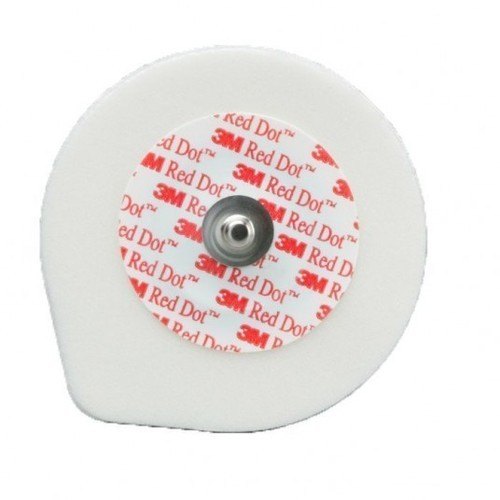
ECG electrodes are small adhesive sensors that sit on the skin and help capture the heart’s electrical signals during an ecg or EKG. They do not treat the heart, and they do not send electricity into the body. A doctor or trained professional should guide their medical use, place them correctly, and read the ecg.
A good choice supports clearer signal capture, easier placement, and better comfort. This guide explains common shapes, gel styles, connector choices, skin care, and buying checks in simple terms.
What are ECG electrodes and how do they work?
ECG electrodes are adhesive sensors used during an electrocardiogram. They sit on clean skin and connect to ecg lead wires. The ecg machine then records electrical activity from the heart as a tracing.
The ecg pad acts as a contact point between the body and the device. Its adhesive keeps it in place. Its gel or conductive surface helps the signal pass from the body to equipment.

A doctor reads the ecg and considers the person’s symptoms and health history. The ecg pad only helps collect the signal. It does not explain the tracing by itself.
People may also call them ekg electrodes. ECG and EKG often refer to the same heart tracing test. The spelling changes, but the purpose stays the same.
Why ECG electrodes matter for a clean ECG tracing
A clean tracing depends on contact, placement, and stillness. If the pad lifts, dries, or sits on oily skin, the signal may look noisy. That can make the tracing harder to read.
Skin preparation matters before placement. A trained professional may clean the skin and manage hair if needed. The goal is firm contact without unnecessary stress.
The shape and connector should also match the ecg lead wire. A mismatch can cause poor attachment or movement. Always follow the device guidance and the pack label.
Good ecg pads also support patient comfort. Adhesive should hold well, but it should not be harsher than needed. This balance is important for people with delicate skin.
Common ECG electrodes product forms
Common forms are adhesive electrode packs, round electrodes, and square electrodes. These forms cover common ecg needs without adding confusing choices. The right option depends on the test setup and the trained professional’s guidance.


Adhesive electrode packs are useful when several pads are needed together. They help keep supplies grouped and ready for clinical use. The pack label should guide use, handling, and single-use instructions.
Round electrodes can suit many routine placements. Their shape may feel familiar to professionals who place ecg leads often. Square electrodes offer another adhesive surface shape for stable contact.
Choose shape based on compatibility and practical placement needs. Do not choose by shape alone. Connector type, gel style, adhesive feel, and label instructions also matter.
|
Feature to compare |
What it means |
Practical point |
|---|---|---|
|
Adhesive electrode packs |
Grouped pads for ecg use |
Check the label before use |
|
Round electrodes |
Circular adhesive shape |
Useful for many routine placements |
|
Square electrodes |
Square adhesive shape |
May support easy handling |
|
Snap connector |
Press-on connection point |
Match it with snap lead wires |
|
Tab connector |
Flat pull-style connection area |
Match it with tab lead wires |
|
Wet gel |
Moist conductive gel |
Check package condition before use |
|
Solid gel |
Firmer conductive gel |
Often easier to handle cleanly |
|
Comfort for the wearer |
Adhesive and gel contact |
Important for sensitive skin |
How do snap and tab ECG electrodes differ?
Snap and tab ecg electrodes differ by the way the lead wire connects. A snap type uses a raised connection point that presses into a matching lead. A tab type uses a flat tab area that clips into a matching lead.

Neither connector is automatically better. The right choice depends on the ecg cable and the test setup. A trained professional should confirm compatibility before placement.
Snap connectors can feel secure when the lead attaches correctly. They may be useful where a firm click connection helps reduce movement. But they still need correct placement and good contact.
Tab connectors use a flat contact area. They are often simple to attach and remove from the lead wire. They should not be pulled off the body by the wire.
Always match the connector to the equipment. Forcing a connector can damage supplies or interrupt the tracing. If the connector does not fit, stop and check the label.
How do wet gel and solid gel ECG electrodes differ?
Wet gel and solid gel ecg electrodes differ in gel feel and handling. Wet gel is more fluid, while solid gel is firmer. Both aim to support electrical contact between the body and the pad.

Wet gel can spread across the contact area. This may help create good contact when the pad sits well. It can also feel messier if handled poorly.
Solid gel has a more stable texture. It may be easier to handle cleanly. It still needs proper storage and use according to the label.
Neither gel style should be treated as universal. Skin condition, test setting, and equipment needs all matter. Follow the pack label and the trained professional’s direction.
Check the gel before use. If it looks dried, damaged, contaminated, or unusual, do not apply it. Use only supplies that appear suitable under the label guidance.
When is conductive gel needed with ECG electrodes?
Conductive gel is needed when the pad design requires it for contact. Many adhesive ecg electrodes already include gel. Do not add extra gel unless the product label or trained professional says to.
Extra gel can create problems if it spreads too far. It may interfere with adhesion or bridge nearby contact areas. It may also make cleanup harder.
The safest approach is simple. Use the ecg pad as labeled. Ask a trained professional when you are unsure.
The gel supports signal transfer, but placement still matters. Clean skin, good adhesion, and correct lead connection remain important. Gel cannot fix poor placement by itself.
How do ECG electrodes differ in 3-lead and 12-lead tests?
ECG electrodes differ in 3-lead and 12-lead tests by placement plan and signal view. A 3-lead test uses fewer positions than a 12-lead test. A 12-lead test uses more lead views for a broader ecg tracing.
The pad itself may look similar in both settings. The main difference is how many are used and where they go. A trained professional should choose and place them.
Placement accuracy matters in both tests. If a pad sits in the wrong place, the tracing may not reflect the intended view. This is why medical use should be overseen by trained staff.
The doctor reads the ecg after the tracing is captured. The number of leads affects the view available to the doctor. It does not remove the need for clinical judgment.
Which features should be checked when choosing ECG electrodes?
Check compatibility, adhesive feel, gel style, connector type, size, shape, label guidance, and skin needs. The pad must work with the ecg lead wire and suit the intended setting. It should also support comfort for the person wearing it.
Start with the connector. Snap and tab types connect differently. Matching the connector prevents loose contact and setup delays.
Next, check the gel style. Wet gel and solid gel feel different during handling. Choose based on clinical preference, label guidance, and the wearer’s needs.
Review adhesive strength and sensitivity. Strong hold matters, but harsh removal can cause discomfort. Sensitive skin may need extra care before and after use.
Also check package condition. Do not use pads from damaged packaging. Follow the label for storage, handling, and single-use directions.
Use this plain checklist before use:
-
Confirm a doctor or trained professional is guiding ecg use.
-
Match the connector to the ecg lead wire.
-
Check whether the pad uses wet gel or solid gel.
-
Choose round or square electrodes when that shape suits placement.
-
Review the label before placing the electrode.
-
Make sure the skin is clean, dry, and not broken.
-
Avoid applying electrodes over irritated skin.
-
Stop and ask a doctor if the skin reacts.
-
Follow the pack label for single use.
-
Do not reuse disposable electrodes unless the label allows it.
-
Dispose of used pads as directed by the care setting.
Which ECG electrodes suit people with sensitive skin?
ECG electrodes for sensitive skin should focus on gentle contact, careful placement, and careful removal. The adhesive, gel, and preparation all affect comfort. A doctor or trained professional should guide the choice for a person who reacts easily.
Sensitive skin can react to adhesive, gel, friction, sweat, or repeated removal. Even a suitable pad can cause discomfort if removed harshly. Slow removal and gentle support can reduce unnecessary stress.
Do not place electrodes on broken or irritated skin unless a trained professional directs care. Tell the care team about known adhesive reactions. Also mention latex concerns or past reactions.
After removal, check the skin. Mild temporary marks can happen, but strong redness, itching, rash, burning, or swelling needs attention. Stop and ask a doctor if skin reacts to electrodes.
Sensitive skin choices should not rely on marketing words alone. Read the pack label and ask trained staff. Comfort depends on the person, the body area, and the way the pad is used.
Why can ECG electrodes irritate the skin?
ECG electrodes can irritate the skin because adhesive and gel touch it directly. Removal can also pull the skin surface. Sweat, friction, hair, and repeated placement can add stress.
Some people react more easily than others. Sensitive skin, dryness, or a history of adhesive reactions can raise concern. Tell the care team before the ecg begins.
Preparation can help, but it should stay gentle. Cleaning removes oil and helps adhesion. Harsh scrubbing can make irritation more likely.
Removal technique matters. Pulling quickly may stress the skin. A trained professional can remove the pads with care and check the area after use.
If the skin reacts, stop using the pads and ask a doctor. Do not keep using the same adhesive on irritated skin. Do not try to cover a reaction and continue without advice.
How long can ECG electrodes stay on the skin?
ECG electrodes should stay on the skin only as long as the ecg use and product label allow. Avoid leaving them on longer than needed. A doctor or trained professional should guide use when medical monitoring is involved.
The safe wear period depends on the pack label, skin condition, and care setting. Because labels differ, do not guess. Read the pack guidance and follow the care team’s direction.
Check the skin during wear when appropriate. If the ecg pad loosens, wrinkles, or feels uncomfortable, tell the professional overseeing the ecg. Do not adjust medical leads without guidance.
Remove pads with care when they are no longer needed. Check the skin after removal. Stop and ask a doctor if redness, itching, swelling, burning, or rash appears.
Can disposable ECG electrodes be used more than once?
Disposable ecg electrodes should not be used more than once unless the pack label clearly allows it. Follow the pack label for single use. Reuse can affect adhesion, gel contact, cleanliness, and signal quality.
Once removed, the adhesive may not hold the same way. Gel may also lose contact quality. Skin cells, oils, and other material can remain on the surface.
Do not clean and reapply a disposable pad unless the label says that use is allowed. Do not share pads between people. Ask a trained professional if the label is unclear.
Single-use guidance protects the person and supports proper ecg setup. It also keeps practice consistent. When in doubt, follow the label and the care setting’s rules.
ECG electrodes and skin preparation basics
Skin preparation should be simple and gentle. The area should usually be clean and dry before placement. Oily lotion, sweat, or heavy hair can reduce adhesion.
A trained professional may clean the placement area. They may also manage hair if it prevents contact. The aim is better adhesion without hurting the skin.
Do not place pads over open skin, rash, or irritated areas without professional guidance. Damaged skin can react more strongly. It can also make adhesion less reliable.
Avoid heavy creams before ecg placement unless the care team approves. Creams can leave a film between the body and the pad. That film may weaken contact.

After removal, keep skin care gentle. Avoid scratching sticky areas. Ask a doctor if the skin reacts or feels painful.
ECG electrodes placement depends on trained guidance
Placement is not only about sticking patches to the skin. Each position relates to a lead view. Wrong placement can affect what the ecg tracing shows.
A trained professional should oversee medical use of ecg electrodes. They know where to place them for the ordered ecg. They also check whether the lead wires attach correctly.
The person receiving the ecg should stay relaxed and still if asked. Movement can create unwanted signal noise. Shivering, talking, or pulling at wires can affect the tracing.
Do not move the pads during a medical ecg unless told to do so. If one feels loose, tell the care team. They can decide whether to replace or reposition it.
The doctor reads the ecg after the tracing is made. The placement supports the tracing, but the doctor interprets the medical meaning.
ECG electrodes for round and square placement needs
Round electrodes and square electrodes offer different surface shapes. The choice may depend on placement area, handling preference, and lead wire setup. Both forms still need proper contact.
Round pads may sit neatly on curved areas. Their edges can be easy to smooth down. This can help reduce lifting when placed correctly.
Square pads may give a clear orientation during handling. Some professionals may find them easy to grip. They still need careful smoothing across the adhesive surface.
Shape does not replace clinical judgment. The right choice also depends on connector type and gel style. Always confirm with the label and the ecg equipment.
ECG electrodes buying guide for practical selection
A practical buying guide starts with use case and compatibility. Choose electrodes that match the ecg equipment and the care setting. Do not focus only on shape or pack appearance.
Confirm whether snap or tab connectors are needed. A wrong connector can stop setup. If the lead wire does not match, the ecg pad cannot serve its purpose.
Review gel type next. Wet gel and solid gel each have handling differences. The label should explain how the pad should be used.
Consider skin needs. If several people have sensitivity concerns, gentle handling becomes even more important. Keep reaction guidance clear for all users.
Look at packaging condition and label clarity. The label should be readable. Do not use supplies that appear damaged or questionable.
Avoid claims that sound too broad. No pad can promise a perfect tracing in every setting. Contact, placement, equipment, and patient movement all matter.
ECG electrodes handling before use
Handle the pads with clean hands or according to workplace practice. Avoid touching the gel surface more than needed. Oils from fingers can affect contact.
Open the pack only when ready to apply the pads. This helps protect adhesive and gel condition. Always follow the pack label for handling.
Do not fold, crush, or stretch the electrode. Damage can affect adhesion and comfort. If a pad looks damaged, choose another one under professional guidance.
Keep lead wires organized during setup. Pulling or twisting wires can lift the adhesive. Secure connection starts with calm handling.
If the electrode drops or becomes contaminated, do not apply it. Cleanliness matters when something touches the body. Use another electrode as directed by the care setting.
ECG electrodes removal and aftercare
Removal should be steady and gentle. Support the skin near the adhesive edge and peel slowly. Do not yank the wire to remove the pad.

A trained professional can remove the pads in a way that reduces stress. This matters for older, dry, and sensitive skin. It also matters when several pads are used.
After removal, check for redness, itching, rash, swelling, or burning. Stop and ask a doctor if the skin reacts. Do not place another adhesive over irritated skin without advice.
If sticky residue remains, follow the care team’s advice. Do not scrape the skin harshly. Gentle cleaning is usually better than force.
Document skin concerns if the care setting requires it. This helps future ecg placement. It also helps the team choose a better approach next use.
ECG electrodes and common signal problems
Signal problems often come from contact issues. Loose adhesive, dry gel, oily skin, or movement can create noise. Lead wire tension can also disturb contact.
Start with simple checks. Make sure the connector fits. Make sure the adhesive edge is smooth and secure.
Next, check the skin area. Sweat, lotion, or hair may affect adhesion. A trained professional can decide whether preparation is needed.
Do not keep pressing a failing pad again and again. If it will not hold, it may need replacement. Follow the label and care setting guidance.
Equipment settings and lead placement also matter. Pad quality alone cannot fix every tracing issue. The whole setup must work together.
ECG electrodes in safe medical use
Medical use of ecg electrodes should not be casual guesswork. A doctor or trained professional should oversee use. This is especially important when symptoms or known heart concerns are present.
The pad is only one part of the ecg process. The machine records the tracing, and the doctor reads the ecg. The doctor may consider other health details before explaining what it means.
Do not use the pads to self-diagnose. Do not change medicines based on a tracing without medical advice. Seek urgent care for serious symptoms as directed by local emergency guidance.
Skin safety also matters. Do not ignore irritation because the pad seems small. Stop and ask a doctor if the skin reacts.
ECG electrodes storage and label awareness
Storage conditions affect readiness. Follow the label and keep the pack as directed. Do not assume all packs need the same handling.
The adhesive and gel should remain suitable before use. If the pack is open, damaged, dried, or unclear, do not guess. Ask a trained professional what to do.
Labels can include single-use guidance and handling limits. Read them before applying the ecg pad. This is important for disposable ecg electrodes.
Avoid mixing pads from different packs without a reason. Labels may differ. Keeping label information clear helps safe use.
Do not remove pads from packaging for convenience and leave them exposed. Exposure can affect adhesive and gel. Use them as the label directs.
ECG electrodes comparison for gel, connector, and shape
Choosing electrodes becomes easier when you separate the main features. Gel affects contact feel. Connector type affects equipment fit. Shape affects handling and placement.
|
Choice area |
Main options covered here |
What to ask |
|---|---|---|
|
Shape |
Round electrodes, square electrodes |
Which shape fits the placement area? |
|
Pack format |
Adhesive electrode packs |
Does the label match the intended ecg use? |
|
Connector |
Snap or tab |
Which lead wire connector is used? |
|
Gel |
Wet gel or solid gel |
Which gel style does the label describe? |
|
Wearer comfort |
Adhesive and gel contact |
Has the person reacted before? |
|
Use guidance |
Disposable or label-directed use |
Does the label say single use? |
|
Oversight |
Doctor or trained professional |
Who will place and review the ecg? |
This table is not a medical decision tool. It simply organizes the checks that matter. A trained professional should still guide selection and placement.
Avoid choosing based on one feature only. A comfortable adhesive still needs the correct connector. A correct connector still needs proper placement.
ECG electrodes mistakes to avoid
Several common mistakes can affect comfort and tracing quality. Most are easy to prevent with label reading and trained guidance. Slow setup often works better than rushed setup.
Avoid these mistakes:
-
Using a connector that does not match the lead wire.
-
Placing pads on oily, sweaty, broken, or irritated skin.
-
Touching the gel surface more than needed.
-
Pulling pads off by the wire.
-
Reusing disposable pads against label guidance.
-
Leaving pads on after they are no longer needed.
-
Ignoring redness, itching, rash, swelling, or burning.
-
Moving the pads during a medical ecg without direction.
-
Assuming round and square electrodes work the same in every placement.
-
Adding conductive gel when the label does not call for it.
These steps protect both setup and comfort. They also keep the ecg process more consistent. Consistency helps the doctor read the ecg in the right clinical context.
ECG electrodes for home and clinical settings
Some people encounter electrodes in clinics. Others may see them during supervised use outside a clinic. In both cases, medical guidance remains important.
The person using the equipment should understand placement, lead connection, and skin checks. If they do not, they should ask a trained professional. Guessing can create poor contact or unclear tracing.
Home use does not remove the need for a doctor. A doctor reads the ecg and explains its meaning. The sensor only helps collect the signal.
Keep the label nearby during use. Follow the pack label for single use. Stop and ask a doctor if the skin reacts.
ECG electrodes and patient comfort
Comfort starts before placement. Explain what the pads do and where they may be placed. People often feel more relaxed when they know the sensors only record signals.
Use calm, careful handling. Cold hands, sudden pulling, or rushed removal can make the experience worse. Simple communication can reduce worry.
Ask about skin history. Adhesive reactions, fragile skin, and recent irritation matter. The care team can adjust placement decisions within clinical guidance.
Check the skin after removal. Do not dismiss discomfort. A small pad can still irritate sensitive skin.
ECG electrodes questions to ask before buying
Before choosing electrodes, gather the practical details. The right product should fit the equipment and the intended ecg process. It should also match skin and handling needs.
Ask these questions:
-
Does the ecg lead wire need a snap or tab connector?
-
Does the use call for adhesive electrode packs, round electrodes, or square electrodes?
-
Does the label describe wet gel or solid gel?
-
Does the label state single-use instructions?
-
Will a doctor or trained professional guide placement?
-
Who will read the ecg after recording?
-
Has the person had adhesive or gel reactions before?
-
Is the skin clean, dry, and free from irritation?
-
Is the packaging intact and readable?
-
Are handling and disposal steps clear?
These questions keep the focus on safe, practical use. They also prevent buying based on vague claims. Clear compatibility matters more than promotional language.
FAQ: Can disposable ECG electrodes be used more than once?
Disposable pads should follow the pack label. If the label says single use, do not use them again. Reuse can affect adhesion, gel contact, and cleanliness.
FAQ: How do ECG electrodes differ in 3-lead and 12-lead tests?
They differ mainly by placement plan and lead views. A 3-lead setup uses fewer positions than a 12-lead setup. A trained professional should place them correctly.
FAQ: Which ECG electrodes suit people with sensitive skin?
People with sensitive skin need careful adhesive choice and gentle removal. Tell the care team about past reactions. Stop and ask a doctor if redness, itching, burning, swelling, or rash appears.
FAQ: Which features should be checked when choosing ECG electrodes?
Check connector type, gel style, shape, adhesive feel, label guidance, and equipment fit. Also check personal needs and package condition. A trained professional should guide medical use.
FAQ: Why can ECG electrodes irritate the skin?
Adhesive, gel, friction, sweat, and removal can irritate skin. Some people react more easily than others. Stop use and ask a doctor if the skin reacts.
FAQ: When is conductive gel needed with ECG electrodes?
Conductive gel is needed when the pad design requires it. Many adhesive electrodes already include gel. Do not add extra gel unless the label or trained professional says to.
Key takeaway on ECG electrodes
ECG electrodes support ecg recording by helping capture the heart’s electrical signals through the skin. They work best when they match the equipment, sit on a prepared area, and follow label guidance.
Choose from adhesive electrode packs, round electrodes, and square electrodes based on practical need and professional direction. Check connector type, gel style, comfort, and single-use guidance before use.
Most importantly, keep medical oversight in place. A doctor or trained professional should guide ecg use, and a doctor reads the ecg. If skin reacts, stop and ask a doctor before using them again.
Sources
-
The pack label and its single-use instructions
-
The device guidance for the ecg equipment and lead wires
-
Guidance from a doctor or trained professional
Explore more heart-health devices
ECG machine
Explore Medical Collections
All Categories
Abdominal & Maternity Support

Accessories

Accu-Chek Instant Strips: Use, Compatibility, Price & Blood Sugar Testing Guide
Accu-Chek Instant Strips: Uses, Features & Complete Guide

accupuncture

Acupuncture Needles & Supplies

Advanced Physiotherapy Machines & Lumbar Physiotherapy

Airways
Alcohol Swab: Uses, Safe Use and Disposal Guide

Ambu Bag Full Form: Is There an Official Meaning?

Ambu Bag: Parts, Uses and Safety Guide

Ambu Full Form: What the Name Means and BVM Basics

Ambulance

Anatomy Models
Anesthesia Machine
You may also need
FOR YOURecommended for you
Save 64%
Save 70%
Save 73%