


Featured ChoiceSave 16%

Save 36%


Electric wheelchair: types, features and buying guide
Electric wheelchair choice becomes easier when a family checks fit, comfort, battery, controls, and home use first. For Indian homes, a foldable electric model should feel safe indoors, simple for caregivers, and practical for daily movement.
This guide focuses on electric power wheelchairs with foldable frames. It helps older adults, family members, and caregivers compare features without getting lost in technical words.
Electric wheelchair buying guide for Indian homes
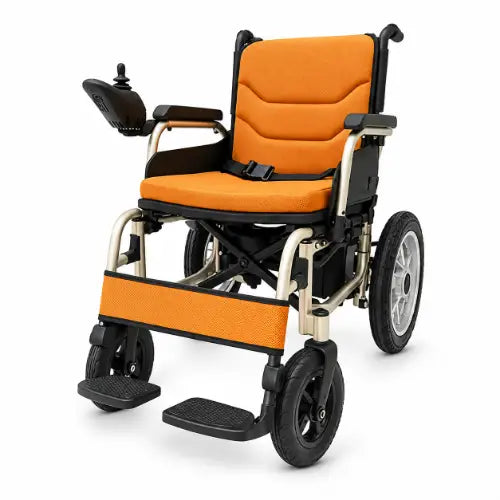
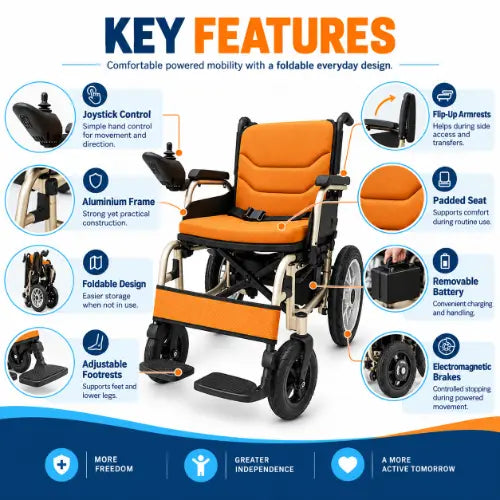
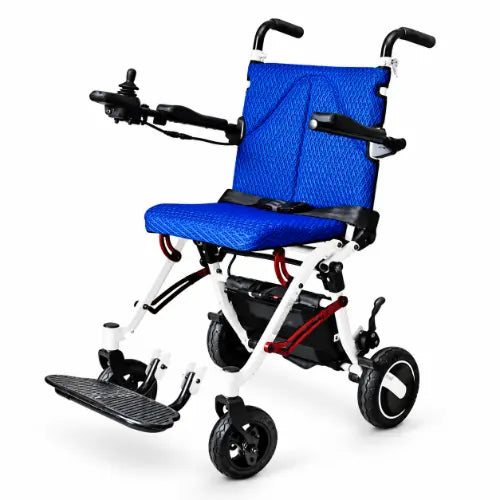
An electric wheelchair is a battery-powered mobility aid with a motor, joystick, seat, wheels, and foldable frame. Many Indian families choose a foldable electric frame because it can suit flats, lifts, car travel, and mixed indoor-outdoor use.

A good electric wheelchair should not only move well. It should also fit the user’s body, fit the home, and support daily routines. WHO guidance on wheelchair provision highlights assessment, fitting, user training, and follow-up as important parts of safe use.
For home users, the right electric model is usually the one that matches real spaces. Check door width, lift space, turning area, ramp slope, and charging location before choosing.
What makes an electric wheelchair different from a manual one?
An electric wheelchair uses battery power, motors, and controls to move with less physical effort. The user or caregiver controls direction through a joystick or control unit.
This difference matters for older adults who tire quickly. It also helps people who need support across rooms, corridors, parking areas, clinics, or society compounds.
An electric wheel chair can reduce strain on the shoulders, hands, and caregiver. It may also make short daily movement feel more independent and predictable.
When comparing motorized wheel chairs, do not only look at looks. Focus on fit, comfort, control, folding, service, and battery care.
Who benefits from an electric wheelchair instead of a manual one?
People who need powered support for daily movement may benefit from an electric wheelchair. This includes older adults, people with limited stamina, and caregivers who need easier handling.
A foldable electric model can help in many simple daily situations. It can support movement from bedroom to living room, lift to parking, or home to clinic.
It may also suit users who can sit upright and operate a joystick safely. If the user cannot use the joystick, a caregiver should check attendant control options.
Before buying, speak with a doctor, therapist, or trained mobility provider when health needs are complex. A professional fitting helps reduce poor posture, discomfort, and unsafe use.
Electric wheelchair types with foldable frames
This article covers only foldable electric power wheelchairs. Within that group, families will still see several practical styles.

|
Foldable electric wheelchair style |
Best suited for |
What to check |
|---|---|---|
|
Lightweight foldable frame |
Flats, lifts, car travel |
Folded size, frame strength, user weight limit |
|
Compact indoor model |
Narrow rooms and short trips |
Turning space, seat width, footrest position |
|
Outdoor-friendly foldable model |
Society lanes and clinic visits |
Wheel size, ground clearance, brake response |
|
Caregiver-control model |
Users needing family help |
Rear control, speed setting, stopping control |
|
Travel-focused foldable model |
Frequent car use |
Folding steps, battery removal, boot fit |
A folding frame helps when space is limited. Still, folded size matters more than the word “foldable”. Ask the seller to show the exact folding process.
Some models fold in one or two steps. Others need footrests, armrests, or batteries adjusted first. A caregiver should try the full process before purchase.
Which electric wheelchair types are common in India?
In India, many home buyers look for foldable electric wheelchair models that can move through flats, lifts, and clinic spaces. Common choices include compact foldable, lightweight foldable, and caregiver-friendly foldable versions.
Indian homes often have narrow doors, tight turns, and furniture close together. This makes turning radius, total width, and folded size very important.
Many families also consider support options. India’s ADIP Scheme includes assistive devices such as motorised wheelchairs for eligible persons, showing that powered mobility is part of recognised assistive support.
Electric wheelchair features that matter every day
The right electric wheelchair should make daily movement smoother. It should not create new stress for the user or caregiver.
Use this plain checklist before comparing models:
-
Check user weight capacity.
-
Measure seat width and seat depth.
-
Measure home doorways and lift entry.
-
Test joystick reach and hand position.
-
Check brake response at low speed.
-
Confirm battery charging time and charger type.
-
Ask about service support in your city.
-
Fold and lift the frame before buying.
-
Check footrest height and leg comfort.
-
Confirm warranty and spare part support.
-
Test the chair on your common floor surface.
-
Ask how the battery should be stored.
A useful electric model should feel controlled, not fast. Speed settings should help the user move slowly indoors and safely outdoors.
What features should buyers compare before buying an electric model?
Buyers should compare comfort, control, battery, folding, fit, safety, and service before buying an electric wheelchair. These features affect daily use more than showroom appearance.
Start with the user’s body and routine. A comfortable electric model should support sitting for the expected daily duration.
Then check movement inside the home. The chair should turn near beds, pass doors, and stop smoothly on tiles.
Finally, check after-sales help. A powered product needs battery support, charger support, and trained repair options.
|
Feature |
Why it matters |
Simple home test |
|---|---|---|
|
Seat width |
Prevents tight sitting |
Sit with relaxed hips |
|
Seat depth |
Supports thighs correctly |
Check knee bend position |
|
Joystick side |
Improves control |
Try right and left side |
|
Turning radius |
Helps in rooms |
Turn near bed and sofa |
|
Folded size |
Supports storage |
Measure storage corner |
|
Battery range |
Supports daily trips |
Match with real routine |
|
Brake control |
Improves safety |
Stop slowly on flat floor |
|
Charger access |
Makes charging easy |
Check plug location at home |
|
Service support |
Reduces downtime |
Ask local repair process |
Do not rush this table. A few minutes of checking can prevent months of discomfort.
Which measurements matter most when choosing an electric model?
The most important measurements are user weight, seat width, seat depth, overall width, folded size, and turning space. These decide whether the electric wheelchair fits both the person and the home.

Seat width should allow comfort without too much side movement. A very tight seat can press the hips and thighs.
Seat depth should support the thighs while leaving space behind the knees. Poor depth can cause sliding, pressure, or awkward sitting.
Overall width decides whether the electric model can pass doors and lift gates. Measure the narrowest doorway, not the widest one.
Folded size matters for storage and car transport. Measure the car boot, storage corner, and lift waiting area before purchase.
How can a family check if an electric model fits at home?
A family can check home fit by measuring pathways, doors, lift space, turning spots, and charging access. Then they should compare those numbers with the electric wheelchair dimensions.
Start at the user’s bedroom. Measure the route from bed to bathroom, living room, dining area, and main door.

Next, check turning areas. The chair should turn near the bed, sofa, bathroom door, and lift lobby without hitting furniture.
Also check floor changes. Door thresholds, small ramps, uneven tiles, and society entrances can affect comfort.
Use this home-fit checklist:
-
Measure the bedroom door.
-
Measure the bathroom entry, if used nearby.
-
Measure the main door.
-
Measure the lift gate and lift cabin.
-
Measure the turning area near the bed.
-
Measure the path beside the sofa.
-
Check ramp angle at the building entrance.
-
Check if the charger cable reaches safely.
-
Keep one storage space dry and clear.
-
Remove loose rugs and wires from paths.
If possible, request a home demo. A real home test tells more than a showroom test.
Electric wheelchair comfort starts with posture
Comfort is not only soft cushioning. It comes from correct seat size, back support, foot support, and joystick reach.
The user should sit with stable hips and relaxed shoulders. Feet should rest well without hanging or pushing too high.

Armrests should support the arms without lifting the shoulders. If armrests sit too high, the neck and shoulder area can feel strained.
Back support should match the user’s sitting ability. A user who leans sideways may need better support and professional advice.
How do joystick position and seating affect comfort?
Joystick position and seating affect how safely and naturally the user controls the chair. Poor reach can cause shoulder strain, wrist discomfort, or delayed control.
The joystick should sit on the stronger and more controlled hand side. The user should reach it without leaning forward.
The wrist should remain relaxed during movement. A stiff wrist position can make steering tiring.
Seating also changes control quality. If the user slides, leans, or feels unstable, joystick control becomes harder.
A caregiver should observe the first test. Watch whether the user looks relaxed, alert, and confident while stopping and turning.
Electric wheelchair battery care for Indian homes
Battery care affects daily reliability. A well-cared-for battery helps the chair stay ready for planned movement.
Always follow the manufacturer’s manual for the exact battery type. Different batteries may need different charging habits.
Keep the charger in a dry, safe place. Avoid charging near water, heat, or loose floor wires.

Charge in a ventilated area when possible. Do not cover the charger during charging.
How should an electric wheelchair battery be charged and cared for?
An electric wheelchair battery should be charged using the supplied charger and the maker’s instructions. Families should avoid overloading plug points or using damaged cables.
Create a simple charging routine. Many families charge after daily use, so the chair stays ready.
Do not ignore warning lights, weak range, or unusual charger heat. Ask the service provider to check the battery if performance changes.
Store the chair in a dry place. During long breaks, ask the seller how often the battery needs a maintenance charge.
Electric wheelchair safety points for daily movement
Safety depends on habits as much as features. A stable electric wheelchair still needs careful use.
Start with the lowest speed setting indoors. Let the user learn turning, stopping, and reversing slowly.
Keep the footrest clear before moving. Loose clothing, dupattas, bedsheets, and bags should not touch wheels.
Use brakes and power controls as instructed. Do not let children play with joystick controls.
For outdoor movement, avoid waterlogging, steep slopes, broken paths, and crowded roads. If unsure, use caregiver support.
Electric wheelchair care and cleaning routine
A simple care routine keeps the electric model ready. It also helps families notice problems early.
Wipe the frame with a dry or slightly damp cloth. Avoid splashing water near electrical parts.
Check tyres, wheels, armrests, footrests, and cables weekly. Tighten only parts the manual allows you to adjust.
Listen for unusual sounds during movement. A new sound may mean the chair needs service.
Keep the folding joints clean. Dust and small stones can affect folding over time.
Electric wheelchair use in apartments and societies
Many Indian families use an electric wheelchair inside flats and apartment buildings. The most common concerns are lift access, parking area movement, and entrance ramps.
Before buying, check the full path from home to gate. Include lift waiting space, lobby turns, security gate, and parking slope.
If the building has a ramp, test slow movement with supervision. BIS has worked on assistive product standards, including standards related to electric wheelchairs and accessibility products.
Keep the chair parked where it does not block others. A safe parking space also protects the charger and battery.
Electric wheelchair questions to ask the seller
A seller should explain the electric wheelchair clearly. Families should not feel rushed or confused.
Ask these questions during a demo:
-
Can the user try the exact model?
-
Can the caregiver fold it alone?
-
What is the total product weight?
-
What is the safe user weight limit?
-
What is the seat width and depth?
-
Can the joystick side be changed?
-
What battery type does this model use?
-
What charger comes with it?
-
Where is local service available?
-
Which parts are covered under warranty?
-
How long do common spare parts take?
-
Can the model handle daily home routes?
Ask the seller to show charging, folding, braking, and freewheel mode. A clear demo builds confidence.

How can a shopper choose an electric model for daily needs?
A shopper can choose an electric wheelchair by matching the chair to the user, home, caregiver, and daily route. Start with comfort and fit, then compare controls, folding, battery, and service.
Write down the user’s normal day. Include bedroom movement, bathroom access, meals, prayer room visits, lift use, clinic visits, and car travel.
Then mark which tasks need support. This makes the buying choice more practical.
Do not buy only because a model looks modern. The right automatic wheelchair is the one the user can control safely.
If two models look similar, choose the one with better fit and service. Daily support matters more than small feature differences.
Who benefits most from a foldable electric wheelchair?
A foldable electric wheelchair benefits users who need powered movement and families who need easier storage or transport. It suits homes where space, lifts, and car travel matter.
It may help older adults who cannot manage long walking inside large homes or societies. It may also help caregivers who cannot push for long periods.
A foldable frame can support clinic visits, family visits, and storage in compact spaces. Still, the folded size and lifting weight must suit the caregiver.
Families should not assume every foldable model is easy to lift. Always test folding and lifting before buying.
What should older adults and caregivers look for in an electric model?
Older adults and caregivers should look for comfort, slow control, easy transfers, safe braking, and simple charging. They should also check whether the electric model fits the home route.
For older adults, the seat should feel stable. The user should not slide forward while stopping.
For caregivers, folding should be simple. The caregiver should know how to lock, unlock, charge, and move the chair safely.
Clear buttons and labels help everyone. If controls feel confusing, ask for another demo.
Caregivers should also check emergency handling. They should know how to stop the chair and move it when power is off.
Why do prices differ between electric models?
Electric wheelchair prices differ because models may use different batteries, motors, frames, controls, seats, and service support. Families should compare value, fit, and support rather than only the printed amount.
A stronger frame, better battery, or more adjustable seating may affect the buying decision. Local service support can also matter for long-term use.
Avoid choosing only the lowest quote. A chair that does not fit the user or home may cost more through discomfort and poor use.
Electric wheelchair red flags before purchase
Some warning signs should make families pause. A good electric wheelchair seller should welcome questions and testing.
Be careful if the seller avoids a user trial. Be careful if dimensions, battery details, or service terms are unclear.
Also pause if the joystick feels jerky or too sensitive. Control should feel smooth at low speed.
Do not accept loose armrests, shaky footrests, or damaged wiring. Ask for a fresh, properly checked unit.
Watch for these red flags:
-
No clear user weight limit.
-
No written warranty details.
-
No local service contact.
-
No battery care instructions.
-
No safe charging guidance.
-
No chance to test folding.
-
No clear return or support process.
-
No explanation of controls.
A careful check protects the user and caregiver. It also helps avoid stress after delivery.
Electric wheelchair delivery and first-week setup
The first week matters. It sets the user’s comfort, confidence, and habits.
Ask the seller to deliver and demonstrate the electric model at home if possible. The home route should be tested slowly.
During the first few days, keep speed low. Practise straight movement, turning, stopping, and reversing.
Caregivers should watch posture and confidence. If the user looks tense, adjust seating or ask for help.
Keep a small notebook for issues. Note battery performance, charging time, comfort points, and any unusual sounds.
Electric wheelchair training for family members
Training should include the user and caregiver. WHO wheelchair guidance includes user information and training as part of proper provision.
Practise in a clear room first. Remove stools, rugs, wires, and bags.
Teach one control at a time. Start with power on, power off, slow forward movement, and full stop.
Then practise turning near common furniture. The user should learn how much space the chair needs.
Caregivers should learn charging and folding. They should also know how to move the chair safely when it is not powered.
Electric wheelchair travel inside cars
A foldable electric wheelchair can help with car travel, but only if the folded size fits the vehicle. Families should measure the boot before buying.
Do not guess the folded size. Ask the seller to fold the chair and measure it in front of you.
Check lifting weight too. A chair that fits the boot may still be too heavy for one caregiver.
If the battery is removable, learn the correct method. Never pull wires or force battery locks.
Secure the chair during travel. Loose movement in the car can damage parts.
Electric wheelchair comfort during longer sitting
Longer sitting needs better support. A user may feel fine at first but uncomfortable later.
Test sitting time during the demo when possible. Notice pressure near hips, thighs, back, and feet.
Check seat cushion firmness. Very soft cushions may feel pleasant first but may not support posture well.
Keep the back upright and stable. If the user slumps, ask for seating advice before purchase.
Foot position also matters. Hanging feet can increase discomfort and reduce control.
Electric wheelchair use during Indian weather
Indian weather can affect daily use. Heat, dust, rain, and humidity need simple care.
Keep the electric wheelchair away from heavy rain and waterlogged paths. Electrical parts need protection.
Dust can collect near wheels and folding joints. Clean these areas often with care.
During hot months, charge in a shaded, ventilated area. Do not leave the charger under direct sun.
Store the chair in a dry indoor space. This helps protect battery, frame, upholstery, and controls.
Electric wheelchair decision table for families
This table helps families narrow the choice. Use it after measuring the home and testing the user.
|
Family need |
Look for this electric wheelchair feature |
Why it helps |
|---|---|---|
|
Small flat |
Compact width and tight turning |
Easier room movement |
|
Lift use |
Overall width below lift opening |
Safer entry and exit |
|
Car travel |
Folded size and lifting weight |
Easier loading |
|
Older user |
Stable seat and slow controls |
More confidence |
|
Caregiver support |
Simple folding and rear handling |
Less daily strain |
|
Daily clinic trips |
Reliable battery and service support |
Fewer interruptions |
|
Weak hand control |
Adjustable joystick position |
Better steering |
|
Limited storage |
Upright or compact folded storage |
Cleaner home space |
Take this table to the showroom. It keeps the discussion practical.
Electric wheelchair FAQ for Indian families
The answers below are short and practical. Use them as a final check before purchase.
What should older users and caregivers look for in an electric wheelchair?
Look for stable seating, easy controls, simple charging, and safe braking. Caregivers should also test folding, lifting, and emergency handling.
What features should buyers compare before buying an electric wheelchair?
Compare seat size, joystick position, battery, folded size, turning space, and service support. These features affect comfort and daily use more than styling.
Who benefits most from a foldable electric wheelchair?
A foldable electric wheelchair helps users who need powered movement and families with limited space. It also helps when the chair must fit in a lift, car, or storage corner.
Which measurements matter most when choosing an electric wheelchair?
Measure seat width, seat depth, overall width, folded size, user weight limit, and turning space. Also measure doors, lift entry, and the car boot.
How can a family check if an electric wheelchair fits at home?
Measure the full route from bed to main door. Then compare those measurements with the chair’s width, turning needs, and folded size.
How do joystick position and seating affect comfort?
A good joystick position helps the user steer without leaning or straining. Good seating keeps the body stable, which improves control and confidence.
How can a shopper choose an electric wheelchair for daily needs?
Match the electric wheelchair to the user’s daily routine, home layout, and caregiver ability. Test comfort, turning, folding, charging, and stopping before deciding.
Which electric wheelchair types are common in India?
Among foldable electric models, compact, lightweight, travel-friendly, and caregiver-control versions are common choices. The right type depends on home space, body fit, and support needs.
What makes an electric wheelchair different from a manual one?
An electric wheelchair moves with battery power, motors, and a joystick. This reduces physical effort for the user and may reduce caregiver strain.
Who benefits from an electric wheelchair instead of a manual one?
Users who need powered support, reduced effort, or easier daily movement may benefit. Caregivers may also benefit when pushing for long periods is difficult.
Why do electric wheelchair prices differ between models?
Prices differ because battery type, motor quality, frame material, seating, controls, and service support can vary. Families should compare total value and fit, not only the amount.
How should an electric wheelchair battery be charged and cared for?
Use the supplied charger and follow the manufacturer’s instructions. Keep the battery dry, avoid damaged wires, and ask for service if range drops suddenly.
Electric wheelchair final buying takeaway
An electric wheelchair should make daily movement safer, simpler, and more comfortable. For Indian families, the right choice starts with the user’s body and the home route.
Measure first, then test. Check comfort, joystick reach, folding, battery care, and service support before buying.
A foldable electric power wheelchair is a practical choice when it fits the user, caregiver, and home. Take time with the demo, ask clear questions, and choose the model that supports daily life.
Sources:
-
World Health Organization: Wheelchair provision guidelines.
-
Department of Empowerment of Persons with Disabilities, Government of India: ADIP Scheme.
-
Bureau of Indian Standards: Standards work related to electric wheelchairs and assistive products.
Explore more mobility aids
Wheelchairs
Explore Medical Collections
All Categories
Abdominal & Maternity Support

Accessories

Accu-Chek Instant Strips: Use, Compatibility, Price & Blood Sugar Testing Guide
Accu-Chek Instant Strips: Uses, Features & Complete Guide

accupuncture

Acupuncture Needles & Supplies

Advanced Physiotherapy Machines & Lumbar Physiotherapy

Airways

Alcohol Swab: Uses, Safe Use and Disposal Guide

Ambu Bag Full Form: Is There an Official Meaning?

Ambu Bag: Parts, Uses and Safety Guide

Ambu Full Form: What the Name Means and BVM Basics

Ambulance

Anatomy Models
Anesthesia Machine
You may also need
FOR YOURecommended for you
Save 16%
Save 36%