


Featured ChoiceSave 50%

Save 50%
Save 50%
Save 27%


Save 31%

Save 50%
Save 34%

Save 50%
Save 15%
Save 25%

About this collection
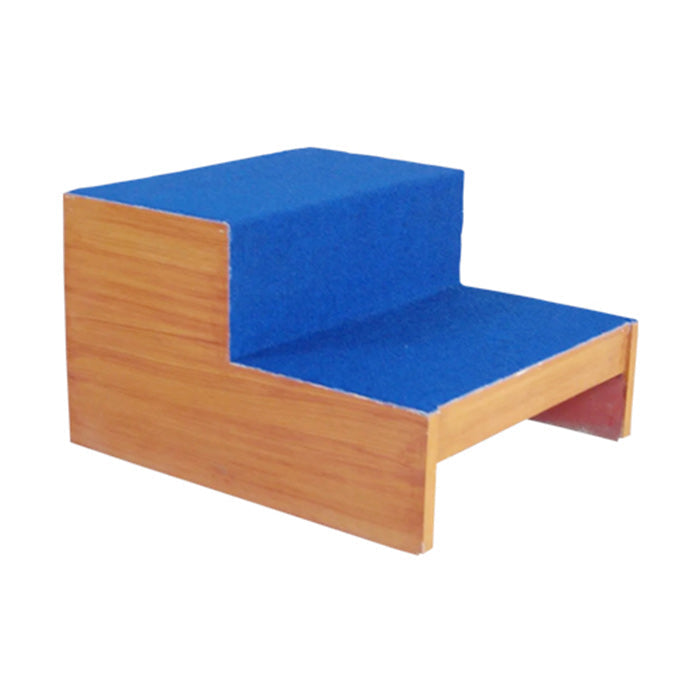
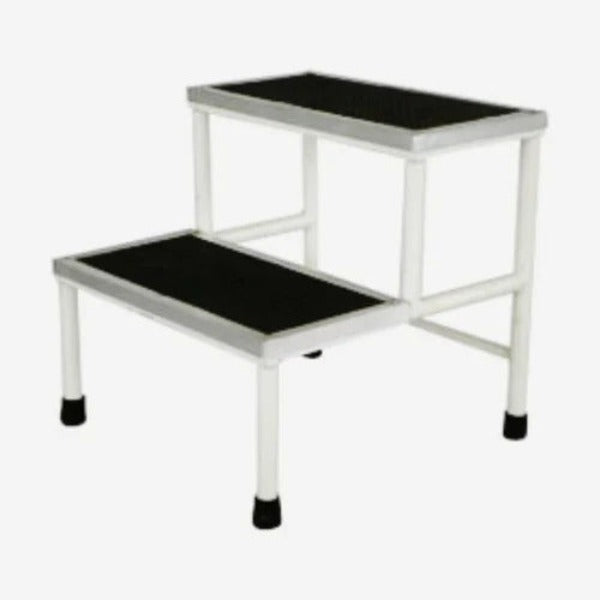
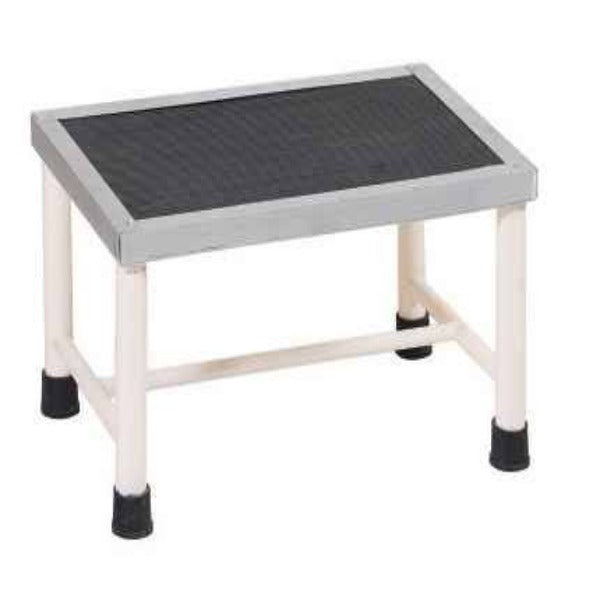
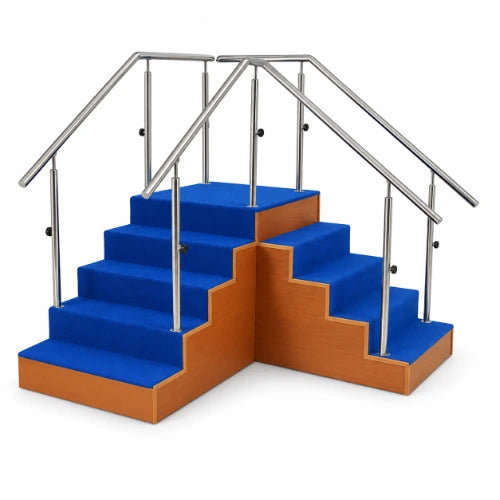
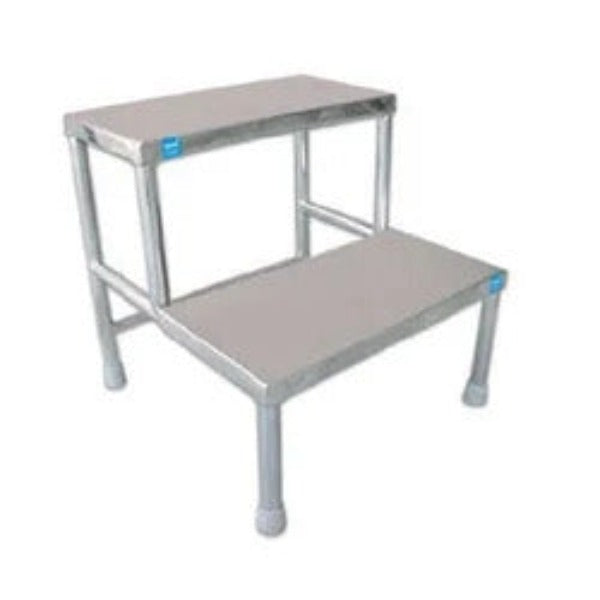
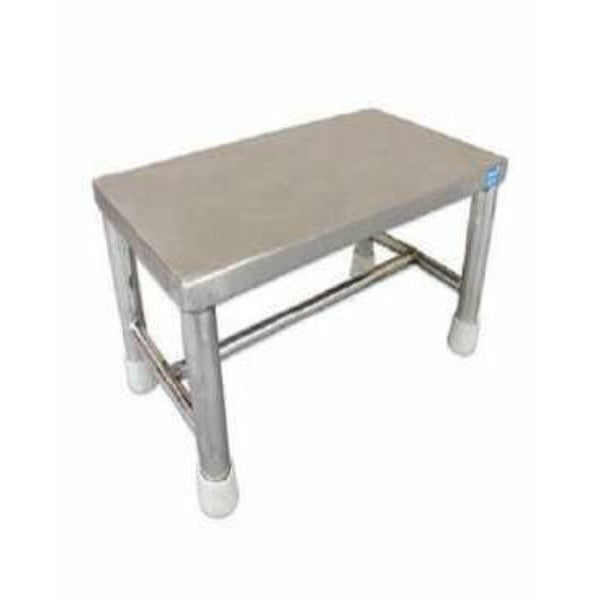
Foot Step – Physiotherapy and Rehabilitation Support Equipment
The Foot Step is a practical physiotherapy and rehabilitation support product designed to assist with controlled lower-limb exercises, foot placement practice, stepping activities, balance training, and movement coordination. It can become a useful part of rehabilitation programs where a therapist needs a simple platform for supervised stepping and foot-positioning exercises.
In physiotherapy settings, controlled movement plays an important role in improving functional mobility. Therefore, a suitable foot step can help therapists introduce structured stepping exercises according to the user's ability and rehabilitation plan. In addition, the equipment can support repetitive practice in clinics, rehabilitation centres, physiotherapy departments, and supervised exercise environments.
The Foot Step can also complement other physiotherapy equipment used for mobility, coordination, strengthening, balance, and functional training. However, the exact exercise, step height, repetition count, and training intensity should always follow the guidance of a qualified physiotherapist or healthcare professional.
Foot Step Product Overview
A Foot Step provides a defined surface for stepping and foot-placement activities. As a result, therapists can incorporate it into structured rehabilitation sessions without requiring complicated controls or electronic operation. The simple design allows users to focus on movement, positioning, posture, and controlled stepping under supervision.
Furthermore, foot-step exercises can be adapted according to the rehabilitation objective. A therapist may use stepping activities to practice controlled weight shifting, lower-limb coordination, balance responses, or functional movement patterns. The equipment can therefore support different stages of supervised physiotherapy when the selected exercise matches the user's physical capability.
Because rehabilitation requirements differ from person to person, healthcare professionals should assess the user's mobility and stability before introducing stepping exercises. The Foot Step should be placed on a suitable surface, and the surrounding area should remain clear to support safe exercise practice.
Key Features of Foot Step
- Stepping Exercise Support: Provides a dedicated platform for supervised stepping and lower-limb movement activities.
- Foot Placement Practice: Helps therapists introduce structured foot-positioning exercises during rehabilitation sessions.
- Balance Training Support: Can be incorporated into controlled balance and weight-shifting activities according to the user's ability.
- Lower-Limb Exercise: Supports selected exercises that involve controlled movement of the legs and feet.
- Functional Mobility Training: Can form part of supervised exercises designed around everyday stepping and movement patterns.
- Simple Operation: The equipment does not require complicated electronic controls for basic stepping activities.
- Physiotherapy Application: Suitable for use in physiotherapy clinics, rehabilitation centres, therapy rooms, and supervised training areas.
- Exercise Versatility: Therapists can incorporate the step into different movement routines based on the rehabilitation plan.
- Practical Design: Its straightforward format makes it easy to include in a structured therapy environment.
- Professional Supervision: Exercises can be selected and demonstrated by trained physiotherapy professionals according to individual needs.
Benefits of Using a Foot Step in Physiotherapy
The main benefit of a Foot Step comes from its ability to provide a clear and repeatable surface for stepping exercises. When a therapist wants a user to practice a specific movement pattern, a defined stepping surface can make the exercise easier to understand and repeat.
First, it can support controlled foot placement. During rehabilitation, users may need to practice placing one foot at a particular position while maintaining appropriate posture. A step provides a visible and physical target for this type of exercise.
Second, it can support movement coordination. Stepping exercises require the user to coordinate the feet, legs, trunk, and body position. Therefore, therapists can use structured stepping routines as part of broader movement-training programs.
Moreover, it can support functional exercise. Many everyday activities involve stepping onto or over a surface. Under professional supervision, therapists may use controlled step exercises to practice selected movement patterns that relate to functional mobility.
Finally, the Foot Step can be combined with other rehabilitation equipment. For example, a physiotherapist may include stepping activities within a broader session involving balance training, strengthening exercises, gait-related practice, or mobility drills.
Applications of Foot Step
The Foot Step can be used in several supervised physiotherapy and rehabilitation environments. Its application should depend on the user's assessment and the exercise plan prepared by a qualified professional.
- Physiotherapy Clinics: Useful for structured lower-limb, foot-placement, stepping, and movement exercises.
- Rehabilitation Centres: Can support functional movement and supervised mobility training.
- Hospital Physiotherapy Departments: May be incorporated into appropriate rehabilitation sessions under professional supervision.
- Sports Rehabilitation: Can support selected stepping and coordination drills when recommended by a rehabilitation professional.
- Gait and Mobility Training: May form part of structured movement exercises designed to improve controlled stepping practice.
- Balance Training: Can be used as one component of supervised balance and weight-transfer exercises.
- Occupational Therapy Settings: May complement functional movement activities when the therapist considers stepping practice appropriate.
- Home Rehabilitation: Home use should follow professional instruction, particularly when the user has reduced balance or mobility.
Foot Step Exercises and Training Activities
A Foot Step can support different exercise patterns when a physiotherapist selects them according to the user's condition and goals. The equipment does not prescribe a particular exercise automatically. Instead, it provides a physical platform that a professional can incorporate into an appropriate therapy routine.
Basic Step-Up Practice: A therapist may demonstrate controlled stepping onto the platform and stepping back down. This activity can focus on movement control, foot placement, and coordinated lower-limb action.
Alternating Foot Placement: The user may practice placing alternate feet on the step under supervision. This type of activity can help develop rhythm and coordination when it forms part of the prescribed rehabilitation plan.
Weight-Shifting Activities: Controlled exercises can involve transferring body weight between the supporting leg and the stepping leg. A therapist should determine whether this exercise is appropriate for the individual.
Controlled Repetition: Repeated stepping may help users practice a movement pattern consistently. However, the therapist should determine the number of repetitions and rest periods.
The appropriate exercise depends on the user's mobility, balance, strength, coordination, and rehabilitation goals. Therefore, users should not independently increase exercise difficulty or repetition without professional guidance.
Foot Step Technical Specifications
| Specification | Details |
|---|---|
| Product Name | Foot Step |
| Product Category | Physiotherapy and Rehabilitation Equipment |
| Primary Function | Stepping, foot placement and supervised lower-limb exercise |
| Exercise Type | Functional movement and stepping exercises |
| Application | Physiotherapy, rehabilitation, mobility and coordination training |
| Recommended Environment | Clinics, rehabilitation centres, therapy rooms and supervised exercise areas |
| Operation | Manual / Non-Electronic Exercise Equipment |
| Professional Guidance | Recommended for exercise selection and appropriate use |
Note: Exact dimensions, material, weight capacity, step height and other model-specific specifications should be confirmed from the actual product configuration before purchase.
How to Use a Foot Step
Correct positioning and supervision are important when using a Foot Step for rehabilitation. Follow the instructions provided by the physiotherapist or healthcare professional responsible for the exercise program.
Step 1: Prepare the Exercise Area
Place the Foot Step on a stable and suitable surface. Keep the surrounding area clear from unnecessary objects. In addition, ensure that the user has enough space to perform the exercise without obstruction.
Step 2: Check the Equipment
Before exercise, check the step for visible damage, instability, loose components, or other issues. Do not use equipment that appears unsafe or damaged.
Step 3: Follow the Demonstration
The physiotherapist should demonstrate the required stepping movement. The user should follow the demonstrated technique and maintain controlled movement throughout the exercise.
Step 4: Maintain Controlled Movement
Avoid rushing through the exercise. Instead, focus on controlled foot placement, posture, balance, and the movement pattern recommended by the therapist.
Step 5: Stop When Required
Stop the exercise if the user experiences unusual pain, dizziness, significant discomfort, or difficulty maintaining safe movement. Seek professional guidance before continuing.
Safety Guidelines for Foot Step Use
Safety should remain a priority during every stepping and rehabilitation exercise. Although the Foot Step provides a simple platform, stepping activities can challenge balance and lower-limb control. Therefore, appropriate supervision and exercise selection are important.
- Use the Foot Step on a stable, level surface.
- Keep the surrounding exercise area free from obstacles.
- Follow the exercise instructions provided by the physiotherapist.
- Use suitable footwear when recommended for the exercise.
- Do not increase step difficulty without professional guidance.
- Users with significant balance limitations should receive appropriate supervision.
- Inspect the equipment regularly for visible damage or instability.
- Do not use damaged equipment until it has been properly assessed or repaired.
- Stop exercise if the user develops unusual pain, dizziness, weakness, or significant discomfort.
Who Can Use Foot Step Equipment?
The Foot Step is primarily intended for structured physiotherapy and rehabilitation activities. A qualified professional should determine whether stepping exercises are suitable for a particular user.
Physiotherapists can use the equipment while designing movement programs for users who need controlled stepping, foot placement, coordination, or functional mobility practice. Similarly, rehabilitation professionals can include it as one component of a broader exercise routine.
For home use, professional instruction is particularly important. A therapist can explain the correct exercise technique, repetition level, body position, and progression. Users should follow that guidance rather than selecting difficult exercises independently.
Cleaning, Care and Maintenance
Regular care can help maintain the equipment in suitable working condition. After use, inspect the Foot Step and remove visible dust, dirt, or other surface contamination using an appropriate cleaning method recommended for the product material.
Furthermore, check the structure periodically. Look for loose parts, cracks, damaged surfaces, unusual movement, or other visible concerns. If you identify a problem, stop using the equipment until a qualified person checks it.
Store the Foot Step in a clean and dry location when it is not in use. Avoid unnecessary exposure to moisture, excessive heat, or conditions that may damage the product material.
For professional facilities, establish a routine inspection schedule. Staff can check the equipment before use and report any maintenance concern immediately. Consequently, regular inspection can help support a safer and more organized physiotherapy environment.
Suitable Settings for Foot Step
| Setting | Possible Application |
|---|---|
| Physiotherapy Clinic | Stepping, foot placement and supervised lower-limb exercises |
| Rehabilitation Centre | Functional mobility and movement practice |
| Hospital Therapy Department | Structured rehabilitation sessions under professional supervision |
| Sports Rehabilitation | Selected coordination and movement drills |
| Therapy Room | Controlled stepping and foot-positioning activities |
Why Add a Foot Step to a Physiotherapy Setup?
A well-organized physiotherapy setup needs equipment that supports different types of movement training. The Foot Step can add a simple stepping platform to the therapy area without requiring complex electronic operation.
Moreover, its application can extend across different rehabilitation routines. A therapist can use it for basic stepping practice, controlled foot placement, weight-transfer exercises, coordination activities, and selected functional movement drills.
Because the equipment supports supervised movement rather than providing automated treatment, it can fit naturally into therapist-led rehabilitation programs. The professional remains responsible for choosing suitable exercises, monitoring technique, and adjusting the activity according to the user's response.
Frequently Asked Questions About Foot Step
1. What is a Foot Step used for?
A Foot Step is used as a platform for supervised stepping, foot-placement, lower-limb movement, coordination, and selected rehabilitation exercises.
2. Can Foot Step be used in physiotherapy clinics?
Yes. It can be incorporated into physiotherapy and rehabilitation sessions when the therapist considers stepping exercises suitable for the user.
3. Is Foot Step suitable for home use?
It may be used at home when a qualified healthcare professional recommends it and provides suitable instructions. Users should follow the prescribed exercise routine.
4. Can it support balance exercises?
A Foot Step can form part of selected balance and weight-transfer exercises. However, the therapist should decide whether the exercise is appropriate based on the user's stability and mobility.
5. Does Foot Step require electricity?
The Foot Step is designed as a manual exercise platform and does not require electronic operation for basic stepping activities.
6. Who should guide the exercises?
A qualified physiotherapist, rehabilitation professional, or other appropriate healthcare professional should guide the exercise selection and technique.
7. Can the Foot Step be used for every patient?
No. Suitability depends on the user's physical condition, balance, strength, mobility, and rehabilitation goals. Professional assessment should come first.
8. How should the equipment be maintained?
Keep the Foot Step clean and dry, inspect it regularly, and stop using it if you notice damage, instability, or any other safety concern.
Conclusion
The Foot Step is a practical addition to physiotherapy and rehabilitation environments where controlled stepping and foot-placement activities form part of a supervised exercise program. Its straightforward design allows professionals to incorporate stepping movements into different therapy routines without complicated operation.
Furthermore, the equipment can support functional mobility practice, coordination exercises, lower-limb movement, and selected balance activities. At the same time, correct exercise selection remains essential. A physiotherapist or qualified healthcare professional should assess the user and determine the appropriate exercise, technique, repetitions, and progression.
For clinics, rehabilitation centres, therapy rooms, and other supervised healthcare environments, the Foot Step can complement a wider range of physiotherapy equipment. When professionals use it correctly and combine it with an appropriate rehabilitation plan, it can provide a simple and structured platform for stepping and movement practice.
Explore Medical Collections
All Categories
Abdominal & Maternity Support

Accessories

Accu-Chek Instant Strips: Use, Compatibility, Price & Blood Sugar Testing Guide
Accu-Chek Instant Strips: Uses, Features & Complete Guide

Accupressure Products for Pressure Point Therapy, Pain Relief & Wellness

accupuncture

Acupuncture Needles & Supplies

Advanced Physiotherapy Machines & Lumbar Physiotherapy

Airways

Ambulance

Anatomy Models
Anesthesia Machine

Anesthesia Products
Ankle Support, Braces & Walker Boots for Recovery
Ankle Weights & Exercise Weights for Home & Rehab
You may also need
FOR YOURecommended for you
Save 50%
Save 50%
Save 50%
Save 27%
Save 31%
Save 50%
Save 34%
Save 50%
Save 15%
Save 25%