


27 products
Sort by
Sort by
Featured ChoiceSave 75%
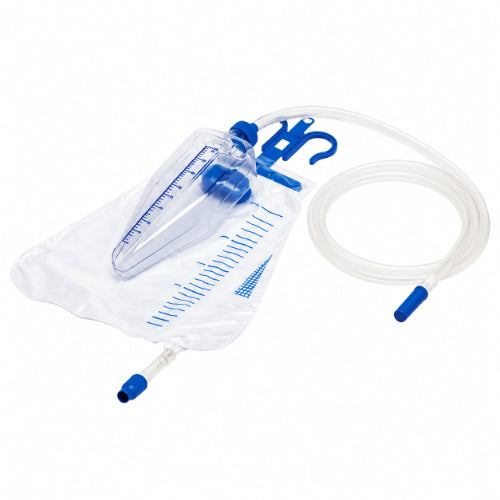

Romsons Urometer DB 1068 Urine Measuring Bag (Pack of 10)
Sale priceFrom Rs. 1,300
Regular priceRs. 5,200
Save 75%
Meddey
Romsons Urometer DB 1068 Urine Measuring Bag (Pack of 10)
Sale price
Rs. 1,321
Regular price
Rs. 5,720
77% OFF
- First, confirm that the correct product and patient setup have been selected.
- Next, keep the sterile pack closed until it is needed.
- Connect the system to the compatible urinary catheter using appropriate clinical t...
Save 67%
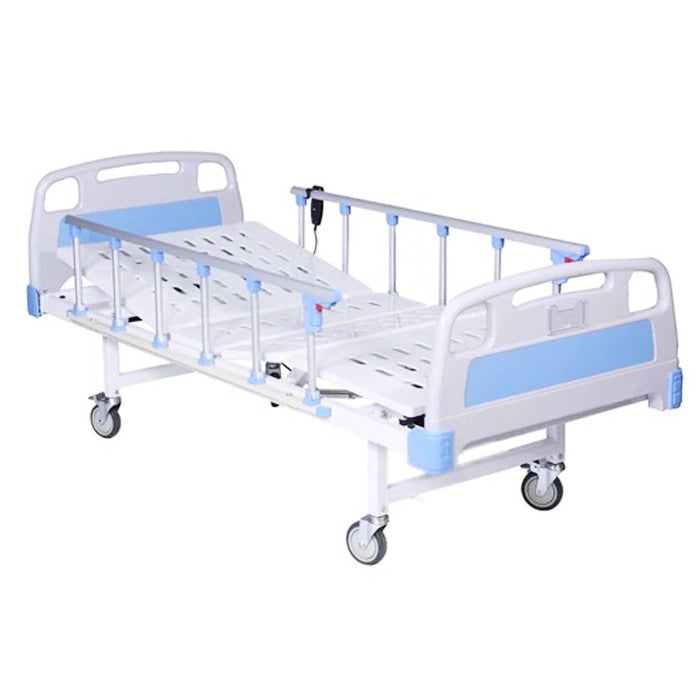
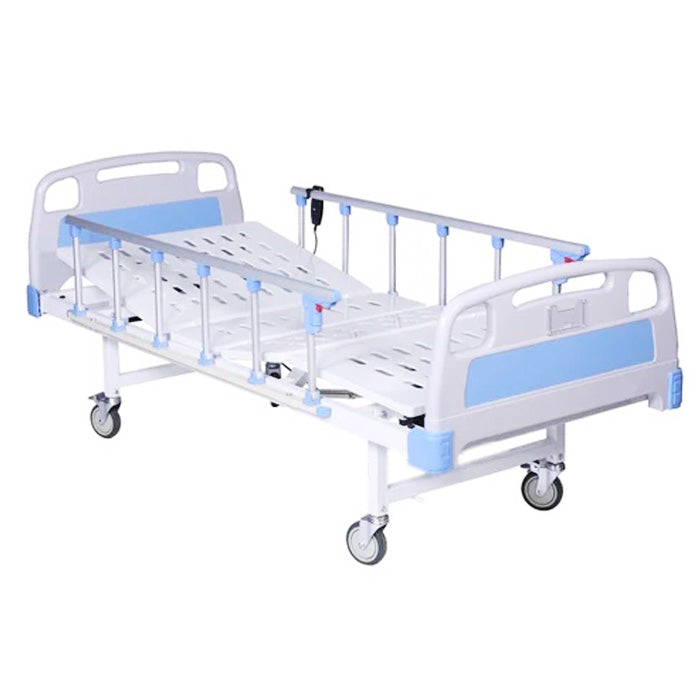
Full Fowler Bed Mechanical ABS Panel and ABS Railing
Sale priceRs. 24,999
Regular priceRs. 75,000
Save 67%

Medansh
Full Fowler Bed Mechanical ABS Panel and ABS Railing
Sale price
Rs. 24,999
Regular price
Rs. 75,000
67% OFF
- Position the Bed: Place the bed on a flat surface. Lock the wheels before use.
- Adjust Backrest or Leg Rest: Use the side cranks to raise or lower the back and le...
- Use Side Rails: Slide the ABS side rails up to secure the patient, and down to ass...
Save 50%
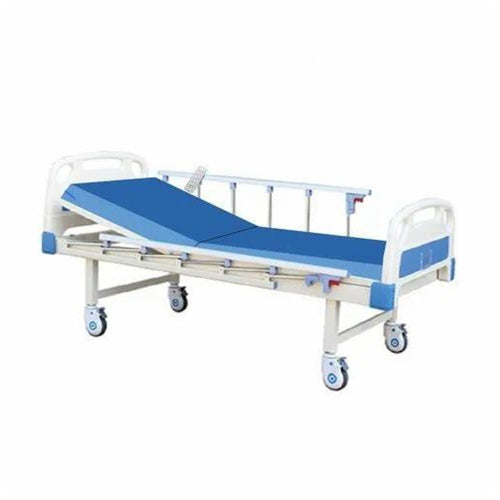
Semi Fowler Hospital Bed Electric
Sale priceRs. 29,999
Regular priceRs. 59,998
Save 50%

Medansh
Semi Fowler Hospital Bed Electric
Sale price
Rs. 29,999
Regular price
Rs. 59,998
50% OFF
( Prepaid or Partial COD Options are available for this product. Please call or WhatsApp us at 8586012345...
Save 35%
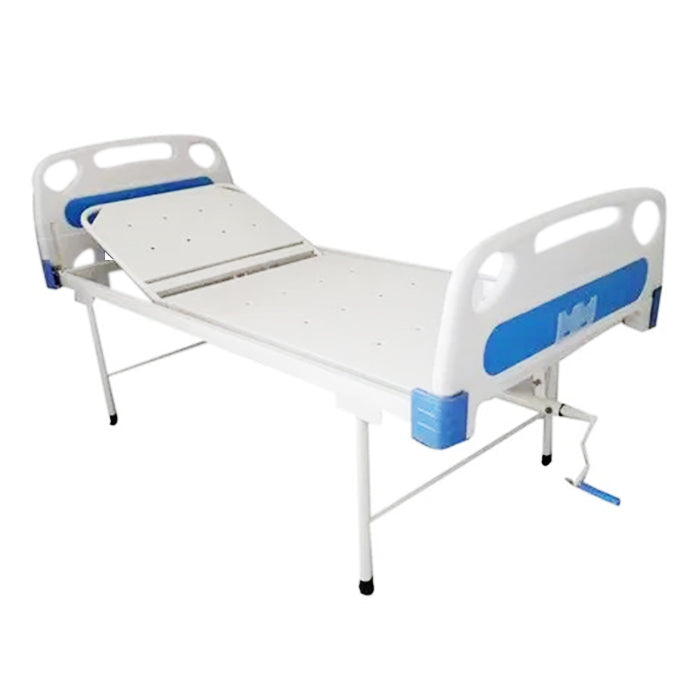
Semi Fowler Hospital Bed
Sale priceRs. 12,999
Regular priceRs. 20,000
Save 35%

Medansh
Semi Fowler Hospital Bed
Sale price
Rs. 12,999
Regular price
Rs. 20,000
35% OFF
- Type: Semi Fowler
- Dimensions: 198 x 90 x 60 cm
- Frame Material: Mild Steel
Save 50%
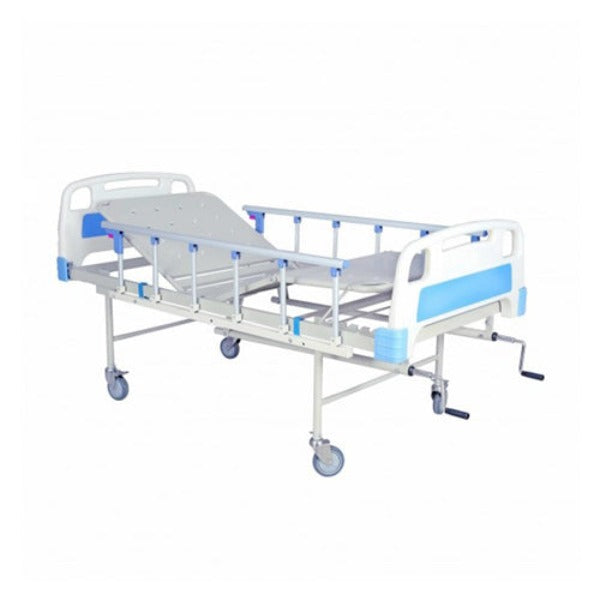
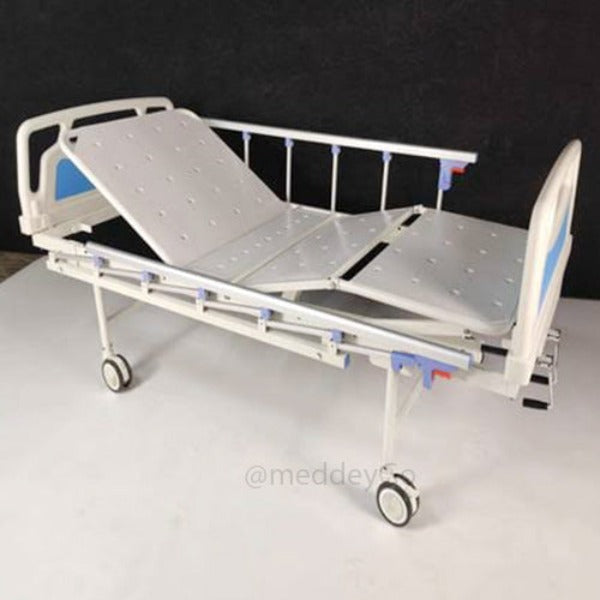
Full Fowler Hospital Bed with ABS Panel, Collapsable Railings, Wheels and Mattress
Sale priceRs. 25,449
Regular priceRs. 50,898
Save 50%
Medansh
Full Fowler Hospital Bed with ABS Panel, Collapsable Railings, Wheels and Mattress
Sale price
Rs. 25,449
Regular price
Rs. 50,898
50% OFF
- Full Fowler bed design for maximum comfort and convenience
- ABS panel for added durability and easy cleaning
- Collapsible railings for easy access and patient safety
Save 25%
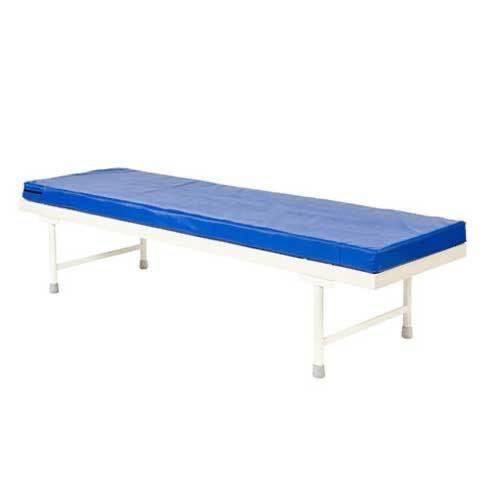
Attendant Bed With H Type Legs with Mattress
Sale priceRs. 7,499
Regular priceRs. 10,000
Save 25%
MeddeyGo
Attendant Bed With H Type Legs with Mattress
Sale price
Rs. 7,499
Regular price
Rs. 10,000
25% OFF
- Dimension: 72 x 22 x 18 inches & Load Capacity: 100+KGS
- Attendant bed with H-type legs for stability.
- Includes a comfortable mattress for added convenience.
Save 50%
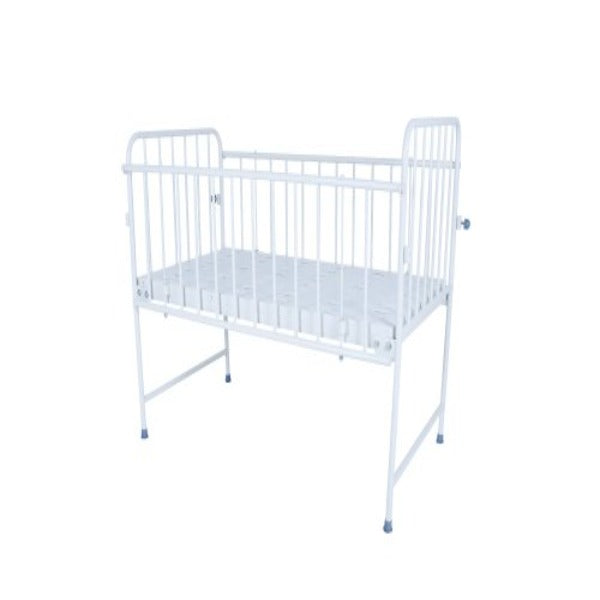
Pediatric Bed with Side Railings Delux Quality
Sale priceRs. 9,999
Regular priceRs. 20,000
Save 50%
MeddeyGo
Pediatric Bed with Side Railings Delux Quality
Sale price
Rs. 9,999
Regular price
Rs. 20,000
50% OFF
( Prepaid or Partial COD Options are available for this product. Please call or WhatsApp us at 8586012345...
Save 56%
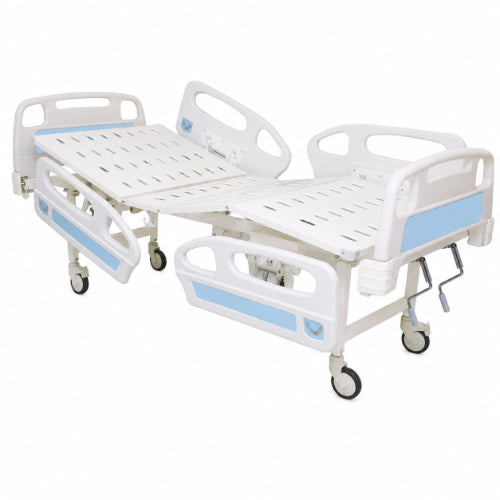
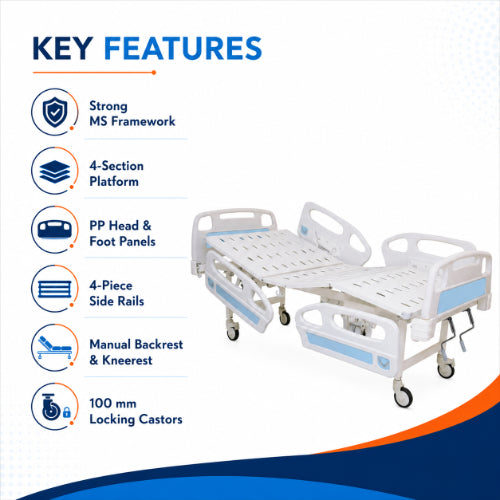
Flower Bed Mechanical ABS Panel and ABS Railing
Sale priceRs. 32,999
Regular priceRs. 75,000
Save 56%

MeddeyGo
Flower Bed Mechanical ABS Panel and ABS Railing
Sale price
Rs. 32,999
Regular price
Rs. 75,000
56% OFF
- Strong MS Framework: Provides dependable structural support for regular hospital use.
- Four-Section Platform: Perforated CRCA MS sheet supports ventilation and hygiene.
- PP Head & Foot Panels: Include locking support and corner buffers for added safety.
Save 48%
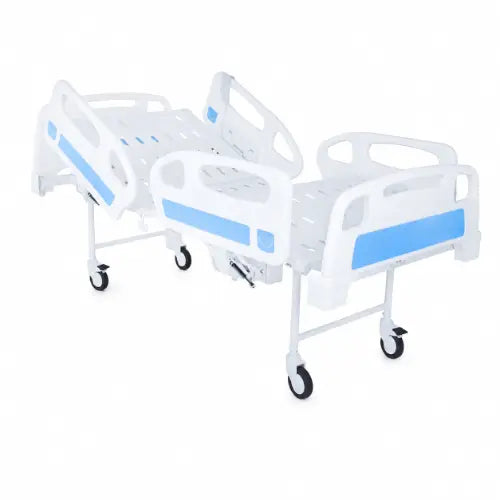
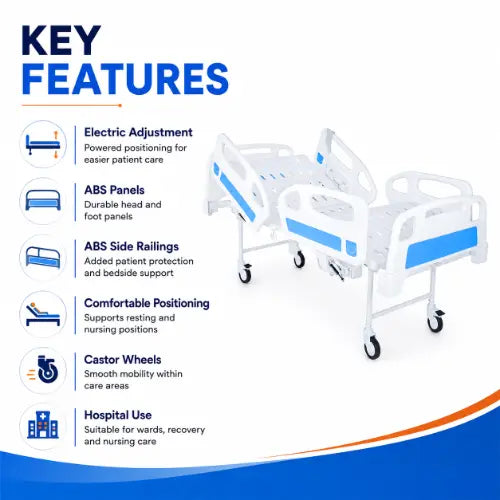
Flower Bed Electric ABS Panel and ABS Railing
Sale priceRs. 38,999
Regular priceRs. 75,000
Save 48%

MeddeyGo
Flower Bed Electric ABS Panel and ABS Railing
Sale price
Rs. 38,999
Regular price
Rs. 75,000
48% OFF
- Electric Adjustment: Powered operation supports easier patient positioning and red...
- Strong Bed Frame: Durable construction supports regular use in professional health...
- ABS Head & Foot Panels: Provide a clean, modern design suitable for hospital patie...
Save 44%
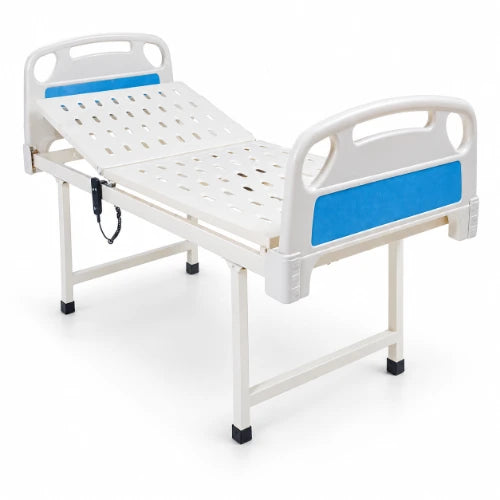
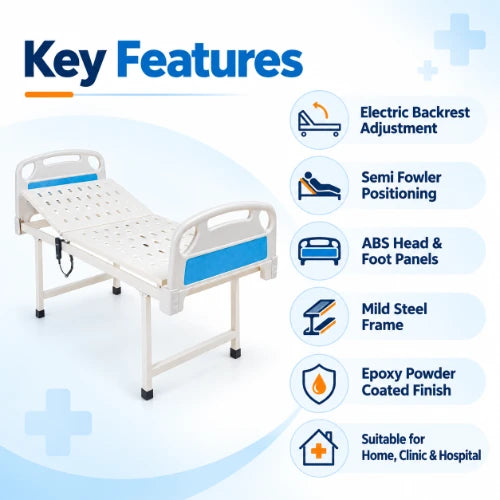
Semi Fowler Electric Hospital Bed with ABS Panel
Sale priceRs. 24,999
Regular priceRs. 45,000
Save 44%

MeddeyGo
Semi Fowler Electric Hospital Bed with ABS Panel
Sale price
Rs. 24,999
Regular price
Rs. 45,000
44% OFF
- Semi Fowler design: Allows upper-body positioning through the adjustable backrest.
- Electric operation: An electric mechanism controls the backrest movement.
- 60–70° backrest tilt: The listed adjustment reaches approximately 60 to 70 degrees.
Save 50%
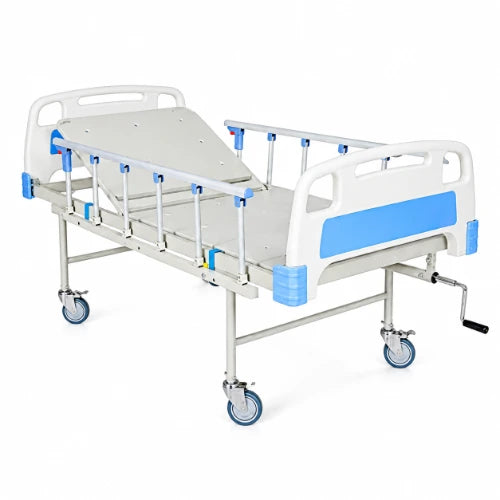
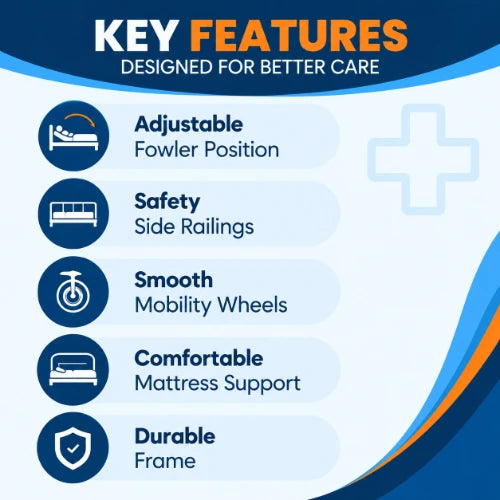
Semi Fowler Hospital Bed with ABS Panel, Collapsible Railings, Wheels & Mattress
Sale priceRs. 24,499
Regular priceRs. 48,998
Save 50%

Medansh
Semi Fowler Hospital Bed with ABS Panel, Collapsible Railings, Wheels & Mattress
Sale price
Rs. 24,499
Regular price
Rs. 48,998
50% OFF
- Manual backrest adjustment: Uses a screw handle positioned at the foot end.
- ABS head and foot panels: Smooth moulded panels designed for practical routine care.
- Collapsible side railings: Provide a physical side barrier and fold down for careg...
Save 50%
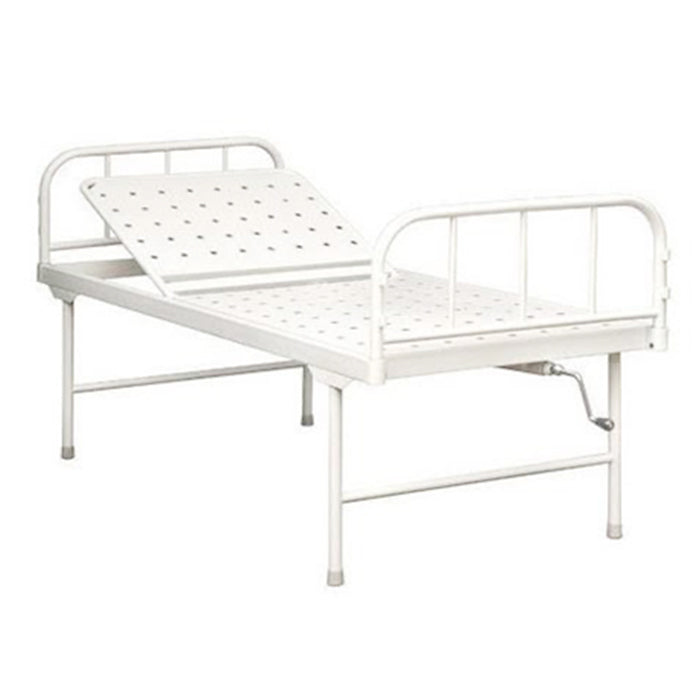
Semi Fowler Hospital Bed MS Pipe Frame
Sale priceRs. 10,499
Regular priceRs. 20,998
Save 50%

Medansh
Semi Fowler Hospital Bed MS Pipe Frame
Sale price
Rs. 10,499
Regular price
Rs. 20,998
50% OFF
( Prepaid or Partial COD Options are available for this product. Please call or WhatsApp us at 8586012345...
Save 50%
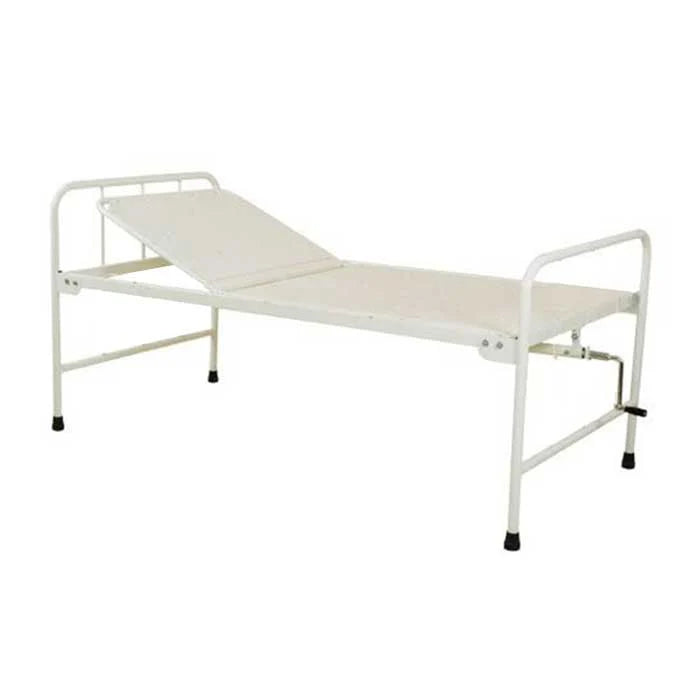
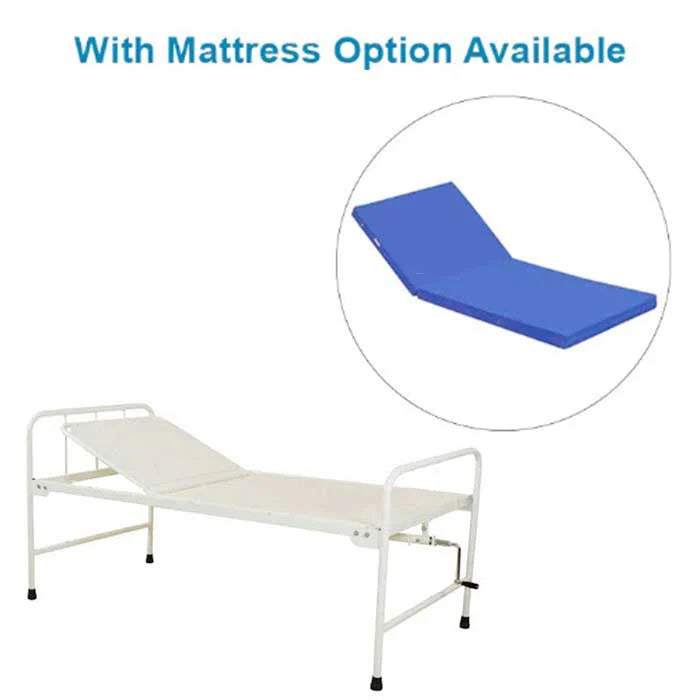
Semi Fowler Hospital Bed MS Angled Frame
Sale priceRs. 9,299
Regular priceRs. 18,598
Save 50%

Medansh
Semi Fowler Hospital Bed MS Angled Frame
Sale price
Rs. 9,299
Regular price
Rs. 18,598
50% OFF
- MS Angled Frame for added stability and durability
- Headrest and footrest can be adjusted to provide
- comfortable positions for patients
Save 41%
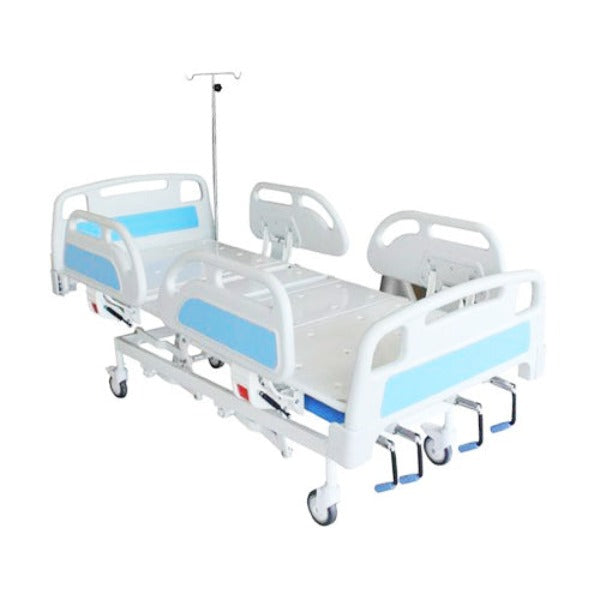
ICU Hospital Bed Mechanical 5 Function with Wheels ABS Panel and Railing and Mattress
Sale priceRs. 46,499
Regular priceRs. 79,000
Save 41%
MeddeyGo
ICU Hospital Bed Mechanical 5 Function with Wheels ABS Panel and Railing and Mattress
Sale price
Rs. 46,499
Regular price
Rs. 79,000
41% OFF
The ICU Hospital Bed Mechanical 5 Function is designed for optimal patient care, ensuring comfort, safety, and ease...
Save 50%
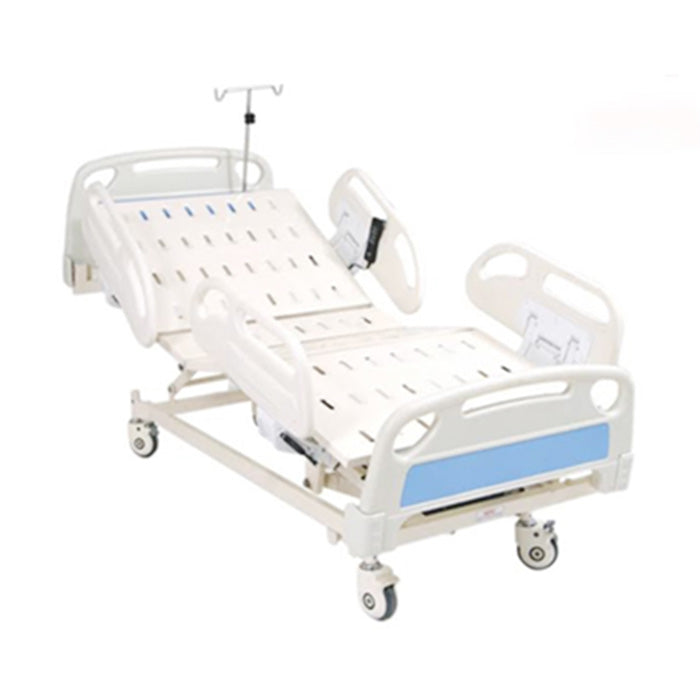
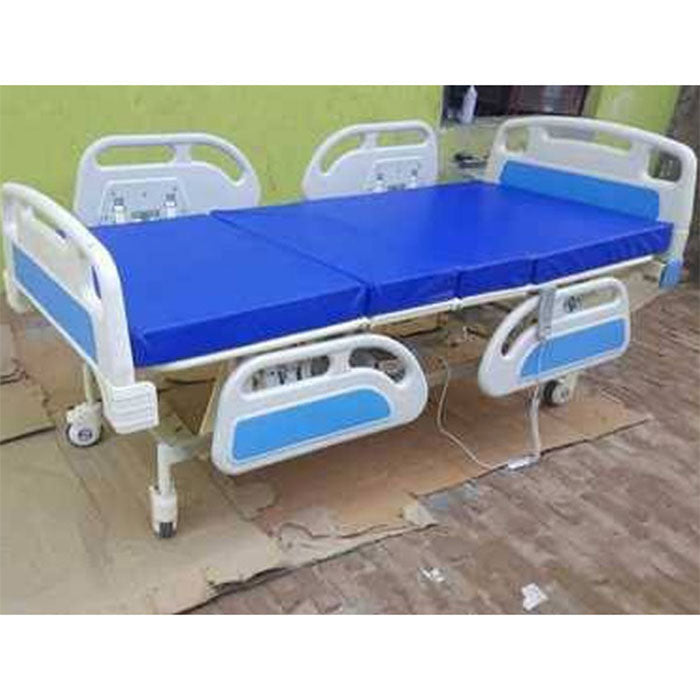
ICU Hospital Bed 5 Functions Electric ABS Panel and Railing
Sale priceRs. 84,999
Regular priceRs. 169,998
Save 50%

MeddeyGo
ICU Hospital Bed 5 Functions Electric ABS Panel and Railing
Sale price
Rs. 84,999
Regular price
Rs. 169,998
50% OFF
- Electrically operated functions for ease of use and convenience
- ABS head and foot panels for durability and easy maintenance
- Collapsible side railings for easy patient access and safety
Save 50%
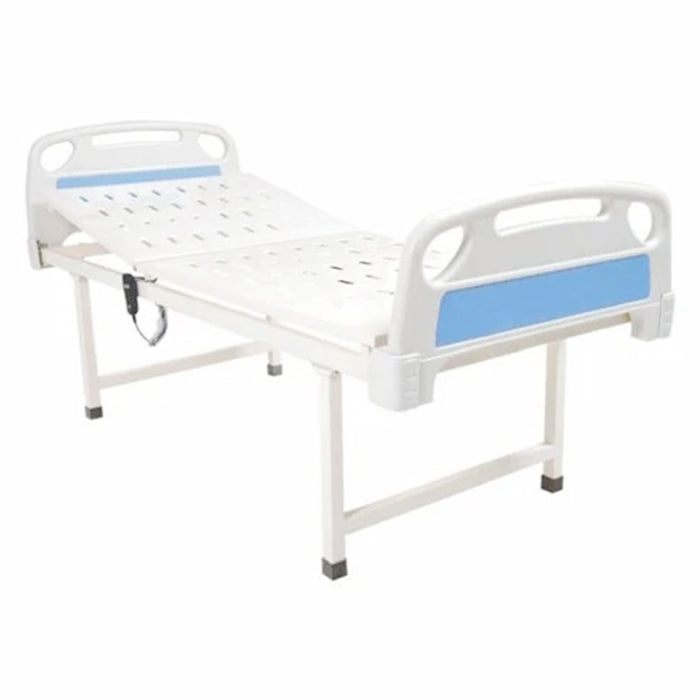
Semi Fowler Hospital Bed Electric with ABS Panels
Sale priceRs. 21,499
Regular priceRs. 42,998
Save 50%

Medansh
Semi Fowler Hospital Bed Electric with ABS Panels
Sale price
Rs. 21,499
Regular price
Rs. 42,998
50% OFF
- Bed type: Semi-Fowler, electric
- Panels: Premium-quality ABS, impact and scratch resistant
- Adjustment: Independent electric head and foot section adjustment
Save 47%
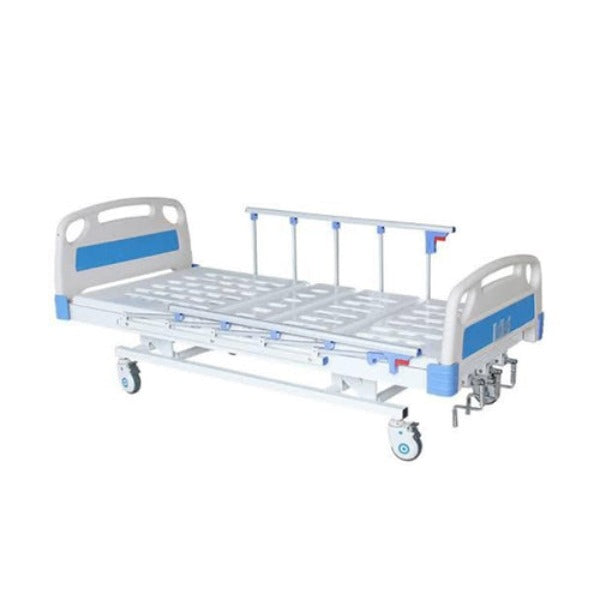
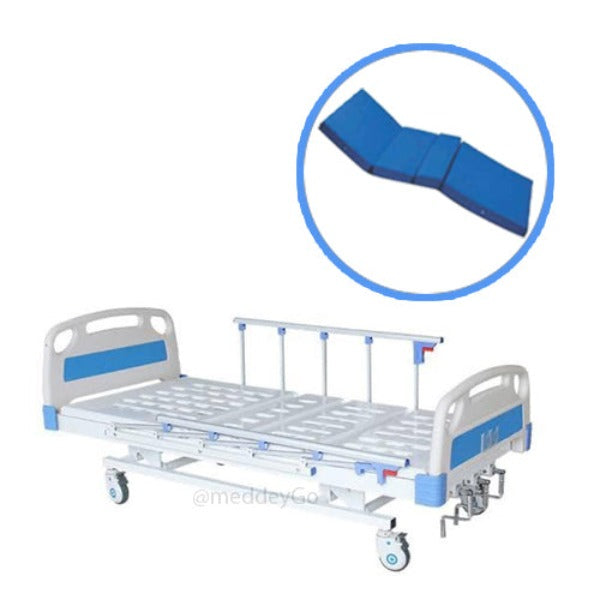
ICU Hospital Bed 5 function Mechanical With Wheels, Collapisable Railings and Mattress
Sale priceRs. 37,999
Regular priceRs. 72,000
Save 47%
MeddeyGo
ICU Hospital Bed 5 function Mechanical With Wheels, Collapisable Railings and Mattress
Sale price
Rs. 37,999
Regular price
Rs. 72,000
47% OFF
( Prepaid or Partial COD Options are available for this product. Please call or WhatsApp us at...
Save 50%
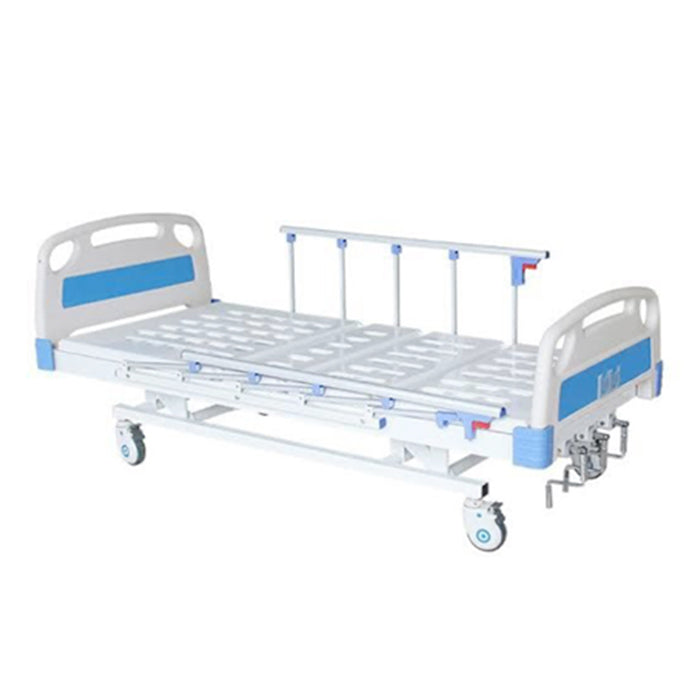
ICU Hospital Bed 5 function Mechanical With Wheels and Collapsible Railings
Sale priceRs. 33,499
Regular priceRs. 66,998
Save 50%

MeddeyGo
ICU Hospital Bed 5 function Mechanical With Wheels and Collapsible Railings
Sale price
Rs. 33,499
Regular price
Rs. 66,998
50% OFF
- 5 functions: The bed offers 5 adjustable functions, including the height, backrest...
- Mechanical system: The bed is equipped with a reliable and durable mechanical syst...
- Collapsible railings: The bed features collapsible railings that provide added saf...
Save 41%


Full Fowler Hospital Bed Electric 2 Function
Sale priceRs. 32,499
Regular priceRs. 55,000
Save 41%

Medansh
Full Fowler Hospital Bed Electric 2 Function
Sale price
Rs. 32,499
Regular price
Rs. 55,000
41% OFF
- 2 Electric Functions: Supports powered backrest and leg-section adjustment.
- ABS Head & Foot Panels: Durable, smooth and easy to clean.
- Collapsible Railings: Selected variants offer side support with easier patient acc...
Save 27%
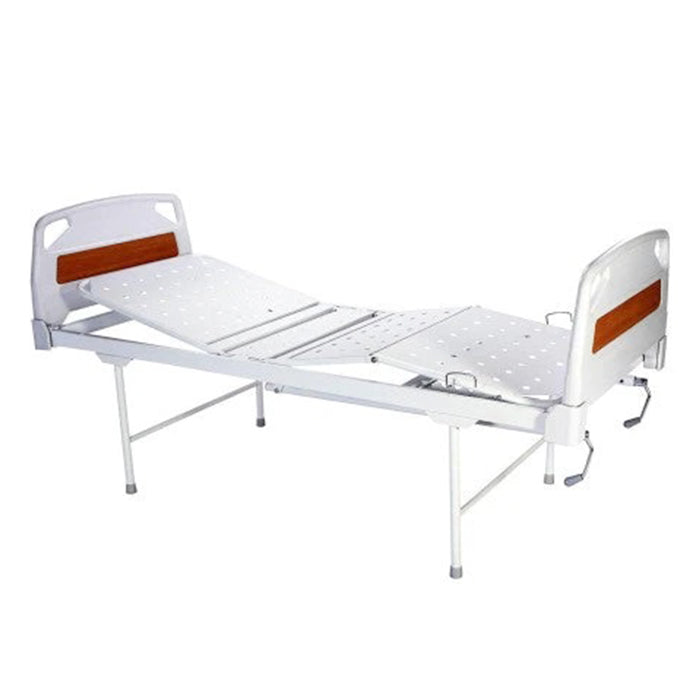
Full Fowler Bed With ABS Panel
Sale priceRs. 18,299
Regular priceRs. 25,000
Save 27%

Medansh
Full Fowler Bed With ABS Panel
Sale price
Rs. 18,299
Regular price
Rs. 25,000
27% OFF
Fowler Bed with ABS Panel – Multiple Variants for Every Need 🏥🛏️ Upgrade patient care with our Fowler...
Save 20%
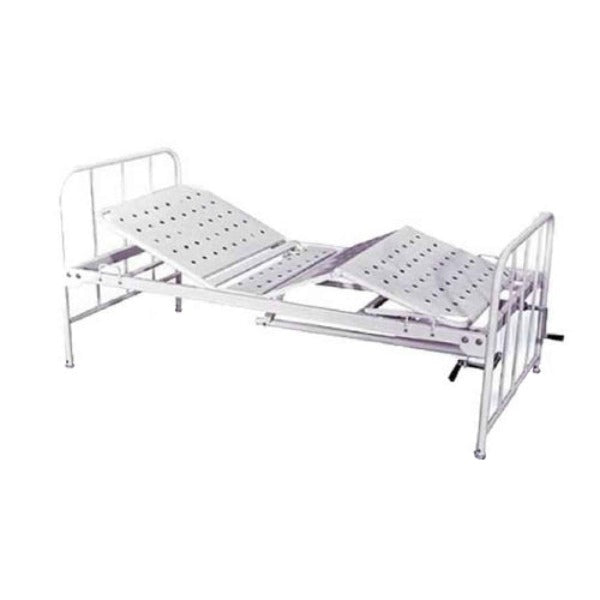
Full Fowler Bed MS Pipe Frame
Sale priceRs. 15,999
Regular priceRs. 20,000
Save 20%
Medansh
Full Fowler Bed MS Pipe Frame
Sale price
Rs. 15,999
Regular price
Rs. 20,000
20% OFF
Full Fowler Bed with MS Pipe Frame – Advanced Comfort & Support for Patient Care 🏥🛏️ Ensure superior...
Save 25%
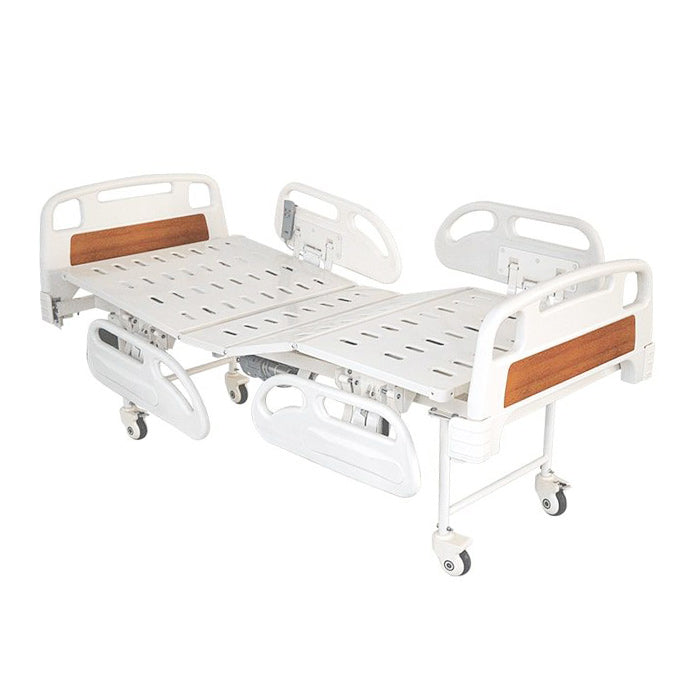
Full Fowler 2 Function Electric Hospital Bed
Sale priceRs. 37,499
Regular priceRs. 50,000
Save 25%

Bed
Full Fowler 2 Function Electric Hospital Bed
Sale price
Rs. 37,499
Regular price
Rs. 50,000
25% OFF
Ensure superior patient care with the Full Fowler Hospital Bed Electric 2 Function, designed for comfort, durability, and...
Save 46%
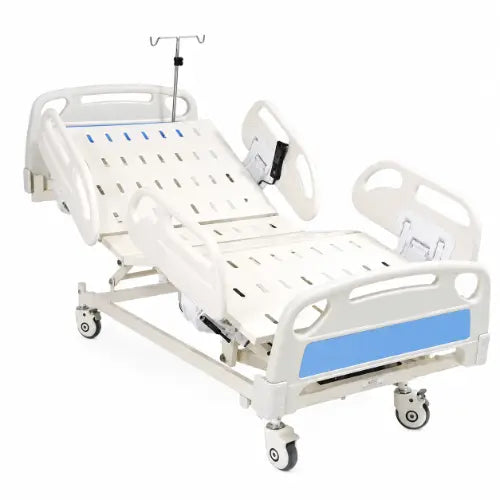
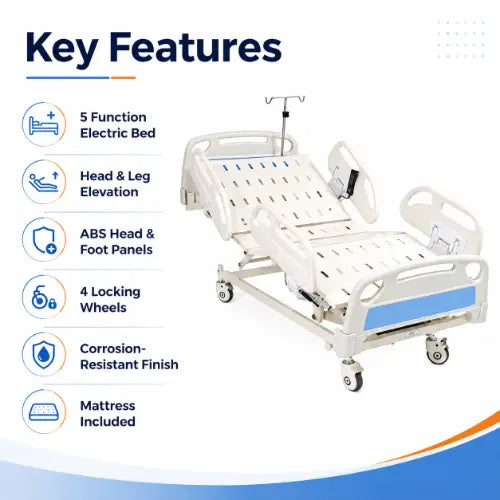
Electric ICU Bed with 5 Function
Sale priceRs. 73,200
Regular priceRs. 135,000
Save 46%

Medansh
Electric ICU Bed with 5 Function
Sale price
Rs. 73,200
Regular price
Rs. 135,000
46% OFF
- 5-Function Electric Operation: Supports multiple powered position changes for pati...
- Head & Leg Elevation: Helps create suitable sitting, resting and treatment positions.
- ABS Head & Foot Panels: Provide a clean and durable hospital-ready design.
Save 23%

ICU Bed Electric 5 Function with ABS Panel and Railing
Sale priceRs. 84,499
Regular priceRs. 110,000
Save 23%

MeddeyGo
ICU Bed Electric 5 Function with ABS Panel and Railing
Sale price
Rs. 84,499
Regular price
Rs. 110,000
23% OFF
- Backrest Elevation: Raises the head section from flat to 0–80° for semi-fowler, fo...
- Knee Break (Gatch): Raises the knee section to flex the patient's knees, reducing ...
- Trendelenburg Position: Tilts the entire bed so the feet are higher than the head ...
Save 24%
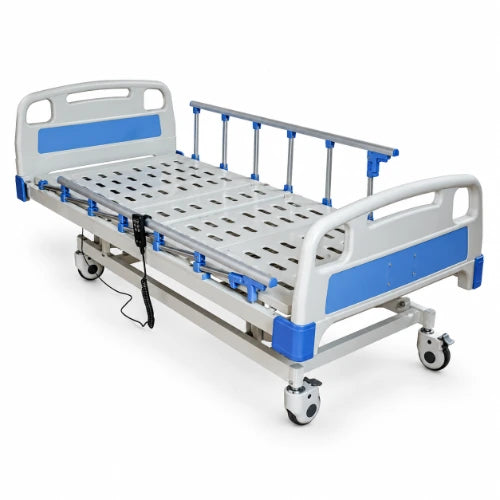

ICU Bed with 5 Electric Functions, ABS Panels & Collapsible Safety Rails
Sale priceRs. 68,200
Regular priceRs. 90,000
Save 24%

MeddeyGo
ICU Bed with 5 Electric Functions, ABS Panels & Collapsible Safety Rails
Sale price
Rs. 68,200
Regular price
Rs. 90,000
24% OFF
- Collapsible side railings provide a physical boundary when raised.
- Braked castors help secure the bed after it has been moved.
- Detachable ABS head and foot panels allow easier access when appropriate.
Save 39%

Fowler Bed With ABS Panel
Sale priceRs. 16,998
Regular priceRs. 28,000
Save 39%

MeddeyGo
Fowler Bed With ABS Panel
Sale price
Rs. 16,998
Regular price
Rs. 28,000
39% OFF
Backrest upper leg section adjusted on crank mechanism with separate screws provided at leg end with stainless steel...
Sold out
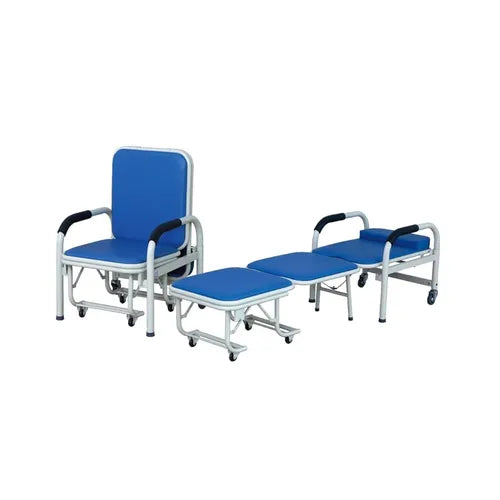
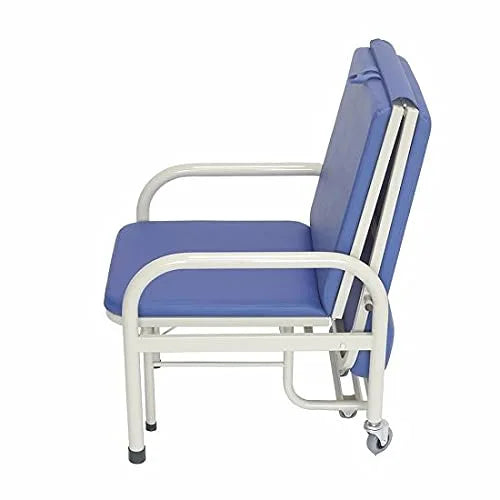
Attendant Bed cum Chair STD
Sale priceRs. 10,999
Regular priceRs. 18,000
Sold out
Sold out
MeddeyGo
Attendant Bed cum Chair STD
Sale price
Rs. 10,999
Regular price
Rs. 18,000
39% OFF
- Dimension: Bed - 72x21x16 inch & Chair - 36x12x16 Inch
- Can be used as a bed or chair, depending on the patient's needs
- Comfortable mattress with a washable cover for easy cleaning and maintenance
Hospital & ICU Beds
Choosing a Hospital Bed for Home Care
Bringing a hospital-style bed home is one of the most common steps families take when caring for a bedridden, post-surgical, elderly, or seriously ill patient outside a hospital. The right bed depends mainly on how much positioning support the patient needs, and how much help they need to safely get in and out of it.
The Bed Types in This Collection
Plain patient beds
A fixed-height bed frame with no backrest or leg-rest adjustment — the simplest and most affordable option, suited to patients who don't need the bed itself to change position.
Semi-Fowler beds
Add a backrest section that can be raised, letting a patient sit up in bed for eating, reading, or breathing more easily, without needing to be physically lifted. Available with manual (crank/ratchet) or electric adjustment, and with MS pipe frames, angled frames, or ABS side panels.
Full-Fowler beds
Adjust both the backrest and the knee/leg section, offering more positioning options — useful for patients who spend extended periods in bed and benefit from regular position changes to stay comfortable and reduce pressure on any one area.
ICU beds
The most fully featured option, typically offering multiple functions (such as backrest, leg-rest, height, and Trendelenburg/reverse-Trendelenburg tilt), available in mechanical (crank-operated) or fully electric versions, generally with collapsible side railings and castor wheels for moving the bed within a room.
Manual vs. Electric Adjustment
Manual (mechanical) beds are adjusted with a hand crank and cost less, but require someone with reasonable strength to operate them, which matters if the caregiver is elderly themselves. Electric beds adjust at the push of a button, making it realistic for the patient to reposition themselves independently or for a caregiver to make quick adjustments — a meaningful factor in reducing pressure sore risk, since position changes need to happen regularly.
Frame Material: MS Pipe vs. ABS Panel
MS (mild steel) pipe-frame beds are simpler and generally the most budget-friendly. ABS panel beds add moulded plastic head and foot panels, which are typically easier to wipe clean and give a more finished, less institutional look for a home setting.
What Else to Check Before Buying
- Railings — collapsible side railings help prevent falls, particularly important for confused, sedated, or very weak patients, and should fold down easily for caregiver access.
- Wheels/castors — let the bed be repositioned within a room; check whether they lock in place.
- Mattress — some listings include a standard foam mattress; for patients at risk of bedsores, pairing the bed with an anti-bedsore air mattress is worth considering separately.
- Room space and doorway width — hospital beds are larger than standard beds; measure your doorways and room layout before ordering, especially for ICU beds with railings attached.
- Number of functions — more functions (5-function ICU beds vs. 2-function Full-Fowler beds) generally mean more positioning flexibility but a higher price and a bulkier frame.
FAQs
What's the real difference between a Semi-Fowler and a Full-Fowler bed?
A Semi-Fowler bed only raises the backrest. A Full-Fowler bed raises both the backrest and the leg/knee section, giving more positioning combinations for long-term bedridden care.
Do I need an ICU bed, or is a Semi-Fowler bed enough?
ICU beds suit patients needing frequent repositioning, height adjustment for caregiver access, or tilt functions — typically more serious or acute care needs. Many home-care situations, especially shorter recovery periods, are well served by a Semi-Fowler bed at a lower price point.
Can these beds be rented instead of purchased?
This collection is for outright purchase; check with our team directly if you're specifically looking for rental options.
Will the bed fit through a standard door?
Most of these beds are designed to pass through standard home doorways when railings are folded down, but dimensions vary by model — check the specific product's measurements against your doorway and room before ordering, particularly for larger ICU models.
[IMAGE: Electric ICU hospital bed set up in a home care room with railings and wheels visible]Explore Medical Collections
All Categories
Abdominal & Maternity Support
2 Products
Accessories
1 Products
Accu-Chek Instant Strips: Use, Compatibility, Price & Blood Sugar Testing Guide
3 ProductsAccu-Chek Instant Strips: Uses, Features & Complete Guide
6 Products
accupuncture
1 Products
Acupuncture Needles & Supplies
3 Products
Advanced Physiotherapy Machines & Lumbar Physiotherapy
6 Products
Airways
2 Products
Ambulance
5 Products
Anatomy Models
1 ProductsAnesthesia Machine

Anesthesia Products
4 Products
Ankle Support for Home Use: Braces, Sleeves & Walker Boots
4 Products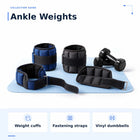
Ankle Weights & Exercise Weights for Home & Rehab
13 Products
Anti-Bedsore Air Mattresses
2 ProductsDelivery information
See shipping options
Returns policy
Read the applicable policy
Help choosing
Contact our support team
Payment options
Available at checkout
You may also need
FOR YOURecommended for you
Save 75%
Romsons Urometer DB 1068 Urine Measuring Bag (Pack of 10)
Sale priceFrom Rs. 1,300
Regular priceRs. 5,200
Save 75%
Meddey
Romsons Urometer DB 1068 Urine Measuring Bag (Pack of 10)
Sale price
Rs. 1,321
Regular price
Rs. 5,720
77% OFF
- First, confirm that the correct product and patient setup have been selected.
- Next, keep the sterile pack closed until it is needed.
- Connect the system to the compatible urinary catheter using appropriate clinical t...
Save 67%
Full Fowler Bed Mechanical ABS Panel and ABS Railing
Sale priceRs. 24,999
Regular priceRs. 75,000
Save 67%
Medansh
Full Fowler Bed Mechanical ABS Panel and ABS Railing
Sale price
Rs. 24,999
Regular price
Rs. 75,000
67% OFF
- Position the Bed: Place the bed on a flat surface. Lock the wheels before use.
- Adjust Backrest or Leg Rest: Use the side cranks to raise or lower the back and le...
- Use Side Rails: Slide the ABS side rails up to secure the patient, and down to ass...
Save 50%
Semi Fowler Hospital Bed Electric
Sale priceRs. 29,999
Regular priceRs. 59,998
Save 50%
Medansh
Semi Fowler Hospital Bed Electric
Sale price
Rs. 29,999
Regular price
Rs. 59,998
50% OFF
( Prepaid or Partial COD Options are available for this product. Please call or WhatsApp us at 8586012345...
Save 35%
Semi Fowler Hospital Bed
Sale priceRs. 12,999
Regular priceRs. 20,000
Save 35%
Medansh
Semi Fowler Hospital Bed
Sale price
Rs. 12,999
Regular price
Rs. 20,000
35% OFF
- Type: Semi Fowler
- Dimensions: 198 x 90 x 60 cm
- Frame Material: Mild Steel
Save 50%
Full Fowler Hospital Bed with ABS Panel, Collapsable Railings, Wheels and Mattress
Sale priceRs. 25,449
Regular priceRs. 50,898
Save 50%
Medansh
Full Fowler Hospital Bed with ABS Panel, Collapsable Railings, Wheels and Mattress
Sale price
Rs. 25,449
Regular price
Rs. 50,898
50% OFF
- Full Fowler bed design for maximum comfort and convenience
- ABS panel for added durability and easy cleaning
- Collapsible railings for easy access and patient safety
Save 25%
Attendant Bed With H Type Legs with Mattress
Sale priceRs. 7,499
Regular priceRs. 10,000
Save 25%
MeddeyGo
Attendant Bed With H Type Legs with Mattress
Sale price
Rs. 7,499
Regular price
Rs. 10,000
25% OFF
- Dimension: 72 x 22 x 18 inches & Load Capacity: 100+KGS
- Attendant bed with H-type legs for stability.
- Includes a comfortable mattress for added convenience.
Save 50%
Pediatric Bed with Side Railings Delux Quality
Sale priceRs. 9,999
Regular priceRs. 20,000
Save 50%
MeddeyGo
Pediatric Bed with Side Railings Delux Quality
Sale price
Rs. 9,999
Regular price
Rs. 20,000
50% OFF
( Prepaid or Partial COD Options are available for this product. Please call or WhatsApp us at 8586012345...
Save 56%
Flower Bed Mechanical ABS Panel and ABS Railing
Sale priceRs. 32,999
Regular priceRs. 75,000
Save 56%
MeddeyGo
Flower Bed Mechanical ABS Panel and ABS Railing
Sale price
Rs. 32,999
Regular price
Rs. 75,000
56% OFF
- Strong MS Framework: Provides dependable structural support for regular hospital use.
- Four-Section Platform: Perforated CRCA MS sheet supports ventilation and hygiene.
- PP Head & Foot Panels: Include locking support and corner buffers for added safety.
Save 48%
Flower Bed Electric ABS Panel and ABS Railing
Sale priceRs. 38,999
Regular priceRs. 75,000
Save 48%
MeddeyGo
Flower Bed Electric ABS Panel and ABS Railing
Sale price
Rs. 38,999
Regular price
Rs. 75,000
48% OFF
- Electric Adjustment: Powered operation supports easier patient positioning and red...
- Strong Bed Frame: Durable construction supports regular use in professional health...
- ABS Head & Foot Panels: Provide a clean, modern design suitable for hospital patie...
Save 44%
Semi Fowler Electric Hospital Bed with ABS Panel
Sale priceRs. 24,999
Regular priceRs. 45,000
Save 44%
MeddeyGo
Semi Fowler Electric Hospital Bed with ABS Panel
Sale price
Rs. 24,999
Regular price
Rs. 45,000
44% OFF
- Semi Fowler design: Allows upper-body positioning through the adjustable backrest.
- Electric operation: An electric mechanism controls the backrest movement.
- 60–70° backrest tilt: The listed adjustment reaches approximately 60 to 70 degrees.
Save 50%
Semi Fowler Hospital Bed with ABS Panel, Collapsible Railings, Wheels & Mattress
Sale priceRs. 24,499
Regular priceRs. 48,998
Save 50%
Medansh
Semi Fowler Hospital Bed with ABS Panel, Collapsible Railings, Wheels & Mattress
Sale price
Rs. 24,499
Regular price
Rs. 48,998
50% OFF
- Manual backrest adjustment: Uses a screw handle positioned at the foot end.
- ABS head and foot panels: Smooth moulded panels designed for practical routine care.
- Collapsible side railings: Provide a physical side barrier and fold down for careg...
Save 50%
Semi Fowler Hospital Bed MS Pipe Frame
Sale priceRs. 10,499
Regular priceRs. 20,998
Save 50%
Medansh
Semi Fowler Hospital Bed MS Pipe Frame
Sale price
Rs. 10,499
Regular price
Rs. 20,998
50% OFF
( Prepaid or Partial COD Options are available for this product. Please call or WhatsApp us at 8586012345...
Save 50%
Semi Fowler Hospital Bed MS Angled Frame
Sale priceRs. 9,299
Regular priceRs. 18,598
Save 50%
Medansh
Semi Fowler Hospital Bed MS Angled Frame
Sale price
Rs. 9,299
Regular price
Rs. 18,598
50% OFF
- MS Angled Frame for added stability and durability
- Headrest and footrest can be adjusted to provide
- comfortable positions for patients
Save 50%
Semi Fowler Hospital Bed Electric with ABS Panels
Sale priceRs. 21,499
Regular priceRs. 42,998
Save 50%
Medansh
Semi Fowler Hospital Bed Electric with ABS Panels
Sale price
Rs. 21,499
Regular price
Rs. 42,998
50% OFF
- Bed type: Semi-Fowler, electric
- Panels: Premium-quality ABS, impact and scratch resistant
- Adjustment: Independent electric head and foot section adjustment
Save 41%
ICU Hospital Bed Mechanical 5 Function with Wheels ABS Panel and Railing and Mattress
Sale priceRs. 46,499
Regular priceRs. 79,000
Save 41%
MeddeyGo
ICU Hospital Bed Mechanical 5 Function with Wheels ABS Panel and Railing and Mattress
Sale price
Rs. 46,499
Regular price
Rs. 79,000
41% OFF
The ICU Hospital Bed Mechanical 5 Function is designed for optimal patient care, ensuring comfort, safety, and ease...
Save 50%
ICU Hospital Bed 5 Functions Electric ABS Panel and Railing
Sale priceRs. 84,999
Regular priceRs. 169,998
Save 50%
MeddeyGo
ICU Hospital Bed 5 Functions Electric ABS Panel and Railing
Sale price
Rs. 84,999
Regular price
Rs. 169,998
50% OFF
- Electrically operated functions for ease of use and convenience
- ABS head and foot panels for durability and easy maintenance
- Collapsible side railings for easy patient access and safety
Save 47%
ICU Hospital Bed 5 function Mechanical With Wheels, Collapisable Railings and Mattress
Sale priceRs. 37,999
Regular priceRs. 72,000
Save 47%
MeddeyGo
ICU Hospital Bed 5 function Mechanical With Wheels, Collapisable Railings and Mattress
Sale price
Rs. 37,999
Regular price
Rs. 72,000
47% OFF
( Prepaid or Partial COD Options are available for this product. Please call or WhatsApp us at...
Save 50%
ICU Hospital Bed 5 function Mechanical With Wheels and Collapsible Railings
Sale priceRs. 33,499
Regular priceRs. 66,998
Save 50%
MeddeyGo
ICU Hospital Bed 5 function Mechanical With Wheels and Collapsible Railings
Sale price
Rs. 33,499
Regular price
Rs. 66,998
50% OFF
- 5 functions: The bed offers 5 adjustable functions, including the height, backrest...
- Mechanical system: The bed is equipped with a reliable and durable mechanical syst...
- Collapsible railings: The bed features collapsible railings that provide added saf...
Save 41%
Full Fowler Hospital Bed Electric 2 Function
Sale priceRs. 32,499
Regular priceRs. 55,000
Save 41%
Medansh
Full Fowler Hospital Bed Electric 2 Function
Sale price
Rs. 32,499
Regular price
Rs. 55,000
41% OFF
- 2 Electric Functions: Supports powered backrest and leg-section adjustment.
- ABS Head & Foot Panels: Durable, smooth and easy to clean.
- Collapsible Railings: Selected variants offer side support with easier patient acc...
Save 27%
Full Fowler Bed With ABS Panel
Sale priceRs. 18,299
Regular priceRs. 25,000
Save 27%
Medansh
Full Fowler Bed With ABS Panel
Sale price
Rs. 18,299
Regular price
Rs. 25,000
27% OFF
Fowler Bed with ABS Panel – Multiple Variants for Every Need 🏥🛏️ Upgrade patient care with our Fowler...
Trusted by 500k+ Customers
24x7 Customer Support
Free Shipping on Orders ₹999+
Pan-India Delivery