


Featured ChoiceSave 28%
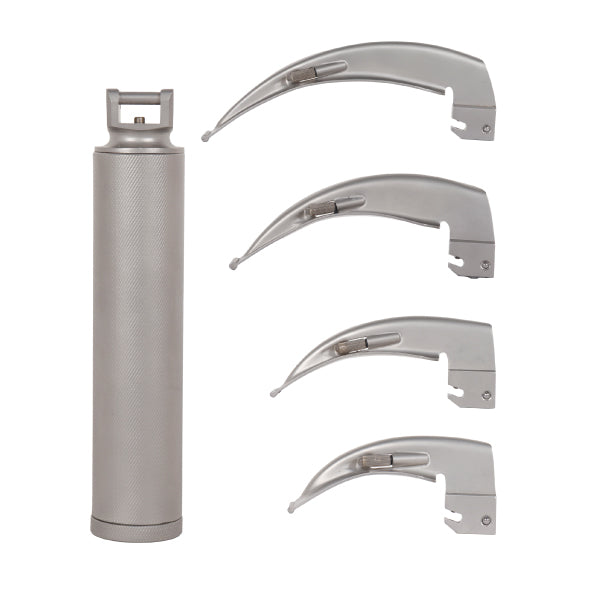
Save 35%
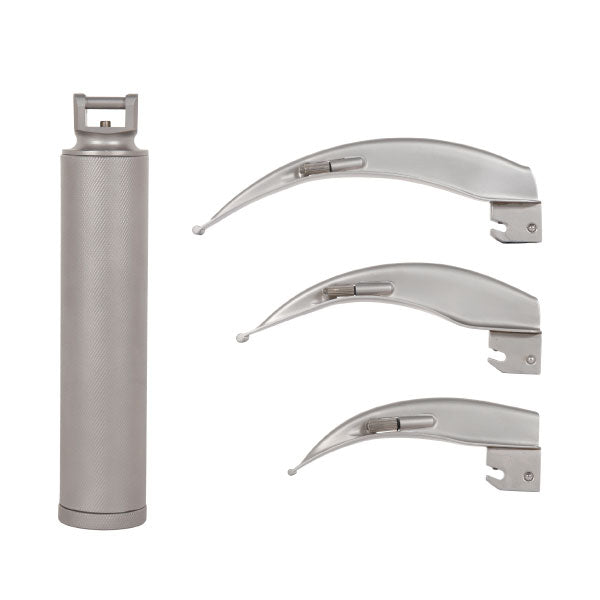
Save 20%
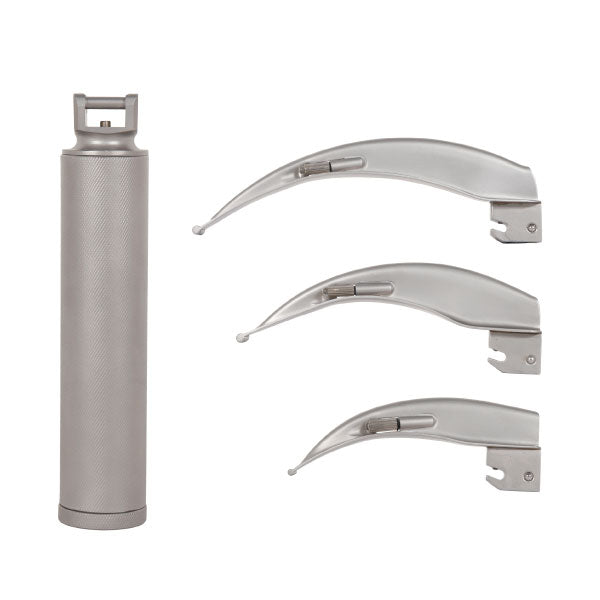
Save 15%
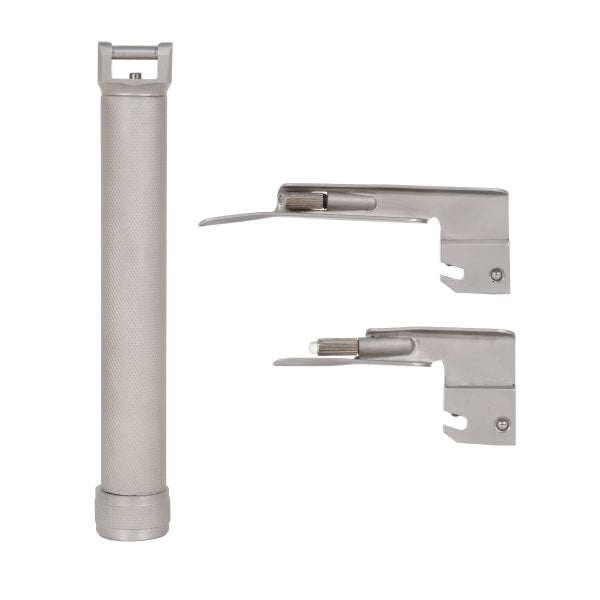
Save 20%
About this collection
An otoscope helps trained healthcare professionals examine the ear canal and eardrum using light and magnification. It is commonly used in clinics, hospitals, ENT practice and medical training.
This collection also covers related diagnostic scopes such as the ophthalmoscope, which is used for examination of the eye. Therefore, doctors and clinical teams can choose instruments according to the area they need to examine.
Some diagnostic sets combine an otoscope and ophthalmoscope in one kit. As a result, they can provide a practical examination setup for general practice, outpatient departments and supervised medical training.
Otoscope & Ophthalmoscope for Clinical Examination
Otoscope for Ear Examination
An otoscope combines a light source with magnification so that a healthcare professional can inspect the ear canal. In addition, suitable ear specula help the instrument fit different examination needs.
Ophthalmoscope for Eye Examination
An ophthalmoscope is designed for examination of internal structures of the eye. Therefore, it forms an important part of many clinical diagnostic sets.
Diagnostic Sets
A combined diagnostic set may contain both an otoscope and an ophthalmoscope. Consequently, doctors can keep common ear and eye examination tools together in one case.
Clinical & Medical Training Use
Diagnostic scopes may be used in clinics, hospitals and supervised medical training. However, users should choose instruments according to their training and intended examination.
How Does an Otoscope Work?
An otoscope provides a focused light and magnified view of the ear canal. First, the healthcare professional selects a suitable speculum. Next, the instrument is positioned carefully for examination.
The magnifying lens then helps the clinician view the ear canal and eardrum more clearly. Therefore, light quality, lens clarity and a suitable speculum are important points when comparing models.
Some otoscopes use replaceable or reusable specula. In addition, power may come from batteries or another suitable light system depending on the model.
Otoscope Buying Checklist
- Light quality: check whether the instrument provides a clear and even examination light.
- Magnification: choose a model with a practical viewing lens for clinical examination.
- Specula: confirm which ear-speculum sizes are supplied or compatible.
- Power source: check battery type and whether batteries are included.
- Handle: choose a design that feels comfortable during regular examinations.
- Storage: a protective case can help keep the instrument and accessories together.
- Replacement parts: check access to compatible specula, bulbs or other parts where needed.
- Intended setting: consider whether the instrument is for clinic, hospital or supervised training use.
Otoscope for Doctors, Clinics & Hospitals
Clinics may use an otoscope during routine ear examination. For example, general practitioners and ENT professionals may need a clear view of the ear canal during assessment.
Hospitals can also include the instrument in examination rooms or outpatient departments. Meanwhile, medical colleges may use suitable models during supervised practical training.
Because clinical workload can vary, buyers should consider durability as well as basic features. Moreover, frequent-use settings may benefit from easy-to-clean surfaces and readily available accessories.
Ophthalmoscope for Eye Examination
An ophthalmoscope is another important diagnostic scope. Instead of examining the ear, it helps trained healthcare professionals examine structures inside the eye.
Different models can offer different light settings, viewing systems and adjustment options. Therefore, buyers should compare the individual product specifications before choosing a model.
In general practice, both an otoscope and ophthalmoscope may be needed. For this reason, manufacturers often offer the two instruments together as a medical diagnostic set.
Otoscope vs Ophthalmoscope
| Point | Otoscope | Ophthalmoscope |
|---|---|---|
| Main examination area | Ear canal and eardrum | Internal structures of the eye |
| Main feature | Light, magnification and ear speculum | Light and optical viewing system |
| Typical users | Doctors, ENT professionals and trained clinical staff | Doctors and trained eye-examination professionals |
| Common setting | Clinic, hospital, ENT and medical training | Clinic, hospital and medical training |
| Available as combined set | Yes | Yes |
Otoscope & Ophthalmoscope Diagnostic Set
A combined diagnostic set can be useful for doctors who need both ear and eye examination tools. Instead of storing each instrument separately, the set usually keeps the main components together in one case.
This type of setup can suit general practice, outpatient care and clinical teaching. In addition, a combined set may make storage and transport simpler.
However, buyers should still compare the individual specifications. For example, check the light system, power source, included accessories and compatible examination heads before ordering.
Featured Otoscope at Meddey
The Meddey range includes the Otoscope Heine Type Premium Quality. The listed model includes reusable specula, a swivel magnifying lens and a hard storage case.
It uses two AA batteries for power. However, the product listing states that batteries are not supplied with the instrument.
Otoscope Heine Type Premium QualityWhat to Check Before Buying an Otoscope
Start with the intended user and examination setting. A doctor who uses an otoscope every day may have different needs from a student using one during supervised training.
Next, check the included specula and power system. In addition, consider whether replacement accessories are easy to obtain.
Storage also matters. A protective case can help keep the examination head, handle and small accessories together when the instrument is not in use.
Finally, compare the product specifications instead of choosing only by price. A suitable instrument should match the user's clinical needs and expected frequency of use.
Diagnostic Scopes for Medical Students
Medical students may encounter otoscopes and ophthalmoscopes during clinical training. These instruments help students learn basic examination methods under professional supervision.
For example, supervised practice can help a student understand how different instrument heads, light settings and viewing angles work. However, a training instrument should still be selected according to course or institution requirements.
Students should also follow their instructor's guidance for safe handling and examination technique.
Cleaning & Care of an Otoscope
Keep the instrument clean and store it safely after use. In particular, reusable specula should be handled according to the manufacturer's cleaning instructions and the healthcare facility's hygiene procedure.
Also check the lens and light before an examination. If the view appears unclear, the lens, power source or light system may need attention.
When the instrument will not be used for a longer period, follow the manufacturer's advice for battery storage. This can help reduce the risk of battery leakage or damage.
Explore Related Medical Instrument Collections
For a broader range of examination and procedure tools, visit the Medical Instruments collection.
For ear, nose and throat examination tools, explore ENT Instruments .
Clinics looking for a wider range of everyday equipment can also browse Clinic Aids .
Frequently Asked Questions About Otoscopes
What is an otoscope?
An otoscope is a diagnostic instrument that provides light and magnification for examining the ear canal and eardrum.
What is an otoscope used for?
Doctors and trained healthcare professionals use it during ear examination. For example, it helps provide a clearer view of the ear canal.
What is an ophthalmoscope?
An ophthalmoscope is a diagnostic instrument used by trained professionals to examine internal structures of the eye.
What is the difference between an otoscope and ophthalmoscope?
An otoscope is primarily used for ear examination, while an ophthalmoscope is used for eye examination.
Can an otoscope and ophthalmoscope come in one set?
Yes. Combined diagnostic sets are available with both instrument types. Therefore, they can be useful for general clinical examination.
Who can use an otoscope?
Otoscopes are mainly used by doctors and trained healthcare professionals. Medical students may also use them during supervised clinical training.
Does an otoscope need batteries?
Many portable models use batteries, although the exact power system depends on the product. Therefore, always check the individual model specifications.
Does an otoscope use different speculum sizes?
Many models support different ear-speculum sizes. This allows the trained user to choose a suitable size according to the examination need.
Is an otoscope useful for medical students?
Yes, it can be used during supervised clinical education when it matches the institution's training requirements.
What should I check before buying an otoscope?
Compare the light, magnification, specula, power source, storage case, replacement accessories and intended clinical use before choosing a model.
Need Help Choosing an Otoscope?
For current availability, product details or help choosing diagnostic scopes, contact Meddey Customer Care on WhatsApp at +91 85860 12345 .
Clinical-use note: Otoscopes and ophthalmoscopes are diagnostic examination instruments. Use and examination technique should follow suitable professional training and the manufacturer's instructions.
Explore Medical Collections
All Categories
Abdominal & Maternity Support

Accessories

Accu-Chek Instant Strips: Use, Compatibility, Price & Blood Sugar Testing Guide
Accu-Chek Instant Strips: Uses, Features & Complete Guide

Accupressure Products for Pressure Point Therapy, Pain Relief & Wellness

accupuncture

Acupuncture Needles & Supplies

Advanced Physiotherapy Machines & Lumbar Physiotherapy

Airways

Ambulance

Anatomy Models
Anesthesia Machine

Anesthesia Products
Ankle Support, Braces & Walker Boots for Recovery
Ankle Weights & Exercise Weights for Home & Rehab
You may also need
FOR YOURecommended for you
Save 28%
Save 20%
Save 35%
Save 20%
Save 15%