


Featured ChoiceSave 26%


Save 26%


Save 50%


Save 50%

Save 19%
Save 50%


sensory toys for kids: benefits, activities and safety guide
Sensory Toys, Play and Activities for Kids: A Guide for Healthcare Professionals
This guide explains what a sensory toy is and why sensory toys are so popular now. It also lists the top 10 sensory toys, activity ideas, safety rules for babies and what the latest research says.
Key Takeaways
- First, a sensory toy is an item that gives touch, sound, sight, movement or pressure input, and children use it to explore, calm down or focus.
- Sensory toys for kids are popular because of social media, more awareness of neurodivergence and a rise in screen time.
- However, research on small fidget-style toys is limited, so they work best as one tool inside a plan made with an occupational therapist.
- According to a May 2025 review in the American Journal of Occupational Therapy, Ayres Sensory Integration helped autistic children reach individual goals.
- Finally, Meddey lists sensory therapy equipment from ₹2,299 to ₹1,94,499 as of 1 October 2026, and it does not list small baby sensory toys.
Contents
- What is a sensory toy?
- Why are sensory toys so popular now?
- What are the top 10 sensory toys?
- Sensory toys for kids by age
- Sensory toys for autism
- Sensory toys for babies
- What is sensory play?
- Ideas for sensory activities for kids
- Good activities for kids with sensory issues
- What the research says
- Meddey sensory equipment and price
- Safety and supervision
- The role of doctors and therapists
- Buying checklist
- Frequently asked questions
First, children learn about the world through the senses. Therefore, touch, sound, sight, movement and body pressure all shape how a child plays, learns and feels. However, some children seek more sensory input, and others find it hard to cope with it.
This guide is for doctors, healthcare professionals, medical students and buyers of clinic and hospital supplies. Moreover, it uses simple words and answers the questions people search for most. To see Meddey's range, you can visit the sensory swings collection at Meddey.
Latest evidence note: A systematic review in the American Journal of Occupational Therapy (May 2025) looked at nine randomised trials of Ayres Sensory Integration. It found strong evidence from five trials that the approach helps autistic children meet individual goals. Meanwhile, a November 2025 review in Frontiers in Pediatrics said more research is still needed on sensory-based interventions. Therefore, sensory tools work best inside a goal-based plan.
What Is a Sensory Toy?
A sensory toy is a toy or tool that gives a child touch, sound, sight, movement or pressure input in a safe and predictable way. Therefore, children use these toys to explore, play, calm down or stay focused. For example, they include putty, textured balls, squishy toys, chimes, light toys and chewable items.
However, sensory toys are not all the same. Some are simple play items for any child, while others are therapy tools that an occupational therapist selects for a goal. In addition, some are small and held in the hand, while others are large pieces of equipment such as swings and ball pools.
Touch First, textured, squishy and mouldable items give tactile input.
Sound Next, chimes, rattles and music toys give auditory input.
Sight Also, light, colour and bubble toys give visual input.
Movement In addition, swings and balance items give vestibular input.
Pressure Moreover, pushing, pulling and squeezing give proprioceptive input.
Oral input Finally, chewable items give input through the mouth.

Why Are Sensory Toys So Popular Now?
Several trends explain the boom in sensory toys. As a result, it helps to see the reasons side by side.
- Social media: Short videos of squishy toys, pop-it toys and putty have made them go viral. A retailer in Switzerland reported that fidget toy sales in the first quarter of 2026 were almost 140% higher than a year earlier.
- More awareness: Parents, teachers and therapists now talk about neurodivergence and sensory needs more openly. As a result, children feel less shy about using a fidget in class.
- Screen time: Many people link the trend to screens and constant stimulation. Some therapists say that children and adults crave touch and movement that screens do not give.
- Less messy play: Some experts say that children now get fewer chances for messy, hands-on play outdoors.
- Stress relief: Adults also use sensory toys, so they no longer feel like items for children only.
However, popularity does not prove that a toy works. Research on small fidget-style toys is limited, and some studies show mixed results for focus. As a result, healthcare professionals should treat them as tools for comfort and regulation and not as proven treatments. You can read a balanced summary on Edutopia.
What Are the Top 10 Sensory Toys?
However, there is no official list of the top 10 sensory toys. Instead, the list below covers the most common types that therapists, teachers and families use. The best choice depends on the child's age, needs and safety.
| # | Sensory toy | Main input | Often used for |
|---|---|---|---|
| 1 | Therapy putty or dough | Touch and hand pressure | Hand strength and calm focus |
| 2 | Squishy and stress balls | Touch and squeeze | Release of tension |
| 3 | Textured balls and mats | Touch | Tactile exploration |
| 4 | Push-pop silicone toys | Touch and repeat motion | Quiet fidgeting |
| 5 | Chewable pendants | Oral input | Children who chew objects |
| 6 | Liquid motion timers and bubble tubes | Sight | Calming visual focus |
| 7 | Chimes and sound toys | Sound | Cause and effect play |
| 8 | Weighted lap items | Deep pressure | Settling at a desk, if a therapist agrees |
| 9 | Tunnels, trampolines and balance boards | Movement and body pressure | Active play and coordination |
| 10 | Swings and ball pools | Movement and deep touch | Therapy sessions |
Because items 1 to 5 are small, many families buy them in toy shops. Items 6 to 10 are larger, and clinics usually buy them as therapy equipment. In addition, weighted items have limited evidence, so a therapist should guide their use.

Sensory Toys for Kids by Age
Since children need different toys as they grow, match the toy to the child's age and ability, and not only to the label.
| Age | Suitable sensory toys | Watch for |
|---|---|---|
| 0 to 12 months | Soft rattles, crinkle books, textured cloth toys, unbreakable mirrors | Small parts, loose cords and button batteries |
| 1 to 3 years | Stacking cups, water play, soft balls, tunnels | Choking hazards, and toys that fit through a small-parts tube |
| 3 to 6 years | Dough, kinetic sand, textured mats, swings, simple fidgets | Mouthing of small items |
| 6 to 12 years | Putty, fidgets, balance boards, trampolines | Distraction in class, and shared hygiene |
| Teenagers | Discreet fidgets, resistance putty, stress balls | Choice, since many want items that look ordinary |
Sensory Toys for Autism
Many autistic children have strong sensory preferences, so some seek touch, movement or sound, while others avoid them. Therefore, sensory toys for autism should follow the child's own profile and not a general list.
- Start with the child's profile: A sensory profile or a parent report can show what the child seeks and avoids.
- Let the child choose: Offer a few safe options, and watch which one the child enjoys.
- Use predictable items: Many children like toys that behave the same way each time.
- Match input to the need: Children who seek pressure may like putty or squeezing toys, while children who avoid noise may prefer quiet items.
- Link to a goal: A toy should support a clear aim, such as calming before a task or practising hand skills.
For example, a 2023 study from University College London surveyed parents about fidget toys. Parents of autistic children saw more benefit, especially for anxiety, than parents of other children, and the benefit was linked to higher sensory-seeking scores. However, this is parent opinion and not a trial. Therefore, doctors should explain that the evidence is still limited.

Sensory Toys for Babies
Because babies explore with their hands and mouths, simple, safe toys with different textures, sounds and colours suit this age best. For example, good choices include soft rattles, cloth books, textured teethers, safe mirrors and soft balls.
Safety rules for baby toys
- Avoid small parts: A toy that fits inside a small-parts tester is too small for a young child.
- Check batteries: Battery cases should close with screws, because button batteries can cause serious burns if swallowed.
- Avoid loose magnets: Swallowed magnets can cause serious injury.
- Choose washable items: Babies chew and drool, so toys must be easy to clean.
- Inspect often: Check for loose or broken parts, and throw away damaged toys.
- Stay close: An adult should watch the baby during play.
You can read more in the KidsHealth guide on choosing safe toys for babies. In addition, parents should check the age label and local safety marks before they buy.
Meddey note: Meddey lists sensory therapy equipment for clinics and homes, and it does not list small baby sensory toys such as rattles or teethers. Therefore, please contact Meddey if you need baby toys.
What Is Sensory Play?
Sensory play is any play that gives the senses something to explore. For example, it includes touching, pouring, squeezing, listening, looking, smelling, moving and balancing. Because children learn through the body, sensory play supports many skills.
Language First, children learn words such as soft, rough, cold and wet.
Fine motor skills Next, scooping, squeezing and pinching build hand control.
Gross motor skills Also, climbing, bouncing and balancing build strength.
Social skills In addition, shared play teaches turn-taking.
Self-regulation Moreover, predictable sensory input can help children calm down.
Curiosity Finally, children test, wonder and learn about cause and effect.
Ideas for Sensory Activities for Kids
Since simple activities at home or in a clinic can give rich sensory input, you do not always need special equipment.
| Activity | Sense used | How to do it |
|---|---|---|
| Texture bin | Touch | Hide toys in dry rice, oats or sand, and let the child dig. Watch for small items. |
| Water play | Touch and sight | Pour, scoop and splash with cups and spoons. |
| Dough and putty play | Touch and pressure | Squeeze, roll and press shapes. |
| Obstacle course | Movement | Crawl through a tunnel, step over cushions and balance on a board. |
| Heavy work tasks | Pressure | Push a box, carry books or pull a wagon. |
| Music and sound play | Hearing | Shake, tap and strike simple instruments. |
| Light play | Sight | Use a torch in a dim room, or watch a bubble tube. |
| Animal walks | Movement and pressure | Crawl like a bear, hop like a frog and walk like a crab. |

First, try one activity at a time and keep sessions short. In addition, let the child lead, and stop if the child shows distress.
Good Activities for Kids With Sensory Issues
Some children have strong reactions to touch, sound, light or movement, while others seek more input than usual. Therefore, activities should be gentle, predictable and matched to the child's needs. In addition, an occupational therapist can plan the details.
For children who avoid input
- Go slowly: Introduce a new texture or sound in small steps.
- Offer control: Let the child start, pause and stop the activity.
- Use tools: A spoon or brush can make a messy texture easier to try.
- Reduce noise and light: A calm space can make play easier.
For children who seek input
- Heavy work: Pushing, pulling and carrying give strong body input.
- Movement breaks: Short bursts of jumping or swinging can help before seated work.
- Safe chewing: Offer a chewable item made for the purpose.
- Tactile play: Dough, putty and textured mats give hand input.
Build a sensory routine: Many therapists plan short sensory breaks across the day, such as movement in the morning and quiet time after school. Therefore, ask the therapist to write a simple plan the family can follow.
What the Research Says
Research on sensory interventions is mixed, so doctors should read it with care. In particular, results depend on whether a study follows a defined method or uses general sensory activities.
- May 2025, American Journal of Occupational Therapy: Nine randomised trials with 344 children were reviewed. The review found strong evidence from five trials that Ayres Sensory Integration supports individual goals in autistic children.
- November 2025, Frontiers in Pediatrics: A systematic review of sensory-based interventions for children and youth concluded that more research is needed.
- 2012, American Academy of Pediatrics: The policy statement said that the evidence for sensory integration therapy is limited and mixed. It advised doctors to inform families, tie sensory work to function and monitor outcomes.
- Fidget toys: Reviews describe the evidence base as limited, with few peer-reviewed experimental studies, and they note that results may vary from child to child.
What this means in practice. Use sensory toys to support clear goals, and review progress. Do not promise a cure, and always look for other causes of behaviour or sleep changes.
Meddey Sensory Equipment and Price
Meddey lists sensory therapy equipment for clinics, schools and homes. For more, you can browse the sensory swings collection and the occupational therapy range. The table shows prices as listed on 1 October 2026. However, prices and stock can change, so please check the live product page before you order.
| Product | Key detail | Meddey price |
|---|---|---|
| Net Tunnel for Occupational Therapy | Playful tunnel, listed for ages 2 to 6 years | ₹2,299 |
| Theraputty Combo | Four resistance levels: soft, medium, firm and extra firm | ₹2,999 |
| Sensory Chimes | Frame with six coloured chimes and a beater | ₹4,999 |
| Tube Swing Deluxe | Sensory integration swing | ₹5,200 |
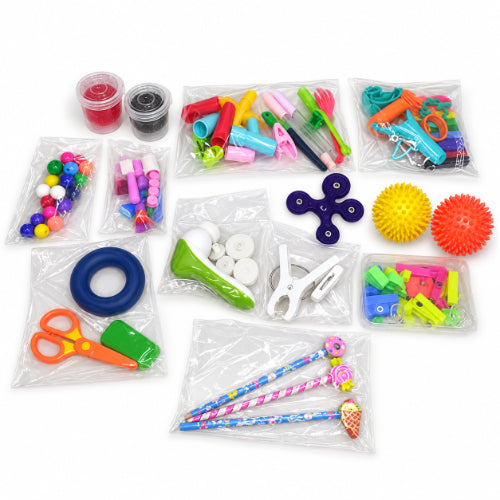
| Sensory Kit for Occupational Therapy | Resources for structured sensory activities | ₹5,999 |
| Trampoline for Kids 4 Feet | Padded handlebar, listed for ages 3 to 10 years | ₹7,359 |
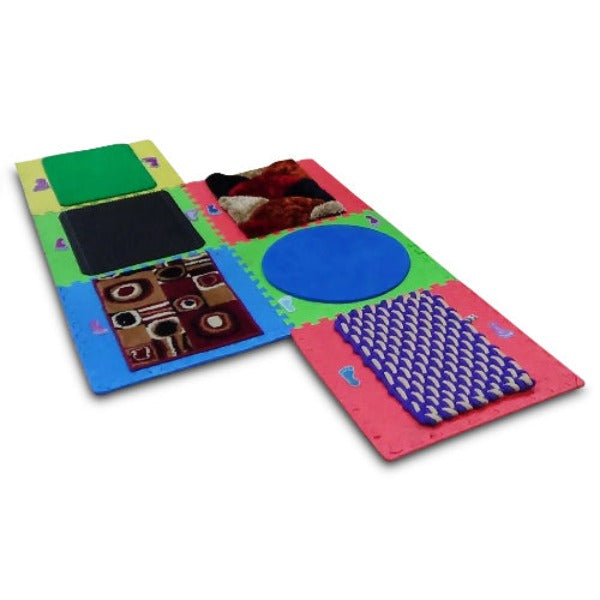
| Tactile Texture Sensory Floor Mats | Set of six interlocking mats, about 60 x 60 cm each | ₹11,959 |
| Sensory Pad Wall | Wall-mounted touch and activity panel | ₹12,499 |
| Round Ball Pool 36 inch with 150 Balls | Round pool, 15 inch height | ₹13,999 |
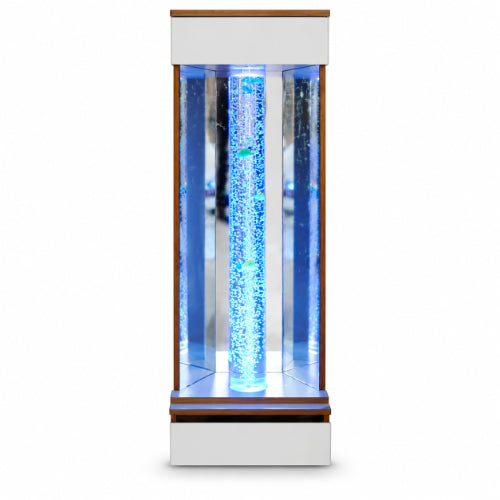
| Bubble Tube Column with Mirrors | Rising bubbles, colour-changing LEDs and three mirrors | ₹38,640 |
| Sensory Learning Wall Panels with Sensory Play Station | Wall-mounted interactive activity panels with a play station | ₹1,94,499 |

What Meddey does not list
The Sensory Pad Wall and the Sensory Chimes are activity resources, but they do not replace professional assessment or treatment. In addition, Meddey does not list small fidget toys, baby rattles or chewable items. Therefore, please contact Meddey for those, and for bulk orders for a clinic.
Price note: Prices and offers change often. Please confirm the live price before you order.
Safety and Supervision
- Match the age: First, follow the age range on the product, and keep small items away from children under three.
- Supervise play: Next, an adult should stay close, especially with swings, trampolines and ball pools.
- Check for allergies: Also, check food-based play items such as rice or oats for allergy risk.
- Watch for overload: In addition, stop if the child becomes upset, pale, dizzy or withdrawn.
- Keep items clean: Moreover, wash toys and mats as the maker advises, especially in shared clinics.
- Inspect equipment: Finally, check ropes, frames, covers and seams before each session.
The Role of Doctors and Therapists
Doctors play a key role before a family buys sensory tools. First, a doctor can check for other causes of poor attention, sleep problems or distress, such as hearing, vision or medical conditions. Next, the doctor can refer the child to an occupational therapist for a full assessment.
The therapist then sets goals, picks suitable toys and activities, and teaches the family how to use them. Therefore, a sensory toy bought without advice may not suit the child. Finally, the doctor and the therapist should review progress together and change the plan when needs change.
Buying Checklist for Sensory Toys and Equipment
Goal First, decide whether the aim is calm, focus, hand skills or movement.
Age and size Next, check the listed age range and size.
Safety Also, avoid small parts, loose magnets and weak seams.
Material In addition, choose durable, washable and non-toxic materials.
Space Since equipment needs room, measure the floor and ceiling space first.
Supplier Finally, confirm maker details, support and return policy.
Frequently Asked Questions About Sensory Toys
What is a sensory toy?
It is a toy or tool that gives touch, sound, sight, movement or pressure input. Children use it to explore, calm down or focus.
What are the top 10 sensory toys?
Common types are therapy putty, squishy balls, textured balls and mats, push-pop toys, chewable pendants, liquid timers and bubble tubes, chimes, weighted lap items, tunnels and trampolines, and swings and ball pools.
Why are sensory toys so popular now?
Social media, more awareness of neurodivergence, high screen time and stress relief for all ages have driven the trend. Research on small fidget toys is still limited.
What are some ideas for sensory activities for kids?
Try texture bins, water play, dough play, obstacle courses, heavy work tasks, music play, light play and animal walks.
What are some good activities for kids with sensory issues?
Choose gentle, predictable activities that match the child's needs. Children who avoid input need small steps and control, and children who seek input may enjoy heavy work and movement. Ask an occupational therapist for a plan.
Are sensory toys safe for babies?
They are safe when they have no small parts, no loose magnets, secure battery cases and an easy-to-clean surface, and an adult watches the play.
How much does sensory equipment cost at Meddey?
As of 1 October 2026, Meddey lists sensory therapy equipment from ₹2,299 for the Net Tunnel to ₹1,94,499 for the Sensory Learning Wall Panels. Please check the live listing for the latest price.
Where to Buy Sensory Equipment Online in India?
Parents, therapists, clinics and hospitals can buy sensory equipment from medical equipment suppliers. Before you buy, compare the age range, safety, material, size and price. Meddey lists sensory swings, tunnels, mats, chimes, ball pools and more, and its support team can help you choose.
View Sensory SwingsOccupational Therapy RangeVisit MeddeyDisclaimer
This article is for general education. Therefore, it does not replace the advice of a doctor or a qualified occupational therapist. A professional should assess any child with sensory concerns. Also, prices and product details may change over time.
Explore Medical Collections
All Categories
Abdominal & Maternity Support

Accessories

Accu-Chek Instant Strips: Use, Compatibility, Price & Blood Sugar Testing Guide
Accu-Chek Instant Strips: Uses, Features & Complete Guide

accupuncture

Acupuncture Needles & Supplies

Advanced Physiotherapy Machines & Lumbar Physiotherapy

Airways

Ambulance

Anatomy Models
Anesthesia Machine

Anesthesia Products
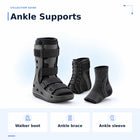
Ankle Support for Home Use: Braces, Sleeves & Walker Boots
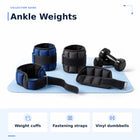
Ankle Weights & Exercise Weights for Home & Rehab

Anti-Bedsore Air Mattresses
You may also need
FOR YOURecommended for you
Save 26%
Save 26%
Save 50%
Save 50%
Save 19%
Save 50%