


Featured ChoiceSave 46%

Save 36%

Save 50%

Save 28%


Save 31%


Save 24%


Save 26%


About this collection
TENS Machine: Uses, Pain Relief, Safety, Side Effects & Professional Buying Guide
A complete guide to TENS units, electrotherapy, pain relief, nerve pain, period pain, daily use, safety precautions and choosing a suitable TENS machine for home or clinic use.
A TENS machine is a small electrotherapy device that sends mild electrical impulses through electrode pads attached to the skin. TENS stands for Transcutaneous Electrical Nerve Stimulation. It is commonly used as a non-invasive option for temporary pain relief.
For example, TENS may be used for some forms of back pain, knee pain, sports-related pain, arthritis, period pain and other painful conditions. However, it does not work equally well for everyone. Therefore, users should view a TENS unit as a pain-management tool rather than a cure for the underlying condition.
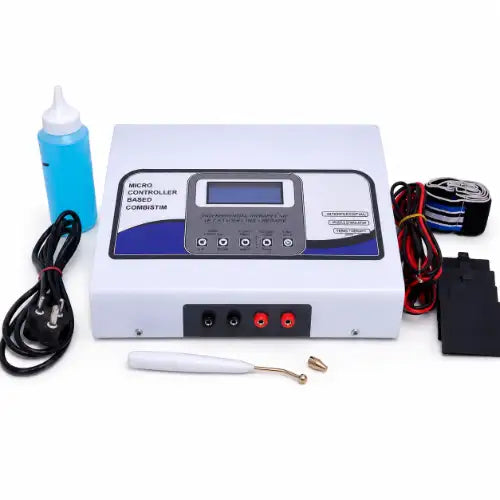
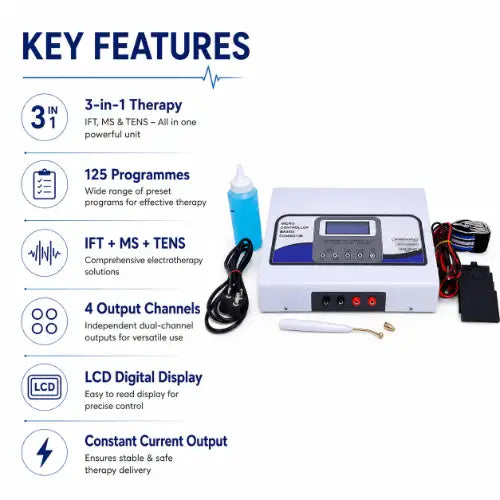
In addition, modern TENS devices range from small portable 2-channel units to larger 4-channel and multi-mode clinic systems. Some machines also combine TENS with EMS, ultrasound or other forms of electrotherapy.
Meanwhile, a tenscare machine or other branded TENS product may offer additional programmes, timers or electrode options. Nevertheless, the basic buying principles remain the same: choose a device that matches the intended use, has clear controls and comes with suitable electrodes, warranty and support.
This guide explains what a TENS machine is used for, how it works, whether it may help nerve pain, whether daily use is safe, possible side effects and who should avoid TENS. Moreover, it explains how to compare TENS units for home and clinic use.
Doctors, physiotherapists and home-care users can also browse Electrotherapy & TENS Machines available on Meddey.
What Is a TENS Machine?
A TENS machine is an electrical pain-management device that sends low-voltage electrical impulses through adhesive electrodes placed on the skin.
Usually, the user feels a tingling sensation rather than pain. Moreover, the strength can normally be adjusted so the stimulation feels noticeable but comfortable.
Control Unit Allows the user to adjust intensity, programme and treatment settings.
Lead Wires Connect the TENS unit to the electrode pads.
Electrode Pads Attach to the skin near the treatment area and deliver stimulation.
Power Source Portable models usually use replaceable or rechargeable batteries.
As a result, TENS can often be used without a large clinic setup. However, correct pad position and appropriate use remain important.

What Is a TENS Machine Used For?
A TENS machine for pain relief is mainly used to provide temporary relief from certain painful conditions.
Common uses may include:
- Back pain
- Knee pain
- Arthritis-related pain
- Sports injury pain
- Muscular pain
- Period pain
- Selected pelvic pain
- Some long-term pain conditions
For example, NHS guidance lists period pain, sports-injury pain, arthritis and endometriosis-related pain among conditions for which TENS may help some people.
However, TENS does not work for everyone. Therefore, persistent or unexplained pain should still be assessed by a healthcare professional.
Important: TENS may reduce the feeling of pain temporarily, but it does not necessarily treat the underlying cause.
How Does a TENS Machine Work?
The exact way TENS reduces pain is still being studied. However, two commonly discussed mechanisms help explain its pain-relief effect.
1. Modifying Pain Signals
Electrical stimulation may affect how pain signals travel through the nervous system. As a result, the user may experience less pain while the TENS machine is active.
2. Supporting Natural Pain Control
In addition, some forms of stimulation may encourage the body's own pain-control processes, including endorphin release.
Therefore, TENS is often described as a pain-modulation therapy rather than a treatment that repairs injured tissues.
TENS Machine vs EMS Machine
TENS and EMS machines both use electrical stimulation. However, they are designed for different primary purposes.
| Feature | TENS | EMS |
|---|---|---|
| Full Form | Transcutaneous Electrical Nerve Stimulation | Electrical Muscle Stimulation |
| Main Goal | Pain support | Muscle stimulation |
| Typical Sensation | Tingling | Tingling plus muscle contraction |
| Common Use | Short- or long-term pain management | Selected muscle activation programmes |
| Home Devices | Widely available | Available on selected systems |
Consequently, buyers should not assume that TENS and EMS are interchangeable.
Does a TENS Machine Help Nerve Damage?
This question requires an important distinction. A TENS machine does not repair damaged nerves.
However, some people with neuropathic or nerve-related pain may try TENS to reduce symptoms. For example, nerve-related pain may occur with diabetic neuropathy, spinal cord injury or other nerve conditions.
Nevertheless, research findings are mixed. Earlier high-quality reviews concluded that evidence was too uncertain to say confidently that TENS works for neuropathic pain in general. More recent research also suggests that the average benefit may be small and may vary according to the type of neuropathic pain.
Therefore, TENS should not be marketed as a treatment that heals nerve damage.
Professional takeaway: TENS may be considered as a symptom-management option for selected nerve pain, but treatment of the underlying nerve disorder requires proper diagnosis and medical management.
Can TENS Be Used for Period Pain?
Yes, TENS is used by some people as a machine for period pain. NHS guidance lists period pain among the pain conditions for which TENS may provide temporary relief.
In addition, professional women's health guidance recognizes nerve-stimulation approaches as one possible non-drug option for painful periods.
Usually, electrode placement for menstrual pain is around the lower abdomen or lower back, depending on the device and professional instructions.
However, severe or changing period pain should not simply be managed with TENS without medical review. For example, persistent pain may sometimes be linked to endometriosis or another condition.
Therefore, TENS can be considered a pain-relief tool, but it should not delay assessment of unusual or severe symptoms.
Is TENS Safe for Daily Use?
For many people, TENS can be used regularly when it is appropriate for them and used according to the manufacturer instructions.
However, there is no single daily-use schedule that is correct for every device and every patient.
For instance, treatment sessions may vary according to:
- The type of pain
- The device programme
- The stimulation intensity
- The treatment area
- Skin tolerance
- Professional advice
Moreover, users who apply TENS frequently should check the skin beneath the electrodes. If irritation develops, pad position or use may need adjustment.
Therefore, daily use can be reasonable for some users, but it should not mean continuous, unsupervised stimulation regardless of symptoms.
Do not sleep with a TENS machine running unless the specific medical instructions explicitly allow it. NHS guidance generally advises against TENS use while sleeping because controls may be moved accidentally.
What Are the Side Effects of TENS?
TENS is generally considered a low-risk and non-invasive therapy when used properly. However, side effects can still occur.
The most commonly reported problems involve the skin under the electrode pads.
Skin Redness Temporary redness may appear under or around the electrode.
Skin Irritation Some users develop itching or irritation from the adhesive or gel.
Uncomfortable Tingling Excessive intensity may make the stimulation unpleasant.
Electrode Burns Incorrect use or poor electrode contact may rarely cause skin injury.
If irritation occurs, switch off the machine and remove the pads. Afterwards, inspect the skin and allow it to recover.
Likewise, if stimulation feels painful rather than comfortably strong, reduce the intensity.
Therefore, higher intensity is not automatically better.
Who Should Not Use TENS?
TENS is not suitable for everyone. Therefore, contraindications and cautions should be checked before use.
Current NHS guidance advises against TENS, or recommends medical advice first, in situations such as:
- Pacemaker use
- Implanted defibrillator or certain electronic implants
- Epilepsy
- Pregnancy unless advised by a doctor or midwife
- Broken or infected skin at the electrode site
- Areas with reduced or absent sensation
In addition, certain electrode positions should be avoided.
Do not place electrodes:
- On the front or sides of the neck
- Near the eyes
- Inside the mouth
- Across the chest and back at the same time
- Over broken or infected skin
- Over areas where sensation is absent
Safety note: people with pacemakers, implanted electronic devices, epilepsy or pregnancy should seek professional advice before using TENS.
Are TENS Machines Safe?
For most suitable users, TENS machines are generally considered safe when the instructions are followed.
However, safe use depends on more than the device itself. Correct electrode placement, suitable intensity and appropriate timing also matter.
For example, users should not operate TENS while:
- Driving
- Using machinery
- Bathing
- Showering
- Swimming
- Sleeping
Furthermore, the device should be switched off before pads are removed or repositioned.
As a result, understanding the user manual is an important part of safe TENS use.
How to Use a TENS Machine
The exact procedure varies by model. Nevertheless, the following general steps explain typical use.
Step 1: Check the Skin
First, make sure the treatment area is clean, dry and healthy.
Step 2: Connect the Electrodes
Next, connect the lead wires and pads according to the device instructions.
Step 3: Position the Pads
Then, place the electrodes around or near the painful area as recommended.
Step 4: Start at Low Intensity
Afterwards, switch the device on at a low level.
Step 5: Increase Gradually
Gradually raise the intensity until the sensation feels strong but comfortable.
Step 6: Monitor the Skin
During treatment, check for discomfort, burning or excessive irritation.
Step 7: Turn Off Before Removing Pads
Finally, switch the unit off before removing the electrodes.
Therefore, correct setup is just as important as choosing the right machine.
Where Should TENS Pads Be Placed?
Electrode placement depends on the location and type of pain.
In general, pads are placed around the painful region rather than directly over sensitive structures.
However, placement instructions vary. Therefore, users who are unsure should ask a physiotherapist or other healthcare professional.
Moreover, pad placement should never involve unsafe areas such as the front of the neck, eyes or broken skin.
2-Channel vs 4-Channel TENS Machine
The number of channels affects how many electrode pairs can be controlled.
| Feature | 2-Channel TENS | 4-Channel TENS |
|---|---|---|
| Typical Pads | Usually 4 | Usually 8 |
| Best For | Home use and one or two pain areas | Wider treatment areas and clinic use |
| Complexity | Lower | Higher |
| Price | Usually lower | Usually higher |
| Portability | Often very portable | Depends on model |
For many home users, a 2-channel TENS unit may provide enough flexibility.
In contrast, clinics may prefer 4-channel systems when larger treatment areas or more electrodes are required.
Portable TENS vs Clinic TENS Machine
Portable TENS Unit Compact, lower cost and often suitable for guided home use or mobile physiotherapy.
Clinic TENS Machine May provide more channels, larger controls, preset programmes and heavier-duty construction.
Therefore, the more expensive clinic model is not automatically the best choice for home treatment.
Likewise, a basic portable device may not be ideal for heavy daily clinic workloads.
TensCare Machine vs Other TENS Units
TensCare machine is a search term often used for devices made by the TensCare brand. However, brand name alone should not determine the purchase.
Instead, buyers should compare:
- Number of channels
- Available programmes
- Intensity controls
- Pad availability
- Battery type
- Warranty
- Replacement accessories
- Service support
Similarly, Medansh, Beurer and other TENS systems may offer different configurations.
Consequently, the best device is the one that suits the intended pain-management requirement and user setup.
TENS Machine Price in India
TENS machine pricing varies according to channel count, controls, brand and whether the product includes other therapy modes.
Current Meddey listings provide a useful example of this price range.
Current Meddey Examples
Portable 2-Channel TENS: around ₹1,333–₹1,449
Mini TENS + Muscle Stimulator: around ₹1,655–₹3,220 depending on model
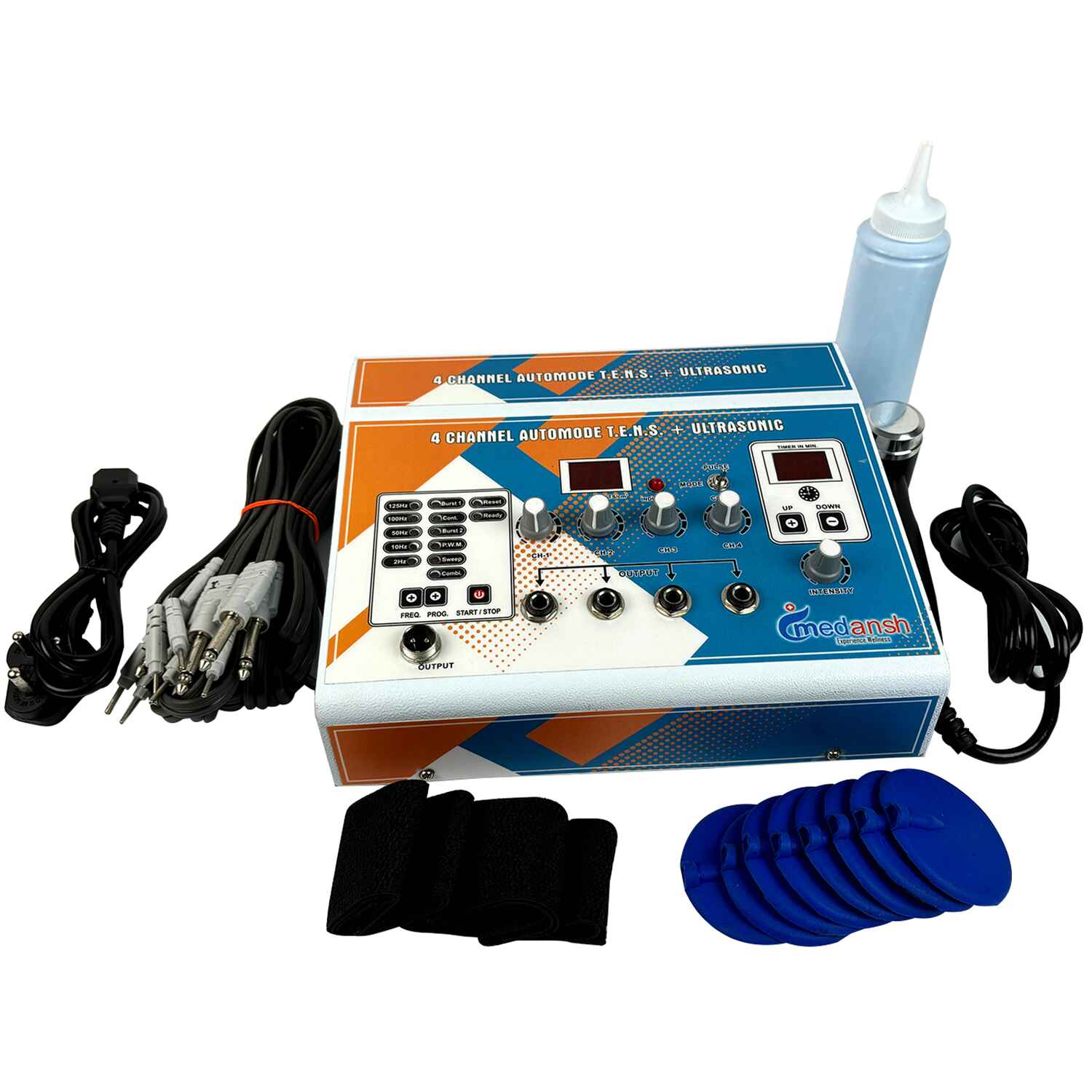
4-Channel TENS: around ₹5,289–₹5,795
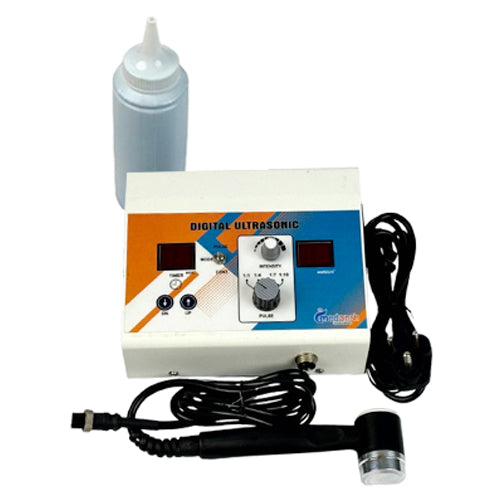
TENS + Ultrasound Combo: around ₹4,349–₹7,359
5-in-1 Combination System: around ₹10,349–₹11,269 depending on warranty configuration
However, these prices can change with stock, offers and warranty options.
Therefore, always check the current live listing before purchase.
Check Current TENS Machine PricesHow to Choose a TENS Machine
1. Identify the Intended Use
First, decide whether the machine is intended for home pain management, mobile physiotherapy or clinic use.
2. Choose the Number of Channels
Next, determine whether a 2-channel or 4-channel setup is required.
3. Review the Controls
Then, check intensity settings, timer functions and preset modes.
4. Check Electrode Availability
In addition, confirm that replacement pads and lead wires are easy to obtain.
5. Review Power Options
Battery life and charging options can affect convenience.
6. Check Warranty
Afterwards, compare warranty duration and coverage.
7. Review Service Support
Finally, confirm technical support and accessory availability.
Consequently, buyers can choose according to practical value rather than simply selecting the machine with the largest number of programmes.
Where Can I Buy a TENS Machine?
TENS machines are available through healthcare equipment suppliers, physiotherapy stores and medical eCommerce platforms.
However, buyers should choose a supplier that provides clear product information, warranty and replacement accessories.
Meddey currently offers portable TENS units, 4-channel devices, TENS + EMS systems and multi-modality physiotherapy machines.
Browse Electrotherapy & TENS View TENS Machines View Pain Management Products Visit MeddeyCommon Mistakes When Using TENS
- Starting with excessive intensity
- Placing electrodes on broken skin
- Using pads on numb areas
- Using TENS while driving
- Using the device in water
- Sleeping while the machine is active
- Placing electrodes on unsafe areas
- Ignoring repeated skin irritation
- Assuming TENS can cure the underlying condition
- Using it for new unexplained pain without assessment
Therefore, safe use depends on both the machine and the technique.
Frequently Asked Questions About TENS Machines
1. What is a TENS machine used for?
A TENS machine is mainly used to provide temporary pain relief. It may help some forms of short-term or long-term pain, although the benefit varies between users.
2. Does a TENS machine help nerve damage?
TENS does not repair nerve damage. However, it may be tried for selected nerve-related pain. Evidence for neuropathic pain remains mixed, so results cannot be guaranteed.
3. Is TENS safe for daily use?
For many suitable users, regular use can be acceptable when the device instructions are followed. However, the correct duration and frequency depend on the device, pain condition and skin response.
4. What are the side effects of TENS?
The most common problems are skin redness, itching or irritation from the electrode pads. Some users may also find the electrical sensation uncomfortable.
5. Who should not use TENS?
People with pacemakers, certain implanted electronic devices or epilepsy should not use TENS without appropriate medical advice. Pregnancy also requires professional guidance.
6. Are TENS machines safe?
TENS is generally considered low risk for suitable users when used correctly. However, unsafe electrode placement or use in restricted situations can create problems.
7. Can a TENS machine help period pain?
Yes, some people use TENS for menstrual cramps. However, severe or unusual period pain should still receive proper medical assessment.
8. Can I sleep with a TENS machine?
Generally, no. NHS guidance advises against sleeping while TENS is operating because controls or electrodes may be disturbed.
9. Can TENS be used on the neck?
Electrodes should not be placed on the front or sides of the neck. Therefore, neck-pain pad placement should follow professional or manufacturer guidance.
10. Can I use TENS with a pacemaker?
No, not without specialist medical guidance. Pacemakers and other implanted electronic devices are important contraindications or cautions for TENS.
11. Is stronger TENS better?
No. The stimulation should generally feel strong but comfortable. Painful stimulation is not the goal.
12. Which TENS unit is best for home use?
For many home users, a simple 2-channel unit may be sufficient. However, the best model depends on the pain area, required programmes, pad setup and professional advice.
Professional Buying Checklist
- Confirm the intended pain-management use.
- Check whether the unit is for home or clinic use.
- Choose 2-channel or 4-channel configuration.
- Review intensity controls.
- Check preset modes.
- Review timer functions.
- Confirm electrode-pad availability.
- Check replacement lead wires.
- Review battery or charging options.
- Check warranty coverage.
- Confirm service support.
- Compare current price.
- Avoid paying for unnecessary modes.
- Review contraindications before use.
In short, the right TENS machine should be safe, easy to use and suitable for the actual pain-management need.
Conclusion
A TENS machine is a non-invasive electrotherapy device used mainly for temporary pain relief. Therefore, it may be useful as part of a wider pain-management or physiotherapy plan.
For example, a TENS unit may be tried for back pain, knee pain, muscular pain, arthritis or period pain. However, TENS does not work for everyone, and it should not be presented as a cure.
Similarly, TENS may be considered for selected nerve-related pain. Nevertheless, it does not repair nerve damage, and current evidence for neuropathic pain remains mixed.
In addition, safety matters. People with pacemakers, certain implants, epilepsy or pregnancy should seek professional advice before use. Likewise, electrodes should not be placed on broken or numb skin or other restricted areas.
For many suitable users, regular use may be acceptable. Even so, skin condition and treatment response should be monitored.
The best TENS machine for pain relief is therefore not necessarily the most expensive unit. Instead, buyers should compare channels, controls, electrodes, warranty, service support and intended use.
Doctors, physiotherapists and home-care users can compare current TENS machines and electrotherapy equipment on Meddey.
Medical Disclaimer
This article is intended for professional education and general information only. It does not replace diagnosis, medical advice or an individual pain-management plan. TENS may not be suitable for every person. Therefore, people with pacemakers, implanted electronic devices, epilepsy, pregnancy, numb skin, broken skin or unexplained pain should seek appropriate professional guidance before use.
Professional References
NHS – Transcutaneous Electrical Nerve Stimulation (TENS)
TENS Uses, Safety and Contraindications
Cambridge University Hospitals – TENS Advice
TENS Precautions and Safe Use
Cochrane – TENS for Neuropathic Pain
Evidence for Neuropathic Pain
ACOG – Dysmenorrhea: Painful Periods
Period Pain Guidance
Explore Medical Collections
All Categories
Abdominal & Maternity Support

Accessories

Accu-Chek Instant Strips: Use, Compatibility, Price & Blood Sugar Testing Guide
Accu-Chek Instant Strips: Uses, Features & Complete Guide

Accupressure Products for Pressure Point Therapy, Pain Relief & Wellness

accupuncture

Acupuncture Needles & Supplies

Advanced Physiotherapy Machines & Lumbar Physiotherapy

Airways

Ambulance

Anatomy Models
Anesthesia Machine

Anesthesia Products
Ankle & Foot Supports

Ankle Weights & Exercise Weights for Home & Rehab
You may also need
FOR YOURecommended for you
Save 46%
Save 36%
Save 50%
Save 28%
Save 31%
Save 24%
Save 26%