


Empty collection
This collection does not contain any products.
Trigger Finger: Why Fingers Lock and What Doctors Suggest
trigger finger happens when a tendon cannot slide smoothly, causing a finger or thumb to catch or lock. It can cause pain, stiffness, and trouble straightening the affected digit. Doctors usually suggest reducing painful gripping, checking splint suitability, and choosing treatment based on symptoms. (orthoinfo.org)

What is trigger finger?
Trigger finger affects the tendon that bends a finger or thumb. The tendon catches inside a tight passage instead of moving freely. This creates the clicking, catching, or finger locking that gives the condition its name. (stgeorges.nhs.uk)
A tendon connects muscle to bone. Small bands, called pulleys, keep finger tendons close to the bones. These bands guide movement when you bend or straighten your hand. (orthoinfo.org)
With trigger finger, the tendon, its surrounding passage, or both may thicken. Less space remains for smooth movement. A thickened section can catch as it passes through the narrow opening. (orthoinfo.org)
You may notice the problem while holding a cup, fastening buttons, or preparing food. These examples help describe your symptoms during an appointment. They do not establish the diagnosis themselves.
When the thumb develops this problem, doctors call it trigger thumb. The same basic catching problem applies. However, thumb symptoms can affect different tasks, including turning keys and opening containers. (orthoinfo.org)
Recognising trigger finger symptoms
Trigger finger symptoms often develop gradually. Common signs include tenderness near the finger’s base, stiffness, clicking, and difficulty straightening it. Some people also notice a small, tender lump on the palm side. (mayoclinic.org)
Symptoms may vary between activities and times of day. A finger might move easily during one task, then catch during another. Tell your doctor about this variation rather than describing only your worst moment. (mayoclinic.org)
The following observations can make your description clearer:
Identify the affected finger, thumb, or several digits.
Note whether the discomfort starts in the palm or along the digit.
Describe clicking separately from actual locking.
Explain whether you can straighten the digit normally.
Mention tasks you have stopped because of pain.
Record whether symptoms affect sleep, dressing, cooking, or work.
Avoid repeatedly bending the finger simply to demonstrate the click. Explain what usually happens instead. Your clinician can decide how much movement the examination needs.
Morning stiffness and trigger finger pain
Stiffness and catching commonly feel worse after rest, especially when waking. Symptoms may ease with gentle use during the day. However, improvement later does not mean recurring locking should be ignored. (orthoinfo.org)
For your appointment, compare mornings with evenings. Describe whether your hand feels stiff before breakfast or after sitting quietly. Mention whether the same pattern appears every day.
Pain intensity alone gives an incomplete picture. Also explain whether you can hold utensils, wash your face, or manage clothing. These everyday details show how symptoms affect your independence.
The digits commonly affected
Which fingers are most often affected? The ring finger and thumb are common sites, although any finger can develop triggering. More than one digit or both hands may be involved. (orthoinfo.org)
Do not assume a sore middle finger rules out trigger finger. Equally, a painful ring finger does not confirm it. Location helps guide assessment, but the movement pattern and examination matter too. (mayoclinic.org)
When several digits bother you, describe each separately. One may click, another may feel stiff, and another may hurt without catching. Avoid combining every symptom into a single description.
Understanding trigger finger causes and risk
People often ask what causes trigger finger after noticing symptoms during ordinary chores. In many cases, doctors cannot identify one clear cause. Symptoms can begin without an obvious injury or recent activity change. (orthoinfo.org)
Repeated gripping and pinching may aggravate the condition. However, evidence does not establish work activities as the cause of every case. Avoid blaming one household task without discussing the wider picture. (bssh.ac.uk)
A useful distinction separates possible contributors from activities that currently hurt. Your exact trigger finger causes may remain uncertain. You can still identify painful tasks and discuss practical changes with your clinician.
For example, note whether discomfort appears during cutting vegetables, squeezing clothes, or carrying shopping. Record the task rather than declaring it responsible. This gives your clinician useful information without making unsupported assumptions.
People more likely to develop trigger finger
Who is more likely to get trigger finger? Women and adults over 40 have a higher likelihood. People with diabetes or rheumatoid arthritis are also more prone. (nhs.uk)
These risk factors do not predict what will happen to one person. Someone without them can still develop symptoms. Someone with them may never experience triggering. (orthoinfo.org)
Mention relevant medical conditions during your assessment. Also bring a medicine list and details of previous hand treatment. This helps your clinician discuss options within your overall health needs.
Do not hide symptoms because they seem minor beside another health problem. Explain their practical impact clearly. Difficulty holding a cup or managing buttons deserves attention, even when pain seems manageable.
Diabetes deserves an early conversation
Does diabetes raise the chance of trigger finger? Yes, diabetes increases the likelihood. It may also influence how well certain treatments work and how treatment needs monitoring. (pubmed.ncbi.nlm.nih.gov)
Why should people with diabetes tell their doctor about finger problems? The diagnosis and treatment plan need that information. Steroid treatment can affect blood sugar, making an agreed monitoring plan important. (orthoinfo.org)
Tell your doctor whether one or several digits are affected. Bring your usual diabetes information and current medicine list. Ask whom to contact if treatment changes your readings.
A locked finger needs medical assessment, particularly when you have diabetes. Do not rely on stretching videos or an online splint alone. Ask your doctor how urgently they want to examine it. (orthoinfo.org)
The difference between painful triggering and lasting stiffness
Is trigger finger harmful or only painful? Trigger finger itself is generally not harmful, but it can be very painful. Persistent symptoms can also interfere with hand movement and everyday activities. (bssh.ac.uk)
That reassurance should not dismiss your discomfort. A condition need not threaten your general health to deserve treatment. Pain during routine tasks can still make daily life difficult.
Mild cases may improve on their own. However, persistent locking or increasing stiffness needs review rather than indefinite waiting. A finger that remains bent requires medical assessment. (nhs.uk)
If you wonder what will happen if trigger finger is not treated, the answer varies. Some symptoms settle. Others persist, and prolonged bending can lead to lasting restriction in movement. (assh.org)
Instead of predicting the outcome yourself, arrange a review plan. Ask what changes should bring you back sooner. Confirm whom to contact if your finger stops straightening.
Getting a trigger finger diagnosis
A trigger finger diagnosis usually comes from discussing symptoms and examining the hand. Doctors commonly check tenderness, thickening, stiffness, and catching during movement. Routine scans or X-rays are often unnecessary. (mayoclinic.org)
Your clinician may ask when symptoms started and which tasks provoke them. They may also ask about injuries and medical conditions. Answer with everyday examples rather than trying to use medical terms.
Describe whether the finger catches briefly or stays bent. Mention whether symptoms appeared suddenly or gradually. Tell the clinician if the problem has changed since booking your appointment.
If your symptoms come and go, explain that clearly. You do not need to force a painful demonstration. Ask whether a brief recording of naturally occurring symptoms would help future reviews.
An examination also helps check whether another problem explains the symptoms. Testing may be appropriate when the picture is unclear. Your clinician should explain what any proposed test would add. (mayoclinic.org)
Preparing useful appointment notes
Keep your notes short enough to read during the consultation. A few specific examples are more useful than a long diary. Focus on changes, limitations, and questions you need answered.
Consider recording these details:
When you first noticed pain, stiffness, or catching.
Which hand and digits are involved.
Whether the finger ever stays bent.
Tasks that repeatedly bring on discomfort.
Any previous injury or hand treatment.
Diabetes, rheumatoid arthritis, and current medicines.
Any support, exercise, or medicine already tried.
Add one personal goal, such as dressing comfortably or preparing meals. This helps frame the discussion around your needs. Ask which goals are reasonable within the proposed plan.
Comparing trigger finger with similar-looking problems
The distinction between Dupuytren’s contracture vs trigger finger matters because both can leave a finger bent. They affect different tissues. Appearance alone cannot reliably identify the cause. (orthoinfo.org)
Trigger finger involves a tendon catching as it moves. Dupuytren’s contracture involves thickened tissue under the palm’s skin. That tissue can form cords that pull a finger inward. (orthoinfo.org)
Feature |
Trigger finger |
Dupuytren’s contracture |
|---|---|---|
Main problem |
Tendon catches within a narrowed passage |
Thickened palm tissue pulls a finger inward |
Typical movement issue |
Clicking, catching, or locking |
Increasing difficulty fully straightening |
Palm finding |
Tenderness or a lump near the tendon |
Nodules or firm cords under the skin |
Next step |
Clinical assessment of symptoms and movement |
Clinical assessment of tissue tightening |
These differences explain why a generic stiffness routine may not suit everyone. Avoid choosing treatment from photographs alone. Ask your clinician to name the condition before starting a specific programme. (orthoinfo.org)
Keep this comparison focused on your appointment. You do not need to become an expert in every hand condition. You need a clear explanation of what causes your own movement problem.
First-line trigger finger treatment
Initial trigger finger treatment often includes activity changes, suitable splinting, gentle exercises, and pain management. The right combination depends on symptoms and examination findings. Persistent or severe symptoms may need specialist care. (medlineplus.gov)
If you are researching how to treat trigger finger, begin with those basic options. Avoid choosing several treatments at once without guidance. Ask which approach suits your current symptoms and how it will be reviewed.
Option |
Main purpose |
Point to discuss |
|---|---|---|
Activity changes |
Reduce painful gripping and pinching |
Which tasks should change temporarily? |
Night splint |
Limit bending that causes catching |
Which design and fit suit your hand? |
Gentle movement |
Address stiffness within comfortable limits |
Which movements are appropriate? |
Anti-inflammatory medicine |
Help manage pain |
Is it suitable with your health conditions? |
Specialist review |
Assess persistent or severe symptoms |
What should happen if initial care fails? |
A clear plan should explain more than the treatment name. Ask what you should do at home and what you should avoid. Confirm how to report worsening symptoms or problems with the plan.
Relative rest rather than a painful routine
Rest means reducing activities that repeatedly provoke symptoms. It does not automatically mean avoiding every comfortable hand movement. Your clinician can help balance protection with suitable daily use. (mayoclinic.org)
Think about your own routine before the appointment. Which chores require a tight grip? Which tasks could wait, be shared, or use a different method?
For example, ask whether someone else can handle tightly sealed jars temporarily. Divide food preparation among family members when possible. Explain that you are changing painful tasks, not refusing all activity.
If paid work involves gripping, describe the actual movements involved. Include the tools, repetition, and tasks you cannot easily change. Ask for practical advice that fits your circumstances rather than an unrealistic instruction to stop everything.
Reducing strain while seeking trigger finger relief
Should I avoid repeated gripping while the finger is sore? Yes, reduce repeated gripping or pinching that worsens symptoms. Activity changes are a standard early approach to trigger finger relief. (healthnz.govt.nz)
Start by identifying your most troublesome tasks. You may not need to change the entire day. Bring two or three examples to your doctor or therapist for discussion.
Possible adjustments to discuss include:
Share tasks involving squeezing, twisting, or sustained gripping.
Separate demanding chores instead of doing them together.
Ask for help opening tight lids or carrying heavy bags.
Review tools that require forceful pinching.
Avoid repeatedly recreating the click to test improvement.
Discuss work changes when symptoms affect essential duties.
These are conversation starters, not a replacement for assessment. Choose changes around tasks that actually provoke your symptoms. Do not assume every hand activity needs restriction.
Household tasks need specific solutions
“Rest your hand” can feel impractical when meals, cleaning, and family care cannot wait. Ask your therapist to discuss individual tasks. Explain which duties you perform alone and where help is available.
For cooking, describe chopping, stirring, kneading, and lifting separately. For cleaning, explain whether squeezing cloths or holding tools hurts. Specific descriptions make practical advice easier to tailor.
At home, agree who can take over the most troublesome jobs temporarily. Write down the arrangement if several people share chores. Review it when your clinician updates your activity advice.
Night support and trigger finger splint fitting
A finger splint supports the affected digit and limits selected movements. A clinician may recommend one as part of treatment. The appropriate design depends on your symptoms and the joints requiring support. (eastsussexmsk.nhs.uk)
What does a night splint do for a trigger finger? It helps keep the affected digit straighter during sleep. This can reduce painful bending and catching overnight. (assh.org)
A splint should form part of an agreed plan, not become an experiment in tighter support. Follow the professional’s instructions. Ask when and how the fit should be checked again.
Professional fitting for trigger finger support
Who can fit a finger splint properly? A hand therapist can assess and fit suitable support. This may be an occupational therapist or physiotherapist with relevant hand-care training. (healthnz.govt.nz)
Ask whether the support suits your affected finger or thumb. Check that you understand how to position it correctly. Before leaving, demonstrate the fitting process back to the professional.
An online search such as “trigger finger splint by vive” cannot establish personal fit or suitability. Treat product wording as a shopping description, not clinical advice. Ask your treating professional before choosing a device.
Do not alter a prescribed splint yourself. Contact the fitting service if it rubs, digs in, or becomes uncomfortable. Follow their guidance on cleaning and care. (nth.nhs.uk)
Problems that need a splint review
Report increased pain, swelling, skin irritation, or rubbing while using a splint. New tingling, coldness, or colour changes also need prompt advice. These are not signs to ignore while continuing unchanged. (uhsussex.nhs.uk)
Ask the fitting professional what to do if problems arise outside clinic hours. Keep the service’s contact details accessible. If someone helps you fit the splint, share the instructions with them.
Bring the device to follow-up appointments. Explain exactly where discomfort occurs rather than simply saying it feels wrong. Mention whether the fit changed after you started using it.

Can gentle stretching help a stiff finger?
Gentle stretching may help reduce stiffness and support movement in some cases of trigger finger. It should remain comfortable and suit your examination findings. A therapist should confirm which movements are appropriate. (stgeorges.nhs.uk)
Trigger finger exercises are not a reason to force a caught finger straight. A locked or increasingly painful digit needs medical advice. This matters particularly when diabetes is present. (orthoinfo.org)
Before starting, ask your therapist to demonstrate the movement. Practise it while they watch. Confirm which sensations mean you should stop and contact them.
The purpose is not to produce a click or complete a demanding workout. Ask what each movement aims to achieve. Understanding the purpose makes the home plan easier to follow sensibly.
A personalised trigger finger therapy plan
Trigger finger therapy may include supervised movement, home exercises, splint advice, and activity changes. Hand therapists can teach techniques suited to the affected digit. The programme should reflect your symptoms rather than a generic routine. (assh.org)
For your therapy discussion, prepare these questions:
Which movement should I practise, and can you watch me try it?
What should I do if the finger starts catching?
Which activities should I reduce while following this plan?
How should exercises fit around the prescribed splint?
What changes should prompt an earlier review?
Whom should I contact if I cannot follow the instructions comfortably?
Avoid adding several online routines to your prescribed programme. Show your therapist anything else you want to try. Ask whether it duplicates, contradicts, or changes the existing plan.
Choosing a trigger finger exercises PDF
A trigger finger exercises PDF can help you remember a demonstrated programme. Choose material supplied or approved by your treating service. Instructions should match your particular condition and current treatment. (stgeorges.nhs.uk)
Check whether the sheet discusses trigger finger or a different tendon problem. Also check whether it describes care after an operation. Those instructions may not match your present needs.
Ask your therapist to mark the movements intended for you. Keep any personal instructions beside the printed sheet. If pictures or wording seem unclear, request another demonstration instead of guessing.
Medicines and other trigger finger remedies
Anti-inflammatory medicines may help manage trigger finger pain when a doctor considers them suitable. They do not remove the underlying narrowing. Pain relief and smoother tendon movement are separate treatment goals. (mayoclinic.org)
Tell your doctor or pharmacist about your health conditions and current medicines. Ask which option fits your circumstances. Do not copy another person’s prescription or assume non-prescription products suit everyone.
Use medicines only as advised, without changing the dose yourself. Ask what to do if discomfort remains troublesome. Also clarify which side effects should prompt medical advice.
Keeping trigger finger remedies in perspective
Online trigger finger remedies can sound convincing without explaining their limits. Be cautious when a seller replaces assessment with dramatic promises. Ask your clinician before adding a device, exercise routine, or medicine.
Use these questions to assess advice:
Does it clearly describe trigger finger rather than general hand pain?
Does it explain when professional assessment is needed?
Does it account for diabetes or other health conditions?
Does it distinguish symptom support from the underlying movement problem?
Does it identify who prepared the advice?
Does it encourage review when symptoms persist?
Keep a record of what you have already tried. Include supports and exercises, not only medicines. Bring that list to your appointment so the discussion starts with accurate information.
Diabetes and further trigger finger treatment
Doctors may discuss steroid injections when considering trigger finger treatment. These can be less effective in people with diabetes. They can also raise blood sugar, so monitoring needs an agreed plan. (orthoinfo.org)
Discuss these points before treatment rather than after an unexpected reading. Ask how your usual diabetes team will be involved. Confirm whom to contact with concerns.
Do not change diabetes medicines on your own to prepare for hand treatment. Request individual instructions from your treating team. Keep those instructions with your other treatment notes.
Questions for a diabetes-aware treatment discussion
The aim is to leave knowing your next steps. You do not need to understand every technical detail. You do need clear instructions that fit your usual diabetes care.
Ask your clinician:
How does diabetes affect the options you recommend?
What blood sugar monitoring should I follow?
Which readings or symptoms need a call to the team?
Who should answer questions about my diabetes medicines?
What happens if my finger remains locked or painful?
When will the hand problem be reviewed?
If several clinicians are involved, ask who coordinates the plan. Write down the main contact person. This avoids uncertainty when hand symptoms and diabetes questions arise together.
When should I see a doctor about a stuck finger?
See a doctor if your finger stays bent, symptoms are severe, or the problem is not improving. Seek assessment when symptoms interfere with normal daily activities. Do not keep treating persistent locking yourself. (nhs.uk)
If you have diabetes and a locked finger, contact your doctor rather than relying on home management. Explain both issues when booking. Ask the service how soon you should attend. (orthoinfo.org)
A painful finger with marked redness, heat, swelling, or fever needs urgent medical advice. Sudden loss of feeling or movement also needs prompt assessment. Do not assume these symptoms are ordinary trigger finger. (uhmb.nhs.uk)
A plain checklist before your appointment
Use this checklist to prepare, not to diagnose yourself. Bring the information you have without delaying care to collect more. The clinician can fill gaps during the consultation.
Write down when the symptoms started.
Name each affected finger or thumb.
Note whether the digit stays bent.
List tasks that have become difficult.
Mention diabetes, rheumatoid arthritis, and previous hand injuries.
Bring your current medicine list.
Bring any splint and exercise instructions already supplied.
Describe treatments you have tried and any problems they caused.
Write your main question and practical goal.
Ask for a clear follow-up plan.
If a family member helps with daily care, consider bringing them along. Ask them to describe tasks, not answer every question for you. Your own account of pain and movement remains important.
Seeing a hand specialist for trigger finger
A hand specialist for trigger finger can assess persistent locking, significant stiffness, or symptoms needing further treatment. Referral may follow an initial medical assessment. The appropriate route depends on available local services. (nhs.uk)
Ask your doctor whether an orthopaedic or hand surgery service is appropriate. A specialist appointment does not automatically mean an operation. It provides a chance to review the diagnosis and remaining options.
Bring previous prescriptions, therapy notes, and relevant test results if available. Explain what helped, what did not, and what you could not tolerate. This is more useful than describing every earlier treatment as a failure.
Discussing trigger finger surgery without rushing
Trigger finger surgery may be considered when other treatments fail or symptoms are severe. A finger stuck bent may also need surgical assessment. Your specialist should discuss suitability, risks, and alternatives. (sbuhb.nhs.wales)
Ask how the proposed treatment relates to your particular movement problem. Discuss work, cooking, personal care, and family responsibilities. Request an individual explanation of likely support needs rather than relying on someone else’s experience.
Before deciding, clarify these points:
Why is surgery being considered for my symptoms?
Are any suitable non-surgical options still available?
What risks matter most in my situation?
How might diabetes or other conditions affect planning?
What help might I need with everyday tasks?
What follow-up and hand therapy might be recommended?
You should have space to ask questions in plain language. If the explanation feels unclear, request clarification. A useful discussion connects the proposed option with your priorities and medical needs.

Reviewing progress with trigger finger care
Ask your clinician how they want you to assess progress. Useful discussion points include pain, catching, straightening, and daily tasks. Avoid judging everything by whether you heard one click that morning.
Choose a few ordinary activities to describe at follow-up. These might include holding a spoon, fastening a button, or carrying a light cup. Report what happened naturally rather than repeatedly testing the finger.
Keep observations brief and factual. For example, note whether dressing still required help. Describe whether symptoms stopped an activity, rather than trying to assign a complicated score yourself.
Making follow-up practical
Before leaving an appointment, confirm the review arrangement. Ask whether you should book it yourself or wait for contact. Write down what should prompt an earlier call.
If the plan becomes difficult to follow, explain why. Perhaps the splint feels uncomfortable, the exercise instructions seem unclear, or work prevents suggested changes. These are useful clinical discussions, not reasons to abandon the plan silently.
Bring updated questions rather than repeating the whole history. Start with the biggest change since your last visit. Then explain whether the original practical goal remains the right one.
Returning to ordinary routines thoughtfully
Ask your clinician how to approach tasks you reduced during treatment. Discuss the actual demands rather than asking only whether your hand is “better.” Different chores can require very different grips.
Before returning to a demanding duty, clarify what your clinician recommends. Tell them if the task cannot be divided or shared. A realistic plan needs to fit your household and work responsibilities.
If symptoms return, report the change and the activity involved. Do not treat recurrence as a personal failure. Ask whether the treatment plan or diagnosis needs another review.
A sensible next step for trigger finger
Start by describing the catching, pain, and daily difficulties clearly. Discuss suitable activity changes, professionally fitted support, and gentle movement with your clinician. Ask for a plan you understand and can follow. (medlineplus.gov)
Mild cases may settle, but persistent symptoms deserve review. Seek medical assessment for a stuck finger, severe pain, or worsening function. With diabetes, make sure hand treatment and blood sugar advice work together. (nhs.uk)
Sources
NHS: Trigger finger.
American Academy of Orthopaedic Surgeons, OrthoInfo: Trigger Finger.
British Society for Surgery of the Hand: Trigger finger/thumb.
Explore Medical Collections
All Categories
Abdominal Belt: Support After Surgery, in Pregnancy and After Delivery

Accessories
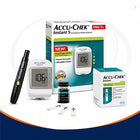
Accu-Chek Instant Strips: Use, Compatibility, Price & Blood Sugar Testing Guide
Accu-Chek Instant Strips: Uses, Features & Complete Guide

accupuncture

Acupuncture Needles & Supplies

Advanced Physiotherapy Machines & Lumbar Physiotherapy
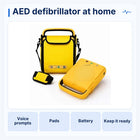
AED Defibrillator: How It Works, Who Can Use It and Where to Place It

Airways
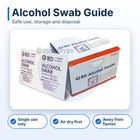
Alcohol Swab: Uses, Safe Use and Disposal Guide
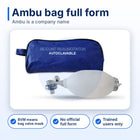
Ambu Bag Full Form: Is There an Official Meaning?
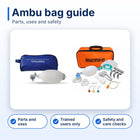
Ambu Bag: Parts, Uses and Safety Guide
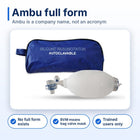
Ambu Full Form: What the Name Means and BVM Basics

Ambulance

Anatomy Models