


Featured ChoiceSave 26%


Ventilator: types, uses and home care guide for India
Ventilators support breathing when a person cannot breathe enough on their own. They can push air into the lungs, add oxygen when prescribed, and give the body time to recover or manage a long-term breathing problem.
This guide explains the ventilator in simple language for families in India. It covers types, uses, safety, home care, and questions to ask the care team. A doctor or trained professional must always guide medical use.
What is a ventilator?
A medical ventilator helps move air in and out of the lungs. Doctors may use a ventilator in an emergency, surgery, critical illness, or long-term breathing weakness.
The ventilator does not cure the illness. It helps with breathing while doctors treat the cause. Cleveland Clinic and MedlinePlus describe this support as care that helps or takes over breathing when the body cannot do enough work alone.
How does a ventilator help a person breathe?
It helps by moving air into the lungs through a tube or mask. The care team sets the amount of help based on oxygen level, carbon dioxide level, lung condition, and comfort.
Oxygen is the gas the body needs to live. Carbon dioxide is the waste gas the body must breathe out. If breathing becomes too weak, these gases can become unsafe.
A mechanical ventilator can assist breathing in three broad ways:
-
Assisted breaths: The person starts a breath, and the ventilator helps.
-
Controlled breaths: The ventilator gives breaths when the person cannot.
-
Pressure support: The ventilator reduces the effort needed to breathe.
-
Oxygen support: The team may add oxygen when the doctor orders it.
The settings are not guesswork. Doctors and respiratory therapists adjust them after checking the patient. A respiratory therapist is a trained breathing care professional.
Why doctors may advise a ventilator
Doctors advise a ventilator when the lungs or breathing muscles cannot meet the body’s needs. Breathing muscles are the muscles that move the chest and pull air into the lungs. Weakness, infection, injury, surgery, or nerve problems can reduce this work.
The goal is not the same for every person. Some people need a ventilator for hours. Some need it for days. Others may need longer care due to chronic disease.
Families should ask the doctor why a ventilator is needed now. They should also ask what signs show improvement. Clear answers help families understand the care plan.
Doctors may use a ventilator when:
-
The person cannot breathe deeply enough.
-
Oxygen levels stay low despite treatment.
-
Carbon dioxide levels rise too much.
-
The person becomes too tired to breathe safely.
-
Surgery or medicines affect normal breathing.
-
A long-term nerve or muscle problem affects the chest.
The care team should explain the reason in plain words. They should also explain what they will monitor each day.
What are the main types of ventilators?
The main types include critical care ventilators, portable units, and devices used for long-term support. The right type depends on the patient’s condition, care location, and breathing route.
An ICU ventilator is usually used for seriously ill patients in a hospital. ICU means intensive care unit, where staff watch very sick patients closely. These ventilators need trained staff and careful monitoring.

A transport unit helps during movement between wards, hospitals, or medical appointments. It should only be used with trained help. Families should not move a dependent patient without a clear plan.
A home medical ventilator machine may support selected patients outside the hospital. Home use needs training, backup planning, cleaning routines, and emergency contacts. The hospital team should confirm if the house is ready.

Hospital critical care ventilators
Hospital ventilators help patients who need close observation. The team may use them after major surgery, severe infection, injury, or breathing failure. Breathing failure means the body cannot take in enough oxygen or remove enough carbon dioxide.

These ventilators connect to monitors. Monitors show oxygen level, heart rate, breathing rate, and blood pressure. MedlinePlus notes that hospital patients on a ventilator are watched closely by the care team.
Portable ventilators for movement
Portable ventilators help when a patient must move safely. The team may use them during ambulance transfer or hospital shifting. The choice depends on the patient’s breathing needs.
Families should ask who will operate the ventilator during travel. They should also ask about battery backup, oxygen arrangements, and emergency steps. Never assume normal travel is safe for a dependent patient.
Long-term support machines
Some people need breathing help beyond the hospital stay. This can include people with nerve, muscle, lung, or spine conditions. In selected cases, the care team may plan long-term care outside the hospital.
The plan should include training for caregivers. It should also include equipment checks, emergency contacts, and follow-up visits. The National Heart, Lung, and Blood Institute notes that home care requires caregiver training and professional help.
What is the difference between invasive and non-invasive ventilators?
The difference is the breathing route. Invasive support uses a tube placed into the windpipe, while non-invasive support uses a fitted mask.
The windpipe is the tube that carries air to the lungs. A tracheostomy is a surgical opening in the neck for a breathing tube. Doctors use it when a person needs a safer or longer airway.
Invasive support may use a tube through the mouth or through the neck. It usually needs closer care because the airway is open to the ventilator. Cleveland Clinic describes this as support through a tube placed in the airway.
Non-invasive support uses a mask over the nose, mouth, or both. It may suit some patients who can protect their airway and clear secretions. Secretions are mucus or fluids from the airway.

Simple comparison
|
Feature |
Tube-based support |
Mask-based support |
|---|---|---|
|
Breathing route |
Tube in airway |
Mask on face |
|
Usual setting |
Hospital or trained long-term care |
Hospital or selected long-term care |
|
Speech and eating |
Often limited |
Often easier, but still guided |
|
Monitoring need |
High |
Depends on condition |
|
Main concern |
Airway care and infection risk |
Mask fit and air leaks |
The doctor decides the safer option. Families should not choose based only on comfort, cost, or ventilator size.
Ventilator vs BiPAP and CPAP
A ventilator can give a wider level of breathing support than BiPAP or CPAP in many clinical situations. BiPAP gives two pressure levels, and CPAP gives one steady pressure level.
BiPAP means bilevel positive airway pressure. CPAP means continuous positive airway pressure. Positive airway pressure means air pressure keeps the airway open and supports breathing.

How is a ventilator different from a BiPAP or CPAP machine?
A ventilator may take over much more of the breathing work when needed. BiPAP or CPAP usually supports breathing through a mask and may suit specific sleep or breathing conditions.
|
Point |
Medical breathing support machine |
BiPAP |
CPAP |
|---|---|---|---|
|
Main role |
Partial or full breathing support |
Two pressure levels |
One steady pressure |
|
Breathing route |
Tube or mask |
Mask |
Mask |
|
Use case |
Serious or complex breathing failure |
Selected breathing weakness or sleep-related issues |
Selected airway collapse during sleep |
|
Settings |
More complex |
Moderate |
Simpler |
|
Supervision |
Doctor-led and trained setup |
Doctor-led setup |
Doctor-led setup |
This table is only a simple guide. A sleep or lung specialist should decide the right device.
Who may need a ventilator at home?
Some patients may need a ventilator outside the hospital after the care team confirms it is safe. This may include people with long-term breathing failure, nerve disease, muscle weakness, or recovery needs.
A patient should not go home only because the family wants it. The team must check the patient’s condition, caregiver training, power backup, oxygen plan, suction plan, and emergency access.
Home care may be considered when:
-
The patient stays stable on planned settings.
-
Caregivers can learn daily tasks.
-
A trained nurse or therapist can support care when needed.
-
The home has reliable power backup.
-
The family can reach emergency care quickly.
-
The doctor gives a written care plan.
Some patients use a ventilator only during sleep. Others may need it for more hours. Leeds Teaching Hospitals notes that some patients use a home ventilator overnight, while others need daytime periods too.
Can a ventilator be used at home?
Yes, it can be used at home for selected patients with a medical plan. The care team must train the family and confirm that the home setup is safe.
In India, families should plan for electricity cuts, space limits, trained help, and quick hospital access. A backup power source is important. So is a clean area for the ventilator and supplies.
A home plan should include:
-
Doctor’s written prescription with settings and use schedule.
-
Training for caregivers on alarms, cleaning, and emergency steps.
-
A power backup plan for outages.
-
A suction plan if the patient has airway mucus.
-
Oxygen instructions if oxygen is prescribed.
-
Emergency phone numbers for doctor, nurse, supplier, and ambulance.
-
Follow-up schedule for review and adjustment.
Families should also discuss daily routine. Ask how bathing, feeding, turning, sleep, and travel should happen. Small daily steps can become risky without training.

What should a family check before buying a ventilator?
A family should first check the prescription, patient needs, and service support. Buying a ventilator without medical guidance can be unsafe.
The doctor should write the type of ventilator needed. The care team should explain whether the patient needs mask-based support or tube-based support. They should also explain how many hours the ventilator may be used.
Before buying or renting, ask these questions:
-
Who will set up the ventilator?
-
Who will train the caregivers?
-
Who will respond if alarms sound?
-
Is local service support available?
-
What backup ventilator or plan is needed?
-
What power backup does the home need?
-
What consumables are required?
-
How often must filters, circuits, or masks be replaced?
-
Who will review settings after discharge?
-
What signs mean the patient must go to hospital?
Do not rely only on online product details. The care team must match the ventilator to the patient. A wrong choice can delay care or create danger.
Fit for the patient
The patient’s illness matters most. A person with mild night-time breathing trouble has different needs from someone with a neck tube. The ventilator must suit the breathing route and care plan.
The patient’s age, weight, cough strength, and alertness may also matter. Cough strength means the ability to push mucus out of the airway. The team should assess these factors before discharge.
Training for caregivers
At least two caregivers should learn the daily tasks when possible. One person may become sick, tired, or unavailable. Training should include alarms, cleaning, tube care, mask fitting, and emergency action.
Caregivers should practice before discharge. NHLBI notes that teams may watch caregivers perform needed tasks before home care begins. This helps reduce unsafe gaps.
Service and emergency support
Service support matters in every city and town. Families should ask how quickly help can arrive. They should also ask what to do at night, on weekends, or during festivals.
Emergency planning should be written, not verbal only. Keep one copy near the patient. Keep another copy with the main caregiver.
What factors affect the price of a ventilator?
Several factors affect cost, but families should not choose by price alone. The safer choice is the ventilator that matches the prescription and care setting.
Prices may vary due to clinical use, brand, features, service, accessories, and rental or purchase model. Avoid assuming that a higher price always means a better match. Avoid assuming that the lowest price is safe.
Common cost factors include:
-
Type of breathing support needed.
-
Hospital or long-term care use.
-
Mask or tube-based setup.
-
Battery and power backup needs.
-
Humidifier or circuit needs.
-
Local service support.
-
Training and installation support.
-
Consumables and replacement parts.
-
Rental duration or purchase plan.
A humidifier adds moisture to the air. This may help protect the airway when the doctor advises it. The care team should say if the patient needs it.
Families should ask for a full estimate. Include the ventilator, accessories, disposables, service visits, power backup, nursing, and follow-up. This gives a clearer picture than the ventilator price alone.
What routine care and safety checks does a ventilator need?
Routine care includes cleaning, alarm checks, power checks, and patient checks. The exact routine must follow the doctor’s plan and the manufacturer’s user guide.
A daily checklist helps families stay calm. It also helps different caregivers follow the same steps. Keep the checklist near the patient’s bed.
Daily checks
Check these items every day:
-
The ventilator is plugged in correctly.
-
Battery backup is charged.
-
Tubing is connected firmly.
-
The mask or tube sits correctly.
-
Alarms are working and not ignored.
-
The air filter looks clean, if visible.
-
The water chamber is filled only as advised.
-
The patient’s breathing looks comfortable.
-
Skin under the mask has no redness or sores.
-
Emergency numbers are easy to find.
Never silence an alarm without checking the patient first. An alarm may signal a leak, blockage, low power, or breathing change. Call trained help if you cannot find the cause quickly.

Cleaning and infection safety
Clean parts only as trained. Use the schedule given by the care team or supplier. Do not use harsh chemicals unless the instructions allow them.
Infection means germs entering the body and causing illness. Tube-based support can raise infection concerns because the airway is more exposed. Hospital teams reduce risk through suctioning, mouth care, and careful airway care.
Wash hands before touching equipment. Keep visitors with fever, cough, or cold away. Store spare parts in a clean, dry place.
Power and oxygen safety
India can have power cuts in many areas. Families should plan backup electricity before discharge. Ask how long the backup must run.
If oxygen is used, keep it away from flames, smoking, and heat. Use oxygen only as prescribed. Do not change the flow unless the doctor tells you.
When to call for urgent help
Call urgent help if the patient has severe distress, blue lips, unusual sleepiness, chest pain, or repeated alarms. Blue lips can mean low oxygen. Severe distress means the person struggles hard to breathe.
Also call if the tube comes out, secretions block breathing, or power backup fails. Keep a manual resuscitation bag nearby only if the team has trained you. Use it only as instructed.
How long might a patient need ventilator support?
The time can range from hours to months or longer. It depends on the illness, strength, lung recovery, and treatment response.
Some people need short support after surgery. Some need days during severe infection. Others need long-term help due to nerve or muscle disease.
Families often ask for an exact date. Doctors may not know early in treatment. A safer question is, “What signs show the patient is ready to reduce support?”
The team may try weaning when the patient improves. Weaning means slowly reducing ventilator support to see if the person can breathe more alone. The team watches oxygen, breathing effort, heart rate, and comfort.
Ask the care team:
-
What is the main reason for support?
-
What has improved since yesterday?
-
What still prevents weaning?
-
What tests guide the decision?
-
What happens if the patient gets tired?
-
What is the next review point?
These questions make the plan clearer. They also help families avoid false hope or needless fear.
What risks should families understand before ventilator support?
Families should understand that support can help breathing but also brings risks. The care team must explain the benefits, risks, and alternatives in simple words.
Possible risks include infection, airway injury, lung strain, low blood pressure, discomfort, and difficulty speaking or eating. Risks depend on the person’s condition and the type of support. Cleveland Clinic notes that complications can include lung overinflation, pneumothorax, and low blood pressure in some situations.
Pneumothorax means air leaks around the lung and may make the lung collapse. It is a medical emergency. Staff monitor patients to reduce and manage such risks.
Sedation may be needed in some hospital cases. Sedation means medicine that relaxes or makes a person sleepy. It can help comfort, but it also needs close monitoring.
Families should ask:
-
What are the most likely risks for this patient?
-
How will the team reduce those risks?
-
What signs should we watch for?
-
Can the patient speak or eat?
-
How will pain or fear be managed?
-
What choices exist if support does not help enough?
This conversation can feel hard. Still, it helps families make informed decisions.
Doctor-guided questions for the care team
A doctor’s main advice is simple: do not manage breathing support by guesswork. Always follow the written plan, and ask before changing settings.
Settings control pressure, volume, breath timing, and oxygen delivery. Small changes can strongly affect the patient. Only trained professionals should adjust them.
Bring a notebook to each meeting. Write down answers in plain language. Ask the doctor to repeat anything unclear.
Helpful questions include:
-
Why does the patient need this support now? This helps you understand the purpose.
-
Is the goal recovery, comfort, long-term support, or a bridge to another treatment? The goal affects decisions.
-
Which type of ventilator and airway route will be used? This helps you prepare for care needs.
-
What can the patient feel during treatment? Ask about comfort, sleep, speech, and feeding.
-
What signs show improvement or worsening? Families need clear warning signs.
-
Who should we call for each problem? Separate emergency, clinical, and equipment contacts.
-
What training must caregivers complete? Ask for practice, not only verbal teaching.
-
What is the follow-up plan after discharge? Ask when the next review will happen.
These questions make care safer. They also reduce confusion when many relatives receive different updates.
Home care planning in India
Home care in India needs practical planning. Families may manage care in flats, shared homes, or smaller rooms. The setup should keep the patient safe and allow caregivers to move easily.
Choose a clean, well-ventilated room. Keep the ventilator on a stable surface. Avoid placing it near water, cooking smoke, dust, or direct sunlight.
Power planning is very important. Ask the team how long the ventilator can run on battery. Also ask what backup system suits the patient’s needs.
Supplies should stay organised. Use labelled boxes for masks, circuits, filters, gloves, and cleaning items. Keep medicines separate from ventilator parts.
Caregiver roles
Divide tasks clearly. One person can track supplies. Another can manage appointments. A third can support night duty if available.
Caregiver fatigue is real. Tired people may miss alarms or steps. Plan rest periods and backup helpers.
If paid nursing help is used, ask about training. The nurse should understand the patient’s device, airway route, and emergency plan. Do not assume all nurses have the same experience.
Travel and appointments
Plan medical visits in advance. Ask whether the patient needs ambulance support. Ask what equipment must travel with the patient.
Carry the prescription, discharge summary, settings sheet, and emergency numbers. Also carry spare parts advised by the team. Tell the hospital staff that the patient uses breathing support before procedures.
Communication with relatives
Families in India often include many decision-makers. This can help, but it can also create confusion. Choose one main contact for the doctor.
Share written updates with the family group. Avoid changing care based on advice from untrained people. Respect concern, but follow the medical plan.
Common mistakes families should avoid
Many problems start with good intentions. A family member may silence alarms to let the patient sleep. Someone may adjust a mask too tightly to stop leaks. Another person may change oxygen flow without asking.
Avoid these mistakes:
-
Ignoring alarms.
-
Changing settings without approval.
-
Using damaged tubing.
-
Missing cleaning schedules.
-
Blocking air vents on the ventilator.
-
Letting the battery stay uncharged.
-
Keeping no written emergency plan.
-
Buying supplies that do not fit.
-
Delaying hospital care during distress.
-
Allowing untrained people to handle the device.
Training helps prevent these errors. Repeat training after discharge if caregivers feel unsure. Ask the supplier or care team for a return demonstration.
A return demonstration means the caregiver performs the task while a trainer watches. It proves the caregiver can do the step safely. This is better than only hearing instructions.
Buying, renting, and service decisions
Families may consider purchase or rental. The better option depends on the expected duration, medical plan, and service support. Do not decide only on monthly cost.
Ask for a written list of included items. Check whether setup, training, service visits, and replacements are included. Do not assume these are part of the ventilator cost.
Ask the seller or provider:
-
Is this model suitable for the doctor’s prescription?
-
Who will install it?
-
Who will set it up with the prescribed settings?
-
What accessories come with it?
-
What consumables must we buy regularly?
-
How do we contact support at night?
-
What happens if the device fails?
-
Is a backup device needed?
Do not accept vague answers for critical care needs. The family should understand exactly who handles clinical issues and who handles equipment issues.
Simple glossary for families
Medical words can feel stressful. This short glossary can help during doctor discussions.
-
Airway: The path air takes from nose or mouth to lungs.
-
Circuit: The tubing that connects the ventilator to the patient.
-
Humidification: Adding moisture to the air.
-
Intubation: Placing a tube through the mouth into the windpipe.
-
Oxygen saturation: A reading that shows oxygen level in blood.
-
Suctioning: Removing mucus from the airway using a suction device.
-
Tracheostomy: A surgical neck opening into the windpipe.
-
Weaning: Reducing ventilator support when the patient can breathe more alone.
Ask the team to explain any word you do not know. Good care includes clear communication.
FAQs
What is a medical ventilator?
A medical ventilator is a machine that supports breathing when the body cannot do enough work. It may help for a short illness or a longer condition. A trained team must decide how to use it.
What is a mechanical ventilator?
A mechanical ventilator is another name for a machine that moves air for breathing support. It may assist breaths or give breaths based on settings. Doctors use it when normal breathing is not enough.
What is a ventilator machine used for?
A ventilator machine is used to support breathing during serious illness, surgery, injury, or long-term breathing weakness. It does not treat the root disease by itself. Doctors treat the cause while the ventilator supports breathing.
What is an ICU ventilator?
An ICU ventilator helps very sick patients who need close hospital monitoring. Staff watch the patient and adjust care as needed. It is not meant for casual or untrained use.

What is a medical ventilator machine for home use?
A medical ventilator machine for home use helps selected patients outside the hospital. The patient must be stable enough, and caregivers must be trained. The care plan should include emergency steps and follow-up.
Can families change settings if the patient looks uncomfortable?
No, families should not change settings unless a trained professional tells them to. Call the care team if the patient looks uncomfortable. Check simple issues like mask position or tubing only as trained.
Can a patient eat or speak while using breathing support?
Sometimes, but it depends on the airway route and condition. Tube-based support often limits speech and eating. Ask the doctor and the speech or swallowing therapist before giving food or water.
Is oxygen the same as machine breathing support?
No, oxygen and machine breathing support are different. Oxygen adds more oxygen to breathed air. Machine support helps move air in and out of the lungs.
How often should follow-up happen?
Follow-up depends on the patient’s condition and care plan. The doctor should give a clear schedule before discharge. Families should seek earlier help if symptoms or alarms increase.
What records should families keep?
Families should keep prescriptions, settings, discharge summaries, service records, and emergency contacts. They can also note daily alarms, symptoms, and supply changes. This record helps doctors review care.
Conclusion
A ventilator can be life-supporting breathing care, but it needs careful medical guidance. Families should understand the type of support, risks, daily checks, and emergency plan before hospital discharge or purchase.
For India, safe planning should include trained caregivers, power backup, service access, and clear doctor instructions. When in doubt, do not guess. Call the care team and follow the written plan.
Explore more breathing devices
Respiratory care
Explore Medical Collections
All Categories
Abdominal & Maternity Support

Accessories

Accu-Chek Instant Strips: Use, Compatibility, Price & Blood Sugar Testing Guide
Accu-Chek Instant Strips: Uses, Features & Complete Guide

accupuncture

Acupuncture Needles & Supplies

Advanced Physiotherapy Machines & Lumbar Physiotherapy

Airways

Alcohol Swab: Uses, Safe Use and Disposal Guide

Ambu Bag Full Form: Is There an Official Meaning?
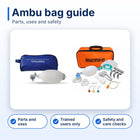
Ambu Bag: Parts, Uses and Safety Guide

Ambu Full Form: What the Name Means and BVM Basics

Ambulance

Anatomy Models
Anesthesia Machine
You may also need
FOR YOURecommended for you
Save 26%