


Featured Choice





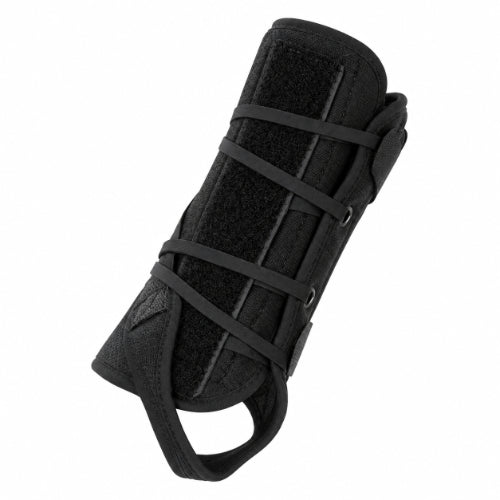


What customers say
★★★★★ 5.0 · 8 reviews
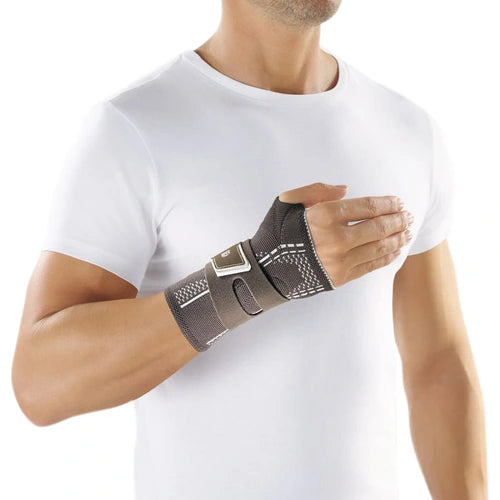
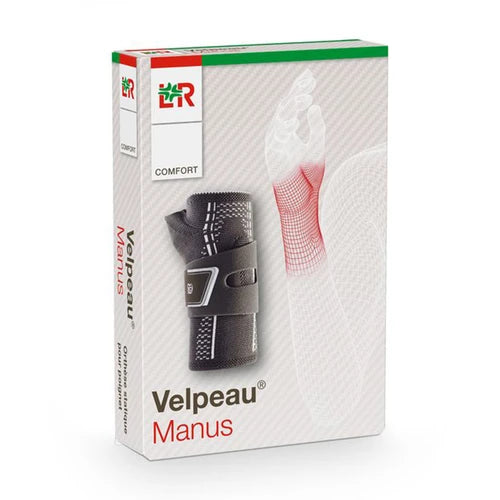
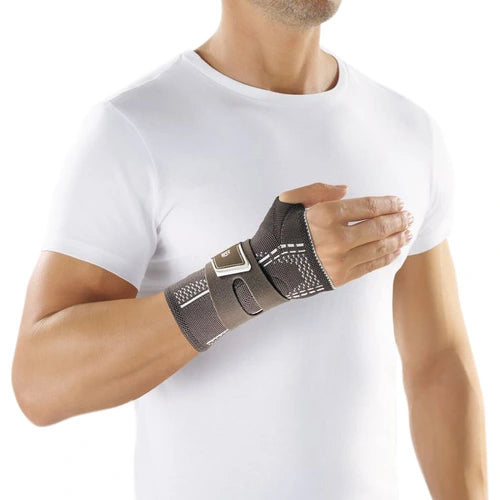
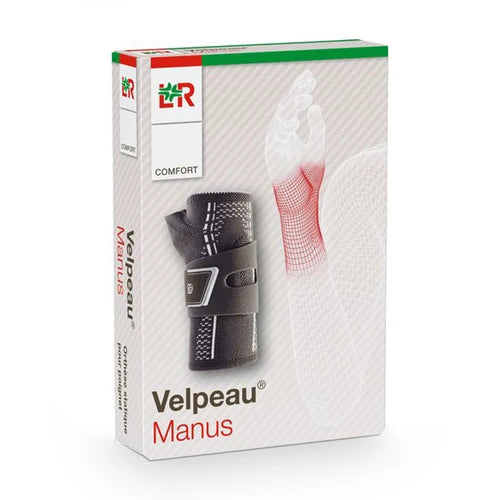
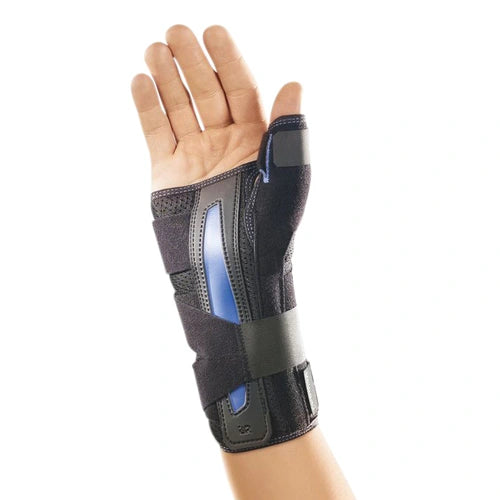
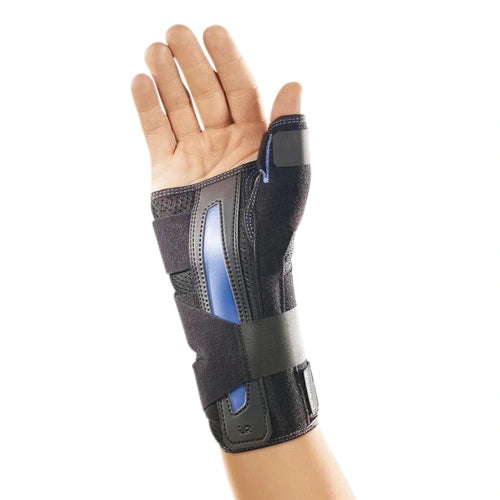
 Wrist Support Manu Comfort Right from Velpeau France
“Soft, supportive, great for recovery!”
“The Wrist Support Manu Comfort Right from Velpeau France is soft, comfortable, and provides excellent suppo...”
 Wrist Support Manu Comfort Left from Velpeau France
“Comfortable, supportive, great fit overall!”
“The Wrist Support Manu Comfort Left from Velpeau France offers great comfort and secure support, helping to...”
 Wrist Support Manu Xpro Right from Velpeau France
“Comfortable, supportive, great for recovery!”
 Wrist Support Manu Xpro Left from Velpeau France
“Durable, comfortable, excellent wrist support!”
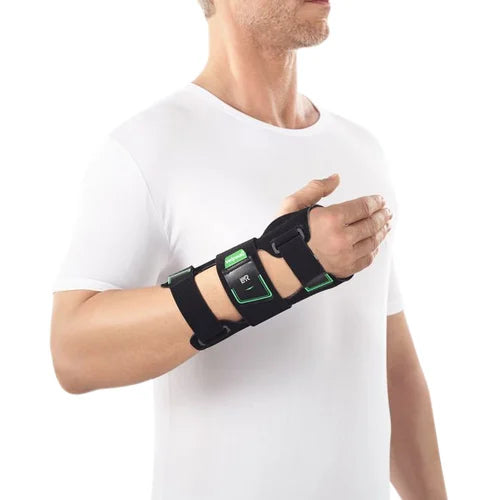
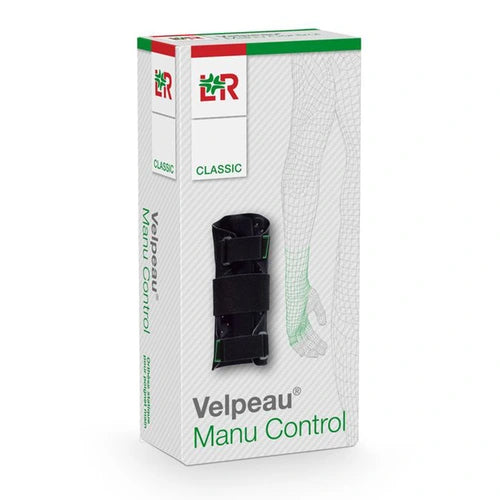
 Wrist Support Manu Control Classic from Velpeau France
“Perfect fit, supportive, highly recommended!”
“The Wrist Support Manu Control Classic from Velpeau France offers great stability and comfort, effectively ...”
Wrist Splint Benefits: Support, Care & Use Guide
Benefits of Using a Wrist Splint
A wrist splint is an external support that limits wrist movement or holds the joint in a prescribed position. It may ease symptoms, protect an injured area, or support rehabilitation, but its benefits depend on the condition you treat and how well it fits. Understanding when to wear it, how to care for it, and when to seek advice helps you use it safely rather than simply wearing it longer or tighter.

What is a wrist splint used for?
A wrist splint supports the wrist, restricts selected movements, or holds a position that suits a particular condition. Common uses include nighttime support for carpal tunnel syndrome, protection after certain wrist injuries, and support during recovery from a fracture or operation. Different conditions require different designs and wearing schedules, so one person's splint instructions may not be appropriate for someone else.
Most people encounter a removable wrist support splint with straps and a firm insert. Others receive a custom-molded support or a plaster-based splint after an injury. These supports sit outside the body; the supporting part is not an implant inside the wrist. Clinicians may choose custom splints when an exact fit or a specific protective position matters.
The purpose should be clear before you begin wearing one. For example, a nighttime carpal tunnel splint aims to stop the wrist curling during sleep. A splint used after an injury may instead need to prevent movement that could disturb healing tissues. Although both provide wrist support, their jobs are not interchangeable.
Before leaving an appointment, ask your clinician to explain three things in plain language: what the splint is protecting, which movements remain allowed, and when it may come off. Write those answers down if necessary. A useful instruction is specific enough to guide everyday decisions, such as washing your hands, getting dressed, or doing prescribed exercises, rather than simply saying to use the splint when needed.

Support, positioning, and rest are the main benefits
A wrist splint may help in three related ways: supporting an uncomfortable joint, maintaining a helpful position, and limiting movements that aggravate symptoms. The practical benefit is not necessarily complete immobility. Depending on the design and diagnosis, the goal may be to protect the wrist while allowing appropriate finger movement or selected daily activities.
Support provides an external structure around the wrist. For some painful conditions, this can make selected tasks more manageable. However, easier movement while wearing a support does not establish that the underlying condition has resolved or that unrestricted activity is safe. Injury-related restrictions still need to come from the treating clinician.
Positioning matters particularly in carpal tunnel syndrome. Keeping the wrist near a straight, neutral position can reduce pressure on the median nerve. Here, the useful feature is the position maintained by the splint—not how firmly the straps squeeze the wrist. A splint that forces an unsuitable angle needs reassessment rather than tighter fastening.
Rest means reducing the movements or activities that provoke symptoms. It does not automatically mean stopping all hand use. For mild wrist pain, clinicians may recommend reducing aggravating tasks while maintaining suitable gentle movement; after a fracture or surgical repair, the restrictions can be much more specific.
Think about benefits in functional terms. Your treatment goal might be fewer nighttime awakenings, less discomfort during an approved task, or reliable protection during a defined healing phase. These are more useful discussion points than whether a splint feels especially rigid. They also give you and your clinician something concrete to discuss if wrist pain relief stays limited or the splint becomes uncomfortable.
What is the difference between a wrist brace and a wrist splint?
A wrist brace generally describes a support worn around the wrist, while a wrist splint usually emphasizes holding the joint in a particular position or limiting movement. In practice, the terms overlap: healthcare guidance often uses “brace” and “splint” for the same support. The important distinction is what the support actually does, not the name printed on its instructions.
A soft wrist wrap offers relatively light support. A wrap-around support containing a firm bar can provide more control over wrist position. Some designs extend around the thumb, while others leave it free; that difference matters when the prescribed support needs to stabilize more than the wrist alone.
| Support type | Main feature | Practical implication |
|---|---|---|
| Soft wrist wrap | Flexible material with light support | Does not provide the same positioning control as a rigid support |
| Wrist brace with a firm insert | Fabric body with a supporting bar | Helps stabilize the wrist while straps hold it in place |
| Custom wrist splint | Molded to an individual shape | Allows a clinician to provide a specific fit or position |
| Thumb-and-wrist splint | Extends around the thumb | Supports the thumb as well as the wrist when indicated |
| Injury splint or half-cast | More substantial protective structure | Requires injury-specific fitting and care instructions |
Matching a wrist splint to its clinical purpose
These differences explain why you should not treat a support brace for wrist discomfort as interchangeable with every other form of wrist protection. Match the support to the clinical purpose and the movements it needs to control.
Wrist compression is another separate feature. A feeling of compression does not prove that a brace holds the joint in the intended position. When discussing a brace for the wrist, ask the clinician to show you where it should sit and what movement it should prevent, rather than judging its usefulness by tightness alone.
Shop wrist supports and braces at Meddey
Compare current wrist support options by design and price. Click any product to open its Meddey product page.
 Wrist Support Manu Control Classic from Velpeau France
₹2,999
View product Wrist Support Manu Comfort Right from Velpeau France
₹3,299
View product Wrist Support Manu Comfort Left from Velpeau France
₹3,299
View product Wrist Support Manu Xpro Right from Velpeau France
₹4,499
View product Wrist Support Manu Xpro Left from Velpeau France
₹4,499
View product
Prices and offers can change. Check the live product page for the latest price and availability.
A wrist splint for carpal tunnel targets wrist position
Carpal tunnel syndrome occurs when pressure squeezes the median nerve as it passes through the wrist. Symptoms can include tingling, numbness, pain, and difficulty gripping, and they are often worse at night. A wrist splint for carpal tunnel aims to keep the wrist straight or near neutral, which reduces pressure on that nerve.
Nighttime use can be helpful because people may curl their wrists without realizing it during sleep. A carpal tunnel splint limits that bending. Clinicians also advise some people to use a splint during particular daytime activities that aggravate symptoms, but the schedule should reflect their assessment rather than a blanket instruction to wear it constantly.
Current clinical guidance supports nighttime wrist immobilization near neutral for short- or medium-term improvement in symptoms and function in people with mild to moderate carpal tunnel syndrome seeking nonsurgical management or awaiting surgery. That does not make splinting a guaranteed solution, and persistent symptoms still need reassessment.
When a clinician recommends a splint for wrist carpal tunnel symptoms, clarify the intended position and the follow-up plan. Do not bend the insert yourself to imitate an angle seen in a photograph. Splints may need professional adjustment, and instructions for a different wrist condition may prescribe a different position.
For follow-up, prepare a short description of what has changed: whether you wake less often, which fingers still feel numb, and whether gripping feels more difficult. Report worsening weakness or persistent loss of sensation rather than simply extending splint use. Carpal tunnel syndrome can progress, so a splint that provides partial comfort should not delay assessment of deteriorating hand function.

Injury and fracture support require a specific plan
A wrist injury may involve ligaments, bones, or other tissues, and a splint's role depends on which structure the injury affects. For a wrist sprain, treatment may include resting the injured area and using a splint when needed. Continued symptoms can require reassessment or further imaging to look for a more serious injury.
A wrist splint for fracture serves a different protective purpose from a support used for mild discomfort. Clinicians may use a splint to stabilize a broken wrist, sometimes as part of a sequence involving a cast and later rehabilitation. The type of support and the timing of changes depend on the fracture and its management.
Do not assume a painful wrist is only a sprain because you can still move it. A fracture, dislocation, and substantial sprain can be difficult to distinguish without assessment, and an X-ray may be necessary. If you suspect a break after a fall or other injury, seek prompt medical care rather than relying on a removable wrist brace.
After receiving an injury splint, ask whether it must remain on continuously, whether you may remove it for washing, and which joints you should keep moving. A support with removable straps is not automatically permission to remove it whenever convenient. Written instructions should settle that question before you begin home care.
It also helps to separate comfort from clearance. If the splint makes the wrist feel more secure, do not use that improvement as your own test for lifting, exercise, or a return to strenuous work. Ask for task-specific guidance instead. For example, describe the weight you normally lift or the repeated gripping your work involves so the clinician can address the actual demand.
A ganglion wrist splint may reduce activity-related discomfort
A ganglion is a fluid-filled lump that commonly develops near the wrist or hand. When activity makes a diagnosed ganglion more troublesome, a wrist brace or splint may help symptoms by limiting movement. Sometimes the cyst becomes smaller, but splinting does not guarantee that it will disappear.
The aim of a ganglion wrist splint should therefore be clear: reducing uncomfortable activity or providing temporary support, not forcing the lump away. Do not hit, puncture, or try to burst a ganglion yourself. These approaches can damage the skin or surrounding structures.
A new lump still deserves assessment rather than an assumed diagnosis. A lump that is very painful, hot, or red needs prompt medical advice, particularly if you also feel unwell. Covering it with a tight support is not a substitute for determining what is causing the change.
At an appointment, explain which movements bring on discomfort and whether the support presses directly on the lump. Useful questions include whether the splint targets activities only, what improvement to look for, and when to return if it does not help. This keeps the conversation focused on function and comfort rather than the appearance of the lump alone.
Wearing time should match the treatment goal
When should I wear a wrist splint? Wear it at the times specified for your condition: that might mean overnight, during selected activities, or continuously during a protective phase. These are different treatment plans, not competing instructions. You may remove some splints for hygiene and exercises, while others must stay in place unless a clinician directs otherwise.
How many hours a day should I wear a wrist splint? There is no single safe answer for every wrist problem. The number of hours follows the purpose of treatment, the stage of recovery, and any restrictions on removal. Do not swap a carpal tunnel schedule for a fracture schedule, or vice versa.
Use the following distinctions when checking your instructions:
| Reason for use | Schedule to clarify | Key question for your clinician |
|---|---|---|
| Carpal tunnel symptoms | Nighttime use, with daytime use in selected circumstances | Which activities, if any, justify daytime wear? |
| Painful tasks | Support during specified activities | When should it come off? |
| Recent injury or operation | A prescribed protective schedule | Is any removal allowed? |
| Rehabilitation | Support balanced with approved movement | When should wearing time decrease? |
These patterns vary by condition, so confirm them against your own plan.
Avoid treating more hours as automatically better. Some guidance specifically recommends breaks from a removable wrist support to reduce stiffness, but that advice does not override protection required for an injury. If your instructions seem inconsistent, contact the treating team instead of guessing which recommendation applies.
A practical approach is to keep the schedule with the splint's care instructions. Include the reason for use, permitted removal times, and the planned follow-up. That makes it easier to follow the same plan on busy days and to explain it accurately if another healthcare professional asks.
Can I sleep with a wrist splint on?

Yes, when nighttime wear is part of your treatment plan. Clinicians commonly recommend sleeping in a wrist splint for carpal tunnel syndrome because it helps prevent wrist bending during sleep. However, some working wrist supports do not suit overnight use unless a clinician specifically recommends it. The answer depends on the condition and the support, not simply whether the splint feels comfortable.
Before the first night, make sure you understand how the splint should sit and how firmly to fasten it. It should fit comfortably rather than tightly. New finger symptoms, increased discomfort, or skin irritation are reasons to seek advice, not signs that you need to get used to a tighter fit.
For carpal tunnel symptoms, improvement may take several weeks. An absence of immediate relief does not automatically mean the splint has failed, but do not ignore worsening symptoms while you wait. Keep to the agreed check-up date and contact your clinician sooner if hand function deteriorates.
For your own follow-up notes, distinguish between discomfort that comes from the original condition and discomfort that comes from the splint. For example, record whether you woke with the usual tingling or with a new pressure point under a strap. Bring that information—and the splint itself—to your appointment so your clinician can check the fit and treatment plan together.
Fit and comfort determine how usable the splint is
A wrist splint should sit securely in its intended position without pinching, rubbing, or creating new symptoms. The straps hold the splint in place; do not tighten them until the hand feels squeezed. If the splint becomes uncomfortable or changes how your fingers feel, reassess the fit and contact the team that provided it.
Start by checking that you wear the splint on the correct hand. Some supports are reversible, while others have a fixed shape. Follow the fitting instructions for your own design, including where the support bar belongs and how the straps should close. After cleaning, any removable insert must go back in the correct orientation with its edge properly covered.
How to check the fit of your wrist splint
For an ordinary removable support, a fitting check can follow this sequence:
- Position the hand as demonstrated. Do not force the wrist into a different angle.
- Smooth the material. Check that fabric and straps are lying as intended.
- Secure the straps comfortably. The support should not need excessive tightening to stay in place.
- Check exposed skin and fingers. Look for new swelling or altered color and notice any new tingling.
- Recheck after use. Note any pressure marks or discomfort whenever you can remove the splint.
Ask for a fitting demonstration if any part is unclear, and seek advice about persistent pressure or skin changes.
Do not reshape a molded splint, bend a support bar, cut an edge, or add substantial padding without advice. These changes may alter the fit or intended support. A therapist can assess whether the splint needs adjustment, repair, or replacement.
At the fitting appointment, practice putting the splint on yourself rather than only watching. If you need help fastening it, explain who will assist at home. This gives you a chance to resolve practical difficulties before they become reasons to wear the support inconsistently.
A plain checklist for everyday checks
Use this checklist with your own care instructions. It reminds you to notice changes, not to remove a protective splint that your clinician told you to keep on. Report pressure, skin irritation, numbness, and increasing pain rather than accepting them as normal features of splint wear.
- The splint is on the intended hand and sitting in the position demonstrated.
- The straps hold it securely without an uncomfortable squeezing sensation.
- No hard edge or exposed insert is pressing against the skin.
- Your fingers have no new numbness, tingling, unusual swelling, or color change.
- The splint has no obvious crack, distortion, damaged padding, or unreliable fastening.
- Whenever you can remove the splint, you check for rubbing, blisters, or persistent pressure marks.
- The splint is dry before it goes back on after approved cleaning.
- You know when your next follow-up is due and whom to contact about problems.
If something has changed, note what you found and when it began. That information can make a telephone discussion or fitting appointment more useful than simply reporting that the splint no longer feels right.
Daily activities still need sensible modification
Wrist braces can support selected activities, but they should not become permission to continue every task unchanged. For mild wrist pain, advice commonly includes reducing activities that provoke symptoms and adapting difficult tasks. A splint may be one part of that approach rather than the whole solution.
Make a short list of the tasks that matter most to you: preparing food, typing, using tools, caring for someone, or completing a hobby. At your next appointment, ask which tasks suit you now and whether you should wear the splint for each. Describing the task is more useful than asking only whether you can use your hand normally.
For example, explain whether an activity involves repeated gripping, sustained wrist bending, vibration, or lifting. In carpal tunnel syndrome, changing activities or a workstation may help reduce aggravating positions. The splint does not remove the need to consider those demands.
Driving and machinery deserve a separate conversation. A splint can affect safe control, and healthcare instructions may advise against driving while wearing it. Do not assume that being able to hold a steering wheel establishes that you can drive safely; discuss your situation with the treating clinician and check applicable requirements.
Likewise, ordinary wrist support is not automatically sports protection. Sport-specific wrist guards have a different purpose, including limiting excessive bending during a fall in certain activities. If you are returning to sport after injury, ask about clearance and appropriate protection rather than treating a rehabilitation support as equivalent equipment.
Wrist rehabilitation balances protection with movement
A wrist splint can be part of wrist rehabilitation, but it is not a replacement for the entire recovery plan. Hand therapy may include assessment, customized splinting, home exercises, and work toward movement, strength, and daily function. The balance changes according to the condition and any structures that need protection.
After some injuries, a clinician may allow a removable splint to come off for exercises. In other circumstances, wrist movement must wait until the treating team says it is appropriate. Generic exercises found elsewhere should not override instructions for a fracture, repaired tendon, ligament injury, or recent operation.
Once your clinician permits movement, rehabilitation often involves a gradual return to light functional activities before heavier demands. Following cast or splint removal, examples may include dressing, washing, eating, or turning pages, with progression according to the individual's instructions and symptoms. A wrist support may remain useful for selected more demanding tasks during that transition.
Having a finger in a splint does not automatically mean the wrist should follow the same restrictions, and the reverse is also true. Ask which joints need protection and which should continue moving. Injury guidance commonly distinguishes between the supported area and unaffected joints that you can still exercise.
Useful rehabilitation questions include:
- Which movements am I allowed to practice now?
- Should the wrist splint stay on or come off for each exercise?
- What response means I should stop and contact the therapist?
- Which daily tasks should I reintroduce first?
- How will we decide when less support is appropriate?
Keep the answers with your exercise plan. The goal is an understandable progression, not a contest to spend the longest possible time without support. If you are unsure whether to change the schedule, ask before making a substantial change.
Skin care belongs in the wearing routine
Skin checks help identify problems that may otherwise remain hidden under a wrist support. When you may remove the splint, look for rubbing, irritated patches, blisters, or areas that stay marked after it comes off. Discuss persistent redness or other pressure-related changes with the therapist who manages the splint.
Pay attention to discomfort even when there is no obvious skin change. Burning, stinging, increased pain, or new numbness may indicate that the support needs urgent assessment. Do not scratch beneath a protective cast or splint with an object, and do not put up with a painful edge while waiting for the next routine appointment.
For removable splints, follow the hygiene breaks in your instructions and dry the skin and support before reapplication. White, soggy-looking skin, rashes, or persistent pressure marks are reasons to contact your hand therapist. If your team told you not to remove the splint, ask how to manage skin care instead.
A simple routine is to check the same areas each time you may remove the splint: beneath the straps, along the edges, and around any opening. Record recurring trouble spots so your therapist can assess them at a fitting appointment. Avoid making your own structural alterations to solve rubbing; ask whether the fit or material needs professional adjustment.
Cleaning instructions depend on the splint material

There is no universal washing method for every wrist splint. A fabric support, a molded plastic splint, and a plaster-based injury splint need different care. Use the instructions supplied with your splint, and do not assume that a removable design is machine washable or safe to immerse.
For a washable fabric wrist support, instructions may require removing the metal or plastic insert first. Check its orientation before removal so you can replace it correctly. Some supports allow machine washing, while others specify hand washing; drying instructions also vary, so the care label takes priority over a generic routine.
Molded thermoplastic splints can change shape when exposed to heat. Keep them away from hot water, radiators, hot cars, and other strong heat sources. Where the maker permits it, you may clean them with cool soapy water or a damp cloth and then dry them as directed. Do not use heat to speed up drying or attempt to remold the splint yourself.
A practical cleaning sequence is to read the instructions first, identify any removable parts, clean only by the approved method, and allow the splint to dry fully before reassembly. Check that inserts sit correctly and no hard edge shows before wearing it again.
If you must wear the splint continuously, ask how to handle cleaning without interrupting protection. Also ask what to do if the splint becomes wet or heavily soiled. Resolving those questions in advance is safer than improvising with washing, temporary substitutes, or prolonged removal.
Replacement depends on condition, fit, and function
How long do wrist splints last? There is no single lifespan that applies to every design or wearing pattern. You may need a replacement because of normal wear, accidental damage, or a change in your needs. The useful question is whether the splint still provides its intended support comfortably and reliably.
Inspect the splint for damaged structure, changes in shape, and parts that no longer hold securely. If it becomes broken or damaged, contact the therapist or department responsible for it. Do not attempt structural repairs or modifications without their advice. A splint that looks roughly intact may still need assessment if its fit or effect has changed.
Consider a reassessment when:
- The support no longer sits in the position demonstrated.
- The fit has changed or it has become uncomfortable.
- There is obvious damage to the splint or its components.
- It rubs, causes pain, or leaves persistent marks.
- Your symptoms or treatment goals have changed.
- You are unsure whether continued splint use is still appropriate.
Do not simply tolerate a worn-out or poorly fitting support, because changing needs may call for reassessment rather than an identical replacement.
Distinguish the lifespan of the object from the duration of treatment. You might stop needing a structurally sound wrist splint, or you might need a damaged splint replaced while treatment continues. Bring the support to follow-up appointments so your clinician can consider its condition alongside your symptoms, function, and wearing schedule.
Progress is easier to track with a few clear observations
Before the next appointment, choose a small number of outcomes that reflect why your clinician gave you the splint. For nighttime symptoms, you might note how often you wake. If activity brings on discomfort, describe one approved task that remains difficult. With a protective injury splint, record problems with fit or daily care rather than testing movements your clinician told you to avoid.
Keep the record brief enough to maintain. A few lines about symptoms, wearing times, and any discomfort from the splint can make the discussion more specific. Bring questions about what happens next: continuing the same plan, adjusting the fit, changing activities, or reassessing the diagnosis.
For carpal tunnel symptoms, published patient guidance commonly allows several weeks for a trial of splinting, with a follow-up if symptoms do not improve or get worse. Follow your own clinician's schedule for checks rather than continually renewing the trial yourself.
After an injury, persistent symptoms can also justify reassessment. Some apparent soft-tissue injuries may involve an initially undetected fracture, so do not dismiss a lack of improvement just because a wrist support makes the area feel more secure.
The most useful report is balanced: what feels better, what remains difficult, and what is new. Avoid judging success solely by whether you can tolerate longer wear. A workable treatment plan should also address comfort, permitted movement, daily function, and a clear point for reassessment.
Warning signs should take priority over the wearing schedule
Seek urgent medical assessment if a splinted hand develops severe or increasing pain, marked swelling, new numbness, or fingers that become blue, white, or unusually cold. Loss of the ability to move the fingers also requires urgent evaluation. These changes can indicate a problem with pressure, circulation, or the injury itself.
For an adjustable removable support, check whether the straps are too tight and follow the instructions your clinician gave you about loosening or removal. Do not cut off or substantially alter a protective injury splint yourself. If concerning symptoms persist—or you are unsure how to respond—obtain urgent care rather than waiting for a routine fitting appointment.
Other reasons for prompt advice include broken skin, blisters, increasing redness or irritation, discharge, an unpleasant smell beneath a protective splint, or fever with worsening symptoms. A splint that has cracked, loosened, or feels uncomfortably tight also needs attention.
Do not use pain relief from a support to dismiss a substantial new injury. Severe pain after a fall, visible deformity, significant swelling, or difficulty using the hand warrants assessment. A wrist splint may be part of treatment, but it cannot establish the diagnosis or confirm that a damaged structure is safe to load.
Before a problem occurs, identify whom to contact during office hours and where to seek urgent help outside them. Keep those details with the care instructions. Knowing the route to advice makes it easier to act promptly instead of debating whether discomfort is simply part of wearing the splint.
Wrist splint FAQs
1. What is a wrist splint used for?
A wrist splint supports the wrist, limits selected movements, or holds the joint in a position that suits your condition. People use one for carpal tunnel symptoms, after certain injuries, and during recovery from a fracture or operation. The purpose decides the design and the wearing schedule, so follow the plan for your own condition.
2. Does a wrist splint help carpal tunnel syndrome?
It can help. Current clinical guidance supports wearing a splint at night to hold the wrist near neutral, which reduces pressure on the median nerve. The approach suits mild to moderate symptoms, whether you want non-surgical treatment or are waiting for surgery. If symptoms persist or your grip weakens, ask your clinician about the next step.
3. How long does a wrist splint take to work for carpal tunnel?
Improvement can take several weeks. One NHS Scotland patient leaflet suggests a trial of at least eight weeks of nightly wear before you judge the result. Keep your follow-up appointment, and contact your clinician sooner if numbness spreads or hand function gets worse.
4. How many hours a day should I wear a wrist splint?
No single number fits every wrist problem. Carpal tunnel plans often focus on night wear, with daytime use for selected tasks, while an injury or operation may need continuous wear until your clinician says otherwise. Ask which tasks need the splint and when you may remove it.
5. Can I sleep with a wrist splint on?
Yes, when night wear forms part of your treatment, as it often does for carpal tunnel syndrome. The splint should feel comfortable rather than tight. New finger symptoms, more pain, or skin irritation mean you should seek advice instead of tightening the straps.
6. What is the difference between a wrist brace and a wrist splint?
The two terms overlap, and healthcare guidance often uses them for the same support. A splint usually emphasizes holding the joint in a set position or limiting movement, while a brace describes a support worn around the wrist. Judge a product by what it does, such as a firm insert, a thumb extension, or a custom molded fit, not by its name.
7. Can I use a wrist splint for a sprain or fracture?
Clinicians may use a splint for a sprain, and they also use splints to stabilize a broken wrist, sometimes before a cast. For a mild sprain, a splint often covers a few days to about two weeks, then your clinician may encourage gentle movement. A painful wrist can hide a fracture, so get an assessment, and an X-ray if needed, before you rely on a removable brace.
8. Can a wrist splint help a ganglion cyst?
It may ease activity-related discomfort by limiting movement, and the lump sometimes becomes smaller, but a splint does not guarantee that it will disappear. Never hit, puncture, or try to burst a ganglion yourself. Get any new lump assessed instead of assuming a diagnosis.
9. How do I clean a wrist splint?
Follow the care instructions that came with your splint. Washable fabric supports may need the insert removed first, while molded plastic splints can change shape in heat, so clean them with cool soapy water or a damp cloth and keep them away from radiators and hot cars. Let the splint dry fully before you put it back on.
10. When should I see a doctor about my wrist splint?
Seek urgent medical care if your splinted hand develops severe or increasing pain, marked swelling, new numbness, or fingers that turn blue, white, or unusually cold. Get prompt advice for blisters, broken skin, increasing redness, discharge, an unpleasant smell under the splint, or a splint that cracks or loosens. Do not wait for a routine appointment when these signs appear.
Explore the complete wrist splint and support range
View all splints
Explore Medical Collections
All Categories
Abdominal Belt: Support After Surgery, in Pregnancy and After Delivery

Accessories
Accu-Chek Instant Strips: Use, Compatibility, Price & Blood Sugar Testing Guide
Accu-Chek Instant Strips: Uses, Features & Complete Guide

accupuncture

Acupuncture Needles & Supplies

Advanced Physiotherapy Machines & Lumbar Physiotherapy

AED Defibrillator: How It Works, Who Can Use It and Where to Place It

Airways
Alcohol Swab: Uses, Safe Use and Disposal Guide

Ambu Bag Full Form: Is There an Official Meaning?

Ambu Bag: Parts, Uses and Safety Guide

Ambu Full Form: What the Name Means and BVM Basics

Ambulance

Anatomy Models
You may also need
FOR YOURecommended for you