
1
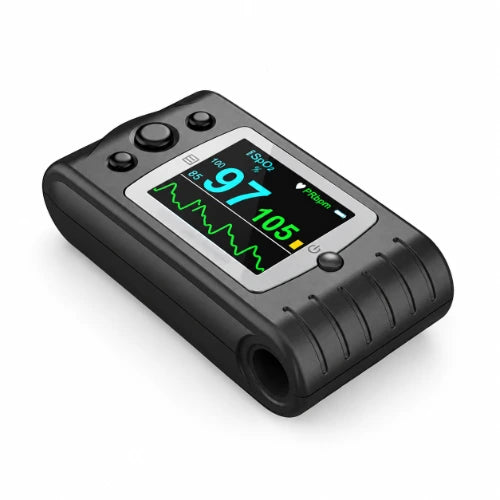
Contec CMS60C Handheld Pulse Oximeter with Adult SpO2 Probe


Double-tap to zoom · drag to pan · swipe to browse
Contec CMS60C Handheld Pulse Oximeter with Adult SpO2 Probe
In Stock
Check delivery
See if we deliver to you and when.
Delivering to
Delivery applicable
Free Shipping
on orders ₹999+
Warranty
2 Months Warranty
100% Genuine
Products
Dedicated
Support
Secure
Payments
Need help choosing or using this product?
Our team can help with product questions and orders.
Chat with support
Choose options
- Make sure the hand is warm and relaxed.
- Connect the correct SpO2 probe to the monitor.
- Place the sensor correctly on the finger.
- Turn on the CMS60C.
Check delivery
See if we deliver to you and when.
Delivering to
Delivery applicable
- Make sure the hand is warm and relaxed.
- Connect the correct SpO2 probe to the monitor.
- Place the sensor correctly on the finger.
- Turn on the CMS60C.
Check delivery
See if we deliver to you and when.
Delivering to
Delivery applicable
About this product
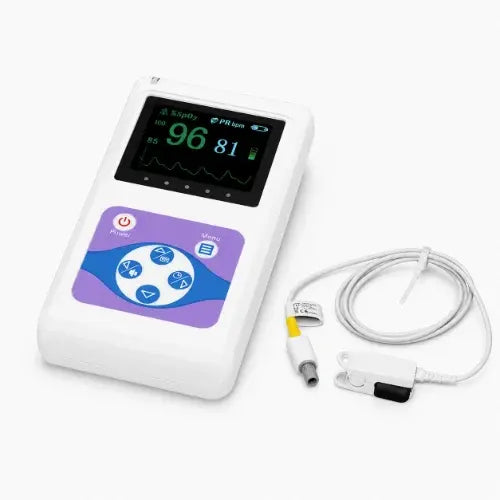
If you or a family member needs more detailed oxygen monitoring than a basic fingertip device provides, the Contec CMS60C pulse oximeter offers a handheld monitor with a separate finger probe, colour display, alarms and data storage.
It measures SpO2, which means estimated blood oxygen saturation, and pulse rate, which means the number of heartbeats detected in one minute.
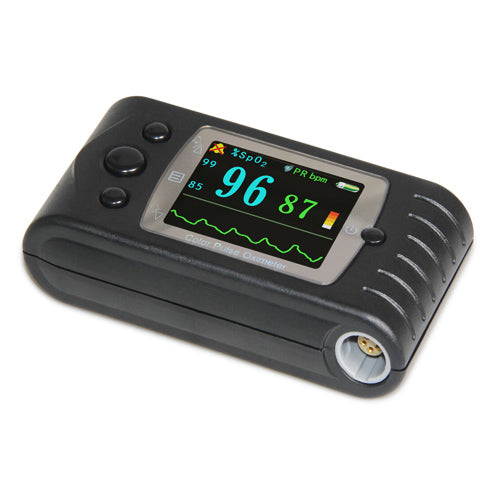
The CMS60C can show readings together with a pulse waveform and bar graph. It can also store monitoring data for later computer review. Therefore, it may suit families who need more structured oxygen monitoring under healthcare guidance.
However, the monitor does not diagnose a medical condition by itself. Always consider oxygen readings together with symptoms and professional medical advice.
Contec CMS60C Pulse Oximeter for Home Monitoring
A standard fingertip oximeter usually combines the screen and finger sensor in one small clip. The CMS60C works differently.
The main handheld unit stays separate from the external SpO2 probe. This gives you a larger screen and additional monitoring features while the probe remains attached to the finger.
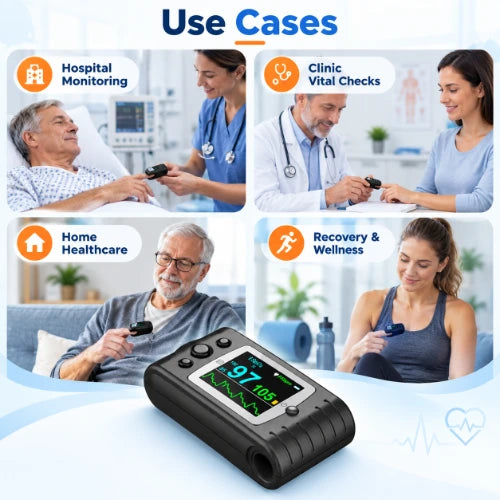
If a doctor has advised regular oxygen monitoring for you or a family member, features such as alarms, stored readings and waveform display may make it easier to keep track of measurements over time.
Simple buying advice: if you only want an occasional quick oxygen check, a basic fingertip oximeter may be enough. The CMS60C makes more sense when you need a larger handheld display, alarms, an external probe or stored monitoring data.
SpO2 and Pulse Rate Explained Simply
SpO2 SpO2 means estimated blood oxygen saturation. It shows the estimated percentage of oxygen carried in the blood.
Pulse Rate / PR Pulse rate means how many times the heart beats in one minute. The monitor displays this in bpm, or beats per minute.
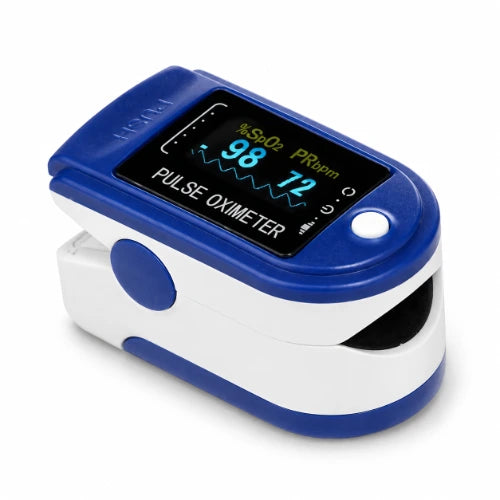
Pulse Waveform The waveform is a moving visual pattern linked to the detected pulse. It gives extra information about the signal being received.
Bar Graph The bar graph gives a simple visual indication of the detected pulse signal.
Alarm Limits Upper and lower limits can be set so the device can provide audible and visual prompts when readings move outside those settings.
External SpO2 Probe Instead of placing the whole monitor on the finger, a separate sensor connects the finger to the handheld unit.
How Does the Contec CMS60C Handheld Pulse Oximeter Work?
The connected finger probe uses red and infrared light to estimate oxygen saturation and detect the pulse. The handheld monitor then displays the results on its colour TFT screen.
Once the probe is positioned correctly, keep the hand relaxed and still while the reading settles. The screen can show SpO2, pulse rate, a bar graph and the pulse waveform at the same time.
The CMS60C can also store measurement information. Later, compatible software can transfer stored data to a computer for review and analysis.
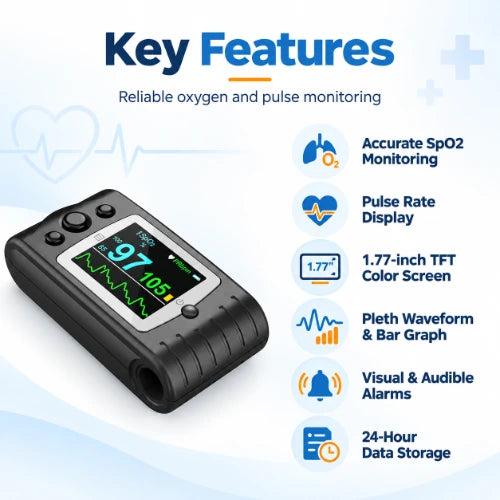
Key Features of the Contec CMS60C Pulse Oximeter
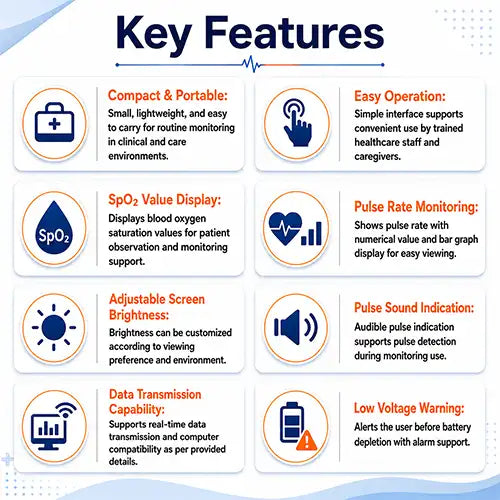
SpO2 and Pulse Monitoring
Measures estimated blood oxygen saturation and pulse rate through a compatible external finger probe.
Colour TFT Display
The 1.77-inch colour TFT screen displays SpO2, pulse rate, pulse waveform and bar graph information.
Audible and Visual Prompts
Adjustable upper and lower limits allow the monitor to provide sound and visual prompts when measurements move outside the set limits.
24-Hour Data Storage
The device can store monitoring data for up to 24 hours for later review.
PC Data Transfer
Stored information can be uploaded to a compatible computer using the supplied data connection and software.
Rechargeable Battery
The built-in 3.7V lithium battery supports portable use and is listed for up to 26 hours of operation per charge.
Adjustable Screen
Dual-direction viewing and three brightness levels help make the display easier to see in different situations.
Portable Handheld Design
Its compact size makes the CMS60C easier to carry between rooms, appointments or monitoring locations.
How to Take a Pulse Oximeter Reading at Home
Taking a measurement is straightforward, but correct probe placement and keeping still are important.
- Make sure the hand is warm and relaxed.
- Connect the correct SpO2 probe to the monitor.
- Place the sensor correctly on the finger.
- Turn on the CMS60C.
- Keep the hand and finger still during measurement.
- Wait for the displayed values to become steady.
- Record the reading if your doctor has asked you to keep a log.
Follow the supplied user manual and any monitoring instructions given by your doctor or healthcare professional.
What Can Affect Pulse Oximeter Readings?
Pulse oximetry is useful for estimating blood oxygen, but readings can sometimes be affected by how or where the measurement is taken.
Factors that may affect a reading include:
- Movement during measurement
- Cold hands or low skin temperature
- Poor circulation
- Incorrect probe placement
- Fingernail polish
- Strong surrounding light in some situations
- Skin pigmentation and other individual factors
If a reading looks unexpected, first check the probe position and keep the hand still. If readings remain concerning or the person has worrying symptoms, contact a healthcare professional.
Do not rely only on the screen: a pulse oximeter estimates oxygen saturation. Consider the number together with symptoms and how the person feels.
You can also read the FDA guidance on using pulse oximeters for additional information about home monitoring and measurement limitations.
CMS60C Measurement Accuracy and Specifications
Instead of relying on general claims such as “perfectly accurate,” it is more useful to look at the manufacturer's stated measurement specifications.
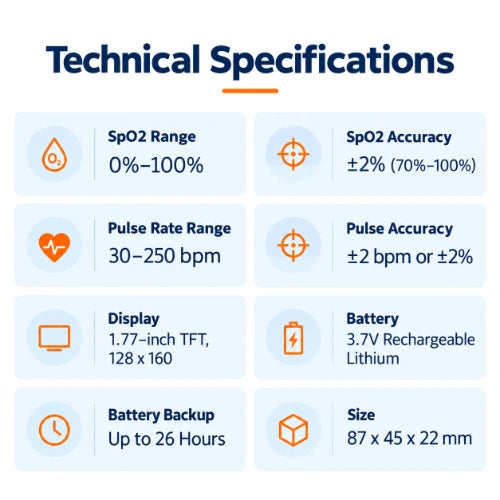
| Specification | Details |
|---|---|
| Brand | CONTEC |
| Model | CMS60C |
| Product Type | Handheld Pulse Oximeter |
| SpO2 Measurement Range | 0%–100% |
| SpO2 Resolution | 1% |
| SpO2 Accuracy | ±2% from 70%–100%; below 70% unspecified |
| Pulse Rate Range | 30–250 bpm |
| Pulse Rate Accuracy | ±2 bpm or ±2%, whichever is greater |
| Display | 1.77-inch colour TFT, 128 × 160 resolution |
| Display Direction | Dual direction |
| Brightness | 3 adjustable levels |
| Data Storage | Up to 24 hours |
| Battery | 3.7V rechargeable lithium battery |
| Battery Operation | Up to 26 hours per charge |
| Device Size | 87 × 45 × 22 mm |
| Warranty | 1-year limited manufacturer warranty |
Adult, Child and Newborn Monitoring
The CMS60C works with external SpO2 probes, so the correct probe matters for the person being monitored.
The standard Meddey package lists an adult SpO2 probe. Paediatric or neonatal monitoring requires a compatible probe designed for that patient group.
Therefore, do not use the supplied adult probe for a baby or small child simply because the monitor itself supports other patient groups. Confirm the correct probe with a healthcare professional or supplier first.
What's Included with the Contec CMS60C?
- CMS60C handheld pulse oximeter
- Adult SpO2 probe
- 3.7V rechargeable lithium battery
- Power adapter
- Data cable for PC connection
- Compatible PC software for data upload and review
- User manual
Other compatible SpO2 probes may be available separately. Confirm the required probe before ordering if the monitor will be used for a child, newborn or another special monitoring situation.
Data Storage and Computer Review
One useful difference between the CMS60C and many simple fingertip oximeters is its ability to store measurement data.
The device supports up to 24 hours of stored information. You can then transfer the data to compatible PC software for review.
This may be helpful when a doctor has asked a family member to keep a longer oxygen-monitoring record rather than relying only on occasional readings.
Contec CMS60C for Clinics and Healthcare Professionals
Although this page mainly explains the CMS60C for families and home monitoring, its external probe, alarm settings, waveform display and data-storage functions also make it relevant for professional environments.
Clinics and healthcare professionals can use compatible probes according to the patient group and their monitoring requirements.
Healthcare professionals should interpret SpO2 and pulse information together with the person's symptoms, history and other clinical findings.
Frequently Asked Questions About the Contec CMS60C Pulse Oximeter
What does the Contec CMS60C measure?
It measures estimated blood oxygen saturation, shown as SpO2, and pulse rate. It also displays a pulse waveform and bar graph.
Is the CMS60C different from a fingertip pulse oximeter?
Yes. The CMS60C is a handheld monitor with a separate external probe. It also provides alarms, waveform display, data storage and PC transfer.
Can the CMS60C be used at home?
Yes, it can support home monitoring when used according to the supplied instructions and any guidance provided by a healthcare professional.
How accurate is the Contec CMS60C?
The stated SpO2 accuracy is ±2% in the 70%–100% range. Accuracy below 70% is unspecified. Pulse-rate accuracy is ±2 bpm or ±2%, whichever is greater.
Does it come with a finger probe?
Yes. The current Meddey package lists an adult SpO2 probe. Other compatible probes may need to be purchased separately.
Can the CMS60C be used for children or newborns?
The monitor can work with different compatible probes. Paediatric or neonatal use requires the correct probe for that patient group rather than the standard adult probe.
How much data can it store?
The CMS60C supports up to 24 hours of stored monitoring information for later upload and review.
Can readings be transferred to a computer?
Yes. The supplied data connection and compatible software allow stored information to be uploaded to a computer.
Can a pulse oximeter diagnose low oxygen or another illness?
No. It provides an estimate of oxygen saturation and pulse information. A healthcare professional should diagnose medical conditions and interpret concerning readings.
Contec CMS60C Handheld Pulse Oximeter
If you or a family member needs more detailed SpO2 monitoring, the CMS60C combines an external adult probe, colour display, alarms, pulse waveform, rechargeable battery and 24-hour data storage in a portable handheld monitor.
Choose the correct probe for the person being monitored and follow professional guidance when readings form part of a medical monitoring plan.
Explore more: Pulse Oximeters | Automatic Blood Pressure Monitors
Need help before ordering?
Call or WhatsApp Meddey: +91 8586-012345
Call or WhatsApp Meddey: +91 8586-012345
Manufacturer / Importer / Marketed By:
Meddey Technologies Pvt Ltd.
C-75, First Floor, DDA Sheds,
Industrial Area, Phase 1, Okhla,
New Delhi – 110020
Call / WhatsApp: +91 8586-012345
Medical Usage Note: A pulse oximeter estimates oxygen saturation and pulse rate. Do not rely on a reading alone to diagnose or manage a medical condition. If readings remain concerning or symptoms become serious or worsen, contact a qualified healthcare professional.
Meddey Technologies Pvt Ltd.
C-75, First Floor, DDA Sheds,
Industrial Area, Phase 1, Okhla,
New Delhi – 110020
Call / WhatsApp: +91 8586-012345
Medical Usage Note: A pulse oximeter estimates oxygen saturation and pulse rate. Do not rely on a reading alone to diagnose or manage a medical condition. If readings remain concerning or symptoms become serious or worsen, contact a qualified healthcare professional.
You may also need
FOR YOURecommended for you
Save 55%

Save 39%

Save 8%

Save 37%

Save 33%

Save 35%


Save 19%

Save 36%