1


i3 Automated External Defibrillator


Double-tap to zoom · drag to pan · swipe to browse
i3 Automated External Defibrillator
In Stock
Check delivery
See if we deliver to you and when.
Delivering to
Delivery applicable
Free Shipping
on orders ₹999+
Warranty
5 Years Brand Warranty
100% Genuine
Products
Dedicated
Support
Secure
Payments
Need help choosing or using this product?
Our team can help with product questions and orders.
Chat with support
Choose options

- Biphasic Waveform: The device uses a BTE waveform for controlled shock delivery.
- Adult Energy: The device supports up to 200 J for adult use.
- Pediatric Energy: The device supports up to 50 J for pediatric use.
- Voice Guidance: The device gives voice prompts to guide the user through each step.
Check delivery
See if we deliver to you and when.
Delivering to
Delivery applicable
- Biphasic Waveform: The device uses a BTE waveform for controlled shock delivery.
- Adult Energy: The device supports up to 200 J for adult use.
- Pediatric Energy: The device supports up to 50 J for pediatric use.
- Voice Guidance: The device gives voice prompts to guide the user through each step.
Check delivery
See if we deliver to you and when.
Delivering to
Delivery applicable
About this product
i3 Automated External Defibrillator
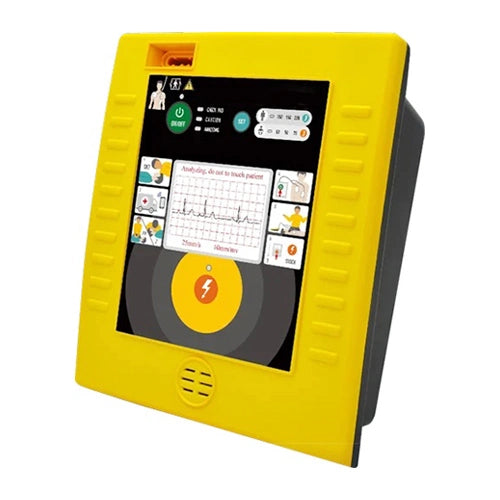
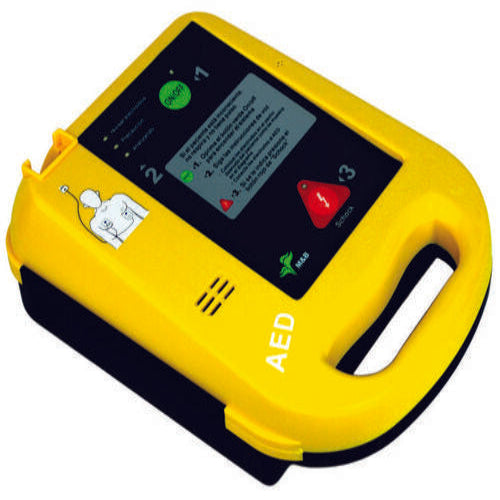
The i3 Automated External Defibrillator is an emergency heart care device. It helps trained users respond during sudden cardiac arrest. The device checks the heart rhythm and gives clear voice and visual steps. Therefore, it can help users follow the correct process during an emergency.
The i3 AED uses a Biphasic Truncated Exponential (BTE) waveform. It supports different shock levels for adult and pediatric use. For adults, the device can deliver up to 200 J. For pediatric use, it can deliver up to 50 J, based on the listed product details.
In addition, the device uses a lithium manganese dioxide battery. The battery can provide a minimum of about 200 shocks. It can also have a validity of up to 5 years. Furthermore, the device runs daily self-tests to help check its status.
Product Overview
The i3 Automated External Defibrillator supports emergency heart care. It checks the heart rhythm and helps the user decide the next step. Therefore, the device can support a clear and guided emergency response.
First, the user turns on the device. Next, the i3 gives voice and visual instructions. The user then follows each step shown by the device. As a result, the process becomes easier to follow during a high-pressure situation.
The i3 also stores heart data and event records. The listed product details show storage for up to 24 hours of ECG data and up to 1,000 events. In addition, an optional built-in 4G module can support tracking and data transfer on suitable models.
Overall, the i3 combines heart rhythm checks, shock delivery, voice guidance, visual guidance, battery checks, and data storage in one device.
Key Features & Benefits
- Biphasic Waveform: The device uses a BTE waveform for controlled shock delivery.
- Adult Energy: The device supports up to 200 J for adult use.
- Pediatric Energy: The device supports up to 50 J for pediatric use.
- Voice Guidance: The device gives voice prompts to guide the user through each step.
- Visual Guidance: The screen and visual signs give extra help during use.
- Long-Life Battery: The lithium manganese dioxide battery can provide at least 200 shocks and may have a life of up to 5 years.
- Daily Self-Test: The device checks its main functions each day and reports its status.
- ECG Data Storage: The device can store up to 24 hours of ECG data.
- Event Storage: The device can store up to 1,000 events.
- Optional 4G Support: A suitable version can use a built-in 4G module for tracking and data transfer.
- Portable Design: The AED design makes it suitable for use in different approved emergency areas.
Emergency Cardiac Response Support
Sudden cardiac arrest needs fast action. Therefore, an AED can play an important role in an emergency response plan. The i3 checks the heart rhythm and guides the user through the next steps.
The device gives both voice and visual instructions. Because of this, trained users can follow the prompts while they also manage other parts of the emergency response.
For example, the user can follow the AED prompts while the emergency medical team is called. At the same time, trained responders can follow the local CPR and AED process.
However, the AED does not replace CPR or professional medical care. Instead, it works as one part of a wider emergency response.
Heart Rhythm Check & Shock Support
The i3 checks the patient's heart rhythm through its automatic analysis system. After the check, the device gives the next instruction. Therefore, the user can follow the device prompts during the emergency.
The available product details state that the heart rhythm check can take less than 8 seconds under the listed test conditions. In addition, the stated charging time can be less than 10 seconds with a new and fully charged battery at 20°C.
After repeated battery use, the charging time can increase. The listed details state a charging time of less than 12 seconds under the stated test conditions.
When the device completes charging, it gives clear signs. These signs can include a voice prompt, a flashing shock indicator, and an audible sound. Therefore, the user can follow the device before continuing with the emergency process.
Technical Specifications
| Specification | Details |
|---|---|
| Product Name | i3 Automated External Defibrillator |
| Product Type | Automated External Defibrillator (AED) |
| Waveform | Biphasic Truncated Exponential (BTE) |
| Adult Energy | 200 J |
| Pediatric Energy | 50 J |
| Battery Type | Lithium Manganese Dioxide |
| Battery Capacity | Minimum 200 shocks |
| Battery Validity | Up to 5 years |
| ECG Storage | Up to 24 hours |
| Event Storage | Up to 1,000 events |
| Self-Test | Daily self-test |
| Connectivity | Optional built-in 4G module |
| Guidance | Voice and visual instructions |
Note: Product details can change based on the model and configuration. Therefore, always check the exact product details before purchase or use.
Suitable Emergency & Healthcare Applications
The i3 Automated External Defibrillator can support emergency planning in many approved locations. However, the exact place of use depends on local rules, training, and the needs of the organization.
For example, suitable areas can include:
- Hospitals and healthcare facilities
- Emergency care areas
- Clinics and medical centres
- Ambulances and emergency response units
- Offices and workplaces
- Schools and educational centres
- Gyms and fitness centres
- Public buildings
- Large commercial facilities
- Other approved emergency response locations
In addition, each organization should plan staff training, device checks, battery checks, electrode checks, and emergency response steps before placing the AED into service.
How to Use the i3 Automated External Defibrillator
Only trained or authorized users should operate an AED. Always follow the device instructions and local emergency rules. The steps below give a general overview.
- Start the emergency response: Call the local emergency medical service and begin the approved emergency process.
- Turn on the AED: Switch on the i3 and listen to the voice instructions.
- Prepare the patient: Follow the device instructions and prepare the patient as required by the AED and CPR process.
- Allow rhythm checking: Keep the patient still while the AED checks the heart rhythm.
- Follow the prompts: Listen to the voice instructions and follow the visual signs shown by the device.
- Continue the response: Continue to follow the AED and CPR instructions until trained medical help takes over.
Important: This general guide does not replace formal AED or CPR training.
AED Readiness & Emergency Preparation
An AED should stay ready for use. Therefore, organizations should check the device on a regular basis. First, check the status indicator. Next, check the battery and electrodes. Finally, make sure the device and its accessories remain ready.
The i3 runs daily self-tests. These tests help check the device and report its status. However, daily self-tests do not remove the need for regular staff checks.
It is also helpful to keep the AED in a clear and easy-to-find location. In addition, trained staff should know where the device is stored and how to start the emergency response.
Benefits of the i3 Automated External Defibrillator
- Clear Guidance: Voice and visual prompts help users follow the AED steps.
- Adult and Pediatric Support: The listed energy levels include 200 J for adults and 50 J for pediatric use.
- Long Battery Life: The lithium manganese dioxide battery supports long-term device readiness.
- Daily Device Check: Daily self-tests help monitor the device status.
- Data Storage: The device can store ECG data and event records.
- Optional 4G: A suitable model can support tracking and data transfer through 4G.
- Emergency Support: The AED can form part of an organization's emergency response plan.
Who Can Use the i3 AED?
The i3 AED should be used by trained or authorized users. For example, trained healthcare staff, emergency responders, workplace responders, and other trained users may operate an AED when needed and when local rules allow it.
In addition, users should know the basic AED and CPR process. They should also know how to call emergency medical services and how to follow the device prompts.
Because AED use is part of an emergency response, proper training remains important. Therefore, organizations should train staff before placing the AED into regular service.
Care and Maintenance
Regular care helps keep the AED ready for emergency use. Therefore, staff should check the device according to the manufacturer's instructions and local rules.
- Check the device status on a regular basis.
- Check the battery condition.
- Check the battery replacement date.
- Check the electrode expiry date.
- Check the electrode package for damage.
- Keep the device clean and dry.
- Keep all required accessories with the device.
- Review any warning or error message.
- Arrange service when the device shows a fault.
Furthermore, staff should keep records of routine checks when required by the organization's AED plan. Do not change the device or use parts that the manufacturer does not approve.
Limitations & Important Considerations
The i3 AED is an emergency support device. It does not guarantee a successful outcome in every cardiac arrest case. The result can depend on many factors, including the patient's condition and the time taken to start emergency care.
Also, the AED does not replace CPR, emergency medical services, or professional medical care. Instead, it supports the emergency response when used correctly.
Before purchase, organizations should check the exact model, accessories, battery, electrodes, warranty, service terms, and local requirements. This step helps ensure that the selected device matches the intended use.
Safety Note
Important: Use the i3 Automated External Defibrillator only according to the manufacturer's instructions, proper training, and local emergency rules.
- Always follow the voice and visual instructions.
- Use compatible electrodes and approved accessories.
- Do not touch the patient when the device tells you not to do so.
- Keep the device in a suitable and ready location.
- Do not use damaged or expired parts.
- Keep the battery within its recommended service period.
- Follow local CPR and AED procedures.
- Call emergency medical services as part of the response.
Frequently Asked Questions
What is the i3 Automated External Defibrillator?
The i3 is an AED that checks heart rhythm and gives guided instructions during an emergency. It can also deliver a controlled shock when the device indicates that shock treatment is needed.
What energy does the i3 AED provide?
The listed product details show 200 J for adults and 50 J for pediatric use.
What waveform does the i3 use?
The i3 uses a Biphasic Truncated Exponential (BTE) waveform.
Does the i3 provide voice instructions?
Yes. The device gives voice instructions. It also provides visual guidance to help the user follow the steps.
How long can the battery last?
The listed battery can have a validity of up to 5 years and a minimum capacity of about 200 shocks, depending on the stated product conditions.
Does the i3 run self-tests?
Yes. The device performs daily self-tests to help check its status.
Can the i3 store ECG data?
Yes. The listed details show storage for up to 24 hours of ECG data and up to 1,000 events.
Does the i3 support 4G?
An optional built-in 4G module can support tracking and data transfer on suitable versions.
Who can use the i3 AED?
Trained or authorized users should operate the AED according to local rules, training, and the manufacturer's instructions.
Does the AED replace CPR?
No. CPR, emergency medical services, and professional medical care remain important. The AED works as one part of the emergency response.
Conclusion
The i3 Automated External Defibrillator combines heart rhythm checks, shock delivery, voice instructions, visual guidance, battery checks, and daily self-tests in one device.
Moreover, the i3 supports adult and pediatric energy levels. It can also store ECG data and event records. In addition, a suitable version can support 4G tracking and data transfer.
Therefore, the i3 can form an important part of an AED emergency plan. However, organizations should confirm the exact model details, accessories, battery, electrodes, warranty, and service terms before purchase.
Finally, trained users should always follow the manufacturer's instructions, AED training, CPR guidance, and local emergency procedures.
i3 Automated External Defibrillator
A guided AED solution with heart rhythm checks, biphasic shock delivery, voice instructions, visual guidance, and daily self-tests for emergency response support.
Important Product Information
Product Name: i3 Automated External Defibrillator
Product Type: Automated External Defibrillator (AED)
Main Use: Emergency cardiac response and defibrillation support
Important: Product details can vary by model and configuration. Therefore, always confirm the exact specifications, accessories, battery details, electrodes, warranty, and service terms before purchase.
This description provides general product information. It does not replace the manufacturer's instructions, AED training, CPR training, professional medical advice, or local emergency procedures.
You may also need
FOR YOURecommended for you
Save 55%

Save 39%

Save 8%


Save 37%


Save 28%


Sold out

Save 20%