
1

Portable Fetal Doppler 2.0 MHz – Fetal Heart Rate Monitor


Double-tap to zoom · drag to pan · swipe to browse
Portable Fetal Doppler 2.0 MHz – Fetal Heart Rate Monitor
In Stock
Check delivery
See if we deliver to you and when.
Delivering to
Delivery applicable
Free Shipping
on orders ₹999+
100% Genuine
Products
Dedicated
Support
Secure
Payments
Need help choosing or using this product?
Our team can help with product questions and orders.
Chat with support
Choose options
- 2.0 MHz Frequency: Uses a 2.0 MHz Doppler frequency for fetal heart sound assessment.
- Portable Construction: Provides a compact format for convenient handling and storage.
- Fetal Heart Sound Detection: Helps trained professionals listen for fetal heart sounds during suitable examinations.
- Practical Operation: Offers a convenient design for routine professional use.
Check delivery
See if we deliver to you and when.
Delivering to
Delivery applicable
- 2.0 MHz Frequency: Uses a 2.0 MHz Doppler frequency for fetal heart sound assessment.
- Portable Construction: Provides a compact format for convenient handling and storage.
- Fetal Heart Sound Detection: Helps trained professionals listen for fetal heart sounds during suitable examinations.
- Practical Operation: Offers a convenient design for routine professional use.
Check delivery
See if we deliver to you and when.
Delivering to
Delivery applicable
About this product
Portable Fetal Doppler 2.0 MHz – Fetal Heart Rate Monitor
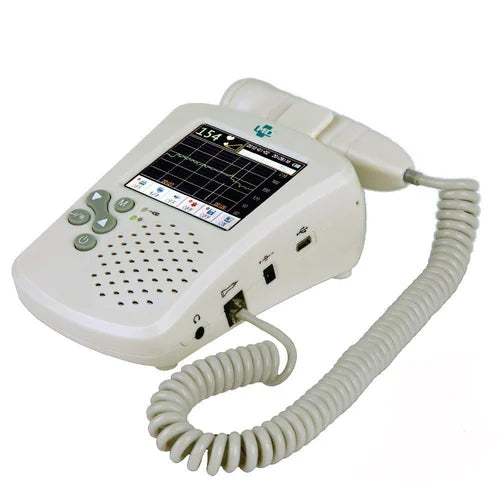
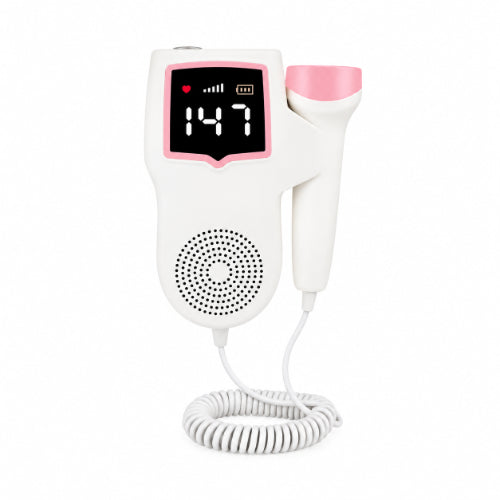
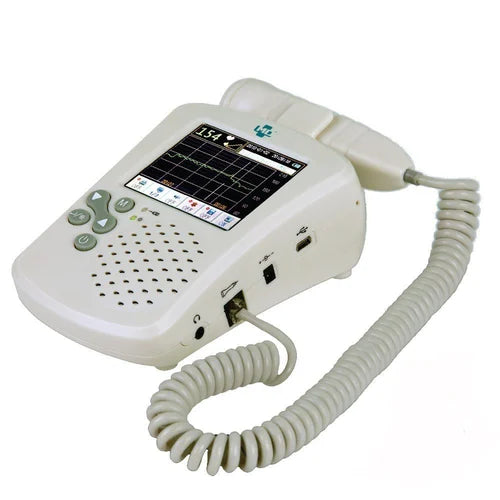
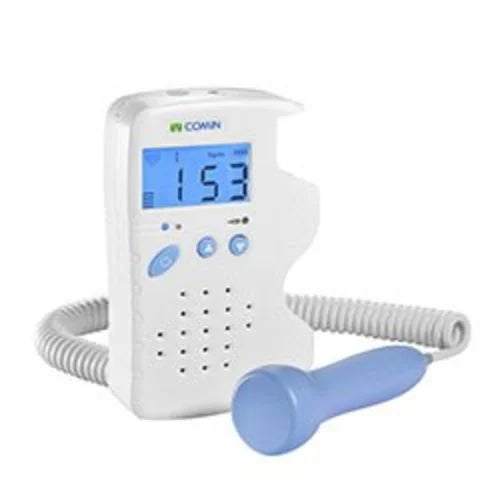
The Portable Fetal Doppler 2.0 MHz helps healthcare professionals detect and monitor fetal heart sounds during suitable clinical examinations. The device uses Doppler ultrasound technology and offers a compact design for convenient handling.
This fetal doppler uses a 2.0 MHz ultrasound frequency for fetal heart sound assessment. Its portable construction makes it convenient to carry and store. Therefore, healthcare professionals can keep this device available for suitable maternity examinations.
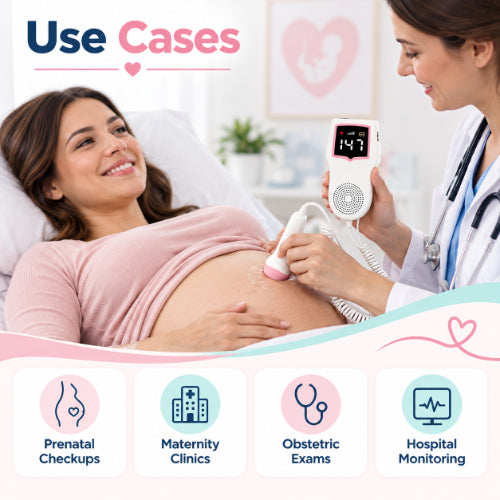
The fetal doppler machine can support use in maternity clinics, hospitals, obstetric care areas and other professional healthcare settings. Trained healthcare professionals should operate the device according to clinical procedures and manufacturer instructions.
Key Features of Portable Fetal Doppler 2.0 MHz
- 2.0 MHz Frequency: Uses a 2.0 MHz Doppler frequency for fetal heart sound assessment.
- Portable Construction: Provides a compact format for convenient handling and storage.
- Fetal Heart Sound Detection: Helps trained professionals listen for fetal heart sounds during suitable examinations.
- Practical Operation: Offers a convenient design for routine professional use.
- Clinical Application: Suitable for maternity clinics, hospitals and healthcare centres.
- Easy Storage: The compact design helps healthcare professionals store the device conveniently.
- Professional Monitoring: Supports fetal heart sound assessment within suitable clinical procedures.
- Portable Fetal Assessment: Provides a practical Doppler option for trained healthcare professionals.
2.0 MHz Doppler Technology for Fetal Monitoring
The Portable Fetal Doppler uses Doppler ultrasound technology to help detect fetal heart sounds. The device sends ultrasound waves through the probe and receives returning signals. Movement within the monitored area changes the returning signal.
The device uses a 2.0 MHz frequency for fetal Doppler applications. Healthcare professionals can use the Doppler signal as part of an appropriate fetal heart sound assessment.
Several factors can affect fetal heart sound detection. These factors can include gestational age, fetal position, probe placement and individual clinical conditions. Therefore, healthcare professionals should use suitable examination techniques during every assessment.
Fetal Heart Rate Monitor for Clinical Assessment
A fetal heart rate monitor helps healthcare professionals assess fetal cardiac activity. The Portable Fetal Doppler provides a practical way to listen for fetal heart sounds during suitable prenatal and maternity examinations.
The portable format allows professionals to use the device in different suitable care areas. Furthermore, the compact design reduces the need for a large monitoring setup when the clinician only needs a portable Doppler device.
Healthcare professionals should interpret fetal heart sounds within the complete clinical situation. The Doppler should support professional assessment rather than replace established prenatal monitoring procedures.
Portable Design for Convenient Use
The portable construction makes this fetal doppler machine convenient for professional healthcare environments. Healthcare professionals can move the device between suitable examination areas when required.
The compact format also supports convenient storage. Clinics can keep the device in an appropriate location and access it when a fetal heart sound assessment requires a portable Doppler solution.
Proper storage can help protect the device between examinations. Users should follow the manufacturer's recommendations for storage, cleaning and general equipment care.
Clinical Applications of the Fetal Doppler
The Portable Fetal Doppler 2.0 MHz can support fetal heart sound assessment in several professional healthcare environments. Its portable design makes it useful when clinicians need a compact monitoring device.
- Maternity clinics
- Obstetric care centres
- Hospital maternity departments
- Prenatal examination areas
- Women's healthcare clinics
- Routine fetal heart sound assessment
- Professional maternity monitoring
- Other suitable healthcare environments
Benefits of Using a Portable Fetal Doppler
- Portable Monitoring: The compact design makes movement and storage convenient.
- Fetal Heart Sound Assessment: Helps trained professionals listen for fetal heart sounds.
- 2.0 MHz Doppler Frequency: Provides a frequency suited to fetal Doppler applications.
- Convenient Clinical Use: Fits easily into suitable professional healthcare workflows.
- Space-Saving Design: Requires limited storage space compared with larger monitoring systems.
- Practical Handling: Allows professionals to position the device during suitable examinations.
- Routine Assessment Support: Can support appropriate fetal monitoring procedures.
- Professional Application: Provides a practical option for maternity and obstetric healthcare settings.
Who Can Use the Portable Fetal Doppler?
Trained healthcare professionals can use the Portable Fetal Doppler 2.0 MHz during appropriate fetal heart sound assessments. The device can suit clinicians working in maternity, obstetric and prenatal care environments.
Users should understand fetal assessment procedures before operating the device. They should also follow the manufacturer's operating instructions and applicable clinical guidelines.
People should not rely on a home Doppler to assess fetal wellbeing. If pregnancy concerns arise, contact a qualified healthcare professional for appropriate evaluation and advice.
Ideal Applications
- Fetal heart sound assessment
- Prenatal clinical examinations
- Maternity care
- Obstetric examinations
- Hospital maternity departments
- Women's healthcare clinics
- Routine fetal monitoring support
- Professional healthcare environments
Product Specifications
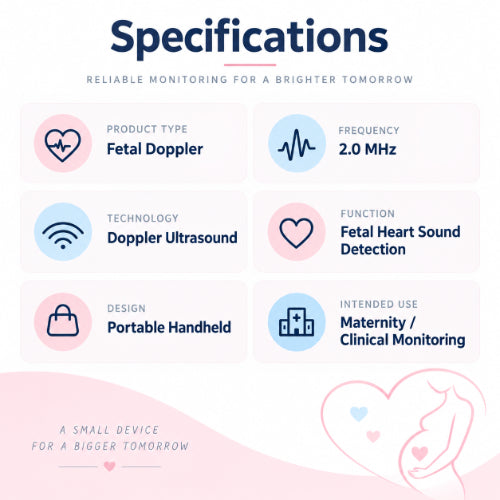
| Product Name | Portable Fetal Doppler 2.0 MHz |
| Product Type | Fetal Doppler / Fetal Heart Sound Monitor |
| Frequency | 2.0 MHz |
| Technology | Doppler Ultrasound |
| Primary Function | Fetal Heart Sound Detection and Monitoring Support |
| Design | Portable |
| Intended Setting | Professional Healthcare / Maternity Care |
Please confirm exact dimensions, weight, probe specifications, display details, battery information, accessories, measurement range and other model-specific technical details with the supplier before purchase.
How to Use the Portable Fetal Doppler
- Check the device and probe before starting the examination.
- Confirm that the device has adequate power for the examination.
- Apply suitable ultrasound coupling gel when the manufacturer recommends it.
- Position the probe according to appropriate clinical procedures.
- Move the probe gently to locate the appropriate fetal heart sound signal.
- Listen to the fetal heart sound according to the device design and clinical procedure.
- Assess the findings within the complete clinical context.
- Clean and store the device according to the manufacturer's instructions.
Only trained healthcare professionals should operate the device for clinical assessment. Follow the manufacturer's instructions and applicable clinical procedures during every examination.
Safety and Clinical Information
The fetal doppler provides monitoring support, but it cannot replace professional prenatal assessment. Healthcare professionals should use appropriate clinical methods when evaluating fetal wellbeing.
Fetal heart sound detection can vary for several reasons. Gestational age, fetal position, probe placement and individual anatomy can affect the Doppler signal.
If the user cannot locate fetal heart sounds, they should not assume that a medical problem exists or does not exist. Instead, a qualified healthcare professional should perform an appropriate assessment.
Care and Maintenance
Clean the fetal doppler machine according to the manufacturer's recommended procedure. Use suitable cleaning products and avoid methods that could damage the device or probe.
Protect the probe from impact, excessive pressure and unnecessary moisture. Regular inspection can help users identify visible damage before they operate the equipment.
Store the device in a clean and dry location after use. Keep the equipment protected from unsuitable environmental conditions and follow the manufacturer's storage recommendations.
Why Choose Portable Fetal Doppler 2.0 MHz?
The Portable Fetal Doppler 2.0 MHz combines Doppler ultrasound technology with a compact format. This combination gives healthcare professionals a practical option for suitable fetal heart sound assessments.
Furthermore, the 2.0 MHz frequency supports fetal Doppler applications. The portable design also makes the device convenient to carry, store and position during appropriate clinical examinations.
For maternity clinics, hospitals and other suitable healthcare settings, this fetal heart rate monitor can support professional fetal heart sound assessment when users follow appropriate clinical procedures.
Frequently Asked Questions
What is a Portable Fetal Doppler?
A Portable Fetal Doppler uses Doppler ultrasound technology to help trained healthcare professionals detect fetal heart sounds during suitable examinations.
What frequency does this fetal Doppler use?
This model uses a 2.0 MHz Doppler frequency for fetal heart sound monitoring applications.
What does a fetal heart rate monitor do?
A fetal heart rate monitor helps healthcare professionals assess fetal cardiac activity. A Doppler device can help detect fetal heart sounds during appropriate examinations.
Can a fetal Doppler confirm fetal wellbeing?
No. Fetal heart sound detection alone cannot confirm overall fetal wellbeing. A qualified healthcare professional should perform a complete clinical assessment.
Who should use this fetal Doppler machine?
Trained healthcare professionals should operate this device for clinical fetal heart sound assessment. Users should understand appropriate Doppler and fetal assessment procedures.
Where can healthcare professionals use this device?
Healthcare professionals can use the Portable Fetal Doppler in suitable maternity clinics, hospitals, obstetric care areas and other professional healthcare settings.
How should I maintain the fetal Doppler?
Clean the device and probe according to the manufacturer's instructions. Store the equipment in a clean and dry location and protect it from impact or unsuitable moisture.
Choose Portable Fetal Doppler 2.0 MHz for Professional Monitoring
Support suitable fetal heart sound assessment with the Portable Fetal Doppler 2.0 MHz. The device combines a portable design with 2.0 MHz Doppler technology for professional healthcare applications.
For maternity clinics, hospitals and other suitable healthcare environments, this fetal doppler machine provides a practical monitoring option when trained professionals use it according to appropriate clinical procedures.
Important Product Information
This description provides general information about the Portable Fetal Doppler 2.0 MHz. Exact dimensions, weight, probe details, battery specifications, display features, accessories and other technical information may vary by model or supplier. Please confirm the exact product specifications and included accessories before purchase. This device should not replace professional medical evaluation or appropriate prenatal care.
You may also need
FOR YOURecommended for you
Save 55%

Save 39%

Save 8%

Save 37%

Save 25%


Save 42%

Save 50%