


Featured ChoiceSave 30%
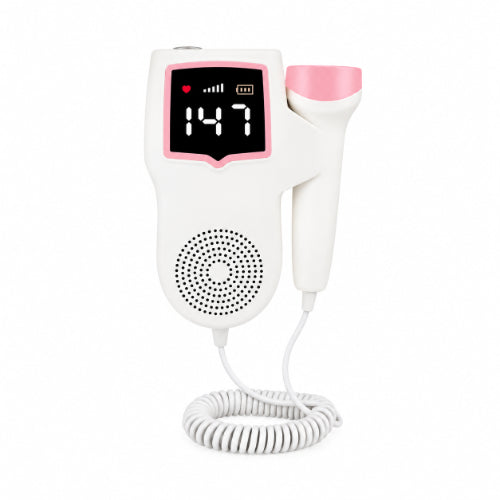

Save 25%
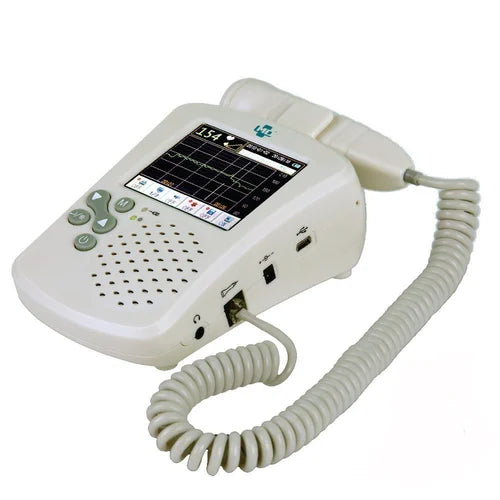

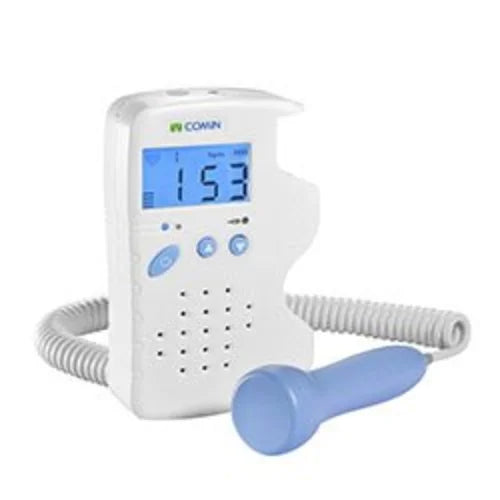

Save 42%
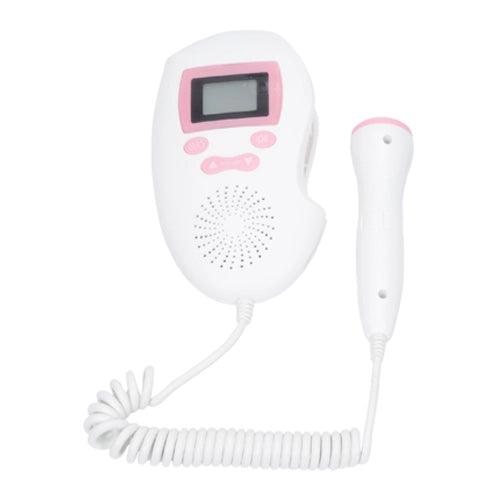

Save 50%

What customers say
★★★★★ 5.0 · 23 reviews
 Portable Fetal Doppler 2.0 MHz – Fetal Heart Rate Monitor
“This Portable Fetal Doppler (2.0 MHz) is easy to use and provides clear heartbeat sounds. The sound quality...”
“This Portable Fetal Doppler (2.0 MHz) is lightweight, easy to use, and provides clear heartbeat sounds. The...”
 Vcomin Fetal Doppler 300C
“Found my baby’s heartbeat easily at 12 weeks. The sound clarity is amazing”
“Accurate readings and simple use!”
 Vcomin Fetal Doppler 200D
“Clear sound, easy to use, and very portable. Great for peace of mind”
“Easy to use, clear heartbeat sound, and lightweight design. Perfect for home use—highly recommend”
 Pocket Digital Fetal Doppler Monitor
“Accurate, picks up heartbeat quickly, and fits right in your pocket. Worth every penny”
“Lightweight design, excellent sound quality, and very easy to operate. A great buy for expecting parents”
 Vcomin Fetal Doppler 300D
“I’m very impressed with the Vcomin Fetal Doppler 300D! It delivers accurate and clear heartbeat sounds, mak...”
“The Vcomin Fetal Doppler 300D is an excellent device for tracking your baby’s heartbeat at home. It has a c...”
Fetal doppler: how it works, limits and safe use
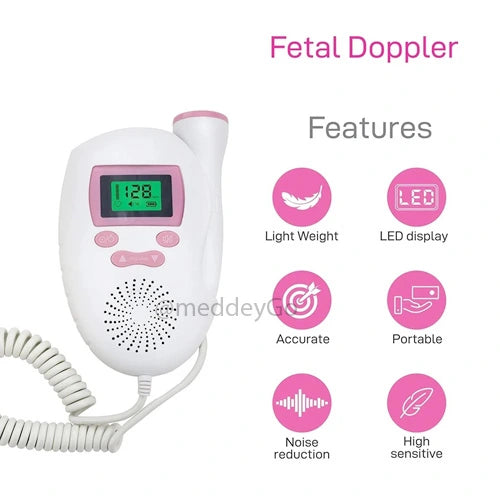
Fetal doppler is a handheld device used by trained healthcare professionals to listen for fetal heart sounds during pregnancy. A fetal doppler works by sending high-frequency sound waves through a probe and detecting movement-related changes in the returning signal, which may then be heard as a heartbeat sound or shown as a heart rate reading.
Used in the right setting, fetal doppler can support a prenatal assessment. Used without training, it can also cause confusion, missed concern, or false reassurance, especially if reduced fetal movement is ignored. This guide explains how fetal doppler works, what it can and cannot tell you, how cleaning should be approached, and why fetal doppler findings should be interpreted by a doctor, midwife, or trained professional.
What is a fetal doppler and how does it work?
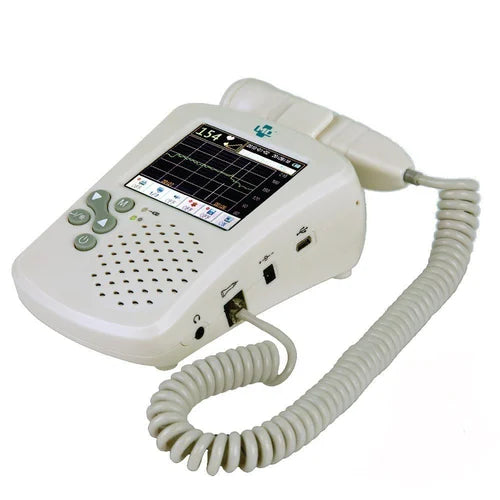
A fetal doppler is a listening device that uses doppler technology to detect motion associated with the fetal heartbeat. The probe is placed on the abdomen with coupling gel, and the device processes returning sound-wave signals so the user may hear rhythmic fetal cardiac activity or view a displayed rate, depending on the model.

The doppler principle is based on a shift in reflected sound waves when they meet moving structures. In pregnancy use, that movement may come from the fetal heart, but signals can also come from other sources, including maternal blood flow. That is why it is not simply a “point and listen” tool; correct placement, clinical context, gestational timing, and professional interpretation matter.
A pregnancy doppler may look simple, but the simplicity of the outside design can hide the complexity of interpretation. A trained user listens not only for a number but also for signal quality, pattern, maternal pulse comparison, and whether the finding fits the broader pregnancy assessment. A home fetal doppler cannot examine fetal movement, growth, placenta-related concerns, maternal symptoms, or the full clinical picture.

The spelling foetal doppler is often used in British English, while fetal doppler is more common in American English. Both terms usually refer to the same general type of doppler listening device used in pregnancy.
Fetal doppler use belongs inside proper pregnancy care
Fetal doppler use should be guided by a doctor, midwife, nurse, or trained professional. The FDA describes doppler fetal heartbeat devices as medical ultrasound devices, and it discourages non-medical use of ultrasound technology for keepsake purposes. The NHS also specifically warns people not to use a home doppler heartbeat listening kit to check fetal wellbeing themselves.
That guidance is important because hearing a sound is not the same as confirming that a baby is well. This device can provide one piece of information at one moment. It does not replace a doctor’s check, and it should not be used for self-diagnosis, delaying care, or deciding that a symptom is harmless.
Pocket fetal doppler and portable fetal doppler devices can be useful formats when a trained user needs a compact device for appropriate fetal heart sound assessment. Pocket options are generally valued for compact handling, while portable options may suit clinic-style use where easy carrying and storage matter. Product choice should still follow clinical requirements, manufacturer instructions, and professional judgement rather than brand rankings or “best” claims.


Fetal doppler limits are as important as its benefits
A fetal doppler may help a trained professional listen for fetal heart sounds, but it cannot answer every pregnancy concern. It cannot confirm the full condition of the baby, diagnose the cause of pain, assess reduced movement, or rule out all risks. Its value depends on correct use and on what the clinician is trying to assess.
The biggest misunderstanding is treating fetal doppler as a complete wellbeing check. Fetal wellbeing involves movement patterns, maternal symptoms, gestational age, risk factors, examination findings, and sometimes additional clinical assessment. The device only contributes to part of that picture.
Fetal doppler can help with |
Fetal doppler cannot do |
|---|---|
Support trained listening for fetal heart sounds |
Confirm that everything is well |
Provide a momentary heart sound or rate reading |
Replace a doctor’s check |
Assist routine professional prenatal assessment |
Explain reduced fetal movement |
Offer a compact option for clinics or trained users |
Diagnose pregnancy complications |
Help document a finding when used properly |
Remove the need for urgent advice when symptoms change |
The device also depends on timing and positioning. Earlier in pregnancy, fetal size and position can make detection harder. Later in pregnancy, hearing a heartbeat still does not replace paying attention to movement patterns or seeking care when something feels different.
Can a home fetal doppler confirm that a baby is well?
No. A home fetal doppler cannot confirm that a baby is well because it may detect a sound without assessing the wider clinical situation, and the user may misread what they are hearing.
This is where home use can become risky. If someone notices reduced fetal movement and then hears a sound on a home fetal doppler, they may feel reassured and delay contacting a doctor. NHS guidance says not to use a home doppler to check the baby’s heartbeat yourself and to contact maternity services promptly if movements are reduced or changed.
The FDA has also warned that improper use of doppler devices for fetal applications may lead to misinterpretation of maternal heartbeat or placental blood flow as a fetal heartbeat, creating false reassurance. That false reassurance is one of the main reasons fetal doppler should not be used as a substitute for clinical assessment.
If fetal movement reduces, changes, or stops, call a doctor, midwife, maternity triage, or the pregnancy care team without waiting to “check at home.” Do not use fetal doppler to decide whether reduced fetal movement is safe. Reduced movement needs professional advice even if a heartbeat-like sound is heard.
Why the sounds can be misunderstood
A fetal doppler sound is not always easy to interpret. Users may hear different noises, including swishing, pulsing, static, or rhythm-like sounds. Without training, it can be difficult to know whether the signal is fetal heartbeat, maternal pulse, placental blood flow, or probe movement.
Can maternal heartbeat be mistaken for the fetal heartbeat? Yes, it can. Maternal pulse is usually slower than fetal heart rate, but guessing by sound alone is unreliable, and the FDA has specifically noted that maternal heartbeat or placental blood flow may be misinterpreted during improper doppler use.
This is why a trained professional may compare what is heard with the mother’s pulse and the clinical context. They may adjust probe position, evaluate signal consistency, and decide whether further assessment is needed. A casual home check cannot provide the same level of interpretation.
Common sources of confusion include:
Maternal pulse heard through nearby vessels
Placental or cord blood-flow sounds
Intermittent signal caused by fetal position
Probe movement or poor gel contact
A displayed number based on an unstable signal
Anxiety-driven listening, where any rhythmic sound feels reassuring
A fetal doppler should never be used to self-diagnose. It should not be used to decide that bleeding, pain, reduced fetal movement, dizziness, severe headache, fluid leakage, or any other concerning symptom can wait.

Fetal doppler safe-use checklist
A fetal doppler is safest when it is used within professional guidance, for an appropriate reason, and with realistic expectations. The checklist below is plain, practical, and deliberately cautious.
Use fetal doppler only as advised by a doctor, midwife, nurse, or trained professional.
Read and follow the manufacturer’s instructions before use.
Do not use fetal doppler for self-diagnosis.
Do not use fetal doppler to decide that reduced fetal movement is acceptable.
Call a doctor, midwife, or maternity unit if fetal movements reduce, change, or stop.
Compare any suspected fetal heart sound with maternal pulse only if trained to do so.
Keep listening time appropriate and clinically purposeful.
Use the correct gel if the manufacturer recommends it.
Clean the probe after use according to the device instructions.
Store the device away from heat, moisture, dust, and rough handling.
Check the probe, cable, battery, and display before use.
Stop using the device if the probe, cable, casing, or reading appears faulty.
Do not share a home fetal doppler without proper cleaning and hygiene precautions.
Do not treat a normal-sounding moment as proof of fetal wellbeing.
This checklist does not replace medical training. It is a safety reminder for understanding limits and reducing avoidable misuse.

How should a fetal doppler probe be cleaned?
A fetal doppler probe should be cleaned according to the manufacturer’s instructions, with gel removed after use and the probe surface disinfected in a way that is compatible with the device. In healthcare settings, cleaning responsibilities and disinfectant choice should follow local infection-control policy.

The CDC recommends following manufacturer instructions for medical device cleaning and disinfection, and it notes that noncritical medical devices that contact intact skin are generally cleaned and disinfected with appropriate products used according to label directions. This matters because a fetal doppler probe usually touches intact abdominal skin, but the exact cleaning method depends on the device design and setting.
A practical cleaning routine usually includes removing visible gel with a soft disposable wipe or cloth, cleaning the probe face and cable area as directed, applying an approved disinfectant if required, allowing the needed contact time, and letting the probe dry before storage. Do not soak the probe unless the manufacturer specifically says it is safe. Do not use harsh chemicals, abrasive pads, or excess liquid around seams, buttons, plugs, or battery compartments.

Cleaning point |
Why it matters |
Practical note |
|---|---|---|
Remove gel promptly |
Dried gel can build up on the probe surface |
Wipe after each use |
Follow device instructions |
Materials vary by model |
Use only compatible cleaning products |
Use correct contact time |
Disinfectants need time to work |
Do not wipe off too early unless directed |
Avoid soaking |
Liquids may damage electronics |
Use damp wiping if instructed |
Dry before storage |
Moisture can affect hygiene and device life |
Store only when clean and dry |
If a fetal doppler is used in a clinic, the cleaning process should be documented or handled according to the facility’s infection-control procedure. If a device is visibly damaged or difficult to clean, it should not be used until a qualified person has checked it.
Fetal doppler features that can be compared before choosing
Choosing a fetal doppler should be a practical decision, not a brand contest. What features can be compared when choosing a fetal doppler? Compare the intended setting, probe frequency, display type, audio clarity, power source, cleaning compatibility, portability, and whether the device is appropriate for the user’s level of training.
Pocket and portable formats are two useful examples of how product type affects handling. A pocket fetal doppler emphasizes compact storage and easy carrying. A portable fetal doppler may offer a clinic-ready design for trained users who need a device that can move between appropriate care areas.
Feature |
What to compare |
Why it matters |
|---|---|---|
Type |
Pocket fetal doppler or portable fetal doppler |
Helps match handling and storage needs |
Intended user |
Professional use, supervised use, or home availability |
Reduces misuse and unrealistic expectations |
Probe frequency |
Frequency stated by the manufacturer |
Helps match the device to the intended assessment context |
Display |
Numeric display, signal indicator, or simple audio |
A display is helpful only when the signal is reliable |
Audio output |
Speaker or headphone option |
Clear audio can support trained listening |
Power |
Battery type and power status indicator |
Prevents interruption during an assessment |
Probe design |
Integrated or separate probe |
Affects grip, placement, and cleaning access |
Cleaning compatibility |
Approved wipes or disinfectants |
Protects hygiene and device materials |
Instructions |
Clear manual and warnings |
Supports safer, more consistent use |
No feature makes fetal doppler a complete pregnancy wellbeing tool. A clearer speaker, larger display, or compact body may improve usability, but these features do not remove the need for trained interpretation.

Interpretation of findings should be professional
Who should interpret fetal doppler findings? A doctor, midwife, nurse, or other trained healthcare professional should interpret fetal doppler findings because a heartbeat sound or rate must be understood in context.
Professional interpretation includes more than recognizing a rhythm. It may involve checking maternal pulse, considering gestational age, reviewing symptoms, noting fetal movement concerns, and deciding whether further evaluation is needed. ACOG patient information explains that doppler ultrasound can be used to find a fetal heartbeat or how fast blood is moving, but pregnancy wellbeing assessment may involve different tests depending on the clinical situation.
A fetal doppler number can appear precise, but a number is only useful if the signal is real, stable, and correctly identified. If the probe is picking up the wrong signal, the displayed value may mislead. That is why professional training and clinical caution are central to safe use of the device.
For home users, the safest rule is simple: do not make medical decisions from fetal doppler sounds. If something feels wrong, seek professional advice. If everything feels normal, continue routine prenatal care rather than using fetal doppler as a replacement for appointments.
Fetal doppler and reduced fetal movement require special caution
What should be done if fetal movements reduce? Call a doctor, midwife, maternity triage, or the pregnancy care team promptly, and do not rely on fetal doppler to check the baby yourself.
Reduced fetal movement can be a warning sign, and it deserves direct professional attention. The NHS advises contacting maternity services immediately if the baby is moving less than usual, movement patterns change, or movements stop. It also says not to use a home doppler to try to check the heartbeat yourself.
This advice can feel counterintuitive because hearing a heartbeat may seem reassuring. The problem is that a home device may detect a heartbeat-like sound while another concern still needs assessment. It may also detect the wrong signal, especially in untrained hands.
Call for advice if you notice:
Fewer movements than usual
A clear change in the baby’s usual movement pattern
No movement when movement is expected
A sudden concern that “something feels different”
Reduced movement along with pain, bleeding, fluid leakage, fever, severe headache, or feeling unwell
Do not wait until the next day if you are worried about reduced fetal movement. Do not use fetal doppler first and call only if you cannot find a sound. The action is to call for professional guidance.

Fetal doppler versus CTG fetal monitor in plain terms
How is a fetal doppler different from a CTG fetal monitor? A fetal doppler is usually used to listen for fetal heart sounds at a point in time, while a CTG fetal monitor records fetal heart activity over a period and may also be used in settings where clinicians need a longer tracing.
The key difference is not that one is “good” and the other is “bad.” The difference is the clinical purpose. A handheld device can support a brief fetal heart sound assessment, while a CTG fetal monitor is used when a recorded pattern is clinically needed. ACOG notes that clinicians review fetal heart rate tracing at set times in certain monitoring contexts, and that one belt may use doppler to detect fetal heart rate.
For readers comparing terms, this distinction helps avoid confusion. A handheld fetal doppler should not be expected to provide the same type of recorded tracing or broader assessment. The right tool depends on the clinical question, and the clinician decides what is appropriate.
Common mistakes to avoid
The most serious mistakes are not technical; they are decision-making mistakes. A person may hear a sound and assume everything is fine, or fail to hear a sound and panic. Neither response is a reliable medical assessment.
A fetal doppler should be treated as a limited tool, not a judge of fetal health. Its safe role is narrow: it may help a trained user listen for fetal heart sounds during a suitable assessment. It should not replace prenatal visits, movement awareness, symptom reporting, or urgent care when warning signs appear.
Avoid these common mistakes:
Using fetal doppler because fetal movement has reduced instead of calling a doctor
Assuming a detected sound confirms fetal wellbeing
Confusing maternal pulse with fetal heartbeat
Repeated listening to manage anxiety without professional guidance
Using fetal doppler without reading the device instructions
Ignoring cleaning between uses
Sharing interpretations online instead of contacting a clinician
Buying based only on price, appearance, or promotional claims
Anxiety during pregnancy is understandable, and many people look for reassurance. But reassurance should not come at the cost of delayed care. If worry is frequent, discuss it with a healthcare professional so the plan supports both emotional wellbeing and medical safety.
Fetal doppler FAQ
Question |
Answer |
|---|---|
What is a fetal doppler and how does it work? |
A fetal doppler is a handheld device that uses doppler sound-wave technology to help detect fetal heart sounds. A probe sends sound waves into the body and receives returning signals affected by movement, which the device converts into sound or a displayed rate. |
Can a home fetal doppler confirm that a baby is well? |
No, a home fetal doppler cannot confirm that a baby is well. It may detect a sound without checking movement, symptoms, risk factors, or whether the signal is truly fetal. |
Can a fetal doppler give false reassurance? |
Yes, a fetal doppler can give false reassurance if the user hears a heartbeat-like sound and delays professional care. This is especially concerning when fetal movement has reduced or changed. |
Can maternal heartbeat be mistaken for the fetal heartbeat? |
Yes, maternal heartbeat or blood-flow sounds can be mistaken for fetal heartbeat, particularly by untrained users. Comparing with maternal pulse and interpreting the signal properly requires training. |
Can a fetal doppler replace a doctor's check? |
No, fetal doppler cannot replace a doctor's check. It provides limited information and does not assess the full pregnancy picture. |
Who should interpret fetal doppler findings? |
Fetal doppler findings should be interpreted by a doctor, midwife, nurse, or trained professional. Self-diagnosis from the sounds is unsafe and can delay needed care. |
What should be done if fetal movements reduce? |
Call a doctor, midwife, maternity triage, or the pregnancy care team promptly. Do not use fetal doppler as a substitute for professional advice when movements reduce, change, or stop. |
How should a fetal doppler probe be cleaned? |
Remove gel after use and clean the probe according to the manufacturer’s instructions. Use only compatible disinfectants and avoid soaking the probe unless the manufacturer specifically permits it. |
What features can be compared when choosing a fetal doppler? |
Compare type, intended user, probe frequency, display, audio output, power source, cleaning compatibility, and instructions. Pocket and portable formats differ mainly in handling, storage, and intended use context. |
How is a fetal doppler different from a CTG fetal monitor? |
A fetal doppler is generally used for brief listening or spot assessment of fetal heart sounds. A CTG fetal monitor is used for recorded fetal heart activity over time when a clinician decides that type of assessment is needed. |
Practical buying notes
The most practical starting point is to decide whether a pocket fetal doppler or portable fetal doppler format fits the intended setting. A pocket model may suit users who prioritize compact handling, while a portable model may suit professional environments where the device needs to be carried, stored, and used as part of a suitable examination workflow.
The next step is to read the product details carefully. Look at the stated frequency, display, probe arrangement, power requirements, included accessories, and cleaning guidance. If the information is not clear, ask before purchase rather than assuming specifications.
The device should also be assessed by the support around it. A clear manual, accessible supplier information, and a sensible return or service process may matter more than a long list of features. The goal is not to choose the most dramatic claim; it is to choose a device that matches the intended use and can be handled safely.
If the fetal doppler is intended for a clinic, confirm that it fits the clinic’s policies for cleaning, storage, user training, and documentation. If it is being considered for personal reassurance, speak with a doctor or midwife first and be clear that fetal doppler use does not replace professional care.
Key takeaway
Fetal doppler can be a useful device when it is used for the right purpose by a trained person. It helps listen for fetal heart sounds, but it cannot confirm complete fetal wellbeing, cannot explain reduced fetal movement, and cannot replace a doctor’s check.
The safest approach is to keep fetal doppler in perspective. Use professional guidance, follow device instructions, clean the probe properly, avoid self-diagnosis, and call a doctor or maternity care team if fetal movements reduce or anything feels wrong. A fetal doppler may provide a sound; clinical care provides interpretation.
Sources:
NHS: Your baby’s movements
FDA: Ultrasound Imaging and fetal doppler safety communications
CDC: Recommendations for disinfection and sterilization in healthcare facilities
Explore more fetal heart monitoring devices
Fetal monitors
Explore Medical Collections
All Categories
Abdominal & Maternity Support

Accessories

Accu-Chek Instant Strips: Use, Compatibility, Price & Blood Sugar Testing Guide
Accu-Chek Instant Strips: Uses, Features & Complete Guide

accupuncture

Acupuncture Needles & Supplies

Advanced Physiotherapy Machines & Lumbar Physiotherapy

Airways

Alcohol Swab: Uses, Safe Use and Disposal Guide

Ambu Bag Full Form: Is There an Official Meaning?

Ambu Bag: Parts, Uses and Safety Guide
Ambu Full Form: What the Name Means and BVM Basics

Ambulance

Anatomy Models
Anesthesia Machine
You may also need
FOR YOURecommended for you
Save 30%
Save 25%
Save 42%
Save 50%