


Featured ChoiceSave 56%

Save 58%
Save 31%
Save 8%

Alcohol Swab Uses: A Guide to Safe and Effective Application
Understanding the Uses of Alcohol Swabs
An alcohol swab is a small, premoistened pad used mainly to prepare intact skin before an injection or another procedure specified by its label. Many contain 70% isopropyl alcohol and water, but their ingredients, sterility, and approved uses can differ. Understanding those differences helps you choose the right swab, use it safely, and avoid confusing skin preparation with wound cleaning or equipment sterilization.
The most important starting point is simple: an alcohol swab is a task-specific supply, not an all-purpose disinfectant. Its label and the instructions for your treatment or device should guide how you use it.

What Is an Alcohol Swab Used For?
An alcohol swab is commonly used to reduce microorganisms on intact skin before an injection, blood draw, or other minor procedure when the relevant instructions call for it. Alcohol can also be appropriate for cleaning certain small tools and compatible equipment surfaces, but a skin-preparation pad should not automatically be treated as a surface disinfectant. Some swabs carry first-aid labeling, although routine open-wound care generally calls for gentler cleaning rather than rubbing alcohol.
Think about the task before opening the packet. Preparing an injection site, cleaning tweezers, and caring for a scrape may all involve a first-aid kit, but they are different jobs. The presence of alcohol does not make one swab suitable for every job in that kit.
| Situation | Possible role of an alcohol swab | Important boundary |
|---|---|---|
| Skin preparation before an injection | Cleansing intact skin when directed | Allow the site to dry; follow treatment instructions |
| Blood draw or minor procedure | Preparation under the applicable clinical protocol | The procedure determines the antiseptic needed |
| Small compatible tools | Cleaning or disinfection where instructions permit | Wiping does not sterilize an instrument |
| Small equipment surfaces | Limited use when both swab and equipment directions permit | Material compatibility and contact time matter |
| Basic first-aid kit | Supporting selected preparation or tool-cleaning tasks | Do not assume it belongs inside an open wound |
These distinctions follow swab labeling, CDC guidance on alcohol, and clinical wound-care advice. A familiar-looking pad can still have a different intended use from the packet beside it.

What Is Inside an Alcohol Swab?
Many alcohol swabs contain a nonwoven pad saturated with 70% isopropyl alcohol by volume, with purified water as an inactive ingredient. The pad holds the solution and lets the user apply it to a small area. However, the package—not the generic swab name—is the reliable place to confirm the alcohol type, concentration, additional ingredients, and intended use.
The water is not simply filler. CDC guidance explains that alcohol's antimicrobial action involves protein denaturation and that water helps this process. This is one reason a higher alcohol percentage should not automatically be interpreted as better performance for every task. Concentration matters, but so do the organism, application conditions, and exposure time.
A useful label review separates three pieces of information:
- Active ingredient: Identifies the substance responsible for the antiseptic action, such as isopropyl alcohol.
- Strength: States the concentration, which should match the swab or procedure instructions.
- Other ingredients: Identifies water and any additional substances that may matter for sensitivity or compatibility.
These details appear in the Drug Facts information on many skin-preparation swabs. Check them when changing brands rather than assuming every alcohol-containing pad has the same formulation.
Isopropyl alcohol wipes are therefore a category, not a single standardized item for every purpose. A small injection-preparation pad and a larger cleaning wipe may share an ingredient while differing in labeling and application. Match the finished swab to the task instead of choosing by alcohol percentage alone.
Alcohol Swab, Prep Pad and Wipe: What the Names Mean
Swab names can be confusing. Alcohol prep pads, alcohol pads, alcohol wipes, and alcohol swabs may describe closely related items, but the wording does not establish sterility or suitability. For example, a package may identify itself as a sterile, single-use prep pad and state that sterility depends on the wrapper remaining unopened and undamaged.
The term medical swabs is broader still. When shopping, do not stop at that description: read the ingredient panel and intended-use statement. Likewise, if an item is described as a spirit swab, verify the alcohol type and strength rather than treating the name as a complete specification. The label provides the information needed to compare it with your instructions.
Search phrases such as “prep pads alcohol” or “alco swab use” can help locate listings, but they are not substitutes for package directions. Once you find a candidate, look for the actual package information rather than relying only on the search result or storefront title.
For a practical comparison, write down the intended use, concentration, sterile status, and single-use designation for each option. If those details are missing, ask the seller or manufacturer for the label. A clear answer is more useful than a longer list of promotional claims.

Alcohol Swab for Skin Preparation Before Injections
Preparing skin is one step in a wider injection-safety process. For vaccine administration, CDC guidance includes proper hand hygiene, cleansing the skin with a sterile alcohol swab, and allowing the site to dry. The swab does not replace clean handling, appropriate supplies, or training in the injection itself.
For a prescribed home injection, use the instructions supplied with the medication and device. Ask a healthcare professional to demonstrate the preparation sequence and watch you practice if anything is unclear. This is particularly useful when switching devices, because an established routine should not override new instructions.
Organize the work before opening the swab. Put the required supplies on a clean, well-lit surface and confirm that you understand the sequence. Preparing the workspace first gives you fewer reasons to interrupt the process to search for another item. Manufacturer instructions for injectable medicines commonly describe gathering the necessary materials and washing hands before proceeding.
Drying deserves its own place in that sequence. Do not assume a quick wipe means the site is ready immediately. Follow the applicable directions for application and let the area air-dry completely; injection-safety guidance specifically includes this waiting step. Do not shorten it because the pad feels cold or the alcohol smell seems strong.
This overview is not an injection tutorial. Consult a clinician or pharmacist about injection technique, site selection, or uncertainty about the preparation swab. The useful question is not merely whether you own an alcohol swab, but whether you know how it fits into your particular treatment instructions.

How to Use an Alcohol Swab Safely: Step by Step
Use the following sequence as a preparation checklist, not as a replacement for medication, device, or clinical directions. Injection-safety guidance supports using a single-use alcohol pad and allowing the prepared skin to dry fully. Swab-specific directions determine the application method.
- Identify the task. Confirm that the swab is intended for skin preparation and is appropriate for the procedure you have been taught.
- Read the packet and box. Check the ingredient, strength, warnings, sterile designation if required, and any expiry information.
- Prepare your hands and workspace. Complete the hand hygiene and setup described in your treatment instructions before handling the preparation supplies.
- Inspect the wrapper. Use a fresh packet with an intact seal. Do not rely on a damaged wrapper to preserve a sterile swab.
- Open immediately before use. Apply the swab according to its directions and the procedure instructions, keeping the task limited to the intended area.
- Allow complete air-drying. Do not move ahead while the preparation site is still wet.
- Discard after use. A single-use pad should not be saved for another procedure or shared between people.
These steps reflect labeling for single-use prep pads and established injection-preparation practices. A swab labeled sterile is sterile only under the package conditions specified by its manufacturer.
The practical habit is to pause whenever the swab or instructions do not match what you expected. An unclear label, damaged packet, or unfamiliar preparation step is a reason to seek clarification, not improvise. For home care, keep the original instructions with your supplies so the correct sequence remains easy to check.
Alcohol Swab in First Aid: Why Not Every Wound
An alcohol swab can belong in a first-aid kit without being the right swab for washing a cut. The American College of Surgeons advises against using rubbing alcohol and similar antiseptics to clean open wounds because they can damage tissue. The American Academy of Dermatology recommends gentle cleaning with water and a mild cleanser for minor cuts.
That distinction can be surprising because some alcohol-pad labels include first-aid claims for minor cuts and scrapes. Such labeling does not mean alcohol is the preferred routine cleanser for every injury. Read the particular swab directions, but ask a healthcare professional for wound-care advice rather than repeatedly applying alcohol to an open area.
A more useful first-aid approach is to separate the supplies by purpose. Keep wound-cleaning and covering materials together, and keep skin-preparation swabs clearly identified. This makes it easier to choose deliberately instead of reaching for whichever small packet is closest.
Alcohol may have a supporting role in tool preparation. Mayo Clinic guidance, for example, describes removing debris with tweezers cleaned with alcohol. It also advises seeking professional help if you cannot remove all the debris. Cleaning a tool does not justify digging into a wound or treating a deeper injury at home.
Consult a healthcare professional for deep or puncture wounds, bites, serious burns, persistent bleeding, or concerning changes such as increasing redness, swelling, pain, or drainage. An alcohol swab cannot assess the injury or replace the care it may need.
Using an Alcohol Swab on Small Tools and Surfaces
Alcohol has recognized uses for certain small equipment surfaces, including some thermometers, scissors, and stethoscopes. However, it is not a sterilizing agent for surgical instruments, and CDC guidance notes limitations involving spores, evaporation, and material compatibility. A quick wipe should never be described as making an instrument sterile.
Before using a pad on an object, check both sets of instructions: the alcohol swab's intended use and the object's cleaning directions. A tool that tolerates one cleaning method may require a different process for its intended application. Where a device manufacturer specifies a particular disinfectant or procedure, use that information rather than assuming an alcohol prep pad is equivalent.
Surface disinfection also depends on contact time. EPA explains that a disinfected surface must remain visibly wet for the entire time stated on the label. A small pad that dries before that requirement is met is not a shortcut around the directions.
For practical decision-making, use this order:

- Identify the object's material and its manufacturer's cleaning instructions.
- Remove visible dirt as directed before disinfection.
- Select a swab labeled for the relevant surface and purpose.
- Follow the specified application and wet-contact time.
- Complete any drying or rinsing steps required by the instructions.
These checks are consistent with CDC and EPA recommendations for surface cleaning and disinfection. They are especially important when a swab intended for skin is being considered for a different job.
Do not use household surface-disinfectant wipes on your skin merely because they look like medical pads. CDC warns against applying cleaning and disinfection products directly to the body. Keep the categories separate in your supply storage as well as in your routine.
Alcohol Swab Limits: Cleaning Is Not Sterilization
Three terms help explain what an alcohol swab can and cannot do. Cleaning removes dirt and organic material; disinfection targets microorganisms on suitable surfaces under defined conditions; sterilization is a different level of processing. EPA distinguishes cleaning from surface disinfection, while CDC specifically states that alcohol is not recommended for sterilizing medical and surgical materials.
This matters because an object can look clean after wiping without having undergone an appropriate disinfection process. Likewise, a prepared skin site should not be called sterile simply because it was wiped with alcohol. Use the more accurate description: the skin has been prepared according to the relevant instructions.
Alcohol does not destroy bacterial spores, and its performance is not identical against every microorganism. Therefore, avoid claims that an alcohol pad eliminates every germ or guarantees protection from infection. Its usefulness depends on choosing the appropriate application and following the process correctly.
For the reader, the practical implication is straightforward: ask what result the task actually requires. A small skin-preparation step, routine household cleaning, and reprocessing a medical instrument have different requirements. If your task requires a validated sterilization process or a specific disinfectant, an alcohol swab is not an interchangeable substitute.
Where You Should Not Use an Alcohol Swab
Alcohol swabs are for external use, with important restrictions. Common labeling warns against use in the eyes, on mucous membranes, or on irritated skin, and advises medical consultation for deep or puncture wounds. The small size of the pad does not remove these warnings.
Avoid treating large areas of the body with alcohol. Labels for high-strength rubbing alcohol specifically warn against large-area application, inhalation, and use around the eyes. Do not turn a collection of small prep pads into a full-body cleaning method or use them to bathe someone.
Sensitive, inflamed, or repeatedly irritated skin needs particular caution. Alcohol exposure can cause dryness and irritation, especially with frequent or prolonged contact. If a preparation swab causes redness or irritation, discontinue it and ask a healthcare professional what to use for the necessary task instead.
The main boundaries are worth keeping together:
- Keep alcohol away from eyes and mucous membranes.
- Do not use it as a cleanser inside deep wounds or punctures.
- Avoid broad application over large areas.
- Do not apply it to already irritated skin.
- Do not swallow the solution or deliberately inhale its vapors.
- Stop and seek advice if redness or irritation develops.
These precautions appear across alcohol-preparation and rubbing-alcohol labeling. Follow the warnings on the exact swab you own, because formulations and intended uses can differ.

90% Rubbing Alcohol and Face Cleansing: What to Know
Is 90% rubbing alcohol safe for skin? It is not a blanket-safe choice for routine skin cleaning, and a higher percentage is not a reason to replace the preparation swab you were instructed to use. Some approximately 90% formulations are labeled for limited external first-aid use, but their warnings include avoiding eyes, large areas, inhalation, and irritated skin.
For injection preparation, use the concentration and swab specified by the applicable instructions rather than choosing the strongest bottle available. CDC injection-safety materials describe alcohol-based preparations in the 60%–70% range and emphasize complete drying. This is a task-specific recommendation, not a reason to dilute the alcohol yourself.
Can I use alcohol swabs to clean my face? They are not a good choice for everyday facial cleansing or acne care. The American Academy of Dermatology advises avoiding rubbing alcohol and other drying products, and recommends gentle, nonabrasive cleansing instead. Facial oiliness does not make repeated alcohol application an appropriate skincare routine.
The distinction is between targeted antiseptic preparation and regular skin care. A clinician may prepare a small area before a procedure, but that does not make the same swab suitable as a toner, makeup remover, or acne treatment. If you are dealing with persistent irritation or breakouts, ask a qualified healthcare professional for advice rather than increasing the frequency or strength of alcohol use.
Alcohol Swab Before Blood Tests and Glucose Checks
The phrase alcohol swab test can be ambiguous. An alcohol prep pad is an antiseptic supply; it does not itself measure glucose, identify an infection, or produce a laboratory result. In blood sampling, preparation requirements belong to the test or procedure, so the collection instructions matter more than the search phrase.
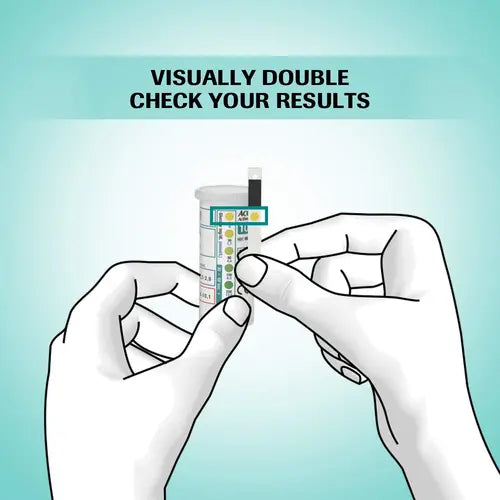
For home blood-glucose monitoring, FDA and CDC guidance emphasizes washing and thoroughly drying your hands and following the meter instructions. Food or sugar left on fingers can affect a reading. An alcohol swab should not be treated as a universal replacement for that preparation.
Follow the instructions for your particular meter and testing system. Some device instructions address alcohol wipes and require complete drying if one is used; other patient guidance advises against alcohol pads for home testing. Rather than combining pieces of different routines, ask your diabetes care team to clarify the correct method for your equipment.
Bring the meter and its instructions to an appointment if you remain unsure. FDA guidance recommends practicing with an experienced user or healthcare professional and taking the meter to your clinician. That is more useful than trying to solve an unexpected result by repeatedly wiping the same fingertip.
Shop injection and blood-testing supplies at Meddey
These supplies are used alongside skin preparation. Click any product to open its Meddey product page.
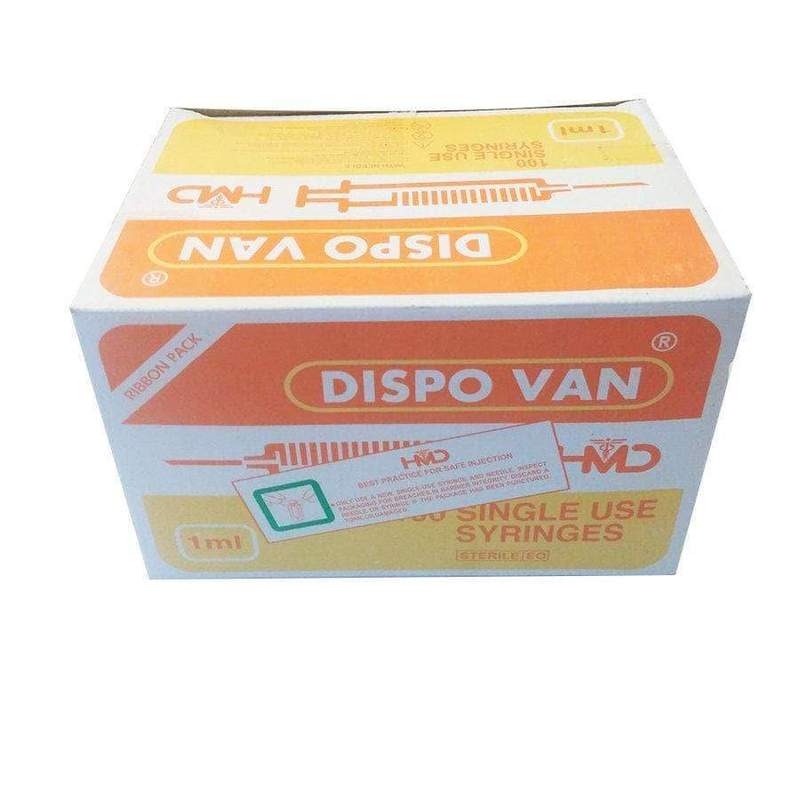
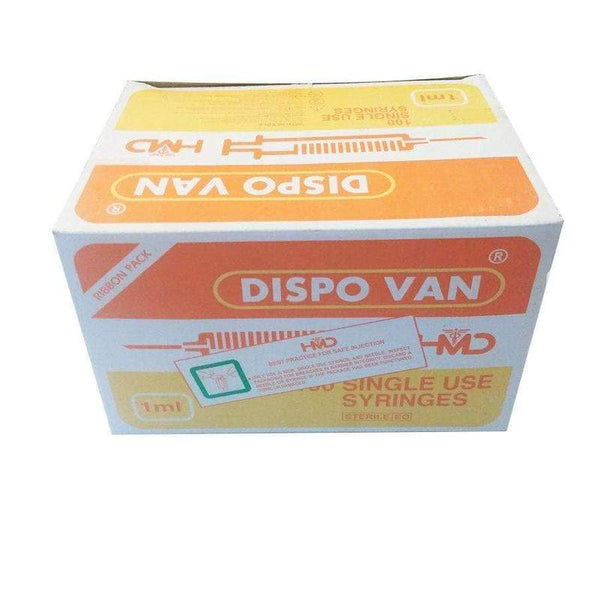
 Dispovan 1ml Syringes with 26G Needle (Luer Mount) - Box of 100
₹506
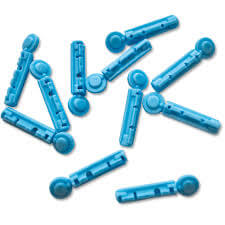
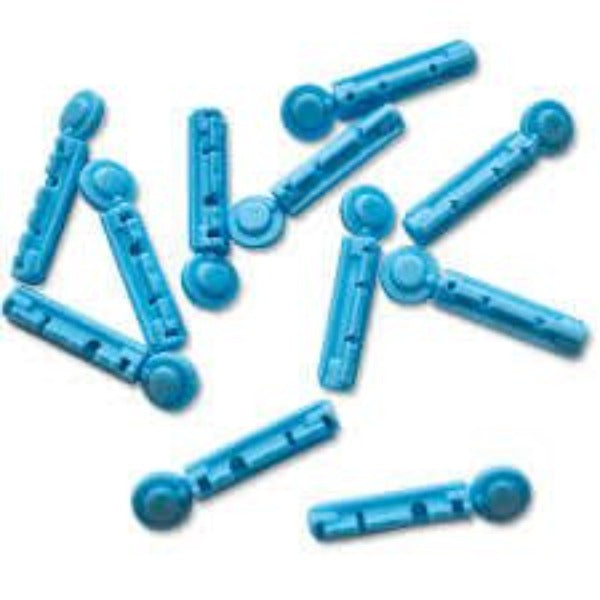
View product Generic Round Blood Lancets - Pack of 100
₹413
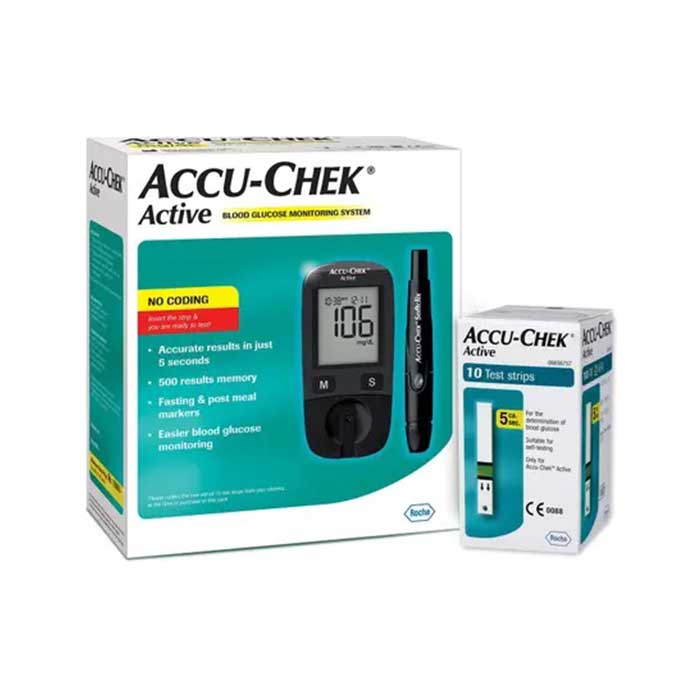
View product Accu Chek Active Glucometer Machine with 10 Strips Free
₹1,011
View product Digital Thermometer Fixed Tip
₹137
View product
Prices as listed on Meddey on 5 November 2026. They can change, so check the live product page for the latest price and availability.
Which Alcohol Swab Is Best?
The best alcohol swab is the one that matches the intended task, carries clear labeling, meets any required sterile designation, and arrives in an intact package. There is no useful universal winner based only on brand, thickness, or alcohol percentage. Start with the requirements of your procedure or device, then compare swabs that meet them.
Use the following table as a purchasing worksheet rather than a brand ranking. It helps separate essential information from features that may simply reflect personal preference.
| What to compare | What to look for | Why it helps your decision |
|---|---|---|
| Intended use | Clear skin-preparation or other relevant directions | Prevents choosing a swab for the wrong task |
| Ingredient and concentration | A readable active-ingredient statement | Lets you match the required formulation |
| Sterile status | An explicit designation when required | Avoids assuming all wrapped pads are sterile |
| Packaging condition | Individually intact seals | Helps identify packets that should not be used |
| Single-use instructions | Clear disposal directions | Prevents planning to reuse a disposable pad |
| Package identification | Manufacturer, item code, and lot details | Makes questions and recall checks easier |
| Pack quantity | A clearly stated number of usable packets | Makes cost comparisons more meaningful |
Package labeling supports the formulation, packaging, and single-use checks; FDA recall information illustrates why identifying the exact swab and lot is valuable. The purchasing worksheet itself is a practical way to organize those checks.
Once the essential requirements are met, consider handling convenience. Can you open the packet comfortably? Is the labeling readable? Can you store the box with its instructions? These questions are particularly useful when buying for someone who has asked for help with their supplies.

Comparing Alcohol Swab Brands: BD, Control D and Manward
Searches for BD alcohol swabs, Control D alcohol swab, or Manward alcohol swab should lead to the same next step: verify the exact swab rather than relying on brand recognition. Brand names are useful for finding an item, but the package determines whether it fits your task.
An official embecta page headed “BD Alcohol Swabs” describes alcohol swabs as antiseptic skin cleansers before syringes, pen needles, or lancets. Because presentation can vary by market, use the page relevant to your location and check the package you actually receive. Do not assume a similarly named listing has identical details.
Control D's official listing describes its alcohol swabs as nonwoven pads saturated with 70% isopropyl alcohol. That ingredient information is useful, but it should be considered alongside the complete package directions and any requirements for the intended procedure. Manufacturer descriptions do not replace individualized clinical advice.
Manward Healthcare Products also lists a nonwoven disinfectant alcohol swab. Before choosing a Manward alcohol swab, request or inspect the complete label for the formulation, intended use, sterile status, storage instructions, and item identification. A brief listing title is not enough for a detailed medical-supply comparison.
A sensible comparison avoids unsupported conclusions such as one brand being safer, stronger, or more effective than another. If two swabs both appear suitable, ask your pharmacist or care team whether either has a feature that matters for your particular routine. Otherwise, prioritize clear information and a dependable purchasing process over promotional wording.
Alcohol Swab Price: Compare Value, Not Box Size
How much does an alcohol swab cost? There is no single price that applies across brands, sellers, pack quantities, and locations. For a meaningful alcohol swab price comparison, obtain current quotes for the exact swabs you are considering and calculate the delivered cost per usable, individually wrapped pad. Avoid comparing a single packet with a carton or a multi-box case.
A simple purchasing formula is:
Delivered cost per pad = total purchase cost, including applicable delivery charges, divided by the number of pads supplied.
Use that calculation only after confirming that the swabs meet the same essential requirements. A lower unit cost is not helpful if the listing does not show the formulation or if the item is inappropriate for the intended use.
Ask these practical questions before choosing a larger order:
- Is the quantity stated as individual pads, boxes, or cases?
- Does the listing show the swab you intend to buy?
- Can the seller provide the label and expiry information where applicable?
- Is the quantity sensible for your expected use and available storage?
- What happens if the shipment arrives damaged or does not match the listing?
For occasional home use, consider a manageable quantity rather than automatically choosing the largest pack. For an organization, use the same worksheet consistently so repeat orders can be compared without starting from scratch.
Treat premium claims carefully. More elaborate packaging descriptions or stronger marketing language do not answer whether a swab matches your procedure. First establish suitability; then compare cost, handling preferences, and supplier service among the suitable options.
Alcohol Swab Storage, Shelf Life and Package Check
Store alcohol swabs according to their package instructions. Common labeling calls for room-temperature storage, while safety information emphasizes keeping alcohol products away from heat and ignition sources. Preserve the original packaging so the warnings and item identification remain available.
There is no single shelf-life period to assign to every alcohol swab. Check the manufacturer's expiry information where supplied, and ask the manufacturer if it is missing or unclear. Do not invent a replacement date based on how long another brand lasts.
The condition of the individual wrapper matters even when the outer box looks fine. A sterile pad's label may specify that it is sterile only in an unopened, undamaged package. If the seal is torn or otherwise compromised, do not treat that packet as meeting its original sterile conditions.
For a practical storage routine, keep labels facing outward and avoid mixing loose packets from unidentified boxes. When replenishing supplies, check what you already have before ordering more. If you transfer packets to a travel kit, retain enough package information to identify them later.
Also keep brand and lot details available for recall checks. FDA notices for alcohol prep pads demonstrate that recalls can involve specific swabs and lots; a familiar brand name alone does not tell you whether your own supplies are affected. Follow the instructions in any notice that matches your swab.
Storage is therefore more than finding an empty drawer. The goal is to keep the swab identifiable, protected under its labeled conditions, and accessible to the intended adult user without making it accessible to children.
Alcohol Swab Safety: Flammability and Accidental Exposure
Alcohol swabs are flammable. Keep them away from heat, sparks, open flames, and other ignition sources, and follow any procedure-specific restrictions. Swab labeling may explicitly prohibit use with electrocautery. Keep both unused and used pads away from ignition sources while handling them.
Keep alcohol swabs out of reach of children. A small sealed packet is not child-safe storage, and the solution is not safe to swallow. Labels instruct users to obtain medical help or contact a Poison Control Center immediately if ingestion occurs.
If alcohol gets into the eyes, rinse with water and obtain appropriate medical advice. Do not continue using a swab that causes irritation, and do not assume discomfort is necessary for it to work. Safety data also identifies eye irritation and concerns with vapor exposure.
A plain pre-use checklist can keep the essentials visible:
- The swab matches the intended task.
- The ingredient, strength, and warnings are readable.
- The packet is intact and any required sterile status is confirmed.
- The planned area is appropriate for the swab.
- The workspace is away from heat and flames.
- Children cannot access the supplies.
- The relevant procedure instructions are available.
- The pad will be used once and discarded as directed.
This checklist brings together common labeling precautions; it does not replace the complete directions on your swab.
Frequently Asked Questions About Alcohol Swabs
1. What is an alcohol swab used for?
An alcohol swab is mainly used to prepare intact skin before an injection, blood draw, or other minor procedure when the instructions call for it. It can also help clean some small, compatible tools. It is a task-specific supply, not an all-purpose disinfectant.
2. What is in an alcohol swab?
Many alcohol swabs contain a nonwoven pad saturated with 70% isopropyl alcohol and purified water. Ingredients, sterility, and approved uses can differ between brands, so confirm the details on the package.
3. Should I let the skin dry after using an alcohol swab?
Yes. Injection-safety guidance includes letting the skin air-dry completely after cleansing. Do not shorten this step because the pad feels cold or the alcohol smell seems strong.
4. Can I use an alcohol swab on an open wound?
Routine open-wound care generally calls for gentler cleaning. The American College of Surgeons advises against rubbing alcohol on open wounds because it can damage tissue, and the American Academy of Dermatology recommends water and a mild cleanser for minor cuts.
5. Does an alcohol swab sterilize skin or instruments?
No. CDC guidance states that alcohol is not recommended for sterilizing medical and surgical materials, and alcohol does not destroy bacterial spores. A wiped skin site is prepared, not sterile.
6. Is 90% rubbing alcohol better than 70% alcohol swabs?
A higher percentage is not automatically better, because water helps alcohol work against microorganisms. For injection preparation, use the swab and concentration your instructions specify, and do not dilute the alcohol yourself.
7. Can I use alcohol swabs to clean my face?
They are not a good choice for everyday facial cleansing or acne care. The American Academy of Dermatology advises avoiding rubbing alcohol and other drying products and recommends gentle, nonabrasive cleansing instead.
8. Do I need an alcohol swab before a glucose test?
Follow the instructions for your meter. FDA and CDC guidance emphasizes washing and thoroughly drying your hands, because food or sugar on the fingers can affect a reading. Ask your diabetes care team if you are unsure.
9. How should I store alcohol swabs?
Store them in their original packaging at room temperature, away from heat, sparks, and flames, and out of reach of children. Check expiry information where supplied, and do not use a packet with a torn or damaged seal.
10. How do I compare alcohol swab prices?
Compare the delivered cost per individually wrapped pad: total cost, including delivery, divided by the number of pads. Confirm first that the swabs meet the same requirements for intended use, ingredient, and sterile status.
Explore medical supplies at Meddey
Browse Meddey products or contact the team for help choosing supplies.
Browse all productsContact MeddeyVisit MeddeyExplore Medical Collections
All Categories
Abdominal Belt: Support After Surgery, in Pregnancy and After Delivery

Accessories
Accu-Chek Instant Strips: Use, Compatibility, Price & Blood Sugar Testing Guide
Accu-Chek Instant Strips: Uses, Features & Complete Guide

accupuncture

Acupuncture Needles & Supplies

Advanced Physiotherapy Machines & Lumbar Physiotherapy
AED Defibrillator: How It Works, Who Can Use It and Where to Place It

Airways
Alcohol Swab Uses: A Guide to Safe and Effective Application
Alcohol Swab: Uses, Safe Use and Disposal Guide
Ambu Bag Full Form: Is There an Official Meaning?
Ambu Bag: Parts, Uses and Safety Guide
Ambu Full Form: What the Name Means and BVM Basics

Ambulance
You may also need
FOR YOURecommended for you
Save 56%
Save 58%
Save 31%
Save 8%