


Featured Choice


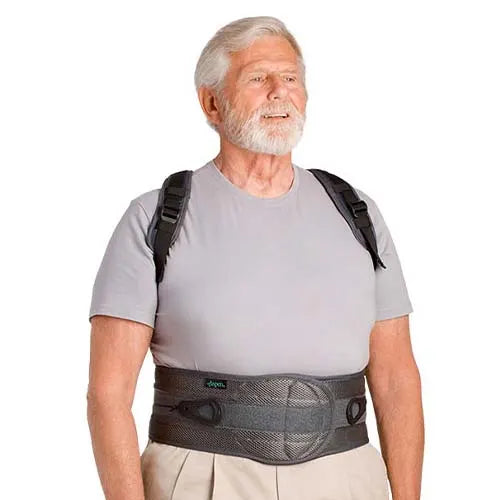
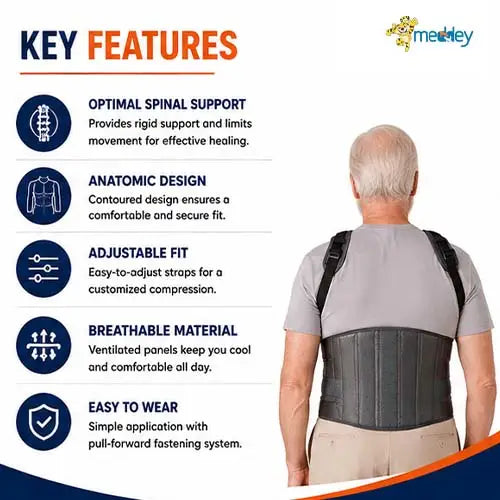

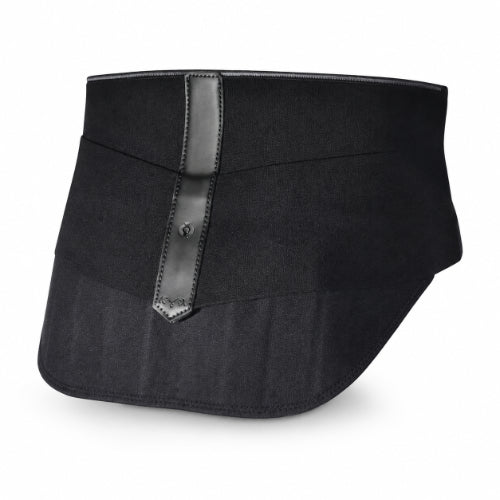
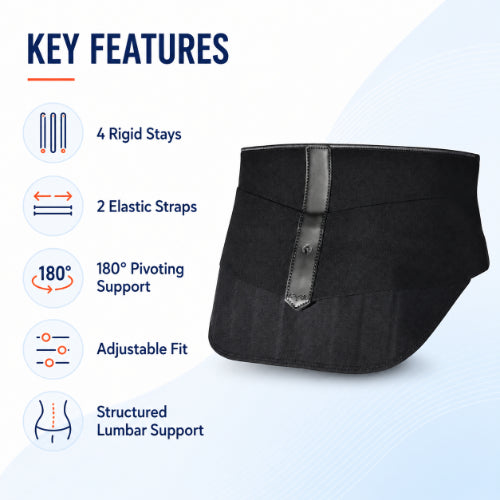



What customers say
★★★★★ 5.0 · 3 reviews
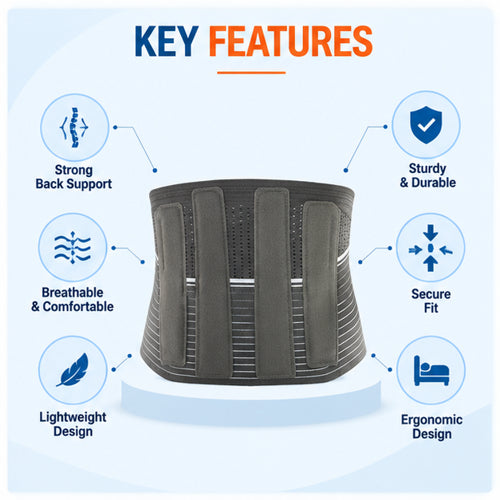
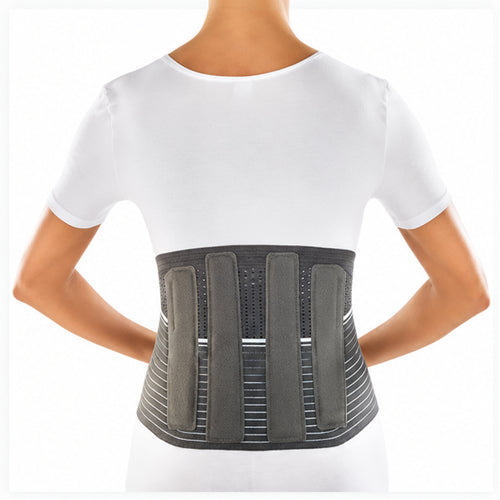
 Velpeau Dorsafit Lumbar Support Belt | Comfortable Back Support
“Sturdy, comfortable, great for posture!”
“The Lumbar Support Belt Dorsafit from Velpeau France is fantastic! It offers excellent lower back support a...”
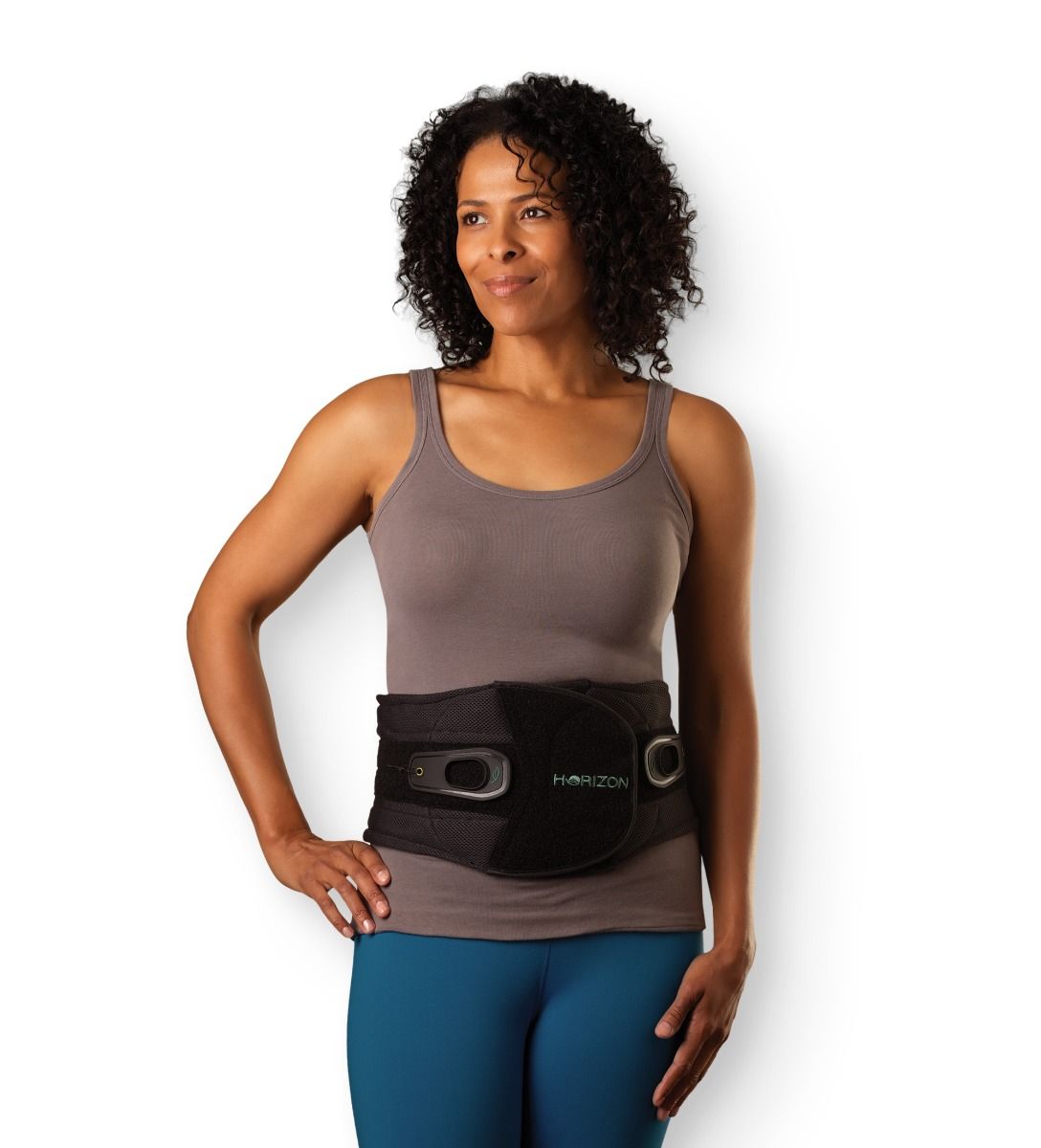
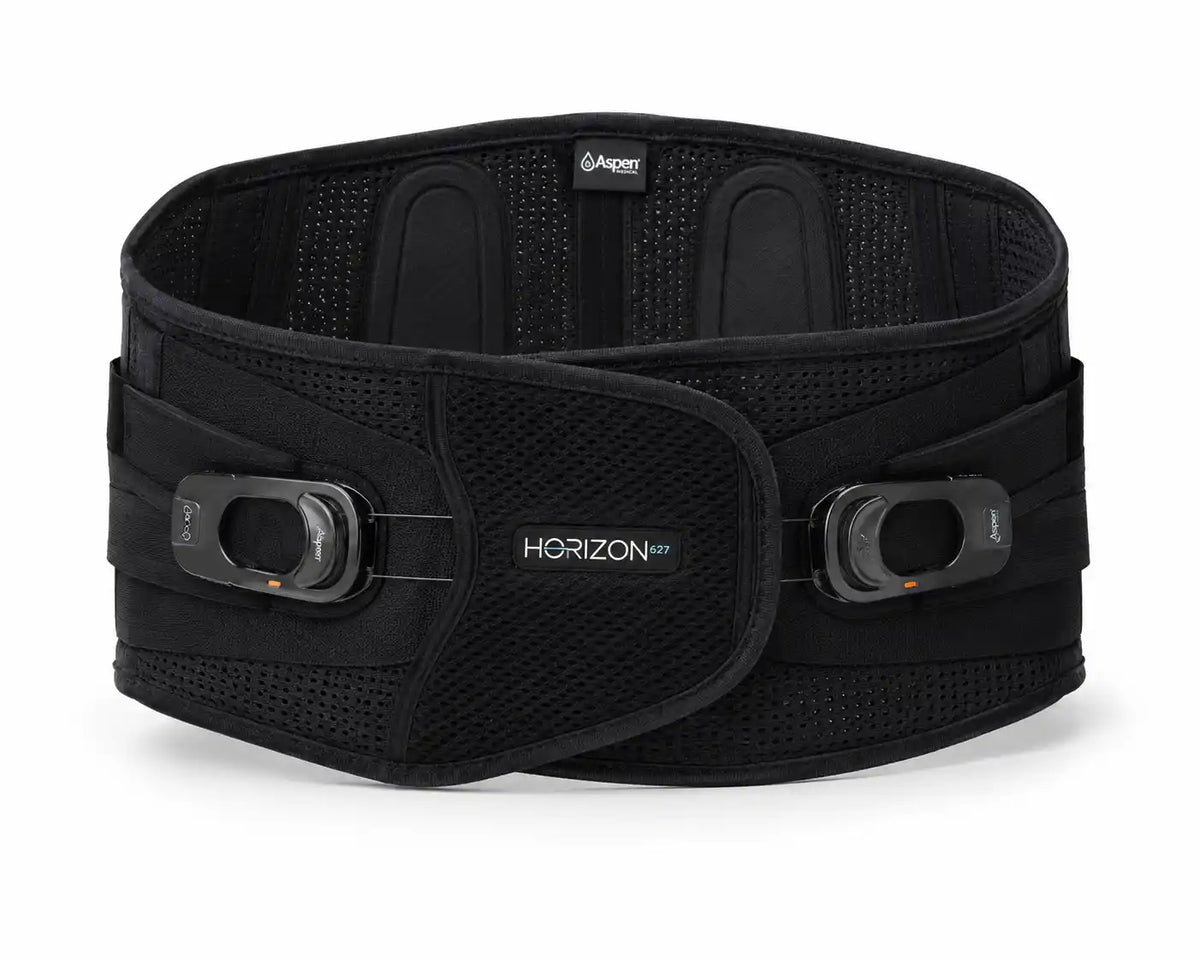
 Velpeau Vertelibre Lumbar Support Belt | Adjustable Back Support
“Comfortable, supportive, perfect for relief!”
Back Ache Belt: Benefits, Types & How to Choose
People also call a back ache belt a back support or lumbar support belt. It provides external support around the lower back and may help make everyday activities such as sitting, standing, driving, lifting, or working more comfortable.
However, back support belts differ in design, and a belt is not necessarily suitable for every type or cause of back pain. Some provide flexible compression, while others use structured panels or stays for firmer support.
Understanding the different types, their intended uses, fit, and limitations can help you make a more informed choice.

What Is a Back Ache Belt?
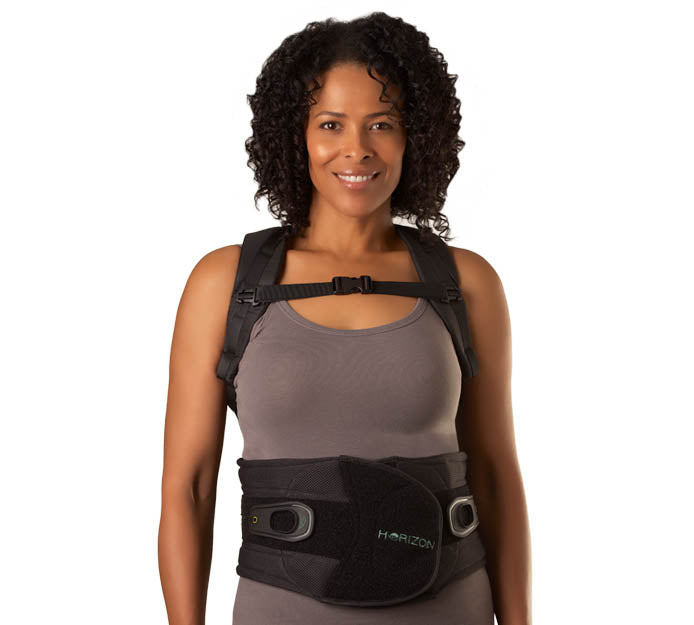
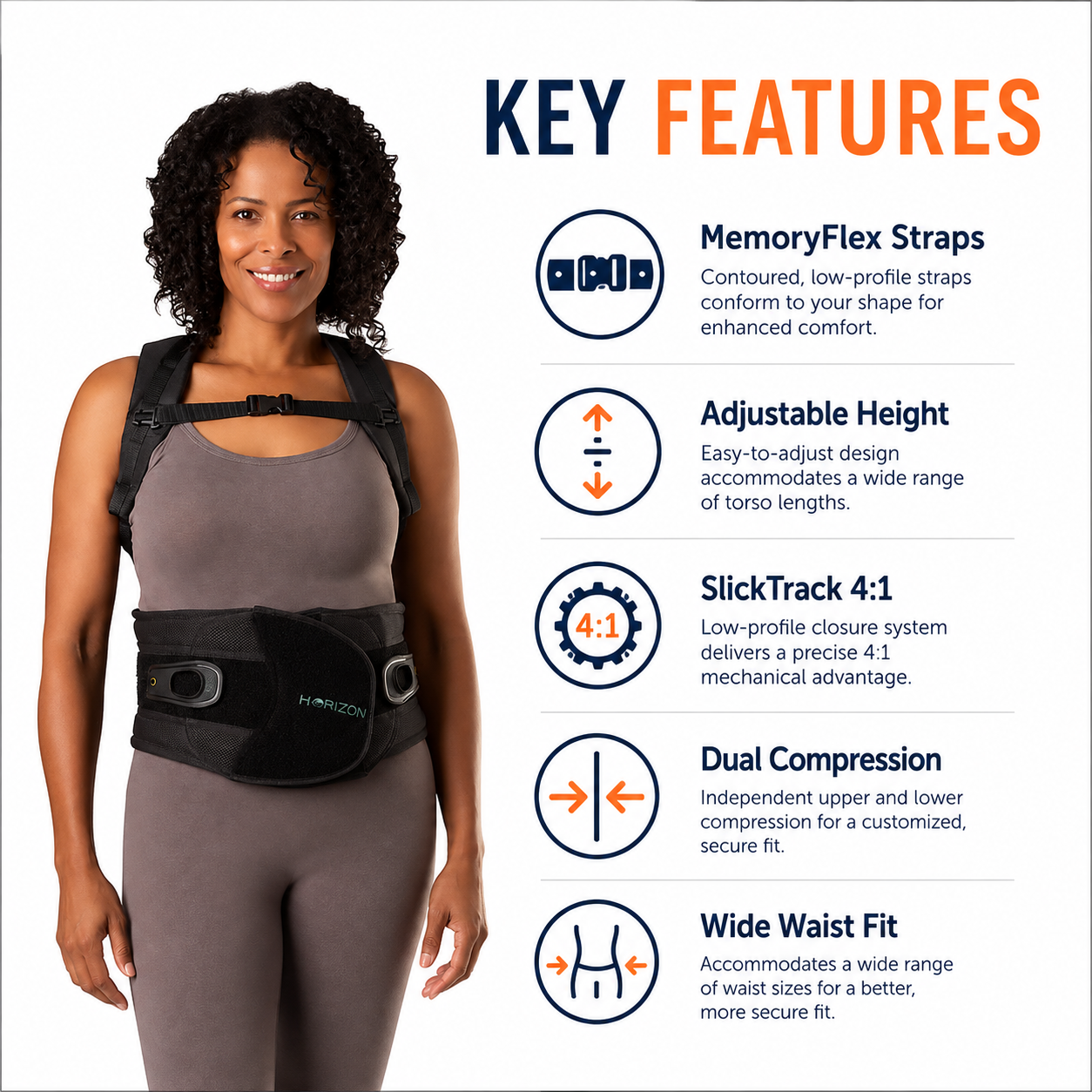
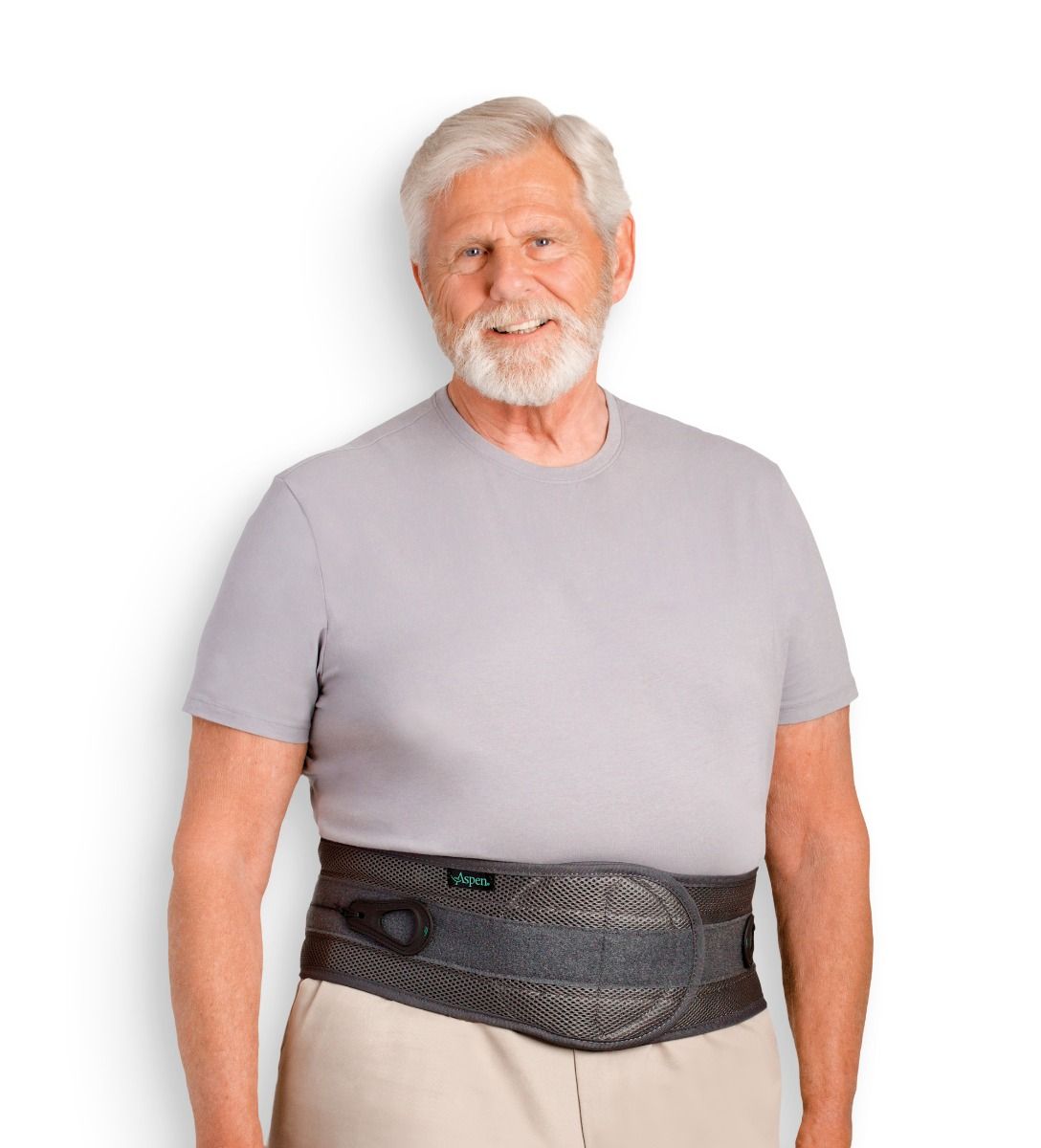
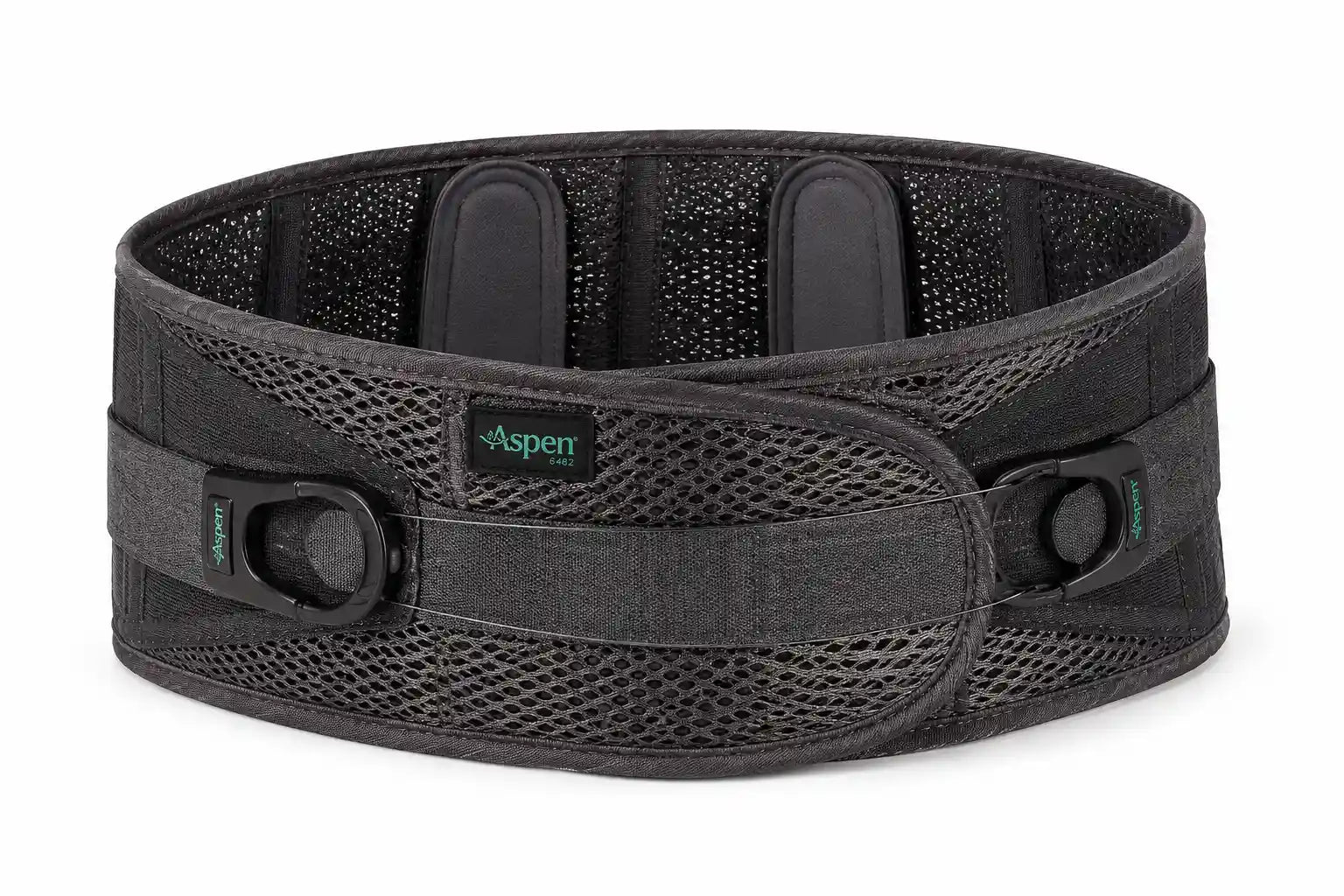
People wear a back ache belt around the waist and lower-back region to provide external support to the lumbar area. Depending on its design, a belt may use elastic materials, compression, adjustable straps, support panels, or stays.
People commonly use the terms back support belt, lumbar support belt, and lumbo-sacral belt for products that support the lower back, although the exact design and level of support can vary.
Treat a back support belt as a support aid rather than a cure for the underlying cause of back pain. Research on the effectiveness of back-support belts is mixed, so their suitability depends on the individual and the reason for using one.
How Does a Back Support Belt Work?
Different belts work in slightly different ways, but a back support belt may provide support through compression, stability, and movement feedback.
Compression and support
Some flexible belts apply gentle compression around the lower back and abdomen. This can provide a feeling of support and stability during movement.
Limiting excessive movement
Some structured belts contain stays or support panels that restrict certain movements. This can be useful when a person needs additional stability, although the appropriate level of restriction depends on the person's condition. Do not assume the required level of support from the appearance of a belt alone.
Posture awareness
A support belt can also make a person more aware of their lower-back position during activities such as sitting, standing, or lifting. However, do not consider a belt a replacement for appropriate movement habits, exercise, or professional care when needed.
Does a Back Ache Belt Really Help With Back Pain?
This is one of the most important questions to consider before buying a belt.
A back support belt may help some people manage discomfort or provide additional support during certain activities, but do not consider it a universal treatment for back pain.
Evidence regarding back-support belts is limited and mixed. Some research has reported reductions in pain, while other research has not found clear measurable benefits.
The potential usefulness of a belt can depend on factors such as:
- The cause and location of the discomfort
- The type of belt
- How well it fits
- The activity during which you use it
- How long you wear it
- Whether you use it alongside appropriate movement or professional guidance
If back pain is persistent, severe, follows a significant injury, or is accompanied by concerning symptoms such as weakness or numbness, relying only on a support belt is not appropriate. Professional medical advice should be sought.
Types of Back Support Belts
There are several types of back support products. Choosing between them should depend on the level and type of support required.
1. Elastic or Flexible Lumbar Belts
These belts generally use flexible or elastic materials and provide compression around the lower back.
They may be suitable when someone is looking for relatively lightweight support during everyday activities. Breathability and adjustability can be particularly important if you plan to wear the belt for periods of activity.
2. Lumbo-Sacral Belts
Lumbo-sacral belts support the lower lumbar and sacral region. Some models incorporate flexible or semi-rigid stays and adjustable fastening systems.
The level of support varies considerably between products, so check the product's specifications and intended use before purchase.
3. Structured or Rigid Lumbar Braces
Some lumbar braces provide firmer support using rigid or semi-rigid components. For example, the Velpeau Vertelibre is a rigid lumbar support belt designed for stronger, structured support.
These products differ from simple elastic support belts and may suit specific clinical situations. If someone has experienced an injury, undergone surgery, or has a diagnosed spinal condition, ask a healthcare professional to determine the appropriate brace and wearing schedule.

How to Choose the Right Back Ache Belt
The best back ache belt is not necessarily the stiffest or most expensive one. The right choice depends on the type of support you need, your body measurements, and how you plan to use the belt.
Consider the level of support
First, determine whether you need flexible compression or firmer structural support.
A lightweight elastic belt may be more appropriate for someone looking for basic support, while a structured brace may suit situations requiring greater stabilisation.
For an everyday lumbar support option, the Medansh Orthopaedic Lumbar Support Belt is one example of a structured belt with adjustable support.
Do not automatically choose the highest level of support simply because it appears more effective.
Check the fit and size
A belt should feel secure without causing pain or excessive pressure.
Always follow the manufacturer's sizing instructions rather than assuming that your usual trouser size will correspond to the correct belt size.
For example, Meddey's Velpeau Dorsafit product provides specific waist-measurement ranges for its T1–T4 sizes, demonstrating why checking the individual product's size chart is important.
Look for adjustability
Adjustable fastening can make it easier to achieve a secure fit.
A belt that is difficult to adjust may be uncomfortable or may not provide consistent support during movement.
Consider breathability
If you expect to wear a belt during physical activity or for several hours, the material can affect comfort.
If heat and moisture concern you, consider breathable or porous materials. Check the product specifications rather than assuming that every belt has the same ventilation properties.
Consider the activity
Think about when you actually intend to use the belt.
Your requirements may differ if you need support while:
- Sitting for long periods
- Driving
- Standing for extended periods
- Performing physical work
- Lifting
- Recovering from an injury under professional guidance
A belt that feels comfortable during one activity may not be equally suitable for another.
How Should a Back Support Belt Fit?
A back support belt should feel firm and supportive rather than painfully tight.
An excessively tight belt may cause discomfort, restrict normal movement, or make breathing uncomfortable. A belt that is too loose may move around and fail to provide the intended support.
When putting on a belt:
- Position the back panel over the intended lower-back area.
- Fasten the belt according to the manufacturer's instructions.
- Adjust the straps or closure gradually.
- Make sure the belt remains comfortable when sitting and moving.
- Stop using it if it causes significant pain, numbness, skin problems, or other concerning symptoms.
Always follow the fitting instructions supplied with the specific product because belt designs differ.
When Should You Wear a Back Ache Belt?
Do not automatically wear a back support belt all day simply because back pain is present.
Some guidance suggests using support belts for limited periods or during activities that place additional strain on the back rather than relying on them continuously. Excessive use may contribute to problems such as skin irritation and reduced use of the trunk muscles.
Depending on the situation, a person may consider using a support belt during activities such as:
- Lifting or physically demanding work
- Extended standing
- Long periods of driving
- Certain activities that aggravate existing discomfort
If a healthcare professional has prescribed or recommended a belt as part of recovery from an injury or procedure, follow their instructions.
Can You Sleep With a Back Pain Belt?
Generally, do not wear a back support belt while sleeping unless a healthcare professional has specifically advised you to do so.
The appropriate wearing schedule depends on the type of belt and the reason you use it. Some clinical braces have specific instructions that differ from ordinary flexible back belts.
If you are considering sleeping in a belt because your pain is interfering with sleep, it is better to discuss the underlying problem with a healthcare professional rather than simply increasing the amount of time you wear the belt.
Can a Back Belt Cure Back Pain?
No. Do not describe a back support belt as a cure for back pain.
Back pain can have many different causes, and a support belt does not address every possible underlying cause. A belt may provide support or help manage symptoms in certain situations, but that is different from treating or curing the underlying condition.
Use a support device according to its intended purpose and, where appropriate, alongside professional medical advice.

When Should You Seek Medical Advice for Back Pain?
Not every episode of back pain requires urgent medical attention, but certain symptoms should not simply be managed with a support belt.
Seek professional medical advice if back pain:
- Is severe or persistent
- Follows a significant injury
- Is accompanied by numbness or weakness
- Is progressively getting worse
- Significantly interferes with normal daily activities
- Occurs with other concerning symptoms
A back support belt is a product for support; do not use it to delay assessment of potentially serious symptoms.
Frequently Asked Questions
Is wearing a belt good for back pain?
A back support belt may provide additional support or help some people manage discomfort during certain activities. However, evidence regarding effectiveness is mixed, and you should not consider a belt a cure for the underlying cause of back pain.
Do back pain relief belts really work?
They may help some people with support or short-term symptom management, but research has produced mixed results. The effectiveness can depend on the person's condition, the belt design, fit, and how it is used.
Which belt is best for lower back pain?
There is no single belt that is best for everyone. Consider the required support level, fit, adjustability, material, intended activity, and the manufacturer's instructions. If you have a diagnosed condition or are recovering from an injury, ask a healthcare professional which type of support is appropriate.
Can I sleep with a back pain belt?
Unless specifically advised by a healthcare professional, it is generally better not to sleep in a standard back support belt. Different clinical braces can have different instructions, so always follow the guidance provided for the specific product.
How tight should a back support belt be?
It should feel secure and supportive without causing pain, restricting breathing, or creating excessive pressure. Follow the manufacturer's fitting instructions for the specific belt.
How long can you wear a back support belt?
There is no universal wearing schedule for every belt. The appropriate duration depends on the product and the reason it is being used. Avoid assuming that wearing a belt continuously is better. If it has been prescribed for a specific condition, follow your healthcare professional's instructions.
How do I choose a back support belt?
Start by identifying the type and level of support you need. Then check the product's size chart, adjustability, material, breathability, support structure, and intended use. If you are unsure which type is appropriate for a medical condition, consult a healthcare professional.
Conclusion
A back ache belt can be a useful support option for some people, particularly when additional lower-back support is needed during certain activities. However, different belts provide different levels of compression and stability, and the right choice depends on the user's needs.
When choosing a back support belt, pay attention to support level, fit, size, adjustability, material, breathability, and intended use rather than choosing a product based only on price or appearance.
Most importantly, do not view a support belt as a cure for back pain. If pain is severe, persistent, follows an injury, or is accompanied by concerning symptoms, seek advice from a qualified healthcare professional.
If you are looking for a suitable support option, explore Meddey's back and lumbar support products and compare the available designs and specifications before making a decision.
Explore Medical Collections
All Categories
Abdominal & Maternity Support

Accessories

Accu-Chek Instant Strips: Use, Compatibility, Price & Blood Sugar Testing Guide
Accu-Chek Instant Strips: Uses, Features & Complete Guide

accupuncture

Acupuncture Needles & Supplies

Advanced Physiotherapy Machines & Lumbar Physiotherapy

Airways

Ambulance

Anatomy Models
Anesthesia Machine

Anesthesia Products
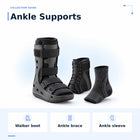
Ankle Support for Home Use: Braces, Sleeves & Walker Boots
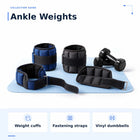
Ankle Weights & Exercise Weights for Home & Rehab

Anti-Bedsore Air Mattresses
You may also need
FOR YOURecommended for you