


Featured ChoiceSave 62%
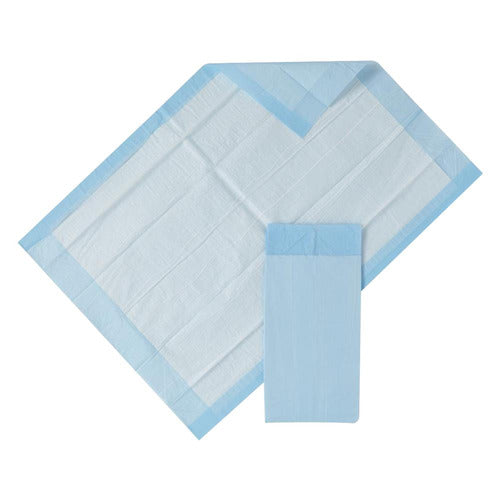
Bed pan for patients with limited mobility: how to use and clean it
Bed pan is a shallow vessel used when a person cannot safely get out of bed for passing urine or stool. It helps people with limited mobility or weakness use the toilet while staying on the bed with privacy, support, and less strain.
For home care in India, a bed pan should be chosen with the person’s movement, comfort, and safety in mind. A doctor, nurse, or trained professional should guide use when the person has pain, surgery, fracture, severe weakness, or any medical restriction. Simple care, clean hands, gloves, a bed pad, and calm handling make bed pan use easier for both patient and caregiver. (myhealth.alberta.ca)

What is a bed pan, and who needs one?
A bed pan is for a person who cannot walk safely to a toilet or commode. It may help an older adult, a weak patient, or someone advised to stay in bed.

A bed pan for patient care is not meant for someone who can safely reach a toilet or commode. If walking is safe, that option usually gives more natural posture and dignity.
Home caregivers should not guess in medical cases. Ask a doctor or trained professional how the person may move, roll, lift, and sit.
Bed pan choice starts with safe movement
Choosing a bed pan is not only about shape. It is about how much the person can move in bed without pain or fear.
Some people can bend knees and lift hips a little. Others need help to roll to one side. Some people cannot lift hips at all, so a lower one may suit them better.
Use gentle words before touching or moving the person. Explain each step in simple language. This reduces worry and helps the person cooperate.
A bed pan should feel stable on the bed. It should not wobble, pinch skin, or press sharply. If the person says it hurts, stop and adjust.
Bed pan types for home use
Different bed pan shapes serve different needs. A regular bed pan has more depth, while a fracture or slipper pan is lower and easier to slide under the body.
A bed urinal or urine pot may help some people pass urine in bed. Still, many people need a bed pan when sitting up or aiming is difficult.
|
Type |
Common use |
Main benefit |
Care point |
|---|---|---|---|
|
Regular bed pan |
Person can lift hips or roll with help |
Holds more and feels stable when placed well |
Needs careful placement under hips |
|
Fracture bed pan |
Person cannot lift hips much |
Low shape slides in with less lift |
Holds less than a regular pan |
|
Slipper pan |
Similar use to fracture pan |
Thin front edge needs less hip lift |
Needs steady handling to avoid spills |
|
Bed urinal or urine pot |
Urine only, when suitable |
Simple for some users |
Not a replacement when stool is expected |
Keep device choice simple. A unit that is easy to place, clean, and remove safely is usually more useful at home.

Why do many families prefer a stainless steel bed pan?
Many families prefer a stainless steel bed pan because it is strong, smooth, and easy to wash. It also suits repeated home use when handled with care.
A metal pan may feel cold on the skin. Warm it with warm water before use, then dry it fully so no water touches the bed or skin.
Do not use a very hot one. Test comfort with your gloved hand first. The aim is gentle warmth, not heat.
|
Stainless steel bed pan |
Plastic bed pan |
|---|---|
|
Feels firm and durable |
Feels lighter in the hand |
|
Easy to rinse and wash |
May feel less cold |
|
May be cold if not warmed |
May bend more depending on design |
|
Can be noisy if handled roughly |
Usually quieter on bed surfaces |
Both types can work. The right bed pan depends on body size, movement, comfort, and cleaning ease.

What is a fracture bed pan and when is it used?
A fracture bed pan is a low, wedge-shaped pan used when a person cannot raise the hips enough for a regular one. It is often used when lifting, turning, or hip movement is restricted by medical advice. (ncbi.nlm.nih.gov)
The thin end goes under the body first. This shape needs less hip lift, so the caregiver can place it with less movement.
A fracture or slipper pan usually holds less than a regular bed pan. Empty it carefully and keep the bed pad in place to protect the bed.
Bed pan comparison for regular and fracture shapes
A regular bed pan works well when the person can lift hips or roll. It has a deeper bowl and usually feels more secure after placement.
A fracture pan helps when movement must stay small. It slides under the body with less lift, but the caregiver must watch for spills.
|
Feature |
Regular bed pan |
Fracture or slipper pan |
|---|---|---|
|
Hip lift needed |
More |
Less |
|
Bowl depth |
Deeper |
Shallower |
|
Good for |
People who can lift or roll with help |
People with limited hip lift |
|
Spill risk |
Lower when placed well |
Higher if overfilled or tilted |
|
Placement |
Needs more space under hips |
Slides in more easily |
Ask for guidance if the person has pain, injury, surgery, or movement rules. Safe movement matters more than speed.
What supplies should I keep ready before using a bed pan?
Keep everything ready before you place a bed pan, because the person should not wait in discomfort. Basic supplies include gloves, hand wash, a bed pad, toilet paper or wet wipes, a cover sheet, water for washing, and a clean place to keep it after removal. (myhealth.alberta.ca)

Good setup protects the bed and keeps the person calm. It also helps the caregiver avoid rushing.
|
Supply |
Why it helps |
|---|---|
|
Clean bed pan |
Main vessel for urine or stool |
|
Gloves |
Keeps hands clean during care |
|
Soap and water |
Needed before and after care |
|
Bed pad |
Protects the bed from spills |
|
Toilet paper or wet wipes |
Helps clean the skin gently |
|
Cover sheet or blanket |
Keeps the person covered |
|
Small towel |
Helps dry the skin well |
|
Diluted disinfectant |
Helps wash the pan after emptying |
Place supplies within reach, but keep them neat. Do not place clean items where the used unit will sit.
Bed pan setup protects the bed from spills
A bed pad under the unit is one of the simplest ways to protect the bed. Spread it flat under the hips before placing the unit.

Do not use thick folds under the body. Folds can press the skin and tilt the unit. A flat pad supports cleaner use.
Keep the bed as level as possible, unless a trained person has advised another position. Raise the head slightly only if it helps comfort and safety.
If the bed sheet is loose, smooth it first. A stable surface helps the unit sit better and reduces sudden tipping.
How do I place a bed pan under a person with limited mobility?
Place a bed pan by helping the person lift the hips slightly or roll to one side, depending on their strength. If they cannot lift safely, help them roll gently, press it against the buttocks, and roll them back onto it. (myhealth.alberta.ca)
Tell the person what you will do before every step. Move slowly, and stop if they feel pain, dizziness, or fear.
For a person who can lift hips:
-
Wash hands and wear gloves.
-
Place a bed pad under the hips.
-
Cover the person with a sheet for privacy.
-
Ask them to bend knees if safe.
-
Ask them to lift hips gently.
-
Slide the bed pan under the buttocks.
-
Check that the wider part sits under the hips.
-
Help them settle without pressing skin.
For a person who needs rolling:
-
Wash hands and wear gloves.
-
Place the bed pad flat on the bed.
-
Help the person roll to one side.
-
Hold it against the buttocks.
-
Help the person roll back onto it.
-
Check balance before you let go.
-
Keep the person covered.
-
Stay nearby if they are unsafe alone.
Never pull hard on arms or shoulders. Support the hip and back area as advised by a trained person.
Bed pan privacy and comfort during use
Privacy matters during bed pan use. Cover the person with a sheet or blanket, expose only what is needed, and speak respectfully.
Ask family members to step away if the person wants privacy. Keep the room calm. Avoid joking, scolding, or rushing.
A person may feel shy or upset. Use simple words like, “I will help you and keep you covered.” Small respect makes a big difference.
If the person can be left alone safely, give privacy nearby. If they are confused, weak, dizzy, or at risk of slipping, do not leave them alone.
Can I leave the person alone while on the bed pan?
You may leave the person alone only if they are safe, steady, and able to call you. If they are weak, confused, sleepy, dizzy, or likely to move suddenly, stay close and protect privacy with a cover.
Do not leave anyone on a bed pan for long. Long sitting can cause pressure, discomfort, numbness, and skin redness.
Check often, but do it respectfully. Ask, “Are you comfortable?” or “Shall I help you now?”
Bed pan removal must be slow and steady
Removal can spill if the caregiver rushes. First, make sure the person has finished and feels ready to move.
Hold the unit steady before the person moves. Keep the bed pad under it until the unit is away from the body.
If the person can lift hips, ask for a small lift. Slide it out level and place it in a safe position.
If the person needs rolling, support the pan with one hand. Help the person roll away from you, then remove the pan carefully. Alberta Health also advises helping the person roll off the pan away from the caregiver. (myhealth.alberta.ca)
How do I help a person roll off the bed pan safely?
Help the person roll off the bed pan by holding it steady, guiding the person away from you, and keeping it level. This protects the bed, the skin, and the caregiver’s clothing from spills.
Use calm instructions. Say, “Please turn slowly towards that side.” Keep one hand ready to steady it.
After removal, cover the pan or carry it carefully to the toilet. Do not place it on the floor where someone may step on it.
Bed pan care for skin after use
After bed pan use, clean the skin gently and dry it well. Damp skin can become sore, itchy, or red.
Wipe from front to back when cleaning the private area. Use clean wipes or a soft wet cloth. Change the wiping area often.
Pat the skin dry instead of rubbing hard. Check for redness, marks, or complaints of burning. If skin looks damaged or pain continues, seek medical advice.
Do not put the person back on wet sheets. Change or dry the bed surface before helping them rest.
How do I prevent skin problems after bed pan use?
You can reduce skin trouble by removing the pan promptly, cleaning gently, drying the skin well, and checking for redness. Do not let the person sit on the pan longer than needed.
Use a smooth bed pad and avoid wrinkles under the body. If skin looks painful, broken, or very red, speak with a doctor or trained professional.
Bed pan cleaning after each use
Clean the bed pan after every use. Empty the contents into the toilet, rinse it, wash it with a diluted disinfectant, and let it dry fully.
Wear gloves while cleaning. Keep your face away from splashes. Wash hands well after removing gloves.

How do I clean a bed pan after each use?
Empty the bed pan into the toilet first, then rinse it with water. Wash it with a diluted disinfectant, rinse if needed as per the cleaning product’s directions, and let it dry before next use.
Do not leave a used unit near the bed. Do not mix the cleaning cloth with kitchen or bathing items.
A simple cleaning flow helps:
|
Step |
What to do |
Why it matters |
|---|---|---|
|
Empty |
Pour contents into the toilet |
Removes waste first |
|
Rinse |
Rinse inside and outside |
Clears loose matter |
|
Wash |
Use diluted disinfectant |
Cleans the pan surface |
|
Dry |
Let it dry fully |
Keeps it ready |
|
Store |
Keep it in a clean, dry place |
Avoids mix-up with other items |
Follow the disinfectant label for dilution. Do not mix cleaning liquids unless a trained professional has told you to do so.

Should a metal bed pan be warmed before use?
Yes, a metal bed pan can be warmed before use because metal may feel cold. Rinse it with warm water, dry it fully, and test comfort with a gloved hand before placing it.
Never place a hot pan under a person. Warm and dry is enough. Comfort should never risk skin harm.
If the person still feels discomfort, adjust the position. Check that the edge is not pressing into the skin.
Bed pan mistakes to avoid at home
Most bed pan problems happen because of rushing. Slow steps protect comfort and reduce spills.
Avoid these common mistakes:
-
Placing it before gathering supplies.
-
Forgetting to wash hands or wear gloves.
-
Leaving the bed pad out.
-
Exposing the person more than needed.
-
Pulling the body instead of helping a roll.
-
Tilting it during removal.
-
Letting the person sit too long.
-
Leaving an unsafe person alone.
-
Forgetting to dry the skin.
-
Storing it before cleaning and drying.
A caregiver may feel awkward at first. Practice calm movements with an empty pan before real use, if the person agrees.
Bed pan dignity in Indian home care
In many Indian homes, several family members may share one room. This can make bed pan use feel embarrassing for the person.
Plan privacy before starting. Ask others to step out, close curtains, and keep a light cover over the person.
Use respectful words in the person’s own language. Do not speak loudly about urine or stool. Dignity is part of good care.
If an older person feels ashamed, reassure them. Say that needing help in bed is not their fault. Keep your tone steady and kind.
Bed pan use with a helper
Some bed pan placement is easier with two caregivers. One person supports the body, while the other places it.
Do this only if the patient agrees, when possible. Too many people around can reduce privacy. Choose the helper carefully.
When using two caregivers, agree on words before moving. Count together before rolling or lifting. This keeps movement smooth.
Do not twist the person’s body. Move shoulders and hips in the same direction when rolling, unless a trained person advises otherwise.
Bed pan, bed urinal, and urine pot differences
A bed pan can collect urine or stool while the person stays in bed. A bed urinal or urine pot is mainly for urine.
Some men and women may use a urine pot easily. Others may spill because of weak grip, poor aim, pain, or limited movement.
If stool may pass, use a bed pan instead. If the person cannot sit, aim, or hold a urine pot safely, a pan may be easier.
Clean every device after use. Store each item separately and keep it dry.
Bed pan fit and comfort signs
A well-placed bed pan supports the buttocks and stays level. The person should not feel sharp pressure.
Watch the face and body. Tight lips, gripping the sheet, or sudden silence may show pain or fear.
Ask simple questions:
-
“Is it hurting anywhere?”
-
“Do you feel steady?”
-
“Should I adjust the sheet?”
-
“Are you ready for me to help?”
Do not ignore discomfort. Small changes in angle, cover, or bed pad can help.
Bed pan safety when the person is weak
A weak person may slide, lean, or try to turn without warning. Stay close if you are unsure about safety.
Keep one hand near the unit and one hand ready to support the person. Do not leave the bed side cluttered.
If the person feels faint, remove it when safe and help them lie comfortably. Call for medical help if symptoms worry you.
Never force bed pan use. If the person has new pain, bleeding, severe weakness, or sudden confusion, ask a doctor or trained professional.
Bed pan cleaning area at home
Choose one cleaning area for the bed pan. A bathroom sink or washing area is easier to manage than carrying it around the house.
Keep cleaning items together. Mark them in your mind as toilet-care items only. Do not use them for food, bathing, or puja spaces.
After washing, let it dry in a clean place. A wet one feels unpleasant and may drip onto the bed.
Wash your hands after cleaning, even if gloves were used. Gloves help, but hand washing is still needed.
Bed pan questions home caregivers often ask
These answers give quick guidance for common doubts. For medical limits, always follow advice from a doctor, nurse, or trained professional.
|
Question |
Short answer |
|---|---|
|
What is a bed pan and who needs one? |
A bed pan is a shallow vessel used in bed for urine or stool. It helps a person who cannot safely reach a toilet or commode. |
|
How do I keep privacy and comfort during bed pan use? |
Cover the person with a sheet or blanket and expose only what is needed. Speak gently and keep others away if the person wants privacy. |
|
What supplies should I keep ready before using a bed pan? |
Keep gloves, soap, bed pad, wipes or toilet paper, cover sheet, water, towel, and diluted disinfectant ready. Arrange them before placing it. |
|
What is a fracture bed pan and when is it used? |
It is a low pan used when hip lifting must be small. It may suit people with limited movement, but it holds less. |
|
How do I help a person roll off the bed pan safely? |
Hold it level and help the person roll away from you. Remove it slowly without tilting it. |
|
Why do many families prefer a stainless steel bed pan? |
It is strong, smooth, and easy to wash. Warm and dry it before use because metal can feel cold. |
|
How can I protect the bed from spills during bed pan use? |
Place a flat bed pad under the unit before use. Keep it level during placement and removal. |
|
How do I prevent skin problems after bed pan use? |
Remove it promptly, clean gently, and dry the skin well. Check for redness or pain. |
|
Can I leave the person alone while on the bed pan? |
Only leave them if they are safe and able to call you. Stay nearby if they are weak, confused, or likely to move suddenly. |
|
Should a metal bed pan be warmed before use? |
Yes, warm it with warm water and dry it fully. Never use a hot one. |
Bed pan cleaning and comfort takeaway
Good bed pan care is simple, but it needs patience. The main goals are safe movement, privacy, clean handling, spill control, and dry skin.
Choose the pan shape based on movement. Use a regular bed pan when the person can lift or roll enough. Use a fracture or slipper pan when less hip lift is needed and a trained person agrees.
Keep the person covered, speak kindly, and never rush. Home care feels easier when the same clean steps are followed every time.
Bed pan final plain checklist
-
Wash hands before starting.
-
Wear clean gloves.
-
Keep the bed pan ready.
-
Keep a bed pad ready.
-
Keep wipes or toilet paper ready.
-
Keep a cover sheet or blanket ready.
-
Explain each step to the person.
-
Cover the person for privacy.
-
Place the bed pad flat under the hips.
-
Help the person lift hips if safe.
-
Help the person roll to the side if lifting is unsafe.
-
Place it gently and level.
-
Check that it does not hurt.
-
Stay nearby if the person is unsafe alone.
-
Do not leave the person on the pan for long.
-
Hold it steady during removal.
-
Help the person roll away from you if needed.
-
Empty the pan into the toilet.
-
Rinse it after emptying.
-
Wash it with diluted disinfectant.
-
Let it dry fully.
-
Clean the skin gently.
-
Dry the skin well.
-
Check for redness or pain.
-
Wash hands after removing gloves.
-
Ask a doctor or trained professional when movement rules are unclear.
Explore more home care items
Personal care
Anti-bedsore air mattresses
Patient stool
Commode chair guide
Explore Medical Collections
All Categories
Abdominal Belt: Support After Surgery, in Pregnancy and After Delivery

Accessories
Accu-Chek Instant Strips: Use, Compatibility, Price & Blood Sugar Testing Guide
Accu-Chek Instant Strips: Uses, Features & Complete Guide

accupuncture

Acupuncture Needles & Supplies

Advanced Physiotherapy Machines & Lumbar Physiotherapy
AED Defibrillator: How It Works, Who Can Use It and Where to Place It

Airways
Alcohol Swab: Uses, Safe Use and Disposal Guide
Ambu Bag Full Form: Is There an Official Meaning?
Ambu Bag: Parts, Uses and Safety Guide
Ambu Full Form: What the Name Means and BVM Basics

Ambulance

Anatomy Models
You may also need
FOR YOURecommended for you
Save 62%