


Featured ChoiceSave 25%


Save 23%


Save 30%


Save 10%
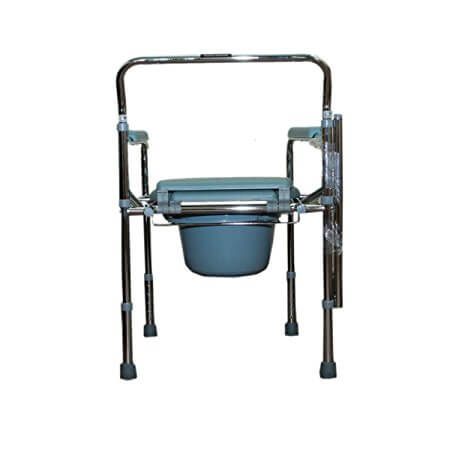

Commode Chair: Choosing the Right One for Comfort and Safety
Choosing the right commode chair for comfort
Commode chair selection is about more than convenience; it is about safer movement, easier toileting, dignity, and comfort for someone who may struggle to reach the toilet in time or move across a room safely. A bedside commode is a portable toilet intended for someone who can leave bed but cannot reach the toilet easily, and its medical use should be guided by a doctor or trained professional, especially when balance, weakness, recovery, or past falls are involved. This guide explains how to compare a commode chair, set it up near the bed, clean it properly, and know when to stop using a commode chair that is no longer safe.
What is a commode chair and how is it used?
A commode chair is a portable toileting seat with a removable commode bucket, designed to reduce the distance a person must walk to use the toilet. It is often placed near a bed or in another private, accessible area so the user can transfer, sit, use it, and return safely without rushing across the room. A commode chair for older adults may be helpful when night-time toilet trips, fatigue, pain, weakness, or limited mobility make the regular toilet difficult to reach.

The commode chair is used by positioning it on a stable, dry, level surface, checking that the frame is secure, and ensuring the bucket is correctly seated beneath the opening. The person should wear non-slip footwear, move slowly, and use the armrests or caregiver support only as advised by a trained professional. If the commode chair has wheels, the wheels should be locked before the user transfers, sits, stands, or adjusts clothing.

Some people call this an adult toilet chair, toilet chair, or bedside commode. Is a commode chair the same as a toilet chair? In everyday language, yes, many families use those terms to describe the same basic item: a movable toileting chair with a bucket or a design that can be used near a toilet. The important point is not the name but whether the commode chair fits the user, supports safe transfers, and suits the room where it will be used.
Who needs a commode chair at home?
A commode chair at home may be useful for someone who can get out of bed but cannot comfortably or safely reach the toilet every time. This may include an older adult recovering strength, a person with reduced stamina, someone who wakes often at night, or a person who needs a shorter and clearer transfer path. People with balance problems or a history of falls should consult a doctor before using a commode chair, because the commode may reduce walking distance but still requires safe sitting, standing, and turning.
The decision should be practical and personal. A commode chair can reduce rushing, but it does not remove the need for safe movement. If the user cannot stand, pivot, follow instructions, or remain seated safely, medical guidance is essential before relying on one at home.
A caregiver should also consider privacy, dignity, and routine. The commode chair should be easy to reach, but it should not block walking paths, doors, or access to the bed. The best commode chair setup is one that feels calm, predictable, and respectful, not one that turns the bedroom into an obstacle course.
A commode chair supports comfort when the fit is right
Comfort begins with fit. A commode chair that is too low can make standing difficult, while one that is too high may leave the user’s feet unsupported. A stable seated position usually means the user can sit with feet flat on the floor, knees comfortably bent, hips supported, and hands able to reach the armrests without leaning or twisting.

How do I choose the right commode chair height? Start by comparing the commode chair seat height with the user’s lower-leg length and usual sitting posture, then check whether the user can sit down and stand up with controlled movement. The person should not drop heavily into the chair, slide forward, or need to pull hard on unstable furniture. If a doctor, physiotherapist, occupational therapist, or trained caregiver has given transfer instructions, those instructions should guide the height choice.
Seat width and armrest spacing also matter. The person should have enough room to sit without squeezing against the frame, but the chair should not be so wide that armrests are hard to reach. If the commode chair is shared between different users, check the fit for each person rather than assuming one setting works for everyone.
Which features make a commode chair stable?
The features that make a commode chair stable include a strong frame, secure legs, non-slip feet, properly locked wheels if wheels are present, firm armrests, a correctly placed bucket, and a level floor beneath the commode chair. Stability also depends on using the commode chair within its maximum user weight and stopping use immediately if the chair becomes damaged, loose, bent, or wobbly. A stable commode chair should not rock, shift, or flex during normal sitting and standing.

Stability is not only a product feature; it is also a setup habit. The commode chair should be placed where the user can approach it without stepping over rugs, cords, clutter, or wet patches. The person should wear non-slip footwear, move slowly, and avoid pulling sideways on the frame. If a caregiver assists, the caregiver should stand in a safe position and follow professional advice for transfers.
Should the wheels of a commode chair be locked? Yes, if the commode chair has wheels, lock them before every transfer and while the user is seated. Wheels that roll even slightly can turn a simple sit-to-stand movement into a fall risk.
|
Safety feature |
What to check |
Why it matters |
|---|---|---|
|
Frame |
No cracks, bends, looseness, or wobble |
A weak frame may shift during transfer |
|
Feet or wheels |
Non-slip feet are secure; wheels lock fully |
Prevents movement while sitting or standing |
|
Armrests |
Firm, level, and easy to grip |
Supports controlled transfers |
|
Seat and bucket |
Seat is secure; bucket is correctly positioned |
Prevents shifting, spills, and discomfort |
|
Floor surface |
Dry, level, and uncluttered |
Reduces slipping and tripping |
|
Weight limit |
Maximum user weight is checked and followed |
Prevents unsafe overload |
How do I check the weight limit of a commode chair?
To check the weight limit of a commode chair, look for the maximum user weight listed on the product label, instruction sheet, or manufacturer information that came with the commode chair. The maximum user weight should never be exceeded, even for short use, because the frame, legs, seat, or wheels may not be designed to support more than that limit. If the label is missing or unclear, do not guess; ask the supplier or a trained professional before using the commode chair.
Weight limit is not only about body weight. A user may put extra force on the commode chair while lowering, pushing up, leaning, or shifting position. That force can be higher than seated weight alone, especially if the person moves suddenly or depends heavily on the armrests.
Caregivers should also recheck the commode chair after any fall, bump, move, or long period of use. A chair that was safe earlier may become unsafe if screws loosen, rubber feet wear down, or the frame bends. Never treat wobble as a minor annoyance; wobble is a warning sign.
Commode chair placement near the bed
Where should a commode be placed near the bed? Place the commode chair on the side of the bed the user normally exits from, close enough to reduce walking but far enough to allow safe standing, turning, and caregiver assistance if needed. The path from bed to commode should be dry, level, well lit, and free from loose rugs, cords, footwear, bags, or furniture edges.
A common mistake is placing the commode chair too close to the bed. If the user cannot stand fully, turn, and lower safely, it may create more difficulty rather than less. A little clear space can make the transfer smoother and reduce awkward twisting.
Night-time use needs extra planning. A soft night light can help the user see the commode chair without glare. Keep the commode chair in the same position every night so the user does not have to search for it when sleepy.
A commode chair should not be used in unsafe locations
A bedside commode should not be used in the shower or on wet floors. Wet flooring can make the commode feet, wheels, footwear, or user’s steps less secure. Even a sturdy commode chair can become risky when the surface beneath it is slippery.

Can a commode chair be placed over a regular toilet? Some commode designs may be positioned over a regular toilet if the design allows it and the setup is stable, but this should be done only according to the commode instructions and with enough space for safe transfers. The regular toilet area must be dry, uncluttered, and accessible. If the commode does not sit securely or the user must twist awkwardly to sit, do not use that arrangement.
This is also where terminology can confuse families. What is the difference between a commode chair and a shower chair? A commode chair is for toileting and has a bucket or toilet-use arrangement, while a shower chair is a different bathing aid; this article focuses only on commode use and not wet-area bathing. If a family needs a commode with transfer function, they should choose it for the intended commode purpose and follow professional guidance.
Commode chair types described in simple terms
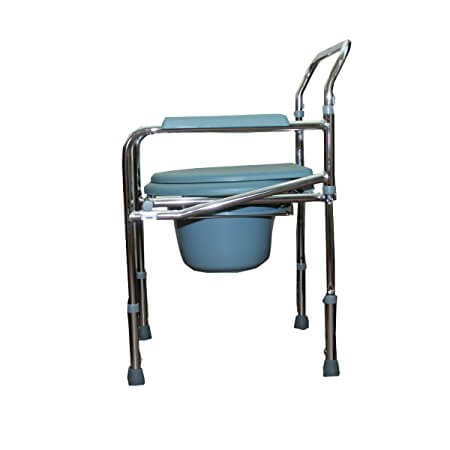
The most familiar option is the standard commode chair, which has a seat, armrests, frame, and removable bucket. It is commonly used near the bed when a person can leave bed but cannot reach the toilet easily. It should be chosen for fit, stability, ease of cleaning, and safe placement.
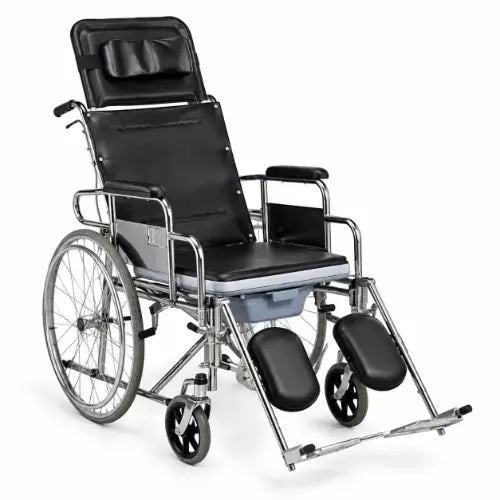
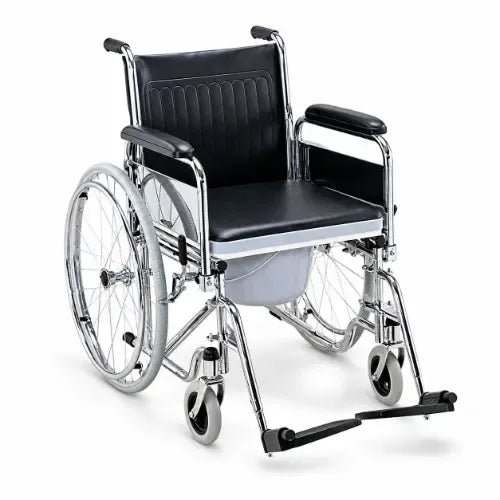
A wheelchair commode is a commode designed with mobility support in mind. It may be helpful when the user needs both seated movement and toileting support, but it still requires careful wheel locking, weight-limit checks, and a safe transfer plan. The word “wheelchair” should not make anyone assume it is automatically safe for every user; professional guidance remains important.


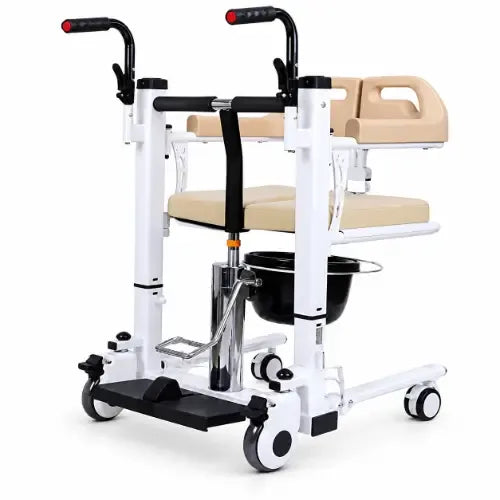
A commode with transfer function is designed to help with movement from one seated surface to another when used as intended. It may reduce awkward lifting or repositioning, but it should be used only after the caregiver understands the transfer method. Any commode with moving parts should be checked regularly so the transfer function does not become loose, stiff, or unstable.

|
Commode type |
General use |
Main safety focus |
|---|---|---|
|
Commode chair |
Bedside or nearby toileting for someone who can transfer |
Fit, dry floor, bucket position, stable frame |
|
Wheelchair commode |
Seated mobility plus commode use |
Wheel locks, turning space, user weight limit |
|
Commode with transfer function |
Helps planned transfers when suitable |
Correct setup, trained assistance, secure moving parts |

Daily use habits make the commode chair safer
Safe commode use depends on repeating simple habits every time. Before the user moves, check that the commode is in the right place, the floor is dry, the bucket is seated, and the wheels are locked if wheels are present. The person should wear non-slip footwear, even for a short night-time transfer.
The person should avoid rushing. Many commode falls happen during the moments before sitting or after standing, when clothing is being adjusted or the person is turning. A calm routine helps: sit fully, pause, finish toileting, stand slowly, pause again, and return to bed or another seat only when balanced.
Caregivers should not pull the user by the arms unless trained to do so safely. Pulling can hurt the user and may also destabilize the commode chair. If the person needs more support than the unit and caregiver can safely provide, the plan should be reviewed by a doctor or trained professional.
How should the commode bucket be cleaned after use?
The commode bucket should be removed carefully, emptied into the toilet, cleaned, disinfected, and dried before being returned to the unit. Use gloves if appropriate, carry the bucket steadily to avoid spills, pour the contents into the toilet, rinse as needed, wash with suitable cleaning solution, disinfect according to household or care instructions, and allow the bucket to dry fully. A clean, dry bucket helps reduce odour, mess, and discomfort for the next use.
Do not leave waste sitting in the commode bucket longer than necessary. Emptying promptly keeps the room fresher and makes cleaning easier. If the user needs it often, create a routine so the bucket is checked after every use rather than waiting until later.
The bucket should also be inspected while cleaning. Look for cracks, rough edges, staining that cannot be cleaned, or a lid that no longer fits. A damaged bucket can leak or become harder to sanitize, so it should be replaced according to the commode instructions or supplier guidance.
Cleaning steps for the commode bucket and seat
A simple cleaning process keeps the unit ready and reduces unpleasant surprises. The exact cleaning product may depend on local instructions, household needs, and professional advice, but the order should stay consistent.
-
Put on gloves if needed and prepare cleaning supplies.
-
Remove the commode bucket slowly and keep it level.
-
Empty the bucket contents into the toilet.
-
Rinse the bucket if required, then wash the bucket with cleaner.
-
Disinfect the bucket and any touched surfaces as directed.
-
Dry the bucket completely before replacing it.
-
Wipe the commode seat, armrests, and nearby touch points.
-
Check that the bucket is properly seated before the next use.

The chair frame should also be wiped regularly, especially around the armrests, seat edge, and bucket supports. These are the areas most often touched during transfers and cleaning. If cleaning reveals rust, cracks, sharp edges, loose parts, or wobble, stop using the unit until it has been assessed.
Stop using a damaged commode chair immediately
When should we stop using a damaged commode chair? Stop using the commode chair immediately if it is cracked, bent, wobbly, missing parts, difficult to lock, unstable on the floor, or no longer supports the user confidently. A damaged commode chair is not a comfort issue; it is a safety issue.
Do not try to “make do” with a loose armrest, shaky leg, weak wheel lock, or unstable seat. These parts are used during the most vulnerable moments: sitting down, standing up, turning, and adjusting clothing. If the commode chair shifts during those movements, the user may not have time to recover balance.
A caregiver should inspect the commode at regular intervals and after any unusual event. If the commode chair has been dropped, dragged roughly, struck against furniture, or involved in a near fall, check it before the next use. Replace or repair only according to proper guidance; temporary fixes may hide a problem without making the commode safe.
Comfort details that are easy to overlook
A comfortable chair setup feels private, steady, and predictable. The person should have enough time and space to sit without embarrassment or pressure. If the commode is in a bedroom, a screen, curtain, or thoughtful arrangement may help preserve dignity while still keeping the commode chair close.
The seat should not pinch, rock, or feel too narrow. The user should be able to sit with the back supported if the unit has a backrest, and the armrests should be comfortable to hold. If the user leans heavily to one side, slides forward, or cannot keep feet flat, the fit or transfer plan needs review.
Temperature and lighting also matter. A cold seat, dark path, or confusing room layout can make the user hesitate or rush. Small adjustments such as a consistent night light, clear floor space, and a nearby call bell or phone can make commode use calmer.
Caregiver support around a commode chair
A caregiver’s role is to make the commode chair routine safer without taking away the user’s independence unnecessarily. The caregiver can check the floor, lock wheels, place the bucket, confirm footwear, and stand nearby while allowing the user to do what they can. This balance helps preserve confidence.
Communication should be simple and respectful. Before the user moves, the caregiver can say what will happen next: “Stand slowly,” “Turn toward the commode,” or “Pause before sitting.” Clear cues are especially useful at night, when the user may be sleepy or anxious.
If the caregiver feels strain, fear, or uncertainty during transfers, that is a sign to ask for professional guidance. A commode chair can make toileting closer and easier, but it should not force an untrained caregiver into unsafe lifting. A doctor, physiotherapist, occupational therapist, or trained professional can help decide whether this plan is suitable.
A top-view commode chair layout helps prevent clutter
A simple room plan can help families see whether the commode chair has enough space around it. The commode chair should be near the bed, but not jammed against it. The person needs a clear path to stand, turn, sit, and return.

The plan should also include caregiver space if assistance is needed. If a caregiver cannot stand safely beside the bed and chair, the setup may need adjustment. Furniture should be moved only in ways that keep the room familiar and safe for the user.
Practical commode chair setup checklist
Use this checklist before regular commode use and repeat the most important points every day:
-
Check that the commode is on a dry, level, non-slippery floor.
-
Place the commode chair near the bed on the user’s usual exit side.
-
Keep the path free from rugs, cords, clutter, and wet patches.
-
Confirm the commode bucket is correctly seated before use.
-
Lock the wheels of the chair before every transfer if wheels are present.
-
Make sure the user wears non-slip footwear.
-
Check the maximum user weight and never exceed it.
-
Adjust or choose the chair height so feet rest flat and standing is controlled.
-
Do not use a bedside commode in the shower or on wet floors.
-
Empty the commode bucket into the toilet after use.
-
Clean, disinfect, and dry the bucket before replacing it.
-
Stop using any commode chair that is damaged, bent, loose, cracked, or wobbly.
-
Ask a doctor or trained professional for guidance if the user has balance problems, past falls, weakness, confusion, or difficult transfers.
Final takeaway on choosing the right commode chair
The right commode chair is the one that fits the user, supports calm transfers, stays stable, and is easy to keep clean. A bedside commode can make toileting more accessible for someone who can leave bed but cannot reach the toilet easily, but it must be placed and used with care. Medical use should be guided by a doctor or trained professional, especially for users with balance concerns, previous falls, or changing health needs.
Comfort and safety come from the full setup: correct height, strong frame, locked wheels, dry floor, non-slip footwear, clear space, proper cleaning, and a firm rule that damaged or wobbly commodes are not used. With those habits in place, this unit can support dignity, reduce strain, and make daily care more manageable at home.
Explore more daily living aids
Patient stool
Orthopedic aids
Walkers for seniors guide
Crutches guide
Bed pan guide
Explore Medical Collections
All Categories
Abdominal Belt: Support After Surgery, in Pregnancy and After Delivery

Accessories

Accu-Chek Instant Strips: Use, Compatibility, Price & Blood Sugar Testing Guide
Accu-Chek Instant Strips: Uses, Features & Complete Guide

accupuncture

Acupuncture Needles & Supplies

Advanced Physiotherapy Machines & Lumbar Physiotherapy

AED Defibrillator: How It Works, Who Can Use It and Where to Place It

Airways

Alcohol Swab: Uses, Safe Use and Disposal Guide

Ambu Bag Full Form: Is There an Official Meaning?

Ambu Bag: Parts, Uses and Safety Guide

Ambu Full Form: What the Name Means and BVM Basics

Ambulance

Anatomy Models
You may also need
FOR YOURecommended for you
Save 25%
Save 23%
Save 30%
Save 10%