


Featured ChoiceSave 20%

Save 55%
Save 23%

Save 44%
BiPAP Machine: How It Works, Who Needs One and What to Check
bipap machine support uses two air pressure levels to help a person breathe, usually during sleep or prescribed rest. A doctor may recommend this support for selected sleep-related or long-term breathing needs. This guide explains how it works, what home users should check, and when to seek help. A doctor or sleep specialist decides the need and sets the pressure.
What is a BiPAP machine and how does it work?
A BiPAP machine sends pressurised air into the airways, using higher pressure during inhalation and lower pressure during exhalation. This provides breathing support without placing a breathing tube inside the windpipe. The support follows a plan chosen for the person’s needs.

BiPAP stands for bilevel positive airway pressure. You may also see the terms BPAP, bilevel PAP, or bi-level PAP machine. These terms describe the same basic two-pressure approach, although individual functions can differ.
For home users, the important point is straightforward: the BiPAP device must match the prescription. Knowing its name does not tell you which breathing mode you need.
Before accepting delivery, ask the clinical team to explain the purpose in everyday language. You should understand why the BiPAP machine was prescribed, when to use it, and whom to contact.
Try explaining the plan back in your own words. For example: “I use this during my prescribed sleep periods, without changing the clinical settings.” Ask the team to correct anything unclear.
Keep this explanation with your care papers. It gives family members a useful starting point without asking them to interpret technical terms.
What are the two pressure levels on a BiPAP machine?
The two pressure levels relate to breathing in and breathing out. The higher level supports inhalation, while the lower level allows exhalation against less pressure. Both belong to one prescribed breathing plan.
Part of breathing |
What the BiPAP machine does |
What the person should understand |
|---|---|---|
Breathing in |
Delivers the higher pressure |
This is the inhale phase |
Breathing out |
Delivers the lower pressure |
Airflow does not simply stop |
Moving between breaths |
Changes between prescribed pressure levels |
The clinical team checks how this matches breathing |
The difference between these levels is not a comfort setting to experiment with. Ask the prescribing team before making any clinical change. Sleep-centre guidance places pressure selection and adjustment within supervised care.
Avoid copying a relative’s prescription, even when both people use BiPAP support. Instead, ask your specialist what observations should trigger a review.
Useful questions include whether breathing feels out of step, whether discomfort starts immediately, and whether use becomes difficult later. Record what happens rather than guessing which pressure needs changing.
During a demonstration, ask the clinician to explain the inhale and exhale phases. You do not need to memorise technical labels. You do need to know which controls are yours to use.
What are backup breath modes on a BiPAP machine?
Some BiPAP machine modes respond when a person starts a breath. Other prescribed modes can also provide a timed supporting breath if an expected breath does not start. This is often called a backup breath.
In simple terms, the BiPAP unit can follow breathing while also watching for a delay. The doctor decides whether this function is needed and how it should work. Do not select a backup mode independently.
Not every BiPAP machine offers the same modes. Therefore, a description saying “bilevel” does not establish that the prescribed backup function is available.
When comparing an offer with your prescription, ask for written confirmation of the required mode. Let the clinical team check any unfamiliar abbreviations before you agree.
Ask the demonstrator to explain what normal operation should feel like. Also ask what to do if breathing support feels poorly timed.
A useful handover should leave you with a clear action, not just a technical explanation. For example, note the team’s contact details beside the instruction to report repeated timing discomfort.
Treat backup breathing as part of the prescription. It is not a reason to overlook new breathing trouble or delay medical assessment.
Who may need a BiPAP machine?
A person may need a BiPAP machine when a specialist identifies a need for two-pressure breathing support. Examples include selected sleep-related breathing problems, shallow breathing during sleep, or weakness affecting breathing muscles. Symptoms alone cannot establish that BiPAP support is appropriate.
The decision should follow assessment, not a sales conversation. Ask the doctor to explain which finding makes bilevel PAP relevant to your situation.
Snoring, tiredness, or poor sleep should lead to assessment rather than self-selection. A person should not buy a BiPAP device simply because someone else found one useful.
Prepare for the appointment by describing your actual experience. Explain when sleep feels disturbed, whether breathing concerns occur while awake, and what family members have noticed.
Bring previous reports if available. Also bring a current list of medicines and information about earlier breathing support.
Consider asking:
What breathing need are you assessing?
What information supports the BiPAP machine prescription?
Will I need support only during sleep or at other prescribed times?
What should I report during the first review?
Who will coordinate follow-up near my home?
These questions keep the discussion focused on personal need. They also help separate clinical decisions from questions about delivery, payment, and servicing.
If the explanation remains unclear, ask for it again in your preferred language. Understanding the plan matters more than remembering specialist vocabulary.
Is a BiPAP machine used for sleep apnea?
A BiPAP machine for sleep apnea is not an automatic choice for everyone with the diagnosis. Sleep specialists select breathing support according to the findings and the person’s needs. Two-pressure support may be considered in selected circumstances, rather than assumed from snoring alone.
Ask what type of sleep-related breathing problem the assessment identified. Then ask how the proposed BiPAP machine matches those findings.
Keep the discussion practical. You should know when to use the BiPAP unit, how the team will review it, and what difficulties to report.
Do not use someone else’s experience as a timetable for your own progress. Instead, agree on what your specialist wants to review at the next appointment.
A useful appointment note might include three separate points: the reason for BiPAP support, the prescribed use, and the review plan. Leave space for questions that arise at home.
If you previously struggled with breathing support, explain the exact difficulty. Describe whether the problem involved discomfort, airflow, sleep disruption, or trouble managing the routine.
Avoid reducing this discussion to “I could not tolerate it.” A more specific account gives the team a clearer starting point.
Before leaving, confirm whether your existing reports are sufficient. Ask whether any further assessment is needed before home use begins.
BiPAP assessment and prescription: what to prepare
The assessment may involve questions about sleep, breathing, medical history, and previous support. Depending on the situation, clinicians may also review sleep findings or breathing-related tests. The exact process differs between people.
Prepare one page of information rather than relying on memory. Note the main concern, when it started, and what makes daily use difficult.
If someone shares your room, invite them to describe what they have noticed. Ask them to stick to observations rather than conclusions.
For example, “breathing seemed interrupted during sleep” is an observation. “The pressure must be too low” is a conclusion that needs clinical review.
Discuss home arrangements before the prescription becomes a purchase. Mention difficulty reading small screens, limited hand movement, or a need for instructions in another language.
Also explain practical concerns, such as frequent power cuts or living far from the service centre. Ask the team to include these concerns in the home-use plan.
Before you finish, request clear answers about:
The prescribed BiPAP machine mode.
Who will apply and verify clinical settings.
The expected daily routine.
The first review and contact route.
What to do if use becomes difficult.
Keep clinical instructions separate from the seller’s paperwork. A delivery note should not become your only source of breathing-care advice.
BiPAP machine vs CPAP: oxygen and important limits
A CPAP machine generally provides one continuous pressure level. A BiPAP machine provides separate inhale and exhale levels. This difference does not make one automatically suitable for every person.

A BiPAP machine moves pressurised room air; it does not supply extra oxygen itself. Normal room air contains oxygen, but added oxygen requires a separate prescription and clinical instructions. Do not add oxygen independently.
A BiPAP device provides a form of non-invasive ventilation. However, a home BiPAP machine is not a replacement for a ventilator when invasive or life-support ventilation is required. These are clinical decisions, not interchangeable shopping choices.
Keep these distinctions in mind when reading product descriptions. Ask your doctor to resolve any claim that appears to conflict with your prescription.
Most importantly, do not interpret stronger airflow as proof that more oxygen is being supplied. Ask the clinical team to explain the purpose of each prescribed part of your plan.
Using a BiPAP machine at home
A BiPAP machine can be used at home when the clinical team has assessed suitability and provided a clear plan. Home use still requires instruction, follow-up, and a response plan for problems. It should not begin with an unexplained delivery.
Choose a demonstration time when you can concentrate. If a family member will help, ask them to attend the same session.
Request a complete demonstration, then repeat the steps yourself. Ask the demonstrator to watch rather than taking over immediately.
Practise locating the normal start and stop controls. Ask which messages require a call, and which clinical controls you must leave unchanged.
Before the demonstrator leaves, confirm where the written instructions will be kept. Save the clinical contact and supplier contact separately on your phone.
For an Indian household, language and family routines deserve attention. Ask for explanations in a language you understand, even if the printed manual uses English.
Do not assume the oldest or most technically confident family member must manage everything. Choose helpers who can follow the agreed routine calmly.
Discuss privacy as well. The person using the BiPAP machine should decide who receives routine updates and participates in follow-up.
Finally, ask what to do outside normal working hours. A daytime sales number is not a complete plan for an overnight medical concern.
Set up the bedside space for a BiPAP machine
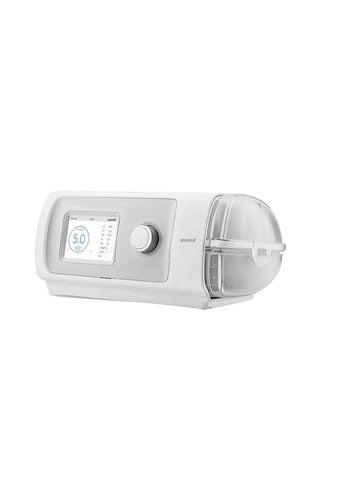
Place the BiPAP unit on a stable surface, following its maker’s instructions. Keep the air inlet clear and protect the BiPAP machine from spills. Ask the demonstrator to check the arrangement before regular use.

Make the space easy to reach without stretching across the bed. Check that the normal controls remain visible from your usual position.
Think through ordinary household activity. Could someone knock the BiPAP machine while changing bedding, sweeping, or reaching for a phone?
Keep drinking water where an accidental spill will not reach the BiPAP device. Avoid balancing it beside a glass on a crowded table.
Ask the supplier to explain the approved power connection. Do not improvise electrical arrangements because the nearest socket is inconvenient.
Arrange the area before the first full night, not when everyone is tired. Then walk through the routine under normal evening lighting.
If someone helps you, ask them to approach from the side they would normally use. This can reveal awkward placement during the demonstration.
Keep the manual and contact information nearby, but away from the air inlet. Store other paperwork elsewhere so the bedside area stays manageable.
A useful setup is not elaborate. It lets the person reach controls, follow instructions, and ask for help without searching through clutter.
Which BiPAP controls can you touch, and which are clinical settings?
Ask the team to distinguish everyday controls from clinical settings. Pressure and breathing-mode decisions belong to the prescribing clinician. Any permitted comfort adjustment should also come with clear instructions.
During the demonstration, point to each control you expect to use. Say what you think it does, then ask for confirmation.
Request a simple written guide if the screen feels confusing. Use descriptions such as “normal start control” rather than relying only on memory.
Do not explore hidden menus out of curiosity. If you accidentally enter an unfamiliar screen, ask the supplier how to exit without changing anything.
Also ask what happens after a power interruption. Have the demonstrator explain the correct restart process for your BiPAP machine.
If a message appears, note its exact wording when possible. Do not assume every message means the same thing.
Avoid following online videos that show pressure changes. Your useful task is to report what happened, not to reproduce someone else’s settings.
Keep a record of authorised changes. Note who instructed the change, when it happened, and whether a review was arranged.
How do the mask, head strap and tubing work together?
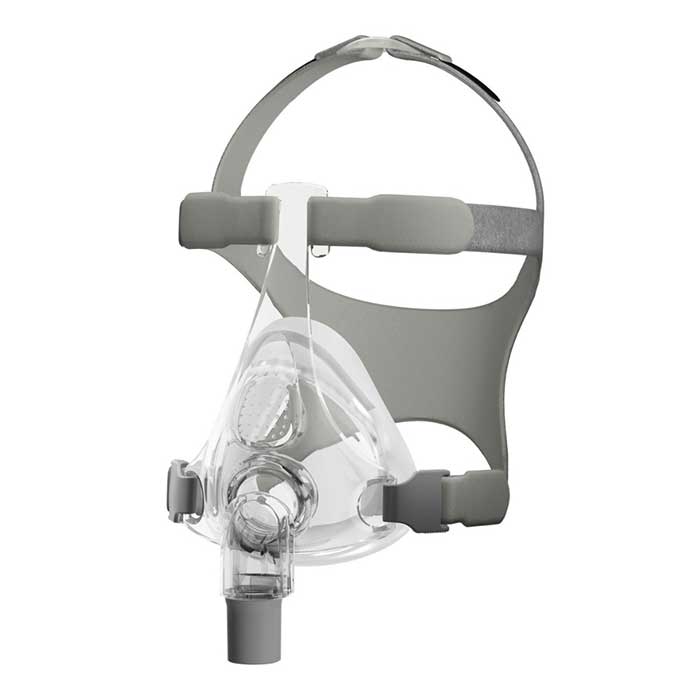
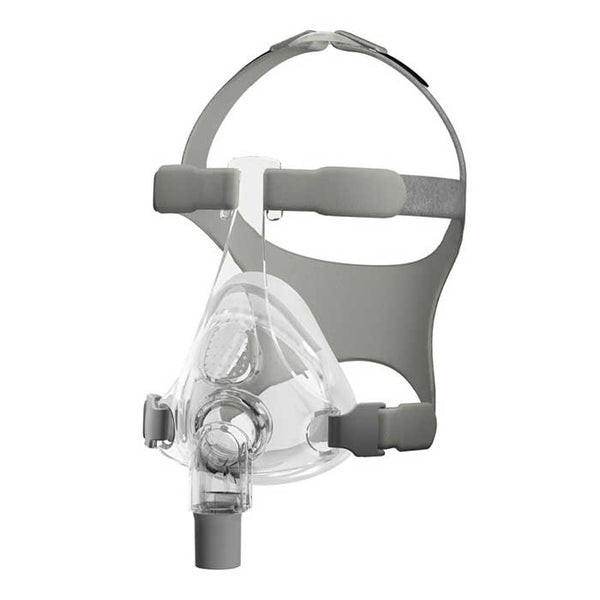
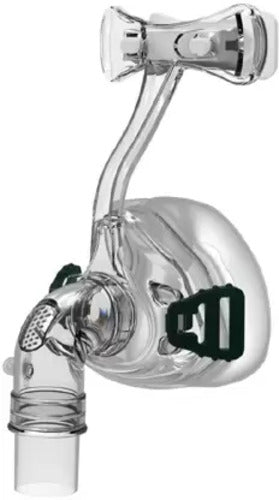
The mask, head strap, and tubing form the connection between the person and the BiPAP machine. Ask the team to show the complete fitted arrangement. Check that you can put it on, remove it, and reconnect it as taught.


The head strap should not be pulled increasingly tight to chase leaks. Report ongoing fit problems instead. Do not tape over intended air openings.
Ask the supplier to confirm compatibility with your prescribed BiPAP machine. Keep the relevant part information with your paperwork.
Before leaving the demonstration, repeat the full connection process once. Ask for help with any movement that feels difficult or uncertain.
Which side effects can happen during BiPAP use?
Possible BiPAP machine side effects include skin irritation, bloating, dry mouth, leaks, eye irritation, sinus discomfort, and a closed-in feeling. Report problems rather than assuming discomfort must be endured. The team can review the cause and advise the next step.

Problem |
What to describe when seeking advice |
|---|---|
Skin irritation from the mask |
Where redness, soreness, or broken skin appears |
Bloating |
When fullness starts and whether pain occurs |
Dry mouth |
When dryness appears and how it affects use |
Mask leaks |
Whether escaping air disrupts sleep or reaches the eyes |
Eye irritation |
Whether irritation occurs alongside escaping air |
Sinus discomfort |
Whether discomfort includes pressure, pain, or blockage |
A closed-in feeling |
When fear starts and what makes use difficult |
Skin soreness and ongoing leaks deserve timely attention. A fitting review may be needed, especially when discomfort makes continued use difficult. Do not wait for a routine appointment if skin damage is developing.
Keep your description factual. “My eyes feel irritated after airflow escapes near them” is more useful than “everything feels wrong.”
Explain whether the problem begins immediately or later during sleep. Note whether it happens every time or only sometimes.
Do not diagnose the cause yourself. The same complaint may need different responses, so ask for individual advice.
Severe or worsening breathing trouble belongs in the urgent-help category, not the side-effect diary.
What if a BiPAP machine does not suit the user?
If a BiPAP unit feels unsuitable, contact the prescribing team for a review rather than changing pressure yourself. Explain the specific difficulty and how it affects prescribed use. The team may review comfort, fit, timing, settings, or the overall plan.
First, separate a practical problem from a medical concern. Trouble reading the screen needs a different conversation from worsening breathlessness.
Describe the sequence clearly: what you were doing, what you noticed, and what happened next. Include any message displayed by the BiPAP machine.
If you could not complete the prescribed use, say so honestly. Do not hide missed use because you worry about disappointing the team.
Ask for a clear next action. This might be an earlier review, a fitting appointment, or further explanation of the plan.
Before ending the call, repeat the advice back. Confirm whether the team wants another update and when to provide it.
Do not borrow another person’s BiPAP machine as a trial solution. Ask the specialist to check whether any proposed replacement matches your prescription.
If repeated advice has not resolved the problem, request a fresh clinical assessment. Keep a short record of previous concerns and advice.
You do not need to decide which technical feature is responsible. Your role is to describe the experience accurately and seek appropriate help.
Get used to a BiPAP machine without forcing it
Getting used to BiPAP support can require guidance. Ask whether supervised or clinician-approved practice while awake would suit your plan. Familiarity should not mean forcing yourself through pain or severe distress.
Choose a calm time for learning the routine. Avoid turning the first demonstration into a rushed task before sleep.
Work through one practical skill at a time. Learn the normal start process, then the normal stop process, then how to seek help.
If anxiety arises, tell the team exactly when it begins. Ask for an agreed approach rather than trying random changes.
A family member can help by listening and checking instructions. Ask them not to crowd around or give competing advice.
Use your own words when describing comfort. Terms such as “too sudden” or “out of step” can start a useful discussion.
Do not set a private deadline for becoming comfortable. Instead, agree with the team when difficulties should trigger contact.
Keep practice separate from the prescribed schedule. Ask how any learning session fits your individual plan.
The aim is informed, manageable use. If the routine remains difficult, bring that information to the clinical team rather than treating it as personal failure.
Cleaning and caring for a BiPAP machine
Clean the BiPAP machine and its accessories according to the manufacturer’s instructions. Follow the specified method, cleaning products, drying process, and schedule. Do not copy another model’s routine without checking.

Before cleaning the outer casing, follow the instructions for switching off and disconnecting power. Do not immerse the BiPAP device in water. Keep liquid away from its openings and electrical parts.
Ask the demonstrator to show which surfaces you may wipe. Also ask which parts must never be washed or opened at home.
Avoid strong household cleaners or unapproved cleaning methods. Follow the maker’s instructions rather than assuming a stronger cleaner is safer.
A practical care routine should answer these questions:
What needs attention after ordinary use?
What must be cleaned less often?
Which cleaning products are permitted?
How should washable accessories dry?
What wear or damage should be reported?
Who decides when servicing is needed?
Do not invent a single cleaning schedule for every BiPAP machine. Hospital leaflets themselves describe different routines for different arrangements. Your own instructions should guide your care.
Choose a regular time to review the care instructions. Keep a simple record if several family members share the task.
After cleaning, check that the BiPAP machine is ready according to its instructions. If liquid enters the casing, seek supplier advice before reconnecting power.
Keep repair work separate from cleaning. Do not open the casing or attempt an internal repair yourself.
BiPAP machine home-use checklist
Use this checklist alongside your own instructions, not instead of them. Ask the clinical team to adapt it to your circumstances.

I understand why the BiPAP unit was prescribed.
A doctor or sleep specialist has decided the mode and pressure.
I know when prescribed use should happen.
I can follow the normal start and stop process.
I know which controls I may use.
I have the correct cleaning instructions.
I can describe unusual messages or changes.
I know whom to contact about discomfort.
I know whom to contact about a technical fault.
I have an agreed plan for power interruptions.
I know which breathing symptoms require urgent help.
I know when the next clinical review is due.
Read the checklist during the handover. An unanswered item is a question to resolve, not a reason for embarrassment.
If someone will help at home, ask them to complete the same review. Compare answers so that everyone follows one agreed plan.
Keep a copy with the BiPAP machine instructions. Review it after a clinical change or a change in the person’s ability to manage daily use.
Urgent breathing trouble needs urgent medical help
Severe or urgent breathing trouble requires immediate medical help. Call local emergency services or seek emergency care. Do not delay while changing BiPAP machine settings or contacting a sales representative.
Emergency warning signs include:
Gasping or struggling to breathe.
Being too breathless to speak normally.
Blue, grey, or unusually pale lips or skin.
Sudden confusion or unusual drowsiness.
Severe chest pain or a heavy, tight chest.
These signs need urgent assessment, whether the BiPAP machine is running or not. On darker skin, colour changes may be easier to notice around the lips or palms.
Do not wait for an appointment when breathing has become severely difficult. Do not assume an apparently normal screen rules out a medical emergency.
For new or worsening breathing difficulty that is less severe, seek prompt medical advice. Explain that the person uses a prescribed BiPAP machine.
Prepare emergency information before it is needed. Keep the prescription, main medical details, and clinical contact information accessible.
If another family member calls for help, they should describe the symptoms first. Technical details can follow without delaying the urgent request.
Ask the clinical team to explain your personal escalation plan during a routine appointment. Everyone helping at home should know where that plan is kept.
Which BiPAP problems to report at your doctor’s follow-up
Follow-up is the place to discuss persistent sleepiness, morning headaches, breathlessness, discomfort, or difficulty using prescribed support. Report concerns rather than relying only on how the BiPAP device appears to run.
Keep a short diary if it helps you remember. Record when prescribed use happened, what interrupted it, and what questions arose.
You do not need a detailed report every morning. Focus on information that explains a problem or a change.
For example, note whether discomfort starts early or later. Add whether it stops when use ends and whether it returns the next time.
Bring the diary to the review. Ask the clinician to explain which observations matter and which need earlier contact.
If the BiPAP machine stores information, ask how the team will review it. Also ask what you are expected to bring to appointments.
Before leaving, confirm who will arrange the next review. Put the appointment and contact details somewhere easy to find.
Keep a record of new instructions separately from older ones. Mark which advice is current so family members do not follow an outdated plan.
A useful review ends with clear responsibilities. You should know what you will do, what the supplier will do, and what the clinical team will check.
Plan for power cuts, faults and BiPAP service
Discuss power interruptions before home use begins. Your response plan should reflect how much prescribed support you need. Do not assume another person’s plan is suitable for you.
Ask the supplier and clinical team to explain the approved arrangements for your BiPAP machine. Request written instructions for an unexpected interruption.
In areas with frequent power cuts, raise the issue during assessment. Do not leave it until the first overnight disruption.
Clarify which situations require technical help and which require medical help. Breathing distress takes priority over troubleshooting.
Ask these practical questions:
Who answers technical calls outside normal working hours?
What information should I provide when reporting a fault?
Who confirms whether the BiPAP unit can be used again?
What should I do if service is unavailable nearby?
How will an agreed replacement arrangement be handled?
Do not attempt internal repairs. Report unusual operation and follow the service team’s instructions.
Keep the BiPAP machine’s identification details with your paperwork. This avoids searching behind furniture during a fault call.
For households far from a service centre, ask about collection, transport, and return arrangements. Get promises in writing before agreeing to an offer.
A service contact is useful only when its role is clear. Confirm whether it handles repairs, delivery questions, clinical advice, or only one of these.
Factors that affect the price of a BiPAP machine
Discuss price through the features and support included, not through a headline figure alone. Ask each supplier to quote against the same prescription and written requirements.
The first check is clinical suitability. Ask the prescribing team to confirm the required mode before you compare offers.
Then request an itemised explanation. This helps you distinguish the BiPAP machine itself from delivery, setup, training, and ongoing service arrangements.
Ask whether the offer includes a supervised handover. Confirm whether someone will verify the prescribed setup before regular use.
Also ask about the warranty in plain language. Find out what is covered, what is excluded, and how a repair request is handled.
For Indian home users, nearby service access deserves careful attention. Ask where support is provided and whether travel or transport arrangements are your responsibility.
If you are considering a rental arrangement, request all conditions in writing. Clarify maintenance duties, return rules, damage responsibilities, and the process for reporting problems.
Do not assume an expensive offer is automatically the right match. Equally, do not accept a cheaper offer that leaves essential prescription questions unanswered.
Compare the overall arrangement before deciding. A useful quotation should make the scope clear enough for you and your clinical team to review.
Avoid paying for unfamiliar features simply because they sound advanced. Ask what each feature means for your prescribed plan and everyday use.
Comparing supplier quotes for a BiPAP machine: questions to ask
Use a comparison table to keep supplier discussions consistent. Fill it with written answers rather than relying on memory or verbal assurances.
Check |
Ask the supplier |
Your decision point |
|---|---|---|
Prescription match |
Does this BiPAP machine support the prescribed mode? |
Obtain clinical confirmation |
Setup |
Who applies and verifies the prescription? |
Identify the responsible person |
Training |
Can I practise the full routine? |
Resolve uncertainty before handover |
Instructions |
Will I receive the maker’s care instructions? |
Keep an accessible copy |
Service |
Where is help available? |
Confirm the practical route |
Warranty |
What is covered and excluded? |
Read the written terms |
Fault response |
What happens if operation is interrupted? |
Match this with your clinical plan |
Follow-up |
Who handles medical questions? |
Keep clinical and sales contacts separate |
Before signing off, ask for a demonstration using the actual BiPAP machine you will take home. Check the paperwork against that BiPAP device.
Repeat the normal routine yourself while someone watches. Ask them to correct the steps you find difficult.
Request time to read the documents. If a term is unclear, ask for a plain explanation before agreeing.
Check who will receive reports or other personal information. Ask how you can request help without sharing unnecessary details.
Finally, write down unresolved questions. Ask the supplier and clinical team to clarify their own responsibilities rather than passing you between contacts.
Family support and travelling with a BiPAP machine
Family support should make prescribed use easier without taking control away from the person. Agree who will help, which tasks they will handle, and when they should call for advice.
Choose one shared place for current instructions. If several relatives help, ask them to read the same plan.
Avoid making every conversation about the BiPAP machine. Ask the person what assistance feels useful and what feels intrusive.
Before travelling or staying elsewhere, discuss continuity of prescribed support with the clinical team. Ask about carrying instructions and arranging suitable use at the destination.
If an overnight hospital stay is planned, tell the hospital that you use a BiPAP machine. Ask what you should bring and how your usual plan will be reviewed.
For any journey, check arrangements directly rather than assuming they match home. Keep your prescription and contact information accessible.
After returning, resume the agreed routine and care instructions. Contact the team if travel revealed a practical problem you had not considered.
Final checks before using a BiPAP machine regularly
A useful BiPAP machine plan combines a clear prescription, practical training, and accessible follow-up. You should understand the purpose, the daily routine, and the route for getting help.
Before regular use, resolve three essentials: whether the BiPAP unit matches the prescription, whether you can manage the routine, and whom to contact.
Keep pressure decisions with the doctor or sleep specialist. Follow the maker’s care instructions, report difficulties clearly, and seek immediate help for urgent breathing trouble.
Explore more for breathing support
CPAP Machines BiPAP Mask Guide Oxygen Concentrators Oximeters Nasal Cannulas
Explore Medical Collections
All Categories
Abdominal Belt: Support After Surgery, in Pregnancy and After Delivery

Accessories
Accu-Chek Instant Strips: Use, Compatibility, Price & Blood Sugar Testing Guide
Accu-Chek Instant Strips: Uses, Features & Complete Guide

accupuncture

Acupuncture Needles & Supplies

Advanced Physiotherapy Machines & Lumbar Physiotherapy
AED Defibrillator: How It Works, Who Can Use It and Where to Place It

Airways

Alcohol Swab Uses: A Guide to Safe and Effective Application

Alcohol Swab: Uses, Safe Use and Disposal Guide

Ambu Bag Full Form: Is There an Official Meaning?

Ambu Bag: Parts, Uses and Safety Guide

Ambu Full Form: What the Name Means and BVM Basics

Ambulance
You may also need
FOR YOURecommended for you
Save 20%
Save 55%
Save 23%
Save 44%