


Featured ChoiceSave 30%


Cardiac monitor: types, readings and how to choose
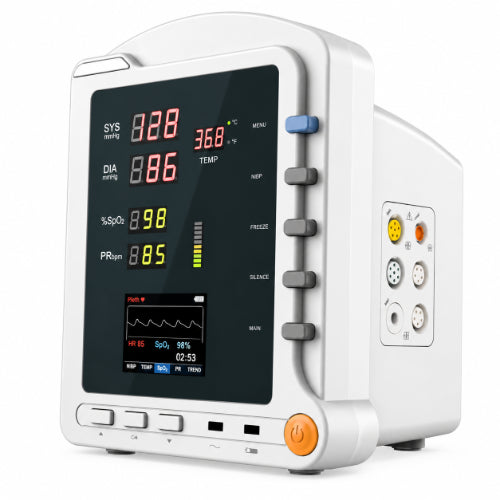
Cardiac monitor is a device that shows heart activity and key vital readings together. It helps a user see cardiac rhythm, oxygen level, pulse, and non-invasive blood pressure on one screen.
For home users in India, the useful option is usually a multi-parameter patient monitor with ECG, SpO2, and NIBP. This article explains what the readings mean, what to check before buying, and how to keep the cardiac device clean and ready.
Cardiac monitor basics for home and clinical use
A cardiac monitor supports ongoing cardiac observation when a doctor wants closer watching. It does not replace medical advice. It helps caregivers notice changes and call for help faster.
A multi-parameter cardiac monitor combines several measurements. ECG shows cardiac electrical activity. SpO2 shows oxygen saturation. NIBP shows non-invasive blood pressure.
This type of cardiology monitor is common in clinics, wards, ambulances, and home-care settings. In home use, it should be used only as advised. A trained person should explain the normal range for that patient.
What is a cardiac monitor and what does it show?
A cardiac monitor shows live cardiac information and related vital signs. A multi-parameter cardiac monitor usually displays ECG waveform, heart rate, SpO2, pulse rate, and NIBP.
The screen helps users see both numbers and waveforms. Numbers give quick values. Waveforms show the signal pattern behind those values.
A doctor may advise this cardiac device after surgery, during recovery, or during serious illness. It can also help during home nursing care. The goal is observation, not self-diagnosis.
The cardiac waveform view
The ECG waveform is the moving line linked to cardiac electrical activity. It helps trained users observe rhythm patterns. It also supports heart rate calculation.
At home, do not judge complex cardiac rhythm changes yourself. If the waveform looks strange, check the cable and electrode placement first. Then contact the doctor if the concern remains.
Movement can disturb the waveform. Dry skin, loose electrodes, and poor contact can also cause noise. A clean contact area helps the screen display a clearer signal.
The number view on the cardiac monitor screen
The number view is easier for family caregivers. Heart rate, SpO2, pulse rate, and NIBP are shown in large digits. Some models also show respiration and temperature if those options are fitted.
A single reading should not create panic. Look at the patient, the symptoms, and the trend. The doctor should decide which values need urgent action.
The trend view for cardiac care
Many multi-parameter units store readings over time. This trend view helps show whether values are improving or falling. It is often more useful than one isolated number.
For home care, trends can support better conversations with the doctor. You can note the time, reading, symptoms, and medicines. This simple record can reduce confusion during follow-up.
Cardiac monitor types buyers should understand
For this topic, the focus stays on multi-parameter patient monitors with ECG, SpO2, and NIBP. These units combine key cardiac and vital readings in one setup.
Some models are compact for bedside use. Some have larger displays for easier viewing. Some support adult, child, or neonatal accessories, depending on the model.
The right choice depends on the patient, setting, and doctor's advice. A home user should avoid buying based only on screen size. Accessory fit, alarm control, service support, and ease of use matter more.
Bedside cardiac monitor for steady observation
A bedside cardiac monitor sits near the patient. It is useful when a caregiver needs repeated or continuous vital observation. The screen remains visible during rest, sleep, or nursing care.
This is a common choice for home nursing setups when a doctor advises monitoring. The caregiver can see cardiac rate, oxygen level, and blood pressure checks. The device can alarm when a value crosses a set limit.
A 3 para bedside patient monitor, for example, lists NIBP, SpO2, pulse rate, and temperature. ECG is not among its listed readings, so confirm the parameters before choosing.

Portable cardiac monitor for flexible use
A portable multi-parameter unit is easier to move between rooms. It can help home-care teams. Battery backup is important for power cuts in many Indian homes.
Portability should not mean weak performance. Check the display, battery, alarm sound, cable quality, and cuff sizes. Also confirm whether the model supports the needed patient category.
Cardiovascular monitor versus cardiology monitor wording
The words cardiovascular monitor and cardiology monitor are often used in simple buying language. In practice, buyers usually mean a multi-parameter cardiac monitor. The exact specifications are more important than the label.
Always read the parameter list. Confirm ECG, SpO2, and NIBP are included. Do not assume every cardiac product shows all three.
Which readings does a multiparameter cardiac monitor display?
A multiparameter cardiac monitor displays heart rate, ECG waveform, oxygen saturation, pulse rate, and non-invasive blood pressure. Depending on the model, it may also show respiration or temperature.
Each reading gives a different clue. ECG focuses on cardiac electrical activity. SpO2 focuses on oxygen in the blood. NIBP shows blood pressure without an arterial line.

|
Reading on the cardiac monitor |
What it usually means |
Why it matters |
|---|---|---|
|
ECG waveform |
Live cardiac electrical signal |
Helps trained users observe rhythm |
|
Heart rate |
Beats per minute |
Shows how fast the heart is beating |
|
SpO2 |
Oxygen saturation estimate |
Helps watch breathing and oxygen support |
|
Pulse rate |
Pulse count from sensor |
Helps compare with heart rate |
|
NIBP |
Non-invasive blood pressure |
Shows systolic, diastolic, and mean pressure |
|
Alarm messages |
Warning about limits or signal issues |
Helps caregivers act or check setup |
These readings work best together. A low oxygen value, fast pulse, and changed cardiac waveform may need quick attention. A reading error, however, may only need a better sensor position.
Heart rate on a cardiac monitor
Heart rate shows how many times the heart beats in one minute. The unit may calculate it from the ECG signal. Some units can also show pulse rate from the SpO2 probe.
Heart rate changes with fever, pain, stress, dehydration, sleep, and medicines. A doctor should define concern levels for the patient. Do not use a general online range for every person.
ECG waveform on a cardiac monitor
The ECG waveform is central to cardiac monitoring. It gives a continuous view of electrical activity. The waveform must be clear for useful observation.
A poor waveform may happen due to movement or loose contact. Hair, sweat, oil, or dried gel can disturb the signal. Preparing the skin gently can improve contact.
SpO2 on a cardiac monitor
SpO2 gives an estimated oxygen saturation percentage. It uses a sensor, often placed on a finger. Cold fingers, nail polish, movement, or poor circulation may affect the value.
When SpO2 looks low, first check the patient. Look for breathlessness, bluish lips, drowsiness, or chest discomfort. Then check whether the probe is placed well.

NIBP on a cardiac monitor
NIBP means non-invasive blood pressure. The cardiac monitor uses a cuff to measure pressure at set times or on demand. It usually shows systolic, diastolic, and mean pressure.
Cuff size is very important. A wrong cuff can give a misleading result. The cuff should match the arm size and the model instructions.
Cardiac monitor readings should be read together
A cardiac monitor gives better value when readings are viewed as a group. One number may look worrying while the patient is moving. Another number may confirm whether the concern is real.
For example, a loose SpO2 probe may show a low value. The patient may still look comfortable and alert. Repositioning the probe may correct the reading.
In another case, fast cardiac rate, low oxygen, and low pressure may appear together. That pattern can be serious. The caregiver should follow the doctor's emergency plan.
Compare heart rate and pulse rate
Heart rate and pulse rate are often close. If they differ widely, there may be a signal issue. There may also be a cardiac reason needing review.
Check the ECG electrodes and SpO2 probe first. Ask the person to stay still for a short time. If the difference continues, inform the doctor.
Watch the patient, not only the cardiac monitor
This unit is a support tool. The patient's face, breathing, speech, alertness, and comfort matter. A normal-looking number cannot cancel clear symptoms.
Call for help if the patient has chest pain, severe breathlessness, fainting, confusion, or blue lips. Follow the medical plan given for that patient. Do not wait only because one number looks acceptable.

Use trends for better cardiac decisions
Trends show whether values are moving up, down, or staying stable. A gradual fall in SpO2 may matter even before an alarm. A rising cardiac rate can show pain, fever, or stress.
Note the time of changes. Also note activity, position, oxygen support, and medicines. These details help the doctor understand the full picture.
What role do SpO2 and blood pressure play with ECG?
SpO2 and blood pressure add context to ECG by showing oxygen and circulation status. Together, they help the caregiver understand whether cardiac activity matches the patient's condition.
ECG alone focuses on electrical rhythm. SpO2 shows oxygen saturation. NIBP shows pressure in the blood vessels. These three views support safer observation.
For home users, this combined view is the main benefit. It reduces the need to check separate devices again and again. It also places the readings on one screen.
SpO2 adds oxygen information
A cardiac rhythm may look stable while oxygen is falling. SpO2 helps reveal that extra issue. This is important for patients with breathing problems or after illness.
A low SpO2 value must be checked carefully. Warm the finger if it is cold. Remove nail polish if advised. Keep the hand still during the reading.
NIBP adds circulation information
Blood pressure gives another view of circulation. A cardiac rate can be high because pressure is low. It can also rise with pain, fever, or anxiety.
NIBP readings must be taken with correct cuff placement. The arm should be supported. The person should avoid talking during measurement when possible.
ECG adds cardiac rhythm information
ECG helps observe cardiac electrical pattern and heart rate. It can support alarms for rate changes. It also gives a waveform for trained review.
At home, use ECG display as guided. Do not make complex rhythm decisions without training. Share concerns with the treating doctor.
Cardiac monitor alarms and what they usually mean
Cardiac monitor alarms warn about changed values, weak signals, loose sensors, or technical issues. An alarm is a prompt to check the patient and the setup.
Alarms are useful, but they need correct limits. Limits should match the patient's condition. Ask the doctor or nurse to set them during setup.
|
Alarm type |
Common meaning |
First action |
|---|---|---|
|
High heart rate |
Rate is above set limit |
Check patient, pain, fever, movement |
|
Low heart rate |
Rate is below set limit |
Check patient and contact doctor if advised |
|
Low SpO2 |
Oxygen reading below limit |
Check patient, probe, and oxygen plan |
|
NIBP error |
Cuff reading failed |
Check cuff size, tube, and arm position |
|
Signal weak |
Sensor contact is poor |
Refit electrode or probe |
|
Battery low |
Power is running down |
Connect charger or power supply |
|
Sensor off |
Probe or cable is disconnected |
Reconnect and confirm waveform |
Never silence alarms without checking the patient. If the patient looks unwell, treat the alarm seriously. If they look stable, check sensors and cables.

High and low limit alarms
Limit alarms happen when a reading crosses a set number. These limits should not be random. They should reflect the patient's age, illness, and doctor's plan.
For home use, write down alarm limits in a small notebook. Keep the doctor's emergency instructions next to the monitor. This helps every caregiver respond the same way.
Technical alarms on a cardiac monitor
Technical alarms usually mean the cardiac device cannot read properly. The cause may be a loose probe, cuff leak, cable issue, or low battery. These alarms still need attention.
Check the simple things first. Confirm the power, cable connection, cuff tube, and probe placement. Then repeat the reading if the patient is stable.
Reducing false alarms safely
False alarms often come from movement, poor sensor contact, or wrong cuff size. Good placement reduces noise. Calm setup also helps the unit work better.
Do not set limits too wide only to reduce sound. That can hide real changes. Ask a trained person to adjust limits correctly.
Cardiac monitor buying checklist for Indian home users
A cardiac monitor should be simple enough for the caregiver and suitable for the patient. Before buying, confirm what the doctor wants to observe. Then match the model to those needs.
Do not buy only by display size or brand name. Accessories, warranty terms, service support, and alarm settings matter. For home use in India, power backup is also important.
Plain buyer checklist:
-
Confirm the unit includes ECG, SpO2, and NIBP.
-
Check whether it supports the patient's age group.
-
Ask if adult, child, or neonatal cuffs are available.
-
Confirm probe size and comfort for the patient.
-
Check battery backup for power cuts.
-
Check screen brightness and viewing angle.
-
Confirm alarm sound is clear in the room.
-
Ask how to set high and low alarm limits.
-
Confirm language and menu ease for caregivers.
-
Check whether accessories are easy to replace.
-
Ask about calibration or service needs.
-
Keep the user manual near the cardiac device.
-
Ask for setup guidance before first use.
-
Confirm cleaning steps for each accessory.
-
Choose service support over unnecessary features.
This checklist is practical for families and caregivers. It keeps attention on daily use. A unit that is easy to use is safer during stress.
Display and readability
The display should be easy to read from the caregiver's usual position. Large numbers help older family members. Clear waveforms help trained nurses.
Brightness should work in day and night conditions. The screen should not be confusing. Important values should appear without deep menu searching.
Battery and power needs
Many Indian homes face power cuts. Battery backup helps maintain observation during short interruptions. Always check the expected backup from the product details.
Keep the charger connected as advised. Do not run the battery fully down every time. Replace weak batteries through proper service channels.
Alarm volume and room setting
Alarm sound must be loud enough for the caregiver. It should not be so low that it is missed during sleep. It should also not be constantly triggered by wrong settings.
Place the cardiac monitor where sound can be heard clearly. Avoid covering the speaker. Test alarm sound during setup, if the model allows it.
What should a buyer check about leads and probes?
A buyer should check cable quality, electrode fit, SpO2 probe comfort, cuff size, and accessory availability. These parts decide how well the cardiac monitor reads signals.
Accessories are not minor items. A good screen cannot fix a poor contact point. A correct probe and cuff help the unit show more dependable readings.
ECG cable and electrode contact
The ECG cable should fit securely into the cardiac monitor. The patient end should connect firmly to electrodes. Loose connections can create waveform noise.
Electrodes should suit the patient's skin. Sweaty or oily skin may need gentle cleaning first. Replace disposable electrodes as advised.
SpO2 probe fit and comfort
The SpO2 probe should sit firmly without hurting the finger. It should not pinch too tightly. A comfortable probe is easier to keep in place.
For weak circulation, the reading may take time. Keep the hand still. Warm the hand gently if it is cold.
NIBP cuff size and tube connection
The cuff must match arm size. Too small or too large a cuff can affect the result. A clear size marking helps caregivers select correctly.

The tube should connect tightly to the device. Air leaks can cause failed readings. Keep the tube straight and free from sharp bends.
Replacement accessories
Ask whether probes, cuffs, electrodes, and cables are available later. Home users often need replacements after regular use. Easy availability reduces downtime.
Use compatible accessories only. Wrong accessories can affect readings or damage the cardiac device. Follow the manual and seller guidance.
Cardiac monitor setup steps for first-time caregivers
A new cardiac monitor should be set up calmly before urgent use. Read the manual and identify each cable. Ask trained staff to set it up and show you how.
Choose a stable table near the patient. Keep the screen visible and cables untangled. Make sure the power socket is safe and reachable.
Step-by-step setup
-
Place the cardiac monitor on a stable surface.
-
Connect the power cable or charger.
-
Check battery level before use.
-
Attach the ECG cable to the device.
-
Place electrodes as trained by a nurse or doctor.
-
Attach the SpO2 probe to the correct site.
-
Wrap the NIBP cuff on the correct arm.
-
Select the right patient category if available.
-
Check waveform and reading quality.
-
Set alarm limits as advised.
-
Note the first stable readings.
-
Keep emergency contact numbers nearby.
Do not rush the first setup. Most errors happen when users hurry. A calm start gives cleaner readings.
Patient position during setup
The person should be comfortable and supported. Movement can disturb ECG and SpO2 signals. Talking during NIBP measurement may affect pressure values.
Keep the arm supported during blood pressure checks. Keep the probe hand still. Let the unit settle before judging readings.
Caregiver training
Every caregiver should know the basics. They should know how to read the main numbers. They should also know when to call the doctor.
Keep simple written instructions near the device. Use local language notes if needed. This helps relatives, nurses, and attendants follow one plan.
Can a cardiac monitor be used at home?
Yes, a cardiac monitor can be used at home when a doctor advises it and a trained caregiver can operate it. The user should understand readings, alarms, cleaning, and emergency steps.
Home use may be advised during recovery or long-term nursing care. It helps track vital changes without moving the patient often. It works best with a clear medical plan.
A home monitor should not create fear. It should create better awareness. The doctor should explain which readings matter most.
When home use may help
Home use may help after hospital discharge. It may also help when a patient needs close observation during illness. It is useful when family caregivers need one display for key readings.
The decision should come from medical advice. Some patients need closer clinical care instead. Do not delay hospital care if symptoms are serious.
Safe home-use habits
Keep the cardiac monitor clean, charged, and ready. Check cables before each use. Keep accessories in a dry place.
Record readings at the times advised. Do not check too often without need. Too many checks may increase anxiety.
When to call for help
Call the doctor if readings stay outside advised limits. Seek urgent help if the patient has severe symptoms. Chest pain, severe breathlessness, fainting, or confusion should never be ignored.
If an alarm continues after checking sensors, get medical advice. If the patient looks unwell, act first and troubleshoot later. Safety comes before perfect readings.
Cardiac monitor choice for buyers
Buyers should focus on the correct multi-parameter patient monitor. The key combination is ECG, SpO2, and NIBP. These readings cover cardiac rhythm, oxygen, and blood pressure.
A simple, reliable model is often better than an overloaded model. Home users need clear menus, stable accessories, and support. Busy caregivers need durability and easy cleaning.
Match the cardiac monitor to the patient
An adult patient needs suitable adult accessories. A child needs smaller accessories. A very small patient may need special options that must be confirmed before purchase.
Do not assume one cuff fits everyone. Do not assume one probe suits every finger. Accessory fit affects comfort and readings.
Match the cardiac monitor to the room
A small room needs tidy cable management. A shared room needs clear alarm sound. A room with power cuts needs reliable battery support.
Keep the monitor away from water and heat. Place it where caregivers can see it without bending. Avoid places where cables can trip someone.
Match the cardiac monitor to caregiver skill
Some caregivers are trained nurses. Others are family members. The cardiac device should match the user's comfort level.
If the caregiver is new, choose a simple interface. Ask for a basic demonstration. Keep a quick guide beside the unit.
Cardiac monitor maintenance and cleaning guide
A cardiac monitor should be cleaned and checked regularly. Cleanliness helps infection control and protects accessories. Maintenance also reduces avoidable reading errors.
Always switch off and unplug when cleaning, unless the manual says otherwise. Do not pour liquid on the device. Use only recommended cleaning materials.
Daily cleaning habits
Wipe the outer surface with a slightly damp approved cloth. Keep liquid away from ports and buttons. Dry the surface before reuse.
Clean reusable probes as instructed. Replace disposable items at the right time. Do not reuse items marked for single use.
Cable and accessory care
Do not pull cables by the wire. Hold the connector when removing them. Keep cables loosely coiled when not in use.
Check for cracks, cuts, loose pins, and worn insulation. Damaged accessories can affect readings. Replace them instead of taping them.
NIBP cuff care
Keep the cuff clean and dry. Wipe it as advised by the manual. Do not soak it unless the manufacturer allows it.
Check the tube for leaks or bends. Make sure the connector locks properly. Store the cuff flat or loosely rolled.
Service and calibration checks
Some functions may need periodic service checks. Follow the model's manual and seller guidance. Keep service records in one file.
If readings seem wrong often, do not keep guessing. Compare setup steps and accessory condition first. Then contact service support.
Cardiac monitor mistakes to avoid
Many cardiac monitor problems come from simple handling errors. These errors can create false alarms or unclear readings. Good habits prevent most of them.
The first mistake is using the wrong cuff size. The second is placing sensors loosely. The third is ignoring the patient's actual condition.
Do not treat every alarm the same
Some alarms show patient changes. Others show setup problems. The caregiver must check both.
Start with the patient. Then check cables, probe, cuff, and power. This order keeps safety first.
Do not change limits without advice
Alarm limits protect the patient. Changing them without guidance may hide real danger. Wide limits may reduce sound but increase risk.
If alarms are frequent, ask why. The problem may be movement, poor contact, or a real health issue. A trained person should adjust settings.
Do not ignore comfort
A tight cuff, pinching probe, or messy cable can trouble the patient. Discomfort causes movement. Movement affects readings.
Comfort is part of good monitoring. Secure cables gently. Recheck the skin under accessories during longer use.
Cardiac monitor safety notes for families
A cardiac monitor is helpful only when used responsibly. It does not decide treatment by itself. It supports a doctor's plan.
Families should agree on action steps before a problem happens. Write down who to call, when to call, and which hospital to visit. Keep this note near the monitor.
Keep emergency numbers visible
Do not search for phone numbers during panic. Keep the doctor's number, ambulance number, and nearby hospital number ready. Add a backup family contact.
If the patient is at high risk, discuss emergency signs in advance. Ask the doctor which readings need urgent action. Clear rules reduce delay.
Keep medicines and records nearby
Keep current prescriptions in one folder. Add recent discharge notes if available. Note allergies and major medical history.
When calling the doctor, share current readings and symptoms. Mention when the change started. This saves time and improves guidance.
Protect the device from damage
Keep the monitor away from water, children, and unstable stands. Do not place cups or food near it. Do not cover vents.
During transport inside the home, disconnect accessories gently. Carry the cardiac device with both hands. Avoid dropping or shaking it.
Cardiac monitor quick reference table
This quick table helps home users remember common actions. It is not a substitute for medical advice. Use it with the plan given by the doctor.
|
Situation |
What to check first |
What to do next |
|---|---|---|
|
ECG waveform noisy |
Movement, electrode contact, cable |
Refit and ask patient to stay still |
|
SpO2 low |
Patient breathing, probe position, cold finger |
Follow oxygen plan or call doctor |
|
NIBP failed |
Cuff size, tube, arm position |
Recheck after correcting setup |
|
Alarm repeats |
Patient condition and sensor contact |
Call doctor if it continues |
|
Screen unclear |
Brightness, angle, power |
Adjust placement or settings |
|
Battery warning |
Charger and power socket |
Connect power and plan backup |
Keep this table near the monitor if it helps. Translate it into the family's preferred language. Simple notes work well during stress.
Cardiac monitor conclusion for smarter buying
A cardiac monitor with ECG, SpO2, and NIBP gives a useful combined view of cardiac rhythm, oxygen, and blood pressure. It is most helpful when a doctor has advised monitoring and caregivers know the basics.
Choose a model that matches the patient, room, accessories, and caregiver skill. Keep the monitor clean, charged, and correctly connected. Most importantly, respond to the patient first and the screen second.
For most buyers, the practical choice is a multi-parameter patient monitor with clear readings and dependable accessories. A simple, well-supported cardiac setup is better than a confusing setup with unused features.
Sources:
-
U.S. Food and Drug Administration - Cardiac Monitor Guidance, including cardiotachometer and rate alarm.
-
World Health Organization MEDEVIS - Portable patient monitor device description.
-
U.S. Food and Drug Administration - Pulse oximeter guidance for continuous monitoring and alarms.
Explore more bedside equipment
Bedside monitor
Explore Medical Collections
All Categories
Abdominal & Maternity Support

Accessories

Accu-Chek Instant Strips: Use, Compatibility, Price & Blood Sugar Testing Guide
Accu-Chek Instant Strips: Uses, Features & Complete Guide

accupuncture

Acupuncture Needles & Supplies

Advanced Physiotherapy Machines & Lumbar Physiotherapy

Airways
Alcohol Swab: Uses, Safe Use and Disposal Guide

Ambu Bag Full Form: Is There an Official Meaning?

Ambu Bag: Parts, Uses and Safety Guide
Ambu Full Form: What the Name Means and BVM Basics

Ambulance

Anatomy Models
Anesthesia Machine
You may also need
FOR YOURecommended for you
Save 30%