


Featured ChoiceSave 40%
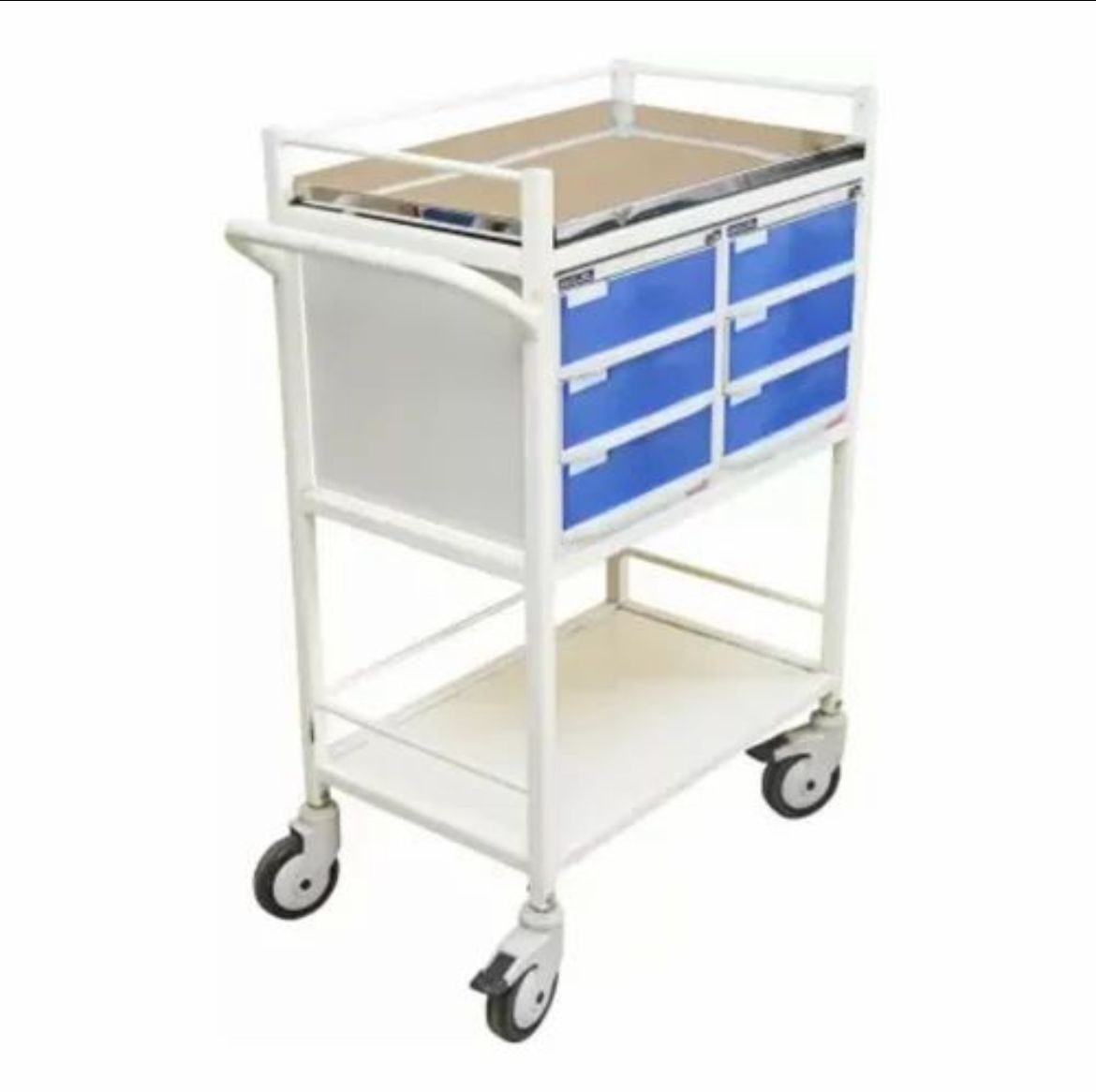

Save 40%
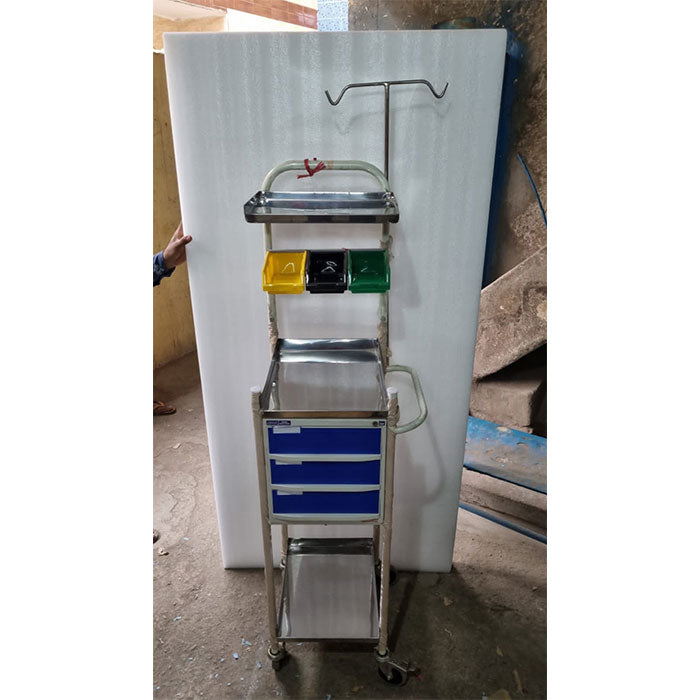

Save 22%
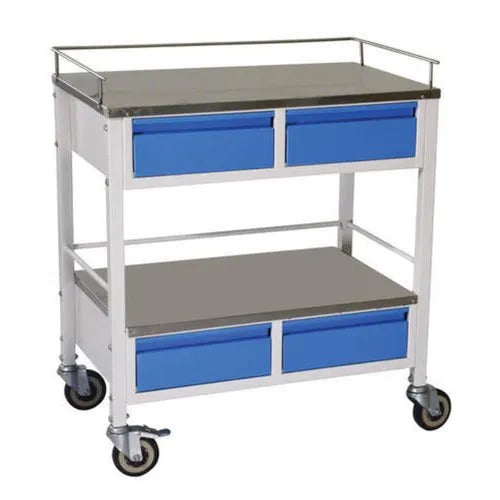

Save 29%
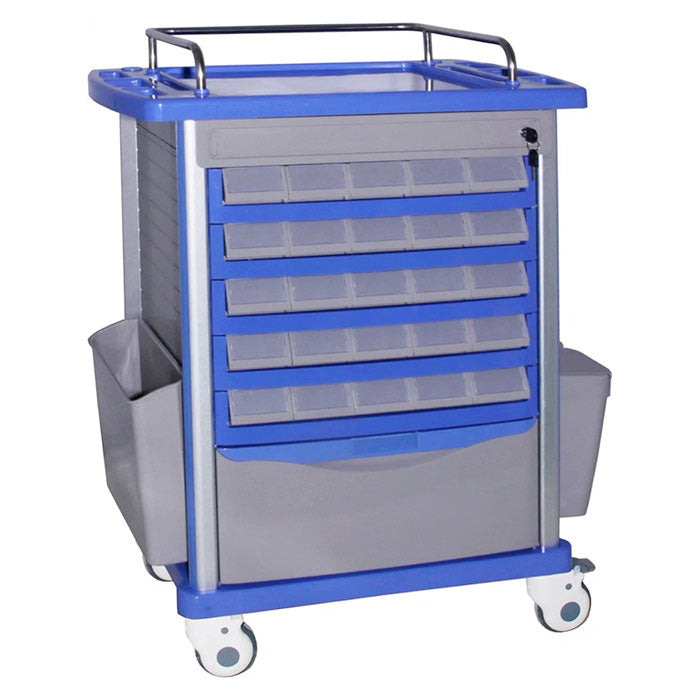

Save 35%
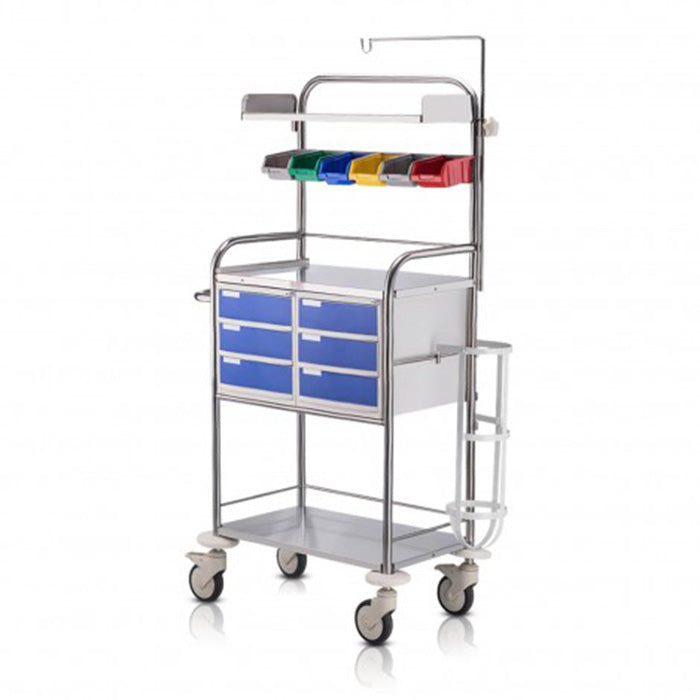
Save 36%
Save 50%

Save 23%
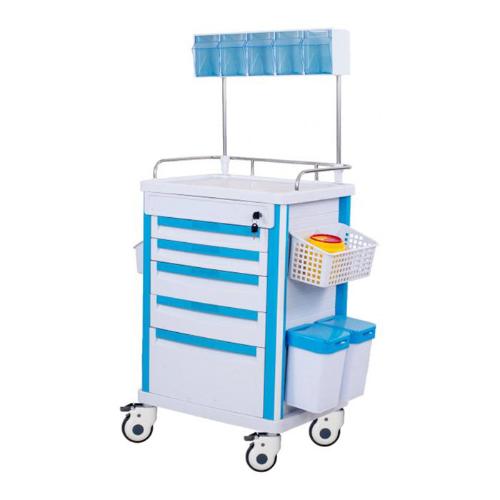

Crash Cart – Emergency Medical & Resuscitation Cart
Crash Cart
Core Strengthening Equipment supports physical rehabilitation and exercise programs, while a Crash Cart plays a different but equally important role in healthcare environments by keeping emergency medical supplies organized and accessible. Hospitals, intensive care units, emergency departments, and other clinical facilities use crash carts to help healthcare professionals respond to critical situations efficiently.
A well-organized crash cart provides designated storage for emergency medications, medical instruments, airway management supplies, and other essential equipment. Its mobile design allows trained healthcare professionals to move emergency supplies to the required location when urgent medical attention is needed. Selecting the right crash cart can help healthcare facilities improve equipment organization, accessibility, and emergency preparedness.
What Is a Crash Cart?
A crash cart, also known as an emergency crash cart or resuscitation cart, is a specialized mobile trolley designed to store and transport essential emergency medical supplies. It helps healthcare teams access important equipment during cardiac emergencies, respiratory distress, and other life-threatening situations.
Unlike an ordinary hospital trolley, a crash cart often includes multiple drawers, storage compartments, a sturdy frame, and smooth-rolling casters. Depending on its configuration, it may also accommodate a defibrillator, oxygen-related equipment, a CPR board, sharps containers, and other emergency accessories.
Healthcare facilities can select a crash cart based on their clinical requirements, available space, storage needs, and emergency response procedures. Some models feature color-coded drawers, central locking systems, side accessory holders, and other practical features that support organized storage.
The primary purpose of a crash cart is to keep emergency supplies ready for authorized healthcare personnel. Staff must follow their facility's emergency protocols, medication policies, and equipment maintenance procedures to ensure that the cart remains ready for use.
Key Features of a Crash Cart
1. Multiple Storage Drawers
Multiple drawers help healthcare professionals organize emergency supplies according to department requirements. Separate storage areas can accommodate medical instruments, dressings, airway supplies, and other designated items. Clear labeling can also help staff identify the required supplies more quickly.
2. Smooth Mobility
Durable caster wheels allow staff to move the crash cart between patient care areas. Models with suitable wheel locks help keep the trolley stationary when required. Wheel quality, turning ability, and overall stability are important considerations when selecting a cart for busy hospital environments.
3. Secure Storage System
Depending on the model, a crash cart may include a central locking mechanism, tamper-evident seals, or other access-control features. These options can support medication security and help staff identify whether the cart has been opened. Facilities should select a locking arrangement that matches their emergency access policies.
4. Durable Construction
A crash cart should have a sturdy construction suitable for frequent movement and routine clinical use. Materials and finishes vary by model. Healthcare buyers should review the manufacturer's specifications for load capacity, cleaning compatibility, corrosion resistance, and maintenance requirements.
5. Organized Accessory Storage
Some crash carts include side rails, accessory holders, utility baskets, equipment platforms, or dedicated spaces for emergency devices. These features help facilities arrange supplies according to their established resuscitation procedures.
6. Easy-Clean Surfaces
Healthcare equipment requires regular cleaning and disinfection. A crash cart with accessible surfaces and a suitable finish can make routine maintenance easier. Always follow the manufacturer's instructions regarding approved cleaning agents and disinfectants.
Why Is a Crash Cart Important in Hospitals?
Emergency situations require organized teamwork and timely access to the appropriate medical equipment. A crash cart helps healthcare facilities keep essential supplies in a designated location rather than distributing them across different storage areas.
- Improved organization: Designated drawers help staff maintain a consistent arrangement of emergency supplies.
- Convenient transportation: A mobile structure allows staff to move equipment to the required clinical area.
- Better preparedness: Routine checks help teams identify missing, expired, or damaged items before an emergency occurs.
- Efficient access: Clear labels and standardized drawer arrangements can reduce unnecessary searching.
- Flexible configuration: Different cart designs can accommodate the requirements of emergency departments, ICUs, and other clinical areas.
- Inventory management: A defined storage system supports regular stock checks and replenishment procedures.
A crash cart does not replace clinical training, emergency protocols, or appropriate medical judgment. Instead, it provides an organized platform that supports trained personnel during emergency care.
Applications of a Crash Cart
Emergency Departments
Emergency departments manage patients with a wide range of urgent medical needs. A crash cart helps keep designated resuscitation supplies and equipment together for use by trained emergency personnel.
Intensive Care Units
ICUs provide close monitoring and specialized care for critically ill patients. An appropriately configured crash cart supports emergency preparedness within these high-acuity environments.
Hospital Wards
General wards may maintain crash carts to support their emergency response arrangements. Cart placement and supply configuration should follow the hospital's clinical policies and accessibility requirements.
Operation Theatres
Operating rooms and recovery areas may require emergency carts containing supplies selected for their clinical workflows. Healthcare administrators should ensure that each cart meets the needs of its intended department.
Clinics and Specialized Healthcare Facilities
Suitable emergency carts may also be used in outpatient clinics and other healthcare settings, depending on the services provided, patient population, and applicable emergency preparedness requirements.
Types of Crash Carts
Crash carts are available in different designs to meet the needs of healthcare facilities. Their features and included accessories vary by manufacturer and model.
- Standard emergency crash cart: Provides drawers and storage compartments for commonly required emergency supplies.
- Advanced resuscitation cart: May offer additional accessory holders, equipment platforms, or specialized storage arrangements.
- Paediatric crash cart: Can support pediatric emergency workflows with supplies organized according to the facility's approved protocols.
- Compact crash cart: Offers a smaller footprint for facilities with limited space, provided it meets their storage and clinical requirements.
- Stainless steel crash cart: Uses stainless steel construction where specified by the manufacturer and may suit particular durability and cleaning requirements.
- ABS or polymer crash cart: May feature molded surfaces and lightweight construction, depending on the product design.
Before purchasing, verify the cart's dimensions, materials, load capacity, locking system, drawer layout, and compatibility with the accessories required by your facility.
Technical Specifications of a Crash Cart
Technical specifications differ between crash cart models. Review the manufacturer's product sheet to confirm the exact configuration before placing an order.
| Specification | Details to Check |
|---|---|
| Product type | Emergency crash cart or resuscitation trolley |
| Construction material | Material specified by the manufacturer |
| Drawer configuration | Number, dimensions, and arrangement of drawers |
| Mobility | Caster type, wheel locks, and maneuverability |
| Locking system | Central lock, tamper-evident seal, or other available mechanism |
| Dimensions | Overall height, width, and depth |
| Load capacity | Manufacturer-rated total and drawer load limits |
| Accessories | Equipment holders, side rails, CPR board, and other included items |
Note: The table lists specifications to verify rather than guaranteed features of every crash cart. Confirm the supplied configuration, warranty, service support, and applicable regulatory documentation with the seller.
How to Choose the Right Crash Cart
Selecting the right crash cart involves more than comparing its appearance or price. Healthcare facilities should evaluate the equipment's suitability for their emergency procedures and day-to-day clinical requirements.
- Assess clinical requirements: Identify the supplies, devices, and accessories required by the intended department.
- Check drawer capacity: Choose an arrangement that supports clear organization without overcrowding.
- Evaluate mobility: Review caster quality, turning performance, wheel locks, and stability.
- Review security features: Confirm that the locking system matches local medication and emergency access policies.
- Consider cleaning requirements: Select materials and surfaces compatible with the facility's approved cleaning procedures.
- Confirm dimensions: Ensure the cart can pass through relevant doorways and fit within designated clinical areas.
- Verify accessory compatibility: Check whether the cart can safely accommodate the required equipment.
- Review after-sales support: Ask about warranty coverage, spare parts, maintenance, and service availability.
- Compare total cost: Consider included accessories, delivery, servicing, and expected maintenance rather than the initial price alone.
Crash Cart Maintenance and Safety
Regular inspection helps healthcare facilities maintain a reliable emergency cart. Each facility should establish a documented checking schedule and assign responsibility to authorized personnel.
- Check the cart's overall condition, wheels, handles, drawers, and locking mechanisms.
- Verify that required emergency supplies are present and arranged according to the approved inventory list.
- Check medication expiry dates, packaging integrity, and storage conditions in accordance with facility policies.
- Inspect emergency devices and accessories according to the manufacturer's maintenance instructions.
- Clean and disinfect suitable surfaces using approved products.
- Document inspections, restocking, equipment faults, and corrective actions.
- Restore the cart to its designated location after use and complete the required replenishment procedure.
Only authorized and appropriately trained personnel should handle emergency medications and clinical equipment. Follow institutional protocols and applicable safety requirements at all times.
Frequently Asked Questions About Crash Carts
What is a crash cart used for?
A crash cart stores and transports essential emergency medical supplies and equipment. It helps trained healthcare professionals access designated items during resuscitation and other urgent clinical situations.
What equipment is kept in a crash cart?
Depending on the facility and cart configuration, supplies may include emergency medications, airway management equipment, resuscitation accessories, medical instruments, and other items specified in the approved emergency inventory.
Where are crash carts commonly used?
Crash carts are commonly used in hospital emergency departments, intensive care units, general wards, operating theatres, recovery areas, and other healthcare settings that require organized emergency supplies.
What features should I look for in a crash cart?
Important considerations include drawer configuration, construction quality, wheel mobility, locking arrangements, accessory compatibility, cleaning requirements, dimensions, and load capacity.
How often should a crash cart be checked?
Inspection frequency should follow the healthcare facility's emergency preparedness policies, applicable requirements, and manufacturer guidance. Checks should also be completed after use, with required supplies replenished promptly.
Are all crash carts supplied with emergency equipment?
No. Some crash carts are supplied as storage trolleys, while others may include selected accessories. Buyers should confirm the exact contents, included equipment, and available options before ordering.
How can I select a suitable crash cart for my hospital?
Assess the department's clinical requirements, storage capacity, available space, mobility needs, security arrangements, cleaning procedures, and budget. Confirm all technical specifications with the manufacturer or supplier.
Conclusion
A crash cart is an important part of emergency preparedness in healthcare facilities. Its organized storage, mobile design, and available accessory options can help trained medical teams access designated emergency supplies when needed. Choosing a suitable model requires careful consideration of clinical requirements, storage capacity, construction, mobility, safety features, and maintenance needs.
Whether you are equipping an emergency department, ICU, hospital ward, or specialized clinical area, review the product specifications and confirm that the selected crash cart meets your facility's requirements. A consistent inspection and replenishment process will help keep the cart organized and ready for authorized clinical use.
Explore Meddey for healthcare and rehabilitation equipment suitable for different clinical and patient-care environments.
```
Explore Medical Collections
All Categories
Abdominal & Maternity Support

Accessories

Accu-Chek Instant Strips: Use, Compatibility, Price & Blood Sugar Testing Guide
Accu-Chek Instant Strips: Uses, Features & Complete Guide

accupuncture

Acupuncture Needles & Supplies

Advanced Physiotherapy Machines & Lumbar Physiotherapy

Airways

Ambulance

Anatomy Models
Anesthesia Machine

Anesthesia Products
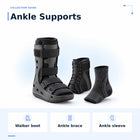
Ankle Support for Home Use: Braces, Sleeves & Walker Boots
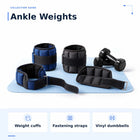
Ankle Weights & Exercise Weights for Home & Rehab

Anti-Bedsore Air Mattresses
You may also need
FOR YOURecommended for you
Save 40%
Save 40%
Save 22%
Save 29%
Save 35%
Save 36%
Save 50%
Save 23%