


Featured ChoiceSave 29%

Save 43%

Save 25%
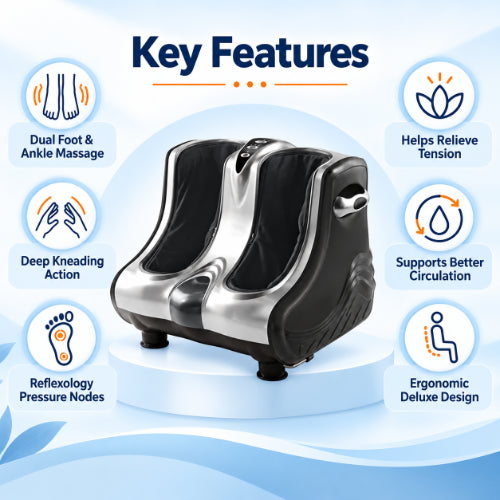

What customers say
★★★★★ 5.0 · 6 reviews
 Foot Massager Machine Presens
“Provides soothing relief, perfect for tired feet!”
“This is amazing! It provides deep, soothing relief for tired feet after a long day. The settings are adjust...”
 Foot Massager with Kneading Function for Pain Relief Improving Blood Circulation
“Effective, relaxing, and great circulation boost!”
 Leg And Foot Massager Delux Quality
“Comfortable, effective, and soothing!”
“The Leg and Foot Massager Deluxe Quality is amazing, offering a soothing massage that relieves fatigue and ...”
Foot Massager: What to Look For and Who Should Be Careful
Foot massager: Types, buying checks and safety precautions
Foot massager devices use moving parts, air pressure, vibration, or water-based features for home use. Choose one by checking foot fit, gentle settings, heat controls, and clear safety instructions. This article explains the main options and when medical advice should come before switching one on.

What types of electric foot massagers are available?
The main electric foot massager types use kneading heads, rollers, air compression, vibration, or water-based features. Some devices combine several actions, while others offer one main movement. Heat may appear as an extra setting rather than a separate device type. Manufacturer descriptions and instructions show these different combinations.
Start with the action you want to control. Then check whether the machine lets you adjust or stop that action separately.
Foot massager type |
Main action |
Useful checks before choosing |
|---|---|---|
Shiatsu-style kneading |
Rotating heads press against the sole |
Gentle starting setting, suitable head placement, easy stopping |
Roller |
Moving rollers travel against parts of the sole |
Foot length fit, heel position, comfortable pressure |
Air compression |
Air chambers squeeze and release around the foot |
Adjustable pressure, clear release instructions, easy foot removal |
Vibration |
A vibrating surface contacts the foot |
Simple controls, stable base, comfortable contact |
Water-based |
A basin may combine bubbles, vibration, or rollers |
Safe filling, manageable weight, clear cleaning instructions |
Combined |
Several actions work within one unit |
Separate controls, clear modes, understandable default settings |
These descriptions explain device actions, not medical benefits. Do not choose a type because its name sounds stronger or more advanced.
For example, someone seeking simple controls might prefer fewer functions. Another user may value separate settings for pressure and kneading.
Write down your priorities before comparing designs. Include foot fit, safe stopping, cleaning, and whether you actually want heat.
Treat a long feature list as information to check, not a reason to choose automatically. A foot massager should suit its user.
Shiatsu vs roller foot massagers: How the movements differ
The difference between shiatsu kneading and roller foot massagers lies mainly in their moving parts. Shiatsu-style devices use rotating heads that create a kneading action. Roller designs move rolling parts against the sole, although some machines combine both actions.

Avoid judging the whole device by either label. Ask which parts move, where they contact the foot, and which controls change their action.
Check the heel position first. Then consider where the moving parts sit beneath the middle and front of each foot.
Do not force your foot into an awkward position to match the moving parts. Choose a design that supports a natural seated position.
A useful comparison includes these points:
-
Can you reduce the kneading or rolling action without changing another setting?
-
Can you stop the movement through a clearly marked control?
-
Does each foot rest comfortably without curling the toes?
-
Can you remove either foot without twisting your ankle?
-
Does the manual explain socks, foot placement, and permitted use?
Keep your comparison practical. A detailed description of movement tells you more than words such as powerful, deep, or professional.
If you cannot understand the movement from the instructions, ask the manufacturer for clarification. Do not guess from the product shape.
Swollen feet: Ask a doctor before using air compression
Do not assume air compression in a massager will help swollen feet. Swelling needs an explanation before you apply pressure. Seek medical advice for unexplained, sudden, painful, or worsening swelling, especially when only one foot or leg swells.
An air-compression setting does not establish that a household device suits your situation. Ask your doctor about the exact machine and pressure action.
Describe whether the chambers cover the toes, top of the foot, or sides. Explain whether the device also adds kneading or heat.
Bring the operating instructions to that discussion. A clear description helps your doctor understand what you plan to use.
If your doctor permits use, follow their limits alongside the manufacturer’s instructions. Do not replace either with a setting recommended by another user.
Keep these questions ready:
-
Does my current swelling need assessment before any foot massager use?
-
Should I avoid compression, heat, or kneading?
-
Does this model’s manual rule out my condition?
-
Which changes mean I should stop and contact you?
Seek urgent assessment for swelling with pain, warmth, or skin colour changes. Sudden breathlessness or chest pain needs emergency help, not a massager trial.

Heat settings and automatic shut-off: What to check
Treat heat as an optional feature, not a basic requirement. Look for a separate heat control and clear instructions explaining automatic shut-off.
Ask specifically whether automatic shut-off stops the heating element. Do not assume a timer and overheating protection mean the same thing.
Make sure the manual explains each safety feature. If the description remains unclear, ask the manufacturer before choosing the device.
For an older person, heat safety needs more than an age-based answer. Reduced foot feeling can make heat harder to judge. People with reduced feeling should seek medical advice before using heated foot equipment.
Consider leaving heat out of your shortlist if nobody wants it. Another control can add complexity without serving your household’s needs.
If heat matters, check these practical details:
-
Can the user turn heat off without stopping to search through menus?
-
Does a clear indicator show when heat operates?
-
Does the manual explain how the device behaves after restarting?
-
Does automatic shut-off cover heat, rather than movement alone?
-
Can the user reach the stop control while seated?
Never use extra fabric or improvised padding to change the heating experience. Follow the device instructions rather than creating your own setup.
How to check whether a foot massager fits your feet
Check more than the maximum shoe size. Ask about usable foot length, opening width, and space around the toes.
A size description cannot answer every fit question. Compare the stated measurements with your own foot measurements, using the manufacturer’s method.
For an enclosed foot massager, consider how each foot enters and leaves. Check whether the opening requires bending or careful ankle movement.

For an open design, look at where the heel rests. Also check whether both feet can sit naturally without reaching forwards.
Use a simple fit review:
-
Toe space: Look for room without squeezing or curling your toes.
-
Heel position: Check whether the heel sits where the instructions show.
-
Foot width: Ask about the actual opening, not only the outer housing.
-
Ankle position: Choose a setup that does not require awkward twisting.
-
Removal: Make sure you understand how to stop and release your foot.
If your foot shape has changed, discuss suitability with your doctor before choosing. Do not use a massager to force a foot into place.
Think about the chair as part of fit. Measure from your usual seat to the intended floor position.
A suitable foot massager should work with your normal seated posture. Avoid planning around an uncomfortable chair simply to accommodate the machine.
Choose controls that are easy to use and stop
Choose controls the intended user can understand without repeated help. Separate buttons may suit someone who dislikes changing settings through one shared control.
Look closely at the stop button. Ask whether it stops every active function and how air pressure releases afterwards.
Check the default settings too. Do not assume the machine restarts with your previous choices or begins at its gentlest level.
The instructions should explain what happens when power returns. This matters when someone else uses the massager between your sessions.
For shared use, make a short household note in the user’s preferred language. Base it on the manual, not memory.
Include the power control, stop control, permitted settings, and storage place. Keep medical restrictions private unless the user agrees to share them.
Consider a remote control only if the user can handle it comfortably. A remote does not replace an accessible stop control.
Avoid choosing by screen size alone. Ask whether the symbols, button contrast, and setting indicators make sense to the intended user.
Finally, practise identifying controls before placing either foot inside. If an instruction seems unclear, pause and ask rather than experimenting.
When should I ask a doctor before using a foot massager?
Ask a doctor before use if you have diabetes, reduced foot feeling, a clot history, pregnancy, or a recent injury. Also seek clearance if you take blood thinners or have a pacemaker. Device manuals may include further restrictions, so show your doctor the exact instructions.
Medical clearance should address the planned device, not home massagers in general. Explain whether it uses pressure, moving heads, heat, water, or electrical stimulation.
Do not treat a friend’s approval as your own. Their health, medicines, foot condition, and machine may differ from yours.
Before the appointment, prepare:
-
The device name and instructions.
-
A clear description of its moving parts and heat function.
-
Your current medicines, including blood thinners.
-
Any foot numbness, swelling, skin damage, or recent injury.
-
Your questions about settings and reasons to stop.
Ask your doctor to explain any limits in plain language. Write down which functions you should avoid and when you need another review.
If the manufacturer prohibits use with your condition, do not work around that warning. Ask about a different option instead.
You do not need to test a massager before seeking advice. Keeping the machine off is sensible when suitability remains unclear.

Using a foot massager with diabetes: What to discuss with your doctor
People with diabetes should consult their doctor before using a massager. Do not assume every device suits every person with diabetes. Some manuals require medical advice, while others may set stricter restrictions.
Tell your doctor about the intended functions separately. Approval for one action does not automatically cover added heat, air pressure, or water soaking.
Also discuss any change in foot feeling. Diabetes can reduce awareness of pain and temperature, making unnoticed injury a concern.
Do not judge suitability by whether the first use feels pleasant. Feeling comfortable cannot replace a foot assessment or the device’s warnings.
Before any doctor-approved use, inspect each foot. Look at the sole, heel, toes, and spaces between the toes.
Ask someone for help if you cannot see the whole foot. A mirror can also help with checking the sole.
For a water-based device, ask specifically about soaking. CDC foot-care guidance advises people with diabetes not to soak their feet.
Do not change medicines or prescribed foot care to fit a machine into your routine. Discuss uncertainty with your care team first.

Why does reduced feeling make a foot massager risky?
Reduced feeling can hide warning signs such as excessive heat, pain, or skin injury. Someone may not notice a problem while a device keeps running. This makes medical advice important before using a massager, especially one with heat.
The absence of pain does not prove that pressure or warmth suits your foot. Do not increase intensity simply because you feel little.
Tell your doctor if either foot feels numb or unusually different. Include changes that occur only in certain areas of the sole.
Do not test sensation with sharp objects or extra heat. Ask a healthcare professional to assess any concern.
Likewise, do not ask another person to judge safe pressure for you. Their foot feeling cannot stand in for yours.
A timer cannot check skin condition. An automatic shut-off cannot decide whether the foot should enter the device at all.
Keep those limits clear when comparing safety features. Features support careful use; they do not replace medical assessment.
If new numbness appears, stop using the massager and seek advice. New loss of feeling deserves attention even without pain.
Can I use a foot massager after a blood clot?
Do not assume a massager is safe after a blood clot in the leg. Obtain clearance from the clinician managing your clot history. Give them the exact device instructions and explain every function you intend to use. Manufacturer warnings include thrombosis among conditions needing medical advice.
Do not use the machine while waiting to understand new swelling or pain. Seek assessment instead of trying different pressure settings.
Pain, swelling, warmth, and skin colour changes can occur with a clot. Chest pain or sudden breathlessness requires emergency help.
People taking blood thinners also need medical clearance before applying massager pressure. These medicines can increase bleeding and bruising risk.
Never skip a prescribed blood thinner so you can use a massager. Ask your prescribing clinician about suitability instead.
Tell the clinician about any recent change in medicine or unexplained bruising. Do not rely on advice given before those changes.
Keep the decision specific. Clearance should match your current condition, current medicines, and the model you actually plan to use.
Can I use a foot massager during pregnancy?
Ask your doctor or maternity clinician before using a massager during pregnancy. Explain whether the device applies compression, kneading, vibration, or heat. Manufacturer instructions may require medical advice or prohibit use during pregnancy.
Do not rely on a pregnancy-friendly description without checking the manual. General advertising cannot account for your health or pregnancy needs.
If swelling prompted your interest, mention that first. Do not treat a pressure setting as an answer to an unexplained symptom.
Seek urgent advice for sudden, severe, painful, or one-sided swelling. Do not begin a massager trial while waiting for assessment.
Include practical questions during the discussion. Ask whether you can comfortably reach the controls and remove each foot without help.
If your clinician advises against use, leave the device off. Do not substitute a different mode without asking.
If your health changes later, review the advice again. An earlier conversation should not become a permanent approval for every situation.

Do not use a foot massager on cuts, sores or ulcers
Do not use a massager on a foot with cuts, sores, ulcers, or irritated skin. Do not cover the area merely to continue using the device. Manufacturer instructions warn against use on injured or damaged skin.
A dressing does not override that warning. Ask your clinician when the foot can safely return to device use.
Check areas that may escape a quick glance. Include the heel edge, toe tips, and spaces between the toes.
If you notice a skin problem, stop your preparation before switching on. Describe what you found when seeking advice.
For people with diabetes, a blister, sore, ulcer, or other foot change needs prompt medical attention. Do not wait for pain.
Do not use kneading or pressure to investigate a tender spot. A foot massager cannot tell you why that area hurts.
After healing, review the manual again before restarting. Also check whether your clinician has given new restrictions.
Keep cleaning separate from medical decisions. A clean liner does not make an injured foot suitable for use.

Using a foot massager with a pacemaker: Ask your heart specialist
Consult your cardiologist or pacemaker clinic before using an electric foot massager. Share the exact model and its operating instructions. Do not assume safety merely because the machine sits near your feet. Pacemaker guidance highlights possible interference from some electrical or magnetic equipment.
Ask whether the device uses only mechanical movement or also sends electrical stimulation through skin contact. These features need different consideration.
The American Heart Association advises discussing electrical stimulation devices with a healthcare professional. That guidance does not provide blanket approval for foot massagers.
Describe any magnetic features too. Do not infer compatibility from the words gentle, household, or low setting.
Keep your pacemaker identification details available during the discussion. The clinic may need them alongside the massager information.
If the manufacturer warns against pacemaker use, do not bypass that warning. Ask your cardiology team about another option.
Avoid borrowing another person’s machine before checking it. A familiar appearance does not mean identical internal features.
Write down any model-specific guidance. Recheck suitability before changing to a different device, even within the same range.
Can I use a foot massager on a sprained or fractured foot?
Rest an injured foot first and follow the clinician’s injury plan. Do not use a massager after a sprain or fracture without medical advice. Device warnings include injuries and recent foot surgery among reasons to seek advice.
Do not use pressure to test whether the foot has recovered. Ask the treating clinician when movement or contact becomes appropriate.
Explain how the device holds the foot. An enclosed design may require different entry and removal movements from an open platform.
Also describe any rolling parts beneath the injured area. Do not assume a gentle setting makes those movements suitable.
If you receive approval, follow the specific limits given. Avoid adding heat or compression simply because the machine offers them.
Keep any support, dressing, or cast advice separate from the massager instructions. Never remove prescribed support just to fit the device.
If the manual and injury advice seem inconsistent, pause. Ask the treating clinician and manufacturer to clarify before use.
How to choose a foot massager for an older parent
Choose around your parent’s abilities and preferences, not age alone. Ask them to review the controls and intended setup with you.
For older parents, prioritise adjustable intensity, a stable base, accessible stopping, and heat shut-off. Also check foot entry and removal.
Treat these as selection priorities, not proof of medical suitability. Diabetes, reduced feeling, medicines, and implanted devices still need appropriate advice.
A heated foot massager is not automatically safe for an older person. Reduced sensation can prevent someone noticing excessive heat.
Review the whole task together:
-
Can your parent sit comfortably and position both feet?
-
Can they recognise the active setting without guessing?
-
Can they stop the machine without bending awkwardly?
-
Can they remove both feet before standing?
-
Can they inspect each foot, or request help?
-
Can someone manage cleaning without leaving the device damp?
Do not choose extra functions merely because they seem impressive. Ask which controls your parent actually wants to use.
Agree on when help will be available. Avoid a plan that requires someone nearby when nobody can reliably assist.
Let your parent decide whether the device suits their routine. A thoughtful choice should respect both independence and clear safety limits.
Foot massager safety features to check before buying
Use this checklist before comparing appearance or extra modes. Keep the manual beside you and mark anything that remains unclear.
-
Check adjustable intensity and a clearly explained gentle starting option.
-
Look for a stable base suited to the intended floor surface.
-
Find a stop control the user can reach while seated.
-
Confirm how compression releases and how each foot comes out.
-
Check whether heat has its own control and automatic shut-off.
-
Read the restrictions for health conditions, pregnancy, and injuries.
-
Check foot length, width, opening space, and heel position.
-
Confirm the supplied power equipment suits your home supply.
-
Read the cleaning method before deciding on fabric or water-based designs.
-
Check whether removable parts need complete drying before refitting.
-
Make sure the user understands the instructions and control symbols.
-
Ask the manufacturer about any unanswered safety detail.
Separate essential features from optional ones. Medical suitability, comfortable fit, and reliable stopping belong in the essential group.
Colour, decorative lighting, and multiple preset patterns can wait. Do not let those details distract from an unclear warning.
If several important answers remain missing, pause the decision. You should not need to invent instructions for a household foot massager.
How to set up a foot massager and chair safely
Choose a firm, level position and a suitable chair. Manufacturer instructions commonly require seated use and warn against standing on the device.
Think through the full movement before plugging in. You need room to sit, place each foot, remove both feet, and stand safely.
Route the cable away from the walking path. Check that nobody needs to step over it to cross the room.
In a compact home, include other household movements in your plan. Leave clear access to doors, cupboards, and frequently used seating.
Keep the massager away from routine water splashes. Follow the manual’s electrical precautions for the exact design.
Do not cover the machine with bedding or cushions while operating it. Manufacturer warnings may prohibit covering because of overheating concerns.
Check the intended chair rather than choosing one at random. Avoid a setup that makes you slide forwards or stretch your feet.
Arrange any needed help before starting. Do not begin with a plan to call someone only if removal becomes difficult.
When everything sits in place, locate the stop control again. Familiarity before use is more useful than searching during discomfort.
Using a foot massager for the first time
Read the model’s operating instructions from start to finish. Do not copy settings from another foot massager, even when the controls look similar.
Check each foot before use. If you find a new concern, leave the machine off until you understand it.
Use only the starting settings allowed by your clinician and manual. Do not begin with the strongest option to judge performance.
Change only settings you understand. If the model allows separate functions, identify each control before combining them.
Stay awake and attentive during use. Manufacturer warnings advise against operating a massager while asleep or sleepy.
Stop if pressure or movement causes pain or discomfort. Do not keep going to see whether the sensation settles.
Follow the manual’s operating limits without inventing your own routine. Do not restart repeatedly to work around automatic shut-off.
After stopping, remove both feet before standing. Check the foot contact areas and note any unexpected change.
If something seems wrong, do not repeat the same setup as a test. Seek the appropriate medical or manufacturer advice first.

Foot spa checks: Filling, carrying, draining and cleaning
A foot spa massager uses a water basin and may include bubbles, vibration, or roller attachments. Features vary, so read the exact instructions. Water handling, filling, and drying form part of using this device type.
Before choosing one, think about who will carry and empty it. Include the water weight, not just the empty device.
Ask where filling will happen and how the basin will reach its operating position. Avoid planning around carrying it awkwardly.
Check the fill mark and the permitted filling method. The device’s instructions should explain when to disconnect the power.
Do not stand inside the basin. Follow the manual’s directions for seated use, unplugging, moving, and cleaning.
Do not add oils, salts, or other products unless the manufacturer permits them. Ask about any additive you cannot confirm.
Keep a towel available for drying each foot before walking away. Plan where the emptied basin can dry without blocking a walkway.
For diabetes, reduced feeling, damaged skin, or other medical concerns, seek advice before considering this format. Water does not remove those concerns.
How to clean a shared foot massager
Read the cleaning section before first use. A removable cover does not necessarily mean every part can enter water.
Ask which parts detach, how they wash, and how they refit. Follow those instructions instead of choosing a general cleaning method.
Unplug before cleaning. Manufacturer instructions may require only a lightly damp cloth for the housing and fully dried covers before refitting.
Do not spray cleaner into openings. Do not use the machine to speed up drying unless the instructions specifically require that step.
For shared use, agree who will clean the contact surfaces and check readiness. Avoid leaving that task unclear between users.
Keep each user’s settings separate in your planning. One person’s preferred pressure should not become the next person’s automatic starting point.
Medical suitability also remains individual. Permission for one household member does not clear another person with different health needs.
Check the liner placement after cleaning. If you cannot refit a part according to the manual, leave the device off.
Store the massager where it stays dry and protected. Avoid piling household items onto it or trapping the cable beneath furniture.
How to compare foot massagers by fit, controls and care needs
Compare a foot massager machine through clear, answerable questions. Start with whether it suits the user, then review movement, controls, and upkeep.

Use three groups on your comparison sheet:
-
Suitability: Medical restrictions, foot fit, entry, removal, and seated posture.
-
Control: Adjustable intensity, separate functions, stopping, pressure release, and heat shut-off.
-
Ownership tasks: Cleaning, drying, carrying, storage, and understanding the manual.
Write an answer beside each point rather than giving a vague overall score. Mark missing information clearly instead of assuming it.
Avoid comparing only the number of modes. Several similar patterns may matter less than one clearly controlled action.
Also avoid choosing because another person likes strong pressure. Your foot shape, preferences, and medical situation may differ.
Ask yourself which feature you would miss during ordinary use. Then ask which feature adds work without meeting a real need.
If two designs remain close, return to the essentials. Choose clarity over an impressive description you cannot verify.
A foot massager should not require faith in broad health promises. Base your decision on suitability, understandable instructions, and practical daily handling.
When to stop using a foot massager and seek medical advice
Leave the device off if the cable, plug, housing, or removable parts show damage. Follow the manufacturer’s fault instructions rather than improvising repairs.
If you notice a new foot problem, separate that from a machine fault. A different setting cannot explain unexplained swelling or numbness.
Seek prompt medical advice for new loss of feeling or concerning foot changes. Seek emergency help for sudden breathlessness or chest pain.
Foot massager safety: key points to remember

The right foot massager decision starts with the person, not the strongest setting. Check medical suitability, comfortable foot fit, simple controls, and manageable cleaning.
Choose adjustable intensity, a stable base, and clearly explained heat shut-off. When health questions remain unanswered, seek advice before using the device.
Explore more massage devices
Body massager Leg massager Neck massager Massage guns Pain relief massage
Explore Medical Collections
All Categories
Abdominal & Maternity Support

Accessories

Accu-Chek Instant Strips: Use, Compatibility, Price & Blood Sugar Testing Guide
Accu-Chek Instant Strips: Uses, Features & Complete Guide

accupuncture

Acupuncture Needles & Supplies

Advanced Physiotherapy Machines & Lumbar Physiotherapy

Airways
Alcohol Swab: Uses, Safe Use and Disposal Guide
Ambu Bag Full Form: Is There an Official Meaning?
Ambu Bag: Parts, Uses and Safety Guide
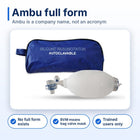
Ambu Full Form: What the Name Means and BVM Basics

Ambulance

Anatomy Models
Anesthesia Machine
You may also need
FOR YOURecommended for you
Save 29%
Save 43%
Save 25%