


Featured ChoiceSave 16%
What customers say
★★★★★ 5.0 · 4 reviews
Neck Massager: Heat, Shiatsu or Pulse and How to Use It Safely
Neck massager: Types, heat settings and safety precautions

Neck massager devices apply pressure, warmth, or electrical pulses, depending on their features. Some people find massage soothing, but any comfort may be temporary, and electrical stimulation needs extra caution. This article explains the differences, safe starting steps, and symptoms that need medical attention instead.

What does a neck massager do?
A neck massager provides an external sensation, such as kneading, warmth, or electrical stimulation. These features work differently and need different precautions. Research on massage does not prove that every home device delivers the same benefits.
Think of the neck massager as an optional comfort tool, not a way to diagnose your neck. A pleasant sensation cannot tell you whether discomfort comes from muscles, joints, or irritated nerves. Persistent or unusual neck symptoms need assessment rather than stronger pressure.
For home users, the useful starting question is simple: what does this particular device actually do? Read its instructions before interpreting words such as “deep,” “smart,” or “professional.” Those descriptions do not explain safe placement or your personal health risks.
The name alone also tells you little about electrical stimulation. A powered motor can move massage heads without sending current through your skin. Pulse features may instead use skin-contact electrodes, bringing a different set of warnings.
Temporary relief does not treat the cause of neck pain
Can a neck massager cure neck pain? No home device should be presented as a cure. Massage research suggests possible short-term benefits, not guaranteed or permanent results. Do not let temporary comfort delay a needed medical appointment.
Keep your goal modest and specific. You might want a comfortable, relaxed feeling after an ordinary day, once safety concerns are addressed. You should not expect the neck massager to explain recurring pain or replace professional advice.
It also helps to separate comfort from progress. Feeling better immediately does not automatically mean your underlying problem has improved. Track daily activities and any changing neck symptoms, rather than judging success through massage intensity alone.

Neck and shoulder massagers vs seat massagers: What to check
What types of neck and shoulder massagers are available? Within this discussion, the two product formats are the neck and shoulder massager and shiatsu seat massager. Heat, kneading, and pulse describe features or actions, rather than interchangeable benefits. Check the exact instructions because designs and controls vary.
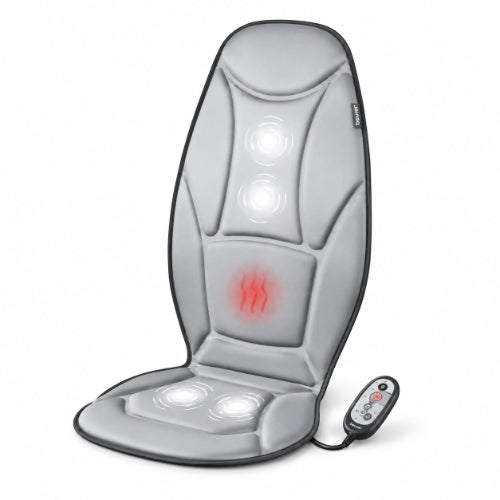
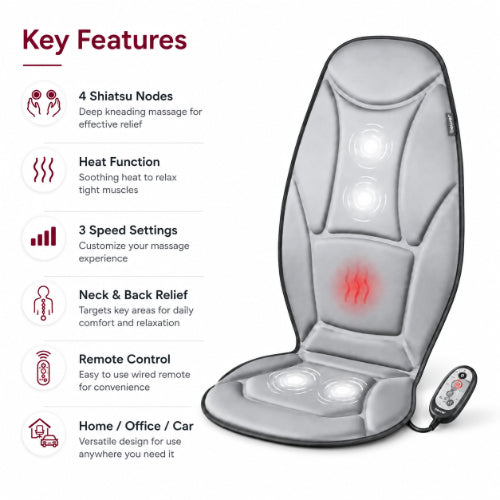
A neck and shoulder massager usually sits around the intended neck-and-shoulder area. A shiatsu seat massager fits against a suitable chair, with coverage depending on its design. Never assume its moving parts reach your neck safely simply because you can move your body against them.

If you use the search phrase “neck shoulder massager,” focus on fit rather than the wording. Ask whether you can reach the controls easily. Also check whether its intended contact points match your body without stretching or twisting.
Format or feature |
What to check |
Practical implication |
|---|---|---|
Neck and shoulder massager |
Intended position, fit, and reachable controls |
You should not need an awkward posture to operate it |
Shiatsu seat massager |
Suitable chair, coverage, and body alignment |
Moving heads must line up with the intended areas |
Shiatsu action |
Moving-head position and adjustable settings |
Kneading pressure should stay comfortable |
Heat function |
Independent control and heat warnings |
You need to recognise and respond to excess warmth |
Pulse function |
Whether it uses TENS or EMS-style stimulation |
Medical review matters before considering use |
Product designs differ; these checks do not replace the supplied instructions.
Choose controls you can reach and understand
Before comparing mode counts, imagine switching the neck massager off while seated. Can you find the button without looking behind you? Can you remove the neck massager without pulling sharply or asking someone to lift it?
For a shared household, avoid assuming one person's settings suit everyone. Each user needs their own safety check and must understand the controls. A family member's comfortable experience is not medical clearance for another person.
Keep the instructions accessible after unpacking. If the meaning of a setting remains unclear, ask the manufacturer before using it. Do not experiment with an unfamiliar electrical function simply because it appears alongside ordinary massage controls.
Shiatsu vs electrical pulse massage: What is the difference?
Shiatsu action uses moving heads to create a kneading sensation. Pulse features use electrical stimulation through skin-contact points when based on TENS or EMS. They are not equivalent, and electrical stimulation carries placement restrictions beyond ordinary mechanical pressure.
TENS stands for transcutaneous electrical nerve stimulation. EMS refers to electrical muscle stimulation, which can make muscles contract. A vague “pulse” label does not establish which technology a product uses or whether its intended placement is safe.
This distinction matters around the neck. NHS public guidance says not to use TENS on the neck. FDA guidance for powered muscle stimulation also warns against stimulation over the neck or mouth. Do not interpret a product name as permission to ignore these restrictions.
Point of difference |
Shiatsu action |
TENS or EMS-style pulse |
|---|---|---|
How the sensation happens |
Moving parts apply mechanical pressure |
Electrodes deliver electrical stimulation |
What needs checking |
Fit, pressure, placement, and comfort |
Health history, exact technology, and permitted placement |
Important warning |
Stronger pressure is not automatically better |
Do not apply electrical stimulation to the neck yourself |
Sensible next step |
Follow instructions after checking suitability |
Seek qualified medical guidance before considering use |

The electrical warnings apply even when a pulse feature is marketed for relaxation.
Ask a clinician before considering electrical pulse features
Do not use this article as an electrode-placement guide. Ask a doctor or physiotherapist to review the exact device and intended body area. They should also review any implants, pregnancy, epilepsy, or unexplained pain before advising you.
Electrical stimulation can cause skin irritation, burns, shocks, or unwanted effects with implanted devices. A mild initial sensation does not remove these risks. Never increase the current to overcome numb skin or chase a stronger feeling.
If the manual cannot clearly identify the pulse technology, leave that feature unused. Seek clarification rather than relying on demonstrations from other users. Safe settings and placement should never come from guesswork.
How to use a neck massager's heat function with caution
Is the heat function in a neck massager safe? It is not automatically safe for everyone. Heat requires particular care with poor circulation, reduced skin sensation, or difficulty reporting discomfort. Keep any permitted warmth comfortable, never hot.
Do not use heat over numb skin. You may struggle to recognise excessive warmth before an injury develops. Ask a clinician first if illness, medication, or an existing condition affects your ability to feel temperature.
Check whether heat works independently from the moving heads. Some designs only activate warmth alongside massage. Understanding that control prevents you from accepting unwanted pressure just to access the heat feature.
Follow these practical precautions whenever the manufacturer permits heated use:
-
Start with heat switched off while you learn the controls.
-
Use only the intended heat setting and contact arrangement.
-
Keep checking your skin and overall comfort.
-
Stop if warmth becomes unpleasant, painful, or difficult to judge.
-
Never cover the running device with bedding or block its openings.
-
Do not add another heat source or improvise insulation around it.
Manufacturer warnings about heated surfaces and blocked openings remain important, even when the neck massager feels gentle.
Turn the heat off if it feels uncomfortable
You do not need heat simply because your device includes it. If warmth feels uncomfortable, switch it off. Do not interpret a stronger heating sensation as evidence that the neck massager works better.
A comfortable setting for another household member may feel excessive to you. Recheck the controls whenever you use a shared device. Never rely on memory when someone else may have changed the settings.
Pay attention to discomfort as well as visible skin changes. Redness may be less obvious on brown or black skin. Stop for burning, itching, soreness, or irritation rather than waiting for a clear colour change.
If you suspect a burn, stop using the massager and seek appropriate medical advice. Do not apply further heat or pressure to test the area. Electrical burns, deep burns, or uncertain injuries require medical attention.

Heat or cold for a stiff neck: What to discuss with a clinician
When is heat better than ice for a stiff neck? Warmth may feel useful for familiar muscle tightness without a recent injury. Cold is often suggested early after a minor strain. Neither approach suits every situation, and neither replaces assessment after significant injury.
There is no need to force a choice based only on a calendar rule. Your symptoms, skin sensation, circulation, and medical history matter. Ask for advice if you cannot tell whether ordinary stiffness or a fresh injury caused the discomfort.
For a separate heat or cold pack, protect your skin rather than applying it directly. Do not fall asleep with it in place. Avoid either option over areas with poor sensation unless a clinician advises otherwise.
The heat function on a device also adds another decision: whether mechanical pressure is appropriate. Wanting warmth does not mean kneading is suitable. Keep those decisions separate, especially after a new injury.
Use this simple distinction when discussing options with a clinician:
-
Familiar tightness: Ask whether gentle warmth is reasonable for your situation.
-
Recent strain: Ask whether cold is appropriate before adding pressure or heat.
-
Swelling or unexplained symptoms: Get advice rather than increasing massage intensity.
-
Significant accident: Seek medical assessment before trying home comfort measures.
Heat and cold advice should follow the cause of your neck symptoms, not a product's available modes.

Who should ask a doctor before using a neck massager?
Who should not use an electric neck massager? People with certain conditions need medical advice first, while some features may remain unsuitable. Your doctor needs to know the exact device, not just that it is “for relaxation.”
Tell the clinician about each relevant issue below before use:
Health issue |
What to discuss before using the massager |
|---|---|
Pregnancy |
Whether any pressure, heat, or electrical feature is appropriate |
Pacemaker or implanted defibrillator |
Electrical interference risks and prohibited features |
Other electronic or metal implant |
Its location and the massager's intended contact area |
Recent injury or surgery |
Healing tissues, restrictions, and whether massage should wait |
Known or suspected blood clot |
Why massage or stimulation may be unsafe |
Herniated disc or pinched nerve |
Whether symptoms need assessment before any home use |
Arm numbness or tingling |
Possible nerve involvement rather than ordinary muscle tightness |
Poor circulation or reduced skin sensation |
Whether pressure or heat could cause unnoticed harm |
Epilepsy |
Electrical stimulation restrictions |
These concerns require individual assessment; the table is not a clearance checklist. Electrical stimulation has additional restrictions beyond mechanical massage.
What to tell your doctor about the massager and your health
Bring the manual or clear photographs of its instructions and controls. Identify whether it uses moving heads, heat, electrical stimulation, or a combination. Explain where you intended to place it and what symptoms you hoped to address.

Mention medicines and any tendency to bruise, bleed, or lose skin sensation. Also explain whether another person would need to help you operate it. These details help turn a general safety question into a useful discussion.
If you cannot reliably feel the contact area, recognise warning symptoms, or switch the massager off, seek individual advice. Assistance does not automatically make an unsuitable device safe. Do not substitute supervision for a medical restriction.
Can you use a neck massager with cervical spondylosis?
Can I use a neck massager if I have cervical spondylosis? Ask your doctor or physiotherapist before trying it. Cervical spondylosis involves age-related changes in the neck, but symptoms and risks differ between people. Your current symptoms matter more than the diagnosis label alone.
Do not press harder because your neck feels especially stiff. A home device cannot determine whether pain relates to muscles, joints, or pressure on a nerve. New arm symptoms need assessment rather than a stronger setting.
Some products use the term “cervical massager” in their descriptions. Here, cervical refers to the neck area. The wording does not establish suitability for cervical spondylosis, a herniated disc, or a pinched nerve.
If a clinician considers mechanical massage appropriate, ask for clear boundaries. Find out which areas to avoid and which features should remain off. Follow your individual advice rather than copying another person's routine.
Stop and seek advice if your arm feels numb or tingly
Do not use massage to try to remove arm numbness or tingling. These symptoms can occur with nerve problems and deserve medical attention. Weakness, clumsy hands, or walking changes make assessment especially important.
Tell the clinician whether symptoms affect one arm or both. Describe whether they reach your fingers or interfere with gripping objects. This information is more useful than simply reporting that your neck feels tight.
If symptoms start during use, stop immediately. Do not restart at a lower level to see whether they return. Seek advice about the neck symptoms before considering the massager again.

Is a neck massager safe during pregnancy?
Is a neck massager safe during pregnancy? Do not assume so. Speak with your obstetrician before use, especially before considering electrical stimulation. NHS guidance advises against TENS during pregnancy unless a doctor or midwife specifically recommends it.
Advice about supervised TENS during labour does not authorise electrical stimulation around the neck at home. These are different situations with different placement considerations. A feature described as gentle still needs proper review.
Ask about the particular device rather than massage in general. Mention heat, pressure, pulse functions, and your current symptoms. Your maternity team can consider your health history and any pregnancy-related concerns.
Until you receive clear advice, leave the massager unused. Do not borrow a relative's routine or assume previous use makes current use suitable. Pregnancy is a reason to check, not a reason to experiment.
If neck discomfort comes with an unusual headache, tell your maternity team rather than relying on massage. More generally, new or severe headaches with neck symptoms need medical attention. Do not dismiss a changing symptom because the massager briefly feels soothing.

Using a neck massager for the first time
How should a beginner start using a neck massager? First confirm that the massager and its features suit your health situation. Read the full instructions, learn the controls, and use the gentlest suitable setting. Do not start with an unfamiliar pulse function.
These steps concern permitted mechanical massage only. They are not instructions for applying TENS or EMS to the neck. Electrical stimulation requires separate professional guidance and must respect neck-placement restrictions.
-
Inspect the massager while switched off. Look for damage, loose parts, or a worn cable. Do not use a damaged appliance.
-
Choose an alert, seated setting. Use a stable chair that supports the intended arrangement. Keep the controls within easy reach.
-
Check the manual's starting behaviour. Some devices begin at a higher speed. Know how to select the gentlest setting before contact.
-
Position it only as intended. Do not force the moving parts against an area the instructions do not cover.
-
Keep heat off initially. Learn how pressure feels before deciding whether permitted warmth is comfortable.
-
Stay attentive. Watch for discomfort, skin irritation, dizziness, numbness, or any change from your usual symptoms.
-
Switch off before adjusting or removing it. Avoid struggling against moving parts or tugging the massager around your neck.
The manual governs operation, while personal symptoms determine when to stop sooner.

Do not press harder to get a stronger massage
The neck contains important nerves and blood vessels. Avoid forceful pressure, particularly around the front and sides. Never tighten, pull, or lean harder simply to create a stronger sensation.
Comfort should not require holding your breath or bracing your shoulders. If the fit makes you tense, switch off and reassess. If you cannot find a comfortable position within the instructions, do not force it.
Do not chase soreness as proof that massage has worked. Vigorous massage has occasionally caused serious injury, especially in people with additional risks. More pressure is not a sensible substitute for assessment.
Follow session limits and avoid increasing use without advice
There is no universal session schedule in this article. Follow the massager's stated operating limits and any individual clinical advice. Stop sooner whenever symptoms or skin changes suggest a problem.
An automatic shut-off is a backup feature, not permission to ignore discomfort. Do not repeatedly restart the massager to extend use. Equally, do not feel you must continue until it switches itself off.
After use, note whether you feel unchanged, comfortable, or worse. Include delayed soreness or new neck symptoms in that note. A simple record can help you explain concerns without repeatedly testing an uncomfortable setting.
Do not use a neck massager while sleeping or driving
Can I use a neck massager while driving? No. Do not operate or adjust it while driving, riding, or controlling machinery. Keep your attention and movement available for the road, not device controls. Electrical stimulation guidance specifically warns against driving during use.
Do not confuse a vehicle power connection with permission to use a device while driving. Power compatibility says nothing about distraction or safe movement. Set the massager aside before starting the vehicle.
Neck stiffness itself can also make driving unsafe if you cannot turn your head adequately. Do not use massage to push through that limitation. Arrange another way to travel when your movement is restricted.
Is it safe to sleep with a neck massager switched on? No. Never sleep with it running, even when it has automatic shut-off. Manufacturer warnings specifically prohibit sleeping during use.
Use it only while fully awake and able to respond. If you feel drowsy, switch it off and remove it. Do not tuck the running device beneath a pillow or blanket.
A simple home rule helps: device off before resting in bed. Keep the appliance away from your sleeping position afterwards. That avoids turning a comfort habit into unattended use.

Which neck symptoms need medical assessment instead of massage?
Seek medical advice when neck pain worsens, lasts weeks, or spreads into an arm. Headache, weakness, numbness, or tingling also need attention, especially when new. Stop the massager rather than using it to cover changing neck symptoms.
Arrange a medical review when pain repeatedly affects sleep, work, or normal daily activities. You do not need to keep testing home devices first. A clinician can assess symptoms and decide whether further investigation is appropriate.
Seek urgent medical advice for:
-
New or increasing arm weakness, numbness, or tingling.
-
New hand clumsiness or difficulty handling ordinary objects.
-
Trouble walking, poor balance, or unexplained leg weakness.
-
New bladder or bowel control problems.
-
Neck pain with fever, feeling unwell, or a new severe headache.
-
Sudden severe neck pain or rapidly worsening symptoms.
These symptoms can need more urgent assessment than ordinary stiffness. Do not wait for another massage attempt.
Neck symptoms that need emergency medical help
Get emergency care after a serious fall, road accident, or significant head or neck injury. Do not massage the area or test its movement. A serious injury needs assessment before home comfort measures.
Seek emergency help for sudden speech difficulty, facial drooping, or major weakness. A sudden, extremely painful headache also needs emergency attention. Fever with severe headache and marked neck stiffness can signal a serious illness.
Neck discomfort with chest pain, breathlessness, or sweating also needs emergency help. Do not assume every neck symptom starts in a neck muscle. Use your local emergency service rather than driving yourself.
Stop the massage if symptoms appear or worsen
Switch off if use causes pain, numbness, tingling, or dizziness. Remove the massager safely and do not immediately retry it. Seek medical advice, with urgency guided by the neck symptoms described above.
Also stop for burning, marked skin irritation, or an unexpected electrical shock. Do not place the massager back on irritated skin. Report a suspected appliance fault to the manufacturer before considering further use.
When explaining what happened, describe the feature, setting, contact area, and symptom. Say whether symptoms continued after stopping. Clear details help both the clinician and manufacturer understand your concern.

Everyday habits to discuss for recurring neck discomfort
A device should not become your only response to recurring stiffness. Long periods in one position can contribute to neck discomfort. Regular position changes and a workable desk arrangement deserve attention too.
Look at the tasks you repeat during an ordinary day. This might include laptop work, phone use, reading, cooking preparation, or sewing. Instead of searching for one perfect posture, notice where you remain still or strained.
Try making your surroundings easier to use:
-
Bring reading material closer instead of repeatedly leaning towards it.
-
Arrange your work so frequently used items stay within comfortable reach.
-
Change position rather than remaining rigid through a long task.
-
Avoid gripping your phone between your shoulder and ear.
-
Ask a physiotherapist for advice when ordinary tasks repeatedly trigger symptoms.
These are practical adjustments, not guarantees against neck pain. Choose changes you can maintain without turning your day into a posture test.
If your clinician recommends movement, ask them to demonstrate what suits your situation. Do not copy forceful stretches or neck-cracking routines from product demonstrations. Advice after injury may differ from advice for ordinary stiffness.
Sleep setup also deserves a look. Your pillow should support a comfortable neck position rather than forcing a twist. Ongoing night pain or disturbed sleep deserves medical discussion instead of increasingly intense massage.

How to clean, check and store your neck massager
Switch the massager off and unplug it before cleaning, as its instructions require. Follow the stated cleaning method rather than soaking the appliance. Do not use it when a cord, plug, or other part appears damaged.
Keep it away from water and avoid use with wet hands or around bathing areas. Never pull the power cable to lift the massager. Check that ventilation openings remain clear of hair, fabric, and dust.
In a shared home, leave the controls and cable arranged neatly after use. Keep children from playing with the appliance or switching it on unnoticed. A powered device should not remain plugged in without attention.
For any removable cover, check the cleaning instructions separately. Do not assume every fabric surface can enter a washing machine. Let cleaned parts dry fully as instructed before reassembly.
If the appliance smells unusual, overheats, or behaves unpredictably, stop using it. Do not repair internal wiring or moving parts yourself. Contact the manufacturer for the appropriate next step.

Neck massager safety: Key points to remember
Choose a neck massager by suitability, clear instructions, and comfortable operation, not promised intensity. Mechanical kneading, heat, and electrical pulses need separate decisions. A device with more features is not automatically a better match for your needs.
If your neck symptoms are unexplained or changing, getting assessed comes first. If use is appropriate, stay gentle, alert, and ready to stop. The sensible aim is optional comfort without overlooking a health concern.
Before each use, remember these points:
-
Read the manual and confirm which features the massager actually uses.
-
Ask a doctor first about pregnancy, implants, blood clots, recent injury, or surgery.
-
Get advice for cervical spondylosis, a herniated disc, or a pinched nerve.
-
Treat arm numbness or tingling as a reason for assessment, not stronger massage.
-
Do not apply TENS or EMS-style electrical stimulation to your neck yourself.
-
Keep mechanical pressure gentle and avoid force around the front and sides.
-
Keep permitted heat comfortably warm, never hot.
-
Stay awake; never use the massager while driving.
-
Stop for pain, numbness, dizziness, burning, or irritation.
-
Seek care for worsening, spreading, persistent, or unusual neck symptoms.
-
Get emergency help after serious injury or with emergency warning signs.
Explore more massage devices
Leg massager Foot massager Body massager Cervical pillow Traction machines

Explore Medical Collections
All Categories
Abdominal & Maternity Support

Accessories

Accu-Chek Instant Strips: Use, Compatibility, Price & Blood Sugar Testing Guide
Accu-Chek Instant Strips: Uses, Features & Complete Guide

accupuncture

Acupuncture Needles & Supplies

Advanced Physiotherapy Machines & Lumbar Physiotherapy

Airways
Alcohol Swab: Uses, Safe Use and Disposal Guide
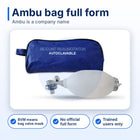
Ambu Bag Full Form: Is There an Official Meaning?
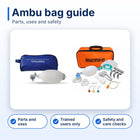
Ambu Bag: Parts, Uses and Safety Guide
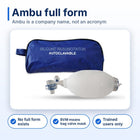
Ambu Full Form: What the Name Means and BVM Basics

Ambulance

Anatomy Models
Anesthesia Machine
You may also need
FOR YOURecommended for you
Save 16%