


Featured ChoiceSave 29%

What customers say
★★★★★ 5.0 · 2 reviews
Leg Massager for Tired Legs: How It Works and When to Skip It
Leg massager: How it works, how to use it and when to avoid it

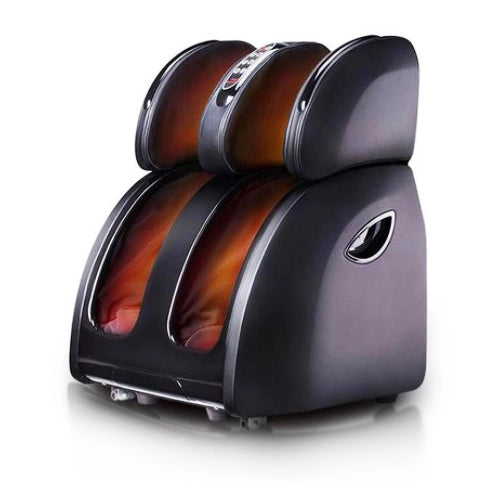
Leg massagers are home devices that apply massage pressure around the legs. An air compression leg massager uses inflatable wraps that squeeze and release. Before using one, check its instructions and ask a doctor or trained professional to guide you. Skip home use on swollen, hot, painful, infected, or wounded legs until a doctor assesses them.
For home users, the key question goes beyond choosing a comfortable setting. You also need to recognise when massage is the wrong response. This article explains the mechanism, practical checks, and medical warnings without promising results.
How does an air compression leg massager work?
An air compression leg massager fills its wraps with air, then releases that air. The changing pressure creates a squeezing massage around the covered parts of your legs. The exact pattern depends on the leg massager, so check its manual rather than assuming every model works alike.

Think of the wrap as an adjustable enclosure, not an ordinary piece of clothing. Its fit matters before you switch it on. Follow the maker’s fitting instructions instead of pulling every fastening as tightly as possible.
The words “air compression” describe how the massage works. They do not explain whether the leg massager suits your health. Treat those as separate questions when reading a product page.
Start by understanding these parts of the operating instructions:
-
Wrap placement: Find where the maker intends each wrap to sit.
-
Pressure control: Learn how to select the lowest setting.
-
Stop control: Locate the button before starting the massage.
-
Release instructions: Learn how to release pressure and remove the wraps.
-
Connections: Follow the instructions for any hoses, cables, and power supply.
Do not learn the stop procedure while struggling with uncomfortable pressure. Practise finding the controls with the leg massager switched off. Ask someone to explain any unclear instructions before you use it.

Calf massager vs full-leg massager: Which areas do they cover?
What is the difference between a calf massager and a full leg massager? The main difference is the intended coverage. A calf massager focuses on the lower leg. A wider-coverage leg massager may include the thighs, depending on its design.
Coverage does not tell you which option suits your health. More coverage also does not justify stronger pressure. Start your comparison with the maker’s placement diagrams and your doctor’s advice.
Avoid choosing from the main product photograph alone. Ask for a clear diagram showing where every section sits. Check whether you can reach the fastenings without bending awkwardly or relying on guesswork.
|
Point to check |
Calf-focused coverage |
Wider leg coverage |
|---|---|---|
|
Intended area |
Check the lower-leg placement diagram |
Check every covered area, including any thigh section |
|
Fitting instructions |
Confirm where the upper and lower edges sit |
Confirm each section’s position separately |
|
Personal suitability |
Ask whether calf pressure suits your condition |
Ask whether pressure suits every covered area |
|
Independent use |
Practise reaching the fastenings while seated |
Practise reaching all fastenings while seated |
|
Product information |
Request the complete manual |
Request the complete manual, not just a coverage image |
Use the table as a shopping checklist, not a medical recommendation. Leave a product aside if the seller cannot explain its intended placement. A clear answer matters more than an attractive photograph.

Can a leg massager help circulation or swollen legs?
Does a leg massager really improve blood circulation? A broad marketing phrase cannot establish what a device will do for you. It also cannot show whether pressure is safe for your legs.
Some product descriptions discuss circulation in otherwise healthy users. That wording does not establish suitability for someone with a circulation disorder. Read the intended-use statement alongside the warnings, rather than treating either section alone as permission.
Can a leg massager reduce swelling in tired legs? Do not use a home massager to test unexplained swelling. A doctor needs to assess its cause, especially when swelling affects one leg or appears suddenly.
When comparing claims, write down what you actually want to understand. “What does this wrap cover?” asks about the leg massager. “Why does my leg swell?” asks a medical question. A seller should not replace a doctor’s assessment with a product recommendation.
Be cautious when a description moves between comfort language and disease language. Those words can make very different promises. Ask for the precise intended use without accepting a vague explanation about “better leg health.”
Your buying notes can separate three things: the leg massager’s mechanism, its operating instructions, and your health questions. This simple division keeps advertising from answering questions it cannot safely answer.

Who should avoid a leg massager or ask a doctor first?
A doctor or trained professional should guide leg massager use. Ask a doctor to assess medical concerns before you try the leg massager. A shop demonstration cannot replace that assessment.
Avoid home use if you have a blood clot, poor circulation, infection, wounds, or skin conditions affecting the area. Do not experiment with pressure on an unexplained leg problem. Clinical compression guidance also identifies important restrictions involving circulation, skin health, and sensation.
Consult a doctor before use during pregnancy or with varicose veins. Bring the actual manual, since restrictions differ between devices. Follow any manufacturer prohibition even if another product allows use under different conditions.
These basic rules belong beside your device:
-
Start on the lowest setting after confirming suitability.
-
Stay awake and able to respond throughout use.
-
Remove the massager before standing or walking.
-
Stop use and see a doctor if swelling, pain, or other concerning symptoms occur.
-
Never use extra pressure to push through discomfort.
Hospital compression sleeves are prescribed and monitored, unlike home massagers. Staff assess the patient and guide their use. Similar-looking wraps do not make a home device interchangeable with hospital equipment.
Treat medical clearance as personal advice, not household permission. One family member’s approval does not cover everyone else. Revisit the question when your health changes, rather than relying on an old conversation about different circumstances.

Which leg symptoms mean I should stop and call a doctor?
Stop the leg massager and seek medical advice for new pain, swelling, warmth, tenderness, or skin colour changes. Seek urgent assessment when these affect one leg or suggest a blood clot. Do not restart the leg massager to check whether the feeling settles.
Seek emergency medical help for sudden breathing difficulty, chest pain, or fainting. These symptoms need urgent attention, whether they begin during massage or at another point. Do not drive yourself if you feel acutely unwell.
Use this action table to avoid second-guessing a concerning change:
|
What you notice |
What to do about the massager |
Medical action |
|---|---|---|
|
New unexplained swelling or pain |
Stop and remove it safely |
Contact a doctor promptly |
|
One leg becomes swollen, warm, or tender |
Do not massage the area |
Seek urgent medical assessment |
|
New numbness or sudden sharp pain |
Stop immediately |
Seek medical advice before further use |
|
Hot, red skin or swelling with fever |
Do not use the leg massager |
Seek urgent assessment |
|
Chest pain or sudden breathing difficulty |
Stop using the leg massager |
Seek emergency medical help |
These warning signs can reflect problems that need assessment, not pressure adjustments. Clinical guidance also advises stopping compression for sudden pain or numbness.
When contacting a doctor, describe the symptom plainly. Say which leg changed, where you noticed it, and whether massage had started. Do not label the problem yourself or dismiss it as normal tiredness.

Read the safety and operating instructions before use
Read the complete manual before following a quick-start card. Start with intended use, warnings, and restrictions. Only then move to fitting and operating instructions.
Make a short note of anything you cannot explain in your own words. For example, you should understand how to stop the leg massager. You should also understand how to remove it without standing.
Look for answers to these practical questions:
-
Where should each wrap sit on the leg?
-
Which instructions explain the first pressure selection?
-
How do you release pressure before removal?
-
What does the maker prohibit?
-
Which cleaning method does the maker allow?
-
Who should you contact about unclear controls or damaged parts?
Keep the manual with the leg massager rather than relying on memory. If you use a digital copy, save the correct version. Match it to the product you actually own, not a similar-looking listing.
Do not copy another model’s operating steps from a video. Manufacturer instructions can differ, including their medical restrictions. Ask the maker for clarification if its own documents conflict.
A translated explanation from a family member can help you understand the wording. Still, keep the original instructions available for your doctor. Avoid shortening a warning so much that its meaning changes.
Safety checklist before switching on a leg massager
Use this checklist as a practical pause before operating your leg massager. It does not replace the manual or medical advice. If any answer remains unclear, leave the leg massager switched off.
-
I have checked whether this device suits my health.
-
I have read the warnings for this exact product.
-
I have no unexplained pain, swelling, warmth, or skin changes.
-
I have checked the covered skin for wounds or irritation.
-
I know how to stop the massage and release pressure.
-
I can reach the controls without standing.
-
I have checked the wraps, connections, and power lead.
-
I have followed the maker’s fitting instructions.
-
I have selected the lowest setting.
-
I feel fully awake and able to respond.
-
I will remove the leg massager before walking.
These checks reflect common manufacturer precautions about skin problems, alertness, damage, and safe handling. Follow stricter instructions whenever your own manual requires them.
Keep this checklist somewhere useful, such as beside the stored manual. Do not turn it into a hurried tick-box exercise. Its value comes from noticing when something differs from your usual setup.
For shared devices, each person should complete their own checks. Avoid answering on someone else’s behalf without asking them directly. A quiet user may still have discomfort or a new health concern.

How to position and fasten leg wraps
Set up the massager while seated, following the maker’s placement diagram. Identify any left and right markings before fastening the wraps. Stop if you cannot work out the intended position.
Check what sits beneath each wrap. Avoid trapped objects, bulky folds, and clothing fastenings under the pressure area. Manufacturer instructions specifically warn against folded clothing and objects beneath the cuffs.
Do not assume that fastening a wrap more tightly makes it work better. Follow the fitting method in your manual. If that method remains unclear, ask the maker to demonstrate it with the leg massager switched off.
Make fitting a separate task from starting the massage. First check placement and reach. Then check that you can open the fastenings without help, or arrange suitable assistance.
For everyday home use, consider your usual clothes before sitting down. Loose trouser fabric may need careful positioning according to the manual. Do not stuff extra fabric into a wrap simply to finish fastening it.
Avoid improvising with additional straps or homemade extensions. Ask the maker about fit instead. Leave the leg massager unused if you cannot achieve its intended fit comfortably.
A family member can help you read markings and check placement. Ask them to follow the diagram, not their own idea of tightness. Explain that you control whether the leg massager starts or stops.

Which pressure setting should a first-time user choose?
Choose the lowest setting after a doctor or trained professional confirms that use is appropriate. Follow your product’s instructions and stop if pressure feels uncomfortable. Do not treat pain as a sign that the massage is working.
Your first task is understanding the controls, not exploring stronger settings. Learn which button changes pressure and which button changes another function. Ask for an explanation before pressing unfamiliar controls.
The setting label alone cannot answer a medical question. A low setting does not make a prohibited device suitable. It also does not cancel a warning about blood clots, skin problems, or poor circulation.
Use these decision rules:
-
Unclear controls: Stop and consult the manual.
-
Unclear medical suitability: Ask your doctor before use.
-
Uncomfortable pressure: Stop rather than pushing through it.
-
New symptoms: Remove the leg massager and seek appropriate medical advice.
-
Someone suggests stronger pressure: Keep your own safety limits in charge.
Do not copy a relative’s preferred setting. Their choice says nothing about your comfort or medical situation. Treat personal suitability and operating choices as separate checks.
There is no need to make each use feel stronger than the last. Avoid turning pressure into a target or competition. Your instructions and professional guidance should shape the decision, not a desire to feel a more forceful squeeze.

Steps for starting, stopping and removing a leg massager
Once you have confirmed suitability, arrange the steps before starting. A clear sequence reduces the need for hurried decisions. Keep the manual open if you still need help remembering the controls.
-
Sit in a stable, comfortable position.
-
Place the controller within easy reach.
-
Fit the wraps according to the placement diagram.
-
Check the connections using the maker’s instructions.
-
Confirm that you know the stop and release procedure.
-
Select the lowest setting.
-
Stay attentive to your legs and the leg massager.
-
Stop, release pressure, and remove the wraps before getting up.
Manufacturer instructions warn against walking while wearing the leg massager and advise keeping the controller nearby. Follow your own manual’s exact removal steps.
Build interruptions into your plan. Keep a phone nearby if you need to contact someone. Let family members know that you must remove the massager before answering the door or entering another room.
Avoid juggling unfamiliar controls while handling other tasks. If you need to read a message or answer a call, remain aware of the massager. Stop first whenever the interruption prevents you from monitoring your legs.
The operating sequence should remain easy to explain. If it feels confusing, pause and ask for help. Do not rely on trial and error while the wraps apply pressure.

Stay awake and watch for discomfort in your legs during massage
Use the leg massager only when you can notice discomfort and operate the controls. Do not use it while asleep. Manufacturer safety instructions explicitly prohibit sleeping use.
Choose a situation where you can give the massager proper attention. Avoid starting simply because you have finally sat down after a tiring day. Ask yourself whether you feel alert enough to follow every operating step.
Watching television can make it easy to overlook what you intended to monitor. Keep the controller visible rather than buried beside you. If your attention drifts or you become sleepy, stop and remove the massager.
Keep a clear distinction between relaxation and unattended operation. You can choose a quiet setting without ignoring the massager. Do not ask a family member to keep it running after you fall asleep.
If another adult helps you, agree on simple words such as “stop” and “remove.” Ask them to respond immediately rather than persuading you to continue. Your report of discomfort should end the experiment.
Do not judge safe use by whether you endured the pressure without speaking. Tell the helper what you feel. Clear communication matters more than completing the operation you originally planned.
Remove the leg wraps before standing or walking
Finish the massage before reaching for something across the room. Stop the device, release pressure as instructed, and remove the wraps. Manufacturer guidance warns against walking or moving around while wearing it.
Make removal part of your original setup, not an afterthought. Check that you can reach every fastening while seated. Ask for help before use if you cannot remove the device independently.
Do not try to save effort by leaving the wraps loosely attached. Complete the removal procedure before standing. Put the wraps, hoses, and controller somewhere clear of your next step.
At home, interruptions often arrive without warning. A ringing doorbell, kitchen call, or delivery can prompt an automatic response. Give yourself permission to answer later rather than getting up with the device attached.
If someone else operates the controls, explain the removal sequence together. Agree who will switch it off and who will handle the wraps. Avoid having both people pull at different parts without a plan.
After removal, check how your legs feel before considering any future use. New symptoms belong in a medical conversation, not a pressure adjustment. Record what happened if you need to explain it to your doctor.
Where to sit and place the controls at home
Choose a stable seat and a dry place for the leg massager. Keep its controller within reach and its connections clear of household activity. Follow the manual’s operating-environment instructions rather than assuming any room will suit it.
Think about your actual home layout. You may share a room with family or have limited space near a socket. Arrange the area before fitting the wraps, not after you have already started.
Use a setup check focused on access:
-
Can you sit without sliding forward?
-
Can you reach the stop control easily?
-
Can you remove the wraps while seated?
-
Can another person move through the room without disturbing the device?
-
Can you see the connections without bending awkwardly?
-
Can you stop without moving furniture?
These questions help you plan; they do not create permission to ignore the manual. If your setup conflicts with the maker’s instructions, change the setup. Do not improvise around an electrical warning.
Keep tea, water, and other drinks away from the controls. Avoid placing the device where cleaning or splashes may reach it. Manufacturer instructions warn against contact with water and use in wet locations.
Once you find a workable arrangement, keep it simple. You should not need a complicated furniture routine whenever you use the massager.

How to clean and store a leg massager
Switch off and disconnect the leg massager before cleaning, following its instructions. Use only the cleaning method the maker allows. Do not assume that a fabric surface means you can wash the complete device.
Separate your cleaning questions before starting. Ask which surfaces you may wipe, which parts must stay dry, and whether anything detaches. If the manual does not explain removal, do not pull components apart.
Avoid copying cleaning advice from another product listing. Ask the maker directly when instructions seem incomplete. Keep its reply with the manual so other household users can follow the same method.
Make storage equally straightforward:
-
Put the device away using the maker’s folding instructions.
-
Keep sharp objects away from wraps and hoses.
-
Avoid placing heavy household items on top.
-
Store the controls where children cannot play with them.
-
Keep the manual accessible rather than packing it separately.
These handling precautions appear in manufacturer care instructions. Check your own product’s requirements before choosing a storage place.
In humid or dusty conditions, inspect your storage area rather than assuming a cupboard solves everything. Follow the stated storage conditions without inventing your own cleaning routine. Contact the maker if the device becomes wet or develops visible damage.
Cleaning and storage should never involve opening the control unit. Leave repairs to the appropriate service provider. Do not use a device that shows damage or works abnormally.
Sharing a leg massager: Check safety for each person
A leg massager may attract interest from several people at home. Each person still needs their own suitability check. Do not offer it to a parent or relative solely because you found the controls easy.
Before helping someone else, ask whether they understand the warnings. Let them describe their own symptoms and health concerns. Avoid answering medical questions for them because you already know how the device operates.
Bring individual health conditions to a doctor’s attention. Manufacturer instructions identify concerns including pregnancy, diabetes, heart disease, skin problems, and reduced sensation. Restrictions differ, so use the actual manual during that discussion. Also ask about a pacemaker or other implanted device.
If a relative needs help, divide the tasks clearly. One person can explain the controls while the user decides whether to continue. Nobody should increase pressure without the user’s clear agreement and appropriate guidance.
Do not describe silent tolerance as comfort. Ask direct, simple questions about pressure and any unusual feeling. Stop if the person cannot reliably communicate or respond, and seek professional advice about suitability.
Finally, reset your own preparation after somebody else uses the device. Check placement, controls, and settings again. Sharing a familiar household appliance does not remove the need to follow its instructions personally.
When to contact product support and when to call a doctor
A leg pressure machine needs product support for operating faults and medical advice for health concerns. Keep those routes separate. A customer-service explanation about controls cannot assess new swelling or pain.
If the device behaves unexpectedly, stop using it and consult its troubleshooting instructions. Do not continue testing it on your legs while guessing. Manufacturer guidance advises stopping faulty equipment and avoiding unauthorised repair.
Prepare a clear message for product support. Describe what you pressed, what the controller displayed, and what the device did. Include the product details from your manual without making assumptions about the cause.
For a medical concern, describe your body’s response instead. Explain the symptom, its location, and whether it affected one or both legs. Seek urgent care for warning signs rather than waiting for a seller’s reply.
Avoid combining both issues into “the massage felt wrong.” That description gives neither contact enough useful information. Separate the device behaviour from the change you noticed in your leg.
Do not reopen a health question through product troubleshooting. Even if support explains a control, that answer does not clear you medically. Ask your doctor before considering further use after concerning symptoms.

Questions to ask your doctor about your legs before using a leg massager
Take the leg massager manual or its complete instructions to your appointment. Show the intended coverage and the warnings. This gives your doctor something more concrete than a general question about massage.
Explain why you considered the device. Say whether you mean ordinary tiredness, recurring discomfort, visible veins, or swelling. Do not soften concerning symptoms because you hope to receive permission.
You can prepare these questions:
-
Does this specific device suit my health conditions?
-
Do any warnings in this manual apply to me?
-
Should I avoid pressure on the intended areas?
-
Do my symptoms need assessment before I consider home use?
-
Would any change in my health mean stopping use?
-
What should I do if symptoms appear during or after use?
Tell the doctor about relevant conditions, previous leg procedures, and current medicines. Manufacturer instructions include restrictions involving underlying illness and ongoing treatment. Let your doctor decide which details affect suitability.
Write down the advice in plain language. Avoid remembering only the word “yes” while losing the conditions attached to it. Ask for clarification if the advice seems different from a manufacturer prohibition.
A useful outcome may be a decision not to use the massager. That still answers the original question. The aim is an informed choice, not approval at any cost.
Common questions about leg massager safety
Can I use a leg massager during pregnancy? Consult your obstetrician before use and show them the exact manual. Follow any pregnancy prohibition, because restrictions vary between devices.
Can people with varicose veins use a leg massager? Ask your doctor before applying massage pressure over affected legs. Mention pain, itching, skin changes, or swelling rather than assuming visible veins need only comfort care.
Is a leg massager safe if I have a blood clot in the leg? Do not use a home leg massager with a known or suspected blood clot. Seek medical advice, and seek urgent assessment for new clot-like symptoms.
Can I use a leg massager over wounds or skin infections? No; avoid home use over wounds, infections, or affected skin. Ask your doctor when reconsidering use, rather than covering the area and carrying on.
Is it safe to fall asleep with a leg massager running? No; stay awake and able to respond while using it. Stop and remove the device when you become sleepy.
Who should not use an air compression leg massager? Avoid unsupervised home use with blood clots, poor circulation, wounds, infections, or affected skin. People with reduced sensation or serious underlying illness also need medical assessment and must follow the product’s restrictions.
Can I restart after an unexplained symptom disappears? Do not use symptom disappearance as medical clearance. Ask a doctor before restarting after unexplained pain, swelling, numbness, or other concerning changes.
Leg massager safety: Key points to remember
Understand your leg massager before deciding whether to use it. Start with medical suitability, then learn placement, controls, and removal. Do not let a product claim answer a question about an unexplained symptom.
Keep the practical rules simple: follow the manual, start low, stay awake, and remove the device before walking. Stop for concerning changes and seek the right medical help. A decision to skip the massager is sensible whenever your health or the instructions leave doubt.
Explore more massage devices
Foot massager Neck massager Body massager Compression stockings Pain relief massage
Explore Medical Collections
All Categories
Abdominal & Maternity Support

Accessories

Accu-Chek Instant Strips: Use, Compatibility, Price & Blood Sugar Testing Guide
Accu-Chek Instant Strips: Uses, Features & Complete Guide

accupuncture

Acupuncture Needles & Supplies

Advanced Physiotherapy Machines & Lumbar Physiotherapy

Airways
Alcohol Swab: Uses, Safe Use and Disposal Guide
Ambu Bag Full Form: Is There an Official Meaning?
Ambu Bag: Parts, Uses and Safety Guide
Ambu Full Form: What the Name Means and BVM Basics

Ambulance

Anatomy Models
Anesthesia Machine
You may also need
FOR YOURecommended for you
Save 29%