


Featured ChoiceSave 18%
Save 23%

Save 26%


What customers say
★★★★★ 5.0 · 12 reviews
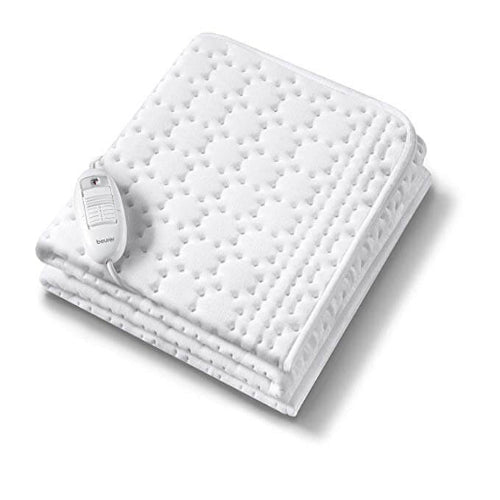
 Beurer Heating Blanket Single Bed
“Say goodbye to cold beds! This fast-heating, comfortable blanket keeps you warm all night. Highly recommend...”
“Made from breathable, skin-friendly material, this blanket is durable and machine washable, ensuring long-l...”
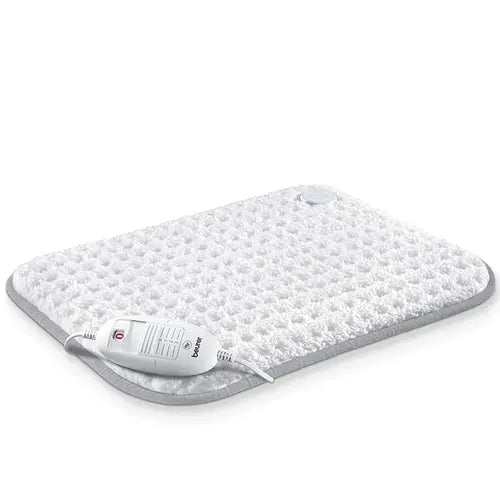
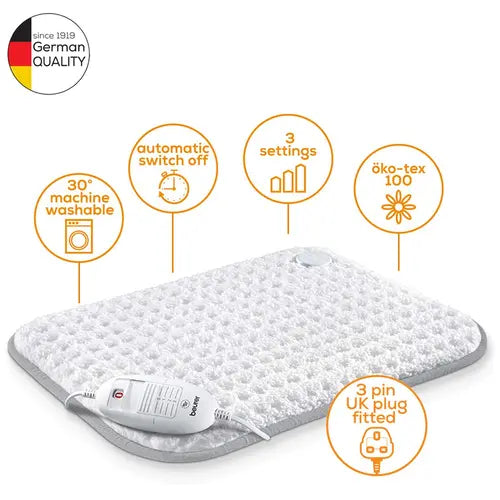
 Beurer Super Fluffy Heat Pad with 3 Temperature Settings
“This heat pad is lightweight, easy to clean, and heats up fast. A must-have for winter, muscle relief, and ...”
“The super fluffy fabric feels great on the skin, and the heat distributes evenly. A great companion for coz...”
heating pads: types, benefits, safety and buying guide
Heating Pad: Types, Safety, Period Cramp Use and Buying Guide for Healthcare Professionals
This guide explains what a heating pad is and which type is best. It also answers whether electric heating pads are safe, how often to use one, and whether you can sleep with a heating pad, with the latest research.
Key Takeaways
- First, a heating pad is a warming device that gives local heat to muscles and joints, and it is also called a warming pad or pad heater.
- The best type depends on the user and the setting, because electric, cordless, hot water bag and gel pack options each suit different needs.
- According to a January 2026 meta-analysis in Frontiers in Medicine, heat gave pain relief similar to NSAIDs for primary dysmenorrhoea, with fewer adverse events.
- In practice, most guidance suggests short sessions of about 15 to 30 minutes with a cloth barrier, and no sleeping with the pad switched on.
- Finally, Meddey lists heat products from ₹199 to ₹3,999, as of 1 October 2026, including a cordless period heating pad at ₹849.
Contents
- What is a heating pad?
- How a heating pad works
- Which type of heating pad is best?
- Electric heating pad and electric warmer pad
- Are electric heating pads safe to use?
- How many times can I use a heating pad in a day?
- Can I sleep with a heating pad?
- Period heating pad and heating pad for menstrual cramps
- Who needs extra care?
- Heating pads in clinics and hospitals
- Meddey heating pads and price
- Care and storage
- Buying checklist
- Frequently asked questions
Almost every home, clinic and ward keeps some way to apply heat. Therefore, the humble heating pad is one of the most common comfort aids in healthcare. However, many people are unsure which type to buy, how long to use it, and when it becomes unsafe.
This guide is for doctors, nurses, physiotherapists, medical students and buyers of clinic and hospital supplies. In addition, it uses simple words and answers the most common questions. To see products, you can visit the heating pad collection at Meddey.
Latest evidence note: A systematic review published in Frontiers in Medicine in January 2026 looked at heat therapy for primary dysmenorrhoea. The authors found that heat likely reduces pain compared with no treatment. Meanwhile, against NSAIDs, heat gave comparable pain relief, and it probably carried a lower risk of adverse effects. However, the evidence is still limited, so heat works best as a comfort measure and not as a replacement for medical care.
What Is a Heating Pad?
A heating pad is a flat, flexible pad that gives gentle, steady warmth to one part of the body. People also call it a warming pad or a pad heater. Some run on mains power, some charge through a USB port, and some need no power at all.
Most pads use an electric heating element inside a soft fabric cover. Meanwhile, other pads use hot water, a microwave-heated filling or a gel that holds heat. As a result, buyers can choose by use, budget and safety needs.
For students, one line is enough. A heating pad is a warm, reusable pad that applies local heat to ease muscle tightness, stiffness and cramps.
How a Heating Pad Works and What It Is Used For
Heat widens the small blood vessels in the skin and the tissue below it. Therefore, blood flow rises in the warmed area, and tight muscles often relax. In addition, warmth can calm pain signals, so many people feel more comfortable.
Muscle tightness First, heat helps relax tense muscles in the back, neck and shoulders.
Joint stiffness Also, warmth can loosen stiff joints before gentle movement or exercise.
Period cramps In addition, a pad over the lower abdomen is a common self-care choice for menstrual pain.
Chronic aches Since long-term aches often respond to comfort measures, heat is a simple support tool.
Pre-treatment warm-up Moreover, some physiotherapists use heat before stretching or manual therapy.
Cold-weather comfort Finally, a pad gives warmth to cold hands, feet and backs in winter.
Do not use heat on a fresh injury. An NHS physiotherapy leaflet advises against heat packs on very inflamed skin and in the first 48 to 72 hours after an injury. Therefore, cold is the usual first step for a new sprain or strain.
Which Type of Heating Pad Is Best?
No single heating pad is best for everyone. Instead, the best choice depends on who uses it, where, and for how long. For a quick answer, use the table below.

| Type | Best for | Main benefit | Main limit |
|---|---|---|---|
| Electric heating pad (corded) | Home and clinic use for back and neck | Steady heat with set levels | Needs a power socket |
| Cordless, USB rechargeable pad | Travel, study, office and period use | Moves freely, no cable | Battery time is limited |
| Hot water bag | Low-cost, no-power warmth | Cheap and reusable | Needs careful filling, risk of leaks |
| Hot and cold gel pack | Both heat and cold therapy | One pack, two uses | Heat fades quickly |
| Microwavable pack | Short, moist warmth | Cools by itself | Uneven heating if misused |
| Infrared heat lamp | Therapy room use | Warms without contact | Needs trained supervision |
| Heating blanket | Bed warmth in cold rooms | Covers a large area | Not for use while sleeping if the maker advises against it |
Therefore, an electric heating pad with an automatic switch-off suits most adults at home. A cordless period heating pad suits people who need heat while moving about, and a hot water bag suits those who want a simple, low-cost option.
Features that matter most
- Automatic switch-off: It turns the pad off after a set time, which lowers the risk of overheating.
- Several heat levels: Low settings are safer for long, gentle use.
- Soft, washable cover: It protects the skin and keeps the pad clean.
- Overheat protection: It cuts the power if the pad gets too hot.
Electric Heating Pad and Electric Warmer Pad
An electric heating pad is the most common type for pain relief at home. Some brands also call it an electric warmer pad. It has a thin heating element inside a fabric cover, and a control unit sets the heat level.
Corded and cordless pads
A corded pad plugs into a wall socket, so it gives steady heat for as long as the timer allows. Meanwhile, a cordless pad has a rechargeable battery and usually charges through USB. As a result, it is easy to carry, but the battery limits the use time.
Before you buy, check for a clear model name, safety features and the maker's instructions. A good electric warmer pad should always come with a printed user guide.
Are Electric Heating Pads Safe to Use?
Yes, an electric heating pad is generally safe when you use it as the maker advises. However, the main risks are burns, skin changes from long use and electrical faults. Therefore, safe habits matter as much as the product.
Main risks
- Burns: A pad that is too hot, or held against the skin for too long, can burn the skin even at moderate heat.
- Erythema ab igne: Repeated heat can leave a net-like, brown skin mark. A 2018 report in the Cleveland Clinic Journal of Medicine described this after daily pad use, and the first step was to stop the heat source.
- Rare skin cancer link: Case reports describe skin cancers in long-standing erythema ab igne, although this is rare. Therefore, clinicians should counsel people who use heat daily.
- Electrical faults: Frayed cords, folded pads and damaged covers can overheat.
- Masked symptoms: Heat can hide pain that needs a medical check.
Stop use at once if you see these signs. Stop if the skin turns red, blistered, painful or numb, or if the pad smells of burning. In addition, replace any pad with a damaged cord or cover.
How Many Times Can I Use a Heating Pad in a Day?
There is no single legal or medical limit, because the safe amount depends on the heat level, the skin and the person. However, most guidance focuses on short sessions with breaks. Therefore, think about the length of each session first, and then about how many sessions you need.
What the guidance says
- An NHS physiotherapy leaflet advises wrapping the pad in towels and leaving it for 10 to 15 minutes. It adds that heat can be applied again after about two hours.
- A case series on erythema ab igne notes that there is no exact data on the time needed to cause skin damage. Even so, it states that sessions generally should not exceed 30 minutes.
- Many clinics use 15 to 20 minutes as a simple rule for one session.
A simple plan
For most adults, a few short sessions spread through the day is a sensible approach. For example, a person may use heat for 15 to 20 minutes, rest the skin for an hour or two, and then repeat if needed. In addition, lower heat levels are safer than high ones for repeated use.
Needing heat all day is a warning sign. If you need a heating pad for many hours every day, see a doctor. The pain may need a proper check, and constant heat raises the risk of skin damage.
Can I Sleep With a Heating Pad?
It is best not to sleep with a heating pad switched on. When you sleep, you cannot feel the heat build up, and you cannot move away from it. As a result, the risk of burns rises, especially with an electric heating pad.
Some pads, such as the Beurer Super Fluffy Heat Pad at Meddey, switch off automatically after about 90 minutes. This feature adds a safety layer. However, it does not make all-night use safe, because a burn can still happen within that time.
Safer ways to stay warm at night
- First, use the pad to warm the bed or the area, and then switch it off and remove it before you sleep.
- Second, use warm clothing, a good blanket or a warm room instead of direct heat.
- Third, never use a pad while very drowsy, or after alcohol or sedating medicines, because these lower your awareness of heat.
- Also, do not sleep on a hot water bag. Use it earlier, and take it out of the bed.
If night pain keeps you awake, talk to a doctor about the cause. A medical review is safer than relying on heat all night.
Period Heating Pad and Heating Pad for Menstrual Cramps
Many people who have periods use a period heating pad for lower abdominal pain. This is a simple, drug-free option that people can use at home, at work or in college.

What the research shows
- A 2019 meta-analysis in BMC Complementary and Alternative Medicine pooled 23 trials with 2,302 participants. It found that heat reduced menstrual pain compared with no treatment, with a moderate effect.
- In the same review, heat reduced pain intensity more than analgesics did, although the authors called it an option alongside medicines and not a replacement.
- The January 2026 Frontiers in Medicine review pooled eight trials with 728 participants for safety. It found that heat probably caused fewer adverse effects than NSAIDs.
Therefore, a heating pad for menstrual cramps is a reasonable first self-care step. However, the reviewers still ask for larger, high-quality trials.
How to use it for period pain
- Place the pad over the lower abdomen or the lower back, with a thin cover between the pad and the skin.
- Use a comfortable, low to medium heat for about 15 to 20 minutes, and rest between sessions.
- Choose a cordless pad if you want to move around, study or work while you use it.
- Combine heat with rest, gentle movement and fluids if your doctor agrees.
When to see a doctor: Please seek care for severe pain, pain that stops daily life, heavy bleeding, fever, or pain that is new or different. In addition, a heating pad should not delay a check for these signs.
Who Needs Extra Care With a Heating Pad?
Some people have a higher risk of burns or of other problems with heat. Therefore, they should ask a doctor before they use a heating pad, and they should use it with supervision.
| Group | Why extra care is needed |
|---|---|
| People with diabetes or nerve damage | Reduced feeling means they may not notice a burn |
| People with poor circulation | Skin cannot lose heat well, so burns happen sooner |
| Those with fragile or broken skin | Heat can worsen wounds and rashes |
| Children and older adults | Skin may be more sensitive, and use needs supervision |
| People who are sedated or unable to speak up | They cannot say when the heat is too much |
| People who are pregnant | Heat on the abdomen needs advice from an obstetrician first |
| Anyone with a suspected clot or fresh injury | Heat can worsen swelling or bleeding risk |
An NHS physiotherapy leaflet also says that people with circulation problems, poor skin sensation or nerve damage from diabetes should not use heat or cold on the area without medical advice.
Heating Pads in Clinics and Hospitals
Clinics and hospitals use heat for physiotherapy, pain care and comfort. However, the setting adds extra duties, because many patients cannot report discomfort quickly.
- Follow local policy: First, use only the devices and settings that your infection control and clinical teams approve.
- Check sensation first: Next, test the patient's skin sensation and circulation before you apply heat.
- Supervise the session: Also, stay nearby, and check the skin often, especially for children and older adults.
- Clean between users: Finally, wipe the pad and change or wash covers as the maker advises.
For other pain relief devices, you can also see the TENS machine collection and the pain relief range at Meddey.
Meddey Heating Pads and Price
Meddey lists several heat products in its heating pad collection and its hot and cold packs collection. The table below shows the products and their prices as listed on Meddey on 1 October 2026. However, prices and stock can change, so please check the live product page before you order.

| Product | Type | Key detail | Meddey price |
|---|---|---|---|
| Beurer Super Fluffy Heat Pad (HK42) | Electric heating pad | 3 temperature settings, auto switch-off after about 90 minutes, removable switch, machine-washable at 30°C | ₹2,631 |
| Digital Menstrual Heating Pad (Cordless, USB) | Period heating pad | Cordless, USB charging, digital heat control | ₹849 |
| Hot Water Bag 2L with Cover | Non-electric hot water bag | 2 litre, screw-top stopper, protective cover | ₹199 |
| Hot and Cold Gel Pack | Gel pack | Reusable, flexible, wrap included | ₹321 |
| Beurer Heating Blanket Single Bed | Heating blanket | Under-blanket with a cotton top and microfleece underside | ₹3,999 |
What decides a heating pad price?
The price depends on the heating type, the safety features, the size, the cover fabric and the brand. For example, a pad with several heat levels and an automatic switch-off costs more than a simple hot water bag. Therefore, compare the safety features and not only the price.
Price note: Prices and offers change often. Therefore, please check the live listing before you order. For bulk orders for a clinic or hospital, please contact Meddey for a quote.
Care and Storage
- Clean as advised: First, follow the maker's guide, because some covers are machine-washable and some are not.
- Keep it dry and flat: Also, never use a damp electric pad, and do not fold sharp creases into it.
- Replace worn pads: Finally, replace any pad with a worn cord, a damaged cover or an uneven hot spot.
Buying Checklist for a Heating Pad
Type First, choose electric, cordless, hot water bag or gel pack by use and setting.
Safety features Next, look for automatic switch-off, overheat protection and several heat levels.
Size Also, pick a size that fits the back, neck or abdomen.
Cover In addition, a soft, washable cover protects the skin and keeps the pad clean.
Power Since needs differ, choose a corded pad for steady heat and a cordless pad for travel.
Supplier Finally, confirm the maker details, support and return policy.
Frequently Asked Questions About Heating Pads
Which type of heating pad is best?
There is no single best type. An electric heating pad with automatic switch-off suits most adults, a cordless pad suits travel and period use, and a hot water bag suits a simple, low-cost need.
Are electric heating pads safe to use?
Yes, when used as the maker advises. Use a cloth barrier, start on low heat, check the skin and replace worn pads. People with reduced sensation need medical advice first.
How many times can I use a heating pad in a day?
There is no fixed limit. Use short sessions of about 15 to 30 minutes with breaks, and avoid constant use. If you need heat all day, see a doctor.
Can I sleep with a heating pad?
It is best not to. You cannot feel the heat build up while asleep, so the risk of burns rises. Warm the bed first, and switch the pad off before you sleep.
Is a heating pad good for menstrual cramps?
Research suggests heat can reduce period pain, and a 2026 review found it similar to NSAIDs with fewer adverse effects. Seek care for severe or unusual pain.
Can a heating pad cause skin damage?
Yes. Long or repeated use can cause burns or a net-like brown mark called erythema ab igne. Use low heat, short sessions and a barrier.
How much does a heating pad cost at Meddey?
As of 1 October 2026, Meddey lists a hot water bag at ₹199, a cordless period heating pad at ₹849 and the Beurer heat pad at ₹2,631. Please check the live listing for the latest price.
Where to Buy a Heating Pad Online in India?
Individuals, clinics and hospitals can buy heating pads from medical equipment stores. Before you buy, compare the type, safety features, size, cover and price. Meddey lists electric, cordless, hot water bag and gel pack options, and its support team can help you choose.
View Heating PadsHot and Cold PacksVisit MeddeyDisclaimer
This article is for general education. Therefore, it does not replace clinical judgement, maker instructions or hospital protocols. A doctor should advise anyone with reduced sensation, poor circulation, pregnancy or unexplained pain. Also, prices and product details may change over time.
Explore Medical Collections
All Categories
Abdominal & Maternity Support

Accessories

Accu-Chek Instant Strips: Use, Compatibility, Price & Blood Sugar Testing Guide
Accu-Chek Instant Strips: Uses, Features & Complete Guide

accupuncture

Acupuncture Needles & Supplies

Advanced Physiotherapy Machines & Lumbar Physiotherapy

Airways

Ambulance

Anatomy Models
Anesthesia Machine

Anesthesia Products

Ankle Support for Home Use: Braces, Sleeves & Walker Boots

Ankle Weights & Exercise Weights for Home & Rehab

Anti-Bedsore Air Mattresses
You may also need
FOR YOURecommended for you
Save 18%
Save 23%
Save 26%