


Empty collection
This collection does not contain any products.
Littmann classic 3 stethoscope: features, sizes and is it right for you?
Littmann classic 3 is a dual-sided acoustic stethoscope for listening to body sounds under trained guidance. For Indian home users, the littmann classic 3 can help with basic monitoring only when a doctor or trained professional explains its safe use.
This guide explains the littmann classic 3 stethoscope in simple words. You will learn its parts, sides, ear tips, care needs, buying checks, and common issues.
What is the littmann classic 3 stethoscope?
The littmann classic 3 stethoscope is a two-sided acoustic listening tool from 3M littmann. It has one larger side and one smaller side on the chestpiece. The large side is for adult listening. The small side is for smaller or thinner people, when trained guidance supports that use. (multimedia.3m.com)

The classic 3 stethoscope uses tunable diaphragms on both sides. This means pressure changes the sound range you hear. Light pressure helps lower sounds. Firm pressure helps higher sounds. (multimedia.3m.com)
For home use in India, this point matters. A littmann classic iii can make sound clearer, but it does not explain the sound. A doctor or trained professional should guide any medical use.
Who is the littmann classic 3 suitable for?
The littmann classic 3 is suitable for Indian home users who need an acoustic tool for guided health monitoring. It can suit families caring for adults or children when a doctor has shown what to listen for.
It is not a replacement for medical advice. It should not be used to guess heart, lung, or other health problems. If symptoms appear, speak to a doctor first.
The littmann classic 3 stethoscope may suit you if:
A doctor asked you to monitor basic sounds at home.
You want a clear acoustic device.
You can learn correct placement from a trained person.
You will clean and store it carefully.
You understand that listening is not diagnosis.
Main features home users should understand
The littmann classic 3 looks simple, but each feature has a purpose. Understanding those features helps you use it with more care.
Feature |
What it means |
Why it matters at home |
|---|---|---|
Two-sided chestpiece |
One large side and one small side |
You can select the correct side for the person |
Tunable diaphragms |
Sound range changes with pressure |
You hear different sound ranges without changing parts |
Angled headset |
Ear tubes point forward |
It helps the ear tips seal better |
Soft-sealing ear tips |
Ear tips fit the ear canal |
A good fit helps reduce outside noise |
Single-piece diaphragm |
Each diaphragm is one piece |
It can be wiped clean |
Non-latex design note |
User manual says it is not made with natural rubber latex |
Useful for people checking material concerns |
The littmann classic 3 should feel secure, not painful. If it hurts your ears, adjust the headset gently. If sound stays poor, check the side selection and ear tip fit first.
What are the parts of the littmann classic 3 and what do they do?
The littmann classic 3 has a chestpiece, diaphragms, stem, tubing, headset, and ear tips. Each part affects sound, comfort, or hygiene. If one part is loose or dirty, the whole littmann stethoscope may feel weak.
The chestpiece touches the body. The diaphragms sit on the chestpiece and receive sound. The stem helps select the active side.
The tubing carries sound to the headset. The headset holds the ear tubes at the correct angle. The ear tips create the seal inside your ears.

For home users, the most important habit is simple. Check every visible part before use. Do not use it if parts look loose, cracked, dirty, or damaged.
What is the difference between the adult and paediatric sides of the littmann classic 3?
The adult side is the larger side of the chestpiece. The paediatric side is the smaller side. The smaller side can help on smaller areas, thin people, or tight spots when guidance supports it. (multimedia.3m.com)

Only one side works at a time. The user manual says the active side is shown by a mark on the stem. Rotate the chestpiece to change the active side. (multimedia.3m.com)
Do not assume the small side is only for children at home. Its use depends on the person, body area, and advice received. Ask a doctor to show correct placement.
How does a tunable diaphragm work on the littmann classic 3?
A tunable diaphragm changes what you hear when you change pressure. Light pressure helps lower frequency sounds. Firm pressure helps higher frequency sounds. (multimedia.3m.com)

This feature avoids frequent part changes during guided listening. It also makes this model easier to understand after practice.
Use gentle pressure first. Then increase pressure only if you were trained to do so. Do not press hard on children, older adults, or painful areas.
Size, fit, and comfort basics
Check the tube length in the product details. It should give enough reach for guided home listening.
Fit matters more than colour or finish. The ear tips should sit forward in your ears. The official user manual says the headset angle matches the typical ear canal. (multimedia.3m.com)
If the headset feels tight, pull the ear tubes apart slightly. If it feels loose, squeeze them together gently. Make small changes and test the fit again. (multimedia.3m.com)
How do I choose the right ear tips for the littmann classic 3?
Choose ear tips that seal well without pain. A poor seal lets outside noise enter. That makes the unit sound weak or unclear.
The tips should sit firmly on the headset before use. The official instructions warn users to ensure ear tips are firmly attached before insertion. This helps avoid ear canal injury. (multimedia.3m.com)
Use this simple home check:
Pick the ear tip size that feels snug, not painful.
Insert the ear tips with the tips pointing forward.
Check that both tips sit evenly.
Avoid using loose or damaged ear tips.
Clean the tips before sharing within the family.

What should be checked before buying a littmann classic 3?
Before buying a littmann classic 3, check your reason for using it. A good device still needs correct training. Buy it only if a doctor or trained person can guide your use.
You should also check fit, authenticity, return support, and included parts. Avoid buying only because the colour looks attractive. Comfort and genuine supply matter more.
Plain buying checklist:
Confirm that you need the littmann classic 3 for guided home monitoring.
Check that the product name says littmann classic iii or littmann classic 3.
Choose a tube colour you can keep clean.
Check that ear tips feel comfortable.
Check that the chestpiece turns smoothly.
Make sure the diaphragms sit flat.
Ask about seller support and warranty handling.
Avoid damaged, open, or doubtful packaging.
Keep the bill and product details safely.
Ask a doctor how to use it correctly.
How can I spot a genuine littmann classic 3?
Buy from a trusted source and check the product, packaging, and paperwork carefully. The product should look well finished, complete, and consistent with official information. Avoid items that feel poorly made or come from unclear sellers.
Do not rely on one sign alone. Counterfeit products can look convincing. If you feel unsure, contact the seller or the official support route for confirmation.
Keep the check general and practical. Look for proper packaging, clear seller details, matching product information, and complete included parts. Do not ignore doubts just to save time.
Is the littmann classic 3 suitable for students and home use?
The littmann classic 3 can suit students and home users when they receive proper guidance. For home users in India, it is best for guided listening, not self-diagnosis. A doctor or trained professional should explain where, when, and why to listen.
At home, it may help families follow instructions after a consultation. For example, a doctor may ask a caregiver to observe general changes. This tool can support that process, but it cannot replace examination.
If you buy it for learning, keep expectations realistic. You need quiet surroundings, correct placement, and repeated practice. You also need medical guidance to understand what sounds mean.
How is the littmann classic 3 different from other littmann models?
The littmann classic 3 is best understood as a balanced acoustic model for guided everyday monitoring. It has a two-sided chestpiece, two tunable diaphragms, and a smaller side. (multimedia.3m.com)
This article does not compare named alternatives. That keeps the focus clear for Indian home users. If you are unsure, ask a doctor which exact littmann model suits your need.
The key point is simple. Choose the littmann classic 3 because its features match your guided home purpose. Do not choose it only because it is popular.
How should the littmann classic 3 be cleaned and stored?
Clean the littmann classic 3 after use, especially if more than one person handles it. The official instructions mention cleaning between exams with a 70% isopropyl alcohol wipe or a disposable wipe with soap and water. They also say all parts should be dry before reassembly. (multimedia.3m.com)

Do not immerse the littmann stethoscope in liquid. Do not expose it to sterilisation processes. Do not store it in extreme heat. (multimedia.3m.com)
Keep it away from pens, markers, newsprint, and printed material. The instructions warn that these can stain the tubing. Store the littmann classic 3 in a clean pouch or drawer.
Simple care routine:
Wash or sanitise your hands first.
Wipe the chestpiece and diaphragms gently.
Wipe the ear tips carefully.
Let all parts dry fully.
Store it away from heat and sharp items.
Keep it separate from ink and printed paper.

What are the common problems with a stethoscope and how are they fixed?
Most home problems come from fit, side selection, dirt, or loose parts. Start with simple checks before assuming the littmann stethoscope is faulty. If the problem continues, ask the seller or official support route.
Problem |
Likely reason |
Simple fix |
|---|---|---|
Low sound |
Ear tips face the wrong way |
Point ear tips forward |
No sound |
Wrong side is active |
Rotate the chestpiece |
Outside noise |
Poor ear tip seal |
Try a better-fitting tip |
Ear pain |
Headset is too tight |
Pull ear tubes apart gently |
Loose feeling |
Headset is too wide |
Squeeze ear tubes together gently |
Sticky surface |
Dirt or sweat |
Wipe and dry properly |
Stained tubing |
Contact with ink or print |
Store away from printed material |
Rattling part |
Loose component |
Stop use and get support |
Do not open or force parts if you are unsure. The littmann classic 3 has removable parts, but careless handling can damage them. Follow official instructions or ask support.
Safe listening habits for Indian homes
Use the littmann classic 3 in a quiet room. Switch off the fan if safe and practical. Ask the person to sit comfortably.
Warm the chestpiece in your hand before placing it on skin. Keep the person fully covered except the small area needed. Respect comfort and privacy.
Never use the littmann stethoscope to delay medical care. If someone has chest pain, breathing trouble, fainting, high fever, or severe weakness, seek medical help quickly. Listening at home should not replace urgent care.
Common mistakes to avoid
Many users expect instant clarity. Real listening takes practice. Even trained people learn through repeated use.
Avoid these mistakes:
Wearing the ear tips backward.
Pressing too hard without guidance.
Forgetting to select the active side.
Listening in a noisy room.
Sharing without cleaning.
Storing near heat or ink.
Assuming every sound has a simple meaning.
Using it instead of calling a doctor.
This unit can support care, but only within limits. Treat the littmann stethoscope as a listening tool, not a medical decision maker.
A practical home-use example
Suppose a doctor teaches you how to check breathing sounds during recovery. You can use it at the time and place advised. You can note whether sounds seem different from what the doctor showed.
You should not label the sound yourself. Instead, record your observation in simple words. Then share it with the doctor if needed.
This approach keeps home use safe. It also avoids panic from misunderstood sounds. Guided use is always better than guessing.
When the littmann classic 3 may not be right for you
The littmann classic 3 may not be right if you want to diagnose symptoms alone. It may also not suit you if nobody can teach correct use. A device cannot replace skill.
It may not help if your home is usually noisy. Clear listening needs calm surroundings. Loud fans, traffic, and talking can reduce usefulness.
It may also be unsuitable if you cannot maintain hygiene. Cleaning and storage are part of safe use. Neglect can affect comfort and performance.
Quick answers for home users
What should be checked before buying a littmann classic 3?
Check your need, seller trust, product condition, fit, and included parts. Also confirm that a doctor or trained person can guide use.
What are the parts of the littmann classic 3 and what do they do?
The chestpiece collects sound, and the diaphragms respond to pressure. The tubing, headset, and ear tips carry sound to your ears.
How does a tunable diaphragm work on the littmann classic 3?
Light pressure helps lower sounds. Firm pressure helps higher sounds when used correctly.
What is the difference between the adult and paediatric sides of the littmann classic 3?
The adult side is larger, and the paediatric side is smaller. The smaller side can help in smaller areas with trained guidance.
How do I choose the right ear tips for the littmann classic 3?
Choose tips that seal well without pain. Make sure they attach firmly before putting them in your ears.
How should the littmann classic 3 be cleaned and stored?
Wipe it after use and let it dry fully. Store it away from heat, liquid, ink, and printed material.
How can I spot a genuine littmann classic 3?
Buy from a trusted seller and check the overall product and packaging. If anything seems doubtful, ask for support before using it.
Is the littmann classic 3 suitable for students and home use?
Yes, it can suit students and Indian home users with proper guidance. It should not be used for self-diagnosis.
Who is the littmann classic 3 suitable for?
It suits people who need guided acoustic listening at home. It is not suitable for people who want to replace a doctor.
How is the littmann classic 3 different from other littmann models?
This littmann model offers a balanced set of acoustic features for everyday guided listening. Ask a doctor if you need help choosing a model.
Final takeaway
The littmann classic 3 stethoscope is a well-known acoustic tool with a two-sided chestpiece, tunable diaphragms, and simple care needs. For Indian home users, its value depends on correct guidance, careful cleaning, and realistic expectations.
Choose the littmann classic 3 only when it matches your guided home use. Learn from a doctor or trained professional first. Then use it calmly, cleanly, and responsibly.
Explore Medical Collections
All Categories
Abdominal Belt: Support After Surgery, in Pregnancy and After Delivery

Accessories
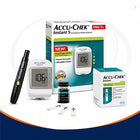
Accu-Chek Instant Strips: Use, Compatibility, Price & Blood Sugar Testing Guide
Accu-Chek Instant Strips: Uses, Features & Complete Guide

accupuncture

Acupuncture Needles & Supplies

Advanced Physiotherapy Machines & Lumbar Physiotherapy

AED Defibrillator: How It Works, Who Can Use It and Where to Place It

Airways

Alcohol Swab: Uses, Safe Use and Disposal Guide

Ambu Bag Full Form: Is There an Official Meaning?

Ambu Bag: Parts, Uses and Safety Guide

Ambu Full Form: What the Name Means and BVM Basics

Ambulance

Anatomy Models