


Featured Choice



Save 50%

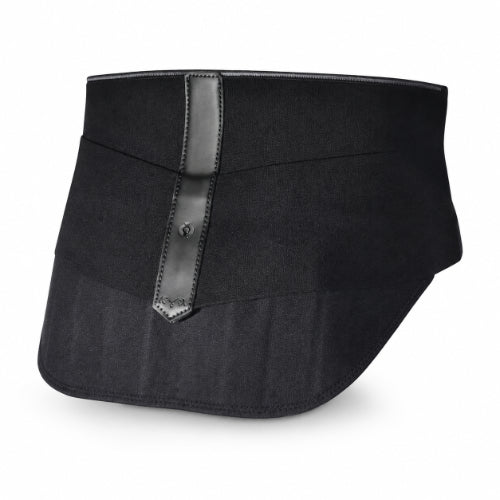
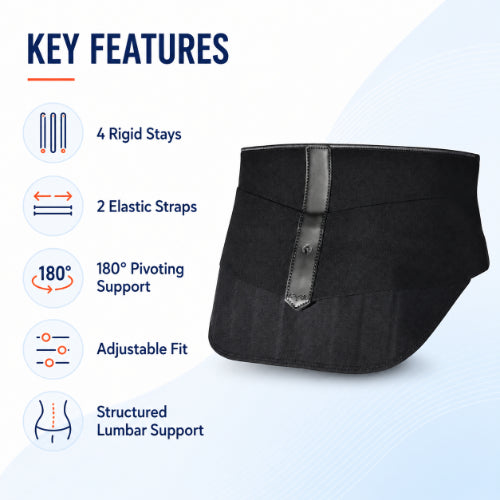

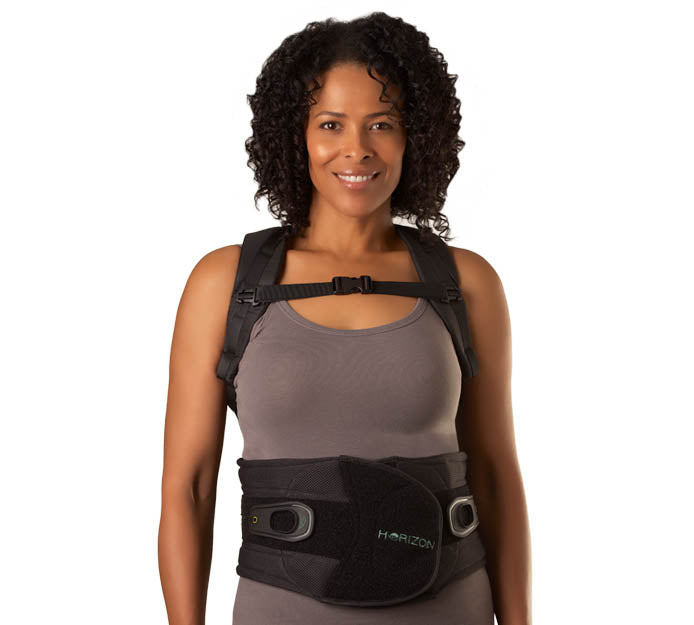
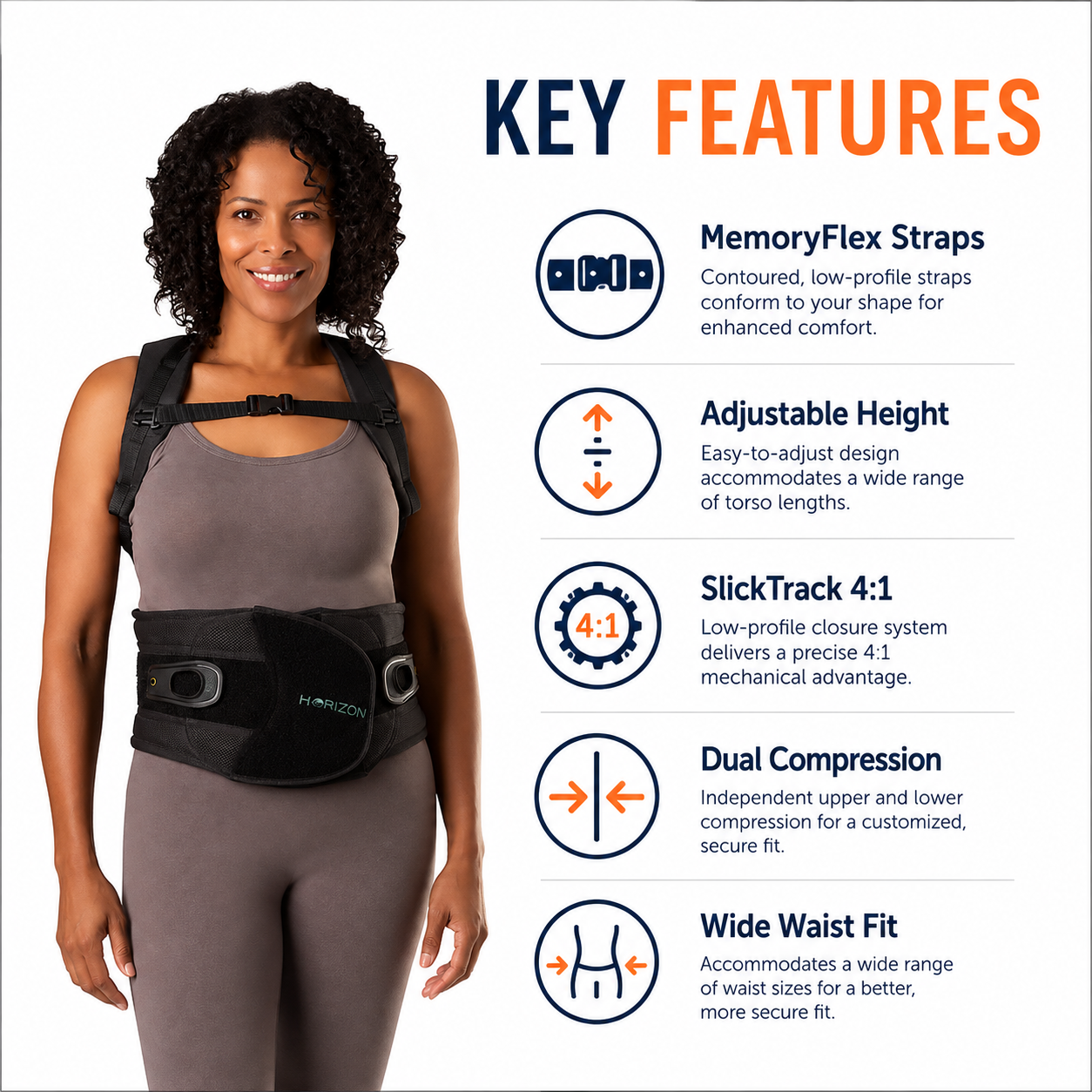


About this collection
A lumbar pain belt is an orthopedic support designed to provide external support around the lower back and lumbosacral region. Depending on its construction, a lumbar belt may provide compression, improve awareness of posture, restrict selected movements and provide additional support during certain activities or stages of rehabilitation.
Lower back pain is common among people who spend long hours sitting, standing, lifting or performing repetitive physical activities. It can also occur with muscle strain, degenerative spinal conditions, disc-related disorders and several other musculoskeletal problems. However, a back support belt should not automatically be considered a treatment for every form of back pain.
Current clinical guidance is important when discussing lumbar support. Lumbar belts and braces are not recommended as routine treatment for chronic primary low back pain. Their use should therefore be individualized according to the patient's diagnosis, symptoms, functional requirements and advice from an appropriate healthcare professional.
This professional guide explains what a lumbar pain belt is, how different types of lumbar support work, when a belt may be considered, how long it may be worn, whether it can help lower back pain, what to consider in L4-L5 disc-related symptoms and how healthcare professionals, clinics and patients can choose an appropriate lumbar support device.
Healthcare professionals and users can also explore available back and lumbar support products on Meddey.
What Is a Lumbar Pain Belt?

A lumbar pain belt is an external orthopaedic support worn around the lower back. It generally covers part of the lumbar and lumbosacral region and may be constructed using elastic fabric, semi-rigid stays, rigid panels, straps or adjustable compression systems.
The term may be used interchangeably with:
- Lumbar belt
- Back support belt
- Lower back belt
- Lumbosacral belt
- Back brace
- Lumbar support brace
- Lower back support belt
- Backbone pain belt
- Orthopaedic lumbar belt
- Belt for lower back support
Although these terms are commonly used by patients and online shoppers, medically they do not always describe exactly the same type of device. A lightweight elastic lumbar belt provides a very different level of support from a rigid spinal orthosis or a thoracolumbosacral orthosis.
Understanding the Lumbar Spine
The lumbar spine is the lower portion of the vertebral column and consists of five lumbar vertebrae identified as L1 through L5. Below the lumbar region is the sacrum.
The lumbar spine performs several important functions:
- Supports a significant portion of body weight
- Allows bending and rotation
- Transfers loads between the upper body and pelvis
- Protects neural structures
- Provides attachment points for muscles and ligaments
- Contributes to balance and functional movement
Because of these mechanical demands, the lower back can be affected by muscular strain, joint-related pain, disc degeneration, disc herniation, occupational stress, prolonged sitting and other conditions.
How Does a Lumbar Belt Work?
The exact mechanical effect of a lumbar belt depends on its design. Some products provide light elastic compression while others use rigid or semi-rigid components to restrict motion more substantially.
Possible functions of a lumbar support include:
External Support
A lumbar support belt provides an external structure around the trunk. This may give some users a feeling of stability during movement or activity.
Compression
Elastic and adjustable belts can apply circumferential compression around the lower torso. The amount of compression depends on the material, strap system and how tightly the belt is fitted.
Movement Awareness
Wearing a belt may remind the user to avoid sudden bending, twisting or poorly controlled movements. This proprioceptive feedback may be useful in selected rehabilitation situations.
Motion Restriction
Semi-rigid and rigid lumbar braces may restrict specific spinal movements more effectively than basic elastic belts. This type of support should generally be selected according to clinical need.
Postural Awareness
A back support belt may encourage some users to become more aware of trunk posture. However, a belt does not replace active postural training, exercise or rehabilitation.
Is a Lumbar Belt Good for Back Pain?
A lumbar belt may provide temporary support or symptom relief for some people in selected situations, but it should not be described as a universal treatment for back pain.
The usefulness of a back belt for pain depends on several factors:
- Cause of the pain
- Duration of symptoms
- Severity of symptoms
- Presence of neurological symptoms
- Type of lumbar belt
- Correct size and fitting
- Activity level
- Rehabilitation programme
- Advice from a doctor, physiotherapist or orthotist
For chronic primary low back pain, major clinical guidelines do not recommend lumbar belts as routine treatment. A belt should therefore not replace evidence-based management such as appropriate education, activity, exercise and individualized rehabilitation.
In selected clinical circumstances, however, a healthcare professional may recommend short-term bracing or external support as part of a broader management plan.
Can a Belt Help Lower Back Pain?
A belt for lower back support may help some patients feel more supported during painful or physically demanding activities. It may also restrict movements that aggravate symptoms.
However, the response varies considerably between individuals.
A lumbar belt may sometimes be considered during:
- Selected acute pain episodes
- Recovery from certain injuries
- Specific post-operative rehabilitation programmes
- Activities that temporarily provoke symptoms
- Clinician-directed management of particular spinal conditions
A lumbar support should usually be considered an adjunct rather than the central treatment strategy.
Patients with persistent back pain should receive appropriate assessment to identify whether the pain is non-specific, disc-related, neurological, inflammatory, traumatic or associated with another underlying condition.
Types of Lumbar Pain Belts
1. Elastic Lumbar Support Belt
An elastic lumbar belt is one of the most common types of lower back supports. It generally consists of stretchable material wrapped around the lower torso.
Depending on the product, it may include:
- Elastic compression material
- Hook-and-loop closure
- Additional tightening straps
- Posterior support stays
- Breathable mesh panels
Elastic lumbar belts are generally lighter and less restrictive than rigid braces.
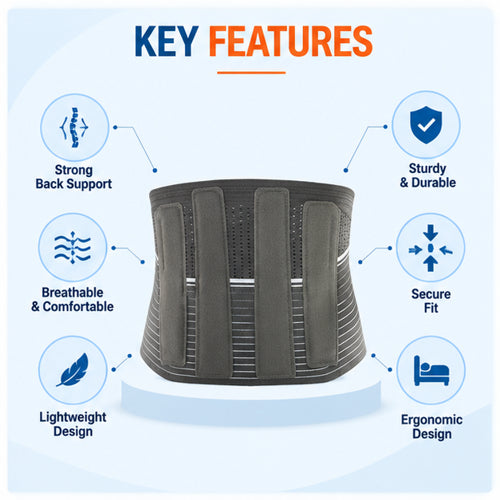
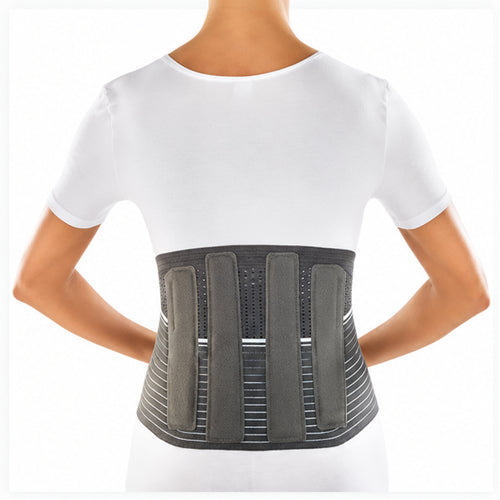
One example is the Medansh Orthopaedic Lumbar Support Belt, which is listed with aluminium posterior stays, adjustable straps and multiple size options.
2. Semi-Rigid Lumbar Support Belt
A semi-rigid support combines flexible material with structural reinforcement such as posterior stays or panels.
This design may provide:
- Greater stabilization than a simple elastic belt
- Controlled compression
- Partial restriction of trunk movement
- Additional posterior support
Semi-rigid supports may be considered when more structure is required but a fully rigid spinal orthosis is not indicated.
3. Rigid Lumbar Support
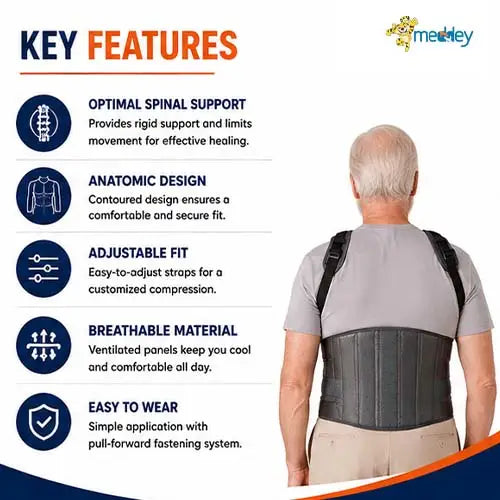
Rigid lumbar supports provide a higher level of structural control. They may contain rigid panels, reinforced stays or pulley-based compression mechanisms.
These devices are more likely to be used for defined clinical indications rather than general everyday discomfort.
For example, the Velpeau Vertelibre Rigid Lumbar Support Belt uses reinforced structural components intended to provide stronger lumbar and lumbosacral support.
4. Pulley-Based Lumbar Brace
Some advanced lumbar braces use mechanical pulley systems to allow users to apply targeted compression with less hand effort.
These may be useful when a clinician wants a more structured brace with adjustable compression.
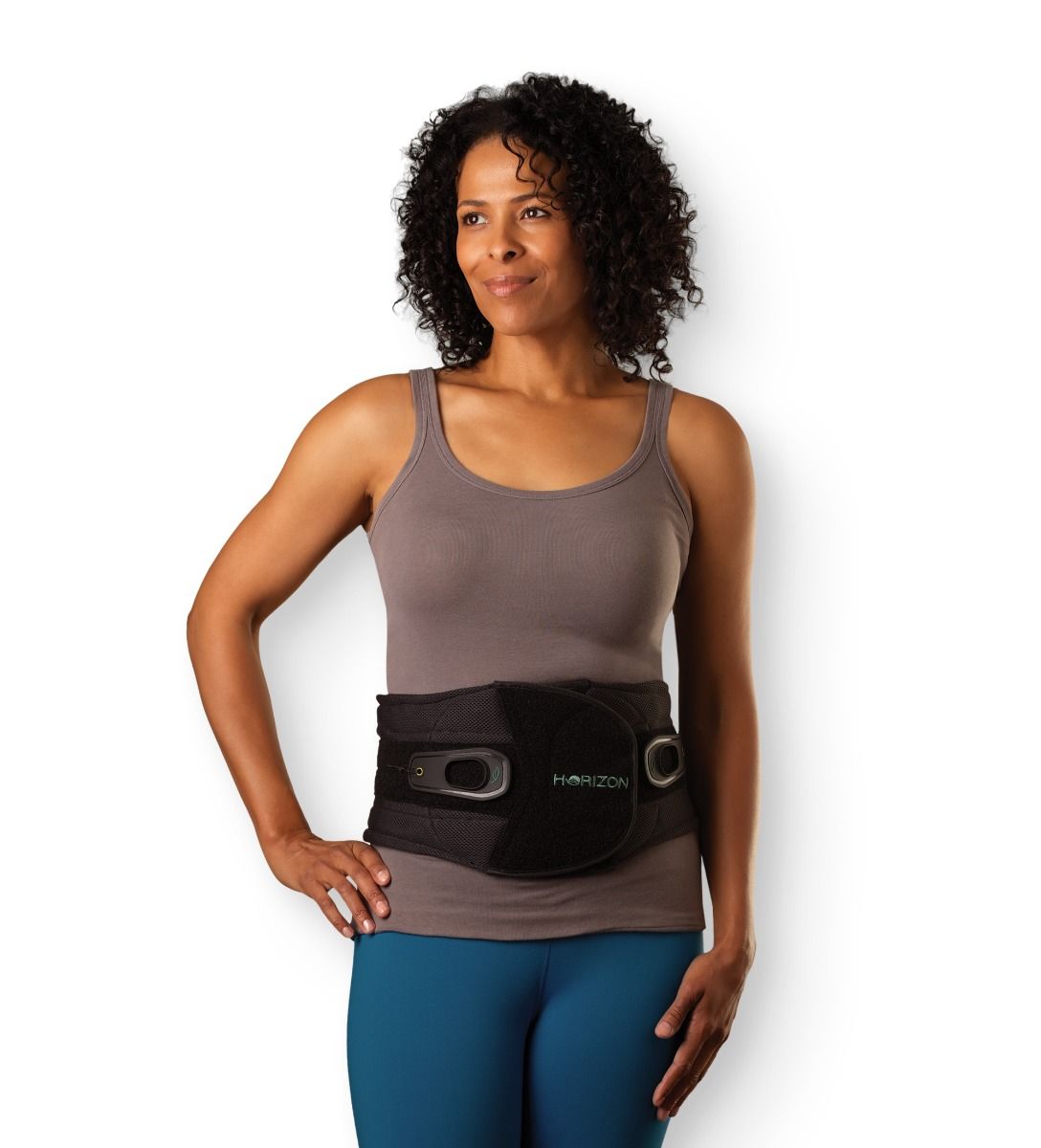
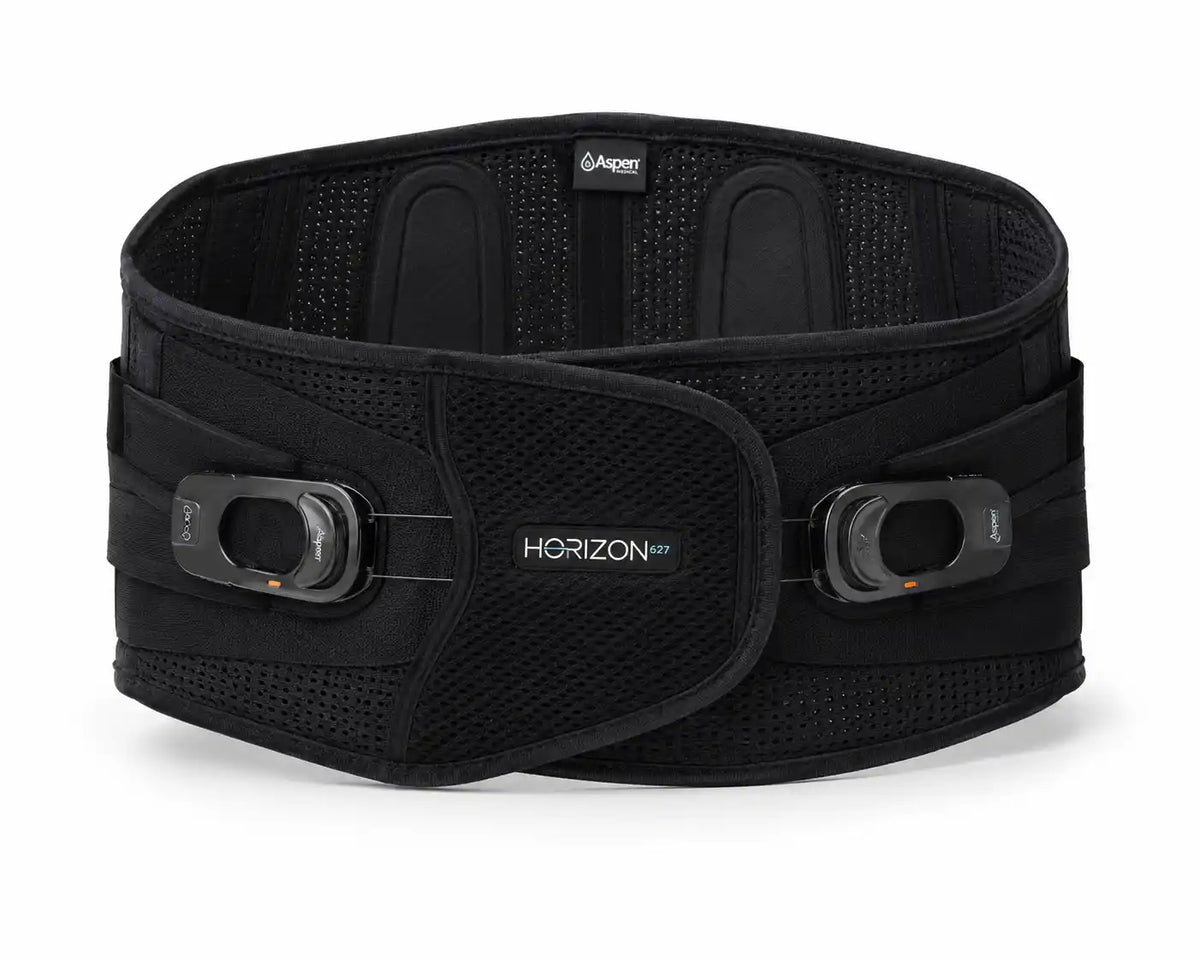
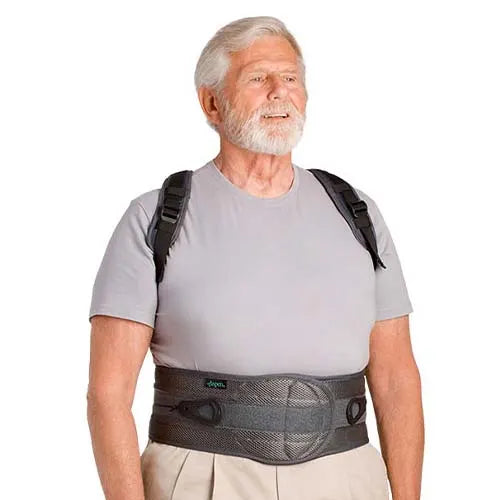
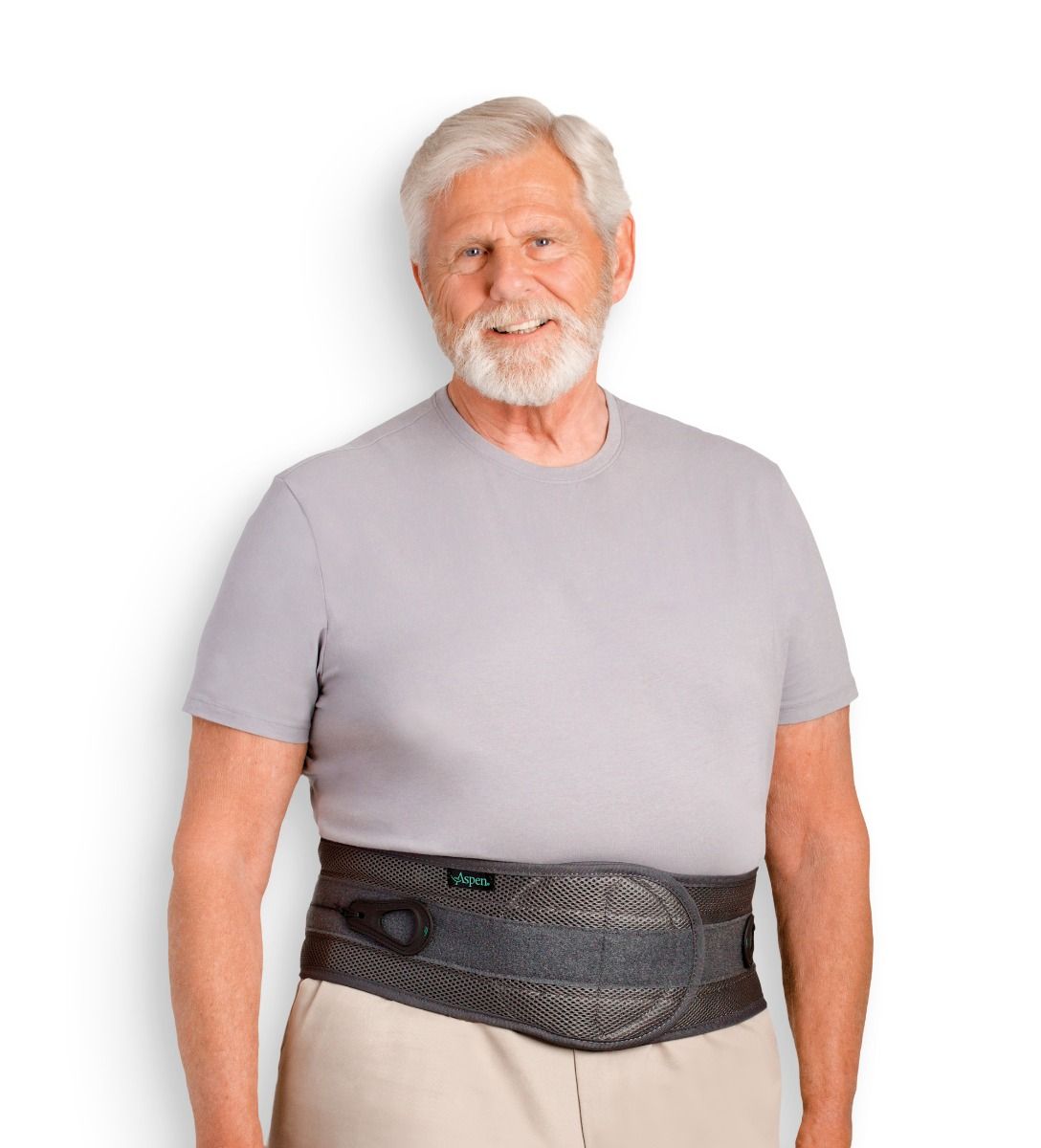
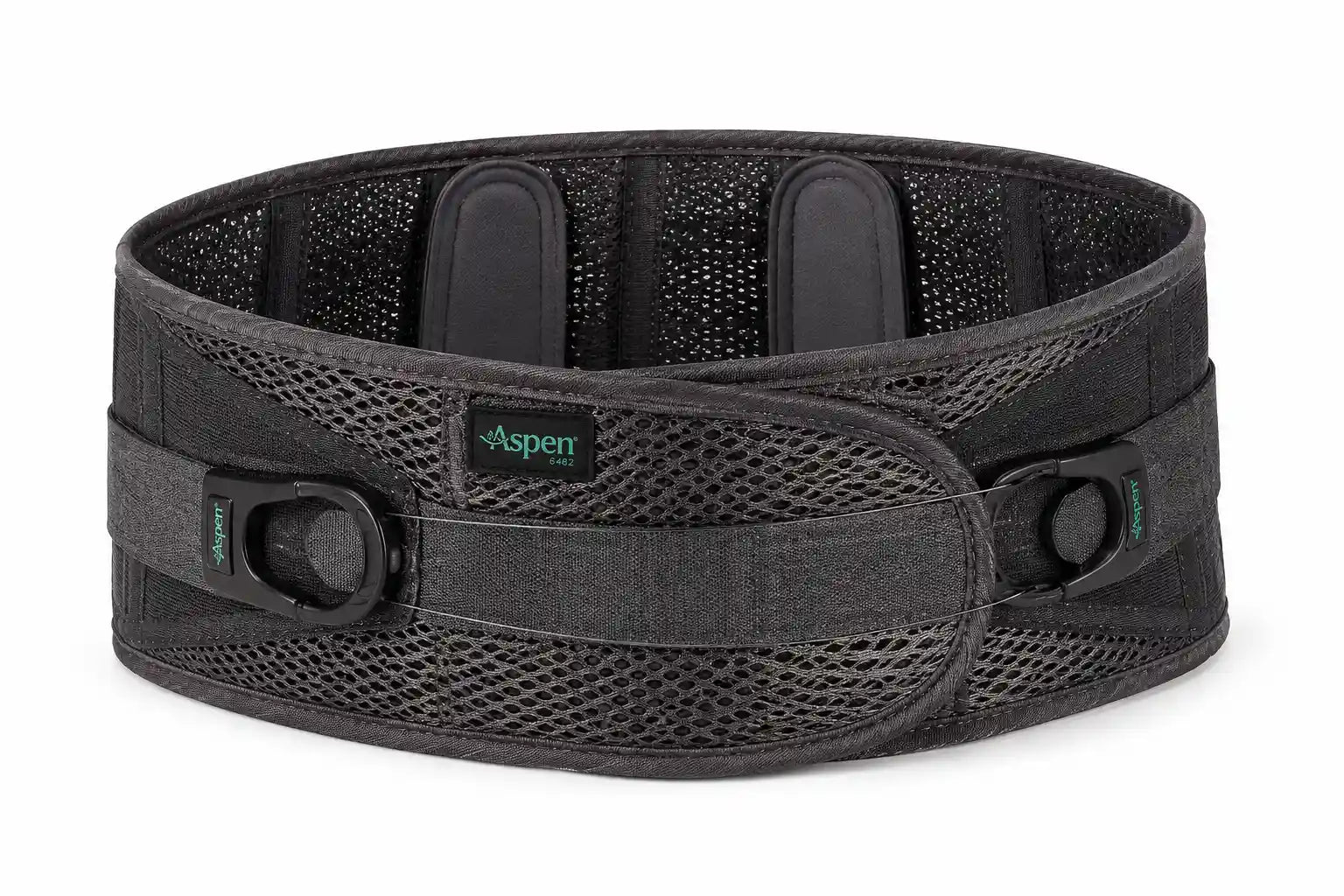
An example is the Aspen OTS 642 Lumbar Support Belt.
5. Thoracolumbosacral Orthosis
A thoracolumbosacral orthosis, or TLSO, supports a larger region of the spine than an ordinary lumbar belt.
A TLSO may be prescribed for conditions requiring significant motion restriction, such as selected spinal fractures or certain post-operative situations.
This type of brace should be professionally selected and fitted.
The Aspen Horizon 456 TLSO is an example of a more extensive thoracolumbar brace rather than a simple comfort belt.
Back Support Belt vs Lumbar Brace
| Feature | Basic Back Support Belt | Structured Lumbar Brace |
|---|---|---|
| Construction | Mostly elastic or flexible | Semi-rigid or rigid components |
| Compression | Light to moderate | Moderate to strong depending on design |
| Motion restriction | Limited | Greater |
| Typical use | General supportive use | Selected clinical indications |
| Professional fitting | May not always be necessary | Often recommended |
How Many Hours Should I Wear Lumbar Support?
There is no universal number of hours that is appropriate for every person wearing a lumbar belt.
Wear time depends on:
- Diagnosis
- Type of belt or brace
- Severity of symptoms
- Activity level
- Post-operative protocol where applicable
- Advice from the treating doctor or physiotherapist
- Manufacturer instructions
A lightweight belt used temporarily during selected activities may require a very different schedule from a rigid brace prescribed after a spinal procedure or injury.
Patients should therefore avoid assuming that a lumbar belt should automatically be worn throughout the entire day.
Excessive dependence on external support may reduce normal trunk-muscle engagement in some situations. For this reason, long-term use should be reviewed by a healthcare professional, particularly when the patient is also participating in a strengthening and rehabilitation programme.
If a brace has been prescribed after surgery, fracture or another specific spinal condition, the clinician's wear schedule should take priority over generic online recommendations.
Should You Wear a Lumbar Belt While Sleeping?
Routine sleeping in a lumbar belt is not appropriate for every user.
Whether a brace should be worn at night depends strongly on the medical indication and the type of orthosis.
A person using an ordinary elastic back support should not assume that overnight use provides additional benefit. In contrast, patients with certain fractures, post-operative restrictions or other specific conditions may receive different instructions from their surgeon or orthotist.
Follow individualized clinical instructions rather than using a generic wear schedule.
What Is the Best Medicated Belt for Back Pain?
The phrase medicated belt for back pain is commonly used in consumer searches, but most lumbar support belts are not medication-delivery devices.
A conventional lumbar belt usually works through:
- Compression
- Mechanical support
- Motion control
- Postural feedback
- Warmth from the material
Some products marketed for back discomfort may incorporate heating materials, magnetic components, herbal inserts or other features. These should not automatically be interpreted as medically proven treatments.
If a patient requires medication for back pain, pharmacological management should be discussed separately with an appropriate healthcare professional.
Healthcare professionals should avoid referring to an ordinary lumbar support as a medicated belt unless the product actually contains or delivers a regulated medicinal substance.
Which Belt Is Best for L4-L5 Disc Bulge?
There is no single belt that can be recommended as the best lumbar belt for every person with an L4-L5 disc bulge.
An L4-L5 disc bulge is an imaging finding involving the intervertebral disc between the fourth and fifth lumbar vertebrae. The clinical significance depends on:
- Size and location of the disc abnormality
- Presence or absence of nerve compression
- Pain distribution
- Muscle weakness
- Sensory symptoms
- Reflex findings
- Functional limitation
- Duration of symptoms
Many disc findings on imaging do not automatically require a brace.
If external support is considered clinically appropriate, a doctor, physiotherapist or orthotist may select an elastic, semi-rigid or more structured lumbar brace depending on the patient's condition.
A belt cannot reposition a disc or permanently correct a disc bulge. It should therefore not be marketed as a device that cures L4-L5 disc pathology.
Patients with leg weakness, progressive neurological symptoms, significant numbness or changes in bladder or bowel control require prompt medical assessment rather than self-treatment with a backbone pain belt.
Can a Lumbar Belt Cure a Slipped Disc?
No. A lumbar belt does not cure a slipped disc or herniated disc.
In selected cases, external support may be used temporarily to help manage movement or provide comfort while the patient follows a broader treatment programme.
Management of disc-related pain may involve a combination of:
- Clinical assessment
- Patient education
- Appropriate activity modification
- Exercise rehabilitation
- Physiotherapy
- Medication where clinically indicated
- Additional interventions in selected cases
The treatment approach should be based on symptoms and clinical findings rather than the presence of an imaging abnormality alone.
Lumbar Belt for Sciatica
Sciatica generally refers to pain associated with irritation or compression of nerve roots contributing to the sciatic nerve. Symptoms may extend from the lower back or buttock into the leg.
A lumbar belt should not be considered a direct treatment for nerve compression.
If a healthcare professional recommends a brace, it may be used as temporary support while the underlying problem is evaluated and treated.
Persistent leg pain, numbness, weakness or worsening neurological symptoms should receive appropriate medical assessment.
Lumbar Support for Muscle Strain
Muscle strain is a common cause of short-term lower back discomfort. Depending on the severity, patients may experience:
- Localized back pain
- Muscle tightness
- Pain during bending
- Pain during lifting
- Reduced comfortable movement
A lightweight support may make selected activities more comfortable for some patients. However, normal movement and appropriately progressive activity are generally important components of recovery.
Continuous immobilization should not be assumed to be beneficial for an uncomplicated muscle strain.
Lumbar Belt for Long Sitting
Office workers and other professionals often search for a back support belt because of discomfort associated with prolonged sitting.
A belt may provide some postural feedback, but it does not correct an unsuitable workstation or prolonged inactivity.
Healthcare professionals should also consider:
- Chair setup
- Desk height
- Monitor position
- Keyboard placement
- Frequent position changes
- Movement breaks
- Physical activity
- Strength and mobility
The goal should be to address the full ergonomic and musculoskeletal context rather than relying exclusively on a belt.
Lumbar Belt for Lifting and Physical Work
Some workers use back belts during manual handling or lifting. A belt may improve a person's awareness of the trunk during activity, but it should not be treated as protection that makes unsafe lifting techniques acceptable.
Proper occupational risk management remains essential and may include:
- Load assessment
- Safe lifting techniques
- Mechanical lifting aids
- Team lifting where appropriate
- Workstation modification
- Task rotation
- Training
Workers should not lift beyond safe limits simply because they are wearing a lumbar belt.
How to Choose the Right Lumbar Pain Belt
1. Identify the Clinical Purpose
Determine why the belt is being considered. General muscular discomfort requires a different approach from a fracture, post-operative condition or significant neurological disorder.
2. Choose the Appropriate Support Level
Lumbar supports may provide light, moderate or strong stabilization.
Light elastic support may be suitable for some general supportive applications, while more structured braces should be selected for defined clinical requirements.
3. Select the Correct Size
Correct sizing is essential for comfort and function.
Most belts are sized according to waist or hip circumference. Follow the exact measurement method provided by the manufacturer because sizing methods can vary between products.
4. Consider Adjustability
Double-pull straps, pulley systems and hook-and-loop closures can help users modify the level of compression.
5. Check Material and Breathability
A breathable material may improve comfort when the belt is used in warm environments or for longer periods.
6. Review Structural Components
Depending on the intended support level, the belt may contain:
- Flexible stays
- Aluminium stays
- Rigid plastic panels
- Reinforced posterior sections
- Pulley systems
7. Consider Ease of Application
Patients with reduced hand strength or limited mobility may benefit from easier fastening mechanisms or pulley-based tightening systems.
8. Check Manufacturer Instructions
Always review indications, contraindications, cleaning instructions and recommended wear guidance for the exact product.
How Should a Lumbar Belt Fit?
A correctly fitted lumbar belt should feel secure without causing excessive compression.
General fitting principles include:
- Position the supportive section over the intended lumbar area.
- Fasten the belt evenly.
- Use additional straps according to product instructions.
- Avoid excessive tightening.
- Confirm that breathing is unrestricted.
- Check for pressure points.
- Check the skin after initial use.
If a belt causes increased pain, numbness, skin irritation or circulatory symptoms, remove it and reassess the fit or seek professional advice.
Common Mistakes When Using a Back Support Belt
Common errors include:
- Using the wrong size
- Positioning the belt too high or too low
- Tightening it excessively
- Wearing it continuously without clinical advice
- Using a soft belt when rigid support has been prescribed
- Using a rigid brace for general discomfort without assessment
- Ignoring exercise and rehabilitation
- Using the belt to continue activities that significantly aggravate symptoms
- Expecting the belt to cure a disc problem
- Ignoring neurological symptoms
Can Wearing a Lumbar Belt Weaken Back Muscles?
Concerns are often raised about muscle weakness during prolonged brace use.
The effect depends on the device, duration of use, activity level and clinical context. Excessive reliance on external support can reduce normal muscular demand in some circumstances.
This is one reason why routine long-term use of lumbar belts without clinical justification is generally discouraged.
When a belt is used as part of rehabilitation, the programme may also include exercises intended to improve:
- Trunk strength
- Movement control
- Hip strength
- Mobility
- Functional tolerance
- Confidence in movement
Exercise and Lumbar Support
For many forms of low back pain, remaining appropriately active and participating in a suitable exercise programme are important parts of care.
A lumbar belt should not become a substitute for rehabilitation unless a clinician has specifically restricted activity.
A physiotherapy programme may include individually selected:
- Mobility exercises
- Trunk control exercises
- Strengthening exercises
- Hip strengthening
- Functional movement training
- Graded activity
The appropriate programme depends on the diagnosis and patient presentation.
When Should a Lumbar Belt Not Be Self-Prescribed?
Patients should seek clinical assessment before relying on a back support when pain is:
- Severe or rapidly worsening
- Associated with significant trauma
- Associated with leg weakness
- Associated with progressive numbness
- Accompanied by bladder or bowel dysfunction
- Associated with saddle-area sensory changes
- Associated with fever or systemic illness
- Associated with unexplained weight loss
- Persistent despite appropriate conservative care
These situations may require investigation rather than symptom management with a belt.
How to Choose a Lumbar Belt for a Clinic or Hospital
Healthcare facilities should evaluate lumbar supports according to clinical indications and patient requirements rather than stocking only one universal design.
Support Range
Consider maintaining options for light, moderate and more structured support where clinically appropriate.
Size Range
A clinic should have access to sufficient sizes to accommodate different body dimensions.
Ease of Fitting
Clear sizing instructions and simple application can improve clinical efficiency.
Material
Consider breathability, durability and patient comfort.
Cleaning
Review manufacturer care instructions, particularly when demonstration or reusable devices are handled in healthcare settings.
Brand and Product Traceability
Clinics should purchase identifiable products with clear manufacturer information and documented specifications.
Patient Education
Patients should receive instructions regarding:
- Fitting
- Wear schedule
- Skin monitoring
- Activity
- Exercise
- When to discontinue use
- When to seek reassessment
Comparing Common Lumbar Support Options
| Support Type | Typical Construction | Relative Support | Typical Consideration |
|---|---|---|---|
| Elastic lumbar belt | Elastic material with optional stays | Light to moderate | General short-term support |
| Semi-rigid belt | Elastic material plus reinforced stays | Moderate | Selected conditions requiring additional structure |
| Rigid lumbar brace | Rigid panels or reinforced structure | High | Specific clinician-directed indications |
| TLSO | Extended rigid or semi-rigid orthosis | High | Thoracolumbar conditions requiring greater motion control |
Lumbar Pain Belt Options Available on Meddey
Medansh Orthopaedic Lumbar Support Belt
This lumbar support is designed as an adjustable everyday back support and is listed with two aluminium posterior stays, a wide supportive panel, breathable elastic material and double-pull straps.
View Medansh Orthopaedic Lumbar Support Belt
Velpeau Dorsafit Lumbar Support Belt
The Velpeau Dorsafit is a lightweight lumbar orthosis listed with integrated stays, compressive support and an easy-application closure system.
View Velpeau Dorsafit Lumbar Support Belt
Velpeau Vertelibre Rigid Lumbar Support Belt
The Vertelibre is a more structured lumbar support designed with rigid reinforcement and adjustable stabilization features.
View Velpeau Vertelibre Rigid Lumbar Support Belt
Aspen OTS 642 Lumbar Support
The Aspen OTS 642 is a structured lumbar support featuring an adjustable compression system and more substantial stabilization than a basic elastic belt.
View Aspen OTS 642 Lumbar Support
Lumbar Belt Price in India
The price of a lumbar pain belt can vary significantly depending on support level, material, manufacturer, structural reinforcement and orthopaedic technology.
Factors influencing price include:
- Elastic versus rigid construction
- Number and type of support stays
- Compression mechanism
- Imported or domestic manufacture
- Size range
- Breathable materials
- Pulley systems
- Clinical-grade design
- Warranty and brand support
A basic elastic back support belt may cost considerably less than a rigid clinical brace.
Because online prices change, users should check the current product listing rather than relying on an old article price.
Browse current lumbar support options at Meddey.
Frequently Asked Questions About Lumbar Pain Belts
Is a lumbar belt good for back pain?
A lumbar belt may provide temporary support for selected patients, but it is not recommended as routine treatment for every type of low back pain. The benefit depends on diagnosis, belt type and clinical context.
How many hours should I wear lumbar support?
There is no universal daily wear duration. Follow the instructions for the specific device and the recommendations of your doctor, physiotherapist or orthotist. A prescribed rigid brace may have a different schedule from a lightweight support belt.
What is the best medicated belt for back pain?
Most lumbar belts are mechanical supports rather than medication-delivery devices. Products described as medicated, magnetic or therapeutic should not automatically be assumed to have proven medicinal effects. Medication and bracing should be evaluated separately.
Can a belt help lower back pain?
Some people may experience temporary support or improved comfort during selected activities. However, a belt should not replace appropriate assessment, activity, exercise or rehabilitation.
Which belt is best for an L4-L5 disc bulge?
No single lumbar belt is best for every L4-L5 disc bulge. The appropriate support depends on symptoms, neurological findings, diagnosis and functional needs. A healthcare professional should determine whether a belt is appropriate and what support level is required.
Can a lumbar belt cure a disc bulge?
No. A lumbar belt cannot reverse or cure a disc bulge. It may be used temporarily as supportive management in selected cases.
Can I wear a back support belt all day?
Continuous all-day use should not be assumed to be appropriate. Long-term wear should follow clinical advice, particularly for patients who also need active rehabilitation and trunk strengthening.
Can I sleep while wearing a lumbar belt?
Do not automatically wear a lumbar belt during sleep. Night use depends on the specific diagnosis and type of brace. Follow clinician instructions when a brace has been prescribed.
Does a lumbar belt improve posture?
A belt may increase awareness of trunk position, but it does not permanently correct posture. Ergonomic modification, movement habits and exercise remain important.
Which is better: soft or rigid lumbar support?
Neither is universally better. Soft supports provide less restriction and are more flexible, while rigid braces provide stronger motion control. Selection should be based on the clinical purpose.
Can doctors prescribe lumbar belts?
Yes. Doctors, physiotherapists and orthotists may recommend lumbar supports for selected indications based on assessment and clinical need.
Can lumbar support be used after spine surgery?
In some cases, a surgeon may prescribe a brace after spinal surgery. Whether bracing is necessary, what type should be used and how long it should be worn depend on the procedure and surgeon's protocol.
Is a lumbar support useful for sciatica?
A lumbar support does not directly treat nerve compression. It may be used as an adjunct in selected patients, but persistent sciatica or neurological symptoms require proper assessment.
Can a lumbar belt prevent back injury while lifting?
A belt should not be relied upon as protection against unsafe lifting. Safe manual handling practices, load management and workplace ergonomics remain essential.
Professional Checklist Before Choosing a Lumbar Pain Belt
- Identify the underlying clinical problem.
- Determine whether bracing is actually indicated.
- Choose light, moderate or rigid support appropriately.
- Measure the patient according to manufacturer instructions.
- Confirm the correct belt size.
- Check lumbar coverage.
- Review the number and type of support stays.
- Assess adjustability.
- Consider breathable materials.
- Check ease of application.
- Review contraindications.
- Check skin condition.
- Provide clear wear instructions.
- Avoid unnecessary long-term dependence.
- Combine support with appropriate rehabilitation where indicated.
- Reassess the patient if symptoms persist or worsen.
When Should You Consult a Doctor for Lower Back Pain?
Many episodes of back pain improve with appropriate conservative care, but some symptoms require prompt medical review.
Seek professional assessment if back pain is associated with:
- Progressive leg weakness
- Severe or increasing numbness
- Loss of bladder or bowel control
- Numbness around the groin or saddle region
- Major trauma
- Fever or systemic illness
- Unexplained weight loss
- Severe persistent night pain
- History of significant medical disease
- Symptoms that continue to worsen
A backbone pain belt should never delay appropriate investigation of warning symptoms.
Where to Buy a Lumbar Pain Belt Online in India?
When buying a lumbar pain belt online, compare more than just price. Review the support level, size range, construction, intended use and manufacturer information.
Doctors, physiotherapists, clinics, hospitals and individual users should consider:
- Product type
- Support level
- Available sizes
- Waist measurement requirements
- Material
- Structural stays
- Closure mechanism
- Manufacturer
- Warranty where applicable
- Current availability
Meddey offers multiple orthopaedic and lumbar support options for different requirements.
Explore Lumbar Supports:
https://meddey.com/collections/back-lumbar-support
Medansh Lumbar Support Belt:
https://meddey.com/products/lumbar-support-belt-lower-back-pain-relief
Visit Meddey:
https://meddey.com/
Conclusion
A lumbar pain belt is an orthopaedic support designed to provide external support, compression or selected motion control around the lower back. Different products range from simple elastic back support belts to structured rigid braces intended for specific clinical indications.
A lumbar belt may provide temporary support or improve comfort for some patients, but it should not be considered a universal treatment or cure for lower back pain. Current clinical guidance does not support routine lumbar belt use for chronic primary low back pain.
The correct approach depends on the underlying cause of symptoms. Patients with muscle strain, disc-related symptoms, post-operative requirements or more complex spinal disorders may require very different management strategies.
For an L4-L5 disc bulge, sciatica or persistent lower back pain, the decision to use a lumbar belt should be based on clinical findings rather than imaging or online product descriptions alone.
When a belt is considered appropriate, correct sizing, suitable support level, appropriate duration of use and a broader rehabilitation programme are important.
Healthcare professionals, medical institutions and individual users can compare different back and lumbar support options at Meddey according to their clinical and functional requirements.
Medical Disclaimer
This article is intended for educational and general informational purposes only. It does not replace individualized diagnosis, medical advice, physiotherapy assessment or treatment from a qualified healthcare professional. Lumbar belts and spinal braces should be selected according to the patient's condition and intended use. Patients with significant trauma, progressive weakness, severe neurological symptoms, bladder or bowel changes or other concerning symptoms should seek prompt medical assessment.
Professional References
- World Health Organization – Guideline for Non-Surgical Management of Chronic Primary Low Back Pain
WHO Chronic Primary Low Back Pain Guideline - NICE – Low Back Pain and Sciatica in Over 16s: Assessment and Management
NICE Low Back Pain Recommendations
```
Explore Medical Collections
All Categories
Abdominal & Maternity Support

Accessories

Accu-Chek Instant Strips: Use, Compatibility, Price & Blood Sugar Testing Guide
Accu-Chek Instant Strips: Uses, Features & Complete Guide

Accupressure Products for Pressure Point Therapy, Pain Relief & Wellness

accupuncture

Acupuncture Needles & Supplies

Advanced Physiotherapy Machines & Lumbar Physiotherapy

Airways

Ambulance

Anatomy Models
Anesthesia Machine

Anesthesia Products
Ankle Support, Braces & Walker Boots for Recovery
Ankle Weights & Exercise Weights for Home & Rehab
You may also need
FOR YOURecommended for you
Save 50%